

🩺 Dr. Akram’s Private Clinical Notes
“Over three decades of clinical practice across university hospitals in London, New York, and tertiary care centers in South Asia, I have sat beside thousands of women in their early weeks of pregnancy who felt completely undone by nausea. Just last month, I consulted with Elena, a 31-year-old financial analyst from Chicago, pregnant for the first time. At seven weeks, she sat in my office pale, visibly shivering from dehydration, clutching a plastic basin. She said to me: ‘Doctor, everyone told me this was just a little morning queasiness, but I feel like I am being poisoned from inside my own body 24 hours a day. I can’t look at food, I can’t drink plain water, and I cannot work.’
First Trimester Morning Sickness
Halfway across the globe in Lahore, I treated Amara, an architect carrying twins at eight weeks gestation. In Amara’s household, the cultural preparation of dinner—specifically the heating of mustard oil and the tempering of garlic and cumin seeds—instantly triggered intractable retching that left her with ketone-positive urine and severe orthostatic dizziness. What both Elena and Amara were experiencing was not a psychological weakness, nor was it merely ‘morning’ sickness. It was an intense neuro-endocrinological storm occurring at the intersection of the embryonic syncytiotrophoblast, the maternal area postrema in the brainstem, and profound gastrointestinal smooth muscle relaxation. Once we recalibrated their treatment—shifting from passive endurance to targeted biochemical adjustments, biological gastric pacing, and receptor-specific interventions—both women stabilized within 72 hours. Morning sickness is manageable, provided we treat the human physiology, not the cliché.”
What is Morning Sickness (Nausea and Vomiting of Pregnancy)?
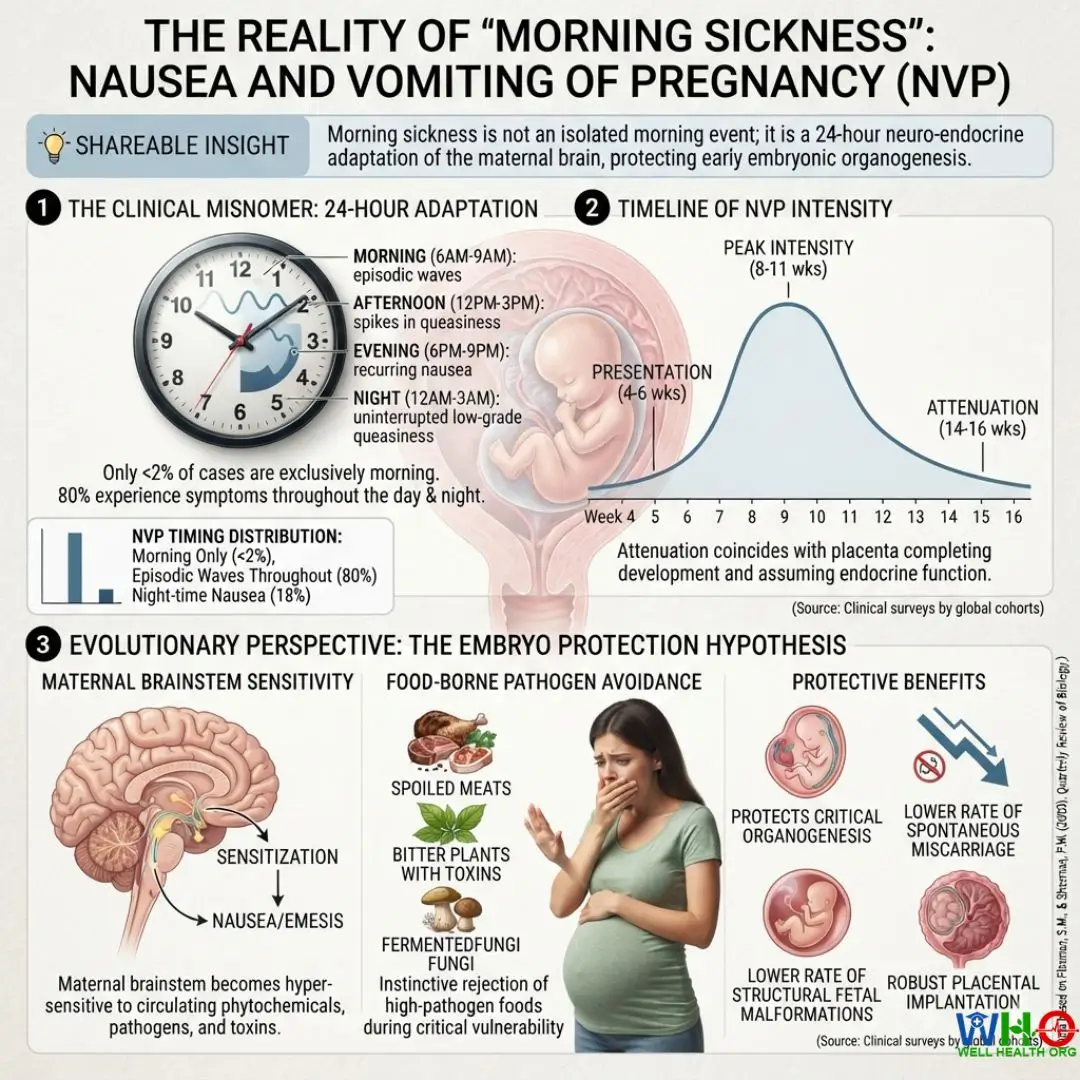
The Clinical Reality Behind the Misnomer and Evolutionary Biology
In the medical literature, the colloquial phrase “morning sickness” is formally designated as Nausea and Vomiting of Pregnancy (NVP). Calling it morning sickness is one of the most misleading conventions in all of clinical obstetrics. Clinical surveys across diverse global cohorts reveal that fewer than 2% of pregnant individuals experience nausea confined exclusively to the morning hours. For roughly 80% of expectant mothers, symptoms persist as episodic waves throughout the afternoon, spike in the late evening, or remain as an uninterrupted low-grade queasiness lasting through the night.
NVP typically presents between the 4th and 6th week after the last menstrual period (LMP), reaching peak biological intensity between gestational weeks 8 and 11, before systematically attenuating between weeks 14 and 16 as the placenta completes its development and assumes independent endocrine production.
From an evolutionary medicine perspective, pioneered by researchers such as Prof. Paul Sherman, NVP is widely hypothesized to serve an adaptive embryonic protection function. During the first trimester, the developing embryo is actively undergoing rapid organogenesis—the critical window where the cardiovascular system, neural tube, limbs, and optical structures form. During this vulnerable phase, the maternal immune system downregulates to prevent immunological rejection of the semi-allogeneic conceptus.
Simultaneously, the maternal brainstem’s emetic circuitry becomes exquisitely sensitized to circulating phytochemicals, food-borne pathogens, and bacterial toxins. Foods historically carrying higher pathogen burdens (such as spoiled meats, bitter uncultivated plants containing toxic alkaloids, and fermented fungi) are instinctively rejected. Consequently, while NVP is physically taxing for the mother, its presence is epidemiologically correlated with lower rates of spontaneous early miscarriage, lower rates of structural fetal malformations, and robust placental implantation.
Differentiating Physiological NVP from Hyperemesis Gravidarum (PUQE Scoring)
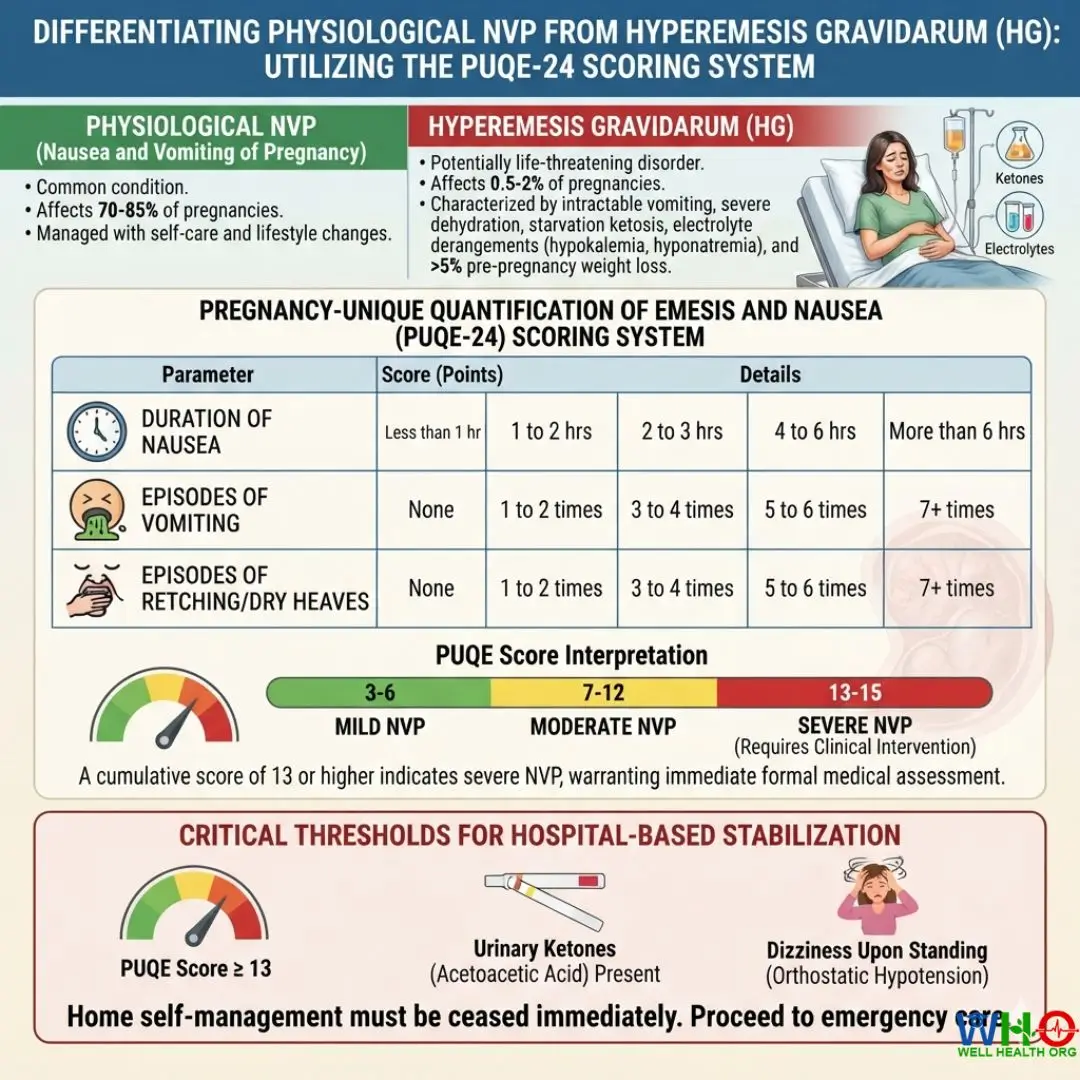
It is paramount from a safety and diagnostic perspective to distinguish between typical, physiological NVP and the potentially life-threatening medical disorder known as Hyperemesis Gravidarum (HG). While standard NVP affects between 70% and 85% of pregnancies worldwide, Hyperemesis Gravidarum occurs in approximately 0.5% to 2% of pregnancies. HG is marked by intractable, persistent emesis, severe dehydration, starvation ketosis, electrolyte derangements (hypokalemia, hyponatremia), and an absolute loss of more than 5% of pre-pregnancy body weight.
In clinical practice, we assess severity using the validated Pregnancy-Unique Quantification of Emesis and Nausea (PUQE-24) scoring system. This diagnostic scale evaluates three parameters over a 24-hour cycle:
- Duration of nausea: Less than 1 hour (1 pt), 1 to 2 hours (2 pts), 2 to 3 hours (3 pts), 4 to 6 hours (4 pts), or more than 6 hours (5 pts).
- Episodes of vomiting: None (1 pt), 1 to 2 times (2 pts), 3 to 4 times (3 pts), 5 to 6 times (4 pts), or 7+ times (5 pts).
- Episodes of retching/dry heaves: None (1 pt), 1 to 2 times (2 pts), 3 to 4 times (3 pts), 5 to 6 times (4 pts), or 7+ times (5 pts).
A cumulative PUQE score of 3 to 6 indicates mild NVP; 7 to 12 indicates moderate NVP; and 13 to 15 indicates severe NVP requiring clinical intervention. When an expectant mother scores 13 or higher, exhibits urinary ketones (acetoacetic acid), or experiences dizziness upon standing, home self-management must immediately step aside for formal medical and hospital-based stabilization.
The Biological and Environmental Root Causes of Morning Sickness
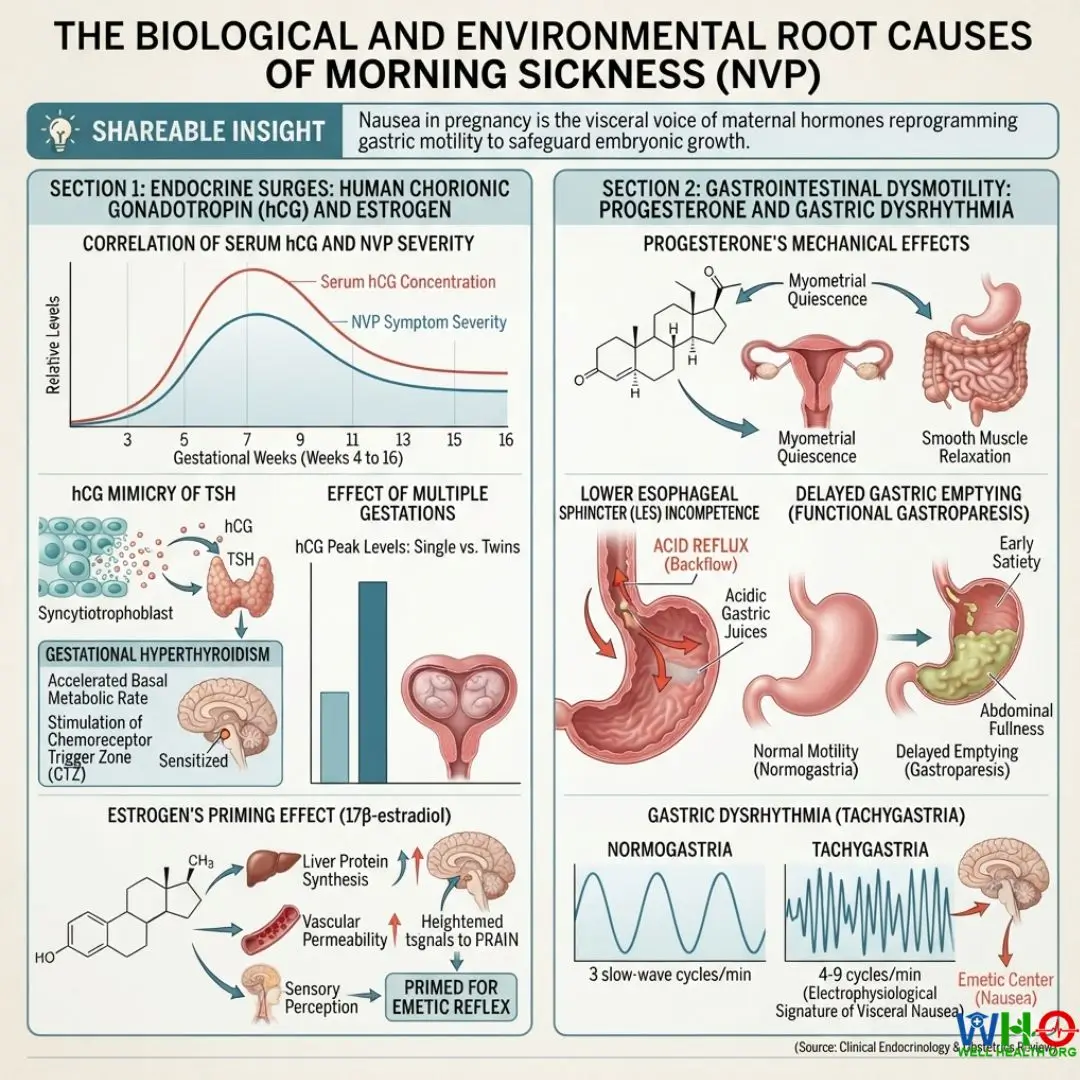
Endocrine Surges: Human Chorionic Gonadotropin (hCG) and Estrogen
The primary endocrine trigger of pregnancy-related nausea is human chorionic gonadotropin (hCG), a glycoprotein hormone secreted by the syncytiotrophoblast cells of the early placenta. The concentration curve of circulating serum hCG mirrors the symptom severity curve of NVP with striking precision: both parameters begin climbing sharply between weeks 5 and 6, reach their apex between gestational weeks 9 and 11, and steadily decline thereafter to a physiological plateau.
hCG structurally resembles thyroid-stimulating hormone (TSH) and binds to TSH receptors on the maternal thyroid gland, often causing a transient, physiological gestational hyperthyroidism. This biological surge accelerates basal metabolic rates and directly stimulates the chemoreceptor trigger zone (CTZ).
Women carrying multiple gestations (twins, triplets) or those with gestational trophoblastic disease possess significantly greater volumes of syncytiotrophoblastic tissue, generating substantially higher peak serum hCG levels and experiencing a higher incidence of severe, refractory NVP.
Parallel to hCG, circulating levels of 17β-estradiol climb drastically during early gestation. Estrogen increases vascular permeability, amplifies liver protein synthesis, and enhances neurosensory perception across all sensory modalities, effectively priming the maternal brain to react with an emetic reflex to minimal physiological provocations.
Gastrointestinal Dysmotility: Progesterone and Gastric Dysrhythmia
While hCG acts centrally upon the brainstem, progesterone exerts profound mechanical and electromechanical effects on the maternal gastrointestinal tract. Progesterone is a potent smooth-muscle relaxant. Its primary biological directive in early pregnancy is to maintain myometrial quiescence, preventing the uterus from contracting and expelling the blastocyst.
However, progesterone does not act selectively on uterine smooth muscle; it systematically relaxes smooth muscle throughout the body, including the gastrointestinal tract:
- Lower Esophageal Sphincter (LES) Incompetence: The basal resting tone of the LES drops significantly, allowing acidic gastric juices to backflow into the distal esophagus, triggering reflux-associated nausea.
- Delayed Gastric Emptying (Functional Gastroparesis): Chyme lingers in the stomach chamber significantly longer than normal, leading to gastric distension, early satiety, and persistent feelings of upper abdominal fullness.
- Gastric Dysrhythmia (Tachygastria): Normal gastric motility is governed by an intrinsic electrical pacemaker that generates approximately 3 slow-wave cycles per minute (normogastria). Under the influence of high progesterone and estrogen levels, this rhythm destabilizes into tachygastria (abnormally rapid, disorganized electrical paces of 4 to 9 cycles per minute). Tachygastria is the primary electrophysiological signature of visceral nausea.
The Neuro-Olfactory Circuitry and Area Postrema Activation
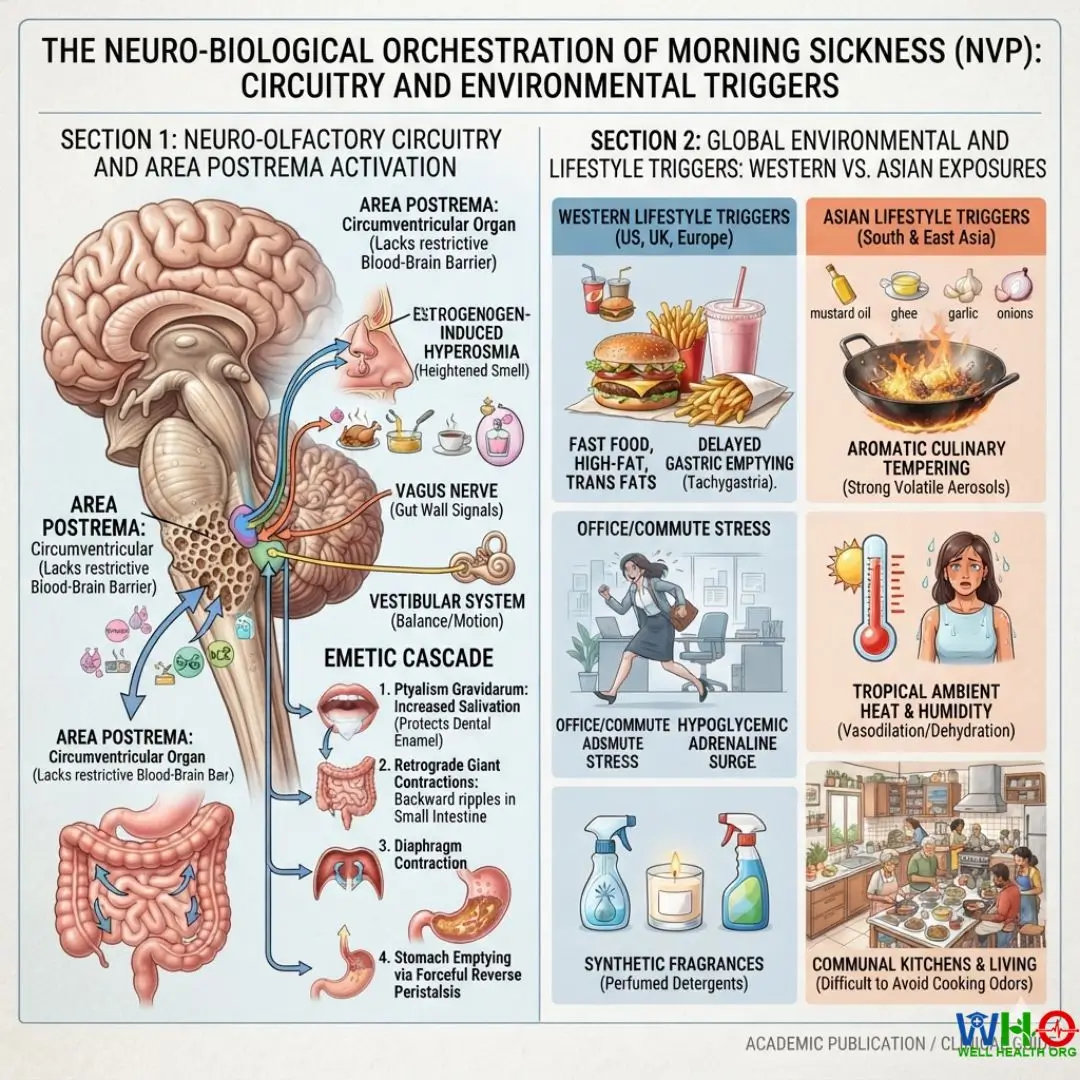
The neurological orchestrator of morning sickness resides within the dorsal vagal complex of the medulla oblongata, specifically within the area postrema. The area postrema is a circumventricular organ lacking a fully developed, restrictive blood-brain barrier. As a result, its specialized neurons are exposed directly to chemical compounds, peptides, and hormones circulating within both the bloodstream and the cerebrospinal fluid.
In close neurological proximity sits the nucleus tractus solitarii (NTS), which receives dense sensory inputs from the vagus nerve (cranial nerve X) originating in the gut wall, as well as signals from the vestibular system (cranial nerve VIII) and the olfactory bulb (cranial nerve I). In early pregnancy, estrogen-induced hyperosmia (a heightened, hypersensitive sense of smell) causes innocuous airborne volatile organic compounds—such as the scent of boiling poultry, frying oils, coffee, or synthetic perfumes—to trigger robust sensory inputs through the olfactory tracts.
These olfactory signals project directly into the limbic amygdala and the NTS. The NTS coordinates with the area postrema, interprets these sensory inputs as potentially hazardous toxins, and initiates the emetic cascade: salivation increases to protect dental enamel against stomach acid (ptyalism gravidarum), retrograde giant contractions ripple backward up the small intestine, the diaphragm contracts, and the stomach empties via forceful reverse peristalsis.
Global Environmental and Lifestyle Triggers: Western vs. Asian Exposures
The clinical presentation of morning sickness varies significantly based on regional culinary habits, domestic environments, and cultural lifestyles:
Western Lifestyle Triggers (US, UK, Europe)
- Ultra-Processed High-Fat Diets: Fast foods, heavy dairy, melted cheeses, and trans fats delay gastric emptying times, exacerbating tachygastria.
- Office & Commuting Stress: Rushing out the door on an empty stomach triggers hypoglycemic adrenaline surges, worsening nausea.
- Synthetic Fragrances: Widespread use of perfumed cleaning detergents, synthetic room sprays, and scented candles in closed, climate-controlled spaces.
Asian Lifestyle Triggers (South & East Asia)
- Aromatic Culinary Tempering: High-heat frying of mustard oil, ghee, garlic, and onions produces strong volatile aerosols that trigger immediate retching.
- Tropical Ambient Heat & Humidity: Warm weather dilates maternal peripheral vasculature, worsening orthostatic dizziness and dehydration.
- Communal Kitchens & Living: Dense family homes can make it difficult for expectant mothers to avoid daily cooking odors.
Advanced Clinical and Pharmacological Treatments
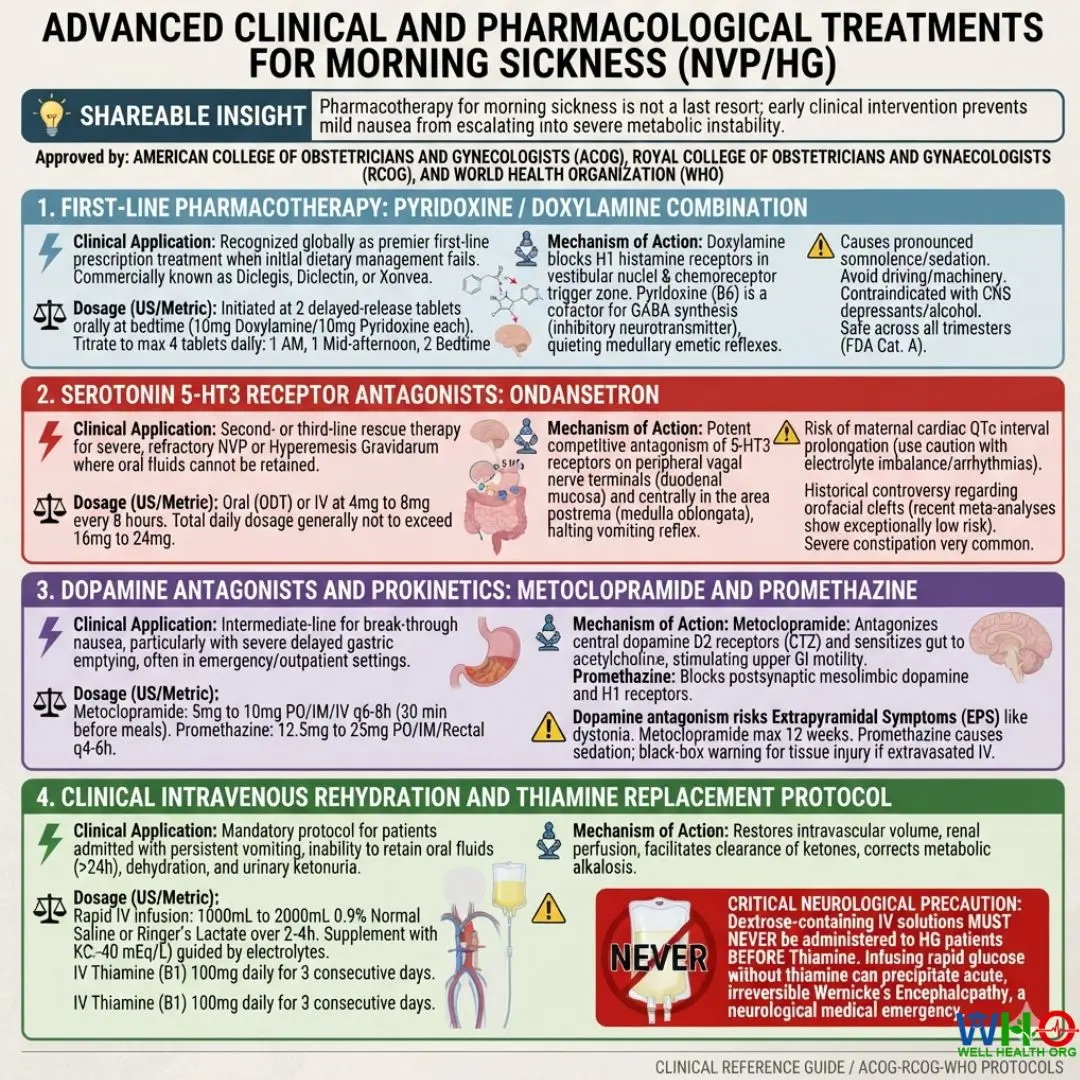
When dietary adjustments and lifestyle interventions fail to control symptoms, modern obstetric protocols emphasize early medical treatment to prevent dehydration, nutritional decline, and psychological distress. Below are the evidence-based clinical interventions approved by the American College of Obstetricians and Gynecologists (ACOG), the Royal College of Obstetricians and Gynaecologists (RCOG), and the World Health Organization (WHO).
1. First-Line Pharmacotherapy: Pyridoxine / Doxylamine Combination
⚡ Clinical Application: Recognized globally as the premier first-line prescription treatment for nausea and vomiting of pregnancy when initial dietary management fails. Typically prescribed as a delayed-release combination tablet (commercially known as Diclegis, Diclectin, or Xonvea).
⚖️ Dosage (US/Metric): Initiated at two delayed-release tablets taken orally at bedtime (each tablet containing 10 mg Doxylamine Succinate and 10 mg Pyridoxine Hydrochloride). If symptoms persist into the daytime, titration can increase to 1 tablet in the morning, 1 tablet in the mid-afternoon, and 2 tablets at bedtime (maximum 40 mg/40 mg daily).
🔬 Mechanism of Action: Doxylamine is a first-generation ethanolamine-derivative antihistamine that competitively binds to and blocks H1 histamine receptors within the vestibular nuclei and the chemoreceptor trigger zone. Pyridoxine (Vitamin B6) serves as an essential biological cofactor in amino acid metabolism, facilitating the enzymatic synthesis of the inhibitory neurotransmitter gamma-aminobutyric acid (GABA), which acts to quiet medullary emetic reflexes.
⚠️ Medical Warning: Causes pronounced somnolence and central nervous system sedation. Patients should avoid operating motor vehicles or operating dangerous equipment. Concurrent use with central nervous system depressants or alcohol is strictly contraindicated. Safe across all trimesters (FDA Pregnancy Category A status under historical registries).
2. Serotonin 5-HT3 Receptor Antagonists: Ondansetron
⚡ Clinical Application: Second- or third-line rescue therapy for severe, refractory NVP or Hyperemesis Gravidarum where patients are unable to retain oral fluids, leading to progressive ketosis and weight loss.
⚖️ Dosage (US/Metric): Administered orally (as an orally disintegrating tablet / ODT) or intravenously at 4 mg to 8 mg every 8 hours as clinically indicated. Total daily dosage should generally not exceed 16 mg to 24 mg.
🔬 Mechanism of Action: Ondansetron works via potent, highly selective competitive antagonism of 5-hydroxytryptamine (serotonin) type 3 (5-HT3) receptors located both on peripheral vagal nerve terminals within the duodenal mucosa and centrally within the area postrema of the medulla oblongata, halting both the trigger and execution of the vomiting reflex.
⚠️ Medical Warning: Carries a known risk of maternal cardiac QTc interval prolongation; use with caution in patients with underlying electrolyte imbalances or cardiac arrhythmias. A small, controversial statistical signal regarding orofacial clefts when used prior to 10 weeks gestation has been extensively debated; recent large-scale multinational meta-analyses show the absolute baseline risk remains exceptionally low. Severe constipation is a very common side effect and can worsen maternal abdominal discomfort.
3. Dopamine Antagonists and Prokinetics: Metoclopramide and Promethazine
⚡ Clinical Application: Intermediate-line pharmacotherapy frequently utilized in emergency departments and outpatient infusion centers for break-through nausea, particularly when accompanied by severe delayed gastric emptying.
⚖️ Dosage (US/Metric): Metoclopramide: 5 mg to 10 mg orally, intramuscularly, or intravenously every 6 to 8 hours, administered 30 minutes before meals. Promethazine: 12.5 mg to 25 mg orally, intramuscularly, or rectally every 4 to 6 hours.
🔬 Mechanism of Action: Metoclopramide antagonizes central dopamine D2 receptors in the chemoreceptor trigger zone while simultaneously sensitizing intestinal tissues to acetylcholine, stimulating upper GI tract motility, accelerating gastric clearance, and normalizing gastric dysrhythmia. Promethazine blocks postsynaptic mesolimbic dopamine and H1 receptors.
⚠️ Medical Warning: Dopamine receptor antagonism carries a documented risk of extrapyramidal symptoms (EPS), including acute dystonic muscle reactions, akathisia, and tardive dyskinesia. Metoclopramide therapy should generally not exceed 12 continuous weeks. Promethazine causes marked sedation and carries a black-box warning regarding serious tissue injury if inadvertent intra-arterial or subcutaneous extravasation occurs during IV administration.
4. Clinical Intravenous Rehydration and Thiamine Replacement Protocol
⚡ Clinical Application: Mandatory protocol for patients admitted with persistent vomiting, inability to retain oral fluids for over 24 hours, clinical dehydration, and urinary ketonuria.
⚖️ Dosage (US/Metric): Rapid IV infusion of 1000 mL to 2000 mL of 0.9% Normal Saline or Ringer’s Lactate solution over 2 to 4 hours, supplemented with Potassium Chloride (20 mEq/L to 40 mEq/L) guided by serum electrolyte panels. Intravenous Thiamine (Vitamin B1) 100 mg daily must be administered for 3 consecutive days.
🔬 Mechanism of Action: Restores intravascular circulating volume, restores renal perfusion, facilitates clearance of circulating acetoacetate and beta-hydroxybutyrate, and corrects systemic hypokalemic hypochloremic metabolic alkalosis.
⚠️ Medical Warning: Critical Neurological Precaution: Dextrose-containing IV solutions (D5W, D5 Normal Saline) MUST NEVER be administered to a patient with severe Hyperemesis Gravidarum prior to the administration of intravenous Thiamine. Infusing rapid intravenous glucose without thiamine can precipitate acute, irreversible Wernicke’s Encephalopathy, an absolute neurological medical emergency.
Evidence-Based Natural and Home Remedies
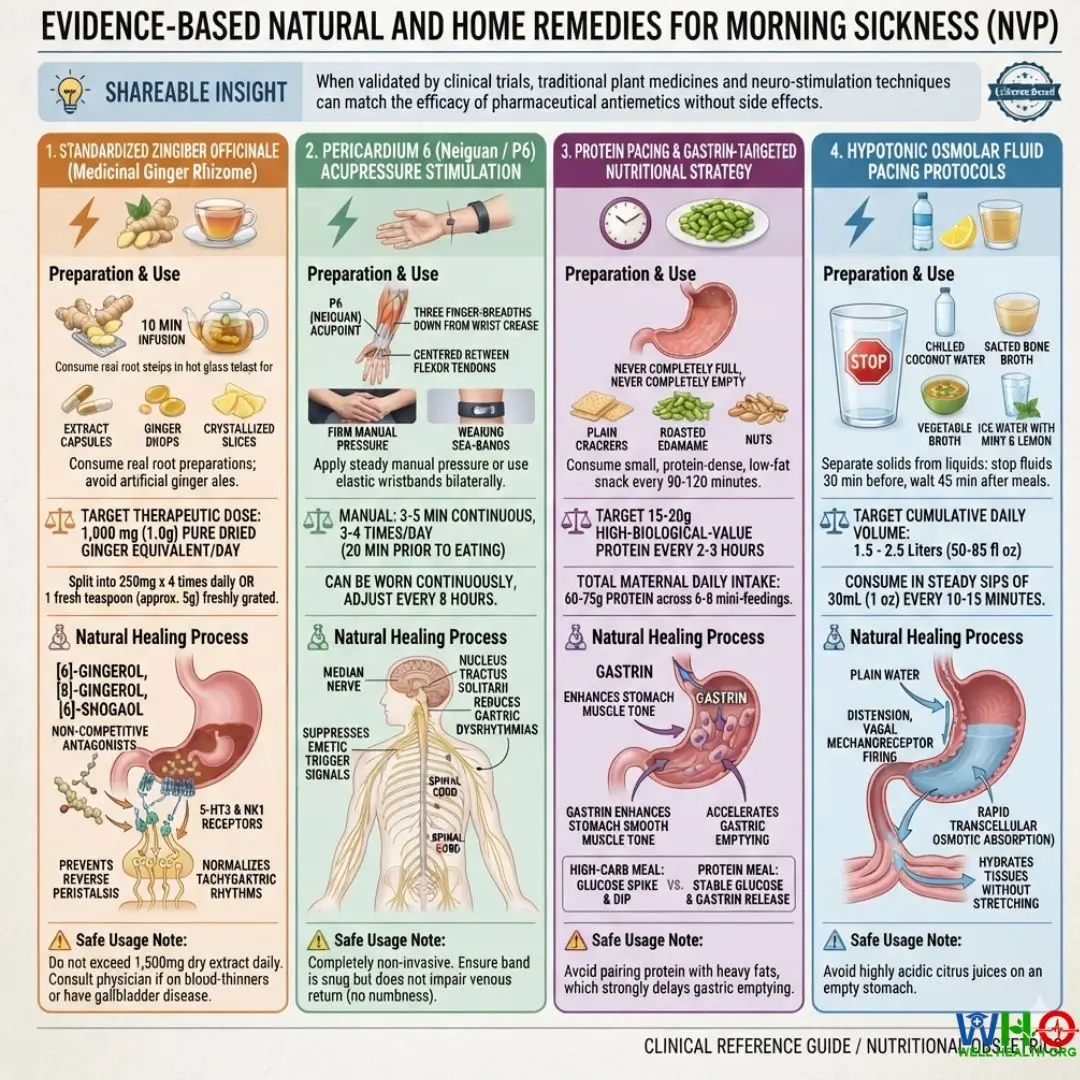
For women experiencing mild-to-moderate morning sickness, non-pharmacological, evidence-based home interventions should be the initial foundation of management. These options offer excellent clinical efficacy with an exceptional maternal-fetal safety profile.
1. Standardized Zingiber Officinale (Medicinal Ginger Rhizome)
⚡ Preparation & Use: Consume real root preparations in divided daily portions. Suitable forms include freshly grated ginger root steeped in hot water for 10 minutes to create an infusion, standardized dry ginger root extract capsules, real ginger drops/hard lozenges, or crystallized ginger slices. Avoid commercial ginger ales that use artificial chemical flavorings without authentic gingerol compounds.
⚖️ Quantity (US/Metric): The target therapeutic clinical dose is 1,000 mg (1.0 gram) of pure dried ginger rhizome equivalent per day, split into 250 mg doses taken four times daily, or 1 fresh teaspoon (approx. 5 grams) of freshly grated rhizome steeped throughout the day.
🔬 Natural Healing Process: Ginger’s primary bioactive phenolic constituents—specifically [6]-gingerol, [8]-gingerol, and [6]-shogaol—act as non-competitive antagonists at human 5-HT3 (serotonin) and neurokinin-1 (NK1) receptors within the gastrointestinal tract. By blunting peripheral serotonin activity and exerting local carminative effects, ginger improves gastric muscle tone, prevents reverse peristalsis, and normalizes tachygastric rhythms without crossing into the central nervous system.
⚠️ Safe Usage Note: Do not exceed 1,500 mg of dry extract daily. High doses can occasionally cause mild heartburn or belching. Patients with active gallbladder disease, gallstones, or bleeding disorders (or those on low-molecular-weight heparin therapy) should consult their physician, as high-dose ginger possesses mild biological anti-platelet properties.
2. Pericardium 6 (Neiguan / P6) Acupressure Stimulation
⚡ Preparation & Use: Locate the P6 (Neiguan) anatomical acupoint on the anterior forearm. Measure three finger-breadths down from the primary distal wrist crease, centered directly between the two prominent flexor tendons (flexor carpi radialis and palmaris longus). Apply firm, steady manual pressure using the thumb, or wear elastic acupressure wristbands (such as Sea-Bands) with the plastic domed stud pressed against this point bilaterally throughout the day.
⚖️ Quantity (US/Metric): If using manual pressure, apply circular, steady pressure for 3 to 5 continuous minutes per arm, repeated 3 to 4 times per day, especially 20 minutes prior to eating. Acupressure wristbands can be worn continuously, alternating arms or adjusting slightly every 8 hours to avoid local skin irritation.
🔬 Natural Healing Process: Mechanical stimulation of the P6 acupoint stimulates sensory afferents of the median nerve (composed of fibers from C6 through T1 spinal segments). These somatic inputs travel rostrally into the spinal cord, modulating autonomic nervous system outflow to the celiac plexus and stomach, stimulating parasympathetic control, reducing gastric slow-wave dysrhythmias, and suppressing the emetic trigger signals within the nucleus tractus solitarii.
⚠️ Safe Usage Note: Completely non-invasive with zero systemic biochemical side effects. Safe across all trimesters. Ensure the band is snug enough to maintain steady pressure, but not tight enough to impair local venous return, cause numbness, or trigger tingling in the fingers.
3. Protein Pacing & Gastrin-Targeted Nutritional Pacing
⚡ Preparation & Use: Transition from the conventional model of three large meals to consuming a small, protein-dense, low-fat snack every 90 to 120 minutes without fail. The stomach must never become completely full, nor should it ever remain completely empty. Keep plain crackers, roasted edamame, or nuts directly on the bedside table; consume two to three bites immediately upon opening your eyes, 15 minutes before swinging your legs out of bed.
⚖️ Quantity (US/Metric): Target 15 to 20 grams of high-biological-value protein consumed every 2 to 3 hours, aiming for a total maternal daily intake of approximately 60 to 75 grams of protein spread across 6 to 8 mini-feedings.
🔬 Natural Healing Process: Dietary protein triggers the secretion of the peptide hormone gastrin from stomach G-cells. Gastrin enhances stomach smooth muscle tone, accelerates gastric emptying, and helps calm the chaotic, dysrhythmic electrical activity typical of early pregnancy. Conversely, high-simple-carbohydrate meals cause rapid blood glucose spikes followed by sharp hypoglycemic dips, which stimulate the autonomic nervous system to release adrenaline and trigger nausea.
⚠️ Safe Usage Note: Avoid pairing protein with heavy, rich fats or thick oils. High fat intake stimulates cholecystokinin (CCK) secretion, which strongly delays gastric emptying, keeping food in the stomach longer and worsening nausea.
4. Hypotonic Osmolar Fluid Pacing Protocols
⚡ Preparation & Use: Separate solids from liquids entirely: stop drinking fluids 30 minutes before meals and wait 45 minutes after eating solid food before taking your first sip. Gulping a large glass of plain, unflavored room-temperature water is one of the most reliable triggers of immediate retching in a sensitive pregnant stomach. Instead, take tiny sips (1 to 2 tablespoons at a time) of cold, hypotonic fluids: pure chilled coconut water, salted bone broths, clear vegetable broths, or ice water infused with crushed mint leaves and squeezed lemon.
⚖️ Quantity (US/Metric): Target a cumulative daily volume of 1.5 to 2.5 Liters (approx. 50 to 85 fluid ounces) of fluids, consumed in steady sips of 30 mL (1 oz) spaced every 10 to 15 minutes while awake.
🔬 Natural Healing Process: Ingesting liquids alongside solids distends the gastric chamber, mechanically stretching the stomach wall and triggering gastric vagal mechanoreceptors to fire signals to the brainstem. Hypotonic, electrolyte-balanced fluids (containing small amounts of sodium, potassium, and natural carbohydrates) exit the stomach far faster than plain water via rapid transcellular osmotic absorption in the proximal jejunum, hydrating tissues without stretching the stomach.
⚠️ Safe Usage Note: Avoid consuming highly acidic citrus juices (such as undiluted commercial orange or grapefruit juice) on an empty stomach, as their low pH can irritate sensitive esophageal tissue and exacerbate reflux symptoms.
The 10 Essential Foods That Fight First-Trimester Pregnancy Nausea
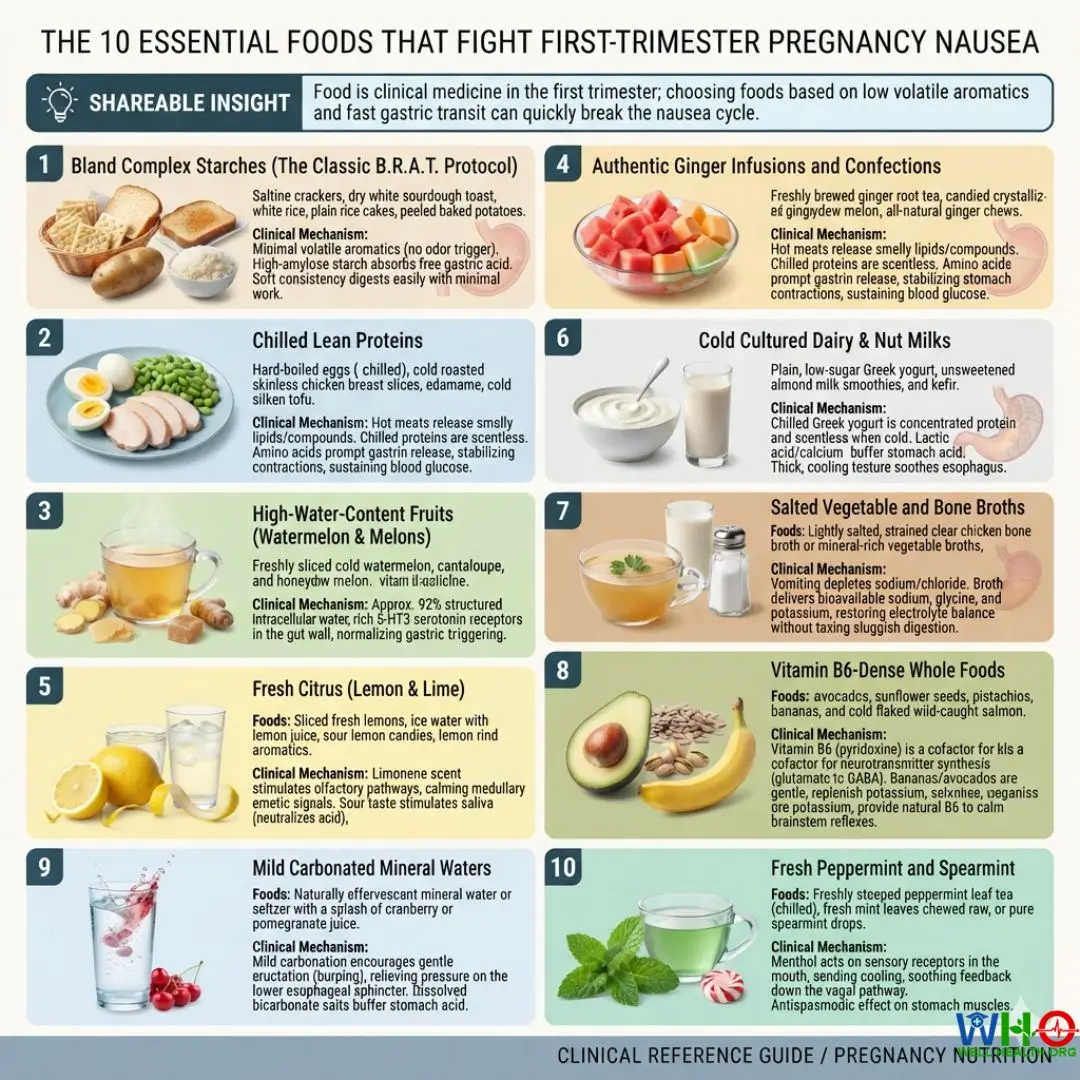
Navigating nutrition during the first trimester is not about elaborate meal plans; it is about finding practical foods that keep your stomach settled, maintain your blood sugar, and provide gentle, easily absorbed nutrients. Here are ten foods that are particularly well-tolerated and biologically supportive:
1. Bland Complex Starches (The Classic B.R.A.T. Protocol)
Foods: Saltine crackers, dry white sourdough toast, white rice, plain rice cakes, and peeled baked potatoes.
Clinical Mechanism: These foods have minimal volatile aromatic compounds, meaning they produce virtually no odor to trigger sensitive olfactory pathways. Their high-amylose starch helps absorb free gastric acid, while their soft consistency digests easily with minimal work from the stomach, helping to settle tachygastria.
2. Chilled Lean Proteins
Foods: Hard-boiled eggs (chilled thoroughly to eliminate sulfur odors), cold roasted skinless chicken breast slices, edamame, and cold silken tofu.
Clinical Mechanism: Hot, cooked meats release airborne lipids and volatile nitrogenous compounds that can instantly trigger the gag reflex. Chilled proteins are practically scentless. Once digested, their amino acids prompt gastrin release, which stabilizes stomach contractions and sustains blood glucose far longer than simple carbohydrates.
3. High-Water-Content Fruits (Watermelon & Melons)
Foods: Freshly sliced cold watermelon, cantaloupe, and honeydew melon.
Clinical Mechanism: Watermelon is composed of roughly 92% structured intracellular water, rich in potassium, vitamin C, and l-citrulline. For a mother who cannot keep plain water down, eating small, chilled melon cubes allows gentle hydration through the oral mucosa and intestinal villi without triggering the stomach’s stretch reflex.
4. Authentic Ginger Infusions and Confections
Foods: Freshly brewed ginger root tea, candied crystallized ginger, or all-natural ginger chews.
Clinical Mechanism: Real ginger contains active gingerols that directly block 5-HT3 serotonin receptors in the gut wall, helping normalize gastric motility and functioning much like a gentle, natural antiemetic.
5. Fresh Citrus (Lemon & Lime)
Foods: Sliced fresh lemons, ice water with lemon juice, sour lemon candies, or lemon rind aromatics.
Clinical Mechanism: Inhaling the scent of limonene in fresh lemon zest stimulates the central olfactory pathways, helping to calm medullary emetic signals. Additionally, the crisp, sour taste stimulates saliva production (which helps neutralize stomach acid) and clears that persistent bitter, metallic taste (dysgeusia) caused by early pregnancy hormones.
6. Cold Cultured Dairy & Nut Milks
Foods: Plain, low-sugar Greek yogurt, unsweetened almond milk smoothies, and kefir.
Clinical Mechanism: Chilled Greek yogurt delivers a concentrated dose of protein (15-20g per cup) with virtually no smell when served cold. The lactic acid and calcium provide a mild buffering effect against stomach acid, while its thick, cooling texture coats the distal esophagus, soothing irritation caused by acid reflux.
7. Salted Vegetable and Bone Broths
Foods: Lightly salted, strained clear chicken bone broth or mineral-rich vegetable broths, sipped lukewarm or over ice.
Clinical Mechanism: Repeated vomiting depletes the body’s extracellular stores of sodium and chloride, which can trigger dizziness, fatigue, and even worse nausea. Sipping warm or iced clear broth delivers readily available bioavailable sodium, glycine, and potassium, helping restore electrolyte balance without taxing sluggish digestion.
8. Vitamin B6-Dense Whole Foods
Foods: Ripe avocados, sunflower seeds, pistachios, bananas, and cold flaked wild-caught salmon.
Clinical Mechanism: Vitamin B6 (pyridoxine) is an essential cofactor for neurotransmitter synthesis (converting glutamate to GABA). Bananas and avocados are gentle on the stomach lining, replenish intracellular potassium lost through vomiting, and provide a steady, natural supply of bioavailable B6 to help calm hyper-responsive brainstem reflexes.
9. Mild Carbonated Mineral Waters
Foods: Naturally effervescent mineral water or seltzer with a splash of cranberry or pomegranate juice.
Clinical Mechanism: Mild carbonation mechanically encourages the release of trapped air via gentle eructation (burping), relieving uncomfortable upward pressure on the lower esophageal sphincter. The dissolved bicarbonate salts in mineral water also help transiently buffer excess stomach acid, easing the burning, queasy sensation in the upper epigastrium.
10. Fresh Peppermint and Spearmint
Foods: Freshly steeped peppermint leaf tea (chilled), fresh mint leaves chewed raw, or pure spearmint drops.
Clinical Mechanism: The menthol contained in fresh mint acts directly on sensory receptors in the mouth, sending cooling, soothing feedback down the vagal pathway. It also exerts a mild antispasmodic effect on the smooth muscles of the stomach and duodenum, helping ease cramping and visceral discomfort.
Doctor’s Final Verdict & The Bottom Line

After guiding families through pregnancy for over three decades, my clinical perspective on morning sickness is clear: no expectant mother should simply endure severe nausea in silence. The cultural idea that a woman must suffer through early pregnancy without relief is outdated, physiologically flawed, and potentially harmful.
Uncontrolled nausea and persistent vomiting trigger a destructive biological spiral: dehydration leads to reduced blood volume, which raises stress hormone levels (epinephrine and cortisol), worsens low blood sugar, and ultimately intensifies nausea.
The most successful clinical approach relies on a layered, step-by-step strategy:
- Build a Baseline Foundation: Separate liquids from solids, pace your protein intake, introduce standardized ginger (1,000 mg/day), wear bilateral P6 acupressure bands, and steer clear of strong cooking odors.
- Act Quickly on Persistent Symptoms: If nausea still disrupts your ability to work, stay hydrated, or manage daily life, consult your healthcare provider promptly for first-line medical therapy with Pyridoxine and Doxylamine. Do not wait until you are severely dehydrated or spilling ketones into your urine before seeking medical guidance.
- Watch for Critical Red Flags: An inability to keep fluids down for 24 hours, dark or concentrated urine, feeling dizzy when standing up, or losing more than 2 to 3 pounds in a single week are clear signals that you need direct medical care, intravenous fluids, and electrolyte support.
Remember that this phase is temporary. The surge in hCG and progesterone that causes your symptoms also plays an essential role in establishing a healthy, well-perfused placenta. By understanding the biology of morning sickness and taking active steps to manage it, you can take control of your symptoms, safeguard your well-being, and navigate early pregnancy with confidence and comfort.
Regional Healthcare Strategies & Living Adjustments
🏛️ North America, UK, and European Protocols (ACOG & NHS Pathways)
In the United States, American College of Obstetricians and Gynecologists (ACOG) guidelines emphasize initiating over-the-counter Vitamin B6 (pyridoxine, 10-25 mg every 8 hours) combined with Doxylamine succinate (Unisom SleepTabs, 12.5 mg) at the earliest sign of persistent nausea. If ineffective, clinicians transition smoothly to FDA-approved delayed-release formulations (Diclegis/Bonjesta). In the UK and Europe, the National Health Service (NHS) and RCOG pathways similarly recommend Cyclizine or Promethazine as first-line H1 antihistamines, reserving Ondansetron for hospital or day-clinic rescue.
Western Living Strategy: With fast-paced schedules and corporate desk jobs, meal-prepping chilled, high-protein snacks (such as string cheese, pasteurized Greek yogurt cups, and pre-boiled eggs) is essential. If you commute on public transit or work in an office, keep an acupressure wristband on hand, carry sour lemon lozenges in your bag, and use desk fans to circulate fresh air and disperse synthetic office odors.
🌏 Asian & Tropical Healthcare Contexts (South Asia, East Asia, Middle East)
In many South Asian and Middle Eastern healthcare systems, access to specialized delayed-release prescription combinations can be variable; instead, standalone Pyridoxine (Vitamin B6) tablets, Meclizine, or Metoclopramide are widely used in community healthcare centers. Traditional medical practices, such as Ayurveda and Traditional Chinese Medicine (TCM), offer time-tested, biologically sound guidance—including fresh ginger infusions, mild cardamom-infused warm water, and targeted P6 acupressure.
Domestic Lifestyle Adjustments: The most significant daily trigger in multi-generational Asian households is often the fragrant tempering of spices (tadka or chhonk using mustard oil, ghee, garlic, and chilies). Families should establish clear temporary boundaries: the pregnant mother should stay away from the kitchen during hot cooking periods, windows should remain open with exhaust fans running, and meals should feature mild, cool, starch-based staples such as rice congee, cooled mung dal khichdi without tempering, idlis, curd rice, or chilled tender coconut water to maintain hydration in warm, humid weather.
Frequently Asked Questions Regarding Morning Sickness
Can persistent vomiting in the first trimester hurt or starve my growing baby?
Why does my morning sickness seem to get much worse at night?
Is it safe to take Vitamin B6 supplements every day, and what is the maximum dose?
What should I do if my prenatal multivitamins make me throw up immediately?
If my nausea suddenly stops at 9 or 10 weeks, does it mean I am having a miscarriage?
Medically Reviewed by Prof. Dr. Akram
Orthopedic Surgeon | Professor | Senior Medical Specialist
Prof. Dr. Akram is a distinguished surgeon with over 15 years of clinical expertise. Having served as a lead Emergency Specialist at Complex International Government Hospital, he currently leads a specialized team of 13 medical professionals at his private hospital. As a Professor at top medical universities, he ensures that every article on WellHealthOrg.com meets rigorous clinical standards.
Medical Disclaimer:
The information provided is for educational purposes only and is not a substitute for professional medical advice, diagnosis, or treatment. Always consult your physician for any medical concerns.
Our content is rigorously fact-checked by our 13-member Editorial Team under the clinical supervision of Prof. Dr. Akram.







