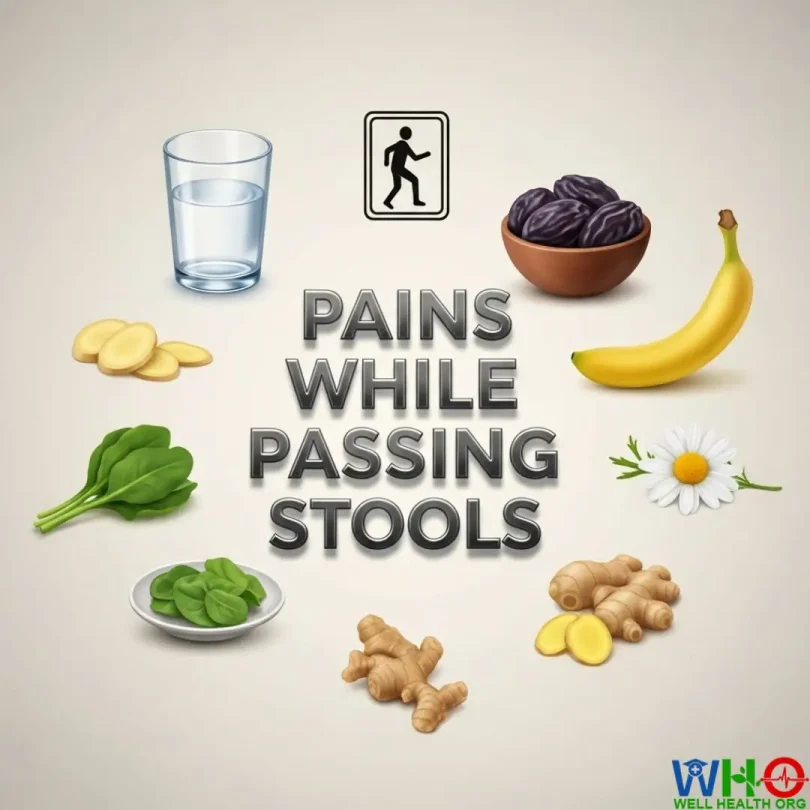
Introduction: Home Remedies for Pains While Passing Stools
Experiencing pain while passing stool can be more than just a physical inconvenience—it can interfere with your daily life, affect your confidence, and even lead to anxiety about using the restroom. Many people quietly endure this problem, hoping it will go away on its own. Yet, persistent pain during bowel movements is your body’s way of signaling that something needs attention.
- Introduction: Home Remedies for Pains While Passing Stools
- Common Causes of Pain While Passing Stool
- Dietary Changes: The Foundation of Pain-Free Bowel Movements
- Increase Fiber Intake Naturally
- Stay Hydrated Throughout the Day
- Add Healthy Fats
- Lifestyle Adjustments: Making Bowel Movements Easier
- Exercise Regularly
- Adopt the Right Toilet Posture
- Don’t Ignore Nature’s Call
- Natural Home Remedies for Soothing Anal Pain
- Warm Sitz Baths: Simple but Effective
- Aloe Vera: Nature’s Soothing Healer
- Coconut Oil: A Natural Moisturizer and Healer
- Cold Compress or Ice Packs for Pain Relief
- Practical Daily Habits for Anal Care and Comfort
- Wear Loose, Breathable Clothing
- Be Gentle When Wiping
- Avoid Scratching
- When to Seek Medical Advice
- Take Control of Your Comfort Naturally
- FAQs
While such discomfort is often related to relatively common conditions like constipation, hemorrhoids, or anal fissures, ignoring it can make things worse. The good news? Most of these issues can be managed effectively at home with simple, natural remedies and lifestyle adjustments.
In this comprehensive guide, we’ll explore trusted, research-backed home remedies that can help relieve the pain, reduce inflammation, and promote smooth bowel movements. You’ll also learn about the best dietary changes, healthy habits, and when to seek medical help to ensure lasting relief.
Let’s start by understanding what might be causing your discomfort—because knowing the “why” is the first step toward lasting comfort.
Common Causes of Pain While Passing Stool
Painful bowel movements usually result from irritation or injury to the anal area. Here are some of the most common causes:
- Constipation – Hard, dry stools can stretch or tear the anal lining, leading to pain or bleeding.
- Hemorrhoids – Swollen veins in the rectum or anus can become inflamed, making each bowel movement painful.
- Anal Fissures – Small tears in the anal lining can cause sharp, burning pain and bleeding.
- Anal Infections or Fistulas – Infections can create painful abscesses or tunnels in the tissue.
- Irritable Bowel Syndrome (IBS) – IBS may cause alternating diarrhea and constipation, each contributing to anal discomfort.
Understanding the root cause helps you choose the most effective remedy. Fortunately, many of these problems improve with natural approaches that encourage smoother digestion and better bowel habits.
Dietary Changes: The Foundation of Pain-Free Bowel Movements
Your diet is often the first and most powerful line of defense against painful stools. What you eat directly impacts stool texture, gut health, and overall digestive comfort.
Increase Fiber Intake Naturally
Fiber is essential for keeping your digestive system healthy. It adds bulk to your stool while helping it retain water, making it softer and easier to pass. A diet low in fiber often leads to constipation and straining.
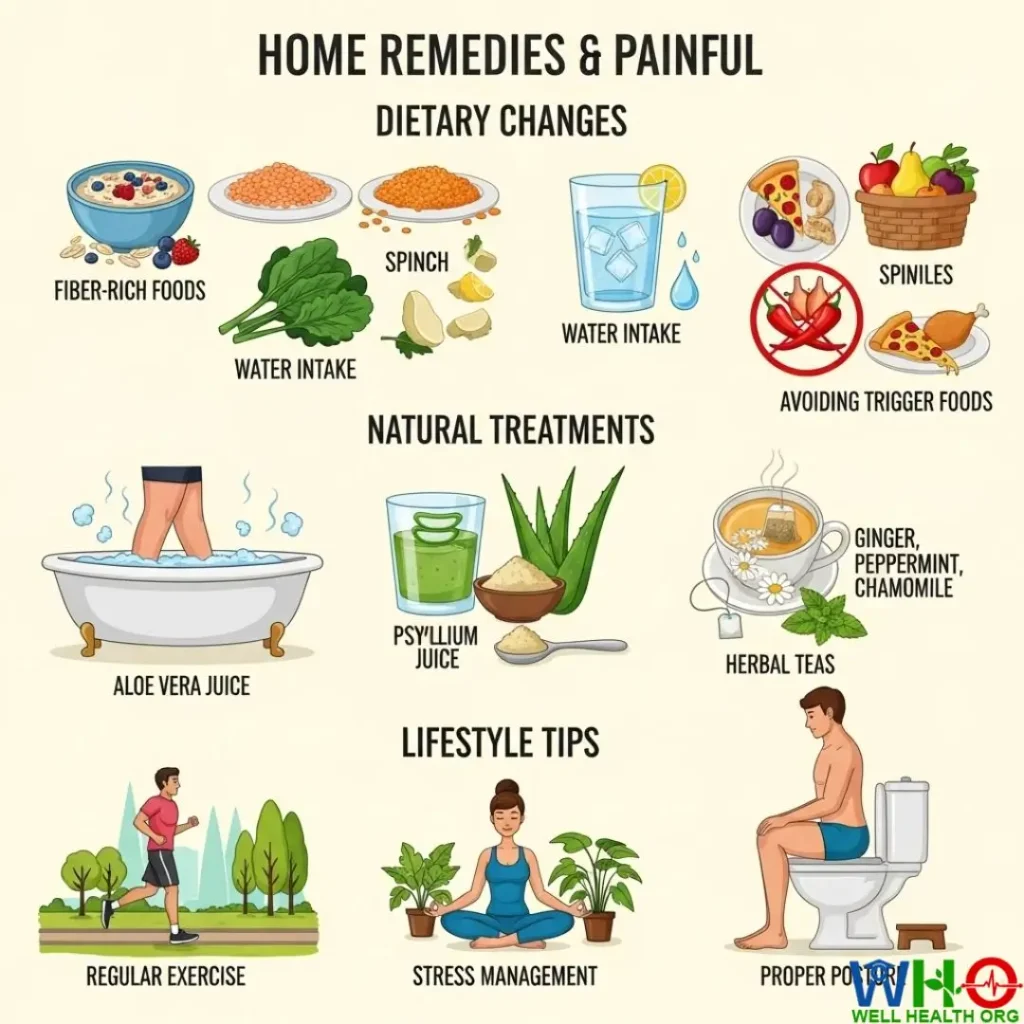
- Best fiber-rich foods: oats, flaxseeds, apples, pears, prunes, lentils, chia seeds, and leafy greens.
- Daily target: Most adults need 25–35 grams of fiber per day.
A simple way to increase fiber is to add fruits or seeds to breakfast, choose whole grains instead of refined ones, and include legumes in your meals. But remember—boost your fiber intake gradually to prevent bloating or gas.
Stay Hydrated Throughout the Day
Water is your digestive system’s best friend. It keeps your stool soft, helps your intestines move waste smoothly, and prevents the buildup of toxins.
Try to drink at least eight glasses (about two liters) of water daily. Herbal teas, coconut water, and clear soups also contribute to hydration.
For natural relief from constipation, consider prune juice or warm lemon water in the morning—they stimulate bowel movement gently and naturally.
Add Healthy Fats
Healthy fats act as natural lubricants for your intestines, allowing stools to pass more easily. Include sources like olive oil, avocado, nuts, and seeds in your diet.
A teaspoon of extra virgin olive oil on an empty stomach can even act as a mild laxative.
Lifestyle Adjustments: Making Bowel Movements Easier
Even small changes in your routine can bring significant relief. Improving posture, timing, and movement all play vital roles in reducing pain during bowel movements.
Exercise Regularly
Physical activity stimulates your intestinal muscles and promotes regular bowel movement. Lack of exercise can slow down digestion, leading to hard stools and straining.
You don’t have to run marathons—a 30-minute daily walk, yoga, or light stretching can keep things moving smoothly. Specific yoga poses, like Pawanmuktasana (wind-relieving pose) or Malasana (garland pose), are particularly effective for bowel regulation.
Adopt the Right Toilet Posture
Believe it or not, your toilet posture affects how easily stool exits the body. Modern toilets force us into a sitting position that partially closes the anal canal, making elimination harder.
To fix this, use a small footstool to raise your knees slightly above your hips. This simulates a squatting position, aligning your rectum naturally and minimizing strain.
Don’t Ignore Nature’s Call
When your body signals it’s time to go, don’t delay. Holding in stool causes it to dry out and harden, leading to pain later.
Try establishing a regular bathroom schedule, ideally after meals when the digestive reflex is strongest.
Natural Home Remedies for Soothing Anal Pain
Nature offers several safe and effective remedies to relieve pain and promote healing after bowel movements. These treatments are gentle yet powerful when used consistently.
Warm Sitz Baths: Simple but Effective
A sitz bath involves sitting in warm water that covers your hips and buttocks for 15–20 minutes. This helps relax the anal muscles, soothe irritation, and reduce swelling.
You can use a special sitz bath basin that fits over your toilet or take a full-body warm bath. Adding Epsom salt can enhance healing and reduce inflammation.
Do this twice daily—especially after bowel movements—to keep the area clean and calm.
Aloe Vera: Nature’s Soothing Healer
Aloe vera gel is renowned for its anti-inflammatory and cooling properties. When applied externally, it reduces itching, redness, and burning sensations.
Make sure to use pure, chemical-free aloe vera gel (preferably directly from the plant). Apply a small amount to the anal area twice daily. Many people experience instant relief and faster healing.
In studies, aloe vera has been found to support tissue regeneration and ease irritation caused by hemorrhoids or fissures.
Coconut Oil: A Natural Moisturizer and Healer
Coconut oil is rich in medium-chain fatty acids that have antimicrobial and soothing effects. It acts as both a moisturizer and a mild lubricant, easing pain while passing stool.
To use it:
- Warm a small amount of virgin coconut oil between your fingers.
- Gently apply it to the affected area with a clean cotton pad.
- Use twice a day for best results.
It’s safe for most skin types, but discontinue use if irritation occurs.
Cold Compress or Ice Packs for Pain Relief
Applying a cold compress or ice pack helps numb pain and reduce swelling. Wrap ice cubes in a soft cloth and apply to the anal area for about 10–15 minutes.
Avoid applying ice directly to the skin. Repeat several times a day, especially after bowel movements. This simple remedy provides quick relief from sharp pain caused by fissures or hemorrhoids.
Practical Daily Habits for Anal Care and Comfort
Pain relief also depends on maintaining good hygiene and preventing further irritation. Follow these gentle care tips to stay comfortable throughout your healing process.
Wear Loose, Breathable Clothing
Tight clothes trap heat and moisture, aggravating anal irritation. Choose soft cotton underwear and loose-fitting clothes to promote airflow and prevent chafing.
Avoid synthetic fabrics or tight pants that create friction and discomfort.
Be Gentle When Wiping
Rough wiping can worsen irritation, especially if you already have hemorrhoids or fissures. Instead, use moist, alcohol-free wipes or soft damp toilet paper.
You can also rinse with lukewarm water after each bowel movement using a handheld bidet or bottle for a gentler clean.
Avoid Scratching
Itching can be maddening, but scratching damages sensitive skin and delays healing. Apply aloe vera or a mild, natural balm instead to calm the irritation.
If itching persists, applying a thin layer of coconut oil before bed may help protect and soothe the skin overnight.
When to Seek Medical Advice
Home remedies are often enough to manage mild to moderate pain, but sometimes professional care is necessary.
See a doctor if you experience:
- Persistent or severe pain lasting more than a few days
- Bleeding that continues or worsens
- Visible blood clots or dark, tarry stools
- Swelling or pus discharge (signs of infection)
- Fever, chills, or extreme discomfort
Chronic pain or bleeding can indicate anal fissures, thrombosed hemorrhoids, fistulas, or even gastrointestinal diseases like ulcerative colitis. A healthcare provider can perform a simple examination and recommend targeted treatment such as topical ointments, fiber supplements, or minor procedures.
Take Control of Your Comfort Naturally
You don’t have to suffer in silence or rely solely on medications for relief. Pain during bowel movements is manageable—and often reversible—through dietary improvements, mindful habits, and natural remedies that restore balance to your digestive system.
Start small: increase fiber, stay hydrated, and prioritize gentle self-care. Combine these steps with regular exercise, proper toilet posture, and soothing remedies like aloe vera or sitz baths, and you’ll notice a significant improvement within days.
Most importantly, listen to your body. Pain is its way of asking for gentler treatment. Treat yourself with patience, consistency, and care—and you’ll soon enjoy comfortable, pain-free bowel movements again.
FAQs
1. How long does it take for home remedies to relieve pain during bowel movements?
Most people experience noticeable relief within 3–7 days, depending on the severity of their condition and consistency in following the remedies.
2. Can aloe vera or coconut oil replace medical creams?
They can provide effective natural relief for mild irritation but may not replace prescription treatments for severe fissures or hemorrhoids.
3. What foods should I avoid if I have painful stools?
Avoid spicy foods, caffeine, processed foods, and alcohol, as they can irritate the digestive tract or dehydrate your stool.
4. Are sitz baths safe for daily use?
Yes. You can safely take 1–2 sitz baths daily, especially after bowel movements, to maintain cleanliness and comfort.
5. When should I worry about blood in stool?
Occasional streaks may result from minor irritation, but persistent or heavy bleeding needs immediate medical evaluation to rule out serious conditions.
Medically Reviewed by Prof. Dr. Akram
Orthopedic Surgeon | Professor | Senior Medical Specialist
Prof. Dr. Akram is a distinguished surgeon with over 15 years of clinical expertise. Having served as a lead Emergency Specialist at Complex International Government Hospital, he currently leads a specialized team of 13 medical professionals at his private hospital. As a Professor at top medical universities, he ensures that every article on WellHealthOrg.com meets rigorous clinical standards.
Medical Disclaimer:
The information provided is for educational purposes only and is not a substitute for professional medical advice, diagnosis, or treatment. Always consult your physician for any medical concerns.
Our content is rigorously fact-checked by our 13-member Editorial Team under the clinical supervision of Prof. Dr. Akram.