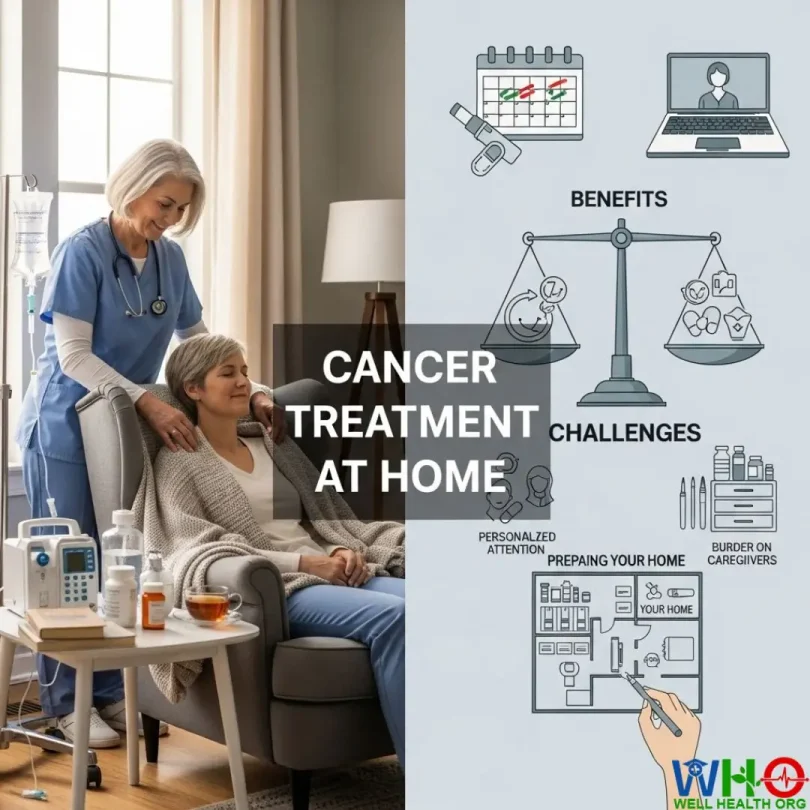
Cancer Treatment at Home
A cancer diagnosis can change everything. Overnight, your world fills with medical jargon, appointments, and emotional uncertainty. But thanks to modern medical advancements, cancer care no longer always means constant hospital visits. Today, many patients can safely receive portions of their treatment and supportive care right at home—surrounded by family, comfort, and familiarity.
- Cancer Treatment at Home
- Understanding Cancer: The Basics You Should Know
- The Growing Possibility of Home-Based Cancer Care
- Types of Cancer Treatments That Can Be Given at Home
- 1. Oral Chemotherapy
- 2. Infusion Therapy
- 3. Injectable Therapies
- 4. Hormone Therapy
- Key Benefits of Receiving Cancer Care at Home
- 1. Enhanced Comfort and Emotional Well-being
- 2. Reduced Infection Risks
- 3. Increased Independence
- 4. Personalized One-on-One Care
- Challenges and Considerations in Home Cancer Treatment
- 1. The Importance of Caregiver Support
- 2. Managing Medical Complications
- 3. Equipment and Sanitation
- 4. Coordination Between Teams
- Preparing Your Home for Cancer Treatment
- 1. Create a Dedicated Treatment Area
- 2. Organize Medications and Supplies
- 3. Improve Home Safety
- 4. Nutrition and Accessibility
- Emotional and Psychological Support for Cancer Patients
- 1. Professional Counseling
- 2. Support Groups
- 3. Practicing Self-Care
- 4. Family and Friends
- Financial Considerations in Home Cancer Care
- 1. Understanding Insurance Coverage
- 2. Exploring Financial Assistance Programs
- 3. Planning for Hidden Costs
- The Role of Technology in Home Cancer Care
- 1. Telehealth and Virtual Consultations
- 2. Remote Monitoring Devices
- 3. Medication Reminder Apps
- 4. AI and Predictive Healthcare
- The Importance of Nutrition During Cancer Treatment
- 1. Eat Small, Frequent Meals
- 2. Choose Immune-Boosting Foods
- 3. Stay Hydrated
- 4. Manage Taste Changes
- 5. Consult a Nutrition Specialist
- Creating a Healing Home Environment
- 1. Light and Air
- 2. Cleanliness and Organization
- 3. Comfort Items
- 4. Quiet Corners
- Preparing Emotionally and Mentally for Home Treatment
- 1. Acknowledge Your Feelings
- 2. Build Emotional Resilience
- 3. Stay Connected
- 4. Seek Professional Help When Needed
- The Future of Cancer Treatment at Home
- Empowering Patients Through Knowledge and Choice
- Frequently Asked Questions (FAQs)
- Final Thoughts
This comprehensive guide explores how home-based cancer care works, the types of treatments you can receive safely at home, the benefits and challenges involved, and practical ways to prepare your living space. Whether you’re a patient or caregiver, understanding these options empowers you to make informed, confident decisions that support healing and quality of life.
Understanding Cancer: The Basics You Should Know
Cancer is not a single disease—it’s a group of related conditions where abnormal cells grow uncontrollably, sometimes forming tumors that can invade nearby tissues or spread (metastasize) to distant organs. Each type of cancer behaves differently and requires a tailored treatment plan.
Common treatments include chemotherapy, radiation therapy, immunotherapy, targeted therapy, and hormone therapy. Traditionally, most of these were hospital-based due to the complexity of drug administration and the need for close monitoring. However, with ongoing innovation in medical devices, oral medication formulations, and digital health technology, more aspects of cancer treatment are transitioning safely into patients’ homes.
This evolution is driven by two goals: improving patients’ quality of life and reducing healthcare burdens, all while maintaining the same standards of safety and effectiveness.
The Growing Possibility of Home-Based Cancer Care
Home cancer care is no longer an experimental idea—it’s a practical reality for many patients worldwide. Portable infusion pumps, advanced oral chemotherapy drugs, and virtual care systems have made it possible to deliver complex treatments safely outside hospital walls.
Home-based care doesn’t mean less medical supervision; it means more personalized and flexible medical oversight. Physicians, oncology nurses, and pharmacists work together to ensure treatment remains safe, effective, and closely monitored.
For many, this approach offers emotional relief. Home is where patients feel most comfortable, where daily routines continue, and where loved ones can provide emotional strength. Still, home cancer care requires coordination, discipline, and clear communication among patients, families, and healthcare providers.
Types of Cancer Treatments That Can Be Given at Home
Not all cancer therapies can be transitioned home, but many supportive and even curative treatments can be safely managed with professional oversight.
1. Oral Chemotherapy
Modern chemotherapy drugs are now available in pill or liquid form. These medicines are equally powerful as intravenous (IV) infusions. Taking oral chemo at home can save time, reduce exposure to hospital germs, and allow patients to maintain a normal lifestyle.
However, oral chemotherapy demands responsibility. The doses are potent, and missing or doubling a dose can have serious consequences. Always:
- Take medications exactly as prescribed.
- Store them according to instructions (often in a cool, dry place).
- Track each dose using a medication log or reminder app.
2. Infusion Therapy
Portable infusion pumps have revolutionized cancer care. Some IV treatments—like hydration therapy, chemotherapy, or immunotherapy—can now be administered at home by trained oncology nurses. These devices are programmed to deliver precise doses over specific timeframes, ensuring both safety and effectiveness.
Patients receiving infusion therapy at home should have:
- A clean, well-lit area dedicated to treatment.
- Access to emergency contact numbers.
- Someone nearby during infusions in case of side effects.
3. Injectable Therapies
Certain treatments, such as colony-stimulating factors that boost white blood cell production, can be self-injected or administered by a caregiver after proper training. This approach minimizes hospital trips and empowers patients to participate actively in their care.
4. Hormone Therapy
Used mainly for breast and prostate cancers, hormone therapies can often be managed at home through pills or periodic injections. While typically well-tolerated, ongoing communication with your healthcare team remains essential to monitor side effects and treatment efficacy.
Key Benefits of Receiving Cancer Care at Home
The benefits of at-home cancer care extend beyond convenience. For many patients, it transforms their overall healing experience.
1. Enhanced Comfort and Emotional Well-being
Being in a familiar environment surrounded by loved ones can significantly reduce anxiety. The comfort of your home creates a sense of security that hospital environments often cannot provide. Patients report feeling more in control, less isolated, and better rested.
2. Reduced Infection Risks
Hospitals can expose patients to various infections, which is particularly dangerous for those with weakened immune systems. Home-based care minimizes these risks while maintaining access to professional medical monitoring.
3. Increased Independence
Managing treatment at home allows patients to preserve independence and autonomy. You can continue engaging in light daily activities, maintain your routines, and regain a sense of normalcy during therapy.
4. Personalized One-on-One Care
Home care teams—often nurses or specialized caregivers—can give undivided attention during visits. This individualized focus ensures any concerns, side effects, or symptoms are addressed immediately.
Challenges and Considerations in Home Cancer Treatment
While home-based care offers significant benefits, it comes with responsibilities and potential challenges.
1. The Importance of Caregiver Support
A dependable caregiver is critical. This person might help with administering medications, monitoring side effects, managing supplies, or offering emotional support. However, caregiving can be demanding. Families should plan respite breaks and emotional support for caregivers to prevent burnout.
2. Managing Medical Complications
Even at home, side effects can occur—like nausea, infections, or infusion reactions. It’s vital to maintain 24/7 communication with your oncology team. They should provide a clear action plan for emergencies and a list of symptoms that require immediate attention.
3. Equipment and Sanitation
Home treatments often involve specialized equipment. Cleanliness is non-negotiable. Home health agencies typically provide detailed instructions for setting up a sterile environment and safely disposing of medical waste like needles or tubing.
4. Coordination Between Teams
Successful home cancer care depends on seamless communication among your oncologist, pharmacists, home nurses, and insurance providers. Regular telehealth check-ins ensure that treatment remains consistent and any changes are implemented smoothly.
Preparing Your Home for Cancer Treatment
A safe, organized home environment contributes greatly to treatment success.
1. Create a Dedicated Treatment Area
Designate a quiet, clutter-free space for treatments. Ensure it has:
- Good lighting and ventilation.
- A comfortable chair or recliner.
- Easy access to outlets and clean surfaces for medical supplies.
2. Organize Medications and Supplies
Use labeled containers, weekly pill organizers, and notebooks to record doses. Always double-check medication names and dosages before administration to prevent errors.
3. Improve Home Safety
Make your space hazard-free by removing clutter, securing cords, and installing grab bars in bathrooms if needed. Have emergency supplies on hand—first-aid kits, flashlights, and a phone with important numbers preprogrammed.
4. Nutrition and Accessibility
Keep your kitchen stocked with simple, nourishing foods—like soups, smoothies, fruits, and proteins. Because appetite and taste can fluctuate, small frequent meals work better than large ones.
Emotional and Psychological Support for Cancer Patients
Cancer doesn’t only challenge your body—it tests your mind and emotions. Building emotional resilience is an essential part of recovery.
1. Professional Counseling
Oncology-trained therapists or psychologists can help patients process fear, anxiety, or depression. Therapy offers coping tools and emotional strategies that make day-to-day challenges easier.
2. Support Groups
Whether in-person or online, cancer support groups create a safe space for sharing stories, advice, and encouragement. Connecting with others who understand your journey can reduce isolation and strengthen resolve.
3. Practicing Self-Care
Simple acts of self-care—like meditation, reading, light exercise, or creative hobbies—can reduce stress and uplift your mood.
4. Family and Friends
Never hesitate to reach out for help or emotional support. Talking openly about your needs can strengthen bonds and make the journey less lonely.
Financial Considerations in Home Cancer Care
Cancer treatment, whether hospital-based or home-based, can come with significant financial costs. Understanding these expenses upfront—and the assistance available—can make the process smoother and less stressful.
1. Understanding Insurance Coverage
Before beginning home-based cancer treatment, contact your insurance provider to confirm what’s covered. Many plans now include home health services, including:
- Nursing visits
- Medical equipment rentals (infusion pumps, oxygen tanks, etc.)
- Medications and supplies
- Telehealth consultations
Ask your insurance representative to provide a written breakdown of benefits and potential out-of-pocket expenses. Keep copies of all documentation for reference.
2. Exploring Financial Assistance Programs
If you face high costs, several programs and nonprofits can help offset medical and living expenses. Pharmaceutical companies often offer patient assistance programs (PAPs) for costly medications. Cancer support foundations also provide grants for home modifications, transportation, or utility bills during treatment.
Common organizations that may help include local cancer societies, hospital foundations, and patient advocacy groups. Your hospital’s social worker or financial navigator can guide you through these options.
3. Planning for Hidden Costs
Home care can also include expenses you might not anticipate—like transportation for nurse visits, home safety modifications, or purchasing special nutritional supplements. Having a clear budget plan helps prevent financial stress later.
The Role of Technology in Home Cancer Care
Technology is revolutionizing how patients manage cancer treatment at home. Digital health tools make monitoring and communication more seamless than ever.
1. Telehealth and Virtual Consultations
Telemedicine allows patients to meet with oncologists, nurses, or nutritionists remotely through secure video platforms. These virtual visits are invaluable for check-ins, discussing side effects, or adjusting treatment without traveling.
2. Remote Monitoring Devices
Wearable devices and mobile apps can track vital signs like heart rate, oxygen saturation, and temperature. This data can be shared in real-time with healthcare teams, allowing for proactive intervention if abnormalities are detected.
3. Medication Reminder Apps
Forgetfulness is common when managing multiple medications. Smartphone apps can send reminders for pills, injections, or hydration schedules—reducing the risk of missed doses.
4. AI and Predictive Healthcare
Emerging artificial intelligence (AI) systems are helping healthcare providers predict side effects or complications before they occur. For example, AI algorithms can analyze patient data to identify early signs of infection or dehydration, prompting timely action.
The integration of these digital tools means patients can feel more connected to their medical teams even while being treated at home.
The Importance of Nutrition During Cancer Treatment
Nutrition plays a powerful role in strengthening the body and helping it tolerate treatments better. Cancer treatments can affect appetite, taste, and digestion, but mindful eating can help maintain energy and immunity.
1. Eat Small, Frequent Meals
Large meals may feel overwhelming. Instead, try eating small, balanced portions every 2–3 hours. Focus on nutrient-dense foods like smoothies, soups, eggs, or nut butter.
2. Choose Immune-Boosting Foods
Include foods high in:
- Protein: Chicken, fish, beans, and Greek yogurt aid in repair and strength.
- Antioxidants: Berries, spinach, and carrots help combat inflammation.
- Healthy Fats: Avocados, olive oil, and nuts support energy and brain health.
3. Stay Hydrated
Chemotherapy and radiation can cause dehydration. Drink plenty of water, electrolyte solutions, or herbal teas throughout the day. If nausea makes this difficult, try sipping cold liquids slowly or eating hydrating fruits like watermelon or oranges.
4. Manage Taste Changes
Many cancer patients experience altered taste. Using natural seasonings—like lemon juice, herbs, or mild spices—can enhance flavor without irritation. Avoid overly salty or greasy foods that can cause nausea.
5. Consult a Nutrition Specialist
An oncology dietitian can create a personalized meal plan tailored to your treatment type, side effects, and preferences. Proper nutrition not only supports recovery but also enhances your overall quality of life.
Creating a Healing Home Environment
Your surroundings significantly influence your recovery process. A calm, safe, and nurturing home environment promotes both physical and emotional well-being.
1. Light and Air
Let natural light into your home and ensure good airflow. Fresh air and sunlight boost mood and help regulate your body’s natural rhythms.
2. Cleanliness and Organization
Keep treatment spaces tidy. A clutter-free environment minimizes stress and reduces the risk of contamination during medical care.
3. Comfort Items
Surround yourself with items that provide comfort—soft blankets, favorite music, or photos of loved ones. These small touches can make a big difference in your emotional state.
4. Quiet Corners
Set up a space for relaxation or meditation. Even 10 minutes of calm breathing or mindfulness practice each day can reduce anxiety and help you stay grounded.
Preparing Emotionally and Mentally for Home Treatment
Cancer treatment at home requires more than medical preparation—it demands emotional readiness and mental strength.
1. Acknowledge Your Feelings
Fear, frustration, or sadness are all natural responses to a cancer diagnosis. Recognizing these emotions, rather than suppressing them, allows you to process and manage them more effectively.
2. Build Emotional Resilience
Practice mindfulness, gratitude journaling, or gentle exercise like yoga or walking (if approved by your doctor). These activities help calm the nervous system and release endorphins.
3. Stay Connected
Regular communication with loved ones reduces feelings of isolation. Schedule calls, video chats, or safe visits. Being connected can boost motivation during difficult days.
4. Seek Professional Help When Needed
If anxiety or depression becomes overwhelming, don’t hesitate to consult a licensed counselor or psychiatrist. Emotional well-being is an essential part of recovery—not a luxury.
The Future of Cancer Treatment at Home
The future of oncology care is moving toward personalization and accessibility. The vision is clear: empowering patients to receive safe, high-quality care wherever they feel most comfortable.
In the coming years, we can expect:
- Smart infusion devices that automatically adjust medication flow based on patient response.
- AI-driven health dashboards that predict complications before they arise.
- Integrated care platforms connecting patients, caregivers, and doctors in real-time.
These advancements will not only make home care safer and more efficient but also enhance patient independence and dignity throughout the cancer journey.
Empowering Patients Through Knowledge and Choice
Choosing between hospital-based and home-based cancer care is a deeply personal decision. By understanding your options, you can have more meaningful conversations with your healthcare team and decide what aligns best with your medical needs and lifestyle.
Home-based cancer care is about more than convenience—it’s about control, comfort, and empowerment. It allows you to participate actively in your healing while staying connected to the life and people you love.
If you’re considering this path, speak with your oncologist about available home care services in your area and whether your specific treatment plan qualifies for home administration. Knowledge truly is power when it comes to your health.
Frequently Asked Questions (FAQs)
1. Is home cancer treatment safe?
Yes, when properly supervised by qualified healthcare professionals, home-based cancer care is both safe and effective. Regular communication with your medical team ensures timely adjustments and early intervention if issues arise.
2. What cancers are most suitable for home-based treatment?
Cancers treated with oral chemotherapy, hormone therapy, or certain immunotherapies—like breast, prostate, and colon cancers—are often eligible for home care programs.
3. Do I still need to visit the hospital during home treatment?
In most cases, yes. You’ll likely have scheduled visits for lab work, imaging, and periodic evaluations to monitor progress and adjust your treatment plan.
4. Can family members help administer treatment?
Yes, but only after proper training. Nurses or care teams will teach caregivers how to handle medications, equipment, and basic monitoring safely.
5. How can I prepare emotionally for home-based treatment?
Build a strong support network, maintain open communication with your healthcare team, and incorporate mindfulness or relaxation practices to manage stress.
Final Thoughts
Cancer may change your life, but it doesn’t have to take away your comfort or independence. Advances in medical care have made it possible to receive many cancer treatments at home—safely, effectively, and with the support of your loved ones.
By combining professional medical supervision with emotional care, nutrition, and technology, home cancer treatment represents the future of compassionate, patient-centered healthcare.
Medically Reviewed by Prof. Dr. Akram
Orthopedic Surgeon | Professor | Senior Medical Specialist
Prof. Dr. Akram is a distinguished surgeon with over 15 years of clinical expertise. Having served as a lead Emergency Specialist at Complex International Government Hospital, he currently leads a specialized team of 13 medical professionals at his private hospital. As a Professor at top medical universities, he ensures that every article on WellHealthOrg.com meets rigorous clinical standards.
Medical Disclaimer:
The information provided is for educational purposes only and is not a substitute for professional medical advice, diagnosis, or treatment. Always consult your physician for any medical concerns.
Our content is rigorously fact-checked by our 13-member Editorial Team under the clinical supervision of Prof. Dr. Akram.