

COVID-19 Recovery
Recovering from COVID-19 can be an overwhelming experience, especially when you’re trying to manage the symptoms on your own. The good news is that for most people with mild to moderate symptoms, proper self-care and the right over-the-counter (OTC) medicines can make a world of difference. While these medications won’t cure the virus itself, they can significantly ease discomfort, helping your body focus its energy on healing.
- COVID-19 Recovery
- Understanding Over-the-Counter (OTC) Medications
- Best OTC Medicines for Common COVID-19 Symptoms
- 1. For Fever and Body Aches
- 2. For Nasal Congestion and Runny Nose
- 3. For Cough and Sore Throat
- 4. The Role of Supportive Care in Recovery
- 5. Vitamins and Supplements That May Support Recovery
- 6. Effective Home Remedies to Ease Symptoms Naturally
- 7. How to Stay Hydrated and Nourished During COVID-19
- 8. Rest and Mental Health: The Hidden Keys to Recovery
- 9. Recognizing When to Seek Medical Attention
- 10. How to Care for Others with COVID-19 at Home
- 11. Long-Term Recovery: Managing Post-COVID Fatigue
- 12. The Bottom Line: Supporting Your Body to Heal Naturally
- Frequently Asked Questions (FAQs)
In this comprehensive guide, you’ll discover the best OTC medicines for managing COVID-19 symptoms, expert-backed tips for supportive care, and crucial signs that indicate when it’s time to seek professional medical attention. Whether you’re nursing yourself or taking care of a loved one, understanding how to manage symptoms effectively can help you recover faster and more comfortably.
Understanding Over-the-Counter (OTC) Medications
Over-the-counter medications are non-prescription drugs available for purchase directly from pharmacies or retail stores. These medicines are generally considered safe and effective when used according to the instructions on their labels. For individuals with mild COVID-19 cases, OTC medicines can play an essential role in alleviating symptoms such as fever, muscle aches, cough, sore throat, and nasal congestion.
Think of these medications as tools to support your comfort and recovery. They don’t attack or eliminate the virus, but they do help reduce the strain of symptoms on your body. This allows your immune system to do what it does best—fight off the infection naturally.
When using OTC medications, it’s important to:
- Carefully read the product label for dosage and frequency.
- Avoid combining medications that contain the same active ingredients (like acetaminophen).
- Be aware of potential interactions if you’re taking other prescriptions or have chronic health conditions.
Let’s take a closer look at the best over-the-counter medicines for managing specific COVID-19 symptoms.
Best OTC Medicines for Common COVID-19 Symptoms
COVID-19 symptoms can vary from person to person, but several of them—such as fever, cough, congestion, and fatigue—are shared by most. Managing each symptom effectively helps ensure a smoother recovery.
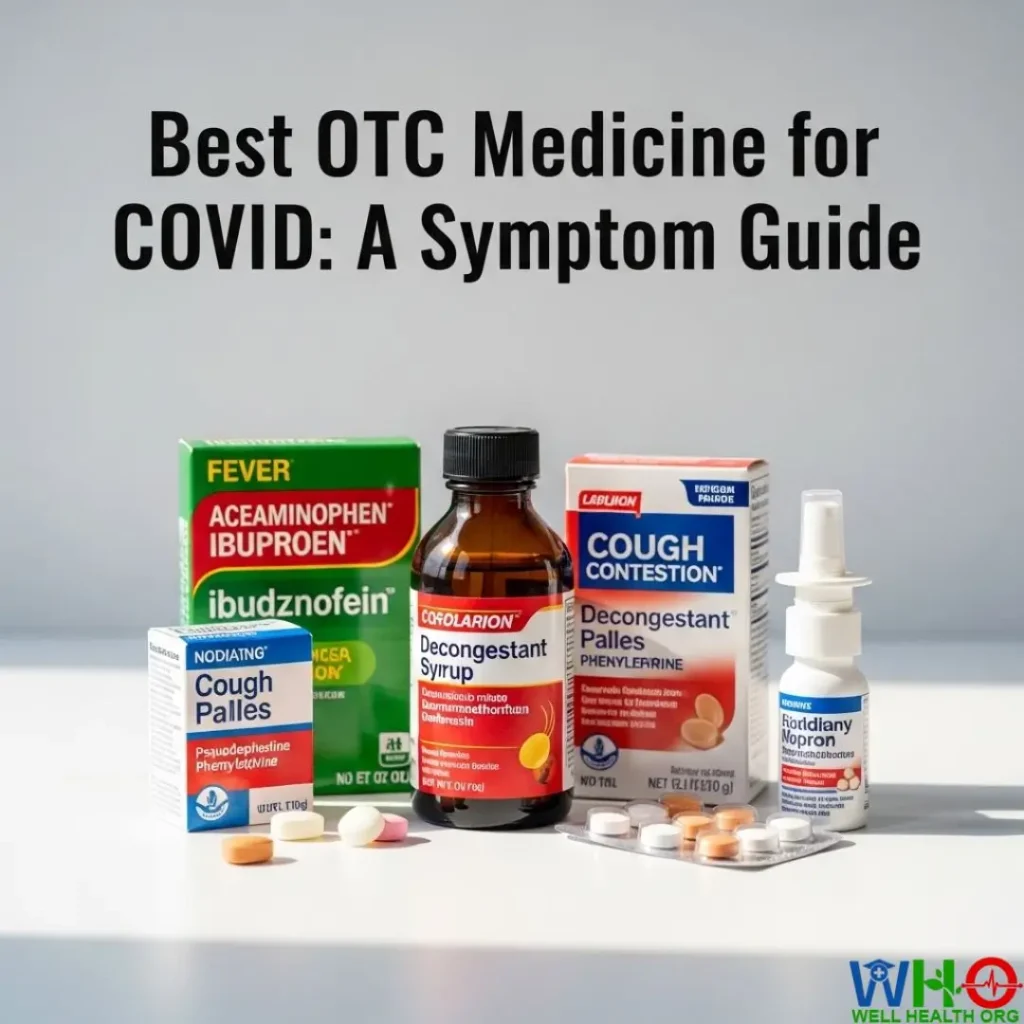
1. For Fever and Body Aches
Fever and muscle aches are among the earliest and most common symptoms of COVID-19. They’re signs that your immune system is actively fighting the infection. While mild fever can be beneficial, persistent high fever and discomfort can drain your energy and make rest difficult.
Acetaminophen (Tylenol) – Acetaminophen is often the first-line treatment for reducing fever and alleviating pain. It’s generally well-tolerated and doesn’t irritate the stomach, making it a good option for individuals who can’t take NSAIDs. According to health experts like Dr. Sana Zuberi, a primary care physician at Henry Ford Health, Tylenol is safer than some alternatives like aspirin, which can sometimes cause heart rate increases when mixed with other compounds like caffeine.
Ibuprofen (Advil, Motrin) and Naproxen (Aleve) – These belong to a class of drugs known as NSAIDs (nonsteroidal anti-inflammatory drugs). They not only reduce fever but also ease muscle and joint pain by lowering inflammation. Despite early pandemic concerns about NSAIDs worsening COVID-19 outcomes, research has shown they are generally safe when taken as directed.
Pro Tips:
- Don’t overuse fever reducers. A mild fever under 101°F (38.3°C) can actually help your body fight infection more effectively.
- Alternate between acetaminophen and ibuprofen if your fever is high and persistent (but only under guidance from a healthcare professional).
- Stay hydrated—fever can cause fluid loss and dehydration.
2. For Nasal Congestion and Runny Nose
Congestion, sinus pressure, and a runny nose can make breathing and sleeping difficult. While these symptoms are not dangerous, they can be extremely frustrating.
Antihistamines (Claritin, Allegra, Zyrtec) – These medications help reduce nasal congestion, runny nose, and sneezing. While they’re primarily used for allergies, many COVID-19 patients report relief from cold-like symptoms with antihistamines. They can also reduce post-nasal drip, which may ease sore throat irritation.
Decongestants (Sudafed, Afrin) – Decongestants work by shrinking swollen blood vessels in your nasal passages, allowing air to flow more freely. Oral decongestants like pseudoephedrine are effective but can raise blood pressure, so individuals with heart conditions should use them cautiously. Nasal sprays like oxymetazoline can provide quick relief but shouldn’t be used for more than three days to avoid rebound congestion.
Home Remedies That Help:
- Use a humidifier or steam inhalation to loosen mucus.
- Drink warm fluids such as herbal tea or broth to keep nasal passages moist.
- Try saline nasal sprays for gentle, non-medicated relief.
3. For Cough and Sore Throat
A dry, hacking cough or a scratchy throat is often one of the most irritating COVID-19 symptoms. Managing it properly helps you rest and recover faster.
Cough Suppressants (Dextromethorphan) – Found in many OTC cough syrups like Robitussin, dextromethorphan helps suppress the urge to cough, providing relief when coughing becomes painful or prevents sleep.
Expectorants (Guaifenesin – Mucinex) – If your cough is productive (brings up mucus), expectorants help thin the mucus, making it easier to clear from your airways. This helps prevent chest congestion from turning into bronchitis.
Throat Lozenges and Sprays – Lozenges soothe a sore throat by coating it with a protective layer, while throat sprays like Chloraseptic can numb pain temporarily.
Home Remedies for Throat Relief:
- Warm tea with honey: Honey has natural antibacterial properties and can ease irritation.
- Saltwater gargle: Mix half a teaspoon of salt in a cup of warm water and gargle several times a day to reduce inflammation.
- Apple cider vinegar rinse: A diluted solution (½ teaspoon in ½ glass of water) can soothe soreness, though it’s best to avoid overuse due to acidity.
Expert Insight:
Dr. Zuberi advises not to over-suppress your cough entirely, as it’s your body’s way of clearing mucus and irritants. “It’s best, when possible, not to mask your symptoms too much so you can gauge how serious your condition is,” she says.
4. The Role of Supportive Care in Recovery
While OTC medications can make symptoms manageable, supportive care—like rest, hydration, and nutrition—is what truly drives recovery. COVID-19 drains your body’s energy, and restorative care helps replenish it.
Rest Is Non-Negotiable:
Your immune system functions best when your body is well-rested. Sleep allows your body to produce cytokines—proteins that target infection and inflammation. Try to get at least 8–10 hours of rest daily, and don’t hesitate to nap when you feel tired.
Hydration Is Essential:
COVID-19 often causes dehydration, especially if you have a fever, diarrhea, or are sweating heavily. Drink plenty of fluids, and include options that restore electrolytes like coconut water, Pedialyte, or electrolyte packets. Avoid sugary sodas or caffeine, as they can worsen dehydration.
Eat Immune-Boosting Foods:
Incorporate fruits, vegetables, and whole grains into your diet. Foods rich in vitamin C (oranges, kiwis), vitamin D (salmon, eggs), and zinc (pumpkin seeds, chickpeas) can help strengthen your immune defense.
Glutathione—A Natural Defender:
This antioxidant, found in foods like spinach, avocado, and broccoli, helps protect your cells from oxidative stress. Some studies suggest that maintaining healthy glutathione levels may support faster recovery from viral infections, including COVID-19.
5. Vitamins and Supplements That May Support Recovery
While over-the-counter medications help manage symptoms, certain vitamins and supplements can help your immune system function at its best. It’s important to remember that supplements should support your recovery—not replace medical treatment or a balanced diet.
Vitamin C:
Vitamin C is one of the most well-known immune-supporting nutrients. It acts as a powerful antioxidant, helping to protect your cells from damage and supporting the production of white blood cells that fight infection. You can take it as a supplement (usually 500–1000 mg daily), but fresh fruits like oranges, strawberries, and bell peppers are excellent natural sources.
Vitamin D:
Often called the “sunshine vitamin,” vitamin D plays a crucial role in immune system regulation. Low vitamin D levels have been linked to higher risks of respiratory infections. If you can, spend at least 15–20 minutes in the sun daily or consider taking a supplement—especially in colder months when sunlight exposure is limited.
Zinc:
Zinc supports the body’s ability to fight off viruses and bacteria. Studies have shown that it may reduce the duration of common cold symptoms, and similar effects may apply to mild COVID-19 infections. Foods rich in zinc include beans, seeds, and seafood. If taking supplements, stick to recommended doses (8–11 mg per day for adults), as too much zinc can cause nausea or interfere with other minerals.
Elderberry and Echinacea:
Though more commonly used for cold and flu, elderberry and echinacea may help support immune function. Elderberry syrup, in particular, is known for its antioxidant and antiviral properties. However, these supplements should be used with caution if you have autoimmune conditions—consult your healthcare provider before use.
6. Effective Home Remedies to Ease Symptoms Naturally
Alongside medications, simple home remedies can make your recovery smoother and more comfortable. These natural approaches help relieve congestion, soothe the throat, and promote relaxation—all of which are essential for healing.
Steam Inhalation:
Breathing in warm steam helps moisten your nasal passages, loosens mucus, and makes breathing easier. Try this: fill a bowl with hot water, place a towel over your head, and inhale the steam for 5–10 minutes. You can add a few drops of eucalyptus or peppermint oil for extra relief.
Warm Saltwater Gargles:
This age-old remedy is one of the simplest ways to ease a sore throat. The salt helps reduce inflammation and bacteria in the throat, providing instant relief.
Herbal Teas and Honey:
Herbal teas like chamomile, ginger, or turmeric tea can reduce inflammation and soothe your throat. Adding honey (especially raw honey) provides an extra coating that calms irritation.
Humidifier Use:
Dry indoor air can worsen coughing and throat irritation. Using a humidifier adds moisture to the air, helping you breathe more comfortably—especially while sleeping.
Warm Baths or Showers:
Taking a warm bath can relax sore muscles and help open up your nasal passages. Adding Epsom salts or essential oils enhances relaxation.
7. How to Stay Hydrated and Nourished During COVID-19
Dehydration is common when you have a fever or respiratory infection, but staying hydrated is vital for maintaining healthy blood flow and oxygen delivery throughout the body.
Best Fluids to Drink:
- Water: Aim for at least 8–10 glasses per day.
- Coconut Water: Great for natural electrolyte replacement.
- Bone Broth or Soup: Provides both hydration and nutrients.
- Herbal Teas: Peppermint or ginger tea can soothe your throat and help with nausea.
What to Avoid:
- Sugary Drinks: They can weaken your immune system.
- Caffeinated Beverages: Coffee and energy drinks can dehydrate you.
- Alcohol: It suppresses immune function and worsens dehydration.
Nourishing Foods for Recovery:
- Protein-Rich Foods: Lean meats, beans, and eggs support tissue repair.
- Antioxidant-Rich Fruits and Veggies: Blueberries, oranges, spinach, and kale provide vital nutrients.
- Whole Grains: Brown rice, quinoa, and oats give you long-lasting energy.
If your appetite is low, eat smaller, more frequent meals and include easy-to-digest foods like soups, smoothies, or yogurt. Remember, your body needs energy to fight the virus—don’t skip meals entirely.
8. Rest and Mental Health: The Hidden Keys to Recovery
One often-overlooked aspect of COVID-19 recovery is mental and emotional health. Fatigue, isolation, and anxiety can prolong your recovery if left unmanaged.
Prioritize Rest:
Even if you feel better after a few days, pushing yourself too soon can delay full recovery. Try setting up a quiet, comfortable space where you can rest uninterrupted. Sleep is your body’s best repair mechanism—use it to your advantage.
Stay Positive and Connected:
Isolation during illness can take a toll on your mental well-being. Stay in touch with loved ones via video calls or messages. Having emotional support can improve mood and motivation during recovery.
Mindfulness and Breathing Exercises:
Simple breathing techniques or mindfulness meditation can help reduce stress, support lung function, and promote relaxation. Try deep belly breathing—inhale for 4 seconds, hold for 4 seconds, exhale for 6 seconds—and repeat several times daily.
Avoid Information Overload:
Constantly reading about COVID-19 can increase anxiety. Instead, rely on updates from trusted sources once or twice a day, and focus your energy on recovery activities.
9. Recognizing When to Seek Medical Attention
While most COVID-19 cases can be managed at home, some symptoms indicate that your body needs professional medical care. Don’t hesitate to seek immediate help if you notice any of the following:
- Difficulty breathing or shortness of breath
- Persistent chest pain or pressure
- Sudden confusion or inability to stay awake
- Bluish or pale lips, nails, or skin (a sign of low oxygen)
- High fever that does not respond to medication
If you have chronic health conditions like diabetes, heart disease, or weakened immunity, consult a healthcare provider early. Prescription antiviral treatments such as Paxlovid or molnupiravir can reduce the risk of hospitalization but must be taken within the first few days of symptom onset.
Tip: Always monitor your oxygen levels using a pulse oximeter. If your oxygen saturation drops below 94%, seek medical help immediately.
10. How to Care for Others with COVID-19 at Home
If you’re taking care of a family member with COVID-19, safety and hygiene are critical to prevent spread.
Essential Caregiver Guidelines:
- Always wear a mask and disposable gloves when near the patient.
- Keep their personal items (towels, utensils, bedding) separate.
- Disinfect commonly touched surfaces like doorknobs, phones, and countertops regularly.
- Ensure proper ventilation in the room.
- Encourage the patient to drink fluids and rest frequently.
If the patient’s condition worsens, seek medical advice promptly. Monitor symptoms like shortness of breath, high fever, or confusion closely.
11. Long-Term Recovery: Managing Post-COVID Fatigue
Even after testing negative, some individuals experience lingering symptoms—commonly called “long COVID.” These may include fatigue, shortness of breath, or brain fog that can last for weeks or even months.
Tips to Manage Post-COVID Symptoms:
- Gradually increase activity levels instead of jumping back into a full routine.
- Maintain a balanced diet with plenty of vitamins and minerals.
- Practice breathing exercises to strengthen your lungs.
- Continue hydration and rest until full energy returns.
Patience is key—your body has endured a major viral attack, and healing takes time.
12. The Bottom Line: Supporting Your Body to Heal Naturally
Recovering from COVID-19 is a process that requires patience, consistency, and self-care. While OTC medicines like acetaminophen, ibuprofen, decongestants, and cough syrups can ease symptoms, your body’s natural healing power is your greatest ally.
By combining proper medication with rest, hydration, nutrition, and mindfulness, you give your immune system the best chance to recover fully. Remember, over-the-counter medicine is for comfort—not a cure. Listen to your body, pace yourself, and don’t hesitate to reach out to medical professionals if anything feels off.
Frequently Asked Questions (FAQs)
1. Can I take multiple over-the-counter medications at once?
Yes, but only if they don’t contain overlapping active ingredients. Always read labels carefully—many cold and flu products already include acetaminophen or ibuprofen.
2. Are herbal remedies safe to use alongside OTC medications?
Generally, yes, but consult your doctor if you’re on other prescriptions. Some herbs may interact with medications or affect blood pressure.
3. How long do mild COVID-19 symptoms usually last?
For most people, symptoms improve within 7–10 days. Fatigue or cough may linger longer, but improvement should be gradual.
4. Should I still isolate if my symptoms are mild?
Yes. Even mild cases are contagious. Follow public health guidelines—usually isolating for at least 5 days after symptoms appear and until you’re fever-free for 24 hours.
5. When should I switch from home care to professional medical help?
If you experience breathing difficulty, confusion, chest pain, or oxygen saturation below 94%, seek emergency medical care immediately.
Disclaimer: This article is for informational purposes only and should not replace professional medical advice. Always consult a qualified healthcare provider for diagnosis or treatment. Follow all OTC medication labels carefully and seek emergency help if you experience severe or worsening symptoms.
Medically Reviewed by Prof. Dr. Akram
Orthopedic Surgeon | Professor | Senior Medical Specialist
Prof. Dr. Akram is a distinguished surgeon with over 15 years of clinical expertise. Having served as a lead Emergency Specialist at Complex International Government Hospital, he currently leads a specialized team of 13 medical professionals at his private hospital. As a Professor at top medical universities, he ensures that every article on WellHealthOrg.com meets rigorous clinical standards.
Medical Disclaimer:
The information provided is for educational purposes only and is not a substitute for professional medical advice, diagnosis, or treatment. Always consult your physician for any medical concerns.
Our content is rigorously fact-checked by our 13-member Editorial Team under the clinical supervision of Prof. Dr. Akram.







