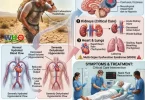
Percutaneous Transluminal Angioplasty (PTA) — A Complete Guide
Peripheral artery disease, often called PAD, affects millions of people worldwide—over 8 million in the United States alone. This condition stiffens or narrows blood vessels—especially in the limbs—by buildup of plaque composed of cholesterol, fat, calcium, and cellular debris. Left untreated, PAD causes painful symptoms during daily activity, increases risk of infection, and sometimes threatens limb survival. Percutaneous transluminal angioplasty (PTA) is a powerful, minimally invasive procedure designed to restore healthy blood flow. In this extensive guide, we’ll walk you through every critical part of PTA—from understanding PAD to preparing for the procedure, through recovery and long‑term management. If you or someone you care about is facing PAD, this information can empower you to make confident decisions and optimize outcomes.
- Percutaneous Transluminal Angioplasty (PTA) — A Complete Guide
- Understanding Peripheral Artery Disease (PAD)
- What Is PAD?
- Who Is at Risk?
- Recognizing PAD Symptoms
- Diagnostic Methods for PAD
- Why PTA Matters in PAD Treatment
- When Is PTA Recommended?
- Selecting the Right Candidates
- How to Prepare for a PTA Procedure
- Pre‑Procedure Medical Evaluation
- Medication Guidelines
- Pre‑Op Day Preparations
- Logistics and Support at Home
- What Happens During PTA? Step‑by‑Step
- Procedural Setting and Duration
- Anesthesia and Sedation
- Insertion of Catheter, Guidewire, and Imaging
- Balloon Inflation and Plaque Compression
- Stent Placement (If Needed)
- After PTA: Recovery and Early Care
- Immediate Monitoring
- Wound Care and Activity Restrictions
- Medication Adherence
- Returning to Daily Life
- Risks, Complications, and How to Mitigate
- Common Minor Issues
- More Serious Potential Problems
- Restenosis and Kidney Risks
- Reducing Risk Through Careful Steps
- Long-Term Benefits of PTA
- Improved Circulation
- Symptom Relief
- Faster Recovery Compared to Surgery
- Preventing Amputations
- Boost in Quality of Life
- PTA Compared with Other PAD Treatments
- Conservative Management vs. PTA
- Bypass Surgery vs. PTA
- Choosing the Best Option
- Advances in PTA Technology
- Drug-Coated Balloons (DCBs)
- Drug-Eluting Stents (DES)
- Atherectomy Devices
- Enhanced Imaging Tools & AI Guidance
- Future Innovations (Biodegradable Stents, AI Planning)
- Tips for Success After PTA
- Heart‑Healthy Lifestyle Changes
- Managing Stress, Exercise, and Diet
- Medications and Monitoring
- Staying Informed and Supported
- When to Consult a Specialist
- Real‑Life Patient Scenarios and Advice
- Case: Resuming Walking After PTA
- Case: Healing a Chronic Leg Wound
- Case: Lifestyle Change Prevents Restenosis
- Final Thoughts on PTA and PAD Management
- Frequently Asked Questions (FAQs)
- 1. Is PTA painful?
- 2. How long does the stent last after PTA?
- 3. Can PAD return after PTA?
- 4. Is PTA safe for older adults?
- 5. What is the success rate of PTA?
Understanding Peripheral Artery Disease (PAD)
What Is PAD?
Peripheral artery disease develops when arteries outside your heart—especially those supplying the legs, arms, and sometimes organs—gradually become narrowed or blocked by plaque buildup. Unlike healthy vessels, narrowed ones can’t transport sufficient oxygen‑rich blood, especially during activity. This reduces tissue health, slows healing, and often results in discomfort or more serious complications if left unchecked. Femoral, popliteal, and tibial arteries in the legs are most commonly affected. Over months or years, these changes progress from mild discomfort to significant impairment if not actively managed.
Who Is at Risk?
Age, lifestyle, and chronic illnesses all contribute to PAD risk. People over 50 gradually accumulate plaque in vessel walls. Elevated cholesterol levels, high blood pressure, smoking, obesity, and uncontrolled diabetes—all accelerate progression. Studies consistently show that smokers and diabetics face dramatically higher rates of PAD due to vessel inflammation and plaque formation. The good news? Many of these risk factors are modifiable through behavior change, medication, and proper medical supervision.
Recognizing PAD Symptoms
Early stages of PAD may be silent, but symptoms often appear as blockages become more severe:
- Claudication: cramping or aching in the calves or thighs during walking, which subsides when resting.
- Cold or numb feet or legs, particularly in comparison to other limbs.
- Weakness or heaviness in the legs during activity.
- Non‑healing wounds or ulcers on the feet or legs, indicating poor circulation.
- Hair loss or slow‑growing toenails in lower limbs, a sign of poor perfusion.
Many patients initially dismiss mild discomfort as aging or overexertion. But because PAD often progresses slowly, symptoms may not appear until arteries are significantly blocked—making early detection vital.
Diagnostic Methods for PAD
When PAD is suspected, doctors typically begin with a non‑invasive test:
- Ankle‑brachial index (ABI): compares blood pressure readings in the ankle and arm. A lower ankle pressure signals reduced circulation.
Imaging may include ultrasound Doppler to visualize blood flow, or angiography—injecting contrast dye and capturing X‑ray images—to pinpoint blockages. If underlying risk factors like diabetes or high cholesterol are present, blood tests assess lipid levels and blood sugar control. These combined assessments give your physician a clear map of your vascular health and help inform the best next steps.
Why PTA Matters in PAD Treatment
When Is PTA Recommended?
PTA often becomes the preferred option when PAD symptoms significantly impact everyday life—especially if conservative steps haven’t helped. Common triggers include:
- Severe claudication that limits walking distances even with breaks
- Rest pain in the feet or legs, particularly at night
- Non‑healing wounds or ulcers that threaten infection or amputation
If medication, supervised exercise programs, and lifestyle changes fail to relieve symptoms or wounds remain unhealed, your medical team may recommend angioplasty to restore blood flow quickly and effectively.
Selecting the Right Candidates
Not every PAD patient is an ideal PTA candidate. Your vascular specialist will assess:
- Location and type of blockage: PTA is most effective for blockages in accessible arteries amenable to balloon dilation. Some vessel configurations respond more reliably than others.
- General health status: You should be healthy enough for a minimally invasive procedure and able to commit to post‑procedure care and lifestyle changes.
- Likelihood of patient compliance: Long‑term success hinges on medication adherence, follow‑up, and heart‑healthy habits.
For those who meet these criteria, PTA offers a low‐risk yet highly effective intervention—especially compared to major surgery when blockages are treatable with angioplasty.
How to Prepare for a PTA Procedure
Pre‑Procedure Medical Evaluation
In the days or weeks before your scheduled procedure, your medical team will conduct thorough evaluations including:
- Blood tests to check blood count, kidney function, and cholesterol
- An electrocardiogram (ECG) to assess heart rhythm
- Imaging scans (e.g. CT angiogram or Doppler ultrasound) to map blockage size, location, and vessel condition
This careful planning helps your vascular specialist tailor the approach, anticipate challenges, and reduce complication risks.
Medication Guidelines
Your healthcare provider will advise which medications to continue or pause. For example:
- Certain blood thinners or anticoagulants may need to be temporarily suspended under guidance.
- Antiplatelet drugs or statins are usually continued to protect vessel health.
- If you have diabetes, you’ll receive detailed instructions for blood sugar monitoring and insulin or medication timing around fasting and the procedure.
Important note: never stop any medication without your doctor’s direct instruction. Mismanagement can increase risk.
Pre‑Op Day Preparations
Here are typical instructions for the day before PTA:
- Fasting begins after midnight—no food or drink, unless your doctor specifically allows water or adjustment based on arrival time.
- Comfortable clothing for hospital admission (e.g. loose pants or a gown).
- Personal items like ID, insurance card, medication list, and contact information.
- Transportation plans: since you won’t be able to drive for at least 24 hours post‑procedure, arrange a ride home.
- Support at home: ideally, someone should help you with household tasks for the first few days after.
Logistics and Support at Home
Setting up for recovery increases your comfort and lowers stress:
- Prepare simple meals and water within easy reach.
- Clear clutter to prevent trips or falls.
- Have your phone, remote, and essentials nearby.
- Arrange for errands or childcare assistance if needed.
By planning ahead thoughtfully, you can focus on healing without unnecessary stress.
What Happens During PTA? Step‑by‑Step
Procedural Setting and Duration
PTA is performed in a catheterization lab, a hospital setting equipped with advanced imaging tools. The procedure duration can vary from 30 minutes to 3 hours—depending on:
- Number of blockages
- Complexity of the artery pathway
- Whether a stent or atherectomy is required
Anesthesia and Sedation
You’ll receive local anesthesia at the insertion site (typically groin or wrist), so you won’t feel pain there. Mild sedation helps you relax, though you’ll usually remain awake and responsive. Throughout the procedure, vital signs—heart rate, blood pressure, oxygen levels—are continuously monitored.
Insertion of Catheter, Guidewire, and Imaging
The vascular team begins with a small needle into the chosen artery, inserting a guidewire and introducer sheath. A flexible catheter is threaded along with the guidewire under real-time X‑ray imaging known as fluoroscopy, allowing precise navigation toward the blockage.
Balloon Inflation and Plaque Compression
Once the catheter reaches the obstruction, contrast dye is injected to produce detailed angiographic images—these reveal exact location and severity. The balloon catheter is advanced to the blockage, then inflated to press plaque against the artery walls. This widens the vessel and reinstates blood flow. Multiple inflations may be required to achieve optimal results.
Stent Placement (If Needed)
After angioplasty, a stent—a small mesh tube—may be deployed in the treated segment to prevent re‑narrowing. Some stents are drug‑eluting, releasing medication over time to reduce the chance of restenosis. The stent functions as internal scaffolding, providing long-term patency.
After PTA: Recovery and Early Care
Immediate Monitoring
Right after the procedure, you’ll be taken to a recovery area where nurses and the healthcare team will closely monitor your vital signs—blood pressure, heart rate, and oxygen saturation. They’ll also keep a close eye on the insertion site (usually groin or wrist) for signs of bleeding, bruising, or hematoma (a collection of blood under the skin). If the groin was used, you may need to lie flat with your leg straight for 2–6 hours to reduce the risk of bleeding.
You’ll remain under observation until you’re stable—typically for several hours. If the procedure was done late in the day or if your overall health requires extra monitoring, an overnight hospital stay might be necessary. Otherwise, many patients go home the same day.
Wound Care and Activity Restrictions
Once you’re home, wound care becomes critical. Keep the site clean and dry, changing dressings as instructed. Avoid applying lotions, powders, or ointments unless prescribed. You may notice some bruising or slight discomfort around the insertion point—this is normal and usually fades within a week.
For the first few days, avoid:
- Lifting anything heavier than 10 pounds
- Vigorous exercise or long walks
- Climbing stairs too frequently
- Driving (usually for 1–2 days)
Watch for warning signs like increasing pain, redness, swelling, bleeding, or a lump growing at the site—these could signal complications and warrant a call to your doctor immediately.
Medication Adherence
After PTA, you’ll likely be prescribed medications that support healing and prevent complications. These may include:
- Antiplatelet medications (like aspirin or clopidogrel) to prevent clots forming around the treated artery
- Statins to help lower cholesterol and stabilize plaque
- Blood pressure meds if needed for vascular protection
Take all medications exactly as prescribed—even if you feel better. Suddenly stopping antiplatelet drugs, for instance, could increase the risk of artery re-narrowing or a heart attack.
Returning to Daily Life
Most patients return to work and light activities within a few days. Those with physically demanding jobs may need to rest longer. Everyone should follow up with their vascular specialist within 1–2 weeks to assess healing and discuss long-term plans.
As you recover, ease back into activity. Start with light walking and gradually increase duration under your doctor’s advice. Movement helps improve blood flow and supports the long-term success of the procedure.
Risks, Complications, and How to Mitigate
Common Minor Issues
Like any medical procedure, PTA carries risks. Most complications are minor and resolve with minimal intervention. These include:
- Bruising around the insertion site
- Temporary soreness or swelling
- Fatigue in the first few days
These symptoms often resolve within a week and can be managed with rest, hydration, and over-the-counter pain relievers (if approved by your doctor).
More Serious Potential Problems
Although rare, some patients may experience:
- Bleeding or hematoma at the insertion site
- Blood vessel damage from catheter manipulation
- Blood clots forming within the treated artery
- Allergic reactions to contrast dye
- Heart rhythm issues during or immediately after the procedure
Emergency care may be needed if symptoms such as chest pain, difficulty breathing, dizziness, or severe bleeding occur.
Restenosis and Kidney Risks
One of the longer-term risks is restenosis—the artery narrowing again weeks or months after PTA. While modern stents and drug-coated balloons help reduce this, restenosis may still happen. Your doctor will monitor your progress through follow-up imaging and symptom tracking.
Patients with chronic kidney disease may also be at risk of worsening kidney function due to contrast dye used during imaging. If you have kidney issues, your care team will:
- Use the lowest possible dose of contrast
- Hydrate you before and after the procedure
- Monitor kidney function through blood tests
Reducing Risk Through Careful Steps
To minimize risks:
- Choose a highly experienced interventional specialist
- Share your complete health history, including allergies
- Follow all pre- and post-procedure instructions
- Keep all follow-up appointments
- Stay alert to symptoms and act early if concerns arise
Being proactive in your care is the best way to protect your health and maximize benefits.
Long-Term Benefits of PTA
Percutaneous transluminal angioplasty can provide life-changing improvements for people suffering from PAD. Here’s what you can expect after a successful PTA:
Improved Circulation
The most immediate and impactful benefit is restored blood flow. This helps tissues receive the oxygen and nutrients they need—critical for healing wounds, supporting mobility, and reducing limb loss risk.
Symptom Relief
Many patients report dramatic relief from PAD symptoms, especially:
- Cramping and pain while walking
- Rest pain that disturbs sleep
- Cold or numb feet
- Fatigue in the legs
This means patients can walk farther, sleep better, and enjoy daily activities they previously had to limit or stop altogether.
Faster Recovery Compared to Surgery
Unlike bypass surgery—which requires general anesthesia, larger incisions, and longer hospital stays—PTA is minimally invasive. Recovery is quicker, often within a few days, and complications are fewer.
Preventing Amputations
In severe PAD cases, especially with non-healing ulcers or critical limb ischemia, PTA can be limb-saving. Re-establishing blood flow enables wounds to heal and avoids the progression to gangrene and amputation.
Boost in Quality of Life
Whether it’s gardening, walking in the park, or climbing stairs—activities that were once painful or impossible become accessible again. This translates into improved mood, confidence, independence, and longevity.
PTA Compared with Other PAD Treatments
Choosing the right treatment approach for PAD depends on individual health, lifestyle, and goals. Here’s how PTA compares with alternatives:
Conservative Management vs. PTA
Initially, most PAD patients are treated with lifestyle changes and medication. This includes:
- Quitting smoking
- Eating a heart-healthy diet
- Exercise programs like supervised walking therapy
- Medications to lower cholesterol or improve circulation
While effective for mild to moderate PAD, these methods may not provide sufficient relief for everyone. If symptoms remain severe, PTA offers a next step before considering surgery.
Bypass Surgery vs. PTA
Bypass surgery creates a new pathway for blood to flow around a blocked artery using a graft. It’s typically reserved for:
- Long, complex, or heavily calcified blockages
- Patients with multiple arterial occlusions
- Failed PTA cases
While bypass surgery is often successful, it’s far more invasive, with longer hospital stays, recovery time, and risk of complications like infection or wound breakdown.
PTA, by contrast:
- Requires only a small puncture, not large incisions
- Involves less anesthesia and risk
- Allows repeat procedures if new blockages form
Choosing the Best Option
Ultimately, treatment selection is collaborative. Your vascular specialist will consider:
- The extent and location of your arterial disease
- Your overall health and comorbidities
- Your goals and lifestyle preferences
- Prior treatment outcomes (if applicable)
Some patients may undergo PTA followed by lifestyle changes, while others may need bypass surgery for more complex cases. The key is having a personalized, informed plan.
Advances in PTA Technology
Modern PTA has come a long way since its inception, thanks to constant innovation in tools, devices, and techniques. These advancements have made angioplasty safer, more precise, and more durable in terms of results.
Drug-Coated Balloons (DCBs)
DCBs deliver medication directly to the arterial wall during balloon inflation. These antiproliferative drugs, like paclitaxel, reduce cell overgrowth and help prevent restenosis—especially valuable in small or hard-to-stent vessels.
Drug-Eluting Stents (DES)
Unlike bare-metal stents, DES are coated with medication that is slowly released into the surrounding tissue. This helps suppress the re-narrowing of the vessel over time and has become the standard in many high-risk cases.
Atherectomy Devices
When arteries are heavily calcified, angioplasty alone may not work. Atherectomy involves specialized rotating or laser-based devices that shave or vaporize plaque before balloon inflation, improving outcomes.
Types include:
- Directional atherectomy (removes plaque in a specific direction)
- Rotational atherectomy (uses a spinning burr to grind calcium)
- Orbital atherectomy (sands plaque circumferentially)
Enhanced Imaging Tools & AI Guidance
New imaging methods like intravascular ultrasound (IVUS) and optical coherence tomography (OCT) allow for real-time, ultra-detailed views inside arteries. These help ensure precise balloon placement and stent deployment.
AI-guided systems are now being developed to:
- Analyze pre-op imaging data
- Suggest optimal device sizing and placement
- Predict complication risks
This reduces human error and helps tailor treatment to individual anatomy.
Future Innovations (Biodegradable Stents, AI Planning)
Emerging biodegradable stents offer the support of traditional metal stents—but gradually dissolve after the artery has healed. This reduces long-term inflammation and risk of restenosis.
Looking forward, AI-powered platforms and smart devices may further transform PTA by providing real-time feedback and customized decision-making, opening a new frontier in precision vascular care.
Tips for Success After PTA
Heart‑Healthy Lifestyle Changes
Once PTA has restored blood flow, your job isn’t over. Long-term success depends largely on how well you take care of your vascular system afterward. The top priority? Adopting a heart‑healthy lifestyle.
Start with diet. Focus on:
- Plenty of fruits and vegetables
- Whole grains like brown rice, oats, or quinoa
- Lean proteins, especially fish rich in omega-3 fatty acids
- Healthy fats like olive oil, nuts, and avocados
- Limiting sodium, sugar, and processed foods
These choices support overall cardiovascular function and reduce the risk of further plaque buildup.
Managing Stress, Exercise, and Diet
Chronic stress takes a toll on your heart and blood vessels. It increases blood pressure, triggers inflammation, and can even lead to unhealthy habits like smoking or overeating. Managing stress effectively is critical.
Try:
- Mindfulness or meditation
- Deep breathing exercises
- Journaling or talking with a therapist
- Spending time in nature or with loved ones
Physical activity is equally essential. Once cleared by your doctor, aim for at least 30 minutes of moderate exercise most days of the week—even brisk walking counts. Movement helps your blood vessels remain flexible and promotes better circulation.
Medications and Monitoring
Stick to your medication routine religiously. Many patients need:
- Statins to manage cholesterol
- Antiplatelet agents to reduce clot risk
- Blood pressure medications if hypertension is present
- Glucose control drugs for diabetics
Schedule regular follow-ups with your vascular specialist to:
- Monitor for restenosis
- Adjust medications as needed
- Track your progress and address new symptoms early
Staying Informed and Supported
Join a support group or online community of PAD patients. Sharing stories and tips can be encouraging and informative. Staying educated helps you remain engaged in your care and make informed decisions about new treatments or lifestyle changes.
When to Consult a Specialist
If you’re experiencing any of the following signs, it’s time to speak to a vascular specialist:
- Leg pain that worsens when walking and eases with rest
- Wounds or ulcers on your feet or legs that aren’t healing
- Cold, numb, or discolored toes or feet
- Sudden decline in walking distance
- Previous diagnosis of PAD with worsening symptoms
A vascular specialist will review your history, perform a full vascular assessment, and determine whether PTA or another intervention is right for you. Don’t wait—early treatment can prevent complications and preserve your quality of life.
Real‑Life Patient Scenarios and Advice
Case: Resuming Walking After PTA
John, a 64-year-old retired teacher, used to walk daily until leg cramps forced him to stop. After trying medication and lifestyle changes with no improvement, he underwent PTA. Within weeks, he was back to walking a mile a day, pain-free. “PTA gave me my life back,” he says.
Case: Healing a Chronic Leg Wound
Maria, a diabetic in her 70s, developed a non-healing ulcer on her lower leg. Her doctor discovered PAD, and PTA was performed. Blood flow was restored, and with proper wound care, her ulcer healed completely in two months—avoiding what could have led to an amputation.
Case: Lifestyle Change Prevents Restenosis
After his first PTA, David didn’t take his recovery seriously and needed a second procedure a year later. This time, he quit smoking, followed a Mediterranean diet, and walked 5 days a week. Three years later, he remains symptom-free. “You only get one warning shot,” he says. “Take it seriously.”
These stories show the power of PTA—but also the importance of long-term dedication to your health.
Final Thoughts on PTA and PAD Management
Percutaneous transluminal angioplasty is more than just a medical procedure—it’s a powerful step toward reclaiming your independence, mobility, and health. For millions living with PAD, PTA offers fast relief from symptoms, a lower risk of complications, and a shorter recovery time compared to surgery.
However, it’s not a permanent fix unless it’s supported by meaningful lifestyle changes, regular follow-up care, and a proactive attitude toward health. Early diagnosis and treatment dramatically improve outcomes. If you or a loved one are showing signs of PAD, don’t delay—consult with a vascular specialist and start your journey toward better vascular health.
By understanding what PTA is, what to expect, and how to support your recovery, you become an active participant in your own care. And that’s the most powerful form of medicine there is.
Frequently Asked Questions (FAQs)
1. Is PTA painful?
Most patients feel little to no pain during PTA because the procedure is done under local anesthesia and sedation. You may feel some pressure when the balloon inflates, but it’s usually not painful. Mild soreness at the insertion site is common after the procedure.
2. How long does the stent last after PTA?
Stents are designed to remain in the artery permanently. Drug-eluting stents release medication to help keep the artery open and reduce restenosis risk. With good follow-up and lifestyle changes, many stents last for years without issues.
3. Can PAD return after PTA?
Yes, it’s possible for arteries to become narrow again, especially if underlying conditions like smoking, high cholesterol, or diabetes aren’t managed. This is why medication, follow-up care, and lifestyle changes are so important after the procedure.
4. Is PTA safe for older adults?
Yes, PTA is often preferred for older adults because it’s minimally invasive and involves less risk compared to major surgery. Your overall health and medical history will guide your specialist in making the safest treatment choice for you.
5. What is the success rate of PTA?
Success rates are generally high—about 80–90%—especially for short, localized blockages. Modern tools and techniques like drug-eluting stents and drug-coated balloons have further improved outcomes. Long-term success depends greatly on patient lifestyle and medication adherence.
Medically Reviewed by Prof. Dr. Akram
Orthopedic Surgeon | Professor | Senior Medical Specialist
Prof. Dr. Akram is a distinguished surgeon with over 15 years of clinical expertise. Having served as a lead Emergency Specialist at Complex International Government Hospital, he currently leads a specialized team of 13 medical professionals at his private hospital. As a Professor at top medical universities, he ensures that every article on WellHealthOrg.com meets rigorous clinical standards.
Medical Disclaimer:
The information provided is for educational purposes only and is not a substitute for professional medical advice, diagnosis, or treatment. Always consult your physician for any medical concerns.
Our content is rigorously fact-checked by our 13-member Editorial Team under the clinical supervision of Prof. Dr. Akram.