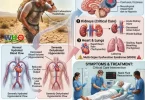
Your heart beats more than 100,000 times a day, moving blood through an intricate network of arteries and veins that sustains your entire body. It’s strong and reliable—until it comes under attack. While most people associate viruses with common colds or seasonal flu, these microscopic invaders can do much more damage, including attacking one of your most vital organs: the heart.
- What Is Viral Myocarditis?
- Who’s at Risk?
- The Main Culprits: Viruses Known to Cause Heart Disease
- 1. SARS-CoV-2 (COVID-19 Virus)
- 2. HIV (Human Immunodeficiency Virus)
- 3. Parvovirus B19
- 4. Human Herpesvirus 6 (HHV-6)
- 5. Hepatitis C Virus (HCV)
- 6. Influenza Virus
- Other Noteworthy Viruses That Can Trigger Myocarditis
- How Exactly Do Viruses Damage the Heart?
- 1. Direct Viral Invasion
- 2. Immune System Overreaction
- Symptoms: What Does Viral Heart Disease Feel Like?
- Cardiac Symptoms:
- General Symptoms:
- How Is Viral Myocarditis Diagnosed?
- Clinical Assessment:
- Blood Work:
- Imaging and Heart Tests:
- Treatment: What Can Be Done for Viral Heart Disease?
- 1. Supportive Care:
- 2. Rest and Recovery:
- 3. Advanced Interventions (for severe cases):
- Prevention: Can You Stop Viral Heart Disease Before It Starts?
- Vaccinations:
- Hygiene Habits:
- Immune System Boosters:
- Who’s Most at Risk?
- What’s the Long-Term Outlook?
- When Should You See a Doctor?
- Final Thoughts: Protecting Your Heart from Viral Invasion
Viral heart disease, medically referred to as viral myocarditis, occurs when viruses invade heart muscle tissue and spark inflammation. This condition ranges from mild and unnoticed to life-threatening and chronic. If left untreated, viral heart disease can lead to heart failure, dangerous arrhythmias, and even sudden cardiac death.
In this guide, we’ll walk through everything you need to know about viral heart disease: the viruses that cause it, how they do their damage, the symptoms to watch for, and how to protect yourself. Whether you’ve recently had a viral illness or want to understand more about heart health, this guide breaks down the connection between viruses and cardiovascular health in easy-to-follow language.
What Is Viral Myocarditis?
Viral myocarditis is inflammation of the heart muscle—specifically the myocardium, the thick middle layer responsible for contraction and pumping blood. This inflammation is triggered by viral infections that either directly damage heart cells or provoke an excessive immune response.
Most people recover fully, but in some cases, the heart becomes weakened or permanently damaged. The seriousness of the condition depends on the virus involved, the body’s response, and how quickly treatment is administered.
Who’s at Risk?
- Most commonly affects young adults, especially males
- Athletes and highly active individuals may be at higher risk during or after infections
- People with weakened immune systems or chronic conditions are more vulnerable to severe outcomes
Many cases go unrecognized because symptoms often mimic other conditions like the flu or anxiety. This is why knowing which viruses pose a risk is vital for early detection and proper care.
The Main Culprits: Viruses Known to Cause Heart Disease
While dozens of viruses can affect the heart, some are more notorious than others. Here’s a breakdown of the most common viral culprits:
1. SARS-CoV-2 (COVID-19 Virus)
Since the pandemic began, COVID-19 has emerged as a significant cause of myocarditis. It affects not only the lungs but also organs like the heart, kidneys, and brain. The virus can either:
- Directly infect heart muscle cells
- Trigger a cytokine storm (an intense immune response) that harms cardiac tissue
What’s concerning?
- COVID-related myocarditis can occur during the acute phase or weeks later
- Even young, healthy individuals have reported cardiac complications
- Rare cases of myocarditis have also been reported following mRNA vaccination, primarily in younger males—though these are typically mild and far less frequent than myocarditis caused by COVID-19 itself
2. HIV (Human Immunodeficiency Virus)
HIV compromises the immune system, making the heart vulnerable to:
- Direct infection by the virus
- Opportunistic infections that damage the heart
- Chronic inflammation contributing to long-term cardiac decline
Studies estimate that up to one-third of people with HIV may develop myocarditis at some point in their disease course. Untreated, this can evolve into HIV-associated cardiomyopathy or even congestive heart failure.
3. Parvovirus B19
Best known for causing “slapped cheek” syndrome in children, this virus also targets rapidly dividing cells—like those found in the heart.
Key concerns:
- Can cause severe or even fatal myocarditis in children
- Linked to chronic myocarditis in adults
- Often found in endomyocardial biopsies from patients with unexplained heart failure
4. Human Herpesvirus 6 (HHV-6)
Most people have been infected with HHV-6 during early childhood, usually resulting in roseola, a benign viral rash. However, the virus can reactivate later in life, especially in immunocompromised individuals, and may:
- Invade heart tissue
- Trigger inflammatory heart conditions
Due to its widespread prevalence (over 90% of adults carry the virus), HHV-6 is considered a frequent but underdiagnosed cause of viral myocarditis.
5. Hepatitis C Virus (HCV)
Hepatitis C is infamous for causing chronic liver disease—but it doesn’t stop there. Research reveals a direct link between HCV and cardiovascular conditions, including:
- Inflammatory heart disease
- Dilated cardiomyopathy
- Pericarditis (inflammation of the heart’s outer lining)
With millions living with undiagnosed hepatitis C, the cardiac risks often go unnoticed until damage is already done.
6. Influenza Virus
Seasonal flu isn’t just about fevers and fatigue. In some cases, it can lead to serious heart complications.
Key points:
- Influenza A is more often associated with myocarditis than Influenza B
- Heart issues typically arise during the acute phase or in the recovery period
- Flu vaccination significantly reduces the risk of influenza-induced heart disease
Other Noteworthy Viruses That Can Trigger Myocarditis
| Virus | Common Illness Caused | Risk of Myocarditis |
|---|---|---|
| Coxsackievirus | Hand, foot, and mouth disease | High |
| Adenovirus | Respiratory infections, conjunctivitis | Moderate |
| Epstein-Barr Virus | Mononucleosis (“kissing disease”) | Moderate |
| Cytomegalovirus (CMV) | Often asymptomatic in healthy adults | Moderate to high |
| Echovirus | Summer viral infections | Moderate |
How Exactly Do Viruses Damage the Heart?
Viruses damage the heart in two main ways:
1. Direct Viral Invasion
Some viruses penetrate heart cells, hijack their machinery to reproduce, and cause those cells to rupture or malfunction. This leads to:
- Cell death (necrosis)
- Impaired electrical conduction (arrhythmias)
- Decreased pumping ability
2. Immune System Overreaction
More often, the problem arises from your own immune system. In its effort to destroy the virus, it may:
- Attack healthy heart cells (autoimmunity)
- Release inflammatory cytokines that weaken muscle function
- Leave lingering inflammation even after the virus is gone
This explains why myocarditis can develop weeks after a seemingly mild illness.
Symptoms: What Does Viral Heart Disease Feel Like?
Symptoms of viral myocarditis can vary dramatically—from no symptoms at all to sudden heart failure. Here’s what to watch for:
Cardiac Symptoms:
- Sharp or stabbing chest pain
- Shortness of breath, especially during activity or lying flat
- Irregular heartbeat or palpitations
- Lightheadedness or fainting
General Symptoms:
- Fever or chills
- Fatigue and weakness
- Muscle or joint aches
- Swelling in legs or abdomen (sign of fluid buildup)
Because these signs mimic other illnesses, particularly respiratory or gastrointestinal infections, viral myocarditis is often underdiagnosed or misdiagnosed.
How Is Viral Myocarditis Diagnosed?
There’s no single test for viral myocarditis. Instead, doctors use a combination of methods:
Clinical Assessment:
- Medical history (recent illness, vaccinations, travel, etc.)
- Physical exam (heart sounds, swelling, pulse)
Blood Work:
- Troponin: Elevated when heart muscle is damaged
- CRP/ESR: Markers of inflammation
- Viral serology: Detects recent or active viral infections
Imaging and Heart Tests:
- ECG (Electrocardiogram): Checks heart rhythm and signs of damage
- Echocardiogram: Ultrasound to assess pumping strength and valve function
- Cardiac MRI: High-resolution imaging to detect inflammation and scarring
- Endomyocardial biopsy (rare): Tissue sample to confirm inflammation and viral presence
Treatment: What Can Be Done for Viral Heart Disease?
There’s no one-size-fits-all treatment, and often no specific antiviral exists for the culprit virus. Treatment usually focuses on:
1. Supportive Care:
- ACE inhibitors or ARBs: Improve heart function
- Beta-blockers: Reduce heart rate and risk of arrhythmia
- Diuretics: Reduce fluid buildup
- Antiarrhythmic meds: Manage dangerous rhythms
2. Rest and Recovery:
- Avoid strenuous activity for several weeks or months
- Athletes should not return to sports without cardiac clearance
3. Advanced Interventions (for severe cases):
- IVIG (Intravenous Immunoglobulin): May reduce immune-mediated damage
- Immunosuppressants: Used carefully in autoimmune-related cases
- Pacemaker or ICD: For serious rhythm disturbances
- ECMO or ventricular assist devices (VADs): For severe heart failure
- Heart transplant: Last resort in end-stage disease
Prevention: Can You Stop Viral Heart Disease Before It Starts?
Yes—preventing the virus in the first place is your best line of defense.
Vaccinations:
- COVID-19 vaccine and boosters
- Annual flu shot
- Hepatitis A and B vaccines
- Measles, mumps, rubella (MMR) and other routine childhood vaccines
Hygiene Habits:
- Wash hands regularly with soap
- Disinfect frequently touched surfaces
- Avoid close contact with sick individuals
- Use masks in high-risk areas during outbreaks
Immune System Boosters:
- Get adequate sleep (7–9 hours)
- Eat a well-balanced diet rich in antioxidants
- Manage stress
- Avoid smoking and excessive alcohol
Who’s Most at Risk?
While viral myocarditis can affect anyone, some groups have higher risk:
| Risk Group | Reason for Increased Risk |
|---|---|
| Young males (15–30) | Hormonal influences and activity levels |
| Immunocompromised | Weakened defenses against viruses |
| Heart disease patients | Pre-existing damage worsens inflammation |
| Athletes | Risk from overexertion during infection |
| Infants & elderly | Fragile or aging immune systems |
What’s the Long-Term Outlook?
The majority of people with viral myocarditis recover fully, especially if diagnosed early and treated appropriately. However, some may develop permanent damage, such as:
- Chronic heart failure
- Arrhythmias requiring long-term monitoring
- Dilated cardiomyopathy
- In rare cases, sudden cardiac death
Follow-up care includes:
- Repeat imaging (like echocardiograms or MRIs)
- Exercise testing before returning to normal activity
- Long-term medications to protect heart function
When Should You See a Doctor?
Don’t ignore these symptoms—especially if they occur during or after a viral illness:
- Chest pain or tightness
- Sudden shortness of breath
- Palpitations or irregular heartbeat
- Lightheadedness or fainting
- Swelling in your lower legs
- Fatigue that doesn’t improve with rest
Prompt medical attention can prevent long-term complications or save your life.
Final Thoughts: Protecting Your Heart from Viral Invasion
Viral heart disease is real—and it’s more common than many realize. Whether triggered by a common cold, the flu, or something more severe like COVID-19, these viruses can inflict lasting damage if left unchecked.
But the good news? You have the power to protect your heart.
- Get vaccinated
- Take viral symptoms seriously—especially chest pain or fatigue
- Prioritize immune health with rest, nutrition, and stress management
- Avoid intense physical activity during or right after illness
Your heart is one of the hardest-working organs in your body. Don’t let a virus take that away. Be vigilant, stay healthy, and act fast when something doesn’t feel right.
Medically Reviewed by Prof. Dr. Akram
Orthopedic Surgeon | Professor | Senior Medical Specialist
Prof. Dr. Akram is a distinguished surgeon with over 15 years of clinical expertise. Having served as a lead Emergency Specialist at Complex International Government Hospital, he currently leads a specialized team of 13 medical professionals at his private hospital. As a Professor at top medical universities, he ensures that every article on WellHealthOrg.com meets rigorous clinical standards.
Medical Disclaimer:
The information provided is for educational purposes only and is not a substitute for professional medical advice, diagnosis, or treatment. Always consult your physician for any medical concerns.
Our content is rigorously fact-checked by our 13-member Editorial Team under the clinical supervision of Prof. Dr. Akram.