
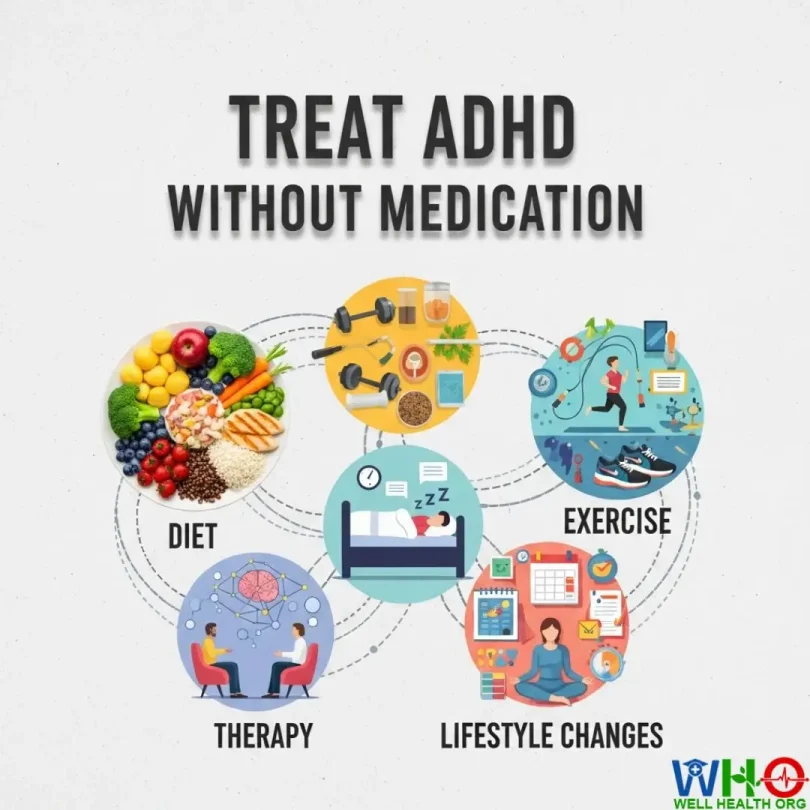
Treating ADHD
Attention Deficit Hyperactivity Disorder (ADHD) has become one of the most widely discussed neurodevelopmental conditions in recent decades. It affects children, teens, and adults alike — often influencing how they think, work, and interact with the world. While prescription medication is one of the most common treatment routes, an increasing number of families and adults are turning to natural ways to manage ADHD symptoms without medication.
And it’s not hard to see why. Some individuals experience unpleasant side effects from ADHD medications like sleep issues, loss of appetite, or mood swings. Others simply prefer a holistic, long-term approach that supports both the mind and body. The encouraging news? Science shows that natural strategies — from nutrition and sleep to behavioral therapies and mindfulness — can make a powerful difference.
In this complete guide, we’ll explore how to treat ADHD naturally, drawing on evidence-based lifestyle changes, therapeutic approaches, supplements, and environmental modifications. Whether you’re a parent looking for gentle ADHD strategies for your child, or an adult seeking natural ADHD management tools, this article will walk you through everything you need to know.
Understanding ADHD: A Brief Overview
ADHD isn’t just about being “hyper” or “easily distracted.” It’s a complex neurological condition that affects brain regulation, focus, impulse control, and emotional balance. Individuals with ADHD often experience persistent patterns of:
- Inattention: Difficulty sustaining focus, forgetfulness, or being easily distracted.
- Hyperactivity: Restlessness, fidgeting, or an ongoing feeling of being “on the go.”
- Impulsivity: Acting without thinking, interrupting others, or struggling with delayed gratification.
Research suggests that ADHD involves imbalances in brain chemicals like dopamine and norepinephrine — neurotransmitters responsible for attention and motivation. While genetics play a major role, environmental influences, diet, and sleep quality can also impact symptom severity.
Fortunately, addressing these factors naturally can significantly improve focus, emotional regulation, and day-to-day functioning.
1. Nutrition and Diet: Feeding the ADHD Brain
Food fuels the brain, and for those with ADHD, what you eat can make a major difference in symptom control. Numerous studies have linked dietary habits with improvements in concentration, mood, and energy levels.

Key Nutrients That Support Focus and Cognitive Health
- Omega-3 Fatty Acids
Found in fish (like salmon, sardines, and mackerel), walnuts, chia seeds, and flaxseeds, omega-3s support brain cell communication. Research from the Journal of the American Academy of Child & Adolescent Psychiatry found that omega-3 supplementation can reduce ADHD symptoms, particularly hyperactivity and inattention. - Protein-Rich Foods
Protein stabilizes blood sugar and provides the amino acids your brain uses to make neurotransmitters like dopamine and norepinephrine. Eggs, chicken, tofu, beans, and lentils make excellent options for breakfast and lunch to help sustain energy and focus throughout the day. - Complex Carbohydrates
Whole grains, fruits, and vegetables release glucose slowly, preventing the energy “crashes” that can worsen inattention. Replacing refined carbs and sugary snacks with complex options can create a more stable mood and mental performance. - Iron, Zinc, and Magnesium
Deficiencies in these minerals have been linked to increased hyperactivity and attention problems. Incorporating spinach, pumpkin seeds, fortified cereals, and lean meats can help maintain healthy levels.
Foods to Limit or Avoid
- Artificial food dyes (especially Red No. 40, Yellow No. 5, and Blue No. 1) — studies suggest they may exacerbate hyperactivity in sensitive children.
- Processed foods and refined sugars, which can cause blood sugar fluctuations and restlessness.
- Potential allergens such as dairy, soy, or gluten — some individuals show behavioral improvement when these are reduced.
A practical way to determine sensitivities is to keep a food and behavior diary, noting how symptoms fluctuate after consuming certain foods. Over time, patterns may emerge that guide dietary choices.
2. Exercise: Nature’s ADHD Medicine
Physical activity is one of the most powerful, science-backed natural treatments for ADHD. Exercise stimulates the same brain chemicals — dopamine, serotonin, and norepinephrine — that ADHD medications target, but without side effects.

A study published in the Journal of Attention Disorders revealed that regular aerobic activity improves focus, mood, and working memory in children and adults with ADHD.
Effective Exercise Strategies
- Aim for at least 30–45 minutes of moderate to vigorous exercise most days of the week.
- Activities like cycling, swimming, running, or dancing enhance brain circulation and neuroplasticity.
- Yoga, tai chi, and martial arts promote concentration, body awareness, and emotional regulation.
- Encourage children to engage in outdoor play — even 20 minutes in nature can significantly reduce hyperactivity and improve attention spans.
For adults, scheduling exercise early in the day can improve energy and focus for work. For children, integrating movement breaks into homework sessions helps maintain engagement.
3. The Power of Quality Sleep
Sleep deprivation is one of the biggest aggravators of ADHD symptoms. Poor sleep can heighten impulsivity, reduce focus, and cause irritability — mimicking ADHD itself.

Many people with ADHD experience irregular sleep patterns, often struggling to “turn off” their brains at night.
Sleep Hygiene Techniques for ADHD
- Keep a consistent bedtime — even on weekends — to regulate your circadian rhythm.
- Create a wind-down routine: Dim lights, turn off screens an hour before bed, and avoid caffeine after mid-afternoon.
- Make your environment sleep-friendly: Keep the room dark, cool, and quiet.
- Try relaxation techniques before bed, such as deep breathing, stretching, or guided meditation.
For children, a predictable bedtime schedule — including a warm bath or bedtime story — signals the body that it’s time to rest. Adults can benefit from using calming apps or white noise machines to settle the mind.
4. Cognitive Behavioral Therapy (CBT) for ADHD
CBT is one of the most effective psychological approaches for adults and teens with ADHD. Unlike traditional talk therapy, CBT focuses on practical tools to manage thought patterns and behaviors that interfere with productivity and emotional well-being.

How CBT Helps ADHD
- Teaches time management and organization skills
- Addresses negative self-talk and builds confidence
- Helps regulate emotional responses and frustration tolerance
- Improves follow-through on tasks and responsibilities
Therapists trained in ADHD-specific CBT use structured exercises and goal-setting to create sustainable behavioral change. For example, clients might develop systems for managing deadlines or practice mindfulness techniques during sessions to improve focus.
5. Parent Training and Behavioral Therapy for Children
For children, parent training is one of the most impactful natural ADHD treatments. It empowers caregivers to reinforce positive behavior and minimize disruptive patterns.

Core Principles of Behavioral Therapy
- Positive reinforcement: Reward desired behaviors immediately with praise or small rewards.
- Consistent structure: Maintain predictable daily routines for meals, homework, and bedtime.
- Clear communication: Use short, direct instructions and visual aids when possible.
- Calm correction: Address misbehavior calmly and consistently without emotional escalation.
Research from the Centers for Disease Control and Prevention (CDC) highlights that behavioral parent training can be as effective as medication for many preschool-aged children with ADHD.
6. Mindfulness and Meditation
Mindfulness helps quiet the racing thoughts and impulsivity that often accompany ADHD. Regular practice trains the brain to sustain attention and respond thoughtfully rather than reactively.

A 2021 meta-analysis found that mindfulness meditation significantly improved attention and emotional control in adults with ADHD.
Simple Mindfulness Practices
- Guided meditation: Use smartphone apps or YouTube sessions (start with 5–10 minutes daily).
- Body scanning: Focus attention sequentially on different parts of the body to improve awareness.
- Mindful breathing: Inhale deeply for four counts, exhale for six — repeat for several minutes to reset focus.
- Mindful movement: Yoga, tai chi, or even mindful walking blend physical and mental calm.
Regular mindfulness strengthens prefrontal cortex activity — the area of the brain responsible for planning, focus, and decision-making — making it a powerful ADHD management tool.
7. Environmental Design and Organization
Creating a supportive physical environment reduces distractions and enhances daily functioning for individuals with ADHD.

Practical Organization Strategies
- Use visual tools like whiteboards, sticky notes, or color-coded calendars.
- Break large tasks into smaller, manageable steps.
- Create dedicated zones for studying, relaxing, and working.
- Implement the “one-touch rule” — handle items (like mail or documents) immediately rather than letting them pile up.
For children, establishing clear homework spaces and labeled bins fosters independence. Adults benefit from digital organization tools like task apps or time-blocking schedules.
8. The Restorative Power of Nature
Spending time outdoors has a calming, grounding effect that can improve ADHD symptoms. Research published in Applied Psychology: Health and Well-Being found that children who played in green spaces showed reduced inattention and impulsivity compared to those in urban environments.

How to Incorporate Nature Therapy
- Schedule daily outdoor time — even 15–20 minutes of walking in a park helps.
- Try gardening, hiking, or outdoor playtime as family activities.
- Encourage schools to adopt outdoor learning environments where possible.
Nature exposure reduces sensory overload, promotes relaxation, and helps regulate mood — all essential components of ADHD management.
9. Natural Supplements and Remedies
While supplements should never replace a balanced diet or medical advice, several natural compounds show promise in managing ADHD symptoms.

Evidence-Based Nutrients and Herbs
| Supplement | Potential Benefit | Common Sources |
|---|---|---|
| Omega-3 Fatty Acids | Enhances focus and reduces hyperactivity | Fish oil, flaxseed oil |
| Magnesium | Promotes calmness, helps with sleep | Nuts, leafy greens, supplements |
| Zinc | Supports dopamine production | Shellfish, pumpkin seeds |
| Iron | Aids oxygen flow to the brain | Red meat, spinach |
| Vitamin B6 & B12 | Boosts neurotransmitter synthesis | Eggs, poultry, fortified grains |
| L-Carnitine | May enhance attention and reduce fatigue | Supplements |
| Ginkgo Biloba & Ginseng | Improve alertness and working memory | Herbal teas, capsules |
⚠️ Important Note: Always consult a qualified healthcare provider before starting any supplement, especially for children. Some herbs can interact with medications or cause side effects.
10. Stress Management and Emotional Regulation
Chronic stress can worsen ADHD symptoms, making it harder to concentrate, manage time, and control impulses. For many people, managing stress is one of the most transformative aspects of natural ADHD treatment. By reducing cortisol (the stress hormone), you help your brain regain balance and improve focus.

Practical Stress-Relief Strategies for ADHD
- Breathing Techniques: Try deep, slow breathing exercises whenever you feel overwhelmed. For instance, inhale for four seconds, hold for four, exhale for six — a simple rhythm that signals your nervous system to relax.
- Progressive Muscle Relaxation: Gradually tense and release muscles from head to toe. This practice helps calm hyperactivity and improves body awareness.
- Creative Outlets: Art, journaling, or music allow expression without words and channel excess energy productively.
- Physical Activity: Exercise isn’t just for focus — it’s also an excellent stress reliever. Activities like yoga, swimming, or hiking balance both mind and body.
- Downtime: People with ADHD often feel compelled to stay busy. Schedule intentional rest periods where you allow yourself to unwind without guilt.
Managing Emotional Sensitivity
ADHD often comes with intense emotional responses — frustration, excitement, anger, or sadness can appear suddenly. Learning to name emotions (“I’m feeling frustrated because I can’t focus”) helps you take control rather than react impulsively. Pairing emotional awareness with mindfulness or CBT techniques leads to stronger emotional balance over time.
11. Building Supportive Routines
Consistency and structure act as anchors for ADHD brains. Routines help reduce the chaos that often leads to missed deadlines, forgotten tasks, or restlessness.

Effective Daily Routine Strategies
- Start your day predictably: Set specific times for waking, breakfast, and first tasks.
- Time-blocking: Break your day into structured chunks — work, meals, relaxation, exercise — to stay organized.
- Use reminders: Alarms, timers, or phone alerts keep you accountable.
- Evening preparation: Lay out clothes, prep meals, and organize your schedule before bedtime to minimize morning stress.
For children, visual schedules using pictures or color-coded boards can reinforce consistency. Adults benefit from digital planners or apps that track habits, appointments, and priorities.
The key is flexibility. Routines shouldn’t feel rigid — they should empower you by reducing decision fatigue and mental clutter.
12. The Role of Social Support
Having a support network dramatically improves ADHD management. Family, friends, teachers, and therapists can provide structure, motivation, and accountability.
Ways to Strengthen Social Support
- Join ADHD support groups: These communities — in person or online — provide shared understanding and practical advice.
- Educate your circle: Explain how ADHD affects your focus or emotions. When others understand, they’re more empathetic and accommodating.
- Collaborate with teachers or employers: Setting realistic expectations and communication plans creates a more supportive environment.
- Therapeutic support: Working with ADHD coaches or counselors helps develop personalized coping strategies.
Remember: ADHD can sometimes make people feel isolated or misunderstood. Social connection counteracts that, reinforcing confidence and self-worth.
13. Technology Tools for Natural ADHD Management
Ironically, technology — when used wisely — can help manage ADHD rather than worsen distraction.
Helpful Apps and Tools
- Task managers: Apps like Todoist, Trello, or Asana help organize priorities visually.
- Focus aids: Tools like Forest or Focus@Will use timers and music to boost concentration.
- Habit trackers: Streaks or Habitica turn self-improvement into a game-like experience.
- Digital reminders: Use phone alerts or smart speakers to remind you about deadlines, meetings, or medication times.
To avoid overstimulation, schedule specific times to check emails and social media. Turn off unnecessary notifications — ADHD brains benefit from controlled digital environments.
14. ADHD and the Power of Creativity
Many individuals with ADHD possess extraordinary creativity, curiosity, and innovation. Famous figures like Richard Branson, Simone Biles, and Will Smith have openly discussed their ADHD, emphasizing that it doesn’t limit success — it just requires a different management approach.
Leaning into creative outlets can help channel hyperactivity and build confidence.
Try:
- Writing, painting, or photography for expression.
- Dance, drama, or music for movement and sensory engagement.
- DIY projects or problem-solving hobbies to harness curiosity.
Creativity isn’t just an outlet — it’s a strength. When nurtured, it transforms ADHD from a challenge into an advantage.
15. Combining Multiple Strategies for Maximum Results
Natural ADHD management works best when you combine multiple approaches rather than relying on one single change. ADHD is multifaceted — so your treatment should be too.
Here’s how an integrated plan might look:
| Time of Day | Strategy | Purpose |
|---|---|---|
| Morning | Healthy breakfast (protein + complex carbs), 10-minute mindfulness, brief exercise | Boost focus, regulate energy |
| Afternoon | Structured work sessions, hydration, outdoor break | Sustain attention, manage stress |
| Evening | Screen-free wind-down, journaling, magnesium supplement | Encourage relaxation, improve sleep |
| Weekly | CBT session or coaching, creative hobby, social check-in | Build emotional skills, support consistency |
Tracking your progress weekly helps identify what’s working. Adjust gradually — the goal is balance, not perfection.
16. When to Consider Professional Support
While natural ADHD treatments are powerful, professional input ensures safety and effectiveness. Seek guidance if:
- Symptoms significantly interfere with school, work, or relationships.
- You suspect coexisting conditions like anxiety, depression, or learning disorders.
- You’re considering supplements or major dietary changes for a child.
- You’ve tried natural strategies consistently without seeing improvement.
An integrative healthcare provider — one familiar with both conventional and holistic treatments — can design a customized plan combining behavioral therapy, nutrition, and lifestyle support.
Remember: Natural treatment doesn’t mean no treatment. It means approaching ADHD holistically and intelligently, using every safe, effective tool available.
17. Creating a Sustainable Long-Term ADHD Plan
ADHD management is not a one-time fix — it’s a lifelong journey. But with structure, awareness, and self-compassion, it’s entirely possible to thrive naturally.
Building Long-Term Success
- Stay consistent: Regular routines and practices compound over time.
- Celebrate small wins: Every step toward better focus or calmer behavior matters.
- Adapt with life changes: Adjust diet, exercise, and therapy as circumstances evolve.
- Keep learning: New research and strategies emerge regularly — stay curious and informed.
The key lies in patience. ADHD brains thrive on novelty and movement — use that energy to fuel positive habits rather than fight them.
Conclusion: Thriving Naturally with ADHD
Treating ADHD without medication doesn’t mean rejecting science — it means embracing a whole-body approach rooted in evidence, experience, and balance. Nutrition, sleep, exercise, mindfulness, and structured support systems all work together to improve focus, mood, and overall well-being.
For many, combining lifestyle changes with behavioral therapies provides relief equal to or greater than medication — but without unwanted side effects. The journey may require trial and adjustment, but the rewards are lasting: better concentration, calmer energy, and greater self-confidence.
ADHD isn’t a flaw; it’s a different way of thinking and processing the world. When managed naturally and intentionally, it can become a source of creativity, resilience, and innovation.
FAQs About Natural ADHD Treatment
1. Can ADHD really be treated without medication?
Yes. Many people manage their symptoms through diet, exercise, therapy, and structured routines. Medication can help, but natural methods offer sustainable, long-term improvements.
2. How long before natural ADHD treatments show results?
Results vary. Some people notice improvement within weeks of consistent lifestyle changes, while others may take several months to experience noticeable progress.
3. Are supplements safe for children with ADHD?
Some are, but not all. Always consult a pediatrician before giving any supplement to a child. Professional guidance ensures correct dosage and safety.
4. What is the most effective natural treatment for ADHD?
A combination of regular exercise, omega-3-rich nutrition, mindfulness practice, and behavioral therapy often delivers the best results.
5. Can adults benefit from natural ADHD strategies too?
Absolutely. Adults with ADHD often see significant benefits from CBT, organization systems, mindfulness training, and proper sleep hygiene.
Medically Reviewed by Prof. Dr. Akram
Orthopedic Surgeon | Professor | Senior Medical Specialist
Prof. Dr. Akram is a distinguished surgeon with over 15 years of clinical expertise. Having served as a lead Emergency Specialist at Complex International Government Hospital, he currently leads a specialized team of 13 medical professionals at his private hospital. As a Professor at top medical universities, he ensures that every article on WellHealthOrg.com meets rigorous clinical standards.
Medical Disclaimer:
The information provided is for educational purposes only and is not a substitute for professional medical advice, diagnosis, or treatment. Always consult your physician for any medical concerns.
Our content is rigorously fact-checked by our 13-member Editorial Team under the clinical supervision of Prof. Dr. Akram.







