
🩺 Dr. Akram’s Private Clinical Notes
“Over three decades of clinical practice across intensive care units and stroke wards, I have observed a recurring, tragic phenomenon every December through February. A 58-year-old teacher, otherwise active, walks out of his warm home into a biting 2°C wind to clear snow off his car. Within twelve minutes, his peripheral blood vessels clamp shut to preserve core body heat. His mean arterial blood pressure spikes from 125/80 mmHg to 185/110 mmHg. His heart rate doubles. Under that sudden, crushing hydraulic pressure, a tiny, quiescent cholesterol plaque in his left anterior descending artery fissures. A blood clot forms within seconds. By the time the ambulance arrives, his heart has slipped from stable rhythm into ventricular fibrillation. Cold weather does not merely chill the skin; it fundamentally alters the physics of the human vascular network. Understanding these exact biological mechanisms is what stands between surviving the winter and suffering sudden cardiac arrest.
📋 Table of Contents
- 1. What is a Winter Heart Attack? Cold Weather and Cardiovascular Hemodynamics
- 2. The Root Causes: How Cold Physiology Triggers Cardiovascular Failure
- 2.1 Peripheral Vasoconstriction and Systemic Vascular Resistance Surge
- 2.2 Sympathetic Neuro-Hormonal Cascade and Catecholamine Storm
- 2.3 Hemoconcentration, Hypercoagulability, and Platelet Reactivity
- 2.4 Plaque Destabilization via Mechanical Shear Stress
- 2.5 Western Lifestyle Factors: Sudden Exertion and Outdoor Thermal Shock
- 2.6 Asian Environmental and Lifestyle Factors: Bath Shock and Unheated Dwellings
- 3. Advanced Medical Treatments: Clinical Protocols for Cold-Weather Ischemia
- 4. Proven Home Remedies & Lifestyle Adaptations for Cold Protection
- 5. Doctor’s Final Verdict & The Bottom Line
- 6. Regional Survival Protocols: West vs. East
- 7. Global Frequently Asked Questions (FAQs)
What is a Winter Heart Attacks? Cold Weather and Cardiovascular Hemodynamics
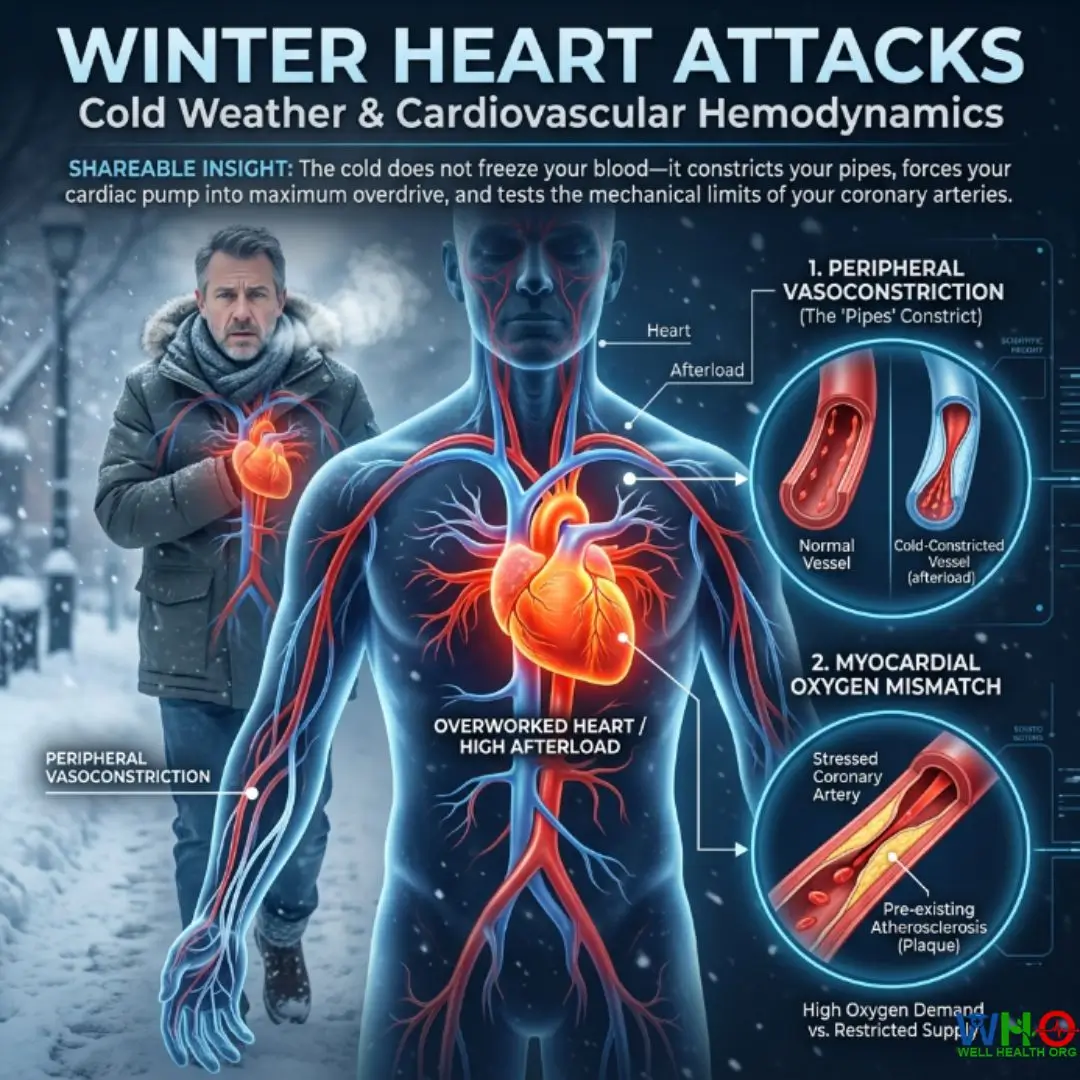
In clinical cardiology, winter is widely recognized as cardiac peak season. Large-scale epidemiological registries across the United States, the United Kingdom, mainland Europe, Japan, and northern India consistently document a 25% to 50% rise in acute myocardial infarction (heart attack) and sudden cardiac arrest during the coldest months of the year. Yet many patients misunderstand this phenomenon. They assume that cold weather creates heart disease out of thin air. It does not.
A winter heart attack is the acute culmination of low ambient temperature acting on an already vulnerable cardiovascular network. The human body is an obligate homeotherm: it must maintain an internal core temperature between 36.5°C and 37.5°C (97.7°F to 99.5°F) to sustain cellular life. When external temperatures drop, thermoreceptors situated within the dermis and epidermis fire rapid electric action potentials back to the preoptic area of the hypothalamus.
The brain instantly registers a threat to thermal homeostasis. To protect the vital organs located inside the thoracic and abdominal cavities, the autonomic nervous system triggers immediate, widespread vasoconstriction throughout the peripheral circulation. The smooth muscle cells lining the arterioles in the skin, fingers, toes, and limbs contract forcefully. By reducing blood flow to the skin surface, the body dramatically cuts down radiant and convective heat loss.
While this response protects the brain and abdominal viscera from hypothermia, it comes with a steep cardiovascular price. The cardiovascular system functions as a closed hydraulic loop. When millions of small peripheral blood vessels clamp shut simultaneously, the total cross-sectional surface area of the circulatory tree is slashed. The heart must now push blood against dramatically higher resistance. This hydraulic resistance is termed systemic vascular resistance (SVR) or afterload.
When afterload increases, the left ventricle must generate significantly greater contractile force during every single systole to open the aortic valve and maintain forward systemic perfusion. This sudden escalation in ventricular wall stress sends myocardial oxygen consumption ($MVO_2$) soaring. For a young, healthy individual with clear, elastic coronary arteries, the heart easily matches this metabolic demand by dilating its coronary vessels and delivering more oxygenated blood to the myocardium.
However, in a person with pre-existing atherosclerosis, long-standing high blood pressure, diabetes, or age-related arterial stiffness, coronary reserve is fundamentally limited. The coronary arteries cannot dilate sufficiently to match the elevated oxygen demand. The result is a state of myocardial oxygen mismatch: the heart muscle is crying out for oxygen that the narrowed, rigid coronary vessels cannot deliver. This ischemic mismatch acts as the mechanical foundation for angina, plaque rupture, acute myocardial infarction, and lethal ventricular arrhythmias.
The Root Causes: How Cold Physiology Triggers Cardiovascular Failure
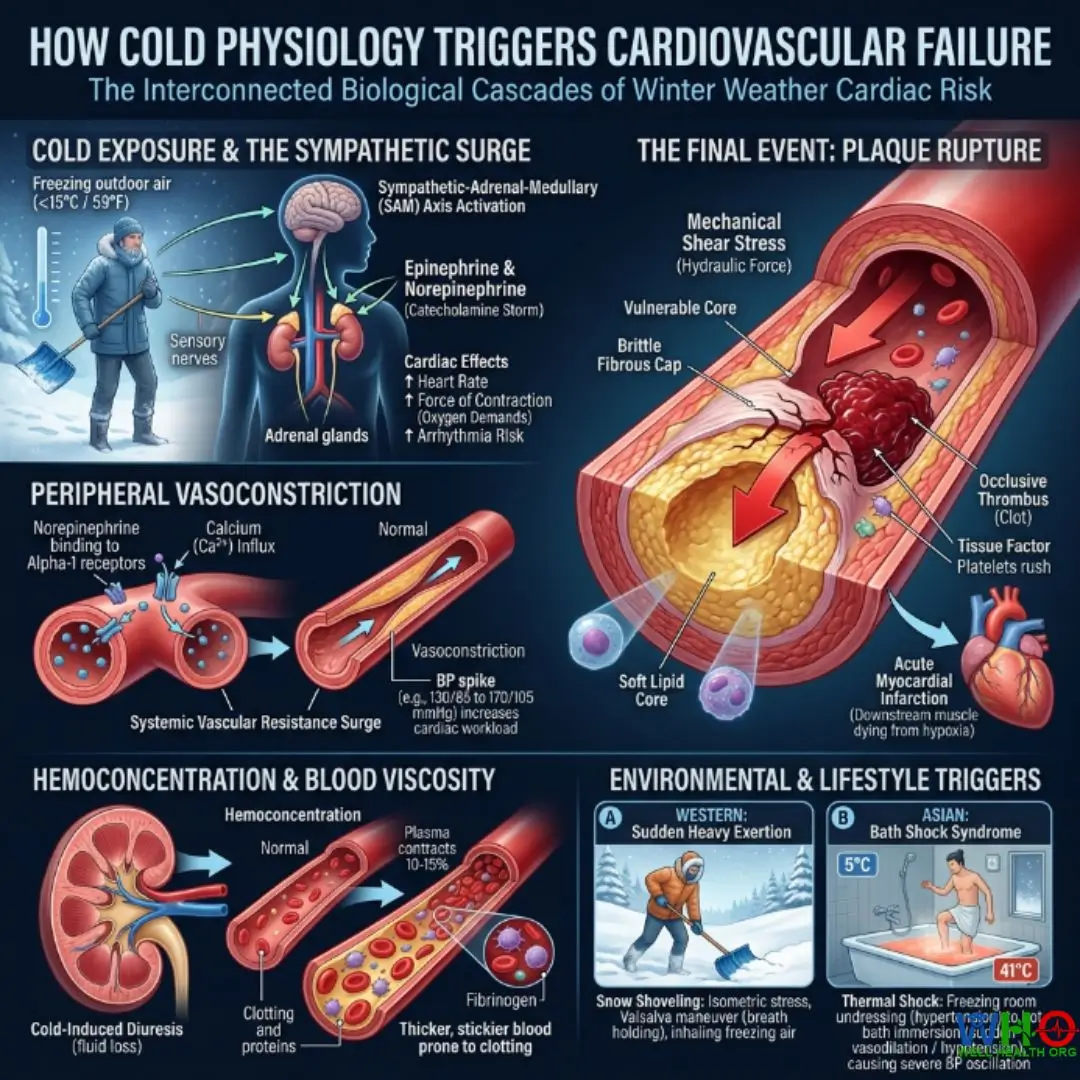
To prevent winter cardiac deaths, we must move beyond broad generalizations and dissect the specific, interconnected biological cascades that make winter weather so uniquely dangerous to the vascular system.
2.1 Peripheral Vasoconstriction and Systemic Vascular Resistance Surge
The human body uses alpha-adrenergic sympathetic receptors situated within the vascular smooth muscle to execute peripheral vasoconstriction. Upon skin exposure to temperatures below 15°C (59°F), localized cold-sensing ion channels (such as TRPM8) trigger sensory nerves, which project to the central nervous system. The hypothalamus directs a burst of sympathetic efferent traffic to the periphery.
Norepinephrine binds directly to alpha-1 adrenergic receptors located on peripheral arterioles. This triggers an intracellular influx of calcium ions ($Ca^{2+}$) within vascular smooth muscle cells, initiating actin-myosin cross-bridge cycling and immediate vessel narrowing. As peripheral vascular resistance increases, both systolic and diastolic blood pressures climb rapidly. Studies show that for every 1°C drop in ambient indoor or outdoor temperature, systolic blood pressure can increase by 0.5 to 1.3 mmHg in older or hypertensive adults. In freezing conditions, a patient with baseline blood pressure of 130/85 mmHg can easily spike to 170/105 mmHg within twenty minutes of outdoor exposure, substantially raising cardiac workload.
2.2 Sympathetic Neuro-Hormonal Cascade and Catecholamine Storm
Exposure to severe cold activates the sympathetic-adrenal-medullary (SAM) axis. The adrenal glands respond to cold-induced stress by dumping large quantities of epinephrine (adrenaline) and norepinephrine into the systemic bloodstream.
This catecholamine surge exerts profound effects on cardiac tissue via beta-1 adrenergic receptors located on the sinoatrial node and ventricular myocardium. It produces three simultaneous clinical effects:
- Positive Chronotropy: Heart rate increases significantly, reducing the duration of diastole (the only phase of the cardiac cycle during which coronary arteries receive blood flow).
- Positive Inotropy: The heart contracts with far greater force, burning through intracellular adenosine triphosphate (ATP) and accelerating oxygen utilization.
- Positive Dromotropy: Cardiac electrical conduction accelerates, which, in an ischemic heart, creates a dangerous substrate for re-entrant ventricular electrical circuits.
2.3 Hemoconcentration, Hypercoagulability, and Platelet Reactivity
Cold exposure directly alters the physical properties of human blood, making it thicker, stickier, and more prone to forming dangerous clots. This occurs through a multi-step physiological mechanism:
First, when blood is shifted from the peripheral vascular bed into the central core circulation, volume sensors in the heart (atrial stretch receptors) interpret this central pooling as fluid overload. The body responds via cold-induced diuresis: the kidneys rapidly excrete water and electrolytes to downregulate central blood volume. As a consequence, plasma volume contracts by up to 10% to 15% within hours of sustained cold exposure.
With less liquid plasma available, the relative concentration of red blood cells, white blood cells, and platelets rises sharply—a state termed hemoconcentration. Hematocrit levels climb, leading to elevated blood viscosity. The heart is now forced to pump thick, sluggish fluid through narrowed vascular channels.
Simultaneously, winter temperatures stimulate the liver to synthesize higher amounts of circulating clotting proteins, including fibrinogen, Factor VII, and von Willebrand factor. Platelet aggregability also increases in cold conditions; platelets become hyper-reactive, releasing higher concentrations of thromboxane A2 upon contact with any vascular irregularity. The stage is set for rapid thrombus formation.
2.4 Plaque Destabilization via Mechanical Shear Stress
A heart attack rarely occurs because an artery slowly narrows from 90% to 100% over several years. Rather, the classic acute myocardial infarction occurs when an unstable, inflamed, soft-lipid atherosclerotic plaque—often one narrowing a vessel by only 40% to 50%—suddenly ruptures.
Atherosclerotic plaques are capped by a delicate layer of smooth muscle and collagen known as the fibrous cap. Inside this cap lies a highly thrombogenic core composed of oxidized LDL cholesterol, cellular debris, and tissue factor. When ambient cold causes a sudden spike in blood pressure and cardiac stroke volume, the mechanical shear stress hitting the arterial walls increases exponentially.
This violent hydraulic force bends and stretches the brittle fibrous cap. If the plaque has been weakened by chronic low-grade inflammation, the sudden pressure surge cracks the cap open. The instant circulating blood touches the exposed tissue factor inside the ruptured plaque, the coagulation cascade fires at lightning speed. Within minutes, a dense fibrinous clot develops, completely sealing off blood flow down the coronary artery. Deprived of oxygenated red blood cells, the downstream heart muscle begins dying within twenty minutes.
2.5 Western Lifestyle Factors: Sudden Exertion and Outdoor Thermal Shock
In Western nations (the US, Canada, the UK, and Northern Europe), the classic winter trigger is sudden, heavy physical exertion performed in freezing conditions. The quintessential example is snow shoveling.
Snow shoveling combines four deadly cardiovascular stressors simultaneously:
- Isometric Muscle Contraction: Lifting heavy, wet snow requires prolonged, static contraction of arm and core muscles. Unlike rhythmic dynamic exercise (such as walking or jogging), isometric exercise triggers a sharp, reflex-driven spike in systolic and diastolic blood pressure.
- The Valsalva Maneuver: People naturally hold their breath while lifting heavy loads. This raises intrathoracic pressure, cuts off venous return to the heart, and causes sudden drops and spikes in blood pressure that destabilize coronary flow.
- Cold Air Inhalation: Breathing frigid air directly cools the pharynx, trachea, and vagus nerve endings, triggering localized reflex bronchoconstriction and reflex coronary vasoconstriction via the nasopharyngeal cardiac reflex.
- Morning Circadian Vulnerability: Snow shoveling is frequently performed first thing in the morning. Between 6:00 AM and 10:00 AM, the human body experiences a natural, circadian-driven peak in cortisol, blood pressure, platelet aggregability, and plasminogen activator inhibitor-1 (PAI-1, which suppresses clot breakdown). Adding freezing outdoor labor to this morning vulnerability is often catastrophic.
2.6 Asian Environmental and Lifestyle Factors: Bath Shock and Unheated Dwellings
In Eastern and Asian settings (Japan, South Korea, China, and urban North India), winter cardiac mortality follows a very different, yet equally deadly pattern. In many of these regions, homes lack the continuous, whole-house central heating common in North America and Western Europe.
In Japan and South Korea, this phenomenon is widely documented in clinical literature as “Heat Shock” (Bathing Shock Syndrome). Older adults often move from a warm living space into an unheated dressing room and bathroom where ambient temperatures may hover near 5°C to 10°C (41°F to 50°F). Undressing in this freezing room causes intense cutaneous vasoconstriction and a severe blood pressure spike.
Moments later, the individual steps into a deep bath filled with water heated to 41°C to 43°C (106°F to 110°F). The sudden heat reverses the vasoconstriction in seconds, triggering massive peripheral vasodilation. Blood pressure plunges dangerously low, causing cerebral hypoperfusion (fainting), followed by reflex tachycardia and severe coronary perfusion instability. This rapid, extreme oscillation between severe hypertension and profound hypotension places enormous mechanical stress on the coronary arteries, triggering plaque rupture, coronary vasospasm, and sudden cardiac arrest while in the bath.
In northern India, Pakistan, and rural China, the sudden drop in winter temperatures coincides with soaring levels of winter air pollution and fine particulate matter ($PM_{2.5}$). Biomass burning, thermal inversions, and unvented indoor heating trap toxic particles near ground level. Inhaling high concentrations of $PM_{2.5}$ triggers severe systemic endothelial inflammation, activates pulmonary-cardiac autonomic reflexes, elevates circulating fibrinogen, and accelerates acute coronary thrombosis in susceptible populations.
Advanced Medical Treatments: Clinical Protocols for Cold-Weather Ischemia
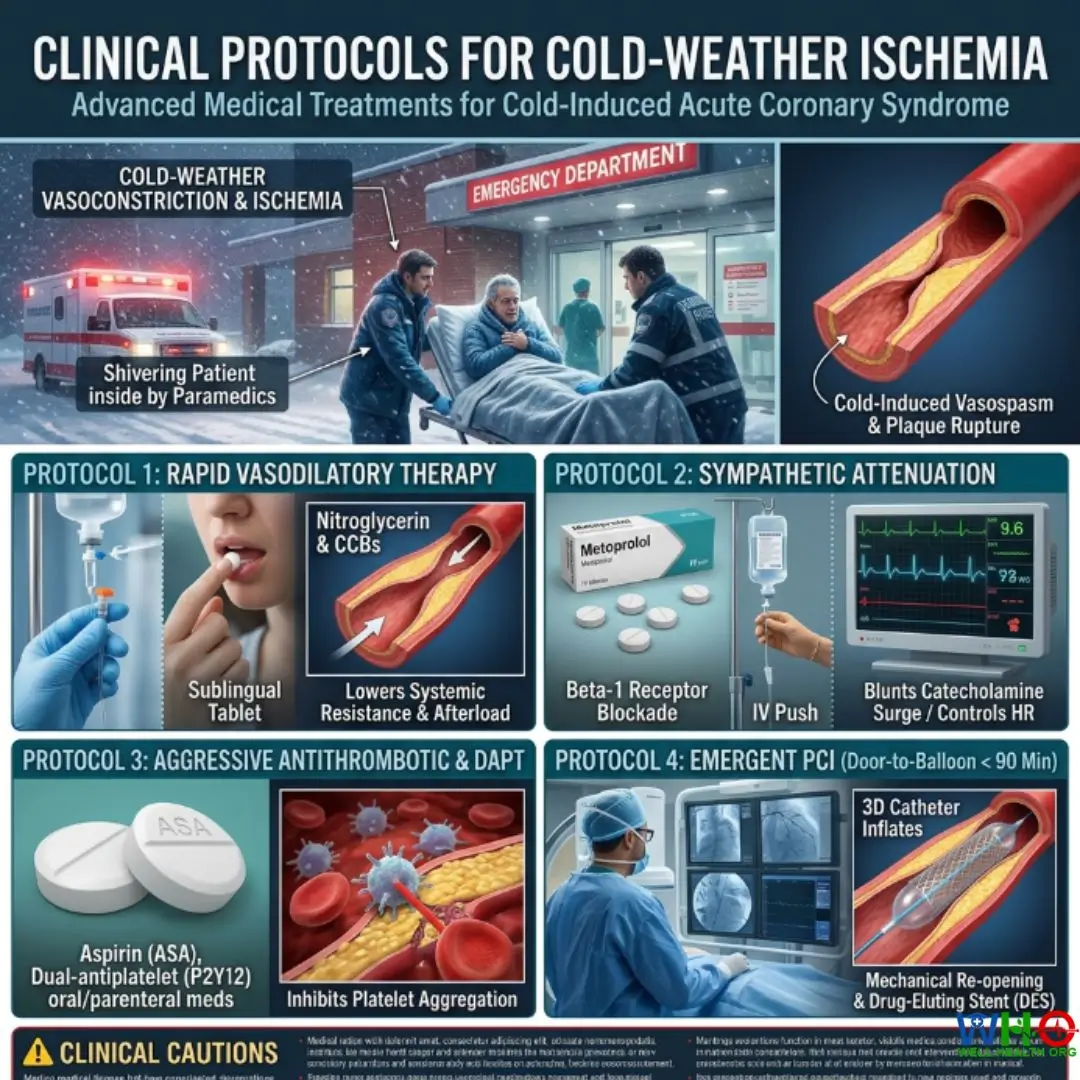
When a patient arrives at an emergency department during winter displaying signs of acute coronary syndrome (ACS) or cold-aggravated unstable angina, clinicians must rapidly reverse cold-induced vasoconstriction, reduce myocardial oxygen demand, and restore perfusion to the ischemic myocardium. Below are the evidence-based clinical protocols utilized in modern cardiac emergency units.
Protocol 1: Rapid Vasodilatory Therapy (Nitrates & Calcium Channel Blockers)
⚡ Clinical Application: First-line intervention for relieving acute coronary artery vasospasm, lowering systemic vascular resistance (afterload), and reducing venous return (preload) in cold-induced myocardial ischemia and hypertensive emergencies.
⚖️ Dosage (US/Metric):
Nitroglycerin: Sublingual tablet 0.4 mg (400 mcg) every 5 minutes up to 3 doses; or continuous intravenous infusion starting at 5 to 10 mcg/min, titrated upward by 5 to 10 mcg/min every 3 to 5 minutes based on hemodynamic response. In vasospastic cold angina, Diltiazem IV 0.25 mg/kg over 2 minutes or oral Amlodipine 5 to 10 mg daily.
🔬 Mechanism of Action: Nitroglycerin is denitrated to form free nitric oxide (NO) within vascular smooth muscle. NO activates guanylyl cyclase, increasing intracellular cyclic guanosine monophosphate (cGMP), which dephosphorylates myosin light chains, causing profound relaxation of large capacitance veins and epicardial coronary arteries. This drastically drops left ventricular end-diastolic pressure and myocardial wall tension.
⚠️ Medical Warning: Contraindicated in patients with systolic blood pressure below 90 mmHg, severe bradycardia (<50 bpm), right ventricular infarction, or those who have taken phosphodiesterase-5 inhibitors (such as sildenafil or tadalafil) within the previous 24 to 48 hours due to risk of fatal refractory hypotension.
Protocol 2: Sympathetic Attenuation (Cardioselective Beta-1 Receptor Blockers)
⚡ Clinical Application: Administered within the first 24 hours of acute myocardial infarction or unstable angina to blunt cold-induced catecholamine surges, control heart rate, and prevent fatal ventricular fibrillation.
⚖️ Dosage (US/Metric):
Metoprolol Tartrate: 25 to 50 mg orally every 6 to 12 hours, titrated up to a target resting heart rate of 55 to 65 beats per minute; or Metoprolol Succinate extended-release 25 to 100 mg orally once daily. In acute monitored settings, IV Metoprolol 5 mg slow push every 2 minutes (up to 15 mg total) may be considered if severe tachyarrhythmia is present without acute heart failure.
🔬 Mechanism of Action: Competitively antagonizes catecholamine binding at cardiac beta-1 adrenergic receptors. This reduces sinus node firing rate, slows atrioventricular nodal conduction, decreases myocardial contractile velocity, and extends diastolic filling time—directly increasing coronary blood delivery while suppressing cold-induced ventricular tachyarrhythmias.
⚠️ Medical Warning: Do not administer in patients presenting with signs of decompensated heart failure, cardiogenic shock, active bronchospasm (severe asthma), high-grade AV block, or pure coronary vasospasm (Prinzmetal angina), where beta-blockade can worsen unopposed alpha-mediated vasoconstriction.
Protocol 3: Aggressive Antithrombotic & Antiplatelet Therapy (DAPT)
⚡ Clinical Application: Emergent inhibition of platelet aggregation and thrombus extension following cold-weather plaque rupture in both STEMI and NSTEMI events.
⚖️ Dosage (US/Metric):
Aspirin: 162 to 325 mg non-enteric-coated tablet chewed immediately upon presentation, followed by 81 to 100 mg daily maintenance. Dual antiplatelet loading: Ticagrelor 180 mg orally once (followed by 90 mg twice daily) OR Clopidogrel 300 to 600 mg oral loading dose (followed by 75 mg daily). Parenteral anticoagulation: Enoxaparin 1 mg/kg subcutaneously every 12 hours or IV unfractionated heparin titrated to target aPTT.
🔬 Mechanism of Action: Aspirin permanently acetylates the cyclooxygenase-1 (COX-1) enzyme, blocking synthesis of thromboxane A2. P2Y12 inhibitors (ticagrelor, clopidogrel) block the adenosine diphosphate (ADP) receptor on platelets, preventing GP IIb/IIIa receptor conformational activation and halting platelet plug formation over ruptured atheromatous material.
⚠️ Medical Warning: Carries a serious risk of major gastrointestinal or intracranial hemorrhage. Evaluate patients thoroughly for active pathological bleeding, recent major trauma, or prior hemorrhagic stroke before administering full loading doses.
Protocol 4: Emergent Percutaneous Coronary Intervention (PCI)
⚡ Clinical Application: Definitive mechanical re-opening of the occluded coronary artery in acute ST-segment elevation myocardial infarction (STEMI) or high-risk NSTEMI within a strict 90-minute “door-to-balloon” time window.
⚖️ Dosage (US/Metric):
Mechanical intervention via transradial or transfemoral arterial catheterization. Drug-eluting stents (DES) measuring 2.25 mm to 4.0 mm in diameter deployed across the culprit lesion under fluoroscopic guidance, supplemented by intra-arterial vasodilators (e.g., Verapamil 200 mcg or Adenosine 18 to 24 mcg) to combat microvascular spasm.
🔬 Mechanism of Action: A balloon-tipped microcatheter is guided past the thrombotic occlusion. Balloon inflation fractures the obstructing thrombus and pushes back the ruptured atherosclerotic plaque. A cobalt-chromium or platinum-chromium stent coated with an antiproliferative agent (such as everolimus or zotarolimus) is deployed, mechanically propping the vascular lumen open and restoring laminar blood flow.
⚠️ Medical Warning: Risks include contrast-induced acute kidney injury, access-site hematoma or pseudoaneurysm, coronary artery dissection, stent thrombosis, and reperfusion arrhythmias. Post-procedure clinical monitoring in a cardiac intensive care unit is mandatory.
Proven Home Remedies & Lifestyle Adaptations for Cold Protection
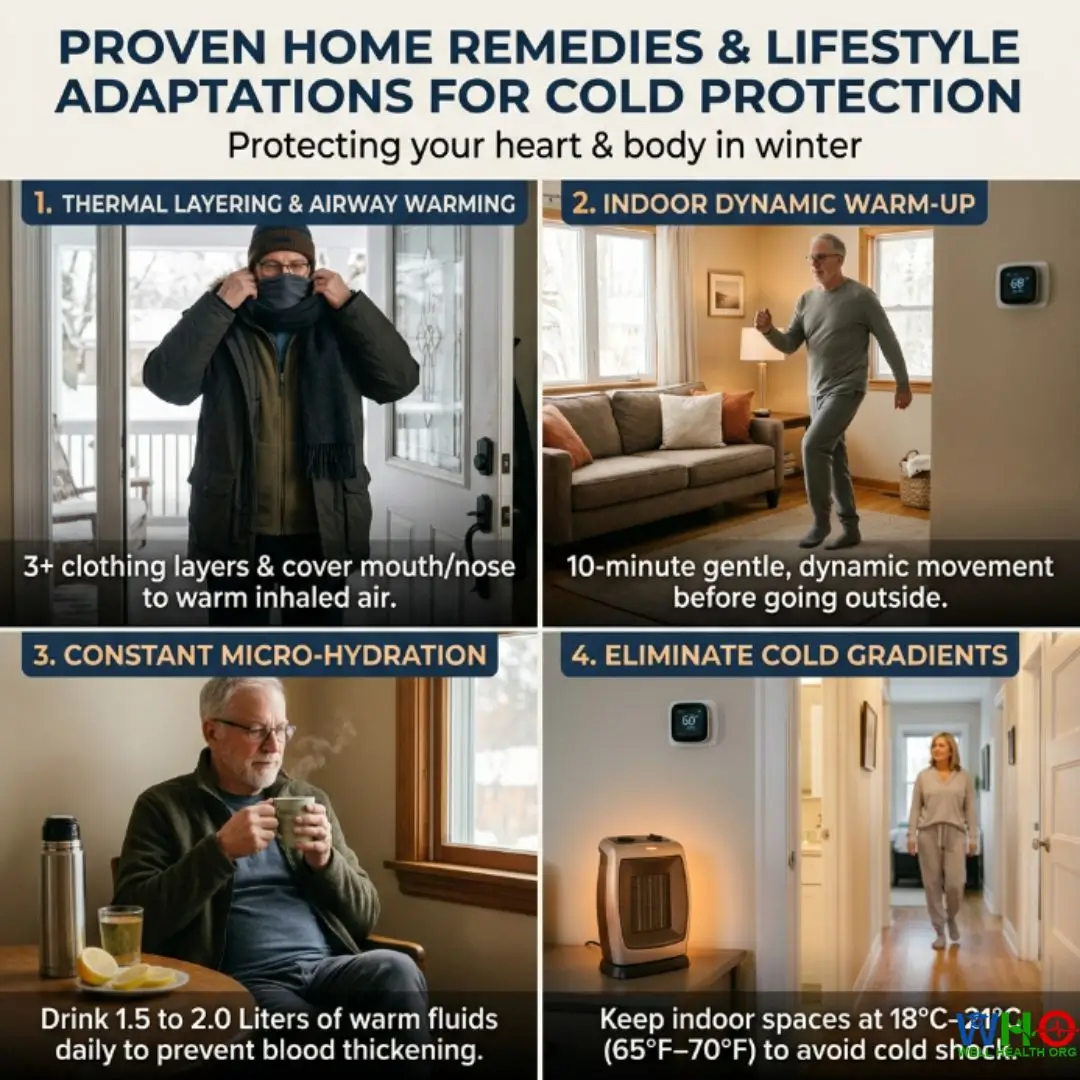
While advanced pharmaceutical agents are essential during an acute medical crisis, primary and secondary prevention in the home environment remains the most effective way to prevent cold-triggered cardiovascular emergencies. These evidence-based non-pharmacological interventions blunt the sympathetic vasoconstrictive reflex and reduce cardiovascular workload.
Remedy 1: Nasopharyngeal Airway Pre-Warming & Thermal Microclimate Layering
⚡ Preparation & Use: Before stepping outdoors into temperatures below 10°C (50°F), cover your nose and mouth completely with a thermal neck gaiter, wool scarf, or high-filtration mask. Wear a minimum of three distinct clothing layers: a moisture-wicking synthetic base layer, an insulating wool/fleece middle layer, and a windproof/waterproof outer shell. Cover your head with a thermal cap that shields your temples and ears.
⚖️ Quantity (US/Metric):
3 distinct clothing layers minimum; 1 facial barrier trapping an exhaled air pocket of approximately 32°C to 34°C (89°F to 93°F) over the nasal passages; 1 thermal head covering protecting the scalp, which accounts for up to 10% to 20% of resting convective heat loss.
🔬 Natural Healing Process: Inhaling cold air directly activates sensory receptors linked to the trigeminal and vagus nerves in the upper respiratory tract, triggering reflex coronary arterial constriction. A facial barrier pre-warms and humidifies each breath using your own expired body heat. Simultaneously, multi-layered clothing traps non-circulating air pockets, providing thermal insulation that prevents skin thermoreceptors from firing, thereby preventing alpha-adrenergic vasoconstriction and sudden blood pressure spikes.
⚠️ Safe Usage Note: Ensure the facial barrier allows free, uninhibited airflow. Individuals with severe chronic obstructive pulmonary disease (COPD) or baseline hypoxemia should use lightweight, highly breathable thermal weaves to avoid carbon dioxide retention.
Remedy 2: Progressive Indoor Dynamic Cardiovascular Priming
⚡ Preparation & Use: Never transition directly from a sleeping or resting state straight into freezing outdoor air or physical labor. Perform a structured 10-minute dynamic warm-up inside a heated room (at least 20°C / 68°F) prior to dressing and stepping outdoors.
⚖️ Quantity (US/Metric):
10 minutes total: 3 minutes of slow ankle rotations and seated leg lifts, 4 minutes of slow march-in-place, and 3 minutes of gentle, rhythmic arm swings and deep diaphragmatic breathing. Keep peak heart rate below 100 beats per minute during warm-up.
🔬 Natural Healing Process: Gentle, dynamic movement recruits the muscle pump mechanism, gradually opening up the capillary beds in skeletal muscle tissue. This smooth vascular dilation provides a controlled, gradual reduction in peripheral vascular resistance, increases cardiac output safely, and stimulates endogenous endothelial nitric oxide release, dilating the coronary arteries before they face outdoor thermal stress.
⚠️ Safe Usage Note: Avoid explosive movements or heavy resistance during this priming phase. If you experience lightheadedness, chest tightness, palpitations, or shortness of breath while warming up, halt immediately and seek medical evaluation.
Remedy 3: Micro-Hydration Protocol to Counter Cold Hemoconcentration
⚡ Preparation & Use: Maintain structured fluid intake throughout the day, even in the absence of thirst. In cold weather, blunted thirst sensation combined with respiratory moisture loss (visible breath) and cold-induced diuresis causes subclinical dehydration and increases blood viscosity. Drink warm water, herbal teas, or clear broths evenly throughout the day.
⚖️ Quantity (US/Metric):
1.5 to 2.0 Liters (50 to 68 fluid ounces) of non-caffeinated, non-sugary warm fluids spaced evenly every 2 hours during waking periods. Urine color should remain pale straw; dark urine indicates significant hemoconcentration.
🔬 Natural Healing Process: Regular intake of warm fluids maintains adequate intravascular volume, counteracts the plasma volume contraction caused by cold-induced diuresis, and reduces circulating blood viscosity. This eases the mechanical workload on the heart and reduces shear stress against vulnerable arterial plaques.
⚠️ Safe Usage Note: Patients with diagnosed congestive heart failure (reduced ejection fraction) or advanced chronic kidney disease must adhere strictly to their nephrologist’s or cardiologist’s individualized daily fluid restriction guidelines. Do not exceed prescribed limits.
Remedy 4: Environmental Thermal Gradient Elimination (Indoor Buffer Zones)
⚡ Preparation & Use: Eliminate sharp thermal transitions inside your home. Maintain continuous heating in sleeping areas, hallways, and bathrooms. In unheated or poorly insulated homes, place a safe ceramic space heater in dressing areas and bathrooms 15 minutes before showering or using the facilities in the early morning.
⚖️ Quantity (US/Metric):
Maintain ambient living room, bedroom, and bathroom temperatures at a stable 18°C to 21°C (65°F to 70°F) around the clock. Water temperature for bathing should be maintained at a moderate 38°C to 40°C (100°F to 104°F) rather than scalding temperatures exceeding 42°C (108°F).
🔬 Natural Healing Process: Eliminating temperature differentials across rooms prevents the sudden cutaneous vasoconstriction that occurs when walking into a cold bathroom or hallway. Keeping bath water below 40°C prevents rapid, dangerous shifts between severe vasoconstriction and profound peripheral vasodilation, stabilizing autonomic tone and coronary perfusion.
⚠️ Safe Usage Note: Ensure all portable heating units adhere to national electrical safety standards, include tip-over shutoff mechanisms, and are kept away from moisture sources. Never use unvented fossil-fuel or charcoal heaters indoors due to the risk of lethal carbon monoxide poisoning.
Doctor’s Final Verdict & The Bottom Line
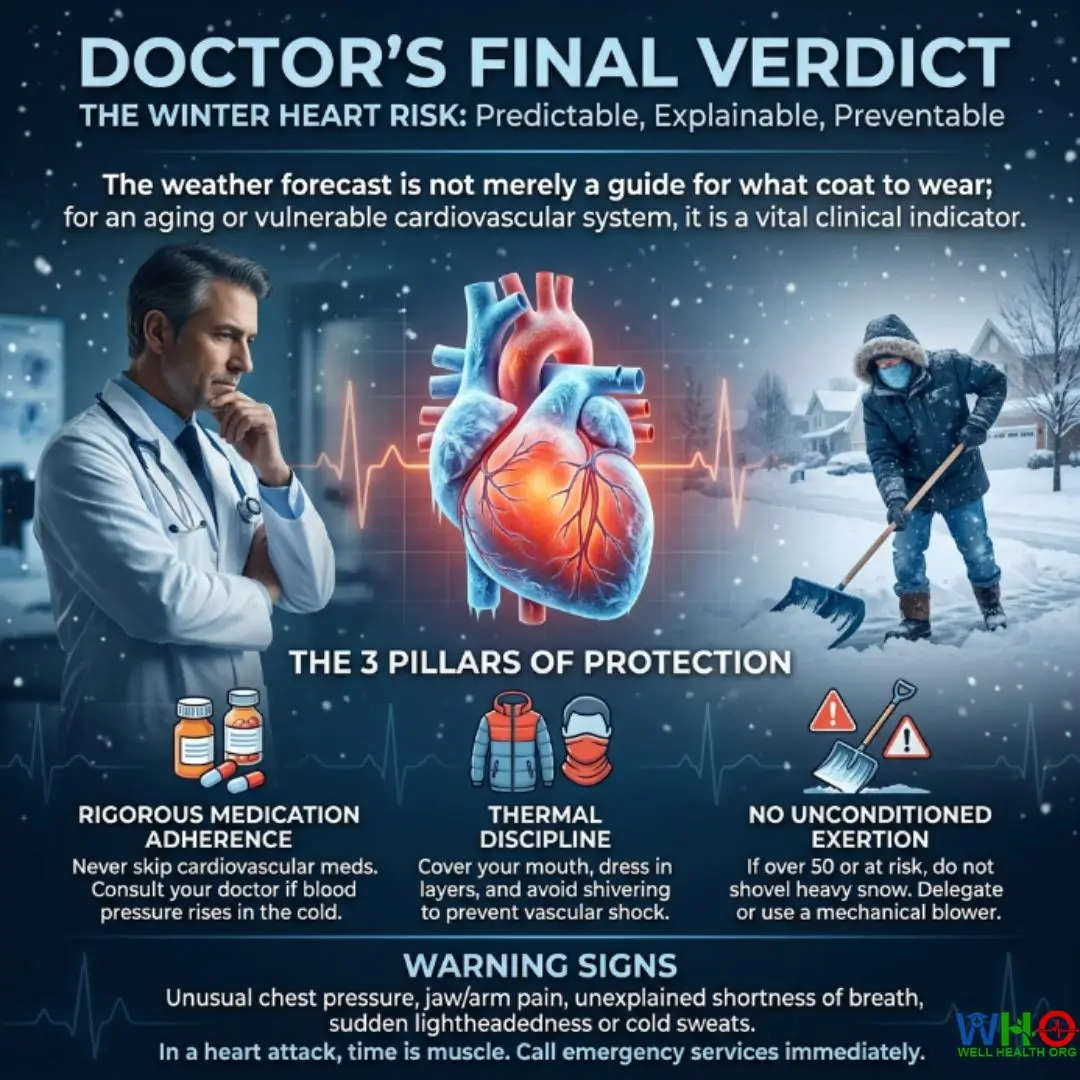
After reviewing thousands of patient charts, angiograms, and emergency resuscitation logs over my medical career, my conclusion is unambiguous: winter heart attacks are predictable, physiologically explainable, and to a very large extent, preventable.
The human heart was never designed to be thrust into a sudden freeze. The combination of cold-induced vasoconstriction, surging systemic vascular resistance, catecholamine-driven tachycardia, cold diuresis hemoconcentration, and mechanical shear stress creates a dangerous physiological environment. For an individual with healthy, flexible arteries and zero coronary plaque, the body accommodates these stresses. But in someone with underlying atherosclerosis, uncontrolled high blood pressure, or metabolic disease, cold weather can transform a stable, asymptomatic condition into an acute medical emergency.
The solution is not to live in fear or hibernate indoors until spring. The medical solution rests upon three fundamental pillars:
- Rigorous Medication Adherence: Winter is precisely when cardiovascular medications must be taken with absolute precision. Never discontinue antihypertensives, beta-blockers, statins, or antiplatelet therapies without direct clinical consultation. If your blood pressure begins trending upward during colder months—which is exceedingly common—contact your physician for dosage adjustments before an emergency occurs.
- Thermal Discipline: Treat cold air as an active vasoconstrictor. Protect your respiratory tract by wearing a face covering, insulate your core with multi-layered clothing, eliminate cold indoor shock zones, and never allow yourself to shiver uncontrollably. Shivering increases metabolic oxygen consumption by up to 400%, placing tremendous strain on an ischemic heart.
- Elimination of Unconditioned Isometric Exertion: If you are over the age of 50, carry cardiovascular risk factors, or lead a largely sedentary lifestyle, you must not shovel heavy snow or carry heavy winter loads in freezing temperatures. Delegate these tasks, hire professional assistance, or use mechanical snow blowers with proper airway protection. If physical tasks must be done, warm up thoroughly indoors, take frequent breaks, and stop immediately at the first sign of discomfort.
Pay close attention to subtle warning signs. A heart attack does not always present with dramatic, chest-clutching pain. It often begins as an unusual pressure, tightness, or fullness in the center of the chest; an ache in the jaw, neck, back, or left arm; unexplained shortness of breath during mild exertion; sudden lightheadedness; or cold sweats. If you or someone near you experiences these symptoms, call your regional emergency services immediately. Do not wait to see if the symptoms pass. In myocardial infarction, time is muscle, and rapid action is life.
Regional Survival Protocols: West vs. East
📍 Survival Protocol for Western Audiences: United States, United Kingdom & Europe
The High-Risk Scenario: Stepping out of a centrally heated home (21°C / 70°F) directly into freezing outdoor conditions (-5°C to 2°C / 23°F to 35°F) to shovel snow, clear vehicle windshields, or walk the dog in the early morning.
Key Clinical Precautions:
- The Shoveling Rule: If you are over 50 with high blood pressure, high cholesterol, diabetes, or a history of smoking, avoid manual snow shoveling entirely. If clearing snow is unavoidable, use an ergonomic shovel to push the snow forward like a plow rather than lifting and throwing it. Never work against freezing head-winds without a face covering.
- Layering Strategy: Do not rely on a single heavy coat. Wear moisture-wicking thermal undergarments beneath insulating layers so you can vent sweat if your body warms up. Damp clothing next to the skin accelerates hypothermia and reflex vasoconstriction.
- Alcohol and Cold: Avoid consuming alcohol before or immediately after outdoor winter activities. Alcohol induces superficial cutaneous vasodilation that creates a false sensation of warmth while rapidly draining your core body heat, leading to accelerated rebound vasoconstriction.
- Seasonal Flu and Respiratory Infections: Influenza and respiratory syncytial virus (RSV) peaks during winter. Viral infections cause profound systemic inflammation, which destabilizes coronary plaques. Ensure timely annual vaccinations as recommended by the CDC, NHS, or European CDC.
📍 Survival Protocol for Asian Audiences: Japan, South Korea, China & South Asia
The High-Risk Scenario: Unheated indoor domestic environments, early morning toilet visits in freezing detached rooms, the Japanese “Heat Shock” bathing phenomenon, and toxic winter particulate air inversions in urban hubs.
Key Clinical Precautions:
- The Bath Shock Protocol (Japan/Korea): Never enter an unheated bathroom. Warm the dressing room and bathroom using an auxiliary heater for 10 minutes before undressing. Fill the tub with water between 38°C and 40°C (never above 41°C). Splash warm water onto your feet, hands, and shoulders before submerging your body. Limit tub immersion to 10 to 15 minutes, and never bathe alone immediately after meals or after taking sedative medications.
- The Morning Waking Protocol (North India/China): In unheated bedrooms, do not jump out of bed immediately upon waking. Sit up, wrap yourself in a warm blanket, perform gentle arm and leg movements for 3 minutes, and drink a glass of warm water before exposing your feet to cold floors. Always wear warm thermal socks and indoor footwear.
- Winter Smog and Microscopic Particulates: Winter thermal inversions in cities like New Delhi, Lahore, and Beijing trap $PM_{2.5}$ near the surface. Inhaling these fine particulates causes immediate endothelial dysfunction and blood clot formation. Avoid early morning outdoor walks when the Air Quality Index (AQI) exceeds 150. Use an N95 respirator mask when going outside, and run an indoor HEPA air purifier where possible.
- Dietary Sodium Management: Traditional winter diets in many Asian cultures rely on preserved, salted, fermented, or heavily spiced broths and instant ramen. The high sodium content causes acute fluid retention, expanding blood volume and driving blood pressure higher in cold weather. Balance these foods with fresh potassium-rich foods and lower-sodium alternatives.
Global Frequently Asked Questions (FAQs)
Why do so many heart attacks occur in the morning during winter?
What is the difference between a heart attack and sudden cardiac arrest?
Can inhaling freezing cold air cause chest pain in healthy individuals?
Should I stop or change my blood pressure medication if my readings rise in winter?
Why does shoveling snow cause more heart attacks than running or gym workouts?
What should I do if someone collapses outdoors in the cold and stops breathing?
- Call Emergency Services: Shout for help, call 911 (US), 999 (UK), 112 (Europe), or your local regional emergency number, and put the phone on speaker mode.
- Locate an AED: Send a bystander to retrieve the nearest Automated External Defibrillator immediately.
- Begin High-Quality CPR: Place the heel of your hand in the center of the victim’s chest, interlock your fingers, and compress hard and fast at a rate of 100 to 120 beats per minute (to the rhythm of “Stayin’ Alive”), pushing down at least 5 to 6 cm (2 to 2.4 inches). Allow full chest recoil between compressions.
- Apply the AED as Soon as It Arrives: Turn on the AED and follow its spoken audio instructions. If a shockable rhythm (ventricular fibrillation) is detected, clear the patient, deliver the shock, and immediately resume chest compressions. Do not delay CPR to move the patient to a warmer room unless their location is immediately hazardous.
Medically Reviewed by Prof. Dr. Akram
Orthopedic Surgeon | Professor | Senior Medical Specialist
Prof. Dr. Akram is a distinguished surgeon with over 15 years of clinical expertise. Having served as a lead Emergency Specialist at Complex International Government Hospital, he currently leads a specialized team of 13 medical professionals at his private hospital. As a Professor at top medical universities, he ensures that every article on WellHealthOrg.com meets rigorous clinical standards.
Medical Disclaimer:
The information provided is for educational purposes only and is not a substitute for professional medical advice, diagnosis, or treatment. Always consult your physician for any medical concerns.
Our content is rigorously fact-checked by our 13-member Editorial Team under the clinical supervision of Prof. Dr. Akram.







