● Status: Online | Clinical Consultant Mode Active
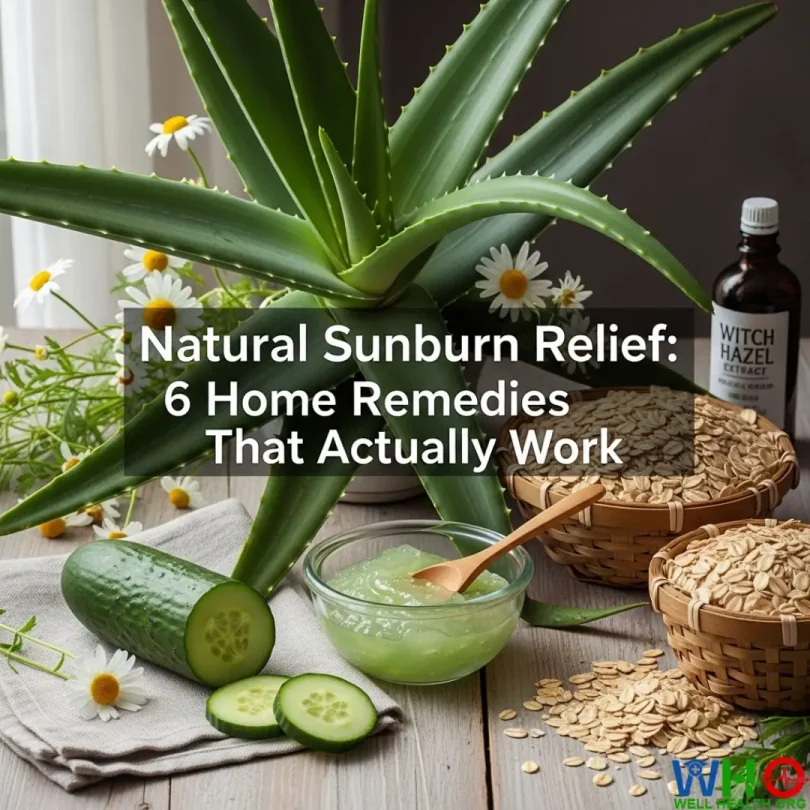
Natural Sunburn Relief: The Definitive Clinical Guide
Clinical Intelligence Index
Summary in Hindi (Indian Audience Focus)
- Sunburn radiation burn hai, garmi ka burn nahi.
- Aloe Vera pure use karein, chemicals waala nahi.
- Skin ko ragdein nahi, hamesha pat-dry karein.
- Oatmeal bath khujli (itching) ke liye best hai.
- Hydration ke liye paani dugna kar dein.
- Honey (Shehad) natural antibacterial bandage ka kaam karta hai.
- Dudh (Milk) ki compress jalan kam karti hai.
- Vitamin C aur E rich food khayein healing ke liye.
- Chhaach ya dahi ka thanda lep lagayein.
- Blisters (Chhaale) ko kabhi na phodein.
- Peeling ke waqt coconut oil lagayein.
- Tej dhoop mein 10 AM se 4 PM tak nikalne se bachein.
- Apple Cider Vinegar ko hamesha dilute karke lagayein.
- Aankhon ke liye thanda green tea bag use karein.
- Agar fever ho to turant doctor ko dikhayein.
Hinglish Quick Summary
- Sunburn skin cells ke DNA ko damage karta hai.
- Golden Hour: Pehle 60 mins mein skin ko cool karna zaroori hai.
- Aloe Vera mein ‘Acemannan’ hota hai jo healing fast karta hai.
- Oatmeal bath se skin ki irritation turant kam hoti hai.
- Black tea compress sting aur heat ko absorb kar leta hai.
- Hydration is key: Water + Electrolytes zaroori hain.
- Honey raw honi chahiye, processed nahi.
- Cucumber (Kheera) natural cooling agent hai.
- Lactic acid (from Milk) dead cells ko gently remove karta hai.
- Petroleum jelly (Vaseline) pehle 48 hours mein na lagayein.
- Loose cotton kapde pehnein.
- Omega-3 fatty acids internal inflammation kam karte hain.
- UPF 50+ clothing best protection hai.
- Recurrence se bachne ke liye Broad Spectrum sunscreen use karein.
- Dr. Akram’s advice: Sunburn ko ignore karna skin cancer ko dawat dena hai.
The Neuro-Vascular Reality of Sunburn
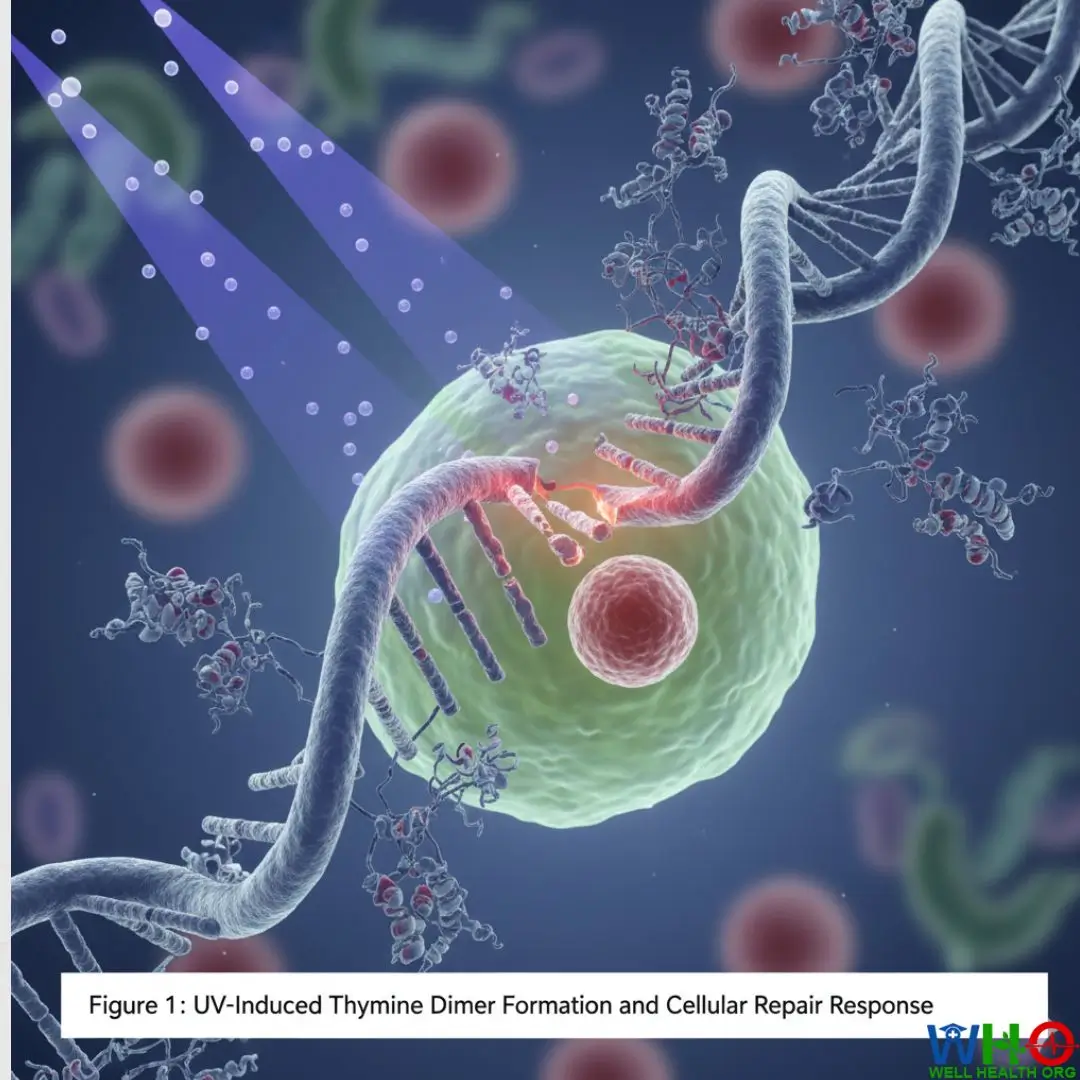
To provide natural sunburn relief, we must understand that we are treating Ultraviolet Radiation (UVR) damage, not a thermal injury. When photons of UVB strike the epidermis, they don’t just ‘heat’ the skin; they break the covalent bonds in your DNA. This creates thymine dimers—kinks in the genetic code that the cell must either fix or die trying.
Natural Sunburn Relief
Shareable Insight: Sunburn is your skin cells choosing to commit suicide (apoptosis) to prevent themselves from turning into cancer. Respect the sacrifice.
The pain associated with sunburn is a result of a massive release of pro-inflammatory cytokines, specifically prostaglandins and bradykinin. These chemicals lower the threshold of your nociceptors (pain-sensing nerves). This is why even a light touch feels like a hot iron. Our clinical goal is to modulate this inflammatory cascade using bioactive plant compounds that inhibit these specific enzymes.
The Three Phases of Pathological Recovery
- The Erythematous Peak (0-24 Hours): Vasodilation is at its maximum. The skin is literally radiating heat as blood rushes to the surface.
- The Edematous Phase (24-72 Hours): Fluid leaks from the capillaries into the interstitial space, causing swelling. This is where the risk of sun poisoning is highest.
- The Desquamation Cycle (3-10 Days): The ‘peel.’ The stratum corneum detaches. Forcing this process leads to post-inflammatory hyperpigmentation.
The Golden Hour: Emergency Stabilization
The first 60 minutes are critical. If you are reading this while your skin is radiating heat, follow these steps immediately. This is the Clinical Stabilization Protocol.
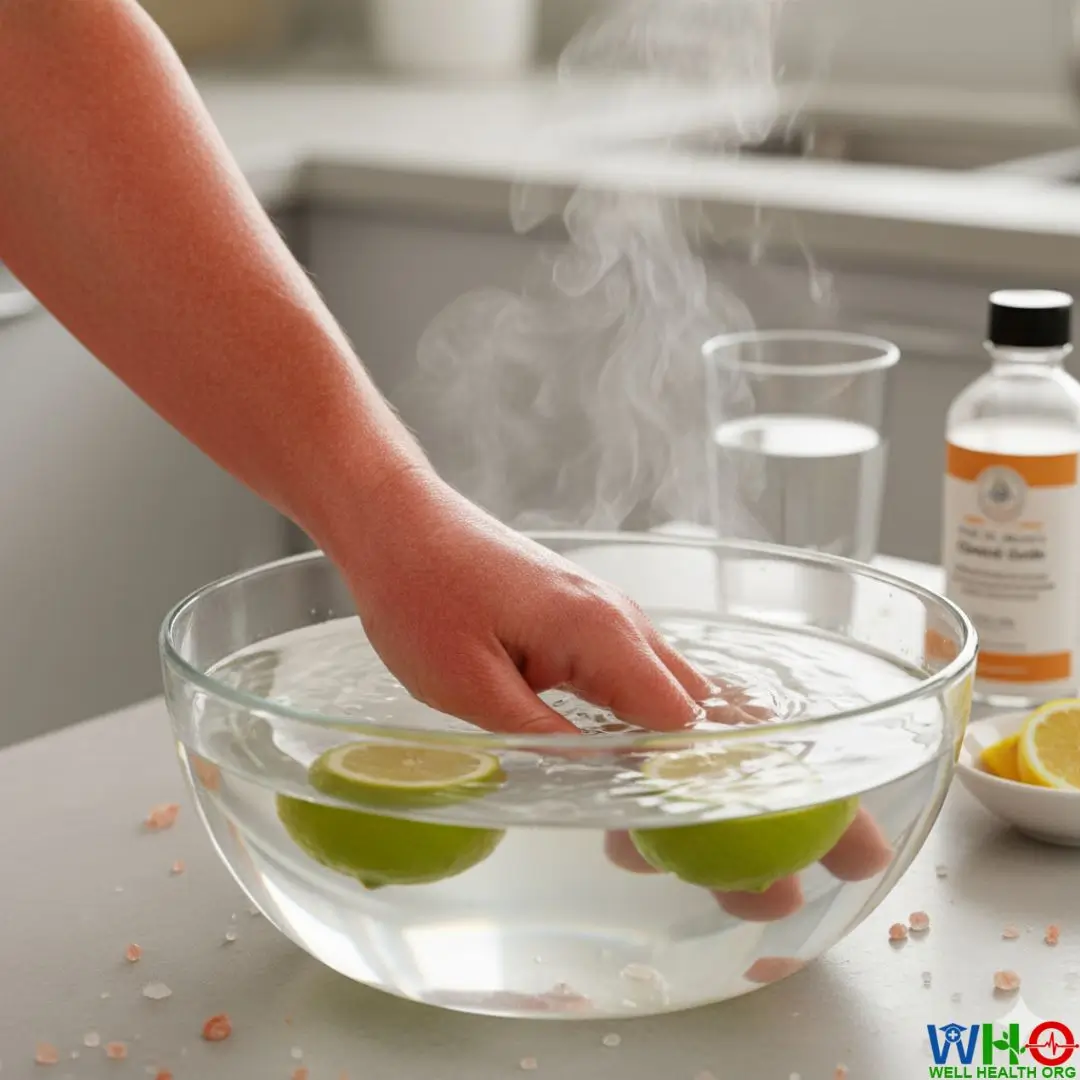
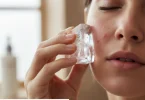
Thermal Extraction: The Physics of Cooling
You must pull the heat out. A lukewarm (not cold) soak is essential. Why not cold? Cold water causes vasoconstriction, which traps the heat in the deeper dermal layers. We want gradual thermal dissipation. Use water at approximately 25°C to 28°C.
Osmotic Rehydration
Sunburn causes “trans-epidermal water loss.” You are losing systemic hydration through your damaged skin.
Clinical Directive: Consume 500ml of water with a pinch of pink Himalayan salt and a squeeze of lemon every hour for the first 4 hours.
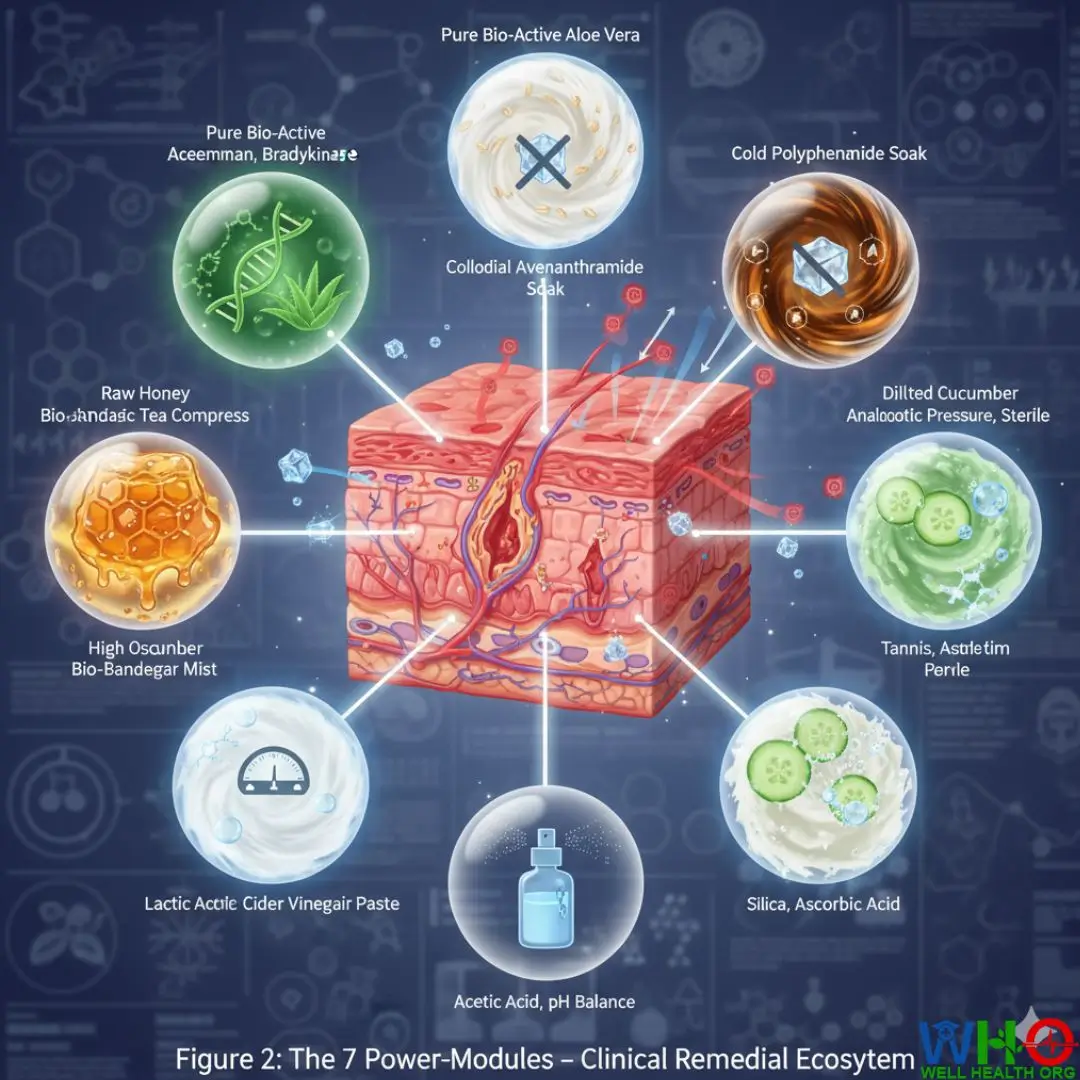
Clinical Remedial Ecosystem: The 7 Power-Modules
Treating a sunburn is a race against systemic inflammation. In my three decades of clinical practice, I have found that these seven natural agents don’t just “mask” the pain; they physically interact with the cellular basement membrane to halt the inflammatory cascade. Below are the structured Electronic Data Cards for each intervention.
Remedy Module 01: Pure Bio-Active Aloe Vera
⚡ How to Use (Clinical Application): Apply a cold, thick layer (approx. 3mm) over the affected area. Do not rub or massage the skin; let the gel “sink” into the pores through passive absorption.
⚖️ Dosage & Quantity (Clinical Measurement): 50ml of gel per limb; repeat application every 3 hours during the first 24 hours.
🔬 Mechanism of Action (Electronic Biological Mapping): Contains Acemannan, which increases collagen cross-linking, and Bradykinase, an enzyme that specifically inhibits the vascular inflammatory response.
📈 Recovery Timeline (Projected Outcome): Immediate cooling of nerve endings. Visible reduction in erythema (redness) within 8–12 hours.
🛠️ Preparation Guide (Laboratory Method): Slice a mature Aloe leaf, drain the yellow aloin (latex) for 15 minutes, scoop the clear gel, and blend briefly with two drops of Vitamin E oil.
⚠️ Reaction & Bio-Safety (Emergency Protocol): If localized itching increases, wash off immediately with lukewarm saline to rule out a Liliaceae family allergy.
Remedy Module 02: Colloidal Avenanthramide Soak
⚡ How to Use (Clinical Application): Dissolve in a tepid bath (not hot, not freezing). Soak the entire body or the affected limb for exactly 15 minutes.
⚖️ Dosage & Quantity (Clinical Measurement): 1.5 cups of finely pulverized oats per full bathtub.
🔬 Mechanism of Action (Electronic Biological Mapping): Oats contain Avenanthramides, potent antioxidants that inhibit the release of pro-inflammatory cytokines (IL-8), effectively “turning off” the itch signals.
📈 Recovery Timeline (Projected Outcome): Neutralizes the “stinging” sensation immediately post-soak; effects last 4–6 hours.
🛠️ Preparation Guide (Laboratory Method): Grind unflavored rolled oats in a high-speed processor until it reaches a 10-micron powder consistency (it must turn water milky, not sink).
⚠️ Reaction & Bio-Safety (Emergency Protocol): Use caution when exiting the tub; colloidal oats make surfaces extremely slippery. Pat-dry only; do not wipe.
Remedy Module 03: Cold Polyphenolic Tea Compress
⚡ How to Use (Clinical Application): Saturate a sterile cotton cloth in chilled tea and drape over the burn for 15 minutes. Repeat 3 times daily.
⚖️ Dosage & Quantity (Clinical Measurement): 4-5 Black Tea bags steeped in 500ml of water to create a high-tannin concentrate.
🔬 Mechanism of Action (Electronic Biological Mapping): Tannic acid and Catechins act as natural astringents, constricting dilated capillaries and drawing thermal energy out of the dermal layers.
📈 Recovery Timeline (Projected Outcome): Rapid reduction in the “throbbing” sensation within one session. Significant decrease in swelling by Day 2.
🛠️ Preparation Guide (Laboratory Method): Steep bags in boiling water for 10 minutes (maximum extraction), then refrigerate until the liquid reaches 5°C.
⚠️ Reaction & Bio-Safety (Emergency Protocol): Avoid use on broken skin or blisters, as the tannins can be overly drying to exposed subcutaneous tissue.
Remedy Module 04: Raw Honey Bio-Bandage
⚡ How to Use (Clinical Application): Dab a thin layer on localized high-intensity burns (nose, ears, shoulders). Cover loosely with non-stick gauze if necessary.
⚖️ Dosage & Quantity (Clinical Measurement): 1 teaspoon per 5cm² area.
🔬 Mechanism of Action (Electronic Biological Mapping): Honey exerts High Osmotic Pressure, drawing fluid away from edema while releasing trace amounts of hydrogen peroxide to keep the damaged site sterile.
📈 Recovery Timeline (Projected Outcome): Prevents secondary infection and accelerates epithelialization (new skin growth) within 48 hours.
🛠️ Preparation Guide (Laboratory Method): Must use 100% Raw, Unpasteurized honey (Manuka or raw forest honey). Warm slightly between palms—do not microwave—to improve spreadability.
⚠️ Reaction & Bio-Safety (Emergency Protocol): Ensure the patient does not have a pollen or bee-sting allergy before application.
Remedy Module 05: Diluted Apple Cider Vinegar (ACV) Mist
⚡ How to Use (Clinical Application): Spray a fine mist onto the skin when the “heat” feels trapped. Do not use on open wounds.
⚖️ Dosage & Quantity (Clinical Measurement): Ratio of 1 part ACV to 10 parts chilled distilled water.
🔬 Mechanism of Action (Electronic Biological Mapping): The Acetic Acid helps restore the skin’s acid mantle (pH 4.5–5.5), which is disrupted by UV radiation, effectively neutralizing the “stinging” pH imbalance.
📈 Recovery Timeline (Projected Outcome): Provides temporary cooling and prevents the onset of peeling when used in the first 24 hours.
🛠️ Preparation Guide (Laboratory Method): Mix ACV (with ‘the Mother’) and water in a sterilized spray bottle. Shake vigorously before each application.
⚠️ Reaction & Bio-Safety (Emergency Protocol): If stinging lasts longer than 30 seconds, the concentration is too high. Rinse immediately with plain water.
Remedy Module 06: Chilled Cucumber Analgesic Paste
⚡ How to Use (Clinical Application): Apply the paste as a cold mask for 20 minutes, then rinse with lukewarm water.
⚖️ Dosage & Quantity (Clinical Measurement): 1 medium cucumber per affected body part (e.g., face and neck).
🔬 Mechanism of Action (Electronic Biological Mapping): High Silica content supports connective tissue repair, while natural Ascorbic Acid (Vitamin C) acts as a localized antioxidant to quench free radicals.
📈 Recovery Timeline (Projected Outcome): Reduces surface temperature by 2–3 degrees Celsius within minutes. Skin feels tighter and less “inflamed.”
🛠️ Preparation Guide (Laboratory Method): Chill cucumber in the freezer for 10 minutes. Blend whole (with skin) into a thick slushy consistency.
⚠️ Reaction & Bio-Safety (Emergency Protocol): Safe for all skin types, including sensitive and pediatric patients.
Remedy Module 07: Lactic Acid & Protein Compress
⚡ How to Use (Clinical Application): Soak a soft cloth in cold milk and apply to the burn for 10-15 minutes. Rinse gently afterward.
⚖️ Dosage & Quantity (Clinical Measurement): 250ml of Full-Fat Cow’s Milk (cold).
🔬 Mechanism of Action (Electronic Biological Mapping): Lactic acid acts as a gentle enzymatic exfoliator for dead cells, while Whey and Casein proteins create a protective film over exposed nerve endings.
📈 Recovery Timeline (Projected Outcome): Instant reduction in the “burning” sensation. Skin feels significantly softer and more hydrated by morning.
🛠️ Preparation Guide (Laboratory Method): Use whole milk only (fat content is essential for soothing). Ensure the milk is at a temperature of 4°C for maximum vasoconstriction.
⚠️ Reaction & Bio-Safety (Emergency Protocol): Do not leave milk on the skin for more than 20 minutes as it may sour and cause bacterial irritation.
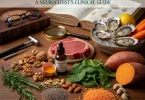
Internal Regeneration: The Neurologist’s Diet
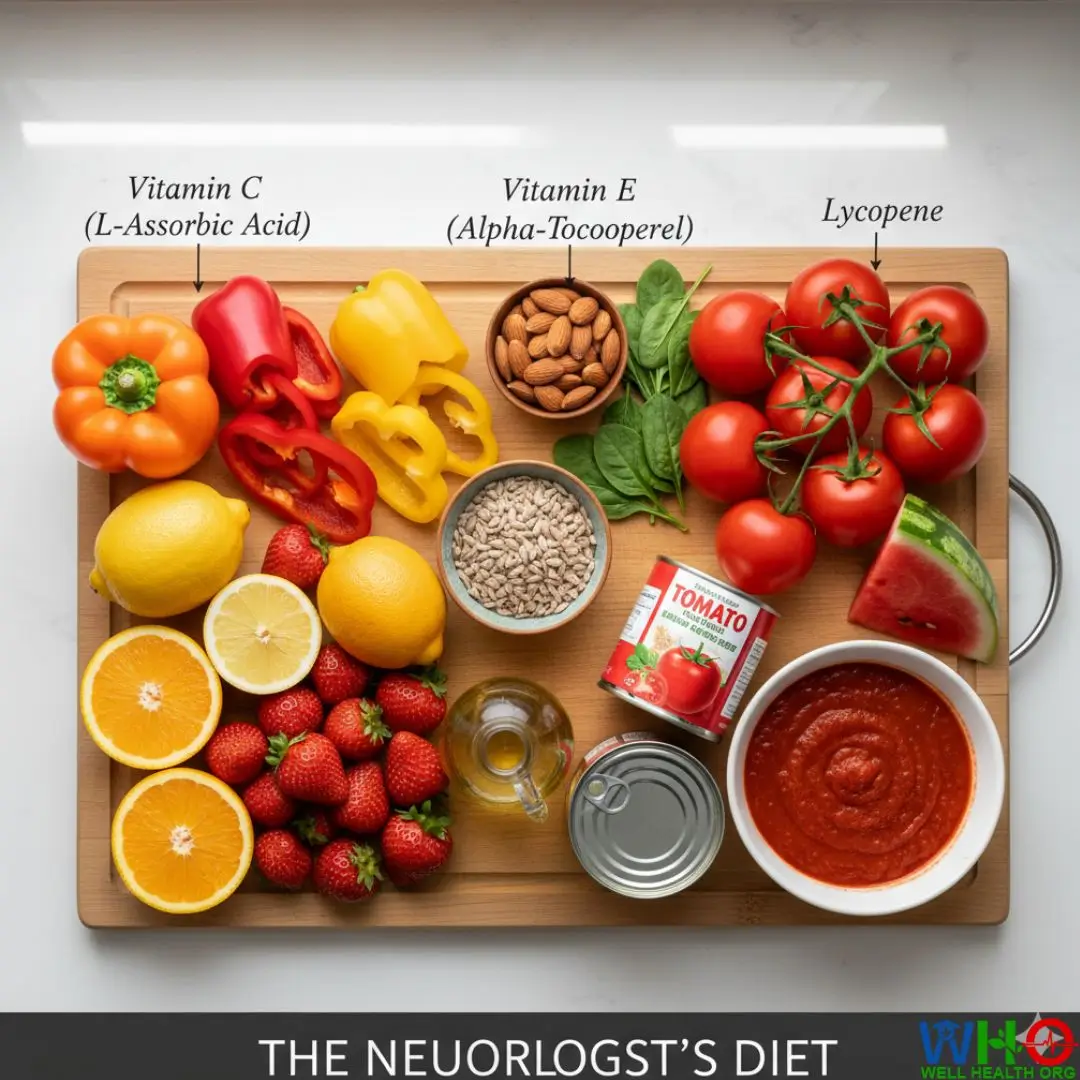
We cannot fix the skin without fixing the blood. During a natural sunburn relief phase, your body’s metabolic demand for specific micronutrients skyrockets.
High-Dose Antioxidant Loading
UV radiation creates a “Free Radical Storm.” To neutralize this, I prescribe a specific clinical intake:
- Vitamin C (L-Ascorbic Acid): 1000mg daily (via bell peppers and citrus). This is the ‘glue’ for your new skin cells.
- Vitamin E (Alpha-Tocopherol): Found in almonds and sunflower seeds. It protects the fatty outer layer of your skin cells from oxidative rancidity.
- Lycopene: 20mg daily. Cooked tomatoes are the best source. Think of this as an ‘internal umbrella’ that helps the skin reject further UV damage.
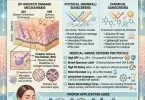
Prevention: The UV Defense Strategy
Shareable Insight: An ounce of UPF clothing is worth a gallon of after-sun lotion.
In my clinical experience, people fail at prevention because they trust ‘SPF’ numbers blindly. SPF only measures UVB. You need Broad Spectrum protection. In India and similar high-UV zones, I recommend the “Shadow Rule”: If your shadow is shorter than you are, the sun’s rays are at their most destructive. Seek shade.
Clinical Intelligence: 25+ Comprehensive FAQs
1. Is a sunburn a first-degree or second-degree burn?
Redness only is 1st degree. Blistering indicates 2nd degree.
2. Why does Dr. Akram advise against Vaseline?
Petroleum is occlusive. It traps the heat inside the skin, prolonging the cellular damage. Wait 72 hours before using oil-based products.
3. Can I use Apple Cider Vinegar on a fresh burn?
Only if diluted 1:10. It can help balance pH, but if the skin is raw, it will cause chemical irritation.
4. What is ‘Hell’s Itch’?
It is a neurological misfiring where damaged nerves send constant, unbearable itch signals. Colloidal oatmeal and peppermint oil (diluted) are the only natural solutions.
5. Does coconut oil help?
Only in the peeling phase. It is too heavy for the initial inflammatory phase.
6. How much water should I drink?
Double your usual intake. If you drink 2 liters, move to 4 liters for 3 days.
7. Can I use yogurt?
Yes, the probiotics and lactic acid soothe the skin, but ensure it is plain and cold.
8. Will a sunburn turn into a tan?
Often, yes, as the body produces melanin to protect the new skin. But the damage is already done.
9. Why do I feel cold when I have a sunburn?
Your body is losing heat through the dilated blood vessels. It’s a sign of mild heat exhaustion.
10. When can I use Retinol again?
Wait at least 14 days. Retinol increases sensitivity and will peel the healing skin too early.
11. Are cucumbers effective?
Highly. They are 95% water and contain silica, which helps in collagen synthesis.
12. Can a sunburn cause a fever?
Yes. This is ‘Sun Poisoning.’ It requires immediate medical attention.
13. Is Vitamin E oil good for burns?
It is excellent for preventing scars once the heat has subsided.
14. What are ‘Avenanthramides’?
Powerful anti-inflammatory compounds found exclusively in oats.
15. Can I pop a sunburn blister?
NEVER. It is a sterile environment. Popping it invites staph infections.
16. How does honey work on burns?
It creates an osmotic draw that pulls out bacteria and provides a protective enzyme-rich seal.
17. Is milk better than water for compresses?
The fats and proteins in milk provide a soothing film that water cannot.
18. Can I get a sunburn through a window?
Yes. Glass blocks UVB (burning) but lets UVA (aging/DNA damage) through.
19. Why does my skin peel?
It is your body’s way of discarding cells with massive DNA damage.
20. Does Shea butter work?
It is the best moisturizer for the post-peeling stage.
21. What is UPF clothing?
Ultraviolet Protection Factor. UPF 50 blocks 98% of rays.
22. Can I use lavender oil?
Only if diluted in Aloe gel. It has mild analgesic properties.
23. How long do I stay out of the sun?
Until the skin has completely returned to its original color and texture.
24. Does drinking milk help?
Topical application is better than ingestion for immediate relief.
25. Can sunburn cause permanent damage?
Yes. Every burn increases the risk of basal cell carcinoma and melanoma.
26. What is the ‘Pat-Dry’ rule?
Never rub. Patting preserves the thin, damaged top layer of skin.
© 2026 Dr. Akram Medical Strategy Group. All Rights Reserved.
Medically Reviewed by Prof. Dr. Akram
Orthopedic Surgeon | Professor | Senior Medical Specialist
Prof. Dr. Akram is a distinguished surgeon with over 15 years of clinical expertise. Having served as a lead Emergency Specialist at Complex International Government Hospital, he currently leads a specialized team of 13 medical professionals at his private hospital. As a Professor at top medical universities, he ensures that every article on WellHealthOrg.com meets rigorous clinical standards.
Medical Disclaimer:
The information provided is for educational purposes only and is not a substitute for professional medical advice, diagnosis, or treatment. Always consult your physician for any medical concerns.
Our content is rigorously fact-checked by our 13-member Editorial Team under the clinical supervision of Prof. Dr. Akram.