

Home Remedies For Severely Dry Cracked Hands are frequently dismissed as a minor annoyance or a seasonal inconvenience. However, anyone who has suffered from deep fissures, raw knuckles, or skin that feels like sandpaper knows the reality is far more disruptive. Your hands are your primary tools for interacting with the world. When they are compromised, simple actions—typing an email, buttoning a shirt, gripping a steering wheel, or even washing the dishes—can transform into painful ordeals.
- The Science of Skin: Why Do Hands Crack?
- The Unique Anatomy of the Hand
- Transepidermal Water Loss (TEWL)
- Diagnosing the Culprits: What Is Destroying Your Skin Barrier?
- 1. Environmental Aggressors
- 2. The “Wash-Dry-Repeat” Cycle
- 3. Chemical Warfare
- 4. Occupational Hazards
- 5. Underlying Medical Conditions
- The Pillars of Treatment: Immediate Relief
- 1. The Golden Rule: Damp Application
- 2. Understanding Ingredients: Humectants vs. Emollients vs. Occlusives
- 3. Specialized Ingredients for Tough Cases
- 4. Treating Deep Fissures (Skin Cracks)
- The Overnight “Reset” Button
- Step-by-Step Overnight Therapy
- Natural Remedies from Your Kitchen
- 1. Coconut Oil
- 2. Olive Oil Soak
- 3. Honey Mask
- 4. Aloe Vera Gel
- 5. Avocado Mask
- Lifestyle Changes: Prevention is Better Than Cure
- 1. The Handwashing Revolution
- 2. Glove Up
- 3. Humidify Your Life
- 4. Hydration and Nutrition
- 5. Stress Management
- Advanced Strategies for Eczema and Psoriasis
- Identifying Hand Eczema (Dyshidrotic Eczema)
- Managing Psoriasis
- When to See a Professional
- The Red Flags
- Medical Treatments
- A Curated Daily Routine for Healing
- Conclusion: Consistency is Key
It is not just about aesthetics. While rough skin can be unsightly, the physical sensation of tight, burning, or itching skin can severely impact your quality of life and mental focus. For those in professions that require constant hand usage, such as nursing, construction, or culinary arts, the condition can even threaten your ability to work effectively.
The good news is that you do not have to resign yourself to a life of discomfort. While the environment and your genetics play a role, the state of your skin is largely determined by how you care for it. By understanding the biological mechanisms behind moisture loss and implementing a strategic, multi-layered approach to healing, you can restore the protective barrier of your hands.
This comprehensive guide goes far beyond basic advice. We will dissect the anatomy of the skin barrier, explore the hidden environmental aggressors destroying your hands, and provide a detailed, step-by-step protocol for recovery. From understanding ingredient labels to mastering overnight treatments, this is your roadmap to restoring your hands to a soft, healthy, and pain-free state.
The Science of Skin: Why Do Hands Crack?
To effectively treat dry hands, it helps to understand what is happening on a microscopic level. Your skin is not just a covering; it is a complex organ. The outermost layer, the stratum corneum, can be compared to a brick wall. The skin cells are the “bricks,” and they are held together by “mortar” made of lipids (fats), ceramides, and cholesterol.
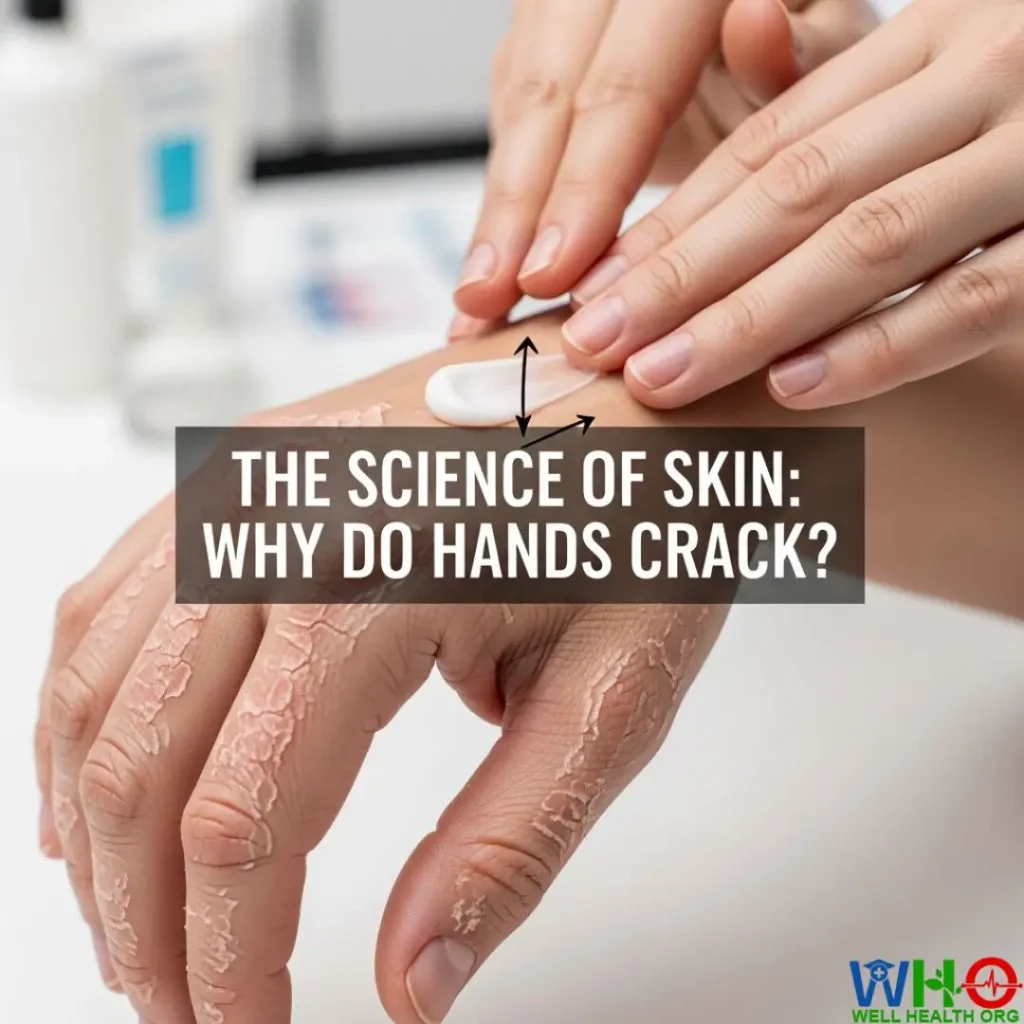
When this wall is intact, it keeps moisture (water) inside and keeps irritants (bacteria, allergens) outside. This is what dermatologists call the “skin barrier.”
The Unique Anatomy of the Hand
Hands are structurally different from the skin on the rest of your body, making them uniquely vulnerable:
- Fewer Oil Glands: The palms of your hands have no sebaceous (oil) glands, and the backs of your hands have very few. Unlike your face, which can self-moisturize with natural sebum, your hands rely almost entirely on external moisture.
- Thicker Skin: The skin on your palms is thicker to withstand friction, but this thickness can also make it harder for moisturizers to penetrate if the top layer becomes calloused and dry.
- High Exposure: Your hands are the most exposed part of your body. UV rays, wind, chemicals, and water constantly bombard them.
Transepidermal Water Loss (TEWL)
When the lipid “mortar” between your skin cells breaks down—due to soap, dry air, or hot water—the seal is broken. Water from the deeper layers of your skin evaporates into the air. This process is known as Transepidermal Water Loss (TEWL). As water escapes, the skin cells shrink and become brittle, leading to the tight, rough sensation and eventual cracking (fissures) that characterize severe dryness.
Diagnosing the Culprits: What Is Destroying Your Skin Barrier?
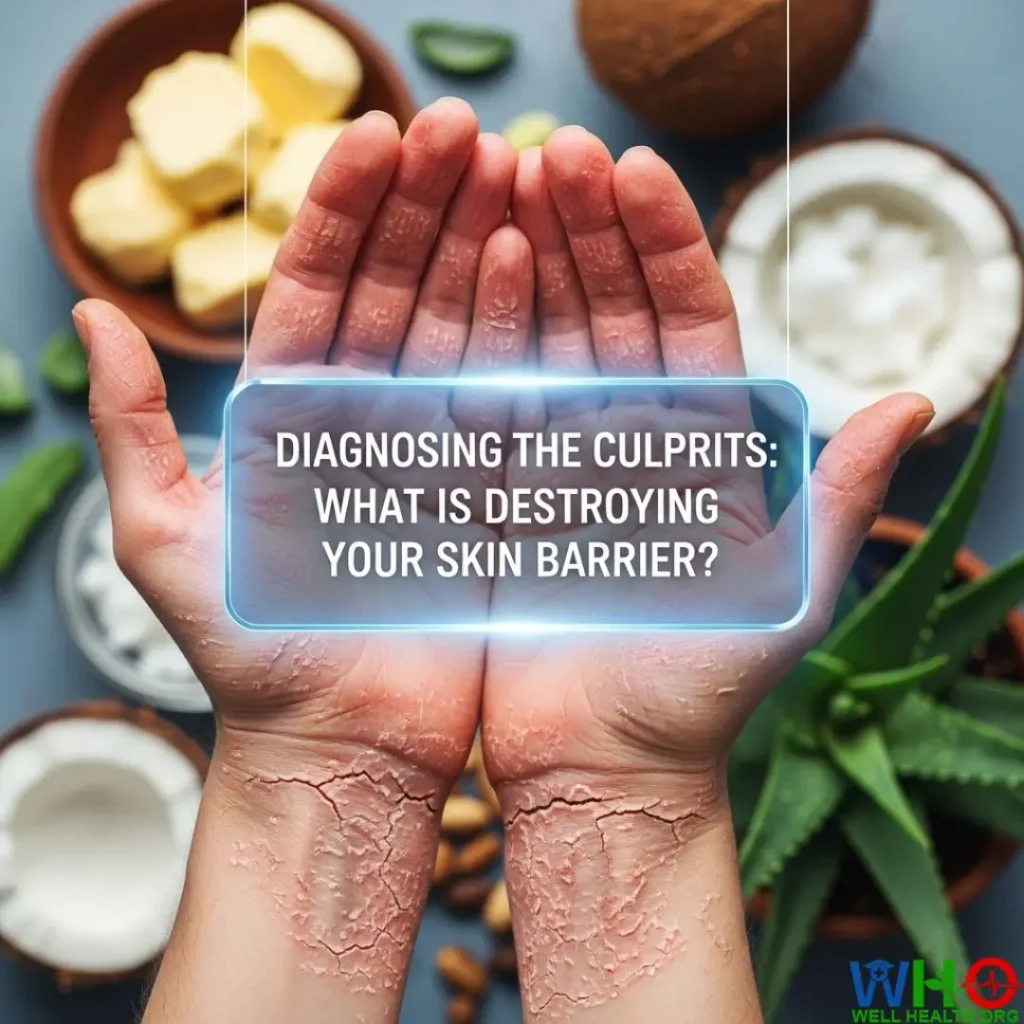
Before jumping into remedies, you must identify the root causes. Often, it is a combination of several factors creating a “perfect storm” for dryness.
1. Environmental Aggressors
- Winter Weather: Cold air holds less moisture than warm air. When the humidity drops in winter, the environment essentially acts as a sponge, sucking moisture directly out of your porous skin.
- Central Heating: Moving from the cold outdoors into a heated building can be a double whammy. Heating systems dry out indoor air significantly, accelerating evaporation from the skin.
- UV Exposure: Sun damage destroys collagen and elastin, thinning the skin over time and reducing its ability to hold moisture.
2. The “Wash-Dry-Repeat” Cycle
Hygiene is critical, but modern hygiene habits are often aggressive.
- The Lipid Strip: Every time you wash your hands with traditional soap, you are washing away dirt and germs, but you are also stripping away the natural oils that hold your skin barrier together.
- Hot Water Damage: Washing with scalding hot water might feel like it cleans better, but it actually melts away the natural waxy lipids on your skin, leaving it defenseless.
- Hand Sanitizers: Alcohol-based sanitizers are convenient, but high concentrations of alcohol are incredibly drying. If you use them dozens of times a day without replenishing moisture, your skin will eventually crack.
3. Chemical Warfare
You might be exposing your hands to harsh irritants without realizing it.
- Household Cleaners: Dish soap, bleach, window cleaners, and laundry detergents usually contain strong surfactants designed to cut through grease. Unfortunately, they cannot distinguish between grease on a plate and the natural oils on your hands.
- Personal Care Products: Shampoos, exfoliants, and even some lotions contain sulfates and synthetic fragrances that can trigger contact dermatitis or dry out the skin.
4. Occupational Hazards
Certain professions are high-risk for chronic dry hands:
- Healthcare Workers: Constant scrubbing and sanitizing.
- Hairdressers: Frequent exposure to water, shampoos, and hair dyes.
- Mechanics: Exposure to grease, solvents, and abrasive scrubbing agents.
- Food Service: Frequent washing and handling of acidic foods (like lemons or tomatoes).
5. Underlying Medical Conditions
Sometimes, dry hands are a symptom of internal issues.
- Eczema (Atopic Dermatitis): A chronic condition causing inflammation, itching, and a compromised skin barrier.
- Psoriasis: An autoimmune disease where skin cells build up rapidly, forming thick, silvery scales and dry, red patches that can crack and bleed.
- Hypothyroidism: A confusingly low thyroid function can reduce sweat and oil gland activity, leading to rough skin.
- Diabetes: high blood sugar can affect blood circulation and nerves in the extremities, leading to dry skin and slow healing.
- Vitamin Deficiencies: A lack of Vitamin B, D, or Zinc can manifest as skin issues.
The Pillars of Treatment: Immediate Relief
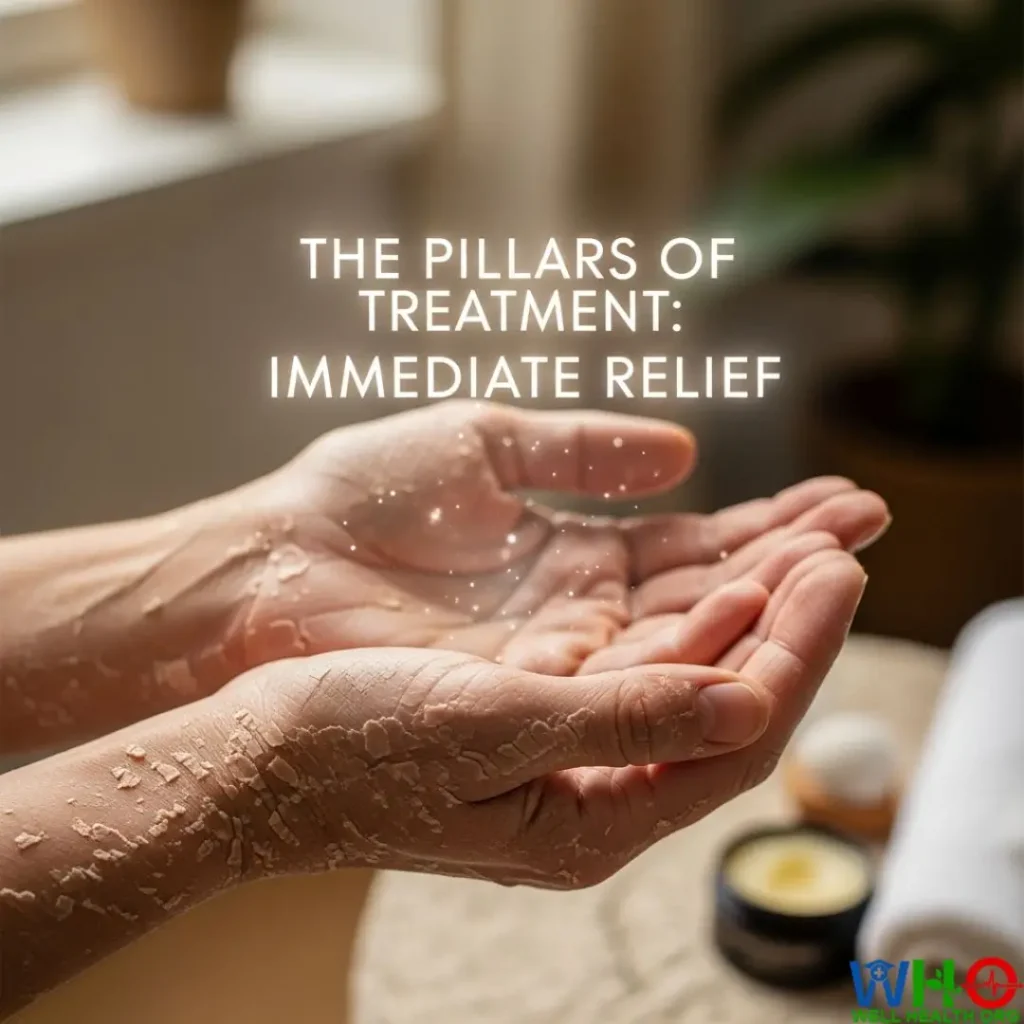
If your hands are currently hurting, you need immediate intervention. The goal here is to stop the pain, seal the cracks, and rehydrate the skin.
1. The Golden Rule: Damp Application
This is the single most important tip for healing dry skin. Moisturizer does not add moisture to the skin; water does. Moisturizer merely traps that water in.
- The Protocol: Apply your lotion or cream within three minutes of washing your hands, while they are still slightly damp. If you apply lotion to bone-dry skin, it sits on top. If you apply it to damp skin, you lock that hydration into the epidermis.
2. Understanding Ingredients: Humectants vs. Emollients vs. Occlusives
Not all creams are created equal. To heal severe cracks, you need a product that contains all three types of moisturizing agents:
- Humectants (The Magnets): These ingredients draw water into the skin from the environment or from deeper layers of the body.
- Look for: Glycerin, Hyaluronic Acid, Urea, Propylene Glycol, Aloe Vera.
- Emollients (The Smoothers): These fill in the microscopic cracks between skin cells, making the hand feel soft and smooth.
- Look for: Shea Butter, Ceramides, Jojoba Oil, Cocoa Butter, Squalane.
- Occlusives (The Seals): These create a physical barrier on top of the skin to prevent water from evaporating. They are often heavy and greasy but necessary for healing.
- Look for: Petrolatum (Vaseline), Beeswax, Lanolin, Dimethicone, Mineral Oil.
Pro Tip: For day use, look for a balance of humectants and emollients (lighter feel). For night use, you need heavy occlusives.
3. Specialized Ingredients for Tough Cases
If standard lotions aren’t working, look for these “powerhouse” ingredients:
- Urea: Urea is a keratolytic, meaning it breaks down the bonds of dead skin cells. If your hands are thick and calloused, a cream with 10% to 20% urea will exfoliate the dead skin while moisturizing deeply.
- Lactic Acid: Another gentle exfoliant that helps soften rough patches so moisture can penetrate.
- Colloidal Oatmeal: FDA-approved for skin protection, oatmeal soothes itching and reduces inflammation.
4. Treating Deep Fissures (Skin Cracks)
Deep cracks, often appearing near the fingernails or on the knuckles, can be excruciating.
- Liquid Bandage: Do not put regular lotion inside a deep, open crack—it may sting and slow healing. Instead, clean the area and seal it with a liquid bandage (cyanoacrylate). This acts like “super glue” for the skin, holding the edges together and sealing out air and water so it can heal.
- Finger Cots: If a specific fingertip is cracked, cover it with a waterproof adhesive bandage or a finger cot during the day to prevent dirt from entering and to stop friction from reopening the wound.
The Overnight “Reset” Button
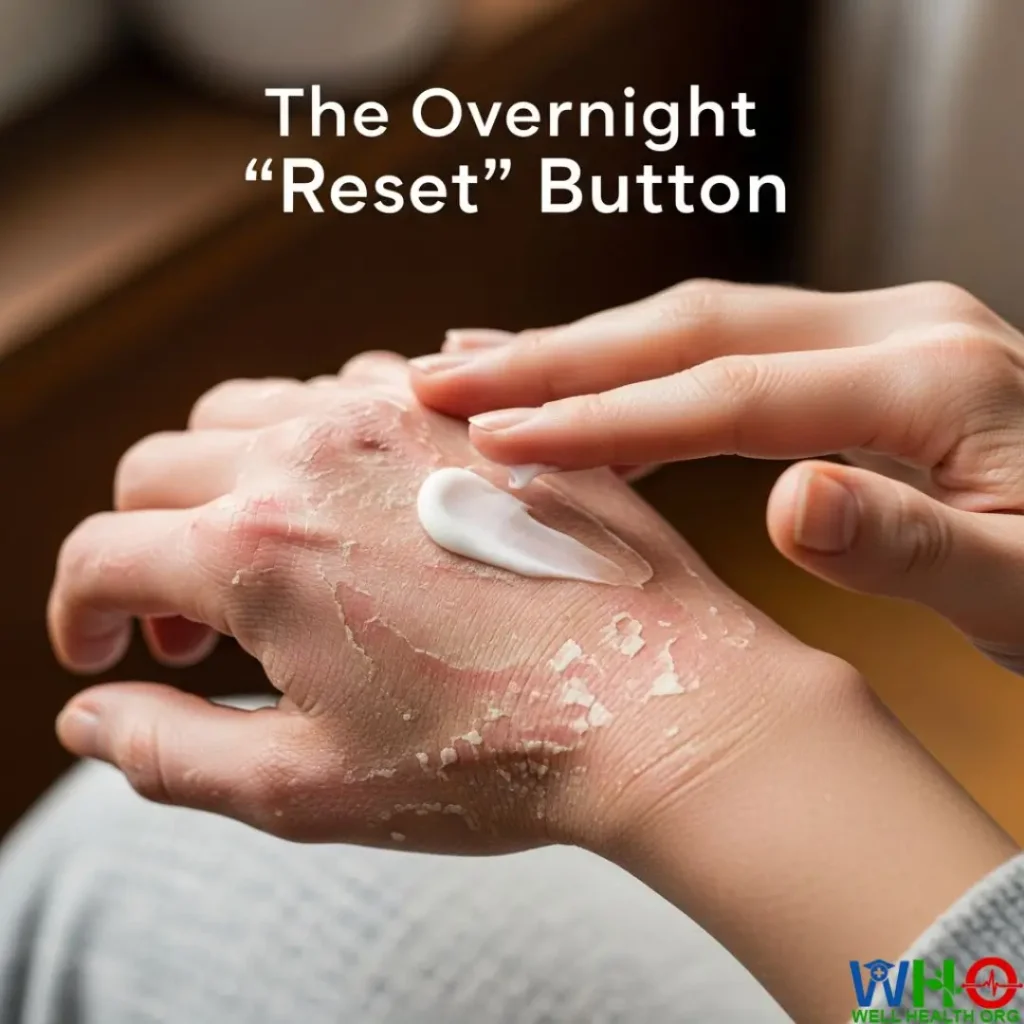
When your hands are severely damaged, daytime application isn’t enough because you are constantly using your hands. Nighttime is the only window where your skin can heal uninterrupted for 6 to 8 hours. This is where the “Glove Method” comes in.
Step-by-Step Overnight Therapy
- Exfoliate (Gently): Once or twice a week, use a mild sugar scrub or a washcloth to remove surface dead skin. Do not do this if you have open wounds.
- Hydrate: Soak your hands in lukewarm water for 2–3 minutes, or wash them and pat barely dry.
- Layer One (The Healer): Apply a water-based moisturizing cream rich in ceramides or glycerin. Rub it in until fully absorbed.
- Layer Two (The Sealant): Apply a thick layer of an ointment like petroleum jelly (Vaseline), Bag Balm, or Aquaphor. It should feel greasy and heavy.
- Encapsulate: Put on a pair of 100% cotton gloves. If you don’t have gloves, clean cotton socks work just as well.
Why Cotton? Cotton is breathable. It prevents your hands from sweating excessively (which can cause maceration or soggy skin) while keeping the ointment in contact with your skin and protecting your bedsheets.
The Result: The gloves create a localized humid environment. The heat from your hands opens the pores, and the occlusive layer forces the moisturizer deep into the skin. You will wake up with hands that look and feel vastly different.
Natural Remedies from Your Kitchen
While store-bought formulations are scientifically engineered, sometimes nature offers potent remedies, especially for those who prefer to avoid preservatives or synthetic chemicals.
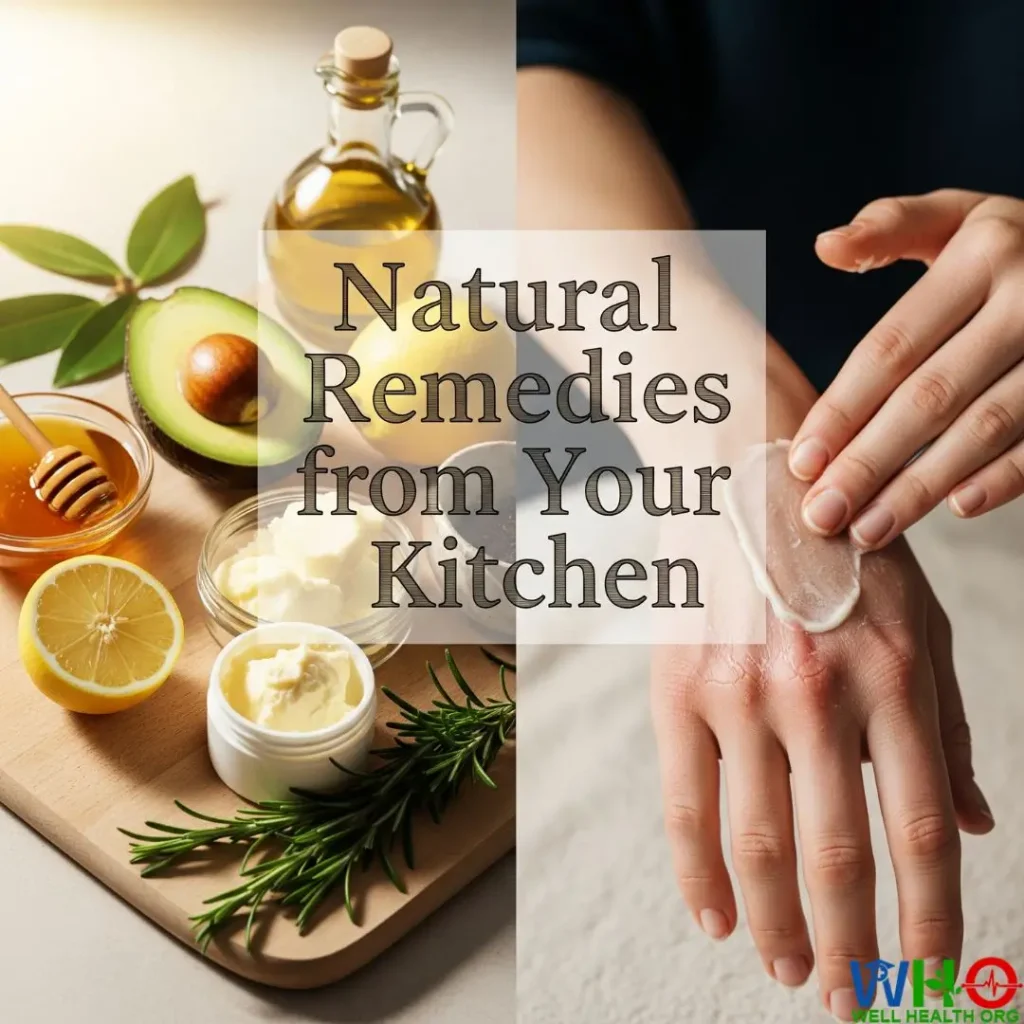
1. Coconut Oil
Coconut oil is high in saturated fats and has natural antibacterial and antifungal properties due to its lauric acid content.
- How to use: It works best as a sealant. Apply a light lotion first, then layer coconut oil on top. Be aware that it can be greasy, so use it when you have some downtime.
2. Olive Oil Soak
Olive oil is rich in Vitamin E and antioxidants, which help repair cell damage.
- The Remedy: Warm up a small bowl of olive oil (not hot, just warm). Soak your fingertips or hands in it for 10–15 minutes. Massage the excess oil into your cuticles. This is particularly good for brittle nails and ragged cuticles.
3. Honey Mask
Honey is a natural humectant (draws moisture in) and has incredible wound-healing properties. Manuka honey is the gold standard, but raw honey works too.
- The Remedy: Spread a thin layer of honey over your hands. Sit back and relax for 15–20 minutes (try not to touch anything!). Rinse with lukewarm water. This is excellent for reducing inflammation and redness.
4. Aloe Vera Gel
Aloe is 99% water but contains vitamins, minerals, and amino acids. It is cooling and soothing, making it perfect for hands that feel “hot” or itchy from dryness.
- The Remedy: Use pure aloe vera gel (scrape it from the leaf if possible). Apply it to the hands and let it dry. Follow up immediately with an oil or cream, as aloe alone can feel tight once it evaporates.
5. Avocado Mask
Avocado contains biotin and healthy fats that nourish the skin.
- The Remedy: Mash half a ripe avocado with a teaspoon of olive oil and a teaspoon of honey. Apply the paste to your hands and wrap them in plastic wrap or a warm towel for 15 minutes before rinsing.
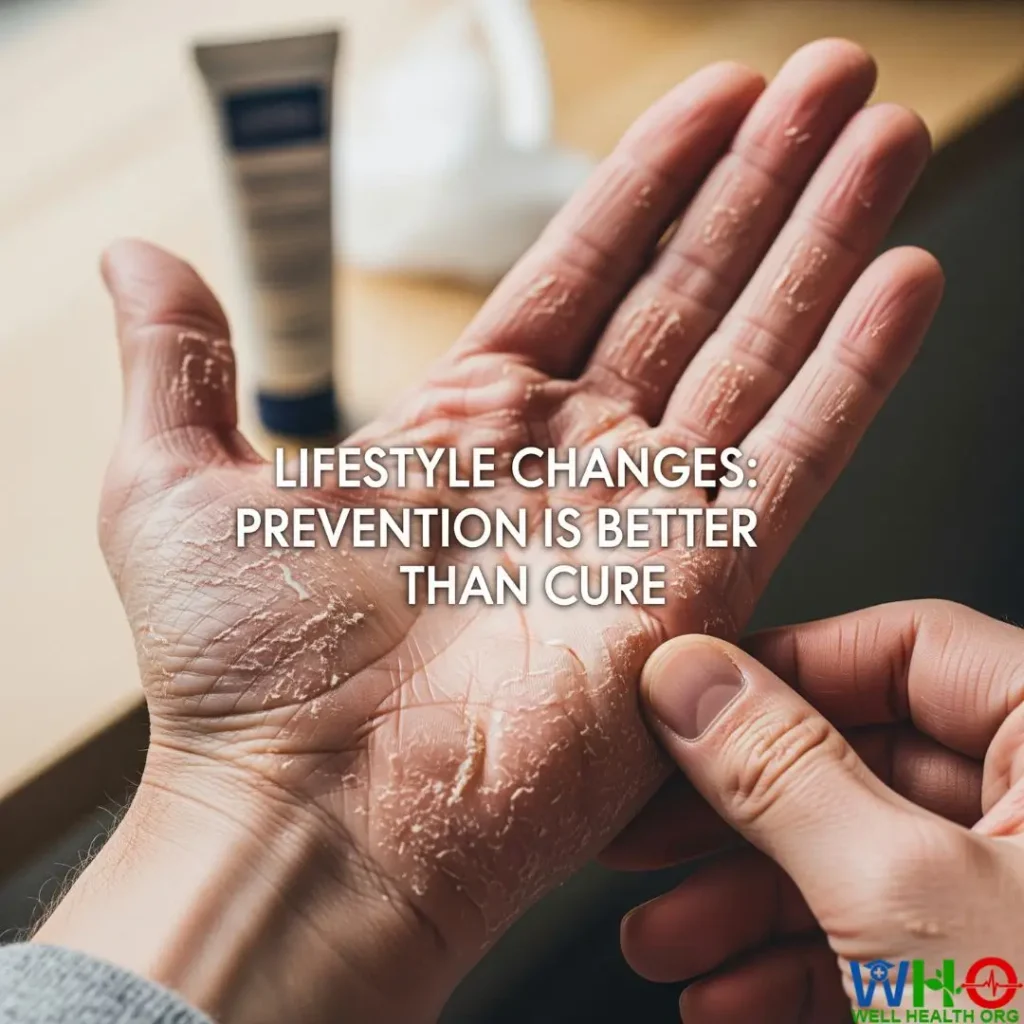
Lifestyle Changes: Prevention is Better Than Cure
Healing your hands is step one. Keeping them healthy requires a shift in your daily habits. You need to protect the barrier you have worked so hard to restore.
1. The Handwashing Revolution
Since you cannot stop washing your hands, you must change how you do it.
- Temperature Control: Stop using hot water. Hot water is an enemy to lipids. Lukewarm water kills germs just as effectively when combined with soap and friction.
- Soap Selection: Avoid “antibacterial” soaps unless you are in a surgical environment. They are often harsh. Avoid bar soaps with high pH levels (like sodium tallowate). Switch to a “creamy” wash or a “soap-free cleanser” (syndet) that is pH-balanced to match your skin (around pH 5.5).
- Drying Technique: Never rub your hands vigorously with a towel. Blot or pat them dry. This reduces micro-abrasions on the skin surface.
2. Glove Up
Think of gloves as your hands’ personal bodyguards.
- Wet Work: Never wash dishes, scrub the bathtub, or wash the car without rubber gloves. The combination of water and cleaning chemicals is the fastest way to destroy your hands. If rubber irritates your skin, wear thin cotton liners inside the rubber gloves.
- Food Prep: When handling acidic foods like lemons, tomatoes, or spicy peppers, wear nitrile gloves. The acid can sting micro-cracks and cause further irritation.
- Dry Work: Gardening, handling cardboard boxes, or working with wood can suck moisture out of hands. Wear work gloves.
- Cold Weather: Put your gloves on before you step outside. Once your hands get cold and the blood vessels constrict, the damage has begun.
3. Humidify Your Life
If the air in your home is dry, your skin doesn’t stand a chance.
- Bedroom Humidifier: Running a cool-mist humidifier in your bedroom while you sleep is an effortless way to hydrate your whole body, including your hands. Aim for a humidity level between 30% and 50%.
4. Hydration and Nutrition
Your skin reflects your internal health.
- Omega-3 Fatty Acids: Foods rich in Omega-3s (salmon, walnuts, flaxseeds) help strengthen the skin’s oil barrier from the inside out.
- Water Intake: While drinking water doesn’t go directly to your skin, severe dehydration will make your skin turgor (elasticity) worse. Stay hydrated.
5. Stress Management
There is a verified link between the brain and the skin (the gut-brain-skin axis). Stress releases cortisol, which can increase inflammation and trigger eczema flare-ups. If you notice your hands get worse during stressful weeks, incorporate stress-reduction techniques like deep breathing, meditation, or simply ensuring you get enough sleep.
Advanced Strategies for Eczema and Psoriasis
If your dry hands are due to a chronic condition, standard moisturizers might not be enough.

Identifying Hand Eczema (Dyshidrotic Eczema)
This often appears as tiny, itchy blisters on the edges of fingers or palms, which then dry out and crack.
- Trigger Avoidance: You must identify what triggers it. Is it nickel in jewelry? Fragrance in soap? Stress?
- Soaks: Soaking hands in dilute vinegar water or using Burow’s solution (aluminum acetate) can help dry up weeping blisters and prevent infection.
Managing Psoriasis
Psoriasis on the hands (palmar psoriasis) leads to thick plaques that crack.
- Descaling: You must soften the plaques before medication can work. Salicylic acid creams or coal tar preparations can help lift the scales.
- Sunlight: Controlled exposure to sunlight (UVB) can help slow the rapid growth of skin cells, though this should be discussed with a doctor to avoid burn risk.
When to See a Professional
While 90% of dry hand cases can be solved with the advice above, there are times when home remedies are insufficient or even dangerous.
The Red Flags
You should schedule an appointment with a dermatologist or primary care physician if:
- Signs of Infection: If cracks become red, swollen, warm to the touch, or start oozing yellow pus or honey-colored crusts. This could be a staph infection requiring antibiotics.
- Unbearable Itch: If the itching keeps you awake at night, you may need prescription anti-itch medication.
- Bleeding that Won’t Stop: Fissures that bleed spontaneously or won’t close after a week of care.
- Nail Changes: Pitting, discoloration, or separation of the nail from the bed often indicates psoriasis or a fungal infection (onychomycosis) which lotions cannot cure.
- Patterned Rash: If the dryness is in a perfect ring or distinct patch, it could be ringworm (a fungal infection), not dry skin.
Medical Treatments
A doctor has access to a toolbox you don’t have at home:
- Prescription Steroids: High-potency topical corticosteroids (like Clobetasol) to rapidly bring down inflammation.
- Calcineurin Inhibitors: Non-steroid creams (like Tacrolimus) that suppress the immune system response in the skin, safe for long-term use.
- Light Therapy (Phototherapy): Using medical-grade narrowband UVB light to treat chronic hand eczema or psoriasis.
- Patch Testing: An allergy test to pinpoint exactly which chemical preservative or ingredient is causing your reaction.
A Curated Daily Routine for Healing
To make this actionable, here is a sample routine to adopt for the next 14 days to rehabilitate your hands.
Morning:
- Wash face and brush teeth.
- Rinse hands with cool water.
- Apply a fast-absorbing lotion containing Glycerin and Dimethicone (so you can drive/work without grease).
- Put on gloves before leaving the house if it is cold.
Mid-Day:
- Keep a bottle of lotion at your desk, in your car, and by the kitchen sink.
- Apply a pea-sized amount after every hand wash.
- If you cannot wash your hands, use a sanitizer that contains aloe or moisturizers.
Evening/Chore Time:
- Wear rubber gloves for doing dishes or cleaning counters.
- After showering, immediately apply a rich cream containing Shea Butter or Ceramides.
Bedtime:
- Perform a quick check for deep cracks; apply liquid bandage if needed.
- Slather on a thick layer of petroleum jelly or heavy balm.
- Put on cotton gloves.
- Sleep and let the magic happen.
Conclusion: Consistency is Key
Recovering from severely dry, cracked hands is not an overnight miracle, but it is an achievable goal. It requires a change in mindset—viewing your hand care not as a luxury, but as a medical necessity for maintaining your skin’s barrier function.
The cycle of dryness is self-perpetuating: dry skin itches, you scratch, the barrier breaks, moisture leaves, and the skin dries further. By stepping in with effective moisturizers, occlusive overnight treatments, and protective lifestyle habits, you break that cycle.
Start today. Look at the soap sitting on your sink—is it helping or hurting? Check your nightstand—do you have a heavy ointment ready? Your hands serve you tirelessly every day; with a little bit of intentional care, you can return the favor, ensuring they remain soft, strong, and pain-free regardless of the season.
Medically Reviewed by Prof. Dr. Akram
Orthopedic Surgeon | Professor | Senior Medical Specialist
Prof. Dr. Akram is a distinguished surgeon with over 15 years of clinical expertise. Having served as a lead Emergency Specialist at Complex International Government Hospital, he currently leads a specialized team of 13 medical professionals at his private hospital. As a Professor at top medical universities, he ensures that every article on WellHealthOrg.com meets rigorous clinical standards.
Medical Disclaimer:
The information provided is for educational purposes only and is not a substitute for professional medical advice, diagnosis, or treatment. Always consult your physician for any medical concerns.
Our content is rigorously fact-checked by our 13-member Editorial Team under the clinical supervision of Prof. Dr. Akram.







