Introduction
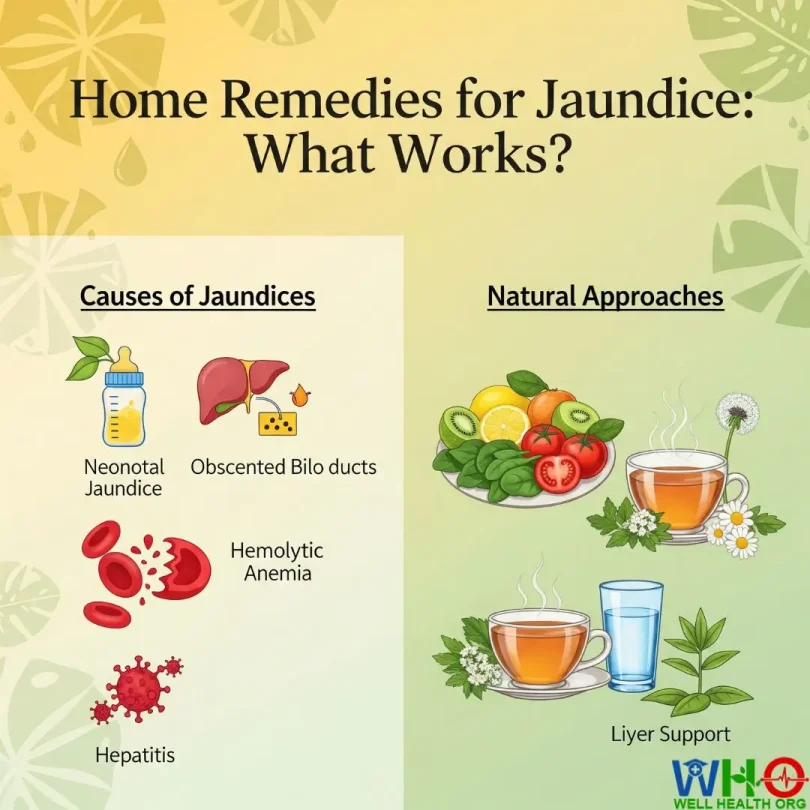
Seeing your skin take on a yellowish tone or noticing your eyes turning amber can be unsettling. Even if you feel mostly fine, that color change is your body waving a bright warning flag. Jaundice is not a disease in itself—it’s a symptom, a signal that something deeper may be happening inside your body, especially with your liver. While jaundice in newborns is extremely common and usually resolves with minimal intervention, jaundice in older children and adults should never be brushed aside. It’s your liver telling you it needs attention, support, and sometimes immediate medical care.
- Introduction
- Understanding Jaundice
- Stages Where Jaundice Can Occur
- Before Bilirubin Production
- During Bilirubin Processing
- After Bilirubin Processing
- Common Symptoms Beyond Yellow Skin
- Major Causes of Jaundice
- Pre-Hepatic Causes
- Hepatic Causes
- Post-Hepatic Causes
- Dietary Recommendations to Support Liver Recovery
- Hydration and Liver Detox
- Foods That Are Easy on Digestion
- Foods to Strictly Avoid
- Best Fruits & Vegetables for Liver Function
- Effective Home Remedies for Jaundice
- 1. Sunlight Exposure
- 2. Sugarcane Juice
- 3. Papaya Leaves
- 4. Amla (Indian Gooseberry)
- 5. Mint Leaves
- 6. Black Cumin Seeds (Jeera)
- Important Disclaimer on Home Remedies
- When to Seek Medical Help Immediately
- Signs in Newborns
- Warning Signs in Adults
- Tips to Protect Your Liver for the Long Term
- Conclusion
- FAQs
Jaundice appears when bilirubin—a yellow-colored pigment created when red blood cells break down—starts building up in the bloodstream. Under healthy conditions, your liver processes bilirubin, mixes it with bile, and helps your body eliminate it. But when this cycle gets disrupted at any point, bilirubin accumulates, causing skin, nails, and the whites of your eyes to turn yellow.
Many people turn to home remedies as soon as jaundice appears. While natural remedies can be helpful for easing discomfort, supporting digestion, and promoting liver wellness, it’s crucial to understand what they can and cannot do. Home treatments should never replace proper diagnosis or medical care, especially when jaundice signals infections, inflammation, or liver damage.
This complete guide breaks everything down for you—what causes jaundice, how it develops, the lifestyle and dietary changes that matter most, and which home remedies may offer relief. You’ll also learn which symptoms should never be ignored and when it’s important to stop self-treating and get medical help right away.
The goal is not only to help you understand jaundice, but to empower you with safe, practical steps to support your liver while working with your doctor toward a full recovery.
Understanding Jaundice
Jaundice occurs when bilirubin levels rise beyond what the liver can handle. To understand why this happens, it helps to know what bilirubin actually is and how your body normally processes it.
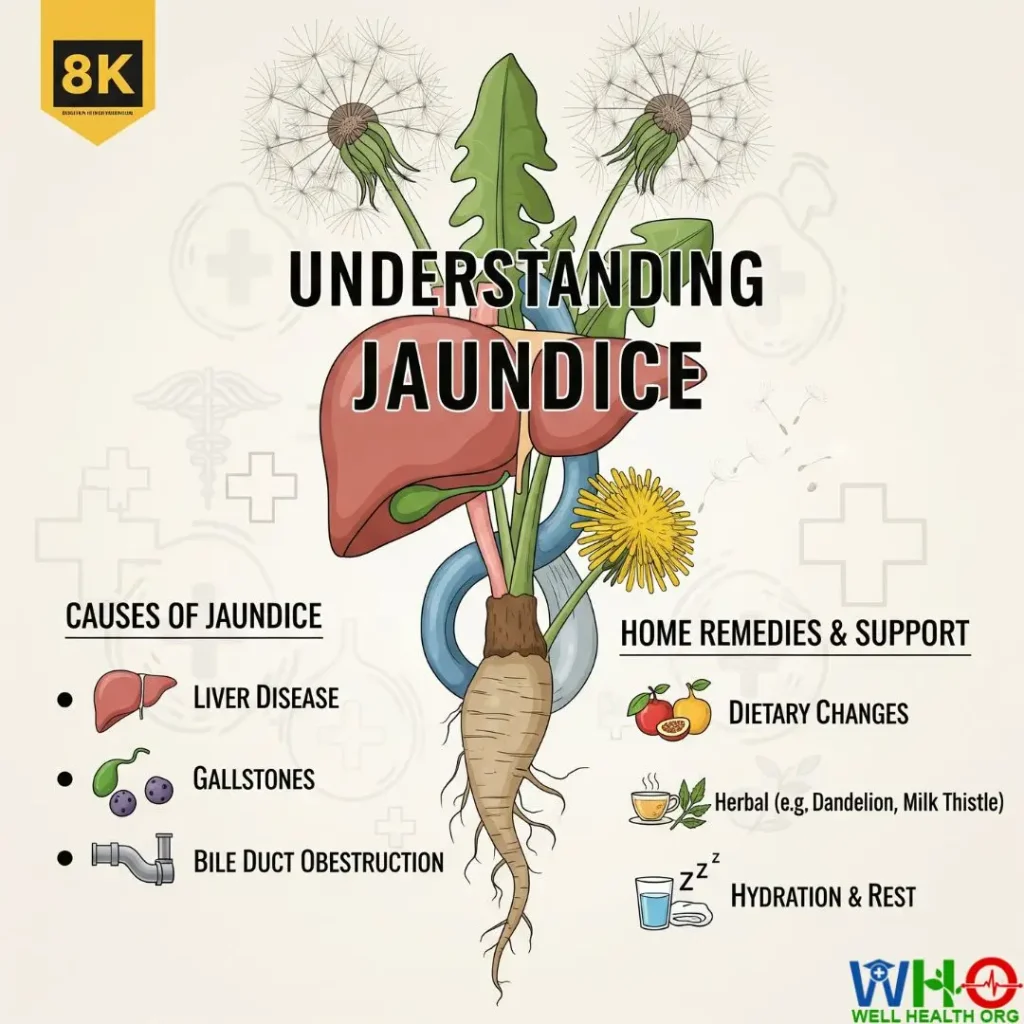
Bilirubin is formed naturally as your body recycles old or damaged red blood cells. Every red blood cell has a lifespan of about 120 days, after which it breaks down in the spleen and releases hemoglobin—the substance that gives blood its red color. When hemoglobin breaks down further, one of the byproducts is bilirubin.
This bilirubin travels to the liver, where special enzymes convert it into a water-soluble form. Once processed, bilirubin mixes with bile and moves into the intestines, where it’s eventually eliminated through stool. The brownish color of stool is due to bilirubin.
So what goes wrong?
If the liver cannot process bilirubin efficiently, or if there’s too much bilirubin for the liver to handle, the pigment starts accumulating in the bloodstream. This buildup causes the yellowish tint of jaundice. Because the liver plays such a central role in this process, jaundice is often linked to liver diseases or conditions affecting the bile ducts.
However, problems don’t always start in the liver. Issues can arise before bilirubin reaches the liver, during the processing phase, or after bilirubin has already been processed. Each of these stages can lead to bilirubin overload, which eventually shows up on the skin.
In addition to the yellowish tint, many people experience accompanying symptoms such as fatigue, fever, abdominal pain, nausea, dark urine, pale stools, or persistent itching. These symptoms vary depending on what’s causing the bilirubin buildup. For example, itching is common when bile ducts are blocked, while flu-like symptoms may appear during infections like hepatitis.
Understanding these underlying processes is essential, not only for recognizing jaundice but also for knowing how to support your liver effectively during recovery. The more you understand what’s happening inside your body, the better equipped you are to make informed decisions about your diet, habits, and home remedies.
Stages Where Jaundice Can Occur
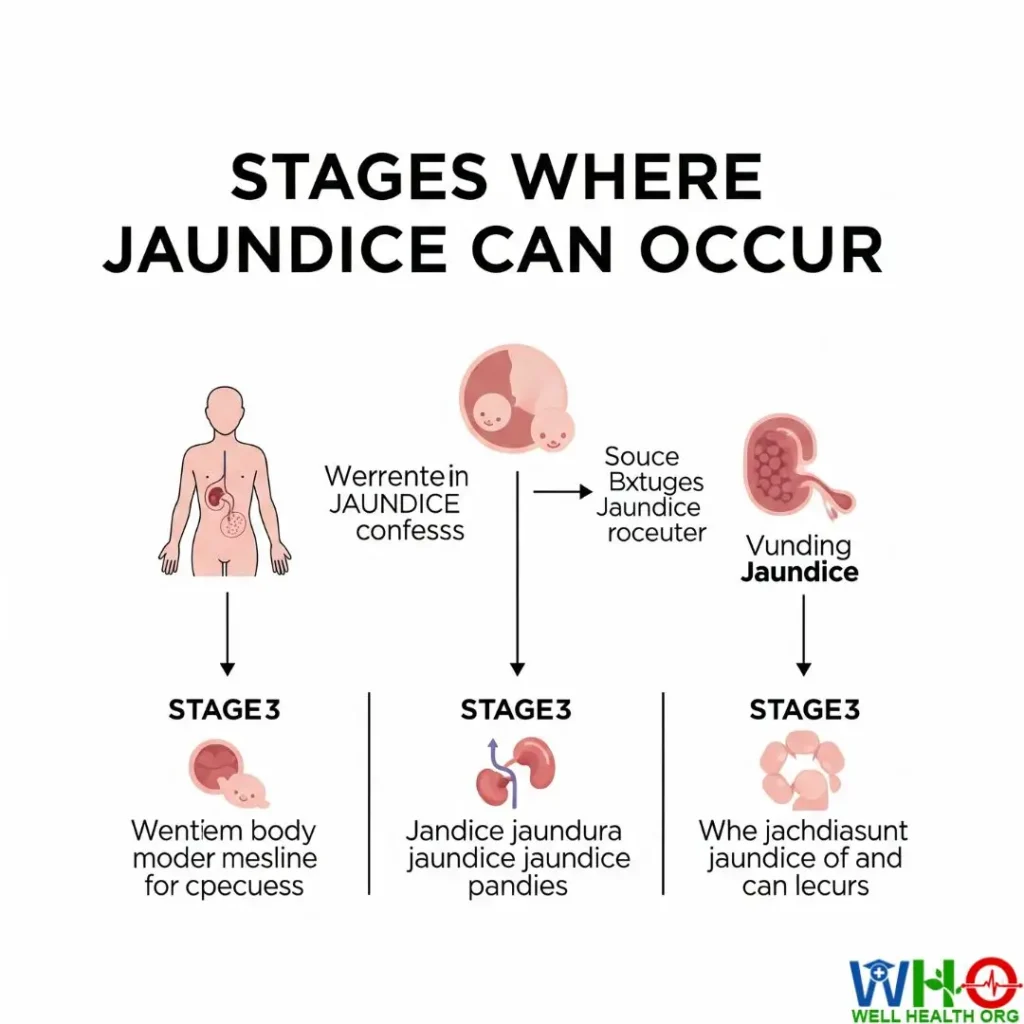
Jaundice doesn’t come from a single source. Instead, it can develop at three major points in the bilirubin cycle: before the liver processes bilirubin, during processing, or after processing. Each stage has its own distinct set of triggers.
Before Bilirubin Production
This stage is often referred to as “pre-hepatic jaundice,” and it occurs when red blood cells break down at a much faster rate than usual. When too many red blood cells are destroyed, the liver is flooded with bilirubin and cannot keep up. Conditions such as hemolytic anemia, certain autoimmune disorders, reactions to incompatible blood transfusions, and some inherited conditions can cause this rapid breakdown.
People with pre-hepatic jaundice often notice dark urine, fatigue, and sometimes abdominal discomfort. However, since the liver itself is not damaged at this stage, the condition focuses mainly on addressing the underlying cause of the excessive red blood cell destruction.
During Bilirubin Processing
“Hepatic jaundice” happens when the liver itself becomes unable to process bilirubin efficiently. This can be due to inflammation, infection, genetic issues, alcohol-related damage, or drug-induced liver injury. Hepatitis A, B, and C are some of the most common causes, but fatty liver disease—both alcoholic and non-alcoholic—has become increasingly common worldwide.
Since the liver is the central processing unit for bilirubin, damage or inflammation here leads to slower, incomplete, or inefficient processing. People with hepatic jaundice often experience additional symptoms such as nausea, vomiting, upper abdominal pain, or a general feeling of malaise. The severity depends heavily on the health of the liver.
After Bilirubin Processing
Sometimes, the liver processes bilirubin normally, but the processed bilirubin cannot move into the intestines because something is blocking the bile ducts. This is called “post-hepatic jaundice” or “obstructive jaundice.” The blockage can be caused by gallstones, tumors, inflammation, or certain pancreatic problems.
When bile cannot flow properly, bilirubin backs up into the bloodstream. People with obstructive jaundice may notice pale stools, dark urine, itching, and sharp pain near the upper right abdomen. Since bile flow is crucial for digestion, especially fat absorption, appetite loss and nausea are also common.
Understanding which stage jaundice originates from helps guide proper treatment. While home remedies can support liver function, they cannot remove gallstones or treat severe infections, making medical evaluation essential.
Common Symptoms Beyond Yellow Skin
Although the yellowing of the skin and eyes is the most recognizable sign of jaundice, it’s far from the only symptom. Many people first experience subtle signs that something feels “off” before the discoloration becomes visible. Paying attention to these early symptoms can help ensure you get timely care, especially if the underlying condition is serious.
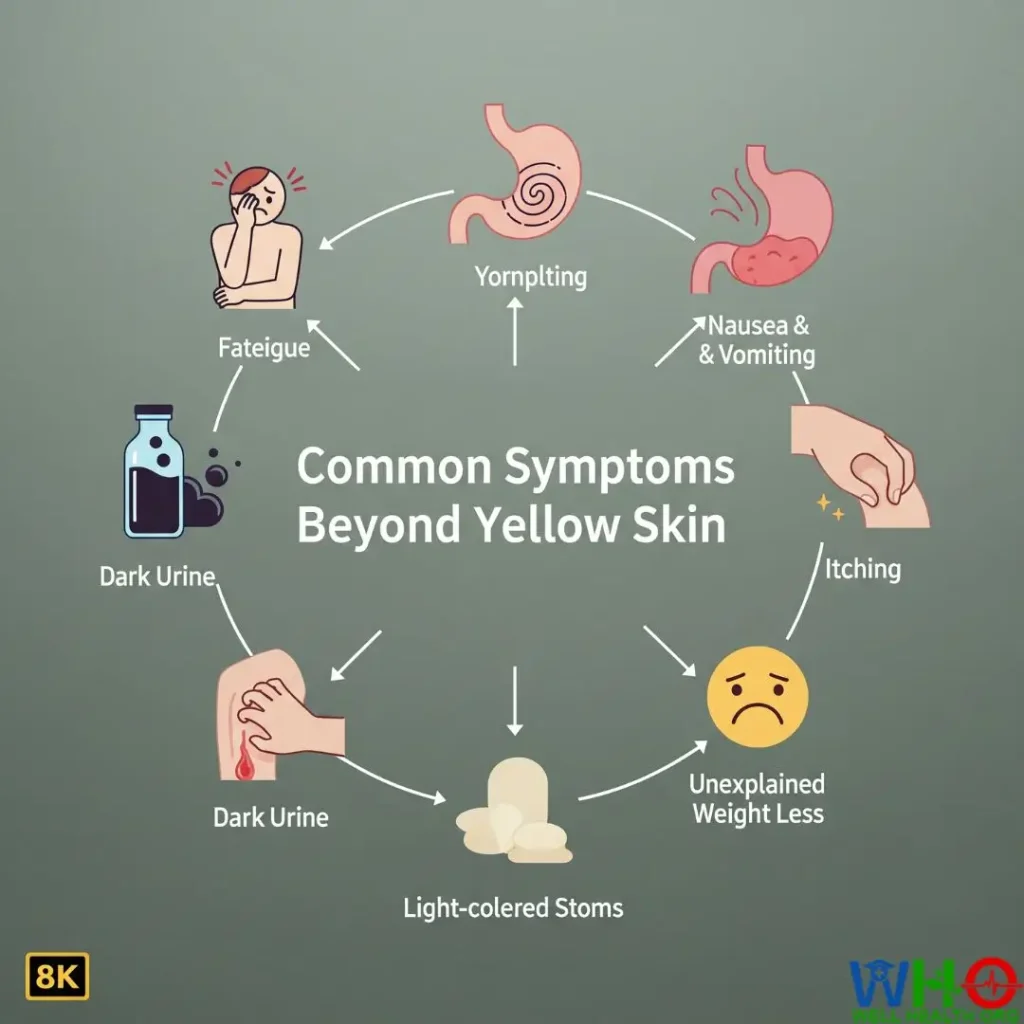
One of the most common accompanying symptoms is fatigue. Because bilirubin buildup interferes with many metabolic processes, your body may feel unusually tired or weak. This isn’t the type of tiredness that improves with rest—it’s more persistent and often described as a “drained” feeling.
Another frequent symptom is dark urine, often one of the earliest warning signs. Even if you are well-hydrated, the urine may appear tea-colored or amber due to excess bilirubin being eliminated through the kidneys. At the same time, you might notice pale or clay-colored stools, which indicate that bilirubin isn’t reaching the intestines properly.
Many individuals also experience itchy skin, especially when the bile ducts are blocked. This itching tends to be persistent and can become more pronounced at night. It happens because bile salts accumulate in the bloodstream and irritate nerve endings in the skin.
Digestive discomfort, such as nausea, vomiting, and loss of appetite, is also common—particularly in cases linked to liver inflammation or viral hepatitis. Some people lose weight unintentionally due to decreased appetite or poor nutrient absorption.
In more severe cases, jaundice can be accompanied by fever, chills, abdominal pain, or even mental confusion, especially if the liver becomes severely impaired. These symptoms should never be ignored, as they can signal conditions that require immediate medical treatment.
Recognizing these signs early and understanding what they indicate helps you respond appropriately and avoid complications. While home remedies may ease some discomfort, they cannot replace timely medical diagnosis and professional treatment when symptoms are severe or worsening.
Major Causes of Jaundice
Jaundice doesn’t appear on its own—it is always connected to an internal issue affecting bilirubin levels. These underlying causes fall into three main categories: pre-hepatic, hepatic, and post-hepatic. Each category points to a different stage where bilirubin processing becomes disrupted. Understanding these causes not only helps identify what’s going wrong inside the body but also highlights why self-treatment alone isn’t enough in many cases.
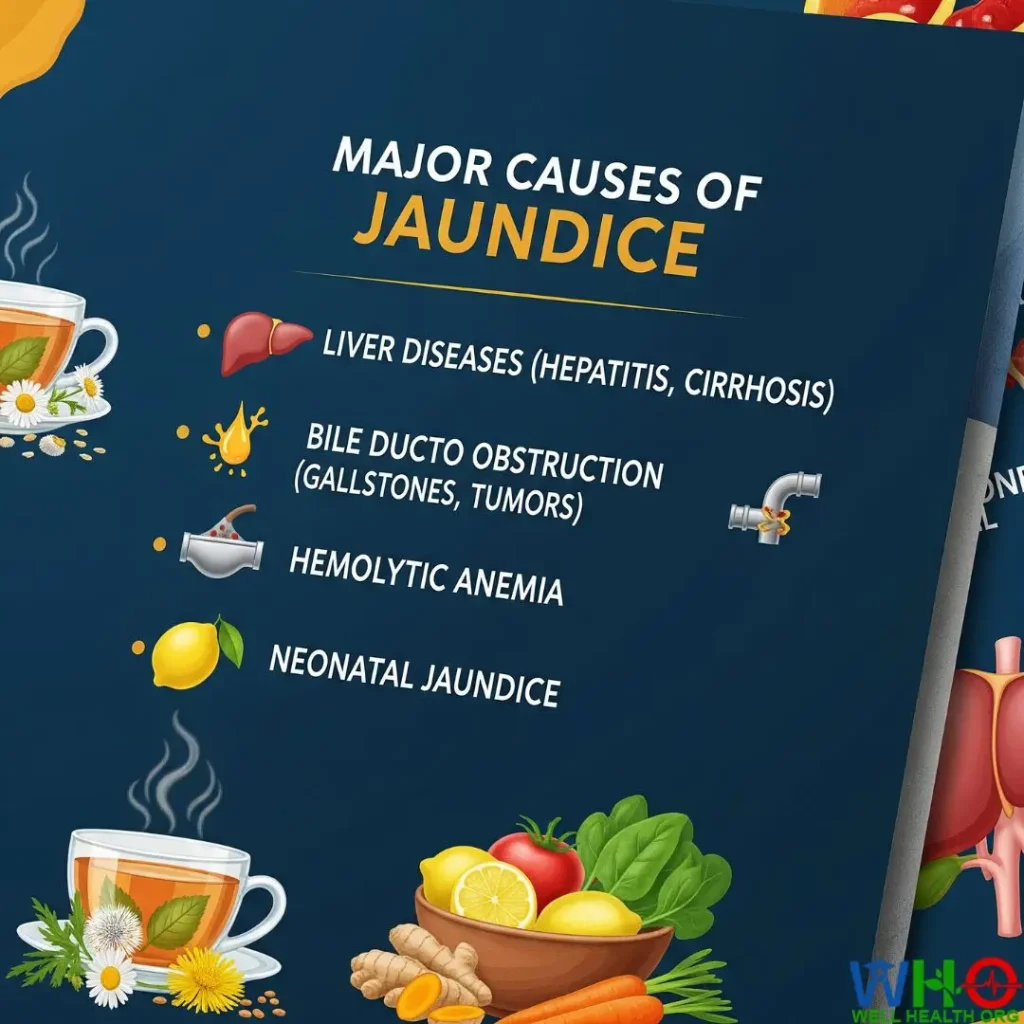
Jaundice may result from something as simple as dehydration or poor diet, or it can indicate something more serious, like liver inflammation, blocked bile ducts, or genetic blood disorders. The symptoms may overlap, but the root causes are extremely different. This is why consulting a healthcare professional is essential—they can determine which category your condition falls into and what the best treatment plan is.
Let’s break down each type of jaundice and the main conditions associated with them in more detail.
Pre-Hepatic Causes
Pre-hepatic jaundice arises before bilirubin ever reaches the liver. This stage involves the rapid breakdown of red blood cells, a process known as hemolysis. When red blood cells are destroyed too quickly, the body produces large amounts of bilirubin at once, overwhelming the liver’s processing capacity.
One of the most common pre-hepatic causes is hemolytic anemia, a condition where red blood cells break down prematurely. This can result from inherited conditions like thalassemia or sickle cell disease, autoimmune attacks on red blood cells, or infections such as malaria. Sometimes, medications or chemicals can also trigger excessive hemolysis.
Individuals with pre-hepatic jaundice often experience symptoms like extreme fatigue, dizziness, shortness of breath, rapid heartbeat, or dark urine due to the increased load of bilirubin. Since the liver itself isn’t the primary issue here, liver-friendly diets and home remedies can help support overall health but will not resolve the underlying condition.
Blood transfusion reactions are another potential cause. If someone receives blood that doesn’t match their blood type, the immune system immediately destroys the new red blood cells, causing a massive surge in bilirubin. This situation is a medical emergency and requires urgent care.
In short, pre-hepatic jaundice is driven by excessive red blood cell breakdown. While natural remedies may help soothe symptoms, only proper medical treatment can address the underlying cause and prevent complications.
Hepatic Causes
Hepatic jaundice occurs when the liver itself becomes damaged, inflamed, or unable to function properly. Because the liver is the central organ responsible for processing bilirubin, any issue affecting liver health can disrupt bilirubin conversion and elimination.
One of the most well-known causes is viral hepatitis—infections such as hepatitis A, B, and C. These viruses attack liver cells, causing inflammation and reducing the organ’s ability to process bilirubin efficiently. This type of jaundice often appears with flu-like symptoms such as fever, nausea, vomiting, and abdominal pain.
Another major cause is alcohol-related liver disease. Long-term alcohol consumption can lead to fatty liver, inflammation, or even cirrhosis. These conditions weaken the liver’s ability to function, causing bilirubin levels to rise. Even a single episode of heavy drinking may temporarily spike bilirubin in some individuals.
Non-alcoholic fatty liver disease (NAFLD) is now extremely common due to sedentary lifestyles, high-sugar diets, and metabolic conditions like diabetes. When fat accumulates in the liver, it leads to inflammation and scarring, hindering bilirubin processing.
Certain medications can also damage the liver and lead to hepatic jaundice. These include some antibiotics, pain relievers, anti-seizure medications, and herbal supplements taken in high quantities. This is known as drug-induced liver injury.
Genetic conditions like Gilbert’s syndrome, although usually mild, can also affect bilirubin processing and trigger intermittent jaundice, especially during stress, fasting, or fever.
Hepatic jaundice often evolves slowly, with symptoms like fatigue, digestive issues, and loss of appetite appearing gradually. This type of jaundice always requires professional evaluation, as liver diseases can become serious if untreated.
Post-Hepatic Causes
Post-hepatic jaundice, also called obstructive jaundice, happens when bilirubin is processed normally by the liver but gets blocked somewhere in the bile ducts. These ducts are responsible for moving bile (and bilirubin) from the liver to the intestines.
Gallstones are the most common cause. When stones form and block the bile ducts, bile cannot flow properly. This leads to severe pain, pale stools, dark urine, and intense itching. Many people also feel nausea or vomiting, especially after eating fatty foods.
Another cause is pancreatic inflammation or tumors, which can press on nearby bile ducts and obstruct bile flow. In some cases, tumors in the liver, gallbladder, or bile ducts themselves may create blockages.
Because bile also helps digest fats, obstructive jaundice often causes digestive problems, bloating, and poor nutrient absorption. Unlike other types of jaundice, obstructive jaundice usually does not improve with rest, diet changes, or home remedies. It often requires medical procedures to remove the blockage or improve bile flow.
This type of jaundice typically causes more intense itching than other types, and the yellowing of the skin tends to worsen steadily if untreated. Since the bile cannot reach the intestines, stool may appear unusually pale or even grayish-white.
Post-hepatic jaundice is rarely mild and should always be evaluated by a doctor. Home remedies can help ease discomfort, but only medical intervention can address the blockage.
Dietary Recommendations to Support Liver Recovery
Diet plays a crucial role in jaundice recovery. Because the liver is responsible for processing nutrients, filtering toxins, and managing bilirubin, eating foods that support liver function can significantly speed up healing. The right diet can help reduce inflammation, improve digestion, restore energy, and encourage healthy bile flow.
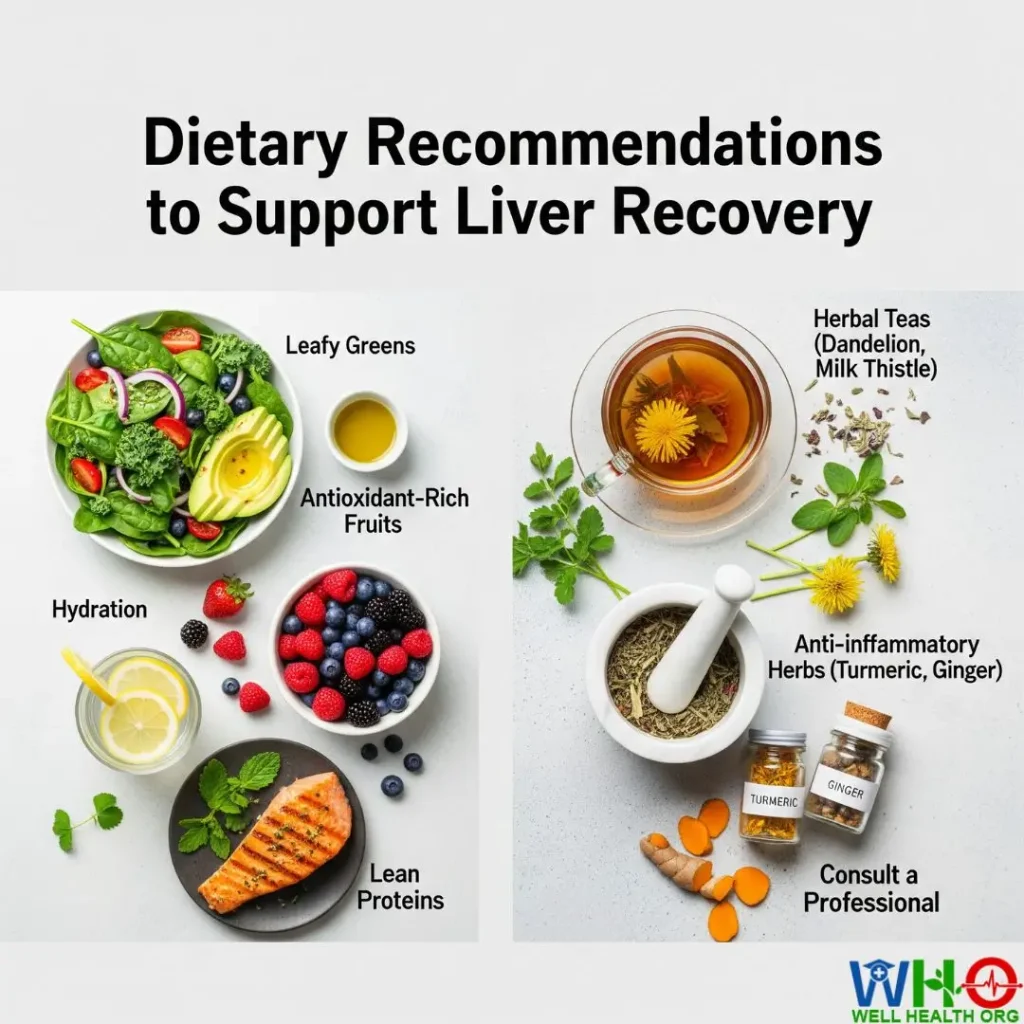
A liver-friendly diet focuses on simplicity, hydration, and nutrient-rich foods. Since jaundice often makes digestion sluggish and uncomfortable, the goal is to reduce strain on the liver while still providing essential nutrients that help repair and strengthen it.
Here’s a detailed look at the most important dietary steps to follow during jaundice recovery.
Hydration and Liver Detox
Drinking enough water is one of the simplest yet most powerful steps you can take while recovering from jaundice. Water helps your body flush out toxins, supports digestion, and ensures that bilirubin is processed and eliminated efficiently.
When the liver is under stress, dehydration can make things even worse. Without sufficient fluids, bilirubin may build up faster, and your kidneys may also struggle to eliminate waste. Staying hydrated helps maintain smoother blood flow to the liver and keeps bile thinner, reducing the risk of clogs or sluggish digestion.
Besides plain water, beneficial hydrating options include coconut water, lemon water, barley water, and diluted fruit juices without added sugar. These beverages provide electrolytes and natural sugars that help maintain energy without overwhelming the liver.
Signs that you may not be drinking enough include dry lips, dark urine, headaches, dizziness, and fatigue. For individuals dealing with jaundice, urine color is an especially important indicator. Dark-colored urine suggests that the body is struggling with bilirubin overload, and increasing fluid intake can help lighten it.
However, hydration is not just about drinking more—it’s also about avoiding fluids that dehydrate the body, such as caffeinated drinks, sugary sodas, and alcohol. Alcohol especially puts strain on the liver and can worsen jaundice dramatically.
Aim for small, frequent sips throughout the day. Overloading the stomach with large amounts of water at once can create discomfort, especially if nausea is already present.
Proper hydration supports the liver’s natural detoxification process, helps regulate body temperature, boosts energy, and ensures smoother digestion—all crucial elements of jaundice recovery.
Foods That Are Easy on Digestion
When recovering from jaundice, the liver is already working overtime. The last thing it needs is to process heavy, greasy meals. That’s why choosing easily digestible foods is one of the most important dietary rules during this time.
Light, simple meals help the liver rest and repair. Bland foods like boiled rice, khichdi, porridge, and oats are gentle on the digestive system and provide a steady source of energy without overwhelming the liver. Steamed or boiled vegetables such as carrots, pumpkin, spinach, and bottle gourd are rich in nutrients and easy to digest.
Soups and broths are also highly beneficial. They keep the body hydrated and carry essential vitamins and minerals. Vegetable soups, lentil soups, and clear broths offer nourishment without requiring heavy digestion.
Fermented foods like yogurt can support gut health, which is especially helpful because jaundice often disrupts digestion and appetite. However, it’s important to choose plain yogurt without added sugar or heavy flavorings.
Soft fruits like bananas, papayas, and apples (stewed or eaten raw) are easy on the stomach and packed with vitamins. These fruits also provide natural fiber that helps maintain regular bowel movements, which is essential for bile and bilirubin elimination.
Eating small meals more frequently throughout the day is better than having a few large meals. This gives the liver time to rest and process nutrients gradually.
Avoiding processed foods, artificial sweeteners, and foods high in saturated fat is essential. During jaundice recovery, the digestive system becomes more sensitive, and heavy meals can trigger nausea or discomfort.
Overall, a gentle, nourishing diet helps reduce inflammation, supports digestion, and allows the liver to focus on healing rather than detoxifying complex meals.
Foods to Strictly Avoid
Recovering from jaundice requires your liver to work as efficiently and gently as possible. Eating foods that strain or overwhelm the liver can slow down recovery, worsen bilirubin buildup, and contribute to fatigue, indigestion, and inflammation. That’s why it’s crucial to know which foods should be avoided until your liver has fully healed.

One of the biggest triggers to avoid is fried and oily foods. Foods cooked in excessive oil, especially deep-fried snacks like pakoras, fries, chips, samosas, and anything dripping in grease, can be difficult to digest. When the liver is already struggling, it cannot handle the extra work required to break down fats. These foods can worsen nausea, cause stomach heaviness, and contribute to additional inflammation.
Heavy spices and spicy foods can irritate the digestive system as well. During jaundice, the stomach and intestines may already be sensitive, and hot spices can cause discomfort, acidity, or bloating. It’s best to avoid dishes loaded with chili powder, garam masala, black pepper, or strong seasonings.
Red meat—including mutton, beef, and pork—is another food group that puts significant pressure on the liver. These meats take longer to digest and contain high amounts of saturated fats, which are not ideal for a recovering liver. Even lean meat like chicken can be difficult to digest for some people during jaundice, so it’s often recommended to avoid all non-vegetarian foods temporarily.
Alcohol should be strictly avoided, as it is one of the most harmful substances for the liver. Even small amounts can worsen inflammation, delay healing, and increase bilirubin levels. In many cases, alcohol consumption is one of the primary causes of liver-related jaundice, and stopping completely is essential.
Processed foods like bakery items, sweets, packaged snacks, and fast foods contain refined sugars, preservatives, and artificial additives. These can burden your liver and slow down detoxification. Similarly, sugary sodas and caffeinated beverages may dehydrate the body and increase fatigue.
In short, while recovering from jaundice, it’s best to stick to light, natural, and freshly prepared foods. Eliminating heavy, greasy, processed, and liver-demanding foods gives your body the support it needs to restore normal bilirubin levels and improve overall liver health.
Best Fruits & Vegetables for Liver Function
A diet rich in fruits and vegetables is one of the most effective natural ways to support liver healing during jaundice. These foods contain antioxidants, vitamins, minerals, and fiber that help reduce inflammation, detoxify the liver, and promote healthy digestion.
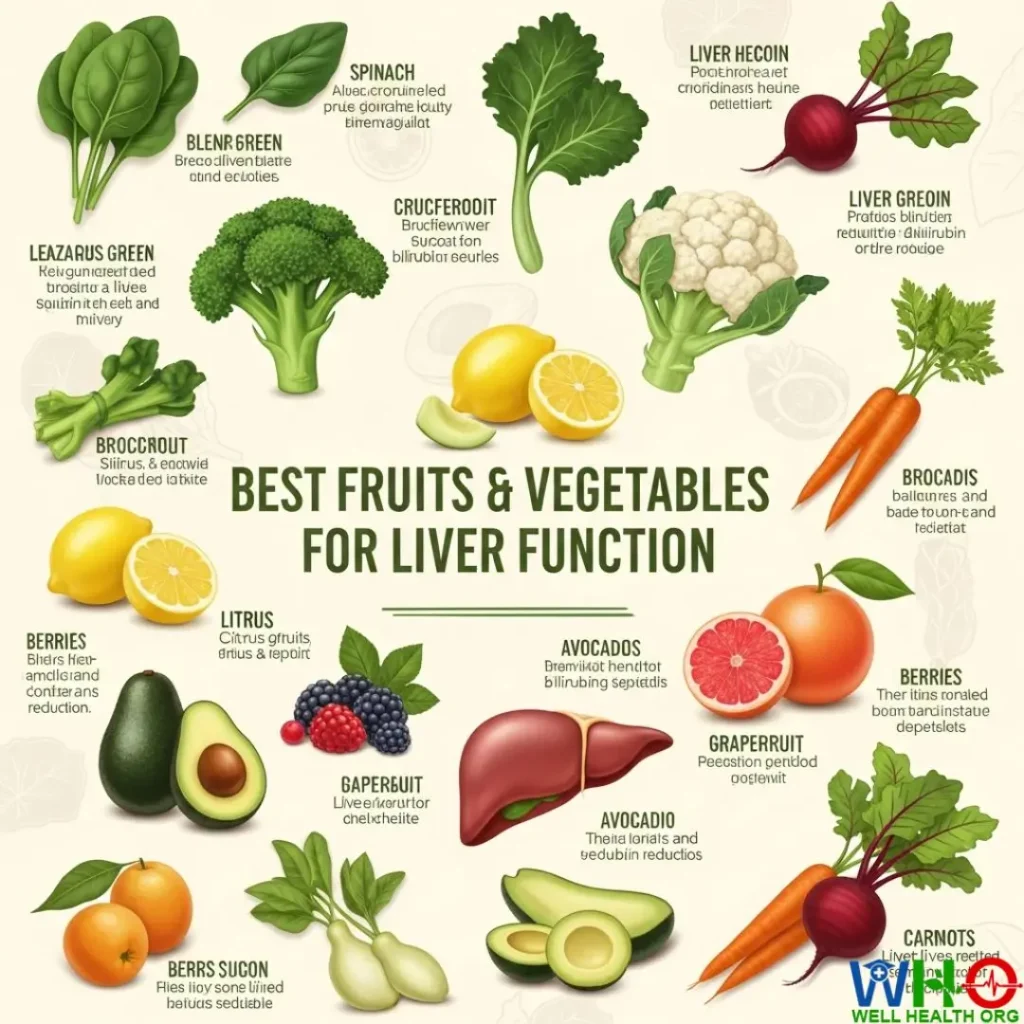
Fruits such as papaya, banana, apple, pear, and watermelon are excellent choices because they are easy to digest, hydrating, and gentle on the stomach. Papaya, in particular, contains digestive enzymes that help regulate bowel movements and reduce indigestion—a common complaint among people with jaundice. Bananas provide quick energy and replenish electrolytes, which is helpful if you feel weak or dehydrated.
Citrus fruits like lemon, sweet lime, and orange contain vitamin C, which boosts immunity and supports liver detoxification. However, they should be consumed in moderation if you have acidity issues. Lemon water is especially beneficial because it helps hydrate the body while promoting gentle liver cleansing.
Vegetables like spinach, carrots, beetroot, pumpkin, bottle gourd, cabbage, and cauliflower are packed with essential nutrients. Leafy greens like spinach contain chlorophyll, which is known for its detoxifying properties. Carrots and beets contain beta-carotene and antioxidants that support liver repair.
Steamed vegetables are easier to digest than raw ones. Cooking lightly softens the fibers, making nutrients easier for the liver to absorb. Vegetable soups, mashed vegetables, or vegetable khichdi are extremely nourishing meals for people recovering from jaundice.
Fiber-rich foods such as beetroot and apples help maintain regular bowel movements, which is crucial because bilirubin is eliminated through feces. A healthy digestive cycle supports bilirubin removal and prevents further buildup.
Eating a variety of fruits and vegetables ensures that your liver receives the full spectrum of nutrients needed for healing. Aim to include at least five servings of fruits and vegetables each day in cooked or easily digestible form. Over time, these nutritious foods can help restore energy, reduce bilirubin levels, and contribute to overall liver recovery.
Effective Home Remedies for Jaundice
Home remedies have been used for generations to support liver health and aid recovery from jaundice. While they should never replace medical treatment, they can be valuable additions to a doctor-approved care plan. These natural remedies help reduce inflammation, improve digestion, support bile flow, and restore energy levels.
Each remedy has its own benefits and works best when combined with a healthy diet and adequate rest. Below are some of the most trusted and traditionally used home remedies for managing jaundice symptoms safely and effectively.
1. Sunlight Exposure
Sunlight is one of the most well-known natural remedies for newborn jaundice, and for a good reason. The blue light present in natural sunlight helps break down excess bilirubin accumulated in a baby’s skin. This process makes it easier for their tiny liver and kidneys to eliminate bilirubin more efficiently.
While sunlight exposure is helpful for newborns, it must be done carefully. Babies have delicate skin that burns easily, so the exposure should be brief—usually around 10 to 15 minutes at a time—and only during mild sunlight hours, such as early morning. Babies should be dressed lightly, and their eyes must be protected. The key is gentle, controlled exposure rather than long hours under direct heat.
Adults do not typically benefit from sunlight in the same way babies do, because their jaundice is usually linked to deeper liver issues rather than surface-level bilirubin deposits. However, mild sunlight can still help regulate mood, improve immunity, and support overall wellness during recovery.
It’s important to avoid intense midday sun, as overheating or sunburn can worsen weakness and dehydration—two conditions that can make jaundice symptoms feel more severe.
In essence, sunlight works wonders for newborn jaundice when used safely and under guidance. For adults, it’s not a cure but a simple way to enhance well-being during recovery.
2. Sugarcane Juice
Sugarcane juice has long been used as a natural liver tonic in many traditional healing systems. It is refreshing, hydrating, and loaded with antioxidants that support liver repair. Sugarcane juice helps maintain blood glucose levels, which can drop significantly during jaundice due to poor appetite and fatigue.
One of sugarcane juice’s biggest benefits is its ability to support proper bile production. When bile flows smoothly, bilirubin moves out of the liver more efficiently, helping reduce yellowing of the skin and eyes.
Freshly extracted sugarcane juice is best. To prepare it safely at home, wash the sugarcane stalk thoroughly, peel off the outer layer, and pass it through a juicer. Drinking a glass once or twice a day can help maintain hydration, provide quick energy, and support the liver.
Because sugarcane juice is mild and easy to digest, it is a great option for people who feel nauseated or too weak to eat solid food. Its natural sugars give an instant energy boost without putting stress on the liver.
However, people with diabetes should consult a doctor before consuming sugarcane juice, as it can raise blood sugar levels.
When used thoughtfully, sugarcane juice can be an excellent addition to a jaundice recovery plan, helping restore energy and support the liver naturally.
3. Papaya Leaves
Papaya leaves have gained popularity as a natural remedy for various health conditions, including jaundice. These leaves contain powerful enzymes such as papain and chymopapain that support digestion and help the liver break down proteins efficiently. Easier digestion means less strain on the liver, allowing it to focus on healing.
To prepare a simple home remedy, fresh papaya leaves are washed thoroughly, crushed or ground into a thick paste, and mixed with a teaspoon of honey. Consuming this paste once a day is believed to boost immunity, improve digestion, and help normalize bilirubin levels.
Papaya leaves are also known for their anti-inflammatory and antioxidant properties. They help cleanse the liver, support bile flow, and improve liver cell regeneration. Many people use papaya leaf extract during viral infections as well, which can sometimes accompany jaundice.
While papaya leaves are generally safe, they should be used in moderation. Pregnant women or individuals with certain medical conditions should consult a healthcare provider before using papaya leaf remedies.
When included as part of a balanced recovery plan, papaya leaves can offer gentle but powerful support to the liver during jaundice recovery.
4. Amla (Indian Gooseberry)
Amla, or Indian gooseberry, is a nutrient-rich fruit known for its impressive vitamin C content and antioxidant power. It has been used for centuries to rejuvenate the liver, strengthen immunity, and support detoxification.
For jaundice, amla is especially beneficial because it helps reduce inflammation and assists the liver in processing bilirubin more effectively. Its natural antioxidants protect liver cells from damage and support regeneration.
Fresh amla juice is a popular remedy. To prepare it, deseed a few amla fruits, blend them with water, and strain the mixture. Adding a pinch of salt makes the juice easier to drink. Consuming this juice daily can help balance bilirubin levels, increase energy, and improve digestion.
Amla is also known to cool the body from the inside, which is helpful because jaundice often causes heat, irritation, or restlessness. Some people prefer eating raw amla pieces, while others take it in powdered form mixed with warm water.
Regardless of how you consume it, amla is one of the most effective natural remedies for supporting liver health and boosting recovery during jaundice.
5. Mint Leaves
Mint, or pudina, is valued for its cooling, soothing, and digestive properties. During jaundice, when digestion slows down and appetite often decreases, mint can help ease discomfort and promote healthy bile flow.
Mint leaves contain menthol and other natural compounds that help reduce inflammation and clear toxins from the body. They also support better digestion by relaxing stomach muscles and reducing nausea, bloating, and gas.
A simple mint remedy involves crushing a handful of fresh mint leaves, extracting the juice, and mixing it with a teaspoon of honey. This mixture can be taken once or twice a day. Another option is mint tea made by boiling mint leaves in water.
Mint also helps relieve itching, a common symptom of jaundice caused by bile salts accumulating under the skin.
This gentle herb provides a refreshing way to support the liver, soothe digestion, and enhance overall comfort during recovery.
6. Black Cumin Seeds (Jeera)
Black cumin seeds have been used in traditional medicine for centuries due to their impressive antibacterial, anti-inflammatory, and detoxifying properties. These seeds contain beneficial phytochemicals, including thymoquinone, which support liver health and may help reduce bilirubin levels.
To use jeera for jaundice, lightly roast a handful of seeds, grind them into a fine powder, and consume a small amount with warm water once a day. This simple remedy helps stimulate digestion, reduce bloating, and support the liver’s detoxification process.
Jeera water—made by boiling cumin seeds in water—is another soothing option. It hydrates the body, supports gut health, and keeps bile flow steady.
Black cumin is gentle on the stomach and can be safely used as a complementary remedy during jaundice recovery. It is especially helpful for people experiencing indigestion or abdominal discomfort.
Important Disclaimer on Home Remedies
While home remedies can support recovery and help ease symptoms, they are not a cure for jaundice. Jaundice is a symptom—not a standalone illness—and almost always indicates an underlying medical condition that requires professional diagnosis.
Remedies like sugarcane juice, mint, amla, and papaya leaves can assist liver function, improve hydration, and support overall wellness, but they cannot treat blocked bile ducts, serious infections, hepatitis, tumors, or severe liver inflammation.
Always consult a qualified doctor before starting any home remedy, especially if you are pregnant, have chronic illness, or are taking medications. Natural does not always mean safe for everyone.
Home treatments should be used only to complement—not replace—medical care.
When to Seek Medical Help Immediately
Jaundice should never be taken lightly, especially in newborns or adults with sudden, severe symptoms. Here is when you need to stop self-treating and seek immediate medical attention.
Signs in Newborns
Newborn jaundice is common, but certain symptoms can indicate danger:
- The baby refuses to feed or feeds poorly.
- A high-pitched cry that seems unusual.
- Body appears stiff, limp, or floppy.
- Strange or jerky eye movements.
- Skin turns increasingly yellow instead of improving.
These warning signs can indicate rising bilirubin levels that require urgent treatment to avoid complications.
Warning Signs in Adults
In adults, jaundice can sometimes signal serious liver damage or a blockage that needs quick intervention.
Seek immediate medical care if you experience:
- Severe abdominal pain
- High fever or chills
- Confusion, drowsiness, or disorientation
- Persistent vomiting
- Very dark urine or pale stools
- Rapid worsening of yellow discoloration
These symptoms can indicate infections, gallbladder issues, pancreatitis, or worsening liver disease.
Prompt medical care can prevent complications and ensure faster recovery.
Tips to Protect Your Liver for the Long Term
Preventing jaundice from returning—and maintaining good liver health overall—requires a commitment to healthy habits. Here are practical tips for long-term liver protection:
- Avoid alcohol, or quit it entirely if you’ve experienced liver issues.
- Maintain a healthy weight through balanced diet and exercise.
- Get vaccinated for hepatitis A and B if recommended.
- Avoid sharing needles or personal items that may spread infections.
- Limit the use of painkillers, antibiotics, or herbal supplements unless prescribed.
- Stay hydrated every day.
- Undergo regular liver function tests if you have a history of liver disease.
Small lifestyle changes can dramatically improve liver function over time.
Conclusion
Jaundice is more than just a change in skin color—it’s your body’s way of telling you that your liver needs attention. While home remedies like sugarcane juice, amla, mint, and papaya leaves can support recovery, they are not cures. Proper diagnosis and medical treatment are essential for addressing underlying causes such as infections, inflammation, or bile duct blockages.
With a liver-friendly diet, good hydration, healthy habits, and guidance from a qualified doctor, jaundice can be managed effectively. Early recognition, timely treatment, and the right lifestyle choices make all the difference in achieving a full and healthy recovery.
FAQs
1. Is jaundice contagious?
No, jaundice itself isn’t contagious. However, infections like hepatitis that cause jaundice can be contagious.
2. How long does jaundice usually last?
Recovery time varies. Mild cases may improve within 1–2 weeks, while serious liver issues may take longer.
3. Can adults recover from jaundice at home?
Home care helps, but professional diagnosis is essential to determine whether home recovery is safe.
4. Are herbal remedies safe during jaundice?
Many are helpful, but they should be used in moderation and with medical guidance.
5. Can dehydration increase bilirubin levels?
Yes. Low water intake can worsen bilirubin buildup and increase jaundice symptoms.
Medically Reviewed by Prof. Dr. Akram
Orthopedic Surgeon | Professor | Senior Medical Specialist
Prof. Dr. Akram is a distinguished surgeon with over 15 years of clinical expertise. Having served as a lead Emergency Specialist at Complex International Government Hospital, he currently leads a specialized team of 13 medical professionals at his private hospital. As a Professor at top medical universities, he ensures that every article on WellHealthOrg.com meets rigorous clinical standards.
Medical Disclaimer:
The information provided is for educational purposes only and is not a substitute for professional medical advice, diagnosis, or treatment. Always consult your physician for any medical concerns.
Our content is rigorously fact-checked by our 13-member Editorial Team under the clinical supervision of Prof. Dr. Akram.