
Feeling run down or catching colds too often? You might be surprised to learn that some of the best defenses against viruses aren’t found in a pharmacy—they’re in your kitchen. From vibrant herbs to everyday spices and nutrient-rich fruits, nature offers an arsenal of antiviral foods that can help your body fight infections and keep your immune system strong.
- Understanding How Viruses Work and Why Natural Antivirals Matter
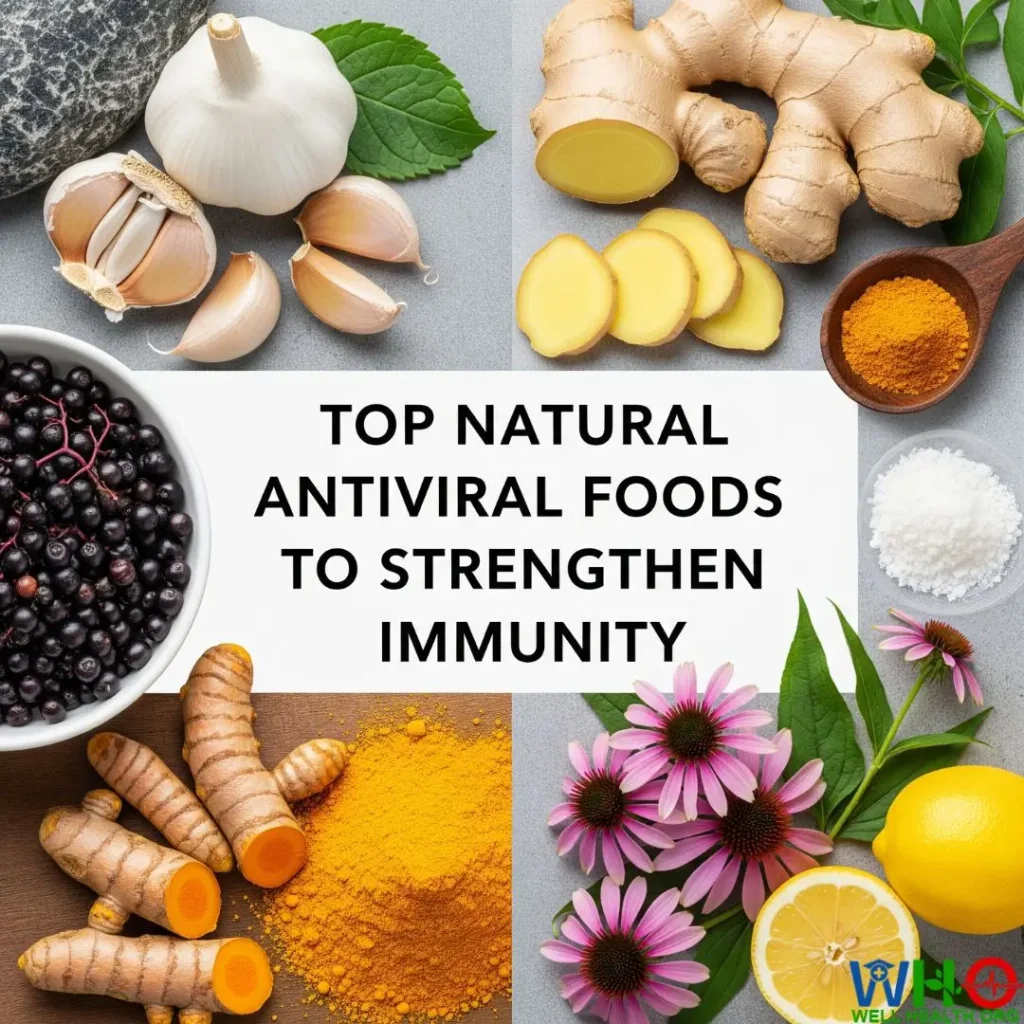
- Top Natural Antiviral Foods to Strengthen Immunity
- Fermented Foods: Your Gut’s First Line of Defense
- Powerful Antiviral Herbs from Nature’s Pharmacy
- Everyday Spices That Double as Antivirals
- Fruits and Vegetables That Naturally Combat Viruses
- Other Notable Natural Antivirals Worth Adding to Your Diet
- How to Incorporate Natural Antivirals into Your Daily Life
- Lifestyle Habits That Work Hand-in-Hand with Natural Antivirals
- Harnessing Nature’s Defenses for Lasting Immunity
- Conclusion
- FAQs
This in-depth guide will walk you through how viruses operate, why natural antivirals are so powerful, and which foods and herbs are backed by science for their infection-fighting abilities. By the end, you’ll know exactly how to incorporate these immune-boosting ingredients into your daily meals, along with practical tips for maintaining overall wellness.
Understanding How Viruses Work and Why Natural Antivirals Matter
To appreciate how antiviral foods help, it’s important to first understand how viruses function. Viruses are microscopic agents that can’t survive or reproduce on their own. Instead, they invade healthy cells in your body, hijacking their machinery to make more copies of themselves. Once replicated, these viral particles burst out and infect surrounding cells, leading to illnesses that range from mild colds to serious respiratory infections.
Your immune system is your natural army against these invaders. It recognizes, attacks, and neutralizes viruses before they can cause severe harm. However, when the immune system is compromised—due to poor nutrition, lack of sleep, stress, or chronic illness—viruses can gain the upper hand.
This is where natural antivirals come into play. Many plant-based foods and herbs contain compounds that either strengthen your immune defenses or directly interfere with viral replication. They work synergistically with your body’s natural mechanisms, helping you build resilience from within. Unlike synthetic drugs, these natural options typically come with additional benefits such as reducing inflammation, balancing gut health, and improving overall vitality.
Top Natural Antiviral Foods to Strengthen Immunity
Nature has blessed us with countless antiviral ingredients—some of which are probably already in your pantry. Let’s explore the most effective and scientifically supported options.
Fermented Foods: Your Gut’s First Line of Defense
A healthy gut is often referred to as the foundation of strong immunity, and fermented foods are the key to keeping it balanced. These foods are loaded with probiotics—beneficial bacteria that support digestion, nutrient absorption, and immune response.

Yogurt and Kefir:
Both yogurt and kefir are fermented milk products known for their immune-modulating effects. Kefir, in particular, is rich in diverse probiotic strains that enhance the activity of natural killer cells—your body’s viral-fighting soldiers. Studies have shown that kefir’s anti-inflammatory properties can help calm the “cytokine storm,” an excessive immune reaction linked to severe viral infections like COVID-19.
Yogurt, on the other hand, helps maintain a balanced gut microbiome. Certain probiotic strains found in yogurt, such as Lactobacillus rhamnosus and Bifidobacterium lactis, have demonstrated antiviral activity against rotavirus—one of the leading causes of diarrhea in children. A bowl of plain, unsweetened yogurt with fruit or honey is an easy way to strengthen your gut every day.
Kimchi:
This spicy Korean staple is more than a flavorful side dish. Kimchi is teeming with beneficial microbes and vitamins A, B, and C—all crucial for immune health. Research has shown that certain strains of Lactobacillus plantarum derived from kimchi can inhibit the growth of the H1N1 influenza virus. Regularly including kimchi in your diet not only supports digestion but also fortifies your body’s viral defenses naturally.
Other fermented favorites like sauerkraut, miso, and tempeh offer similar benefits and can easily be integrated into soups, salads, and sandwiches.
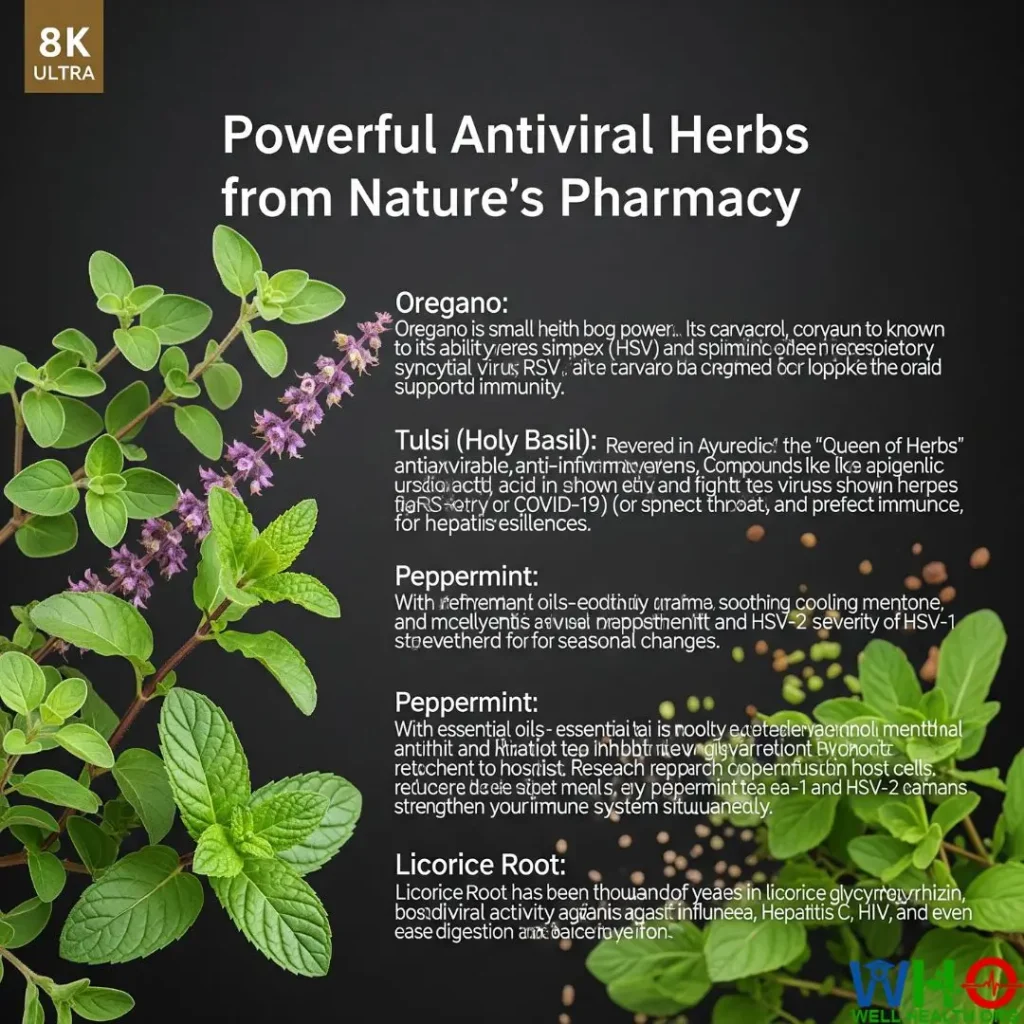
Powerful Antiviral Herbs from Nature’s Pharmacy
For centuries, herbs have been humanity’s natural medicine cabinet. Long before modern antivirals existed, civilizations relied on herbal remedies to prevent and treat viral infections. Let’s look at some of the most potent antiviral herbs backed by modern research.
Oregano:
Oregano is a small herb with big power. Its active compound, carvacrol, is known for its ability to combat viruses like herpes simplex (HSV) and respiratory syncytial virus (RSV). Preliminary studies also suggest that carvacrol may inhibit the entry of SARS-CoV-2 (the virus responsible for COVID-19) into host cells. A few drops of oregano essential oil diluted in carrier oil or a sprinkle of dried oregano on food can go a long way toward supporting immunity.
Tulsi (Holy Basil):
Revered in Ayurvedic medicine as the “Queen of Herbs,” tulsi has remarkable antiviral, anti-inflammatory, and antioxidant properties. Compounds like apigenin and ursolic acid in tulsi have shown promise in fighting herpes and hepatitis B viruses. Drinking tulsi tea regularly can help clear respiratory passages, soothe the throat, and enhance immune resilience—making it a perfect herb for seasonal changes.
Peppermint:
With its refreshing aroma and cooling sensation, peppermint is not only soothing but also antiviral. Its essential oils—especially menthol and menthone—help relieve congestion and inhibit viral attachment to host cells. Research suggests peppermint extracts may reduce the severity of HSV-1 and HSV-2 outbreaks. Enjoy peppermint tea after meals to ease digestion and strengthen your immune system simultaneously.
Licorice Root:
Licorice root has been prized for thousands of years for its sweet flavor and medicinal value. The compound glycyrrhizin, found in licorice, possesses broad-spectrum antiviral activity against influenza, hepatitis C, HIV, and even coronaviruses. It works by suppressing viral replication and stimulating the body’s natural production of interferons—proteins that interfere with viral multiplication. However, licorice root should be used moderately, as excessive intake may affect blood pressure.
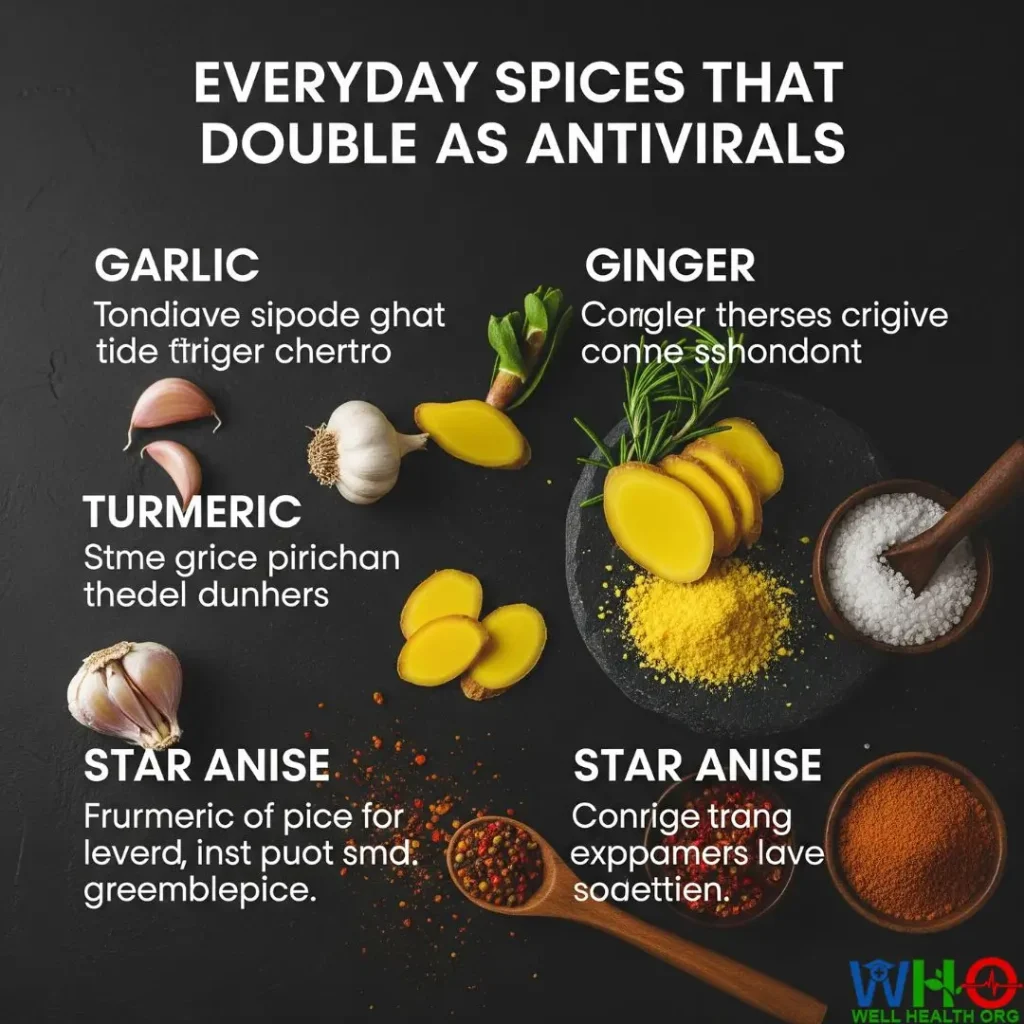
Everyday Spices That Double as Antivirals
You don’t need to search far for natural medicine—your spice rack is filled with healing ingredients that not only elevate the flavor of your meals but also protect your health.
Garlic:
Garlic has long been called “nature’s antibiotic,” but its antiviral potential is equally impressive. The active compound allicin helps block viruses from attaching to host cells and replicating. Regular garlic consumption has been associated with reduced incidence of colds and flu. For best results, crush or chop raw garlic and let it sit for 10 minutes before consuming—it allows allicin to fully activate.
Ginger:
Known for its warming effect, ginger is a powerhouse against respiratory infections. Fresh ginger contains gingerols and shogaols, compounds that reduce inflammation and enhance circulation. Studies have shown that fresh ginger can inhibit the replication of the human respiratory syncytial virus (HRSV), a common cause of respiratory infections. Adding fresh ginger slices to tea or smoothies is a simple way to enjoy its benefits daily.
Turmeric:
Turmeric’s golden hue comes from curcumin—a potent anti-inflammatory and antioxidant compound. Curcumin helps regulate the immune response and enhances antibody production. One study even found that people who took curcumin supplements developed higher antibody levels after receiving the COVID-19 vaccine. A teaspoon of turmeric in your cooking or a “golden milk” latte made with warm milk, turmeric, and honey can support your health naturally.
Star Anise:
You might recognize star anise by its beautiful star shape and sweet-spicy aroma. It contains shikimic acid, a key compound used to manufacture the antiviral drug Tamiflu. Star anise also has antioxidant properties that help fight inflammation and support respiratory health. Add a few pods to teas, soups, or broths for both flavor and immune support.
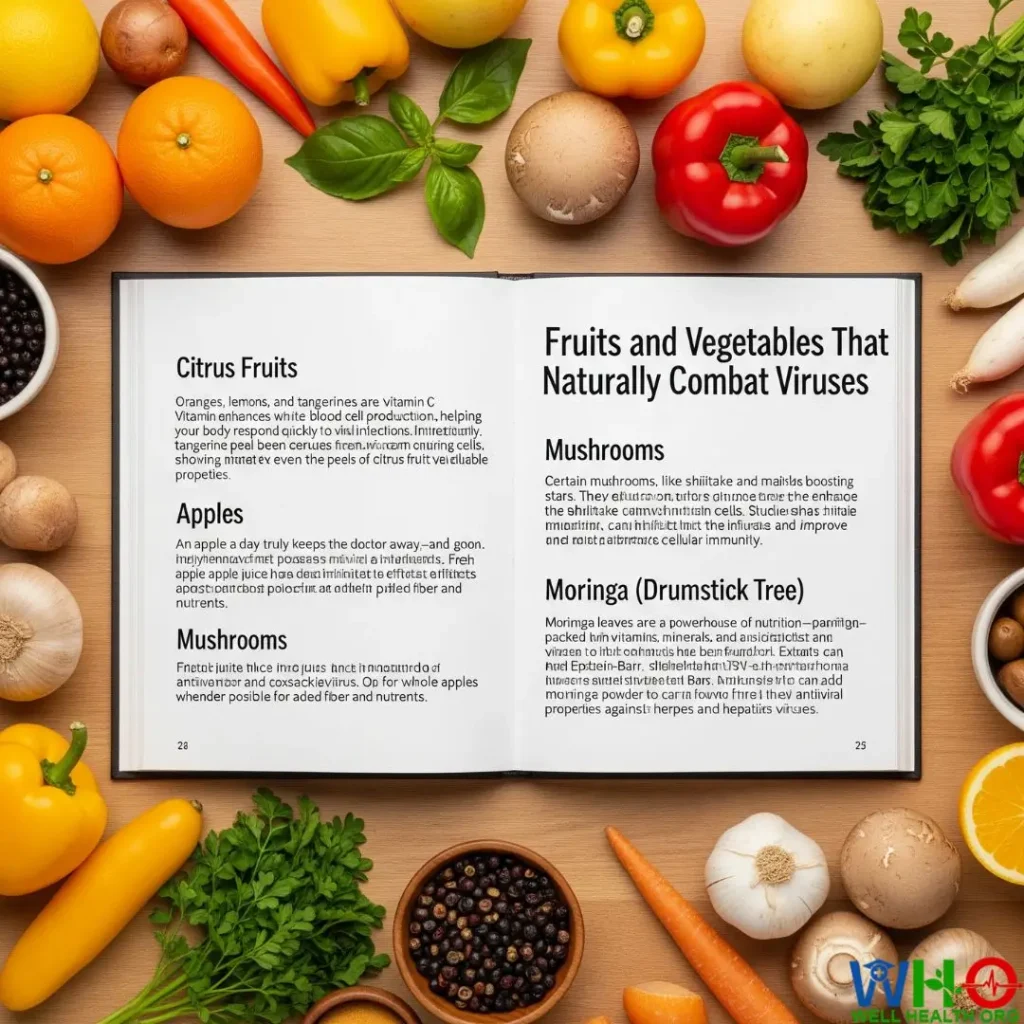
Fruits and Vegetables That Naturally Combat Viruses
A diet rich in fruits and vegetables provides the essential nutrients and antioxidants your body needs to stay healthy. Some are particularly renowned for their antiviral power.
Citrus Fruits:
Oranges, lemons, and tangerines are vitamin C superstars. Vitamin C enhances white blood cell production, helping your body respond quickly to viral infections. Interestingly, tangerine peel extract has been found to block certain arenaviruses from entering cells, showing that even the peels of citrus fruits hold valuable properties.
Apples:
An apple a day truly keeps the doctor away—and for good reason. Apples are rich in polyphenols that possess antiviral and anti-inflammatory effects. Fresh apple juice has demonstrated inhibitory effects against poliovirus and coxsackievirus. Opt for whole apples whenever possible for added fiber and nutrients.
Mushrooms:
Certain mushrooms, like shiitake and maitake, are immune-boosting stars. They contain beta-glucans that enhance the function of white blood cells. Studies show that shiitake mushrooms, in particular, can inhibit the influenza virus and improve cellular immunity. Reishi mushrooms are also known for their antiviral properties against herpes and hepatitis viruses.
Moringa (Drumstick Tree):
Moringa leaves are a powerhouse of nutrition—packed with vitamins, minerals, and antioxidants. Extracts from moringa have been found to inhibit viruses such as HSV-1 and Epstein-Barr. You can add moringa powder to smoothies or soups for an easy nutrient boost.
Other Notable Natural Antivirals Worth Adding to Your Diet
While the more popular antiviral foods get plenty of attention, there are several other natural ingredients that deserve a spot on your table for their remarkable health-promoting and virus-fighting abilities. These may already be part of your daily routine without you realizing how powerful they truly are.

Honey — Nature’s Sweet Medicine
Honey is more than just a natural sweetener; it’s one of the oldest and most trusted healing substances known to humanity. Raw, unprocessed honey—especially Manuka honey from New Zealand—is packed with antioxidants, enzymes, and a compound called methylglyoxal (MGO), which gives it potent antiviral properties.
Research indicates that Manuka honey can suppress the influenza virus and inhibit the replication of several other viruses, including herpes and varicella (chickenpox). It’s also a natural antibacterial agent, making it effective for soothing sore throats and healing wounds. A spoonful of raw honey in warm tea, on toast, or directly on the tongue can calm the throat, ease coughs, and provide gentle immune support.
For the best benefits, avoid heating honey above 40°C (104°F), as high temperatures can destroy its beneficial enzymes. Instead, use it as a finishing ingredient—drizzle it over oatmeal, yogurt, or herbal teas once they’ve cooled slightly.
Green Tea — The Immune-Boosting Elixir
Green tea is famous for its high content of polyphenols, particularly catechins like epigallocatechin gallate (EGCG), which are known to have antiviral, antibacterial, and anti-inflammatory effects. Studies suggest that green tea catechins can block viral replication and even interfere with the binding of viruses to host cells.
Daily consumption of green tea has been associated with a lower risk of influenza and respiratory infections. Beyond its antiviral power, green tea also enhances metabolism, supports brain health, and provides a calm energy boost without the jitteriness of coffee.
To make the most of its benefits, enjoy two to three cups a day. Adding a squeeze of lemon can increase the absorption of antioxidants, while a teaspoon of honey can make it a soothing tonic for your throat.
Coconut Oil — Nature’s Antiviral Fat
Coconut oil is rich in lauric acid and monolaurin, two compounds that can break down the lipid membranes of certain viruses, rendering them inactive. Research suggests that these compounds can help combat viruses like influenza, HIV, and cytomegalovirus.
In traditional tropical diets, coconut oil has been valued for its healing and immune-strengthening effects. Using it for cooking, baking, or as a natural moisturizer can offer multiple health benefits beyond antiviral protection. A tablespoon a day of virgin coconut oil can be a nourishing addition to your wellness routine.
Elderberries — The Classic Cold and Flu Remedy
Elderberries have long been used as a folk remedy for colds and influenza, and modern research backs up their antiviral power. Elderberry extracts and syrups can shorten the duration and severity of flu symptoms by inhibiting viral entry and replication. They’re also rich in flavonoids and anthocyanins, which reduce inflammation and strengthen the immune response.
Drinking elderberry syrup during cold season or mixing it into smoothies can provide an added layer of protection. However, raw elderberries should not be consumed, as they can be toxic before cooking or processing.
Cinnamon — A Sweet Spice with Strong Antiviral Punch
Cinnamon is more than a warming spice for desserts—it’s a medicinal powerhouse. Cinnamaldehyde, the main active compound in cinnamon, has demonstrated antiviral properties against influenza and HIV. It also helps regulate blood sugar levels, reduce inflammation, and improve circulation.
You can sprinkle cinnamon on oatmeal, coffee, or yogurt, or add it to savory dishes like stews and roasted vegetables. Combined with honey, it makes a soothing natural remedy for sore throats and colds.
How to Incorporate Natural Antivirals into Your Daily Life
Adding these powerful foods and herbs to your diet doesn’t have to be complicated. With a little creativity, you can turn your meals into medicine without sacrificing flavor. Here are some simple and delicious ways to incorporate antiviral foods into your everyday life:

Start Your Morning Right:
- Add a spoonful of yogurt or kefir to your breakfast bowl, smoothie, or overnight oats.
- Brew a cup of green tea or tulsi tea to begin your day with a gentle energy lift.
- Mix a teaspoon of turmeric into warm almond milk with a dash of cinnamon and honey for a morning “golden latte.”
Power Up Your Lunch and Dinner:
- Toss fresh garlic, ginger, and oregano into soups, stir-fries, or pasta sauces.
- Include a serving of kimchi or sauerkraut as a side dish to aid digestion and strengthen immunity.
- Sprinkle moringa powder or chopped herbs like basil and parsley over your salads for an antioxidant boost.
Smart Snacking Options:
- Keep citrus fruits like oranges, mandarins, and grapefruits handy for a quick vitamin C fix.
- Munch on apple slices with peanut butter or honey for a nourishing snack.
- Enjoy a handful of nuts or seeds with a cup of peppermint or ginger tea.
Bedtime Wellness Rituals:
- End your day with a calming tea made from chamomile, peppermint, or licorice root.
- Take a spoonful of raw honey before bed to soothe your throat and promote restful sleep.
By making small adjustments to your meals, you can effortlessly nourish your body with virus-fighting nutrients while enjoying delicious, satisfying foods.
Lifestyle Habits That Work Hand-in-Hand with Natural Antivirals
While antiviral foods and herbs are powerful allies, their effects are magnified when paired with healthy lifestyle habits. Your diet is the foundation, but how you live daily determines how well your immune system performs.

Eat a Balanced, Whole-Food Diet:
Focus on unprocessed foods—plenty of colorful fruits, leafy greens, lean proteins, healthy fats, and whole grains. A rainbow of foods ensures your body receives a wide range of nutrients, antioxidants, and phytochemicals.
Stay Hydrated:
Water helps flush toxins and supports every bodily function, including immune defense. Aim for 8–10 glasses daily, and include hydrating beverages like herbal teas or infused water with lemon and mint.
Prioritize Sleep:
Your immune system does most of its repair work while you sleep. Aim for at least 7 to 9 hours of quality rest each night. If you struggle with sleep, try creating a relaxing bedtime routine—dim lights, limit screens, and sip soothing herbal teas like chamomile or tulsi.
Exercise Regularly:
Moderate exercise improves circulation, reduces inflammation, and supports immune health. Activities like brisk walking, yoga, or swimming for 30 minutes a day can make a big difference.
Manage Stress:
Chronic stress releases cortisol, which suppresses immune function. Counteract this with mindful practices like deep breathing, meditation, journaling, or spending time in nature.
Limit Alcohol and Avoid Smoking:
Excessive alcohol and tobacco can weaken the immune system and make you more vulnerable to infections. Reducing or eliminating these habits gives your body the strength it needs to defend itself naturally.
By combining these lifestyle principles with antiviral foods, you create a holistic shield that supports your body’s natural healing and defense mechanisms year-round.
Harnessing Nature’s Defenses for Lasting Immunity
Building a resilient immune system isn’t about quick fixes or miracle cures—it’s about consistency. By incorporating antiviral foods such as garlic, ginger, turmeric, and fermented foods into your daily routine, you give your body the nourishment it needs to fight off viruses and recover more quickly when illness strikes.
Nature’s pharmacy is abundant, and its remedies are often safer and more sustainable than synthetic alternatives. However, it’s essential to remember that these natural antivirals are not a replacement for medical treatment—especially in severe infections or chronic illnesses. Instead, they complement your health plan by supporting the body’s natural defense systems.
Start small. Add an extra clove of garlic to your meal, sip on herbal teas throughout the day, and keep fresh fruits and vegetables on hand. Over time, these small choices compound, leading to stronger immunity, better energy, and a greater sense of vitality.
Nature provides everything we need to thrive—it’s simply up to us to use it wisely. By listening to your body, nourishing it with whole, antiviral foods, and adopting healthy habits, you can truly harness nature’s power for lifelong wellness.
Conclusion
Incorporating natural antiviral foods into your lifestyle is one of the most empowering ways to take charge of your health. These foods—ranging from probiotics and herbs to spices and fruits—work harmoniously to support your immune system, reduce inflammation, and keep your body strong against viral threats.
While no single food can guarantee protection, a balanced diet rich in these natural antivirals combined with proper sleep, hydration, and stress management can dramatically improve your body’s resilience. So next time you reach into your pantry or fridge, remember: the secret to stronger immunity might already be sitting on your kitchen shelf.
Make nature your ally—eat with purpose, live mindfully, and enjoy the vitality that comes from nurturing your body the natural way.
FAQs
1. Can natural antiviral foods prevent viral infections completely?
Not entirely. While they can significantly reduce your risk and strengthen your immune system, they don’t guarantee immunity. They work best as part of an overall healthy lifestyle that includes balanced nutrition, sleep, and hygiene.
2. How often should I eat antiviral foods?
Aim to include a variety of antiviral foods daily. Consistency is key—small, regular doses are more effective than occasional large amounts.
3. Are there side effects to using herbal antivirals like licorice root or oregano oil?
Yes, some herbs can interact with medications or cause side effects if overused. For example, licorice root may increase blood pressure. Always consult a healthcare professional before starting herbal supplements.
4. Can children and elderly people consume antiviral foods safely?
Absolutely! Most antiviral foods like fruits, yogurt, and garlic are safe for all ages. However, potent herbal remedies or essential oils should be used cautiously and under guidance.
5. What’s the best way to boost immunity naturally?
Combine nutrient-rich foods with good sleep, regular exercise, hydration, and stress reduction. Balance and consistency matter more than any single ingredient.
Medically Reviewed by Prof. Dr. Akram
Orthopedic Surgeon | Professor | Senior Medical Specialist
Prof. Dr. Akram is a distinguished surgeon with over 15 years of clinical expertise. Having served as a lead Emergency Specialist at Complex International Government Hospital, he currently leads a specialized team of 13 medical professionals at his private hospital. As a Professor at top medical universities, he ensures that every article on WellHealthOrg.com meets rigorous clinical standards.
Medical Disclaimer:
The information provided is for educational purposes only and is not a substitute for professional medical advice, diagnosis, or treatment. Always consult your physician for any medical concerns.
Our content is rigorously fact-checked by our 13-member Editorial Team under the clinical supervision of Prof. Dr. Akram.