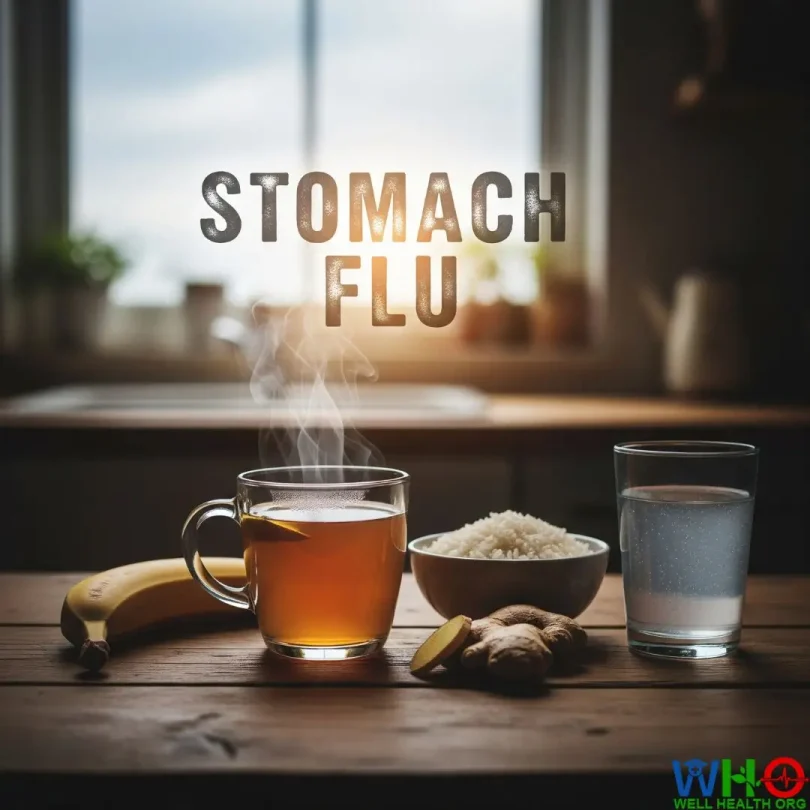
Understanding the Stomach Flu (Viral Gastroenteritis)
The stomach flu, medically known as viral gastroenteritis, is one of those illnesses that can turn an ordinary day into a test of endurance. It sneaks up on you—often beginning with chills, nausea, and mild abdominal cramping—before quickly escalating into more severe symptoms like vomiting, diarrhea, fever, and body aches. Though it’s called the “stomach flu,” it’s not related to influenza (the respiratory flu). Instead, it’s caused by a variety of viruses such as norovirus, rotavirus, astrovirus, or adenovirus.
- Understanding the Stomach Flu (Viral Gastroenteritis)
- Why Hydration is the Cornerstone of Recovery
- Best Drinks to Replenish Fluids
- 1. Water and Clear Broth
- 2. Electrolyte Solutions
- 3. Herbal Teas for Soothing Relief
- Drinks to Avoid During Stomach Flu
- Adjusting Your Diet During Recovery
- The BRAT Diet and Beyond
- Foods to Avoid Until Fully Recovered
- Natural Remedies for Comfort and Healing
- 1. Ginger
- 2. Apple Cider Vinegar
- 3. Probiotics
- 4. Heat Therapy
- The Importance of Rest and Recovery
- When to Seek Medical Help
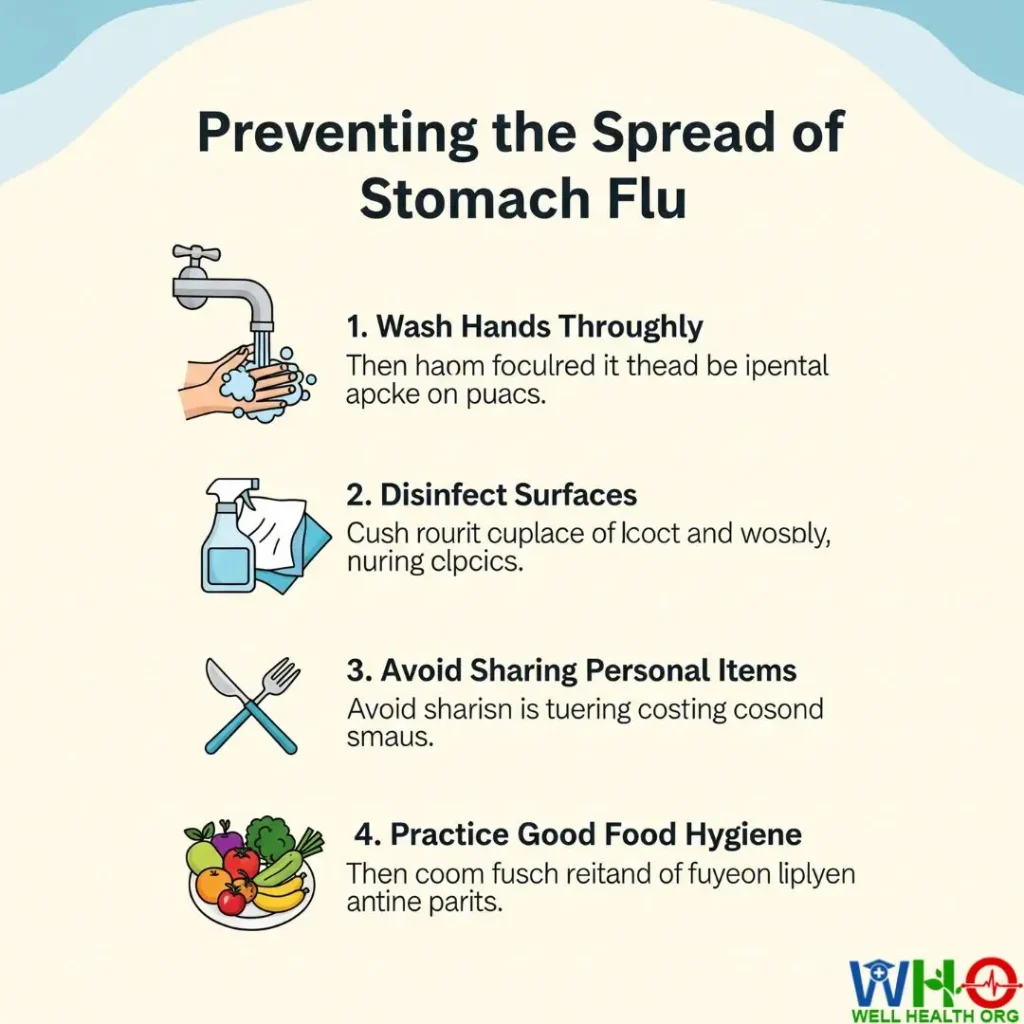
- Preventing the Spread of Stomach Flu
- 1. Wash Hands Thoroughly
- 2. Disinfect Surfaces
- 3. Avoid Sharing Personal Items
- 4. Practice Good Food Hygiene
- Boosting Your Gut Health After Recovery
- Can You Get Stomach Flu More Than Once?
- Common Questions About Stomach Flu
- Your Road to Recovery
- Practical Tips to Speed Up Recovery
- 1. Start Hydrating Early
- 2. Avoid Lying Flat After Eating or Drinking
- 3. Reintroduce Food Slowly
- 4. Keep Meals Small and Frequent
- 5. Use Natural Nausea Remedies
- 6. Protect Your Gut Flora
- 7. Give Your Body Time
- Understanding the Role of the Immune System
- Real-Life Recovery Experiences
- Understanding Viral Gastroenteritis in Children
- Key Signs of Dehydration in Kids
- What to Feed a Child After Stomach Flu
- Prevention Tip for Parents
- The Connection Between Stress and Stomach Health
- Rebuilding Strength After Stomach Flu
- When Stomach Flu Becomes Severe
- Long-Term Prevention Strategies
- Final Thoughts: Listening to Your Body
- FAQs About Stomach Flu
- Conclusion: Your Path to Complete Recovery
These viruses attack the intestines, causing inflammation that leads to digestive distress. Because it’s viral in nature, antibiotics are useless, and there’s no single medication that can “cure” it. The virus simply has to run its course, usually lasting anywhere from one to seven days depending on your immune system and the specific virus strain.
That said, home care can make a world of difference. With the right balance of hydration, nutrition, rest, and hygiene, you can ease the symptoms, prevent dehydration, and recover more comfortably. This guide covers the best home remedies for stomach flu, practical self-care tips, and important red flags that tell you when to seek medical help.
Why Hydration is the Cornerstone of Recovery
When you’re down with the stomach flu, staying hydrated isn’t just important—it’s life-saving. Your body loses vital fluids and electrolytes through vomiting, diarrhea, and even sweating due to fever. These losses can quickly lead to dehydration, a potentially serious complication that can make you feel weak, dizzy, or confused.
Even if you’re struggling to keep liquids down, small sips frequently can help replenish your fluids. Try to take a teaspoon every few minutes, or suck on ice chips if swallowing feels difficult. The goal is consistency—your stomach might reject a full glass of water at once, but it will tolerate tiny amounts over time.
Best Drinks to Replenish Fluids

1. Water and Clear Broth
Water is the simplest and most essential fluid to prevent dehydration. If you crave something with more flavor, opt for clear broths such as chicken, vegetable, or bone broth. These not only replace lost fluids but also supply small amounts of salt and nutrients that help restore electrolyte balance.
2. Electrolyte Solutions
Oral rehydration solutions (ORS) like Pedialyte or Hydralyte are excellent choices. They contain the right balance of sodium, potassium, and glucose to quickly restore hydration levels. Sports drinks like Gatorade or Powerade can also help, though their sugar content makes them better suited for adults rather than small children.
3. Herbal Teas for Soothing Relief
Certain teas can calm your digestive tract:
- Ginger tea helps reduce nausea and vomiting, thanks to its natural anti-inflammatory compounds.
- Peppermint tea relaxes stomach muscles and eases cramping.
- Chamomile tea has mild sedative effects that can help you relax and sleep better.
Always drink your tea lukewarm—hot beverages may irritate an already sensitive stomach.
Drinks to Avoid During Stomach Flu
While it’s tempting to reach for familiar beverages, some drinks can worsen your symptoms:
- Caffeinated drinks: Coffee, black tea, and energy drinks increase urine output and worsen dehydration.
- Alcohol: It’s a diuretic and irritates the stomach lining, intensifying nausea.
- Sugary beverages: Soda, fruit juices, and sweetened drinks can draw water into the intestines, worsening diarrhea.
- Dairy-based drinks: Milk and creamy beverages may be hard to digest during infection.
In short, stick to clear, non-caffeinated, low-sugar fluids until you feel well again.
Adjusting Your Diet During Recovery
When your appetite starts to return, resist the urge to dive into your favorite comfort foods right away. The digestive system is still fragile and needs time to regain its balance. Gradually reintroduce bland, low-fiber, easy-to-digest foods that are gentle on the stomach.
The BRAT Diet and Beyond
The classic BRAT diet—Bananas, Rice, Applesauce, and Toast—is often recommended as the first step toward normal eating after a stomach bug. Each food offers a specific benefit:
- Bananas: Rich in potassium, bananas help restore electrolytes lost through vomiting or diarrhea. They also contain pectin, a soluble fiber that can help firm up loose stools.
- Rice: Plain white rice provides carbohydrates for energy without taxing your digestive system. Avoid brown rice during this phase since its fiber content can irritate your stomach.
- Applesauce: Gentle on digestion and packed with pectin, applesauce can soothe an upset stomach and provide mild sweetness without the acidity of whole apples.
- Toast: Simple white toast offers carbs without fat or fiber. It’s also easy to chew and digest.
While effective, the BRAT diet is nutritionally limited. Once you can tolerate these basics, move on to a more varied diet to regain strength—think boiled potatoes, oatmeal, scrambled eggs, or baked chicken.
Foods to Avoid Until Fully Recovered
Certain foods can inflame your digestive system or prolong your symptoms:
- Dairy products: Temporary lactose intolerance is common after stomach flu, as the virus can reduce your intestine’s ability to digest lactose.
- Greasy or fried foods: They take longer to digest and can trigger nausea or diarrhea.
- Spicy and acidic foods: Chili, tomato sauce, citrus fruits, and vinegar-based dishes can irritate your gut lining.
- High-fiber foods: Beans, lentils, raw vegetables, and whole grains may be too rough on your recovering stomach.
Avoid these for at least a few days after symptoms subside to prevent a relapse.
Natural Remedies for Comfort and Healing
Home remedies aren’t just old wives’ tales—many are supported by science for their ability to calm the stomach and aid recovery.

1. Ginger
Fresh ginger, whether in tea or chewed raw, is known for its antiemetic (anti-nausea) properties. It helps reduce queasiness, calms the digestive tract, and may even shorten recovery time.
2. Apple Cider Vinegar
A small amount diluted in water (1 teaspoon in a glass) may help balance stomach acid and fight harmful bacteria. However, this should be used cautiously and avoided on an empty stomach.
3. Probiotics
After a stomach virus, your gut microbiome is often disrupted. Probiotics—found in yogurt, kefir, or supplements—can help restore healthy gut bacteria. Start slowly once your stomach settles.
4. Heat Therapy
Placing a warm compress or heating pad on your abdomen can help relieve cramping and bloating by relaxing intestinal muscles.
The Importance of Rest and Recovery
Fighting off a viral infection takes energy—energy your body can’t spare for anything else. Rest is one of the most underrated remedies for stomach flu.
- Prioritize sleep: Your immune system releases cytokines (proteins that fight infection) primarily during deep sleep.
- Limit physical activity: Even light chores can delay recovery. Stay in bed or on the couch, and allow your body to focus on healing.
- Create a calm environment: Soft lighting, quiet surroundings, and comfortable bedding promote relaxation, which supports recovery.
Remember, exhaustion after stomach flu is normal—it’s your body’s way of signaling that it still needs time to rebuild.
When to Seek Medical Help
While most cases resolve with home care, there are times when stomach flu becomes dangerous. Seek medical attention if you notice any of the following:
- Persistent vomiting lasting more than 24 hours
- Inability to keep fluids down
- Signs of severe dehydration (dark urine, dry mouth, sunken eyes, dizziness)
- High fever above 102°F (38.8°C)
- Blood in vomit or stool
- Extreme weakness or confusion
For infants, elderly adults, or people with chronic illnesses, it’s always best to consult a doctor early. Their immune systems are more vulnerable to complications.
Preventing the Spread of Stomach Flu
Viral gastroenteritis spreads incredibly fast. The viruses can linger on surfaces for days and spread through contact, contaminated food, or droplets. Prevention depends on strict hygiene and awareness.
1. Wash Hands Thoroughly
Use soap and warm water for at least 20 seconds—especially after using the bathroom, changing diapers, or before eating. Hand sanitizers aren’t as effective against norovirus.
2. Disinfect Surfaces
Use bleach-based cleaners or disinfectant sprays to sanitize kitchen counters, bathroom fixtures, doorknobs, and phones.
3. Avoid Sharing Personal Items
Don’t share utensils, towels, toothbrushes, or drinks—even after symptoms fade, as the virus can remain contagious for days.
4. Practice Good Food Hygiene
Wash fruits and vegetables thoroughly, cook meats properly, and store leftovers safely. If someone in your home is sick, use separate utensils and wash linens in hot water.
Boosting Your Gut Health After Recovery
Once the worst is over, your digestive system may still feel sensitive. Rebuilding gut health ensures long-term resilience against future infections.
- Eat probiotic-rich foods: Yogurt with live cultures, miso soup, kombucha, and fermented vegetables can help restore gut flora.
- Add prebiotics: Foods like bananas, onions, garlic, and asparagus feed healthy bacteria in your gut.
- Stay hydrated long-term: Even after symptoms disappear, your body continues to replenish fluids and electrolytes.
- Gradually resume a balanced diet: Incorporate lean proteins, healthy fats, and fresh produce as your digestion improves.
Can You Get Stomach Flu More Than Once?
Unfortunately, yes. Unlike some viruses that provide lifelong immunity, the viruses responsible for stomach flu come in many strains. Norovirus alone has several variants, meaning you can catch it multiple times throughout your life. The best defense remains good hygiene, strong immunity, and prompt self-care when symptoms appear.
Common Questions About Stomach Flu
1. How long does the stomach flu last?
Most people recover within 3 to 7 days, although mild fatigue or digestive sensitivity can persist for another week.
2. Is the stomach flu contagious?
Absolutely. You can spread it from one day before symptoms appear until several days after recovery. Wash hands often and isolate yourself while sick.
3. Can medications help?
Over-the-counter remedies like Pepto-Bismol or Imodium can reduce diarrhea in adults, but they’re not recommended for children without a doctor’s advice.
4. How can I prevent dehydration in kids?
Offer oral rehydration solutions in small, frequent sips. Popsicles made from these solutions are a fun way to rehydrate children who resist drinking.
5. Should I take antibiotics?
No. Stomach flu is viral, and antibiotics only treat bacterial infections. Misusing them can disrupt gut bacteria and weaken immunity.
Your Road to Recovery
Recovering from stomach flu is a matter of patience and proper self-care. Focus on hydration, eat light foods when your body allows, and rest as much as possible. Remember, your immune system is doing the hard work behind the scenes—your job is simply to support it.
Within a few days, you’ll notice your energy returning, your appetite improving, and your body slowly regaining balance.
So, take it easy, listen to your body, and let nature do its job. With the right care, you’ll be back to normal before you know it.
Practical Tips to Speed Up Recovery
Recovering from the stomach flu can be frustrating, especially when fatigue and weakness linger. The good news? With mindful self-care and a few simple strategies, you can support your body’s natural healing process and get back to your routine faster.
1. Start Hydrating Early
Don’t wait until you feel extremely thirsty. Dehydration sneaks up quietly, and by the time you feel dizzy or lightheaded, it’s already advanced. Begin sipping fluids as soon as vomiting or diarrhea starts—even if it’s just a few teaspoons every 10 minutes. Electrolyte drinks, coconut water, and diluted fruit juice can all help.
2. Avoid Lying Flat After Eating or Drinking
When your stomach is upset, lying flat can worsen nausea. Try reclining with your upper body slightly elevated for 20–30 minutes after drinking or eating. This helps prevent acid reflux and discomfort.
3. Reintroduce Food Slowly
Once vomiting subsides, start with clear liquids for at least 12–24 hours before progressing to solids. Think broth, diluted juice, or plain tea. Then, move on to soft foods like oatmeal, mashed potatoes, and crackers. Allow your stomach to guide you—if you feel nauseous again, go back to liquids for a few hours.
4. Keep Meals Small and Frequent
Instead of three big meals, eat smaller portions more often. Your digestive system will thank you. It’s easier to process small amounts of food, and you’ll maintain steady energy levels.
5. Use Natural Nausea Remedies
Inhaling the scent of fresh ginger, lemon, or peppermint essential oil can ease queasiness. You can also sip ginger tea or chew a small piece of candied ginger for relief.
6. Protect Your Gut Flora
After stomach flu, your digestive system loses beneficial bacteria. Including probiotics and prebiotics helps your gut recover. Consider yogurt with live cultures, fermented foods like sauerkraut, or a high-quality probiotic supplement.
7. Give Your Body Time
Even after your main symptoms disappear, your stomach and intestines might remain sensitive for several days. Avoid heavy meals, alcohol, and dairy until your digestion feels completely normal.
Understanding the Role of the Immune System
When you’re battling the stomach flu, your immune system becomes your strongest ally. Viruses like norovirus or rotavirus can be ruthless, but your immune defenses fight them off naturally. You can strengthen this response by focusing on the following:
- Get enough sleep: Lack of rest weakens immunity and prolongs recovery.
- Eat immune-boosting foods: Once your appetite returns, include vitamin C-rich fruits like oranges and kiwis, and zinc-containing foods like pumpkin seeds or eggs.
- Stay hydrated: Fluids help flush toxins from your body and keep immune cells active.
- Manage stress: Chronic stress weakens the immune system. Take deep breaths, listen to calming music, or meditate while you recover.
Your immune system needs time to reset after a viral infection, so it’s normal to feel drained. Be patient with your body—it’s rebuilding from the inside out.
Real-Life Recovery Experiences
People often underestimate how exhausting the stomach flu can be until they experience it. For example, Laura, a 35-year-old teacher, recalls catching norovirus from her students. “It hit me like a truck,” she says. “I couldn’t keep anything down for two days, but sipping Pedialyte and taking tiny bites of banana really helped. Once I started eating rice and toast, I finally felt human again.”
Similarly, Michael, a father of two, shares that his family caught a stomach bug during a holiday trip. “The biggest lesson we learned,” he says, “was the importance of disinfecting everything. We didn’t clean surfaces early enough, and all of us ended up sick one after another.”
These stories show that while stomach flu can spread easily and make you miserable, simple preventive actions and home remedies can dramatically ease recovery and protect others.
Understanding Viral Gastroenteritis in Children
Children are particularly vulnerable to stomach flu because their immune systems are still developing. Viruses like rotavirus commonly affect young children and can lead to rapid dehydration.
Key Signs of Dehydration in Kids
- Sunken eyes or cheeks
- Dry mouth and tongue
- Fewer wet diapers (for infants)
- Unusual drowsiness or irritability
- Cool or blotchy hands and feet
If your child shows these symptoms, offer oral rehydration solutions like Pedialyte in small, frequent sips. Avoid giving only water for long periods—it lacks electrolytes that the body needs to stay balanced.
What to Feed a Child After Stomach Flu
Once vomiting stops, introduce bland foods such as mashed bananas, applesauce, and rice cereal. Avoid milk until the digestive system fully recovers. Continue encouraging fluids for several days after symptoms disappear.
Prevention Tip for Parents
The rotavirus vaccine is highly effective in preventing one of the most common causes of stomach flu in children. Practicing handwashing and disinfecting toys can further reduce infection risks.
The Connection Between Stress and Stomach Health
Have you ever noticed how stress seems to make stomach issues worse? That’s because your gut and brain are closely linked through the gut-brain axis. When you’re anxious or under stress, your body releases hormones that can alter digestion, slow healing, and make nausea worse.
To support your recovery:
- Practice deep breathing or gentle yoga.
- Listen to calming music or nature sounds.
- Take short naps throughout the day to reset your mind and body.
Reducing stress not only speeds up recovery but also helps prevent future digestive disturbances.
Rebuilding Strength After Stomach Flu
After the stomach flu passes, it’s common to feel fatigued and weak for a few days. Your muscles may ache, and your appetite may still be limited. Here’s how to rebuild energy safely:
- Start with gentle movement: Once you’re symptom-free for 24 hours, take short walks around the house to improve circulation.
- Eat nutrient-dense foods: Incorporate lean protein (like eggs or chicken), healthy fats (like avocado or olive oil), and complex carbohydrates (like oats or sweet potatoes).
- Hydrate consistently: Continue drinking water and electrolyte solutions even after you feel better.
- Sleep more than usual: Deep sleep repairs tissues, balances hormones, and restores energy levels.
Within a week, most people find their strength and appetite return completely.
When Stomach Flu Becomes Severe
In rare cases, viral gastroenteritis can lead to complications—especially in infants, older adults, or those with weakened immune systems. Dehydration is the most serious concern, but others include:
- Electrolyte imbalance: Severe vomiting or diarrhea can disturb sodium and potassium levels, affecting heart rhythm and muscle function.
- Secondary infections: Bacteria can take advantage of a weakened digestive system.
- Prolonged fatigue: Sometimes your body takes longer to recover, resulting in post-viral tiredness.
If you experience persistent vomiting, fainting, confusion, or signs of blood in stool or vomit, contact a healthcare provider immediately.
Long-Term Prevention Strategies
Once you’ve recovered, it’s natural to want to avoid ever going through that ordeal again. While you can’t completely eliminate the risk, you can reduce it significantly with smart habits:
- Wash hands regularly, especially before meals and after using the restroom.
- Sanitize shared surfaces at home and work weekly.
- Avoid buffet-style or undercooked foods when traveling.
- Stay home when sick—this protects others and helps your body recover faster.
- Strengthen your immune system year-round with balanced nutrition, regular exercise, and adequate sleep.
By following these habits, you’ll lower your chances of catching the virus or spreading it to loved ones.
Final Thoughts: Listening to Your Body
The stomach flu is one of those illnesses that humbles everyone—it forces you to slow down and pay attention to what your body needs. The key to recovery is hydration, rest, gentle nutrition, and patience. Your body knows how to heal; your role is to give it the right environment to do so.
Whether you’re caring for yourself or a family member, remember that this too shall pass. Within days, the worst will be behind you, and you’ll feel stronger for having gone through it.
So next time you face the stomach flu, don’t panic—just reach for your water bottle, brew some ginger tea, grab your blanket, and let time and care do their magic.
FAQs About Stomach Flu
1. Can I go to work with the stomach flu?
No. You should stay home until at least 48 hours after your last vomiting or diarrhea episode to prevent spreading the virus.
2. Can I catch stomach flu from contaminated food?
Yes, contaminated food or water is a common source of infection. Always wash produce and cook meat thoroughly.
3. How can I tell if it’s food poisoning or stomach flu?
Food poisoning usually appears within hours after eating and may affect only those who ate the same meal. Stomach flu symptoms develop 1–3 days after exposure and are often contagious.
4. Are there any natural supplements that help recovery?
Yes, zinc, vitamin C, and probiotics can all support immunity and gut repair. However, check with a healthcare provider before starting any new supplement.
5. How do I protect my household if one person is infected?
Disinfect high-touch surfaces daily, wash linens separately in hot water, and encourage everyone to wash hands frequently with soap and warm water.
Conclusion: Your Path to Complete Recovery
While there’s no instant cure for the stomach flu, these home remedies and preventive measures can make the experience far less daunting. Focus on replenishing fluids, eating mild foods, resting deeply, and maintaining hygiene to speed up recovery and prevent reinfection.
Remember: healing takes time, but with gentle care and awareness, your body always bounces back. So take it slow, stay hydrated, and give yourself the rest you deserve—you’ll be feeling like yourself again before you know it.
Medically Reviewed by Prof. Dr. Akram
Orthopedic Surgeon | Professor | Senior Medical Specialist
Prof. Dr. Akram is a distinguished surgeon with over 15 years of clinical expertise. Having served as a lead Emergency Specialist at Complex International Government Hospital, he currently leads a specialized team of 13 medical professionals at his private hospital. As a Professor at top medical universities, he ensures that every article on WellHealthOrg.com meets rigorous clinical standards.
Medical Disclaimer:
The information provided is for educational purposes only and is not a substitute for professional medical advice, diagnosis, or treatment. Always consult your physician for any medical concerns.
Our content is rigorously fact-checked by our 13-member Editorial Team under the clinical supervision of Prof. Dr. Akram.