

Sinus Relief
Sinus pressure — that nagging, heavy ache behind your nose, eyes, and forehead — can make even the simplest daily activities feel overwhelming. Whether it’s triggered by a seasonal allergy flare-up, a lingering cold, or a sudden change in weather, sinus congestion is a universal discomfort that most people face at some point. While over-the-counter medications can offer quick relief, many prefer natural, safe, and effective alternatives that can be done right at home — without side effects or dependency.
- Sinus Relief
- Understanding Sinus Issues: What’s Really Going On Inside Your Head
- 1. Saline Rinses and Sprays: Flushing Away Congestion Naturally
- 2. Warm Compresses: Soothing Sinus Pressure Instantly
- 3. Humidifiers and Steam Therapy: Restoring Moisture to Dry Sinuses
- 4. Diet and Hydration: Fueling Your Body for Sinus Health
- Stay Hydrated
- Immunity-Boosting Foods
- 5. Lifestyle Adjustments for Long-Term Sinus Comfort
- Elevate Your Head While Sleeping
- Rest and Relaxation
- Gentle Exercise
- Avoid Irritants and Triggers
- 6. Natural Decongestants and Herbal Remedies
- Eucalyptus Oil
- Peppermint Oil
- Apple Cider Vinegar
- Turmeric and Ginger Tea
- Nettle Leaf and Quercetin
- 7. Environmental Tips: Creating a Sinus-Friendly Home
- Keep Indoor Air Clean
- Control Humidity Levels
- Use Natural Cleaning Products
- Wash Bedding Regularly
- 8. When to Seek Medical Help
- 9. Long-Term Prevention: Building Healthier Sinuses Naturally
- Build Immunity Naturally
- Practice Good Hygiene
- Stay Active and Manage Allergies
- 10. Your Path to Lasting Sinus Relief
- FAQs About Natural Sinus Remedies
- Conclusion
In this comprehensive guide, we’ll explore powerful natural sinus home remedies that not only bring relief but also promote long-term sinus health. From saline rinses and herbal steam therapy to hydration tips and dietary support, this article covers every angle. You’ll also learn how to create a sinus-friendly environment, practical lifestyle adjustments, and — most importantly — when it’s time to seek medical attention.
Let’s dive into the world of natural sinus care and help you breathe freely again — the natural way.
Understanding Sinus Issues: What’s Really Going On Inside Your Head
Before trying any remedy, it’s important to understand what’s happening when sinus pressure strikes. The sinuses are air-filled cavities located within your skull — around your nose, eyes, cheeks, and forehead. Their main job is to filter, humidify, and warm the air you breathe, as well as produce mucus that traps dust, bacteria, and allergens.

When your sinus linings become inflamed or swollen, often due to a cold, allergies, or irritants, mucus can’t flow properly. This leads to blockage, which traps air and creates that heavy, throbbing feeling. The pressure may build up around your eyes, temples, and cheeks, sometimes even radiating into your teeth or upper jaw.
Common causes of sinus inflammation include:
- Viral infections such as the common cold or flu
- Seasonal or environmental allergies (like pollen, dust mites, or mold)
- Structural issues like nasal polyps or a deviated septum
- Sudden changes in air pressure (especially during flights)
- Exposure to smoke, pollution, or harsh chemical fumes
If left unchecked, sinus inflammation can progress into sinusitis — an infection of the sinus cavities — which may cause pain, fever, and persistent congestion. The good news? Most sinus pressure and congestion can be eased with safe, natural, at-home techniques.
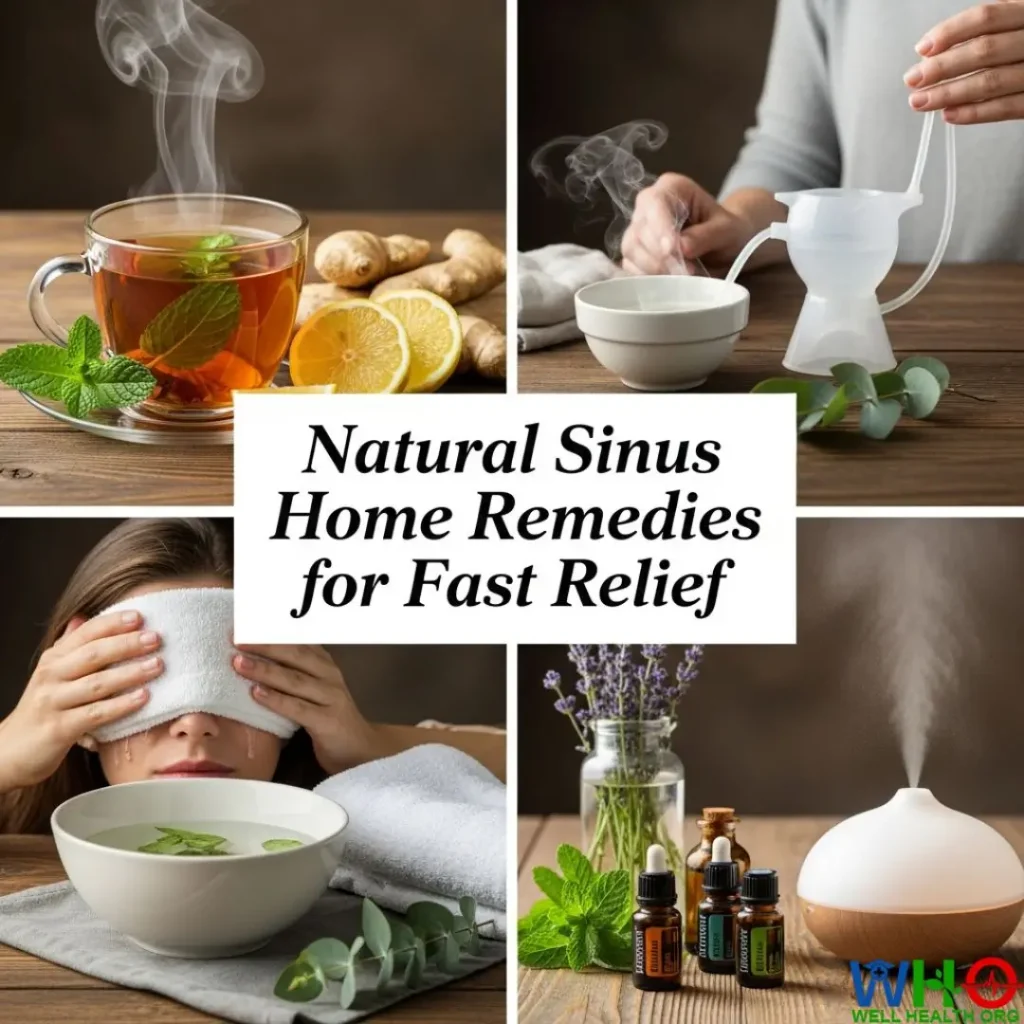
1. Saline Rinses and Sprays: Flushing Away Congestion Naturally
One of the simplest yet most powerful natural remedies for sinus relief is nasal irrigation — cleansing your nasal passages with a saline (saltwater) solution. This method helps remove allergens, dust, and excess mucus, restoring normal airflow and reducing inflammation.
Experts, including those at the Mayo Clinic, recommend saline rinses as a first-line remedy for chronic sinus issues. It’s safe, affordable, and easy to do right in your bathroom.
How to do a saline rinse:
- Start with sterile, distilled, or previously boiled water (never use tap water directly).
- Mix ½ teaspoon of non-iodized salt with a pinch of baking soda in 1 cup of lukewarm water.
- Pour the solution into a neti pot, squeeze bottle, or bulb syringe.
- Lean over a sink, tilt your head sideways, and gently pour the solution into one nostril, allowing it to flow out the other.
- Repeat on the opposite side, then gently blow your nose.
Do this once or twice daily during sinus flare-ups. Regular use can help prevent buildup and make breathing easier.
Pro Tip: If you suffer from chronic allergies, consider adding saline sprays into your morning and bedtime routine to keep nasal tissues moist and allergen-free.
2. Warm Compresses: Soothing Sinus Pressure Instantly
A warm compress is a time-tested home remedy for sinus pressure and facial pain. The gentle heat from the compress increases blood flow, reduces swelling, and encourages sinus drainage — providing quick, soothing relief.
How to apply a warm compress for sinus relief:
- Soak a clean washcloth in warm (not hot) water.
- Wring out excess moisture.
- Place it across your nose, cheeks, and forehead for 10–15 minutes.
- Repeat 2–3 times daily, especially before bed.
If you want to elevate the experience, you can add a few drops of essential oils such as eucalyptus, peppermint, or lavender to the water. These oils have anti-inflammatory and decongestant properties that complement the warmth.
Warm compress therapy not only helps relieve sinus congestion but also reduces facial muscle tension and headache pain. Many people find it to be one of the most comforting and immediate forms of sinus relief available.
3. Humidifiers and Steam Therapy: Restoring Moisture to Dry Sinuses
Dry air — especially during winter or in air-conditioned environments — can irritate nasal tissues and worsen congestion. When your nasal passages dry out, mucus thickens, making it harder to clear your sinuses. That’s where humidifiers and steam inhalation come in.
Using a humidifier:
Run a cool-mist humidifier in your bedroom, particularly at night. Keeping indoor humidity around 40–50% helps maintain healthy nasal function. Always clean your humidifier regularly to prevent mold and bacteria buildup.
Steam inhalation at home:
- Fill a large bowl with hot (but not boiling) water.
- Add a few drops of eucalyptus oil or peppermint oil if desired.
- Drape a towel over your head, lean over the bowl, and inhale the steam for 10 minutes.
This method loosens mucus, opens nasal passages, and provides immediate comfort. You can also take a hot shower and let the steam work its magic — it’s one of the simplest ways to hydrate sinuses and ease breathing.
Bonus Tip: Drink a steaming cup of herbal tea (like chamomile or peppermint) and breathe in the vapors. You’ll benefit from both the moisture and soothing properties of the herbs.
4. Diet and Hydration: Fueling Your Body for Sinus Health
Your diet plays a surprisingly big role in how your sinuses function. Hydration keeps mucus thin and easy to expel, while certain foods help reduce inflammation and strengthen your immune system.

Stay Hydrated
Drinking enough fluids is one of the easiest ways to support sinus drainage. When you’re dehydrated, mucus thickens and clogs the nasal passages. Staying hydrated keeps mucus flowing smoothly and helps your body eliminate toxins.
Best drinks for sinus relief:
- Water – Aim for 8–10 glasses per day.
- Warm herbal teas (like ginger, turmeric, or mint) – Soothe inflammation and keep you hydrated.
- Broths and soups – Warm liquids help thin mucus naturally.
- Fresh juices – Especially citrus-based (rich in vitamin C).
Avoid alcohol, coffee, and sugary sodas — they can dehydrate you and make symptoms worse.
Immunity-Boosting Foods
Certain foods work like natural medicine for your sinuses. Adding these to your diet can help prevent future flare-ups.
- Ginger and Garlic: Potent anti-inflammatory and antibacterial agents. Fresh ginger tea and garlic-infused dishes can accelerate recovery.
- Honey: A natural antibacterial sweetener that soothes sore throats and nasal passages. Add it to warm tea or water with lemon.
- Spicy Foods: Chili peppers, wasabi, and horseradish help open nasal passages and break up congestion.
- Vitamin C-rich fruits: Oranges, kiwi, and bell peppers support your immune defense against colds and allergies.
Tip: Combine chicken soup, garlic, ginger, and lemon for a delicious, healing meal that promotes sinus drainage.
5. Lifestyle Adjustments for Long-Term Sinus Comfort
Relieving sinus pressure isn’t just about temporary fixes — it’s about creating a lifestyle that keeps your sinuses clear and healthy every day. Small, mindful adjustments in your routine can dramatically reduce sinus irritation and help prevent future flare-ups.

Elevate Your Head While Sleeping
If you often wake up congested or with a headache, your sleeping position could be part of the problem. Lying flat allows mucus to pool in your sinuses, increasing pressure. By slightly elevating your head with an extra pillow or two, you help gravity assist drainage and reduce nighttime congestion.
For even better results, consider sleeping on your back or side rather than your stomach, as this encourages better sinus airflow. If you struggle with chronic sinus problems, using a wedge pillow can also help maintain the ideal angle throughout the night.
Rest and Relaxation
Your body needs downtime to heal. Fatigue and stress can weaken the immune system, making you more vulnerable to sinus infections. When your body is well-rested, it can fight off viruses and inflammation more effectively.
Try incorporating relaxation habits such as:
- Deep breathing exercises or mindfulness meditation
- Gentle yoga poses like “Child’s Pose” or “Bridge Pose,” which promote sinus drainage
- Aromatherapy with essential oils such as lavender or eucalyptus to calm your mind while opening your airways
Remember, rest is not laziness — it’s one of the most effective healing tools your body has.
Gentle Exercise
While strenuous workouts may feel impossible when you’re congested, light exercise can actually help. Activities like walking, stretching, or gentle cycling increase circulation, helping to reduce nasal swelling and stimulate drainage. Even a 15-minute walk in fresh air can make a noticeable difference.
However, if your symptoms are severe — especially if you have a fever or significant pressure — it’s best to rest until you feel stronger. The goal is to move your body gently, not exhaust it.
Avoid Irritants and Triggers
Sinus inflammation often worsens when exposed to certain irritants. Smoke, pollution, strong perfumes, and household cleaning products can all trigger a reaction. According to research in the American Journal of Rhinology & Allergy, consistent exposure to these substances can contribute to chronic sinus inflammation.
Practical steps to avoid irritants:
- Keep your home smoke-free.
- Use fragrance-free cleaning and laundry products.
- Avoid burning scented candles or incense.
- During high pollen seasons, keep windows closed and use air purifiers with HEPA filters.
These small changes can make a big difference in preventing sinus irritation and maintaining overall nasal health.
6. Natural Decongestants and Herbal Remedies
Mother Nature offers several powerful ingredients that can naturally ease sinus pressure and congestion without harsh side effects. Let’s look at a few that have stood the test of time.

Eucalyptus Oil
Eucalyptus oil contains cineole, a compound with strong anti-inflammatory and decongestant properties. It helps open up nasal passages and promotes easier breathing.
How to use it:
- Add a few drops of eucalyptus oil to a bowl of steaming water, cover your head with a towel, and inhale deeply.
- Mix a couple of drops with carrier oil (like coconut oil) and rub it on your chest for soothing vapors.
Peppermint Oil
The menthol in peppermint oil helps open nasal airways and cool irritated tissues. Inhaling peppermint steam or adding a drop to your humidifier can bring instant relief.
Apple Cider Vinegar
This household staple helps thin mucus and restore the natural pH balance in your sinuses. Mix one tablespoon of raw apple cider vinegar into a cup of warm water with honey and sip slowly. Drink this 1–2 times a day for several days when symptoms flare.
Turmeric and Ginger Tea
Turmeric is rich in curcumin, a potent anti-inflammatory compound. When combined with ginger, it creates a powerful, natural sinus remedy. Boil a few slices of fresh ginger with ½ teaspoon of turmeric in water, strain, and add honey for a healing tea that soothes your entire respiratory system.
Nettle Leaf and Quercetin
For allergy-related sinus congestion, nettle leaf and quercetin are worth exploring. Both are natural antihistamines that help control allergic inflammation. You can find them in supplement form or herbal teas.
7. Environmental Tips: Creating a Sinus-Friendly Home
Sometimes, your living environment plays a major role in how often you suffer from sinus problems. A few simple household changes can drastically reduce triggers and help you breathe freely year-round.
Keep Indoor Air Clean
Dust, pollen, and pet dander can accumulate in your home and trigger sinus flare-ups. Use a HEPA air purifier to capture airborne allergens and change your HVAC filters regularly. Vacuum with HEPA-filtered machines and dust surfaces with damp cloths to prevent particles from becoming airborne.
Control Humidity Levels
Excess humidity encourages mold growth, while overly dry air irritates nasal tissues. Keep indoor humidity between 40–50% for optimal comfort. Use a dehumidifier in damp basements and a humidifier in dry rooms.
Use Natural Cleaning Products
Many cleaning sprays and air fresheners contain chemicals that can aggravate your sinuses. Opt for natural alternatives like vinegar, baking soda, or mild essential oil-based cleaners.
Wash Bedding Regularly
Dust mites thrive in bedding and can cause nasal inflammation. Wash sheets and pillowcases weekly in hot water, and use allergen-proof covers for pillows and mattresses.
8. When to Seek Medical Help
Natural sinus remedies are safe and effective for mild to moderate discomfort, but sometimes symptoms signal a deeper issue that needs professional attention. Knowing when to visit your doctor can prevent complications and speed up recovery.
You should seek medical advice if:
- Symptoms last longer than 10–14 days
- Your congestion worsens after improving
- You develop a high or persistent fever
- You experience severe facial pain or headaches that don’t respond to home care
- There’s swelling around your eyes or a change in vision
- Your mucus becomes thick, yellow-green, or foul-smelling
These signs may indicate a bacterial infection, a deviated septum, or other structural sinus problems that require targeted treatment such as antibiotics or imaging.
Early medical attention ensures proper diagnosis and prevents chronic sinusitis, which can become much harder to treat over time.
9. Long-Term Prevention: Building Healthier Sinuses Naturally
Once you’ve managed your immediate symptoms, focus on preventing future sinus issues through consistent care and a healthy lifestyle.

Build Immunity Naturally
A strong immune system is your best defense against sinus infections. Eat a balanced diet, stay hydrated, get enough sleep, and manage stress effectively.
Include immune-boosting nutrients like:
- Vitamin C (citrus, berries, bell peppers)
- Zinc (pumpkin seeds, lentils, lean meats)
- Probiotics (yogurt, kefir, fermented foods) to support gut and immune health
Practice Good Hygiene
Wash your hands frequently, especially during cold and flu season, to prevent viral infections that lead to sinus congestion. Avoid touching your face unnecessarily.
Stay Active and Manage Allergies
Regular physical activity improves circulation and reduces inflammation throughout your body, including your sinuses. If you suffer from allergies, work with your doctor to create a long-term management plan — whether that’s allergy shots, medications, or natural approaches like local honey.
10. Your Path to Lasting Sinus Relief
Sinus problems may be common, but they don’t have to control your life. By combining natural remedies, smart lifestyle habits, and a healthy environment, you can take control of your sinus health and breathe easier — literally.
From daily saline rinses and herbal steam inhalation to staying hydrated and eating anti-inflammatory foods, each step brings you closer to lasting comfort. Pay attention to your triggers, listen to your body, and don’t hesitate to seek medical support if symptoms persist.
Your path to sinus relief doesn’t require complicated treatments or endless medications — it simply requires consistency, care, and a touch of nature’s wisdom.
FAQs About Natural Sinus Remedies
1. Can I use saline rinses every day?
Yes, daily use of saline rinses is generally safe and beneficial, especially for allergy sufferers. Just be sure to use sterile or distilled water to prevent contamination.
2. Which essential oils are best for sinus congestion?
Eucalyptus, peppermint, and tea tree oils are most effective for clearing nasal passages and reducing inflammation. Always dilute before applying to skin or use via steam inhalation.
3. Does spicy food really help sinus congestion?
Absolutely. Capsaicin in spicy foods stimulates mucus flow and temporarily opens nasal passages, offering short-term relief.
4. Can dehydration cause sinus pressure?
Yes. When you’re dehydrated, mucus thickens and becomes harder to clear, leading to increased congestion and pressure.
5. How can I tell if my sinus infection is bacterial or viral?
Viral infections usually improve within 10 days. If symptoms worsen or persist beyond that — especially with fever and thick, colored discharge — it may be bacterial and needs medical evaluation.
Conclusion
Your sinuses are a vital part of your respiratory system, and keeping them healthy means paying attention to hydration, diet, environment, and daily self-care. With the remedies and habits in this guide, you can significantly reduce sinus pressure, prevent future infections, and enjoy the simple pleasure of clear, easy breathing.
Medically Reviewed by Prof. Dr. Akram
Orthopedic Surgeon | Professor | Senior Medical Specialist
Prof. Dr. Akram is a distinguished surgeon with over 15 years of clinical expertise. Having served as a lead Emergency Specialist at Complex International Government Hospital, he currently leads a specialized team of 13 medical professionals at his private hospital. As a Professor at top medical universities, he ensures that every article on WellHealthOrg.com meets rigorous clinical standards.
Medical Disclaimer:
The information provided is for educational purposes only and is not a substitute for professional medical advice, diagnosis, or treatment. Always consult your physician for any medical concerns.
Our content is rigorously fact-checked by our 13-member Editorial Team under the clinical supervision of Prof. Dr. Akram.







