

Introduction: Home Remedies for Tuberculosis
Tuberculosis is one of those illnesses that can completely change a person’s daily life. Even though modern medicine has made TB far more treatable than it once was, recovering from it still requires time, patience, and professional medical care. However, many people also wonder whether there are natural ways to feel better at home—methods that can support their body, strengthen their immunity, and make their recovery journey smoother. The truth is, while no home remedy can cure tuberculosis, several natural approaches can support your overall health and complement your prescribed treatment.
In this expanded and comprehensive guide, you’ll find practical, science-informed, and easy-to-follow home remedies for tuberculosis that can help your body heal more effectively. You’ll also learn about nutrition, herbal options, lifestyle habits, and ways to safely support your immune system—all without replacing or interfering with your doctor’s treatment plan. This is your in-depth roadmap to strengthening your body while you’re undergoing medical treatment for TB.
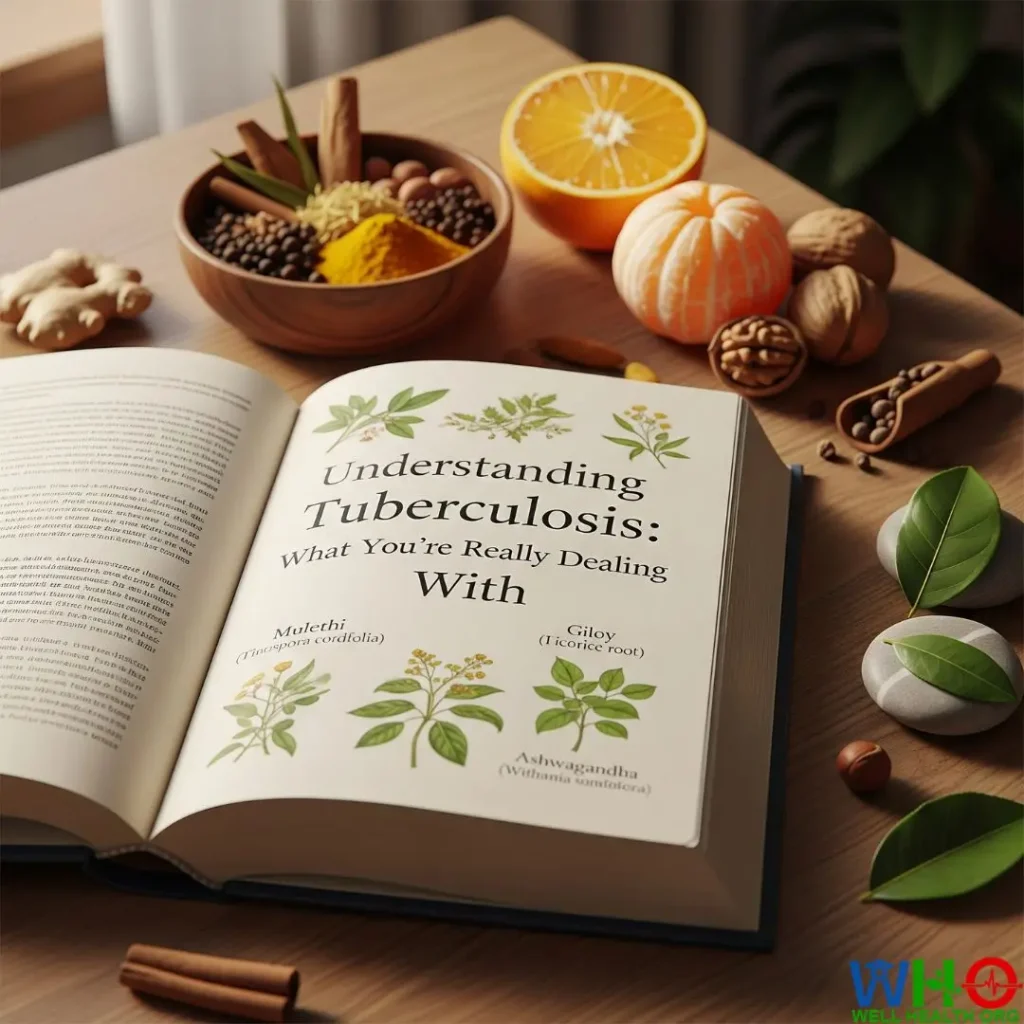
Understanding Tuberculosis: What You’re Really Dealing With
Before exploring any natural remedy, it’s important to clearly understand the disease. Tuberculosis isn’t just a simple infection; it’s a bacterial illness caused by Mycobacterium tuberculosis, a pathogen that primarily targets the lungs but can also invade the lymph nodes, kidneys, bones, spine, and even the brain.
How TB Spreads
TB spreads through the air when someone with active tuberculosis coughs, sneezes, speaks, or laughs. This doesn’t mean you’ll automatically get sick if you inhale the bacteria. In fact, your immune system often plays a major role in determining whether TB becomes active or stays dormant.
Latent vs. Active TB: Why the Difference Matters
Understanding the two forms of TB helps you grasp why treatments vary.
Latent TB
- The bacteria are present in your body but inactive.
- No symptoms appear.
- You cannot infect anyone.
- Treatment is still important because latent TB may turn into active TB later.
Active TB
- The bacteria are actively multiplying.
- You experience noticeable symptoms.
- You can spread TB to others.
- Immediate medical treatment is required.
Common Symptoms of Active Tuberculosis
People with active TB usually experience symptoms that gradually worsen over time. These symptoms may include:
- A cough that lasts longer than three weeks
- Shortness of breath or chest pain
- Coughing up blood or thick sputum
- Night sweats
- Fever or chills
- Constant fatigue
- Loss of appetite and weight loss
Some people also describe feeling generally “unwell,” noticing body aches or a persistent sense of weakness.
How TB Is Diagnosed
Doctors use several tools and tests to diagnose TB accurately. Diagnosis usually involves:
- A thorough physical exam
- Listening to your breathing
- Checking for swollen lymph nodes
- TB skin test (Mantoux test)
- TB blood test
- Chest X-ray
- Sputum examination to detect TB bacteria
Diagnosis is a crucial step because only proper medical treatment can eliminate TB from the body.
The Critical Role of Nutrition in TB Recovery
Nutrition is not just helpful—it’s essential. Many people with TB experience weight loss, decreased appetite, and malnutrition. When your body is already fighting a bacterial infection, lacking essential nutrients makes recovery slower and harder.
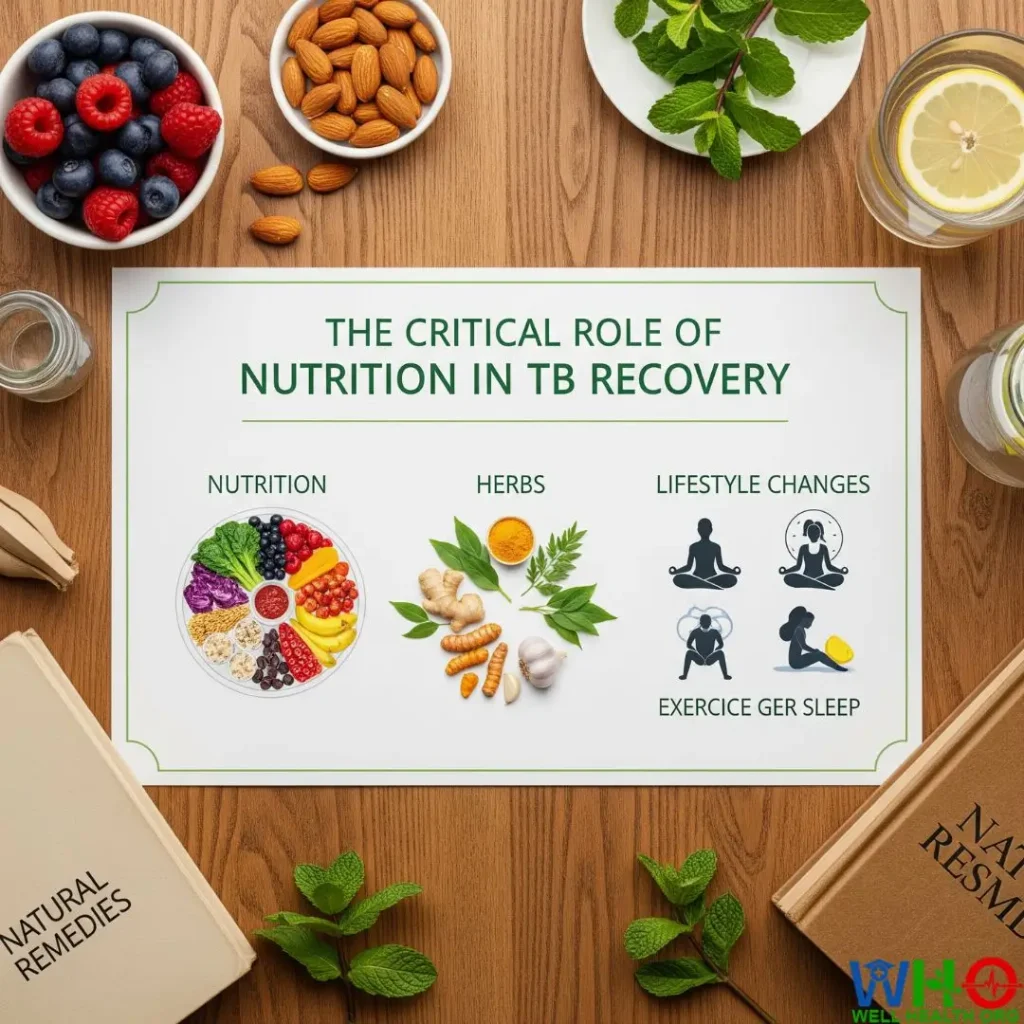
A strong, well-fed body responds better to medication, repairs damaged tissues more effectively, and supports a stronger immune system.
Why People With TB Need Extra Nutrients
TB increases your body’s energy demand. Your metabolism speeds up because your immune system is constantly working to fight the bacteria. This means:
- You burn calories faster
- You may lose weight even when eating normally
- You need more protein to rebuild damaged tissues
Proper nutrition isn’t just “good to have”—it becomes a cornerstone of recovery.
Key Nutrients and Foods That Support TB Healing
Below is a detailed guide to the nutrients and foods that help strengthen your body when recovering from tuberculosis.

1. Protein: Rebuilding Strength From Within
Protein is essential because TB damages lung tissues and weakens muscle mass. To rebuild your strength:
Add foods like:
- Eggs
- Chicken and fish
- Beans and lentils
- Soy products and tofu
- Milk, yogurt, paneer
- Nuts and seeds
Try including protein in every meal. Even adding a handful of nuts or a boiled egg daily can make a noticeable difference.
2. Healthy Fats and High-Calorie Foods
You need extra calories to regain lost weight and support your body’s healing process.
Good options include:
- Avocados
- Peanut butter
- Almonds and walnuts
- Ghee or butter
- Full-cream milk
- Coconut
- Whole grains
These foods provide steady energy and help prevent further weight loss.
3. Vitamins & Minerals: Strengthening the Immune System
Your immune system needs micronutrients to function effectively. Some of the key vitamins and minerals include:
Vitamin A
Supports lung health and enhances immunity.
Found in: leafy greens, carrots, sweet potatoes.
Vitamin C
Reduces inflammation and supports tissue repair.
Found in: oranges, strawberries, lemon water, guava.
Vitamin E
A powerful antioxidant that protects cells.
Found in: almonds, sunflower seeds, spinach.
Zinc
Important for immune function and wound healing.
Found in: whole grains, nuts, seeds, meat.
Iron
Helps prevent anemia, which is common in TB patients.
Found in: spinach, beans, lean meats.
4. Hydration: A Simple But Powerful Remedy
Drinking water may seem basic, but it plays a major role in detoxification and recovering from infections.
Recommended fluids:
- Water
- Coconut water
- Warm herbal teas
- Homemade soups
Avoid sugary drinks and excessive caffeine.
Herbal Remedies for Tuberculosis: What They Can and Can’t Do
Herbs and natural remedies have been used for centuries to support lung health. While these herbs cannot cure TB, they can offer relief from symptoms and enhance your body’s natural healing abilities.

Before trying any herb, always check with your doctor, especially if you are taking medication.
1. Garlic: The Natural Immune Booster
Garlic contains compounds like allicin, known for antimicrobial and immune-enhancing properties. Adding garlic to meals or drinking warm garlic-infused water can help your body fight infections more efficiently.
2. Ginger: Reducing Inflammation and Nausea
Ginger is especially helpful for TB patients who experience nausea due to medication. It also helps reduce inflammation in the respiratory system.
3. Turmeric: The Golden Healer
Turmeric contains curcumin, a strong anti-inflammatory compound that supports healing.
Many people drink warm turmeric milk at night to soothe the throat and reduce inflammation.
4. Black Pepper
Black pepper helps clear congestion and may improve lung function. It also enhances the absorption of nutrients and herbs like turmeric.
5. Mint
Mint juice or tea soothes the respiratory tract, relieves chest tightness, and promotes easier breathing.
Lifestyle Changes That Support Tuberculosis Treatment
Medication is the foundation of TB recovery, but how you live each day influences how fast your body heals. Tuberculosis puts tremendous stress on your body—even the most effective antibiotics need your immune system to work alongside them. The right lifestyle adjustments can help your body fight the infection more efficiently, reduce symptoms, support mental health, and improve overall well-being.

Here are essential lifestyle habits that make a real difference for someone recovering from tuberculosis.
Prioritize Deep Rest and Quality Sleep
Your body needs more rest than usual during TB recovery. Fighting an infection consumes energy, and fatigue is one of the most common symptoms people experience. Many patients notice that even simple tasks feel exhausting; this is your body signaling the need for rest.
Why rest matters:
- It helps repair tissues damaged by TB bacteria.
- It enables your immune system to function at its highest capacity.
- It reduces stress hormones, which can weaken immunity.
- It supports emotional well-being—TB treatment can be mentally taxing.
Helpful tips for better rest:
- Establish a consistent sleep schedule.
- Keep your room quiet, cool, and comfortable.
- Avoid screen time at least 30 minutes before bed.
- Consider short naps during the day if you feel drained.
- Do light stretching or breathing exercises to relax before sleep.
Many patients feel guilty or anxious about resting too much. Let go of that pressure—rest is not a luxury during TB treatment; it’s a vital part of your healing.
Stop Smoking Completely
If you smoke, stopping immediately is one of the most powerful things you can do to help your lungs recover. Smoking damages the respiratory system, irritates the airways, and weakens immune defenses—exactly what you don’t want when fighting TB.
Continuing to smoke during TB treatment can:
- Delay recovery
- Increase coughing and chest pain
- Raise the risk of complications
- Worsen lung damage
- Increase the chance of relapse
- Make breathing more difficult
Your lungs are already battling a bacterial infection; adding smoke into the mix forces them to work even harder. Even secondhand smoke should be avoided.
If you struggle to quit, speak with your healthcare provider about safer and effective options for smoking cessation.
Avoid Alcohol During Recovery
Alcohol may seem like a way to relax, but during TB treatment, it becomes dangerous. Many TB medications are processed by the liver. Alcohol puts extra strain on the liver, making it harder for your body to handle the medication safely.
Drinking alcohol during TB treatment can cause:
- Severe liver damage
- Reduced effectiveness of antibiotics
- Strong medication side effects
- Worsened fatigue
- Longer recovery time
Avoiding alcohol gives your liver a better chance to process your medication properly, helping the treatment work as intended.
Practice Good Hygiene to Protect Others
Tuberculosis is contagious in its active stage. Practicing good hygiene not only protects the people around you, but also helps prevent reinfection or complications.
Hygiene tips for TB patients:
- Cover your mouth with a tissue or elbow when coughing or sneezing.
- Dispose of tissues properly and immediately.
- Wash your hands frequently with soap and water.
- Wear a mask when you’re around others.
- Avoid crowded, enclosed spaces until your doctor says you’re no longer contagious.
After a few weeks of proper treatment, most people are no longer infectious, but maintaining these habits is still helpful.
Keep Your Living Space Well-Ventilated
Fresh air is more important than most people realize when it comes to respiratory infections. TB bacteria spread more easily in closed, poorly ventilated spaces.
Improving air circulation by:
- Opening windows during the day
- Using fans to keep air moving
- Sleeping in a room with good airflow
- Spending time outdoors if possible
A fresh, clean environment helps reduce bacteria in the air, making your home safer for both you and your loved ones.
Why Medical Treatment Must Always Come First
It cannot be emphasized enough: tuberculosis cannot be cured through home remedies alone. TB is a serious bacterial infection that requires antibiotics—usually a combination of them—taken consistently for months. These medications are the only known way to completely eliminate TB bacteria from the body.

How TB Medications Work
TB treatment usually lasts 6 to 9 months and may include antibiotics such as:
- Isoniazid
- Rifampin
- Pyrazinamide
- Ethambutol
These medications work together to:
- Kill active bacteria
- Prevent bacteria from multiplying
- Stop the infection from spreading
Skipping doses or stopping treatment early is extremely dangerous. The bacteria can become resistant to drugs, leading to drug-resistant TB, a much more serious form that requires longer, harsher treatments.
Directly Observed Therapy (DOT)
In some cases, healthcare workers use Directly Observed Therapy (DOT). This means a health professional watches the patient take every dose of medication. It may sound intense, but DOT improves treatment success and lowers the risk of drug resistance.
DOT is especially helpful for:
- Children
- Older adults
- People with severe or drug-resistant TB
- Anyone who struggles with medication schedules
It ensures that every dose is taken correctly and consistently.
Your Path to Recovery: Combining Medicine With Supportive Home Remedies
Healing from tuberculosis is a journey that requires patience, discipline, and care. The combination of medical treatment and supportive home remedies offers a balanced and holistic approach.
What home remedies CAN do:
- Support your immune system
- Boost your nutrition
- Ease symptoms
- Improve energy levels
- Support lung health
- Reduce inflammation
- Enhance overall well-being
What home remedies CANNOT do:
- Replace antibiotics
- Cure TB on their own
- Kill TB bacteria
When both approaches work together, your chances of a smoother recovery improve significantly.
Communicate With Your Doctor Regularly
Always discuss any new supplement, herb, or major dietary change with your healthcare provider. Some natural remedies may interact with TB medications. Open communication protects your health and ensures your treatment plan remains effective.
Empowering Yourself During Recovery
TB can be mentally challenging. Many patients feel lonely, anxious, or frustrated during the weeks or months of treatment. Try to stay connected with support groups, family, friends, or counselors. Emotional wellbeing is part of physical healing—never underestimate its importance.
With the right medical care, supportive home remedies, a strong diet, and healthy lifestyle habits, you can overcome tuberculosis and return to a stronger, healthier version of yourself.
Conclusion: Building a Stronger You While Treating Tuberculosis
Recovering from tuberculosis isn’t just about taking medication—it’s about supporting your entire body as it works to heal. TB can drain your energy, weaken your immune system, and affect your emotional and physical strength. But when you combine proper medical treatment with supportive home remedies, thoughtful nutrition, and healthier lifestyle habits, you give your body the best possible chance to recover.
A TB diagnosis may feel overwhelming at first, but it does not define you. With patience, consistent treatment, a nourishing diet, rest, herbal support, and a well-ventilated living space, you can not only manage symptoms more comfortably but also strengthen your overall health. Natural remedies like garlic, ginger, turmeric, and mint can help ease inflammation and support your immunity, while proper nutrition provides your body with the fuel it needs to repair itself from the inside out.
Equally important is protecting your emotional well-being. TB treatment takes time, and there will be days when you feel tired or discouraged. Staying connected with supportive people, communicating with your healthcare provider, and celebrating small improvements along the way can make the journey less stressful and more empowering.
Your path to recovery is not just about getting rid of the infection—it’s about rebuilding strength, creating healthier habits, and giving your body what it needs to thrive. With the right combination of medical care and self-care, you can overcome tuberculosis and regain control of your health, one day at a time.
Frequently Asked Questions (FAQs)
1. Can home remedies cure tuberculosis?
No. Home remedies cannot cure TB. Tuberculosis is caused by a bacteria that can only be eliminated through a full course of antibiotics prescribed by a healthcare professional. Natural remedies can help reduce symptoms, strengthen the immune system, and support healing, but they should never replace medical treatment.
2. What foods should a TB patient avoid?
TB patients should avoid processed foods, fried items, sugary drinks, alcohol, and anything that irritates the stomach or interferes with medication. Limiting caffeine and avoiding smoking are also important. Instead, focus on nutrient-dense foods that support recovery.
3. How long does it take to recover from TB?
Most patients begin to feel better after a few weeks of treatment, but full recovery typically requires 6 to 9 months of consistent medication. Some people may need more time depending on their overall health and whether the TB infection is drug-resistant or involves other organs.
4. Can I exercise during TB treatment?
Light activities like stretching, walking, and breathing exercises are usually fine once your doctor says you are stable. However, intense exercise should be avoided in the beginning because your body needs rest to heal. Always follow your doctor’s guidance.
5. How can I boost my immunity while recovering from TB?
You can strengthen your immunity by eating a balanced, nutrient-rich diet, staying hydrated, getting enough sleep, managing stress, and incorporating natural immune-supporting foods like garlic, ginger, turmeric, and citrus fruits. Avoid smoking and alcohol, as they weaken immune responses significantly.
Medically Reviewed by Prof. Dr. Akram
Orthopedic Surgeon | Professor | Senior Medical Specialist
Prof. Dr. Akram is a distinguished surgeon with over 15 years of clinical expertise. Having served as a lead Emergency Specialist at Complex International Government Hospital, he currently leads a specialized team of 13 medical professionals at his private hospital. As a Professor at top medical universities, he ensures that every article on WellHealthOrg.com meets rigorous clinical standards.
Medical Disclaimer:
The information provided is for educational purposes only and is not a substitute for professional medical advice, diagnosis, or treatment. Always consult your physician for any medical concerns.
Our content is rigorously fact-checked by our 13-member Editorial Team under the clinical supervision of Prof. Dr. Akram.







