
Introduction: Home Remedies for Late Periods
A late period can easily turn a normal month upside down. For many women, the menstrual cycle becomes a kind of internal calendar—something predictable, familiar, and deeply connected to their sense of well-being. When that rhythm suddenly shifts, it can create confusion, worry, and a dozen “what-ifs.” Even though most women experience an irregular or delayed cycle at some point in their lives, the moment it happens, it often feels personal and unsettling. You might wonder whether stress is catching up with you, whether your hormones are changing, or whether something more serious is going on beneath the surface.
- Introduction: Home Remedies for Late Periods
- What Counts as a “Late Period”?
- Common Causes of Delayed Periods
- Why Natural Remedies Can Help
- Unripe Papaya and Menstrual Stimulation
- Ginger for Hormonal Balance and Circulation
- Turmeric and Its Hormone-Balancing Potential
- Jaggery for Better Blood Flow and Iron Levels
- Cinnamon for PCOS and Cycle Regulation
- Parsley Tea and Uterine Stimulation
- Aloe Vera for Hormonal Support
- Managing Stress and Its Impact on Hormones
- Maintaining a Healthy Weight
- Regular Exercise for Hormonal Health
- Signs You Need Medical Attention
- Conditions Often Linked to Irregular Periods
- What Doctors May Recommend
While it’s important to remember that occasional delays are usually normal, understanding why they happen can give you more control and reassurance. Sometimes the reasons are straightforward—like a spike in stress or inadequate sleep—and sometimes your body is signaling that it needs a little more care, nutrition, or balance. This is where natural remedies come into the picture. They offer gentle support for the body and help you reconnect with your internal rhythm in a safe, holistic way.
This guide is designed to walk you through those remedies—not as magical cures, but as tools that may support your body’s natural processes. You’ll learn how certain foods, herbs, and lifestyle changes can influence your menstrual cycle, encourage hormonal balance, and promote regularity. Along the way, you’ll also learn which symptoms require professional evaluation and why listening to your body is key when dealing with reproductive health.
Nothing in this guide replaces medical care, but it does empower you with knowledge: how your cycle works, what affects it, and what natural methods may help. Think of this as a friendly, evidence-informed companion to help you navigate a chapter of uncertainty with clarity and confidence.
What Counts as a “Late Period”?
Understanding what actually qualifies as a “late period” can remove a lot of unnecessary stress. Many women expect their cycle to behave like a perfectly timed clock, but in reality, the body isn’t a mechanical system. A typical menstrual cycle can range anywhere from 21 to 35 days, and for teenagers or women approaching menopause, this range can be even wider. If your cycle normally runs like clockwork at 28 days, even a slight shift can feel alarming—but from a biological standpoint, a few days off is often perfectly normal.
A period is generally considered late if you’ve passed the 35-day mark without bleeding. But even then, timing alone doesn’t always indicate a problem. Several factors—travel, stress, diet, exercise changes—can nudge ovulation earlier or later. Since menstruation occurs after ovulation, any delay in ovulation automatically delays your period. Think of your cycle as a chain reaction; when one link shifts, the rest of the chain adjusts with it.
Another common misconception is that a late period always signals pregnancy. While pregnancy is a possibility for sexually active women, it’s only one of many potential reasons. Hormonal fluctuations, lifestyle disruptions, or even a minor illness can cause your cycle to pause or stretch. Many women experience occasional irregularities throughout their reproductive years, especially during times of emotional or physical transition.
Understanding what counts as “late” helps you respond appropriately. Instead of jumping to conclusions, you can observe patterns, check your symptoms calmly, and use practical tools—like a period tracker—to understand your cycle better. Knowing the normal range also makes it easier to decide when home remedies may help and when medical advice becomes necessary. It’s about replacing fear with informed awareness, giving you a clearer sense of what’s happening in your body and why.
Common Causes of Delayed Periods
Late periods rarely happen without reason, even if the cause isn’t immediately obvious. The menstrual cycle is influenced by a delicate hormonal symphony involving estrogen, progesterone, the thyroid, the pituitary gland, and even the adrenal glands. When any part of this system faces disruption, your cycle can shift. One of the most common culprits is stress—emotional, mental, or physical. When stress hormones like cortisol spike, they can suppress reproductive hormones, delaying ovulation and pushing your period back.

Hormonal imbalances are another major factor. Conditions like Polycystic Ovary Syndrome (PCOS) can interfere with regular ovulation, resulting in long, irregular cycles. Many women with PCOS experience months where their body attempts ovulation but doesn’t complete it, leaving them with delayed or skipped periods. Thyroid disorders—both underactive and overactive—can also throw off your hormonal equilibrium, influencing both the timing and flow of menstruation.
Lifestyle shifts matter more than people realize. Significant weight loss or gain, intense exercise routines, poor nutrition, or sudden changes in sleep patterns can all affect your cycle. The body is very sensitive to energy availability; when it senses a mismatch between energy intake and expenditure, it may temporarily suspend reproductive functions.
Even medications can influence menstrual timing. Hormonal birth control, antidepressants, antipsychotics, and certain medications for chronic illnesses may lengthen or shorten your cycle. For women who have recently stopped hormonal contraception, it may take a few months before natural cycles stabilize again.
Recognizing the cause behind your delay helps you choose the right response—whether that means adjusting your lifestyle, trying gentle home remedies, or consulting a healthcare professional for deeper evaluation.
Why Natural Remedies Can Help
Natural remedies have been used for centuries to support women’s reproductive health, long before modern medicine became widely available. While they’re not replacements for professional medical care, many remedies can gently encourage your body to find its rhythm again. The reason natural methods can be effective is that they often work by addressing underlying factors—such as stress, poor nutrition, low energy levels, or mild hormonal fluctuations—rather than just pushing the body to menstruate.

Your menstrual cycle depends on consistent communication between your brain, hormones, ovaries, and even your metabolism. When something disrupts that communication, the body sometimes needs extra support to get back on track. Natural remedies, whether they’re foods, herbs, or lifestyle changes, can influence these systems in subtle but meaningful ways. For example, certain warm foods and spices naturally increase circulation to the pelvic area, which may support the onset of menstruation. Herbs, when used responsibly, can assist the uterus, liver, or endocrine system—not forcing your period to start, but creating an environment where the cycle can reset.
Another advantage of natural remedies is that they often work alongside your overall well-being. A cup of ginger tea doesn’t just help stimulate your system; it can soothe cramps and reduce inflammation. A yoga session designed for menstrual health not only eases tension but also lowers cortisol levels, helping hormonal balance return. Many remedies are multifunctional—they help your reproductive system while supporting your mental and emotional health.
It’s important, however, to approach natural remedies with realistic expectations. They work best when your delay is due to mild or temporary issues: stress, slight fatigue, minor hormonal fluctuations, recent lifestyle changes, or nutritional gaps. They are not meant to treat underlying medical conditions like severe thyroid disorders or unregulated PCOS. In those cases, professional evaluation is essential.
The true value of natural remedies is that they reconnect you with your body. They encourage you to slow down, nourish yourself, pay attention to your symptoms, and take an active role in your menstrual wellness. When used thoughtfully and safely, they can be gentle allies in your journey toward a balanced cycle.
Dietary Changes to Support Menstrual Regularity
Unripe Papaya and Menstrual Stimulation
Unripe papaya has a long history of being used as a natural remedy for delayed periods, especially in various Asian cultures. Its effectiveness is often attributed to the presence of compounds that may stimulate uterine contractions. The enzymes in unripe papaya—particularly papain—are believed to influence the estrogen levels in the body. When estrogen levels shift appropriately, the uterus becomes more active, which may help encourage a late period to begin. For women whose delays are mild or linked to hormonal sluggishness, this gentle boost can sometimes make a noticeable difference.

In addition to its potential impact on the uterus, unripe papaya is rich in nutrients that support reproductive health. It contains vitamin C, beta-carotene, folate, and antioxidants that help reduce inflammation and improve blood flow. A well-functioning reproductive system relies heavily on good circulation, and papaya’s warming nature may help enhance that. While scientific studies are still limited, many women have found papaya helpful when consumed consistently over a few weeks or months.
There are several ways to include unripe papaya in your routine. Some prefer eating it raw in small portions, while others prepare it lightly cooked or in the form of smoothies. Because unripe papaya is firmer and less sweet than ripe papaya, it pairs well with lime, chilies, or salt for a more flavorful experience. However, moderation is extremely important. Eating large amounts can cause digestive discomfort, and pregnant women should avoid unripe papaya entirely due to its uterine-stimulating properties.
When used correctly, unripe papaya acts more like a natural support system rather than a quick fix. It gently encourages the body to restore its menstrual rhythm while providing nutritional benefits that contribute to long-term cycle health.
Ginger for Hormonal Balance and Circulation
Ginger is one of the most trusted natural remedies for women’s reproductive health, and for good reason. Its powerful anti-inflammatory and warming properties make it especially useful when dealing with delayed periods. Ginger naturally increases heat in the body, which may enhance blood flow to the pelvis and uterus. Improved circulation can sometimes help trigger menstruation, particularly when the delay is related to slow hormonal activity or stress.
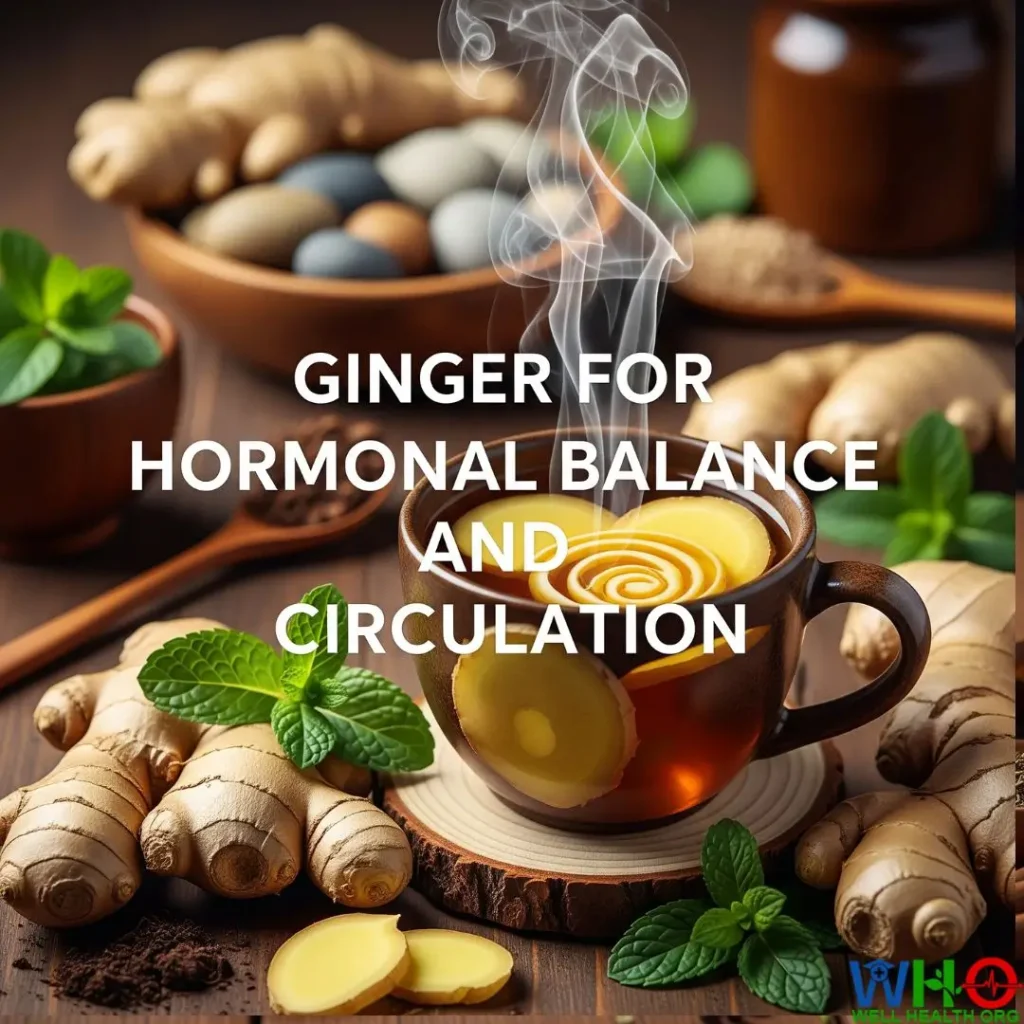
One of ginger’s greatest strengths is its influence on prostaglandins—hormone-like compounds involved in uterine contractions. By supporting prostaglandin activity, ginger may help stimulate the uterus gently, encouraging a delayed period to begin. This is why ginger is commonly recommended for women who experience light cramps without actual bleeding. In addition to this, ginger also helps with symptoms like bloating, nausea, and inflammation that may accompany premenstrual tension.
Ginger tea is one of the easiest ways to harness its benefits. Simply boil fresh ginger slices in water for several minutes, allowing the flavor and nutrients to infuse fully. Adding honey, lemon, or even cinnamon can enhance not only the taste but also the tea’s soothing effects. Drinking ginger tea once or twice a day for a few days may offer noticeable benefits for some women.
However, ginger is potent, so moderation matters. Overconsumption can lead to heartburn, stomach upset, or excessive body heat. Women with bleeding disorders, those on blood-thinning medication, or those who are pregnant should consult a healthcare professional before using ginger as a remedy.
As a natural aid, ginger works best when incorporated consistently into a healthy lifestyle. It doesn’t force hormonal changes but supports the body’s natural balance, making it a reliable addition to your menstrual-health toolkit.
Turmeric and Its Hormone-Balancing Potential
Turmeric is one of the most respected herbs in natural wellness, and its benefits extend far beyond cooking. For menstrual health, turmeric has earned a reputation as a gentle, warming spice that supports hormonal balance and overall reproductive wellness. Much of turmeric’s power comes from curcumin, its active compound known for anti-inflammatory, antioxidant, and hormone-supporting properties. Inflammation in the reproductive system or surrounding organs can sometimes interfere with the menstrual cycle, and curcumin’s ability to reduce inflammation may help the body return to its natural rhythm.
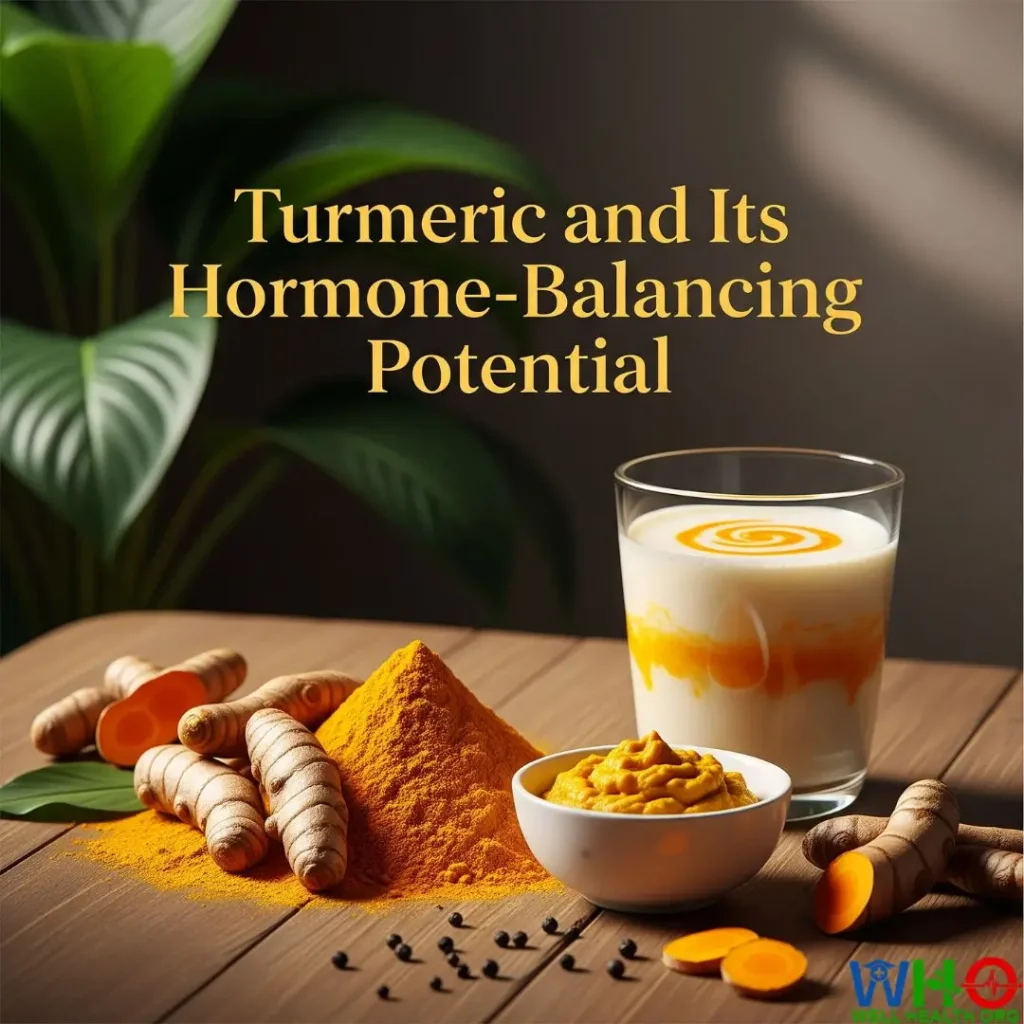
One of turmeric’s traditional uses involves warming the body. Since warmth is often associated with increased blood circulation—especially to the pelvis—this may indirectly support the onset of menstruation when mild stagnation or sluggish hormonal activity is the cause. Women who experience discomfort, heaviness, or bloating before a delayed period often find turmeric soothing because it helps reduce these symptoms naturally. Turmeric may also support the liver, an organ essential for breaking down excess hormones. Balanced estrogen and progesterone levels rely heavily on metabolic health, and turmeric assists this process by supporting liver function.
A popular and comforting way to include turmeric in your routine is “golden milk.” This warm drink blends turmeric with milk (or plant-based milk), a pinch of black pepper, and sometimes ginger or cinnamon. Black pepper is especially important because it enhances the absorption of curcumin significantly. Drinking golden milk in the evening can help calm the body, reduce inflammation, and create a soothing routine that supports hormonal balance over time.
Despite its benefits, turmeric should be used mindfully. High doses may cause digestive discomfort or interact with certain medications. Women with gallbladder issues, bleeding disorders, or who are pregnant should consult a professional before consuming turmeric in therapeutic amounts. When used regularly and safely, turmeric becomes a powerful ally—supporting cycle balance from within while nurturing overall reproductive health.
Jaggery for Better Blood Flow and Iron Levels
Jaggery has long been a beloved ingredient in traditional wellness practices, especially related to women’s health. This natural sweetener, made from sugar cane or palm sap, contains significantly more nutrients than refined sugar—most notably iron, magnesium, and trace minerals that support overall vitality. Women who struggle with fatigue, low iron levels, or poor circulation may find jaggery particularly helpful because healthy iron levels are essential for a balanced menstrual cycle.
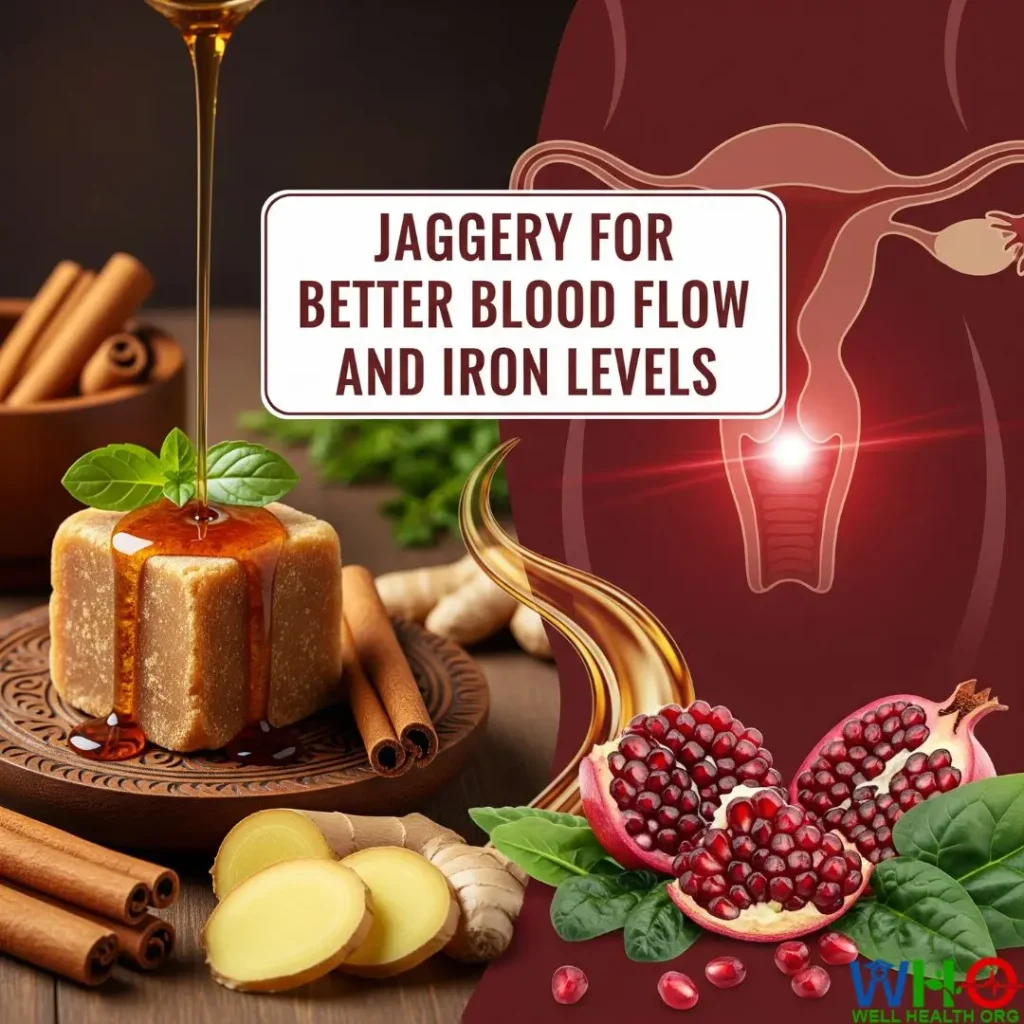
One of the reasons jaggery is traditionally used to encourage menstruation is its warming nature. Foods that warm the body are often believed to improve blood flow, especially to the pelvic region. Improved circulation can potentially support the uterus in initiating menstrual shedding. Many women who consume a small piece of jaggery before or after meals notice improved digestion, more stable energy levels, and fewer premenstrual symptoms—all of which contribute to more predictable cycles.
Additionally, jaggery supports metabolic health. When consumed in moderation, it offers a steadier release of energy than processed sugar, helping reduce blood sugar spikes. Because insulin resistance and blood sugar instability are closely tied to menstrual irregularities—especially in women with PCOS—jaggery can be a healthier alternative for satisfying sweet cravings without worsening hormonal disruptions.
There are many enjoyable ways to incorporate jaggery into daily life. You can mix a small piece into warm water, pair it with roasted sesame seeds, or use it as a natural sweetener in tea or traditional sweets. The combination of jaggery and sesame seeds is especially popular for menstrual support because both ingredients provide minerals that nourish reproductive health.
However, jaggery must still be consumed wisely. It is a sugar, even if a healthier one, so portion control is essential—especially for women with diabetes or metabolic issues. As a gentle, warming, nutrient-rich food, jaggery offers a comforting and supportive addition to a menstrual wellness routine.
Cinnamon for PCOS and Cycle Regulation
Cinnamon is far more than a delicious spice—it’s a nutritional powerhouse with impressive benefits for menstrual health. Among all natural remedies, cinnamon has gained the most attention for its potential to help regulate cycles in women with Polycystic Ovary Syndrome (PCOS). This is because cinnamon can influence insulin sensitivity, and insulin resistance is a major factor behind irregular cycles in PCOS. By helping the body use insulin more efficiently, cinnamon may support more consistent ovulation, and therefore more predictable menstruation.
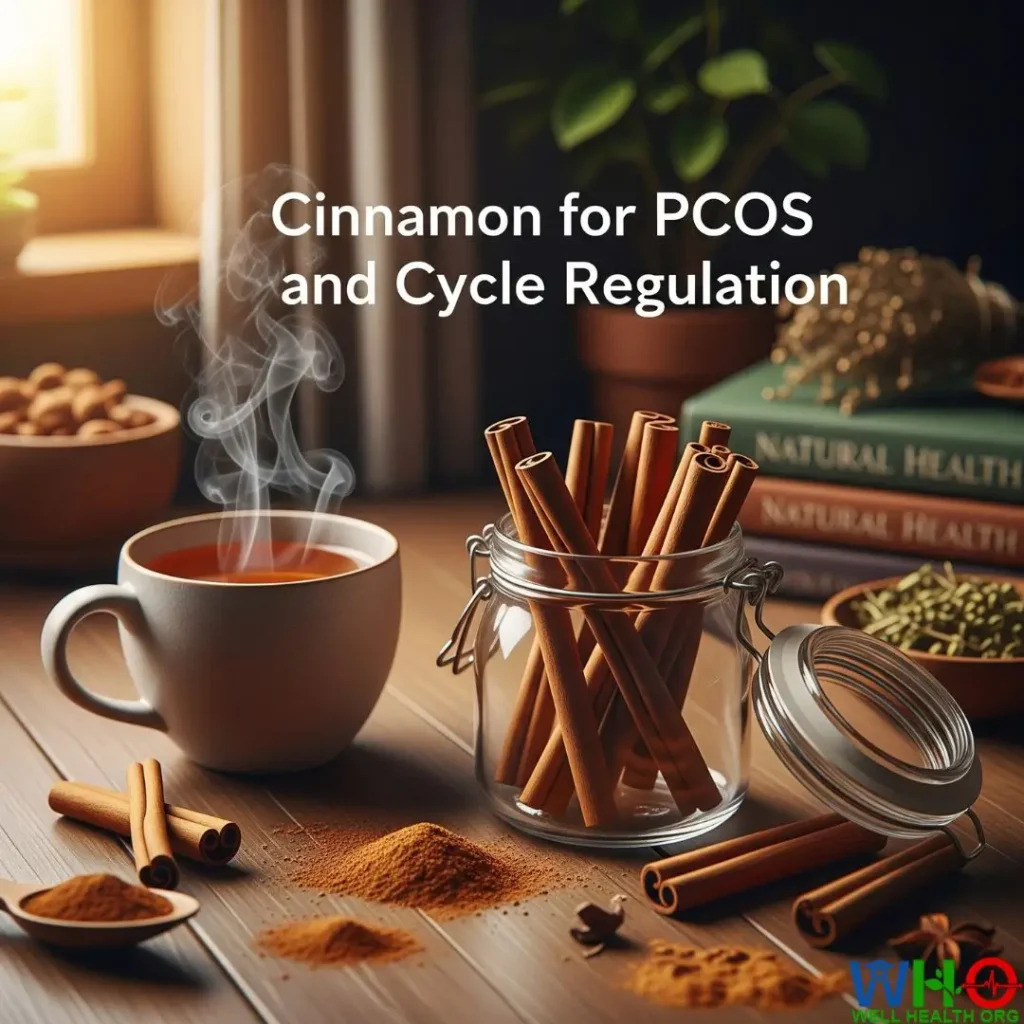
Beyond its metabolic influence, cinnamon has warming properties similar to ginger and turmeric. This warmth helps improve blood circulation, especially to the uterus, which may assist in triggering a delayed period when the cause is minor hormonal imbalance or stress. Its anti-inflammatory properties can also reduce menstrual discomfort, pelvic heaviness, or bloating that sometimes accompanies delayed periods.
Cinnamon is incredibly versatile, making it easy to add to your daily routine. Sprinkling it over oatmeal, adding it to smoothies, stirring it into coffee, or mixing it with warm milk are all simple ways to enjoy its benefits. Some women prefer cinnamon tea—a soothing drink that gently warms the body while supporting digestion and hormonal balance.
While cinnamon is generally safe, it should be consumed in moderation. Excessive intake can irritate the stomach or, in rare cases, affect liver function if consumed in very high amounts. Women who take diabetes medications should also speak with their doctor, as cinnamon may strengthen their effects.
When used consistently and responsibly, cinnamon becomes a comforting, flavorful ally in promoting cycle regularity—especially for women looking to manage PCOS naturally alongside lifestyle adjustments.
Herbal Remedies That May Encourage a Period

Parsley Tea and Uterine Stimulation
Parsley may seem like a simple kitchen herb, but it has a long and rich history in traditional medicine—especially when it comes to women’s reproductive health. Its potential ability to encourage menstruation is connected to two natural compounds found within the herb: apiol and myristicin. These compounds are believed to gently stimulate the uterus and increase blood flow to the pelvic area. While parsley tea is not a strong or aggressive remedy, its mild uterine-stimulating properties have led many women to use it as a gentle nudge when their period is slightly delayed.
Parsley tea is easy to prepare, and many people enjoy its fresh, calming flavor. You can steep a handful of fresh parsley leaves—or a teaspoon of dried parsley—in hot water for about five to ten minutes. The resulting tea is refreshing, earthy, and subtle. Because parsley is mild, women often drink this tea once or twice a day for a few days when trying to encourage menstruation. Apart from its reproductive benefits, parsley is also rich in vitamin C, antioxidants, folate, and iron—all of which are essential for overall hormonal balance and menstrual health.
However, parsley must be consumed with awareness and caution. Pregnant women should avoid parsley as a remedy because its uterine-stimulating properties could potentially pose a risk. Women with kidney issues or those who take certain medications should also consult a healthcare professional before increasing their consumption. Natural doesn’t always mean risk-free, so understanding your body’s condition is key before trying any herbal method.
For many women, parsley tea offers more than its physiological effects. The simple ritual of brewing tea, sitting quietly, and paying attention to your body can be deeply grounding. It helps you reconnect with your natural rhythm and create intentional space for your wellness. When combined with supportive lifestyle habits, parsley tea becomes a gentle, nurturing tool that aligns with your body’s natural needs.
Aloe Vera for Hormonal Support
Aloe vera is often associated with skincare and digestive health, but this versatile plant can also support hormonal balance—an essential factor in regulating the menstrual cycle. Its potential benefits for menstrual health come from its ability to help harmonize the endocrine system. Many women experience delayed periods because of minor hormonal fluctuations, and aloe vera may assist in restoring the equilibrium needed for regular cycles.
Aloe vera contains vitamins A, C, E, B-complex vitamins, enzymes, minerals, and anti-inflammatory compounds that nourish the body on multiple levels. These nutrients support the liver, digestion, and metabolic functions—all of which play an indirect but powerful role in menstrual health. A well-functioning liver helps break down excess hormones, allowing the body to maintain a steady and predictable hormonal rhythm. When the liver becomes sluggish due to stress, poor diet, or lack of hydration, hormonal imbalance becomes more likely. Aloe vera’s detoxifying and soothing qualities can help counteract this.
When consumed correctly, aloe vera juice can be an excellent addition to a menstrual-support regimen. However, it is crucial to use commercially prepared aloe vera juice specifically intended for internal use. Fresh aloe gel straight from the leaf can contain compounds that act as strong laxatives and may irritate the stomach. Starting with small amounts—such as a tablespoon diluted in water—allows you to observe how your body reacts before gradually increasing the dose.
While aloe vera can be beneficial, it is not suitable for everyone. Women who are pregnant, breastfeeding, or managing chronic digestive or kidney issues should avoid using aloe as a menstrual remedy unless directed by a healthcare professional. Its laxative effects can also interfere with certain medications by altering absorption.
Used mindfully, aloe vera can support hormonal function, reduce inflammation, and contribute to a more stable menstrual cycle. Combined with nutritional awareness, hydration, and gentle lifestyle changes, aloe becomes a soothing natural companion in your wellness routine.
Lifestyle Adjustments for a Consistent Cycle
Managing Stress and Its Impact on Hormones
Stress is one of the most common—and often overlooked—causes of delayed or missed periods. Your menstrual cycle is controlled by a delicate hormonal system involving the brain, ovaries, and endocrine glands. When stress levels rise, the brain releases cortisol and adrenaline, two hormones designed to help your body handle emergencies. While this response is helpful in genuinely dangerous situations, chronic or prolonged stress can interfere with your reproductive hormones.
Cortisol directly impacts the hypothalamus, the part of your brain responsible for regulating your menstrual cycle. When the hypothalamus senses ongoing stress, it may delay or stop ovulation altogether. Because menstrual bleeding happens after ovulation, a delayed ovulation means a delayed period—sometimes by days, sometimes by weeks.
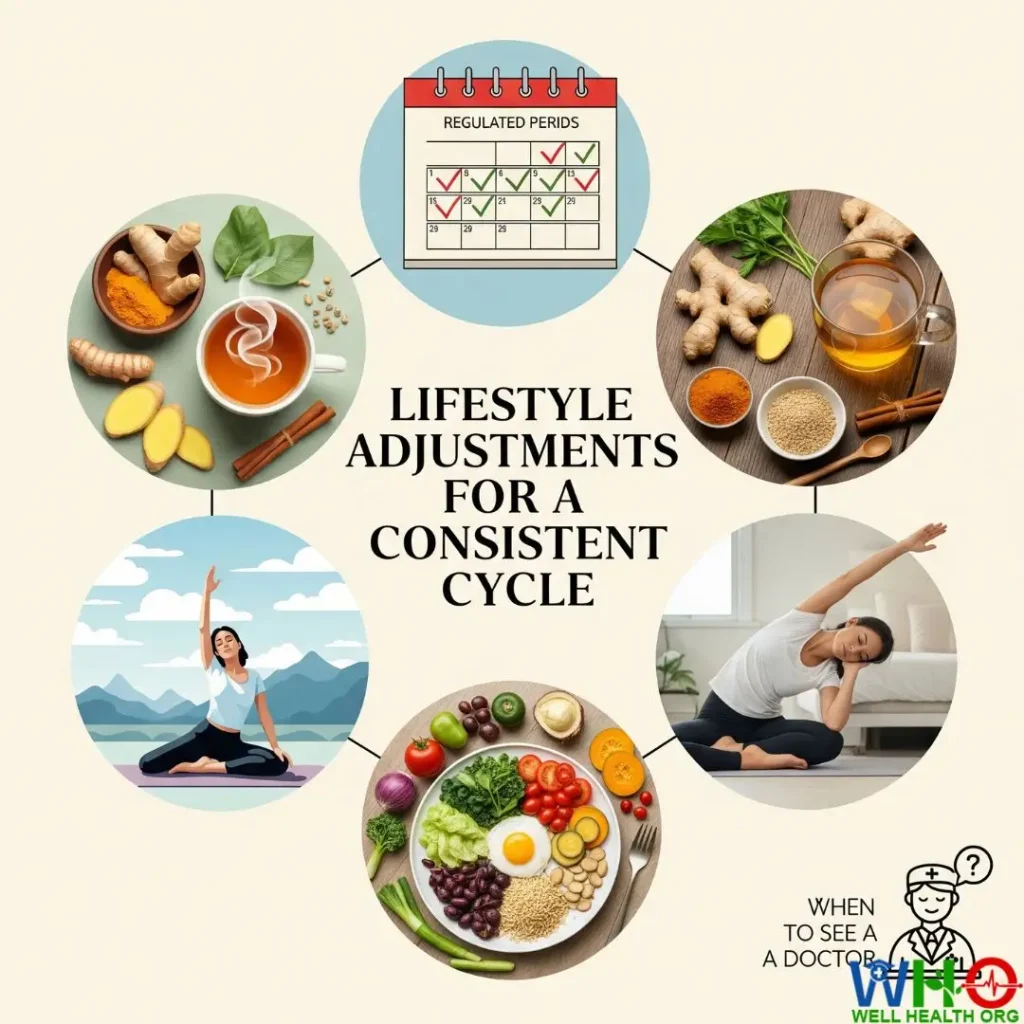
Managing stress doesn’t require extreme lifestyle changes; often, small, consistent habits can make a tremendous difference. Mindfulness activities—such as meditation, deep breathing, journaling, or even spending intentional quiet time alone—help lower cortisol and encourage hormonal balance. Physical activities like walking, yoga, or gentle stretching provide both physical and emotional relief by releasing endorphins, the body’s natural mood-lifting chemicals.
Setting boundaries is another powerful yet underrated stress-management tool. Many women delay their own self-care while juggling work, family responsibilities, and daily pressures. Giving yourself permission to rest, say no, or delegate tasks can significantly reduce stress and allow your body to regain equilibrium.
Sleep is also a key factor. Poor sleep disrupts the same hormonal pathways that regulate your menstrual cycle. Establishing a calming bedtime routine, limiting screen exposure, and practicing relaxation techniques can support better rest and more regular cycles.
When stress is managed consistently, many women notice their cycles becoming more predictable. The goal isn’t to eliminate stress—that’s impossible—but to create enough internal calm for the body to function optimally.
Maintaining a Healthy Weight
Body weight plays a surprisingly strong role in menstrual regularity, and many women don’t realize just how sensitive the reproductive system is to changes in fat levels. Fat tissue isn’t just a passive storage unit—it’s metabolically active and produces hormones, especially estrogen. Because of this, being significantly underweight or overweight can disrupt the hormonal harmony that your cycle depends on.
When the body has too little fat, estrogen levels can drop below the threshold needed to trigger ovulation. Women who are underweight, recovering from an eating disorder, or exercising excessively often experience long gaps between periods or lose them completely. The body interprets low fat levels as a sign of survival stress and instinctively shuts down reproductive functions to conserve energy. This protective mechanism can be reversed with proper nourishment and a gradual return to a healthy weight, but it requires patience and mindful care.
On the other hand, carrying excess weight can also disrupt the menstrual cycle. Higher levels of body fat can increase estrogen production beyond normal levels, which may prevent regular ovulation. This imbalance is especially common in women with PCOS, who often struggle with insulin resistance and weight gain. Irregular ovulation leads to unpredictable cycles, making it difficult to anticipate periods. Addressing weight concerns through balanced nutrition, mindful eating, and sustainable lifestyle habits can significantly improve hormonal function and cycle regularity.
Achieving a healthy weight isn’t about extreme dieting or intense workouts—it’s about balance. Incorporating whole foods, sufficient protein, healthy fats, and fiber-rich vegetables supports stable hormones and consistent energy. Gentle, regular exercise also helps regulate insulin levels, reduce inflammation, and improve overall metabolic health.
The goal is not perfection, but consistency. Small, sustainable changes often create the biggest shifts in hormonal harmony. When your body reaches a weight that feels safe and supported, your menstrual cycle often follows suit and becomes more predictable. Understanding this connection empowers you to take charge of your menstrual health from a holistic perspective.
Regular Exercise for Hormonal Health
Exercise is one of the most effective yet natural tools for maintaining a regular menstrual cycle. The body thrives on movement—especially movement that balances stress, supports metabolism, and keeps the endocrine system functioning smoothly. Regular exercise helps regulate your hormones by improving insulin sensitivity, reducing cortisol levels, and supporting healthy blood circulation. All of these factors play a direct role in the timing and predictability of menstruation.
Moderate, consistent exercise is key. Activities like walking, cycling, swimming, pilates, and aerobics can enhance your overall health without overwhelming your system. The beauty of moderate exercise is that it helps reduce physical tension and improve mood through the release of endorphins. Many women notice that simply integrating 20–30 minutes of movement into their daily routine helps reduce PMS symptoms, lower anxiety, and create a more stable menstrual pattern.
Yoga deserves special mention for its powerful effects on menstrual health. Certain yoga poses increase blood flow to the pelvis, stretch the lower back, and reduce tension in the abdominal area. Poses like Child’s Pose, Cobbler’s Pose, and Cat-Cow are particularly beneficial for women experiencing irregular cycles or menstrual discomfort. Beyond the physical benefits, yoga is deeply calming—making it an excellent choice for managing stress-related cycle delays.
However, it’s important to recognize that too much exercise can backfire. Intense workouts, long training periods, or excessive cardio can put the body into a stressed state. When the body perceives physical strain, it may reduce or halt ovulation to conserve energy. This is common among athletes, dancers, or women who train intensely without sufficient nutrition.
The key is balance. Exercise should energize you, not exhaust you. When paired with proper hydration, nutritious meals, and rest, movement becomes one of the most supportive habits for keeping your menstrual cycle healthy and regular.
When Natural Remedies Aren’t Enough
Signs You Need Medical Attention
While natural remedies and lifestyle changes can be incredibly helpful, there are times when irregular periods signal something deeper that requires professional medical care. Understanding these signs ensures that you don’t overlook an issue that needs timely diagnosis and treatment.
One of the clearest signs to seek medical advice is missing three or more consecutive periods despite not being pregnant. Consistently long cycles may indicate hormonal dysfunction, thyroid disorders, or ovulatory problems that require evaluation. Likewise, if your periods suddenly become unusually frequent—occurring every 21 days or less—or very far apart—more than 35 to 40 days—it’s important to assess why your cycle is behaving unpredictably.
Heavy bleeding is another red flag. If your period lasts more than seven days, involves soaking through pads or tampons within an hour, or includes large blood clots, this may point to fibroids, hormonal imbalances, or other reproductive conditions that need attention. Similarly, severe menstrual pain that interferes with your daily activities should not be dismissed. Pain that causes fainting, nausea, or prevents you from functioning normally may indicate endometriosis or another underlying condition.
Other concerning symptoms include sudden weight changes, excessive hair growth, chronic acne, nipple discharge, or unexplained fatigue—all of which may point to hormonal or metabolic issues like PCOS or thyroid disease. Women who suspect pregnancy, experience bleeding after intercourse, or go through significant emotional stress should also consider speaking with a professional.
Seeking medical attention doesn’t diminish the value of natural remedies—it complements them. Early diagnosis helps you adopt the right combination of medical care and lifestyle changes, giving you the best chance at restoring your menstrual health safely and effectively.
Conditions Often Linked to Irregular Periods
Irregular or delayed periods can sometimes be a symptom of underlying medical conditions. While occasional irregularities are normal, especially during times of stress or major life changes, persistent disruptions often point toward deeper hormonal or metabolic issues. Understanding these potential conditions helps you recognize when natural remedies may not be enough and when professional evaluation is necessary.
One of the most common conditions associated with irregular cycles is Polycystic Ovary Syndrome (PCOS). PCOS affects millions of women worldwide and often presents with missed or infrequent periods, acne, weight fluctuations, and excess hair growth. Women with PCOS typically have hormonal imbalances involving insulin and androgens, which disrupt regular ovulation. Without consistent ovulation, periods become unpredictable. Managing PCOS requires a combination of lifestyle adjustments, medical treatments, and sometimes natural remedies—but professional guidance is essential.
Another common cause is thyroid dysfunction. The thyroid gland plays a central role in regulating hormones, metabolism, and energy levels. When the thyroid is underactive (hypothyroidism), periods may become heavier, longer, or more frequent. When it’s overactive (hyperthyroidism), periods may become light or disappear for months. Thyroid disorders can also cause weight fluctuations, fatigue, hair loss, and mood changes. Because these symptoms overlap with other conditions, proper diagnosis is important.
Perimenopause, the transition to menopause, is another phase where cycles naturally become irregular. Women in their late 30s or 40s may notice periods arriving earlier or later than expected, changes in flow, night sweats, or mood swings. These shifts happen because the ovaries gradually reduce hormone production. Understanding this transition can reduce anxiety and help women plan the right care strategies.
Other conditions such as eating disorders, chronic stress disorders, pituitary gland issues, uterine fibroids, and chronic illnesses can also interfere with cycle regularity. In some cases, the body halts menstruation as a protective mechanism—especially when it senses insufficient energy, excessive stress, or significant hormonal imbalance.
Recognizing these patterns empowers you to take action early. While natural remedies can provide support, addressing the root cause with a healthcare professional leads to more effective and lasting menstrual balance.
What Doctors May Recommend
When menstrual irregularities continue beyond a few cycles or present with concerning symptoms, a doctor can offer clarity, diagnosis, and tailored treatment options. Medical evaluation typically begins with a thorough discussion of your cycle history, lifestyle habits, stress levels, and any changes you’ve noticed. This conversation alone can reveal patterns or triggers that may explain the irregularity. From there, your doctor may recommend several tests to evaluate your hormonal health, including blood tests for thyroid hormones, reproductive hormones, or insulin levels.
If hormonal imbalances are detected, treatment may involve medication. For example, thyroid disorders often improve with thyroid-regulating medication, which can stabilize your cycle once levels return to normal. Women with PCOS may benefit from insulin-regulating medications, birth control pills, or progesterone therapy to help regulate ovulation. Each treatment option depends on the individual’s health, symptoms, and reproductive goals.
For women experiencing severe menstrual pain, abnormal bleeding, or symptoms suggestive of endometriosis or fibroids, imaging tests such as pelvic ultrasounds might be recommended. These scans help identify structural issues that may be disrupting menstrual flow or causing pain. If fibroids or cysts are detected, treatment may range from medication to minimally invasive procedures, depending on severity.
If stress, lifestyle habits, or nutritional gaps are contributing to the issue, doctors may recommend specific adjustments—such as improving sleep, reducing excessive exercise, increasing protein intake, or addressing mental health concerns. In many cases, medical providers take a holistic approach, combining lifestyle recommendations with targeted therapies.
Importantly, doctors aim to restore long-term hormonal stability. While natural remedies can complement the process, medical evaluation provides a roadmap that ensures your menstrual health is supported safely, effectively, and sustainably.
Your Path to a More Balanced Cycle
Reaching a more predictable and balanced menstrual cycle is a journey that involves awareness, patience, and intentional self-care. The body often communicates through its rhythms, and irregular periods are one of its clearest signals that something needs attention—whether it’s stress, hormones, sleep, or general lifestyle habits. The encouraging part is that even small adjustments can create meaningful shifts. Incorporating warm, nourishing foods, practicing gentle movement, managing stress, and ensuring adequate rest can significantly support your hormonal balance.
Natural remedies offer a gentle way to reconnect with your body. They invite you to slow down, observe your symptoms, and build routines that nurture your overall well-being. While remedies like ginger tea, turmeric milk, or parsley infusions may seem simple, their real power comes from the consistency and attentiveness they cultivate.
At the same time, listening to your body means knowing when to seek professional help. If your periods remain irregular despite lifestyle changes, or if you notice symptoms that concern you, consulting a healthcare provider ensures you’re not overlooking a deeper issue. Medical support and natural methods are not opposing forces—they can work together beautifully. When combined, they help create a balanced approach that respects both science and the natural rhythm of your body.
Ultimately, your menstrual health is a reflection of your overall wellness. By caring for your body with compassion, nourishment, and awareness, you lay the foundation for a healthier, more predictable cycle—one that supports your energy, mood, and long-term reproductive health.
Conclusion
A late or irregular period can cause worry, but it’s also an opportunity to tune into your body and understand what it truly needs. Natural remedies—whether they come from your kitchen, herbal traditions, or mindful lifestyle practices—can offer gentle support, helping your body return to its natural cycle. Combined with balanced nutrition, stress management, and regular movement, these approaches can create meaningful improvements in menstrual regularity.
However, natural remedies work best when paired with awareness. If your symptoms persist, feel unusual, or significantly disrupt your life, it’s important to seek medical insight. A healthcare professional can help identify underlying conditions and guide you toward the most effective treatment plan. With the right balance of natural care and medical support, you can cultivate a healthier, more predictable menstrual cycle—and a deeper understanding of your body’s unique rhythm.
FAQs
1. How long is it normal for a period to be late?
A delay of up to seven days is common, especially during stress or lifestyle changes. A period is generally considered late after 35 days from the previous cycle.
2. Can natural remedies induce a period immediately?
Natural remedies may help support the body, but they do not force instant menstruation. They work gradually by encouraging hormonal and circulatory balance.
3. Are home remedies safe for everyone?
Most remedies are safe when used moderately, but pregnant women, breastfeeding mothers, or individuals with medical conditions should consult a doctor first.
4. Does stress really delay periods?
Yes. Stress can disrupt the hormones that regulate ovulation, leading to delayed or missed periods.
5. When should I see a doctor for irregular periods?
Seek medical help if you miss three or more periods, experience severe pain, heavy bleeding, or suspect hormonal or thyroid issues.
Medically Reviewed by Prof. Dr. Akram
Orthopedic Surgeon | Professor | Senior Medical Specialist
Prof. Dr. Akram is a distinguished surgeon with over 15 years of clinical expertise. Having served as a lead Emergency Specialist at Complex International Government Hospital, he currently leads a specialized team of 13 medical professionals at his private hospital. As a Professor at top medical universities, he ensures that every article on WellHealthOrg.com meets rigorous clinical standards.
Medical Disclaimer:
The information provided is for educational purposes only and is not a substitute for professional medical advice, diagnosis, or treatment. Always consult your physician for any medical concerns.
Our content is rigorously fact-checked by our 13-member Editorial Team under the clinical supervision of Prof. Dr. Akram.







