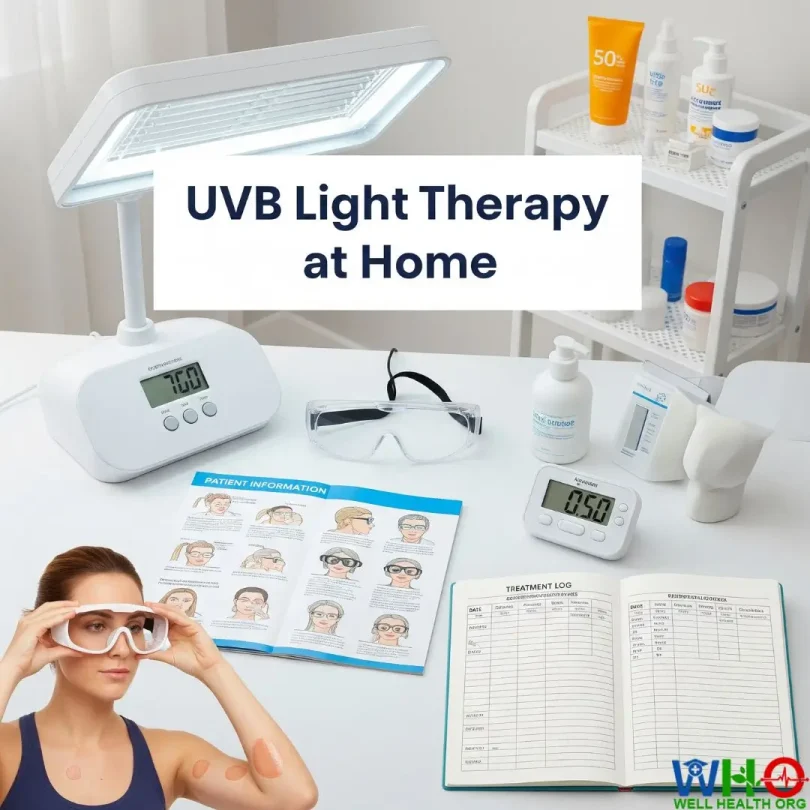
UVB Light Therapy
Millions of people worldwide battle chronic skin conditions such as psoriasis, eczema, and vitiligo — conditions that not only affect physical comfort but also deeply influence confidence and quality of life. For many, regular clinic-based UVB phototherapy has proven to be a game-changing treatment. Yet, the challenges of scheduling frequent appointments, commuting long distances, and managing healthcare costs often make consistent therapy difficult to sustain.
- UVB Light Therapy
- Understanding UVB Light and How It Heals Your Skin
- Skin Conditions That Respond to Home UVB Therapy
- Are You a Good Candidate for Home UVB Light Therapy?
- How to Prepare for Home UVB Light Therapy
- Step-by-Step Guide to Performing UVB Therapy at Home
- 1. Pre-Treatment Preparation
- 2. Equipment Inspection
- 3. Treatment Process
- 4. Dose Progression
- 5. Post-Treatment Care
- Safety Measures and Essential Precautions
- Potential Side Effects and Their Management
- Maximizing the Effectiveness of Your Home UVB Light Therapy
- 1. Stay Consistent — The Key to Clearer Skin
- 2. Moisturize Regularly
- 3. Complement with Healthy Lifestyle Habits
- 4. Don’t Skip Medical Follow-Ups
- Maintaining and Caring for Your UVB Equipment
- 1. Regular Cleaning
- 2. Track Bulb Life
- 3. Perform Function Checks
- Expert Guidance: Working with Your Healthcare Provider
- Initial Consultation
- Ongoing Supervision
- Home UVB Therapy Equipment: Choosing What’s Best for You
- 1. Full-Body Booth Units
- 2. Panel Units
- 3. Handheld Devices
- Cost and Insurance Considerations
- Potential Risks and Long-Term Safety
- What Results Can You Expect from Home UVB Therapy?
- Patient Experiences and Real-Life Insights
- When to Contact Your Dermatologist
- Making an Informed Decision
- Frequently Asked Questions
Enter UVB light therapy at home — a modern, medically approved solution that empowers patients to continue professional-grade treatment safely and conveniently within their own space. Research consistently supports its effectiveness: in one notable study involving 195 psoriasis patients, 82% of those using home phototherapy achieved significant improvement, results nearly identical to those achieved in clinical settings.
This comprehensive guide will take you through every aspect of home UVB therapy — from understanding how it works and determining your suitability, to setting up your equipment and following essential safety measures. Whether you’re just exploring this treatment option or looking to enhance your current regimen, this article will help you make informed, confident decisions about your skin health.
Understanding UVB Light and How It Heals Your Skin
UVB (Ultraviolet B) light therapy is a scientifically proven treatment that uses specific wavelengths of ultraviolet light — primarily around 311 nanometers (narrowband UVB) — to treat chronic skin conditions. This wavelength has been found to provide maximum therapeutic benefit while minimizing harmful side effects associated with broader UV exposure.

When UVB light penetrates the skin, it directly affects the DNA of skin cells, slowing down the excessive cell growth that characterizes psoriasis plaques and other inflammatory skin conditions. This process reduces redness, scaling, and irritation. The light also helps regulate the immune system’s overactive response, which is a primary trigger in autoimmune skin disorders like psoriasis.
Unlike older systemic medications that can stress the liver or kidneys, UVB therapy works directly on the skin’s surface. The treatment provides local relief with minimal systemic side effects, making it safe and sustainable for long-term management.
Key Benefits of UVB Light Therapy Include:
- Reduces inflammation: Calms the skin’s immune response and relieves redness.
- Normalizes cell turnover: Prevents thick, scaly plaques from forming.
- Improves comfort: Reduces itching and dryness, improving sleep quality.
- Long-lasting results: Many patients experience months of remission after completing a full treatment course.
Choosing to perform UVB therapy at home offers an additional layer of freedom — you can treat your skin on your schedule, skip waiting rooms, and potentially save thousands of dollars annually compared to ongoing clinical sessions.
Skin Conditions That Respond to Home UVB Therapy
While psoriasis is the most common condition treated with UVB therapy, it’s far from the only one. The therapy’s anti-inflammatory and immunomodulatory effects make it suitable for a variety of chronic skin disorders.

1. Psoriasis:
Home phototherapy is particularly effective for mild to moderate psoriasis that affects large areas of the body. Patients who find topical treatments messy or impractical often achieve clearer skin through regular UVB sessions.
2. Eczema and Atopic Dermatitis:
For individuals whose eczema hasn’t responded well to moisturizers or topical steroids, UVB therapy offers relief by reducing inflammation and calming overactive immune responses.
3. Vitiligo:
Narrowband UVB therapy can help stimulate melanocyte regeneration — the skin cells responsible for pigment production. Over time, this can restore color to depigmented patches, especially when treatment begins early.
4. Other Conditions:
UVB therapy is also used in managing:
- Chronic dermatitis
- Mycosis fungoides (a rare form of cutaneous lymphoma)
- Lichen planus
- Certain cases of pruritus (chronic itching)
Before starting any phototherapy regimen, always confirm with your dermatologist whether UVB light therapy is appropriate for your particular skin condition and medical history.
Are You a Good Candidate for Home UVB Light Therapy?
Not everyone qualifies for home UVB therapy — and safety starts with proper patient selection. Generally, the best candidates are those who:

- Have previously undergone clinic-based UVB treatments and understand basic safety principles.
- Can follow detailed instructions and maintain consistent treatment logs.
- Have regular access to a healthcare provider for follow-up evaluations.
If you’re completely new to phototherapy, your dermatologist may recommend beginning treatment under clinical supervision first. This allows you to observe your skin’s reaction to UVB exposure, learn dosing schedules, and understand what normal vs. concerning responses look like.
Important Exclusions:
Certain medications and conditions can make UVB therapy unsafe, such as:
- Photosensitizing drugs: thiazide diuretics, tetracyclines, or some antidepressants.
- Autoimmune conditions: lupus or rosacea, which are aggravated by UV exposure.
- Cancer history: prior melanoma or skin cancer requires extreme caution.
Your physician will carefully review your medical and medication history before prescribing home UVB equipment.
How to Prepare for Home UVB Light Therapy
Success with home therapy begins long before your first treatment. Proper setup, education, and commitment to safety are the foundations of effective care.

1. Get Medical Authorization:
A dermatologist must prescribe and supervise your home phototherapy. They’ll determine your starting dose, frequency, and type of equipment needed.
2. Select the Right Equipment:
Your doctor can recommend trusted manufacturers (like Daavlin, National Biological Corporation, or UVBiotek) that meet medical-grade standards and safety certifications.
3. Set Up a Safe Treatment Space:
Choose a clean, private area free from distractions, pets, and reflective surfaces. Maintain good ventilation and ensure all electrical components are safely installed.
4. Read the Instruction Manual Thoroughly:
Understand the equipment’s functions, timer settings, and safety features before using it. Keep your manual accessible for future reference.
Step-by-Step Guide to Performing UVB Therapy at Home
Once your doctor gives the green light, it’s time to begin. Follow these steps carefully for safe, effective treatment.

1. Pre-Treatment Preparation
- Remove all clothing and jewelry from the areas you’ll treat.
- Apply UV-protective goggles — this step is non-negotiable, as UV light exposure can cause serious eye damage.
- Cover sensitive areas such as genitals or nipples with protective fabric.
- Apply lip balm and, if your face is not being treated, broad-spectrum sunscreen to protect it.
2. Equipment Inspection
Before turning on your device, ensure:
- All bulbs are functioning and not flickering.
- Built-in timers and safety features are operational.
- The treatment area is clear of people, pets, and reflective objects.
3. Treatment Process
- Your starting dose is based on your Fitzpatrick skin type — ranging from Type I (very fair) to Type VI (very dark). Lighter skin starts with lower doses.
- Stand or sit according to the manufacturer’s guidelines to ensure even light exposure.
- Most patients begin with three sessions per week, spaced at least 24 hours apart.
4. Dose Progression
Your dermatologist will instruct you on gradual dose increases, usually 10–20% per session, until reaching your minimal erythema dose (MED) — the point where slight pinkness appears 24 hours post-treatment. Never self-adjust doses without guidance.
5. Post-Treatment Care
- Immediately apply a fragrance-free moisturizer to lock in hydration and reduce dryness.
- Avoid hot showers or direct heat for several hours.
- Record the session details — duration, dose, and skin response — in your treatment log.
Safety Measures and Essential Precautions
Safety is the cornerstone of successful home UVB therapy. When done responsibly, the risk of complications is extremely low.
Protective Equipment:
- UV-protective goggles: Always wear them; ordinary sunglasses are insufficient.
- Protective clothing: Cover sensitive or untreated areas to prevent burns.
- Timer and safety lock: Rely on both your equipment’s built-in timer and an external timer as backup.
Environmental Safety:
- Keep your treatment space private and secure.
- Avoid exposing others to the light — UV exposure can cause eye and skin damage.
- Cover mirrors or reflective surfaces to prevent accidental overexposure.
Timing and Scheduling:
- Never exceed your prescribed exposure time.
- If you miss a few sessions, do not “catch up” by doubling your dose — consult your doctor before resuming.
- Maintain consistent treatment intervals for best results.
Potential Side Effects and Their Management
Although UVB therapy is generally well-tolerated, some reactions may occur, particularly during the first few weeks.

Normal Reactions:
- Mild redness (pinkness) 8–24 hours post-treatment — a sign your skin is responding correctly.
- Slight dryness or itching, especially early in treatment.
- Temporary tanning or darkening of treated skin.
How to Manage Normal Effects:
Apply soothing, alcohol-free moisturizers frequently. Aloe vera gel or products containing ceramides can be particularly helpful.
Concerning Reactions:
- Severe redness or pain lasting over 48 hours: Indicates overexposure. Skip the next session and consult your doctor.
- Blistering: Stop treatment immediately and seek medical care.
- New moles or unusual spots: Report these promptly for professional evaluation.
Keeping a detailed treatment log helps identify triggers or patterns in your reactions and assists your dermatologist in fine-tuning your dosage.
Maximizing the Effectiveness of Your Home UVB Light Therapy
Achieving optimal results from UVB light therapy involves more than just standing in front of a lamp. Success depends on consistency, preparation, and overall skin care. Below are expert strategies to help you get the most out of your treatment plan.
1. Stay Consistent — The Key to Clearer Skin
Phototherapy works gradually. Missing sessions or changing your schedule frequently can disrupt progress and delay improvement. Set up a consistent treatment routine that fits naturally into your daily life.
- Choose a time when you’re least likely to be interrupted, such as early morning or evening.
- Use phone reminders or a calendar app to stay on track.
- Keep a treatment logbook documenting every session’s duration, dosage, and skin response.
Consistency not only helps your skin adjust to therapy but also allows your doctor to make informed decisions about dose adjustments and treatment duration.
2. Moisturize Regularly
Hydration plays a major role in UVB therapy effectiveness. Dry, flaky skin reflects light unevenly, which can reduce absorption.
- Apply a gentle, fragrance-free moisturizer within five minutes after showering or treatment.
- Avoid thick ointments right before your session, as they can block UV penetration.
- Look for moisturizers containing ceramides, hyaluronic acid, or urea for long-lasting hydration.
3. Complement with Healthy Lifestyle Habits
While UVB therapy is a powerful medical tool, it works best when supported by overall skin wellness.
- Eat nutrient-rich foods: Omega-3 fatty acids, vitamin D, and antioxidants can help reduce inflammation.
- Stay hydrated: Water supports skin elasticity and barrier function.
- Manage stress: Stress is a known psoriasis and eczema trigger — try mindfulness, yoga, or breathing exercises.
- Get adequate sleep: Skin regenerates at night, and rest improves immune balance.
4. Don’t Skip Medical Follow-Ups
Even when you’re treating at home, medical supervision is non-negotiable. Regular check-ins ensure your therapy remains safe and effective.
- Expect follow-ups every 2–3 months to evaluate skin progress and adjust dosages.
- Your dermatologist may perform skin cancer screenings or mole checks during these visits.
- If you experience severe redness, blisters, or skin changes, schedule an immediate consultation.
Maintaining and Caring for Your UVB Equipment
Just like any medical device, your UVB unit requires proper care and regular maintenance to ensure consistent results and longevity. Neglecting upkeep can lead to uneven light output, reduced efficacy, or even safety risks.
1. Regular Cleaning
Dust and residue can block light rays and decrease treatment strength.
- Wipe the lamps gently with a soft, dry microfiber cloth after each use.
- Never use wet cloths or sprays on the bulbs.
- Keep the surrounding area free of dust and humidity.
2. Track Bulb Life
Even if bulbs continue to light up, their UV output diminishes over time. Most narrowband UVB bulbs are rated for 500–1000 hours of use.
- Keep a log of operating hours.
- Replace all bulbs simultaneously to maintain balanced light exposure.
- Ask your supplier about bulb recycling or safe disposal programs.
3. Perform Function Checks
Before every session:
- Confirm the timer and safety lock work properly.
- Ensure reflective panels are intact and positioned correctly.
- Look out for flickering or dim bulbs — a sign they’re near the end of their lifespan.
A well-maintained unit ensures accurate dosing and uniform light distribution, both of which are crucial for effective, safe treatment.
Expert Guidance: Working with Your Healthcare Provider
Although home UVB therapy gives you independence, your healthcare provider remains your essential partner. Their ongoing input helps maintain treatment success while minimizing risks.
Initial Consultation
Before purchasing equipment, your dermatologist will:
- Assess your medical history and skin type.
- Review current medications for photosensitivity risks.
- Recommend a treatment protocol, including starting doses, exposure frequency, and expected progress milestones.
They can also help you decide whether to invest in a full-body booth, panel unit, or handheld wand, depending on your treatment areas and budget.
Ongoing Supervision
Expect follow-up visits every 8–12 weeks during active therapy. During these sessions, your doctor may:
- Adjust UVB intensity based on skin response.
- Examine skin for early signs of overexposure.
- Discuss lifestyle or product adjustments to enhance outcomes.
If your condition improves significantly, your provider may gradually reduce frequency or transition you to a maintenance schedule.
Home UVB Therapy Equipment: Choosing What’s Best for You
The type of phototherapy unit you choose affects both your comfort and treatment efficiency. Understanding your options ensures you invest wisely in equipment that fits your needs.

1. Full-Body Booth Units
- Ideal for those with psoriasis or eczema covering large areas.
- Provides even, head-to-toe light exposure in just a few minutes per session.
- Requires adequate space — about the size of a small shower stall.
- Costs typically range between $5,000 and $7,000.
2. Panel Units
- Designed for treating moderate areas such as legs, arms, or torso.
- Panels can be used individually or combined with reflective wings for broader coverage.
- Prices usually fall between $2,000 and $4,000, making them more accessible for most households.
3. Handheld Devices
- Best for localized conditions such as scalp psoriasis or small vitiligo patches.
- Lightweight, portable, and easy to maneuver.
- Sessions are shorter but may require more frequent targeting of specific spots.
All reputable models include built-in timers, lockout systems, and physician authorization codes that prevent unsupervised use.
Cost and Insurance Considerations
At first glance, purchasing a UVB unit can seem costly, but when compared with regular clinic sessions, the long-term savings are substantial.
Estimated Costs:
- Equipment: $2,200 – $7,000
- Replacement bulbs: every 1–2 years
- Electricity: minimal, as each session lasts only a few minutes
Many insurance providers recognize home phototherapy as medically necessary for chronic skin conditions. With proper documentation from your dermatologist, insurance may cover 50–80% of the equipment cost.
If insurance doesn’t fully cover the purchase, most manufacturers offer financing or rental options. Over time, the convenience, improved adherence, and reduced co-pays often make home therapy a financially sound investment.
Potential Risks and Long-Term Safety
While narrowband UVB therapy is one of the safest light-based treatments available, understanding potential long-term effects ensures responsible use.
1. Skin Aging:
Prolonged exposure may slightly accelerate skin aging, similar to natural sunlight. Using moisturizers and antioxidant-rich skincare can help minimize this.
2. Eye Protection:
Failure to wear proper UV goggles can cause cataracts or eye irritation. Always double-check your protective gear before each session.
3. Skin Cancer Risk:
Multiple studies show that narrowband UVB does not significantly increase skin cancer risk when used appropriately and under medical supervision. Nevertheless, regular skin checks are essential.
4. Overexposure Risks:
Accidentally exceeding your dose may lead to burns, redness, or blistering. Always rely on built-in timers and avoid manual exposure counting.
What Results Can You Expect from Home UVB Therapy?
Improvement timelines vary based on condition severity, skin type, and consistency.
- Weeks 1–4: Skin may feel smoother, with less scaling and irritation.
- Weeks 5–8: Noticeable reduction in redness and lesion thickness.
- Weeks 9–12: Visible clearing of plaques, repigmentation in vitiligo, or significant eczema improvement.
After achieving clear or near-clear skin, your doctor may recommend a maintenance schedule of 1–2 sessions per week to prevent relapse.
Patient Experiences and Real-Life Insights
Many patients describe home UVB therapy as life-changing. For example:
Samantha, 42, from Texas, struggled for years with moderate psoriasis that covered nearly 40% of her body. Traveling to her dermatologist three times weekly became impossible after changing jobs. After switching to a home UVB booth, she reported significant clearance within three months and has maintained remission for over a year with maintenance sessions twice weekly.
Derek, 33, from New York, began using a handheld UVB wand for vitiligo patches on his face and hands. Within four months, he noticed gradual repigmentation, especially in newer spots. “It gave me back my confidence,” he says, emphasizing that strict adherence to safety guidelines made all the difference.
These real-world experiences underline one vital truth — with proper guidance, home UVB therapy can offer not just clear skin but restored self-esteem and freedom.
When to Contact Your Dermatologist
While most side effects are minor and manageable, certain symptoms warrant immediate professional evaluation:
- Severe pain or blistering after treatment.
- Sudden new or changing moles.
- Persistent redness lasting more than 48 hours.
- Unexpected changes in your skin condition or medication regimen.
Never hesitate to reach out — early communication prevents complications and ensures long-term success.
Making an Informed Decision
Home UVB light therapy represents a significant advancement in dermatologic care. With proper education, medical supervision, and commitment, it can offer clinic-level results without leaving your home.
If you’re considering this treatment, have an honest discussion with your dermatologist. Evaluate your readiness to follow detailed instructions, maintain a treatment log, and attend regular check-ups. These simple responsibilities form the backbone of safe, effective therapy.
For patients committed to consistent care, home UVB therapy can deliver more than just clearer skin — it provides renewed confidence, independence, and lasting relief from the daily challenges of chronic skin conditions.
Frequently Asked Questions
1. How long before I see results?
Most patients notice improvement after 4–6 weeks of consistent use, with significant clearing by 8–12 weeks.
2. Can children use home UVB therapy?
Yes, but only under strict medical supervision. For young patients, clinic-based therapy is usually preferred.
3. Is it safe during pregnancy?
UVB therapy is generally safe in pregnancy, but always consult both your dermatologist and obstetrician before continuing treatment.
4. What if I miss several sessions?
If you miss less than a week, resume your last dose. For longer breaks, your doctor may recommend reducing the dose temporarily to avoid burns.
5. How often should I replace bulbs?
Every 500–1000 hours of use (approximately every 1–2 years). Follow your manufacturer’s replacement schedule.
Medically Reviewed by Prof. Dr. Akram
Orthopedic Surgeon | Professor | Senior Medical Specialist
Prof. Dr. Akram is a distinguished surgeon with over 15 years of clinical expertise. Having served as a lead Emergency Specialist at Complex International Government Hospital, he currently leads a specialized team of 13 medical professionals at his private hospital. As a Professor at top medical universities, he ensures that every article on WellHealthOrg.com meets rigorous clinical standards.
Medical Disclaimer:
The information provided is for educational purposes only and is not a substitute for professional medical advice, diagnosis, or treatment. Always consult your physician for any medical concerns.
Our content is rigorously fact-checked by our 13-member Editorial Team under the clinical supervision of Prof. Dr. Akram.