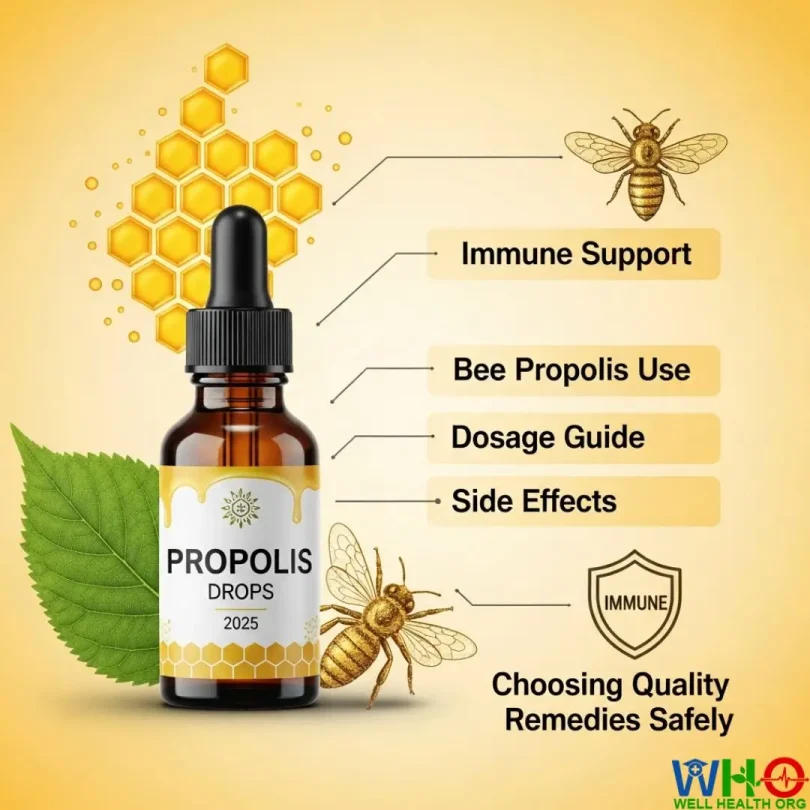
Propolis drops are concentrated liquid extracts made from propolis — a sticky, resin-like substance that honeybees collect from tree buds and sap flows, especially from poplar and conifer trees. Bees mix this plant resin with their own enzymes and beeswax to create a material they use to seal, sanitize, and protect their hives. In essence, propolis acts as the colony’s natural defense system against bacteria, viruses, and fungi.
- The Science Behind Propolis: A Natural Chemical Powerhouse
- Top Health Benefits of Propolis Drops
- 1. Immune System Support
- 2. Powerful Antioxidant Protection
- 3. Anti-Inflammatory Benefits
- Specific Health Applications of Propolis Drops
- How to Use Propolis Drops Safely and Effectively
- Recommended Dosage
- How to Take Propolis Drops
- Safety Precautions
- Choosing the Right Propolis Drops: Quality Matters
- Key Factors to Look For
- Red Flags to Avoid
- Potential Side Effects and Interactions to Be Aware Of
- Common Side Effects
- Drug Interactions
- Propolis Drops Compared to Other Natural Immune Boosters
- Propolis vs. Echinacea
- Propolis vs. Honey
- Propolis vs. Vitamin C
- Real-World Experiences: What Users Are Saying
- The Future of Propolis Research
- Incorporating Propolis Drops into Your Wellness Routine
- Final Thoughts: The Natural Immune Support You Can Trust
- Frequently Asked Questions (FAQs)
When transformed into liquid drops, propolis becomes easier for humans to consume and absorb. This extraction process isolates and preserves the active compounds, such as flavonoids and phenolic acids, making propolis drops a potent, bioavailable form of this bee-derived remedy. Unlike raw propolis, which can be difficult to ingest or digest, propolis drops deliver all the benefits in a convenient, concentrated form.
The use of propolis isn’t new — far from it. Ancient Egyptians valued it for its preservative and healing qualities, even using it in mummification. Greek and Roman physicians applied it to wounds and infections. In Eastern Europe and Asia, propolis has long been a staple in traditional medicine, prized for its immune-enhancing and antibacterial properties. Modern science is now validating much of this ancient wisdom, revealing how propolis’s complex chemical makeup supports the immune system and promotes overall wellness.
The Science Behind Propolis: A Natural Chemical Powerhouse
Propolis is not a simple substance — it’s a complex blend of over 300 natural compounds that work together in synergy. Among its most important components are flavonoids, phenolic acids, and esters, which are known for their potent antioxidant and antimicrobial effects.
Flavonoids — including chrysin, galangin, and pinocembrin — are plant-based antioxidants that protect cells from damage and combat harmful pathogens. These compounds are also responsible for the anti-inflammatory and immune-boosting qualities of propolis.
The specific composition of propolis can vary greatly depending on where it’s collected. Bees in different regions gather resins from distinct plants, meaning Brazilian green propolis, for instance, differs from European or Asian propolis in its exact blend of bioactive compounds. Despite these differences, all varieties of propolis share a core characteristic: a powerful ability to defend against microbes and support the body’s natural defenses.
Modern laboratory studies have demonstrated that propolis possesses antimicrobial, antiviral, antifungal, and even anticancer properties. Its unique mix of bioactive molecules helps modulate immune responses, protect tissues from oxidative stress, and fight inflammation — three key pillars of maintaining optimal health.
Top Health Benefits of Propolis Drops
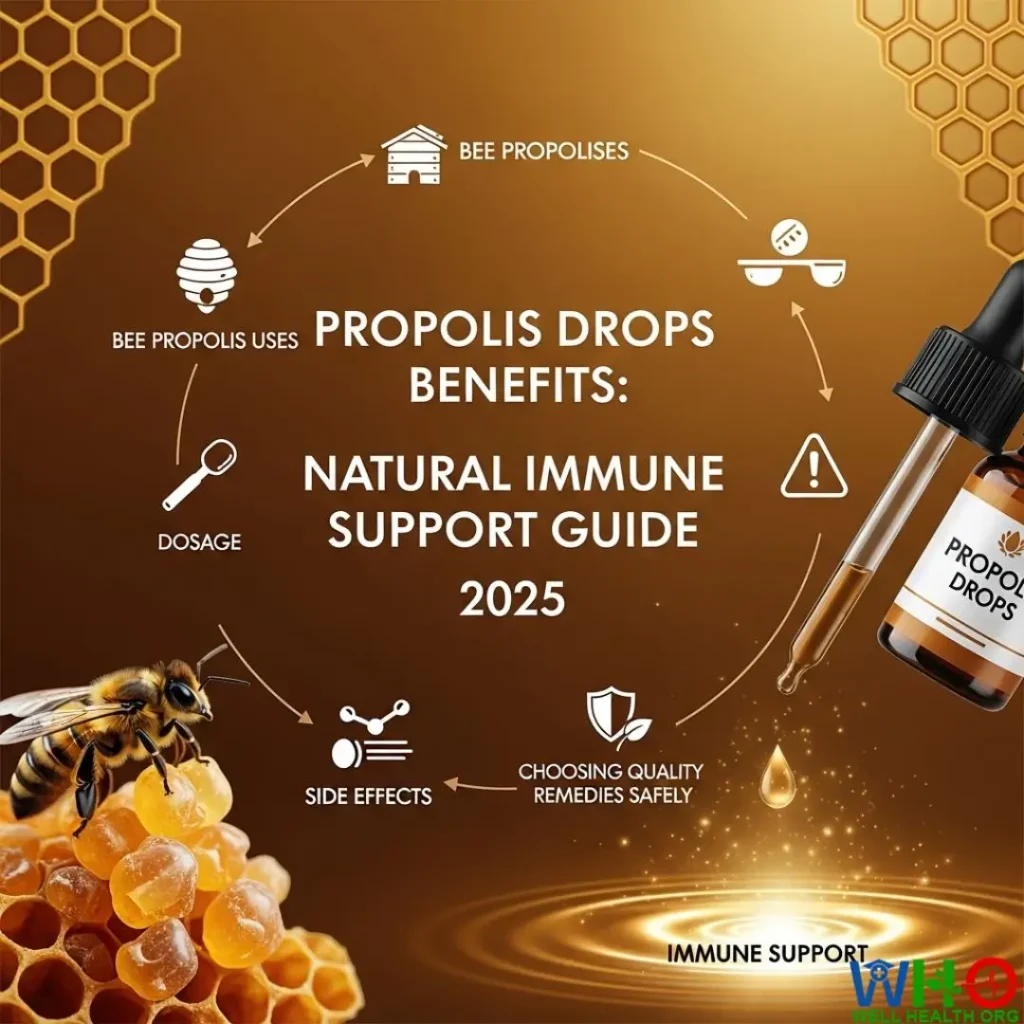
1. Immune System Support
One of the primary reasons people turn to propolis drops is for immune system reinforcement. Propolis acts like a natural shield, supporting the body’s ability to ward off common pathogens such as bacteria, fungi, and viruses.
Research suggests that the flavonoids and phenolic compounds in propolis help regulate immune activity. Instead of overstimulating the immune system (as some herbal supplements do), propolis seems to help it respond appropriately — enhancing defense when needed but avoiding excessive inflammation. This balanced approach makes propolis an excellent ally during seasonal changes or periods of immune vulnerability.
Many people who regularly take propolis drops report experiencing fewer colds, faster recovery times, and improved resilience against everyday infections. While propolis isn’t a cure-all, it can certainly strengthen the body’s natural defenses when used consistently.
2. Powerful Antioxidant Protection
Our modern lifestyles expose us to oxidative stress from pollution, poor diet, and everyday stressors. Propolis drops are loaded with antioxidants that help neutralize free radicals — unstable molecules that damage cells and accelerate aging.
These antioxidant compounds not only protect against cellular damage but also support the health of the heart, brain, and skin. By reducing oxidative stress, propolis may help prevent chronic diseases and improve overall energy levels. Studies comparing different types of propolis have consistently shown strong antioxidant capacity across the board, though the potency can vary depending on geographic source and extraction method.
3. Anti-Inflammatory Benefits
Chronic inflammation contributes to many modern health problems — from joint pain and fatigue to more serious conditions like heart disease and diabetes. Propolis contains natural anti-inflammatory agents that can help calm the body’s inflammatory responses.
Animal and human studies have found that propolis can help lower levels of inflammatory markers in the body, improving overall wellness. Regular use of propolis drops may help alleviate symptoms associated with inflammation, such as swelling, soreness, and discomfort, while promoting better balance in the immune system.
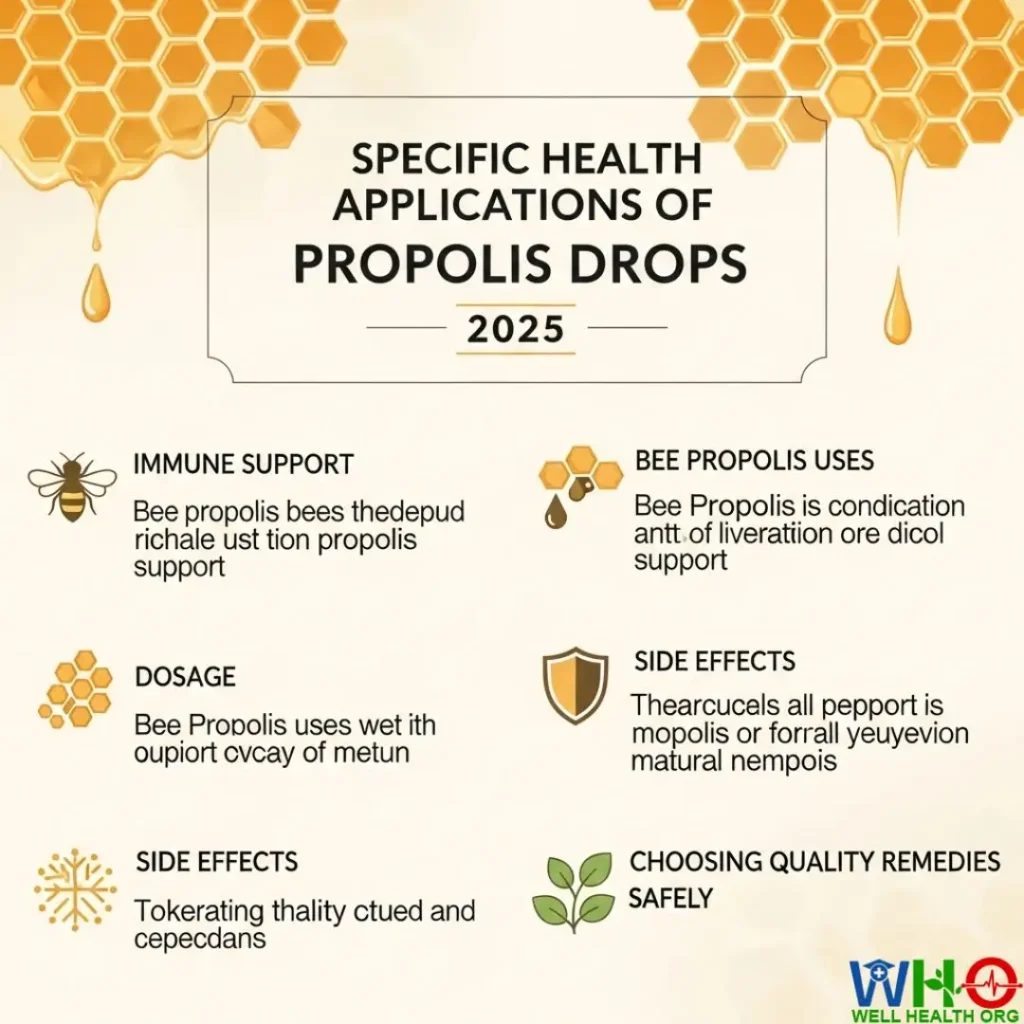
Specific Health Applications of Propolis Drops
The therapeutic potential of propolis extends beyond general immune support. Research and traditional use have revealed several targeted benefits:
- Blood Sugar Balance: Early studies suggest that propolis may improve glucose control in people with diabetes by reducing oxidative stress and inflammation, although it doesn’t appear to significantly alter insulin levels.
- Cold Sores and Skin Conditions: Topical applications of propolis-containing creams or tinctures have been shown to speed up healing and reduce discomfort associated with herpes simplex virus (cold sores).
- Oral Health: Propolis’s antibacterial and healing properties make it a powerful ally for mouth health. It can help prevent plaque buildup, reduce gum inflammation, and aid in healing mouth ulcers — including those caused by cancer treatments.
Beyond these uses, propolis is also being studied for potential roles in supporting respiratory health, protecting the liver, and promoting faster wound healing.
How to Use Propolis Drops Safely and Effectively
Recommended Dosage
Most clinical studies on propolis have used daily doses ranging from 400 to 500 mg for adults. However, because propolis drops vary in concentration, it’s best to follow the dosage guidelines provided by the manufacturer. Starting with a smaller amount allows your body to adjust before gradually increasing to the recommended level.
Factors such as body weight, health goals, and sensitivity can influence the ideal dosage. If you’re using propolis for general wellness, a lower daily dose may be sufficient, while individuals addressing specific conditions may benefit from slightly higher amounts under professional supervision.
How to Take Propolis Drops
There are a few simple ways to incorporate propolis drops into your daily routine:
- Sublingually (Under the Tongue): Place a few drops under your tongue for faster absorption directly into the bloodstream.
- Diluted in Beverages: Mix your drops into a small glass of water, juice, or herbal tea to reduce the strong, resinous taste.
- With Food: If you’re sensitive to propolis’s natural bitterness, take it with meals to make it easier to tolerate.
The sublingual method typically provides the quickest results, while mixing with liquids can make daily use more pleasant.
Safety Precautions
While propolis drops are generally safe for most people, there are a few precautions to keep in mind:
- Allergies: If you’re allergic to bee products, honey, or pollen, proceed with caution. Start with a tiny dose to check for reactions.
- Pregnancy and Breastfeeding: Pregnant women should avoid propolis due to limited research on safety. Breastfeeding mothers can typically use small amounts (under 300 mg daily) after consulting a healthcare provider.
- Bleeding Disorders: Because propolis can slow blood clotting, those with bleeding conditions or on blood-thinning medications should consult a doctor before use.
- Before Surgery: Stop using propolis at least two weeks before any surgical procedure to minimize potential bleeding risks.
Choosing the Right Propolis Drops: Quality Matters
When it comes to natural supplements like propolis, quality is everything. The effectiveness and safety of your propolis drops depend heavily on how they’re sourced, processed, and tested. Unfortunately, not all propolis products on the market meet the same standards, so being selective pays off.
Key Factors to Look For
- Origin and Source Transparency:
Choose propolis drops from brands that clearly state where their propolis is harvested. The geographic origin impacts the chemical composition and potency. For instance, Brazilian green propolis tends to have higher concentrations of certain flavonoids and phenolic acids compared to European propolis. - Extraction Method:
The best propolis drops are made using ethanol or water-alcohol extraction, which effectively pulls out active compounds without destroying their potency. Avoid products that use harsh chemical solvents, as they may compromise purity. - Concentration Levels:
Look for labels indicating the concentration (e.g., 30%, 50%, or 70%). Higher concentrations can be more potent, but they should be used cautiously and dosed appropriately. A product that hides its concentration is often a red flag. - Third-Party Testing:
Reputable companies send their propolis products to independent labs for third-party testing. This ensures that what’s on the label matches what’s inside — confirming potency, purity, and freedom from heavy metals or contaminants.
Red Flags to Avoid
- Products without clear ingredient or concentration information
- Artificial colors, preservatives, or unnecessary fillers
- No mention of testing or certification
- Vague sourcing or unclear manufacturer details
Investing in a high-quality propolis supplement ensures you’re getting maximum benefit without exposing yourself to unwanted additives or toxins.
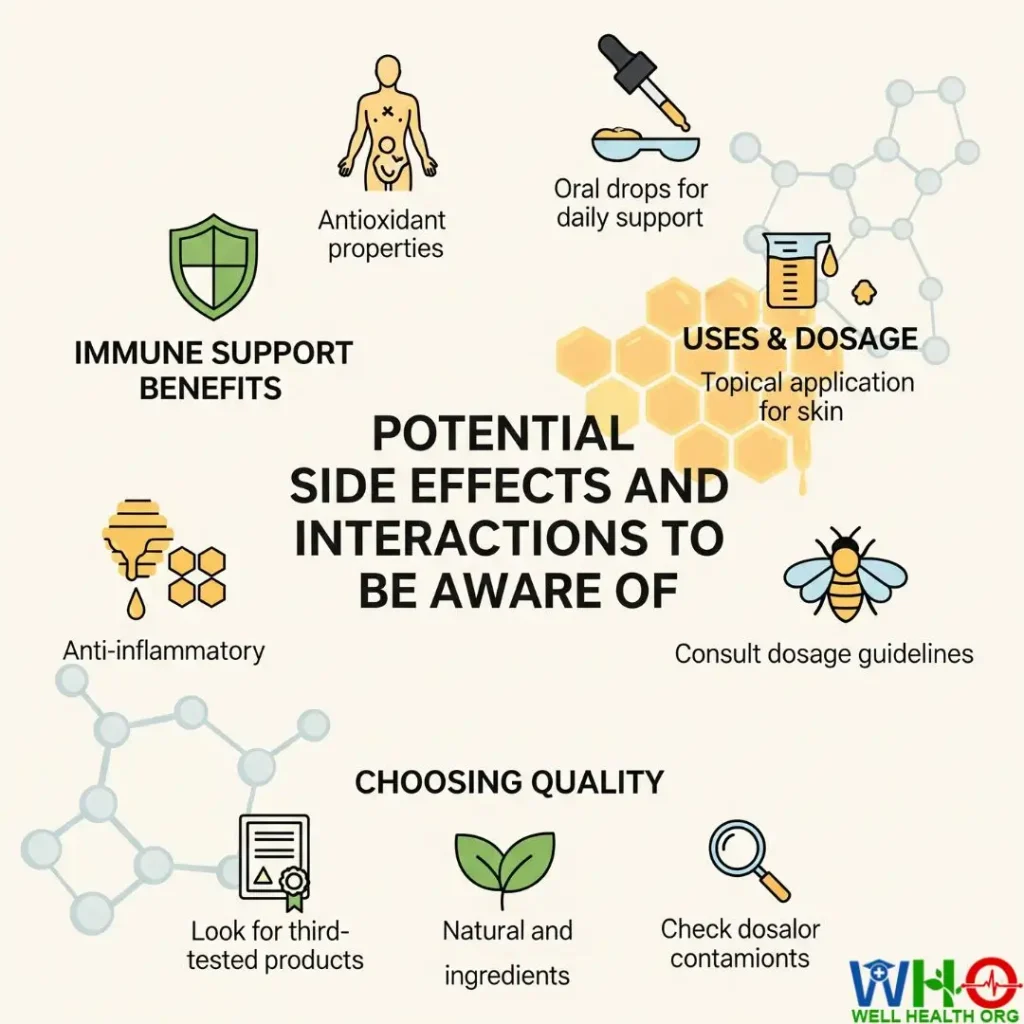
Potential Side Effects and Interactions to Be Aware Of
While propolis drops are widely recognized as safe for general use, it’s important to remember that natural doesn’t always mean risk-free. Some individuals may experience mild side effects, especially during initial use.
Common Side Effects
- Allergic Reactions: People sensitive to bee stings, pollen, or honey may experience itching, rash, swelling, or difficulty breathing.
- Mouth Irritation: Concentrated propolis can cause mouth irritation or ulcers if taken in excessive doses.
- Skin Sensitivity: When applied topically, propolis may cause redness or rash in some individuals.
- Digestive Upset: Nausea or stomach discomfort can occur if taken on an empty stomach or in large doses.
Drug Interactions
- Blood-Thinning Medications:
Propolis may enhance the effects of anticoagulants like warfarin, increasing the risk of bleeding. - Medications Metabolized by the Liver:
Some compounds in propolis can influence how quickly the liver breaks down certain drugs, altering their effects or side effects. - Immunosuppressant Drugs:
Because propolis supports immune activity, it may reduce the effectiveness of medications designed to suppress immune responses.
Always consult a healthcare professional before combining propolis drops with any prescription medication, especially if you have chronic conditions or take multiple drugs.
Propolis Drops Compared to Other Natural Immune Boosters
Propolis isn’t the only natural supplement known for supporting immune health, but it does have unique advantages over many popular alternatives. Let’s take a look at how it stacks up:
Propolis vs. Echinacea
Echinacea is one of the most well-known herbal remedies for cold and flu prevention. It primarily works by stimulating immune cell activity, making it useful for short-term immune enhancement. Propolis, on the other hand, offers a broader range of actions — antimicrobial, antiviral, antioxidant, and anti-inflammatory. Instead of just stimulating the immune system, it helps balance it, which may be more sustainable for long-term use.
Propolis vs. Honey
While both come from bees, their roles differ significantly. Honey provides natural sugars and mild antibacterial benefits, but propolis is far more concentrated in bioactive compounds. Think of honey as the bee’s energy source and propolis as its protective armor. For immune support and overall health maintenance, propolis drops deliver a much stronger and more targeted effect than honey alone.
Propolis vs. Vitamin C
Vitamin C is an essential nutrient and a classic immune supporter. Propolis complements it beautifully — where vitamin C acts as a powerful antioxidant and supports immune function, propolis adds antimicrobial defense and inflammation control. Many wellness experts recommend combining the two for enhanced results during cold and flu season.
Real-World Experiences: What Users Are Saying
Many people who integrate propolis drops into their daily routines share impressive results. Some report catching fewer colds, while others notice faster recovery times from respiratory infections. Users with recurring mouth ulcers or gum issues often find noticeable relief when using propolis mouth rinses or drops diluted in water.
Athletes have also embraced propolis for its ability to support recovery and reduce oxidative stress after intense training. Its anti-inflammatory and antioxidant properties may help minimize muscle soreness and improve endurance.
That said, individual experiences vary. The effects of propolis depend on factors like dosage, product quality, and overall lifestyle. Those who use it consistently over time tend to see the most noticeable benefits.
The Future of Propolis Research
Despite thousands of years of traditional use, propolis is still being explored scientifically. Researchers are actively studying how specific compounds in propolis — such as caffeic acid phenethyl ester (CAPE) — contribute to its therapeutic effects. CAPE, for instance, has shown promise in anti-cancer and neuroprotective studies, though more human research is needed.
Other ongoing studies focus on how regional variations in propolis composition impact its health effects. Scientists are also investigating optimal extraction methods and standardized dosing to make propolis supplements more consistent and clinically reliable.
The next decade of propolis research is expected to clarify how this bee-derived compound can be best used for preventive health, chronic disease management, and possibly even anti-aging therapies.
Incorporating Propolis Drops into Your Wellness Routine
Adding propolis drops to your daily wellness plan can be simple and rewarding. Here’s how to make the most of them:
- Start Small: Begin with a low dosage to see how your body reacts, then gradually increase based on comfort and need.
- Be Consistent: Propolis works best when taken regularly — aim for daily use rather than occasional doses.
- Pair It Wisely: Combine with vitamin C, zinc, or a balanced diet rich in fruits and vegetables for optimal immune protection.
- Stay Hydrated: Propolis can be slightly resinous; drinking plenty of water helps your body process it efficiently.
- Store Properly: Keep your drops in a cool, dark place to preserve potency.
For those who dislike the strong flavor, propolis capsules or sprays are available as convenient alternatives. However, liquid drops remain the most bioavailable form, ensuring faster absorption and more noticeable benefits.
Final Thoughts: The Natural Immune Support You Can Trust
Propolis drops represent the perfect union of ancient wisdom and modern science. With their rich blend of bioactive compounds, they offer a natural, multifaceted approach to wellness — strengthening immunity, reducing inflammation, and protecting cells from oxidative stress.
What makes propolis especially compelling is its ability to work with your body rather than against it. It doesn’t mask symptoms or overstimulate immune function; instead, it helps maintain balance and resilience. In a world where our bodies are constantly exposed to environmental toxins, stress, and pathogens, that balance is priceless.
Whether you’re looking to fortify your immune system, enhance recovery, or simply live a more natural, health-focused lifestyle, propolis drops are a valuable addition to your daily routine. Just remember: quality, consistency, and mindfulness are key to getting the best results.
Nature has always provided us with the tools for healing — and propolis is one of its finest gifts.
Frequently Asked Questions (FAQs)
1. Can I take propolis drops every day?
Yes, daily use is generally safe for most people. Consistent intake helps maintain immune support and antioxidant protection. However, start with small doses and monitor for allergies or sensitivity.
2. How long does it take to notice results from propolis drops?
Some people feel benefits such as increased energy or fewer infections within a few weeks, while others may notice gradual improvements over time with consistent use.
3. Can children take propolis drops?
Yes, but only in child-safe formulations and reduced doses. Always consult a pediatrician before giving propolis to children under 12.
4. What’s the best time of day to take propolis drops?
Most users prefer taking them in the morning or with meals. Avoid taking them right before bedtime if the taste or slight energizing effect bothers you.
5. Can propolis drops replace antibiotics?
No. While propolis has strong antimicrobial properties, it should not replace prescribed antibiotics for serious infections. It can, however, complement medical treatment and support recovery.
Medically Reviewed by Prof. Dr. Akram
Orthopedic Surgeon | Professor | Senior Medical Specialist
Prof. Dr. Akram is a distinguished surgeon with over 15 years of clinical expertise. Having served as a lead Emergency Specialist at Complex International Government Hospital, he currently leads a specialized team of 13 medical professionals at his private hospital. As a Professor at top medical universities, he ensures that every article on WellHealthOrg.com meets rigorous clinical standards.
Medical Disclaimer:
The information provided is for educational purposes only and is not a substitute for professional medical advice, diagnosis, or treatment. Always consult your physician for any medical concerns.
Our content is rigorously fact-checked by our 13-member Editorial Team under the clinical supervision of Prof. Dr. Akram.