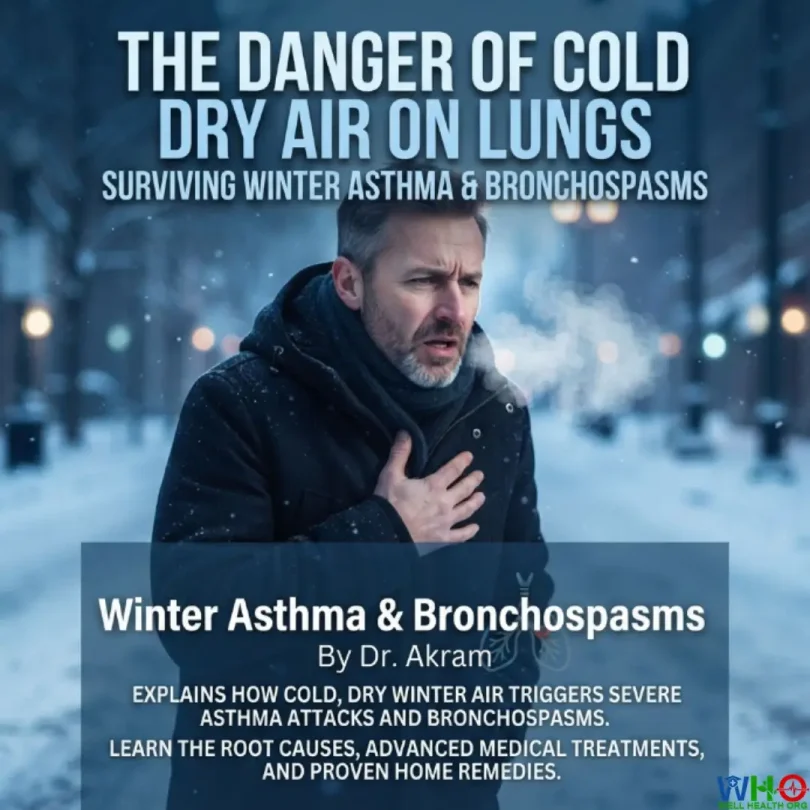
🩺 Dr. Akram’s Private Clinical Notes for Winter Asthma & Bronchospasms
“Across three decades in acute medicine and clinical neurology, few phenomena present as abruptly and dramatically as winter-induced respiratory collapse. I recall vividly a patient from December 2018 in London: a 34-year-old amateur distance runner with mild, well-controlled baseline asthma. He stepped outside into a dry, sub-zero morning (-3°C, relative humidity under 20%), inhaling deeply through his mouth during a sprint. Within six minutes, his broncho-epithelial lining lost its protective moisture barrier. By the eighth minute, he collapsed onto the curb—not from cardiac arrest, but from acute, suffocating bronchospasms that reduced his peak expiratory flow by over 60%. His peripheral nervous system had detected thermal and hyperosmolar shock, triggering an immediate, violent vagal reflex that clamped his airway smooth muscles shut.
Conversely, in my consultations across South Asia during the northern hemisphere’s winter, I observe an equally dangerous variant: the lethal intersection of dry cold air and thermal inversion, which traps high levels of industrial particulate matter (PM2.5). Whether in Chicago, Manchester, Frankfurt, or Lahore, the biological principle remains identical: cold, dry air is an aggressive, dehydrating physical stimulus capable of turning mild airway hypersensitivity into an acute, life-threatening clinical emergency within minutes.”
Table of Contents: Clinical Navigation
- 1. What is Cold Air-Induced Respiratory Distress & Bronchospasm?
- 2. The Root Causes: Why Winter Air Cripples Lung Physiology
- 2.1 Airway Evaporation & Periciliary Liquid Layer Collapse
- 2.2 Thermal Shock, TRPM8 Channels, and the Vagal Reflex Arc
- 2.3 Mast Cell Degranulation & Hyperosmolar Histamine Release
- 2.4 Mucus Rheology & Mucociliary Escalator Stasis
- 2.5 Nasal Immunodeficiency: The 50% Phagocytic Drop in Cold Temperatures
- 2.6 Western vs. Asian Environmental Aggravators
- 3. Advanced Clinical Treatments for Winter Bronchospasms
- 4. Evidence-Based Home Interventions and Supportive Physiology
- 5. Doctor’s Final Verdict & The Bottom Line
- 6. Regional Protocols: Western vs. Asian Management
- 7. Frequently Asked Questions: Cold Dry Air and Lung Health
1. What is Cold Air-Induced Respiratory Distress & Bronchospasm?
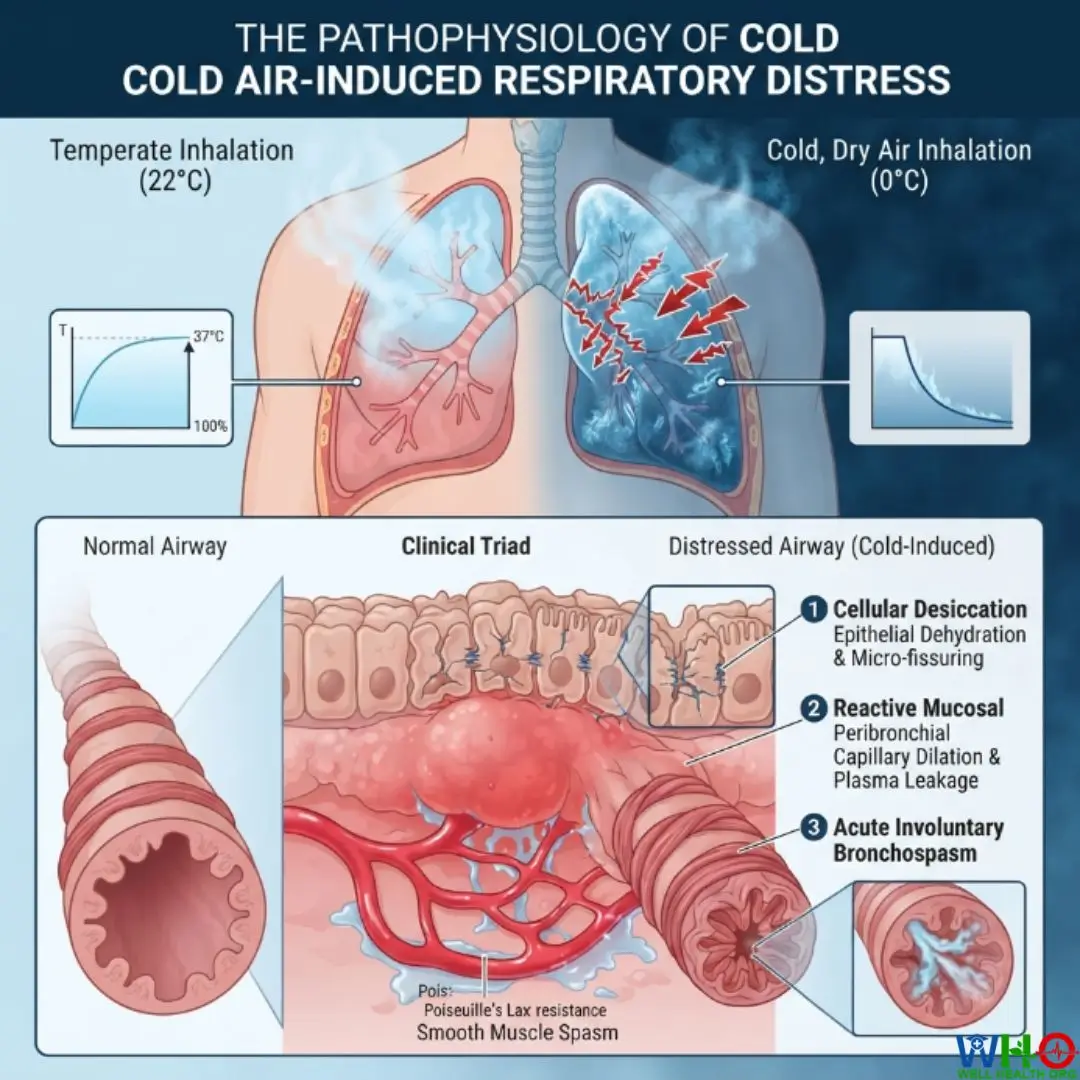
The human respiratory system was engineered by nature to operate under strict thermodynamic constraints. For atmospheric gases to safely reach the micro-thin alveolar-capillary membranes where oxygen passes into the bloodstream, incoming air must be warmed to exactly 37°C (98.6°F) and fully saturated with water vapor to an absolute relative humidity of 100%. This conditioning process must occur within fractions of a second as air moves through the upper airways.
1.1 The Thermodynamics of Human Inhalation
Under temperate conditions (22°C with 50% relative humidity), each cubic meter of air holds significant moisture, demanding minimal thermal expenditure from the nasal turbinates and trachea. However, during the winter months, ambient conditions change dramatically. Because cold air is physically incapable of holding significant moisture, winter air at 0°C typically contains less than one-fifth of the water vapor present in warm summer air.
When an individual inhales sub-zero or near-freezing air—particularly through the mouth during physical exertion or brisk walking—the upper airway conditioning system is rapidly overwhelmed. The dry, unconditioned air descends directly into the sub-segmental bronchi and lower bronchioles. The physical consequence is immediate: heat and moisture transfer rapidly from the airway mucosal lining to the incoming air bolus. The bronchial surface loses water faster than the local microvasculature can replenish it, triggering rapid drying and cooling of the airway walls.
1.2 The Clinical Triad: Bronchoconstriction, Mucosal Edema, Desiccation
When this thermal and evaporative stress reaches the bronchial tree, it sets off a dangerous clinical triad:
- Cellular Desiccation: The epithelial cells lining the breathing tubes lose intracellular fluid to the hyperosmolar surface layer, causing cellular shrinkage, disruption of tight junctions, and physical micro-fissuring of the mucosa.
- Reactive Mucosal Edema: As a direct rebound response to the sudden chilling and subsequent rewarming of the bronchial walls, the peribronchial capillary beds dilate violently (hyperemia). Plasma leaks into the mucosal tissue, swelling the airway walls inward and significantly narrowing the airway opening.
- Acute Involuntary Bronchospasm: The rings of smooth muscle that encircle the bronchial tree contract uncontrollably. This sudden muscular tightening reduces the cross-sectional area of the airway. Poiseuille’s Law of fluid dynamics dictates that halving an airway’s radius increases resistance to airflow by sixteen-fold (16x). The patient experiences this as an abrupt, terrifying sensation of suffocation, severe chest tightness, and high-pitched expiratory wheezing.
2. The Root Causes: Why Winter Air Cripples Lung Physiology
2.1 Airway Evaporation & Periciliary Liquid Layer Collapse
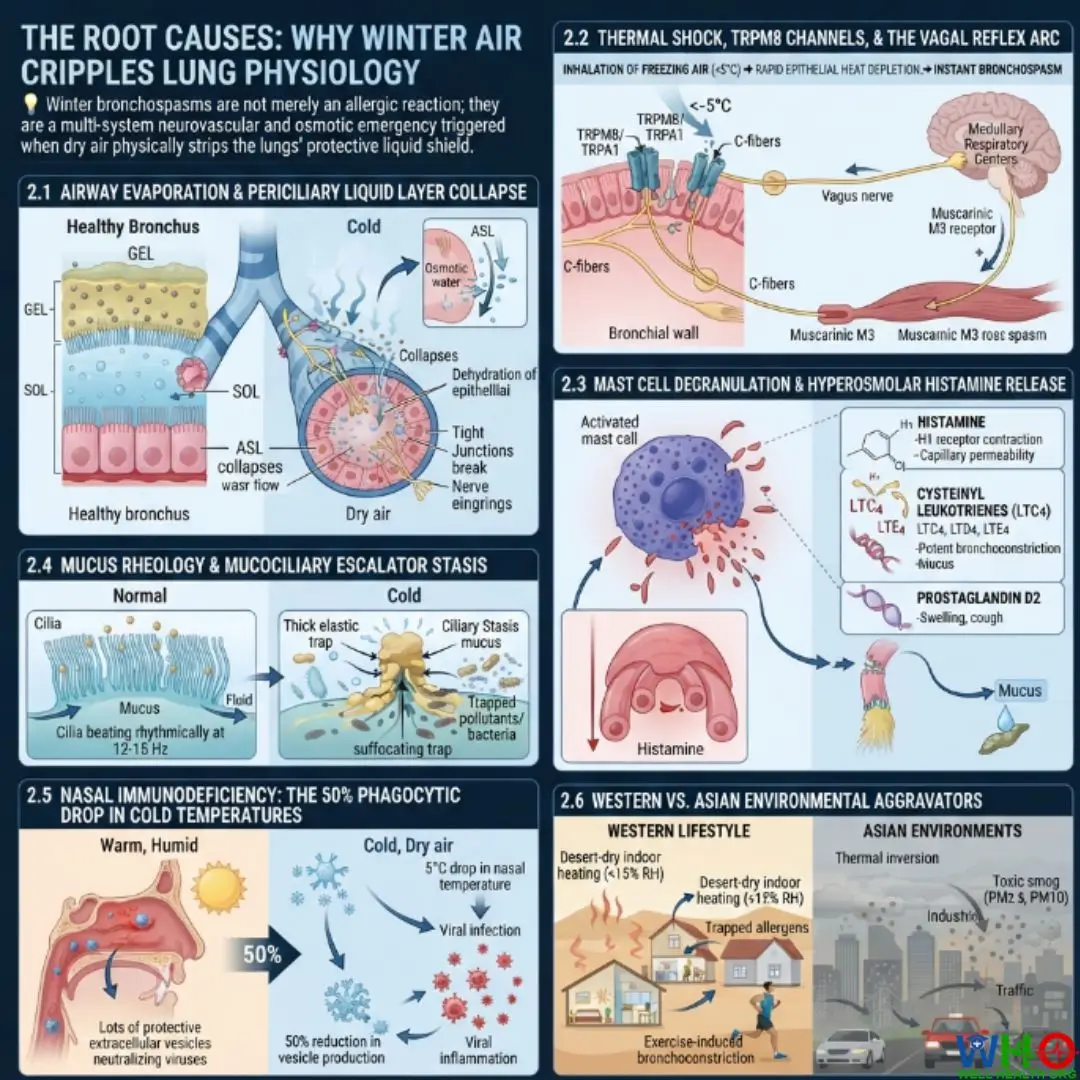
Under healthy physiological conditions, the bronchial epithelium is shielded by a continuous, microscopic fluid layer known as the airway surface liquid (ASL). This dual-layered structure consists of a watery “sol” layer, in which ciliated epithelial cells beat rhythmically at 12–15 Hertz, covered by an overlying gel “mucus” layer that traps inhaled particulates.
When exposed to dry winter air, this delicate water layer evaporates rapidly. As the water is stripped away, the concentration of electrolytes—specifically sodium, chloride, and potassium—rises sharply, creating a hyperosmolar environment on the lung surface. This hyperosmolar state pulls water out of the underlying epithelial cells via osmosis. As these cells become dehydrated, their tight junctions break down, exposing the delicate nerve endings and sensory receptors buried in the deeper tissue layers.
2.2 Thermal Shock, TRPM8 Channels, and the Vagal Reflex Arc
The human respiratory tract is densely innervated by sensory fibers, primarily unmyelinated C-fibers and rapidly adapting stretch receptors (RARs). These nerve endings express specific cold-sensing ion channels known as Transient Receptor Potential Melastatin 8 (TRPM8) and Transient Receptor Potential Ankyrin 1 (TRPA1).
When dry, freezing air reaches the lower respiratory tract, it directly stimulates these TRPM8 and TRPA1 receptors. The channels open, allowing calcium ions to flood into the nerve terminals, which generates an electrical impulse that travels rapidly along the afferent vagus nerve straight to the solitary tract in the brainstem. The central nervous system misinterprets this sudden thermal and osmotic shock as a chemical or mechanical threat, prompting a protective motor response via efferent parasympathetic pathways:
➔ Rapid Epithelial Heat Depletion & ASL Evaporation
➔ Activation of TRPM8/TRPA1 Cold Ion Channels
➔ Afferent Vagal Signal to Medullary Respiratory Centers
➔ Efferent Cholinergic Neurotransmission (Acetylcholine Release)
➔ Muscarinic M3 Receptor Stimulation on Airway Smooth Muscle
➔ Sustained Intracellular Calcium Release & Instant Bronchospasm
This neural reflex occurs within seconds. It acts as an involuntary emergency brake designed to halt further inhalation of cold air, but in asthmatic individuals, it triggers an uncontrolled, life-threatening spasm.
2.3 Mast Cell Degranulation & Hyperosmolar Histamine Release
The evaporative loss of water does more than trigger neural reflexes—it also causes direct chemical irritation. The sudden rise in surface osmolarity acts as a powerful non-immunological trigger for resident airway mast cells and basophils.
Without needing any exposure to traditional allergens like pollen or pet dander, these dehydrated mast cells rupture and dump their granulations into the surrounding tissue. Within three minutes of cold air exposure, researchers observe massive spikes of inflammatory chemicals in the lung lining:
- Histamine: Binds to H1 receptors on bronchial smooth muscles, causing direct muscle contraction while simultaneously increasing capillary permeability, which floods the airway walls with fluid.
- Cysteinyl Leukotrienes (LTC4, LTD4, LTE4): Potent inflammatory molecules up to 1,000 times more powerful than histamine at causing bronchoconstriction, which also stimulate deep mucus gland secretion.
- Prostaglandin D2 (PGD2): Accelerates local swelling and intensifies chest tightness and dry cough.
2.4 Mucus Rheology & Mucociliary Escalator Stasis
Under normal conditions, the respiratory tract produces approximately 10 to 100 milliliters of clear, fluid mucus every day to lubricate the airways. However, low temperatures alter the physical properties—the rheology—of human mucus.
Cold, dry air strips away water while stimulating submucosal glands and goblet cells to produce high-molecular-weight mucins (MUC5AC and MUC5B). The mucus becomes thick, elastic, and sticky. At the same time, the drop in airway temperature paralyzes the cilia lining the breathing passages—a condition known as ciliary dyskinesia or ciliary stasis. The cilia can no longer beat effectively, halting the upward movement of mucus toward the throat. This thick, immobilized mucus forms sticky plugs that block the smaller airways, creating a suffocating trap that seals in pollutants, bacteria, and dead cells.
2.5 Nasal Immunodeficiency: The 50% Phagocytic Drop in Cold Temperatures
In addition to mechanical and chemical irritation, cold air significantly weakens our natural respiratory defenses. Groundbreaking research has uncovered why winter is synonymous with viral respiratory infections like rhinovirus, influenza, and respiratory syncytial virus (RSV):
The nasal passages serve as our first line of immune defense. Under warm, humid conditions, cells in the nasal lining release billions of microscopic fluid-filled sacs called extracellular vesicles (EVs) into the nasal mucus when bacteria or viruses are detected. These vesicles act as decoys, neutralizing incoming viruses before they can infect our cells. However, clinical studies show that when the nasal tissue temperature drops by just 5°C (9°F)—a common occurrence after just 10 minutes in freezing air—the production of these protective extracellular vesicles falls by nearly 50%.
With their frontline immune defenses halved by the cold, individuals become highly susceptible to common winter viruses. These viral infections damage the airway lining, creating lasting inflammation that can make the lungs hyper-reactive to cold air for weeks or months afterward.
2.6 Western vs. Asian Environmental Aggravators
The biological mechanisms of airway constriction are universal, but the environmental factors that worsen winter asthma vary significantly around the world:
In Western Lifestyles (United States, Canada, Northern Europe): The primary triggers stem from indoor artificial climates and winter recreation. Homes and offices rely heavily on central furnace heating, which frequently drives indoor relative humidity down below 15%—a desert-like dryness that continuously leaches moisture from airways day and night. Furthermore, tight home insulation traps indoor allergens such as dust mites, pet dander, and volatile organic compounds (VOCs). Outside, high-exertion winter sports like running, cross-country skiing, and ice hockey force athletes to breathe large volumes of sub-freezing air through the mouth, triggering exercise-induced bronchoconstriction (EIB).
In Asian Environments (South Asia, East Asia, Urban Centers): The primary threat comes from the combination of cold, dry air and thermal inversions. During the winter, cold air sinks and becomes trapped beneath a layer of warm air, holding high concentrations of vehicle exhaust, industrial emissions, and crop-burning smoke close to the ground. Particulate matter (PM2.5 and PM10) binds with dry airborne sulfates and nitrates, creating a toxic smog. When inhaled, these fine particles penetrate deep into the dried-out bronchial tree, driving inflammatory reactions that can trigger life-threatening asthma attacks even without extreme sub-zero temperatures.
3. Advanced Clinical Treatments for Winter Bronchospasms
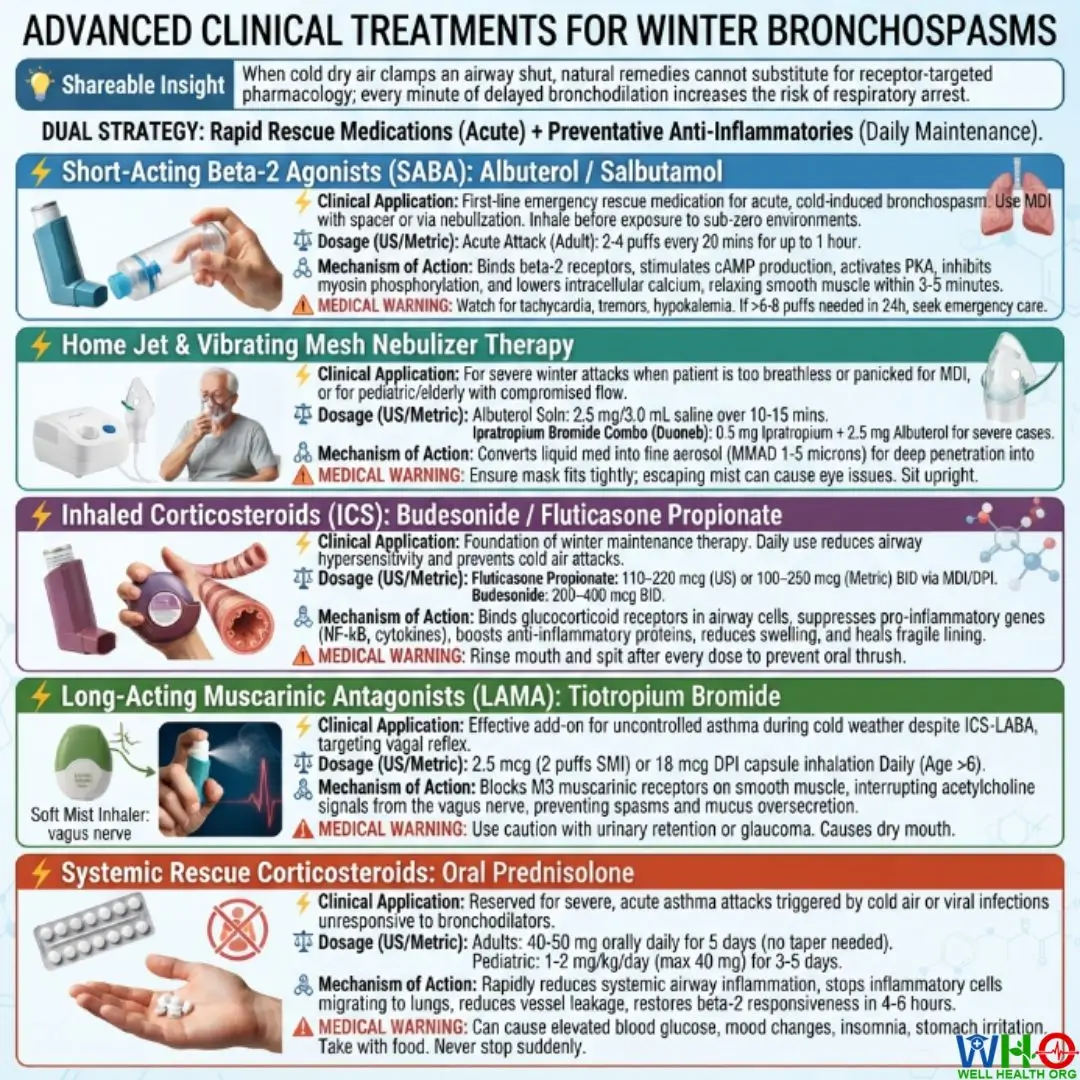
Managing severe winter bronchospasms requires a dual strategy: rapid rescue medications to open clamped airway muscles during an attack, combined with daily preventative anti-inflammatory therapies to stabilize the airway lining before stepping into the cold.
⚡ Short-Acting Beta-2 Agonists (SABA): Albuterol / Salbutamol
⚡ Clinical Application: First-line emergency rescue medication for acute, cold-induced bronchospasm. Must be administered via a Metered-Dose Inhaler (MDI) attached to an anti-static valved holding chamber (spacer), or via nebulization. Always inhale prior to stepping into severe sub-zero environments if prescribed for exercise-induced bronchoconstriction.
⚖️ Dosage (US/Metric):
• Acute Attack (Adult): 2 to 4 puffs (90 mcg Albuterol base per actuation in the US; 100 mcg Salbutamol in Europe/UK/Asia) every 20 minutes for up to 1 hour during acute exacerbation.
• Prophylactic (Pre-Exposure): 2 puffs inhaled 15 minutes prior to cold air exposure or outdoor exercise.
🔬 Mechanism of Action: Selectively binds to beta-2 adrenergic receptors on airway smooth muscles. This stimulates adenylate cyclase to convert ATP to cyclic adenosine monophosphate (cAMP). Rising intracellular cAMP activates protein kinase A (PKA), which inhibits myosin phosphorylation and lowers intracellular calcium levels. The smooth muscle relaxes within 3 to 5 minutes, opening the narrowed airways.
⚠️ Medical Warning: Tachycardia, tremors, and transient hypokalemia can occur. If a patient requires more than 6 to 8 puffs within 24 hours without lasting relief, it indicates severe acute asthma that demands immediate emergency hospital intervention.
⚡ Home Jet & Vibrating Mesh Nebulizer Therapy
⚡ Clinical Application: Indicated for severe winter attacks when the patient is too breathless, fatigued, or panicked to coordinate a metered-dose inhaler, and for pediatric or elderly patients with compromised inspiratory flow.
⚖️ Dosage (US/Metric):
• Albuterol/Salbutamol Nebulizer Solution: 2.5 mg in 3.0 mL of normal saline (0.9%), administered over a 10-to-15-minute nebulization cycle.
• Ipratropium Bromide Combination (Duoneb): 0.5 mg Ipratropium Bromide added to 2.5 mg Albuterol for severe cases.
🔬 Mechanism of Action: Converts liquid medication into a fine, respirable aerosol with a mass median aerodynamic diameter (MMAD) between 1 and 5 microns. This allows medication to penetrate deep into the lower bronchial tree without requiring forceful, coordinated inhalation, delivering steady medicine directly to hyper-reactive smooth muscles.
⚠️ Medical Warning: Ensure the face mask fits tightly over both the nose and mouth. Escaping mist can enter the eyes and cause transient pupillary dilation, blurred vision, or worsen narrow-angle glaucoma. Always sit completely upright during nebulization.
⚡ Inhaled Corticosteroids (ICS): Budesonide / Fluticasone Propionate
⚡ Clinical Application: The essential foundation of winter maintenance therapy. Daily use reduces underlying airway hypersensitivity and thickens the protective barrier, preventing cold air from triggering attacks.
⚖️ Dosage (US/Metric):
• Fluticasone Propionate: 110–220 mcg (US) or 100–250 mcg (Metric) twice daily via MDI or dry powder inhaler (DPI).
• Budesonide: 200–400 mcg twice daily. (Often paired with Formoterol in single maintenance and reliever therapy—SMART regimen).
🔬 Mechanism of Action: Passes through cell membranes to bind with glucocorticoid receptors (GR) in airway epithelial and smooth muscle cells. The activated receptor complex moves into the cell nucleus, where it suppresses pro-inflammatory genes (NF-kB, cytokines, interleukins IL-4 and IL-5) while boosting anti-inflammatory proteins. This reduces swelling, cuts mast cell numbers, and heals the fragile airway lining.
⚠️ Medical Warning: Patients must rinse their mouth thoroughly with water and spit it out after every dose to prevent oral candidiasis (thrush) and hoarseness (dysphonia).
⚡ Long-Acting Muscarinic Antagonists (LAMA): Tiotropium Bromide
⚡ Clinical Application: An effective add-on therapy for patients whose asthma remains uncontrolled during cold weather despite dual ICS-LABA therapy, specifically targeting parasympathetic vagal reflex loops.
⚖️ Dosage (US/Metric): 2.5 mcg (2 inhalations of 1.25 mcg once daily via soft mist inhaler) or 18 mcg dry powder capsule inhalation once daily for patients over 6 years of age.
🔬 Mechanism of Action: Blocks M3 muscarinic receptors on airway smooth muscles, directly interrupting the acetylcholine signals sent by the vagus nerve when cold air shocks the lung tissue. This prevents both smooth muscle spasms and the oversecretion of thick winter mucus.
⚠️ Medical Warning: Use with caution in patients with urinary retention or narrow-angle glaucoma. Dry mouth is the most common side effect.
⚡ Systemic Rescue Corticosteroids: Oral Prednisolone
⚡ Clinical Application: Reserved for severe, acute asthma attacks triggered by cold air or viral infections that fail to respond to standard bronchodilator inhalers.
⚖️ Dosage (US/Metric):
• Adults: 40 to 50 mg orally as a single morning dose for 5 days (tapering not required for short courses under 7 days).
• Pediatric: 1 to 2 mg/kg/day (maximum 40 mg) for 3 to 5 days.
🔬 Mechanism of Action: Rapidly reduces severe airway inflammation throughout the body. It stops inflammatory cells from migrating into the lungs, reduces blood vessel leakage, and restores responsiveness in desensitized beta-2 receptors within 4 to 6 hours of taking the dose.
⚠️ Medical Warning: Short courses can temporarily cause elevated blood glucose, mood changes, insomnia, and stomach irritation. Take with food. Never stop extended steroid regimens suddenly without medical supervision.
4. Evidence-Based Home Interventions and Supportive Physiology
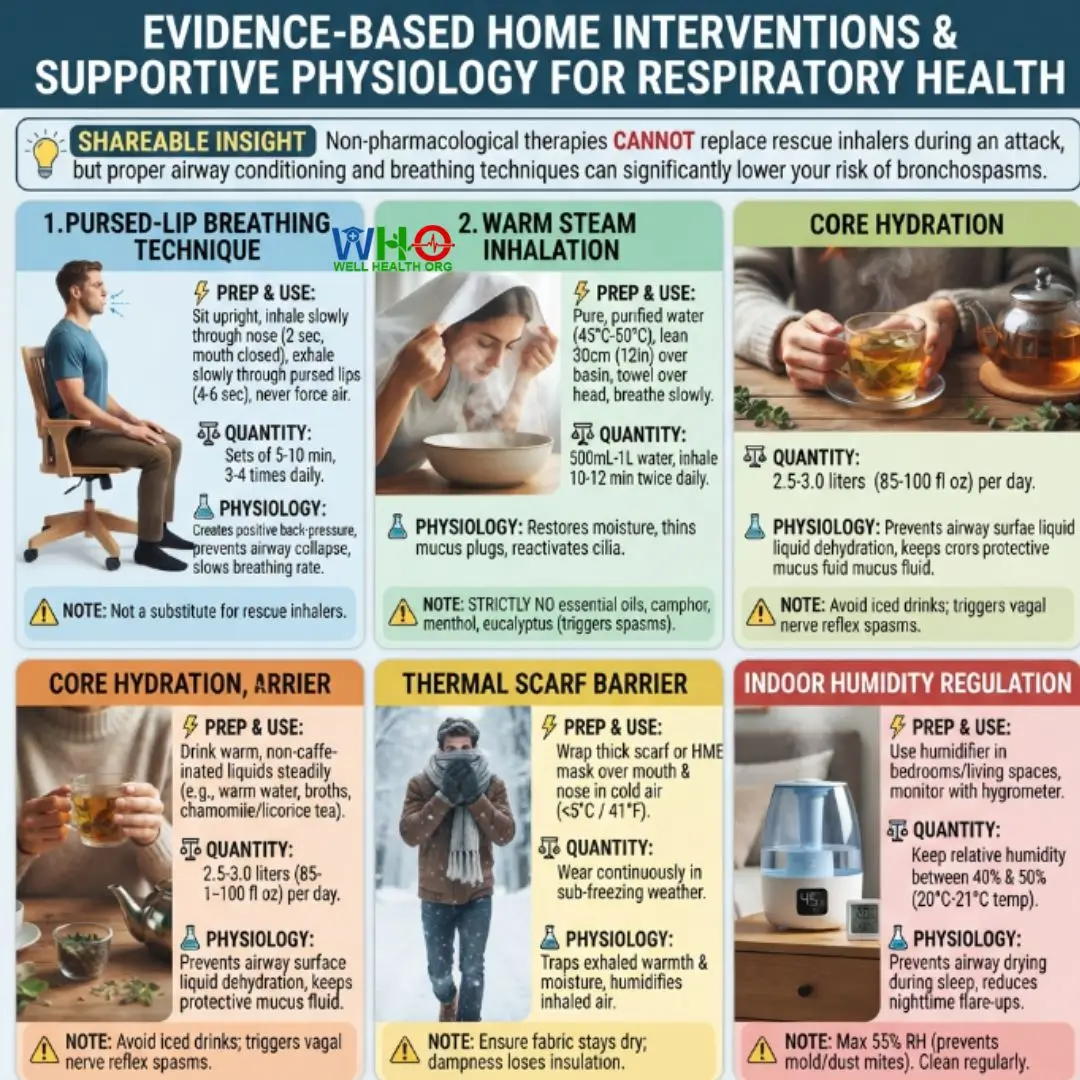
While an active, life-threatening bronchospasm always requires fast-acting rescue medications, evidence-based home and physical interventions play a vital role in preventing attacks, soothing irritated airways, and supporting recovery.
🌿 Pursed-Lip Breathing Technique
⚡ Preparation & Use: Sit upright in an ergonomic, supported chair. Inhale slowly and steadily through the nose for 2 seconds with the mouth closed. Purse the lips tightly—as if preparing to blow out a candle—and exhale slowly, smoothly, and passively for 4 to 6 seconds. Never force the air out.
⚖️ Quantity (US/Metric): Practice for sets of 5 to 10 minutes, 3 to 4 times daily, especially upon returning indoors after cold exposure.
🔬 Natural Healing Process: Exhaling through pursed lips creates continuous positive back-pressure throughout the bronchial tree. This mechanical pressure prevents early airway collapse during exhalation, pushes trapped air out of hyper-inflated lungs, and slows the breathing rate to conserve heat and moisture.
⚠️ Safe Usage Note: Pursed-lip breathing is a supportive stabilizing technique. It should never be used as a replacement for a rescue inhaler during an acute, worsening asthma attack.
🌿 Pure Non-Medicated Warm Steam Inhalation
⚡ Preparation & Use: Pour purified water heated to 45°C–50°C (113°F–122°F) into a wide ceramic or glass bowl. Lean over the basin at a distance of 30 cm (12 inches), drape a clean towel over the head, and breathe slowly through both the nose and mouth.
⚖️ Quantity (US/Metric): 500 mL to 1 liter of purified water. Inhale for 10 to 12 minutes, twice daily during cold snaps.
🔬 Natural Healing Process: Warm steam immediately restores moisture to dehydrated, hyperosmolar airway surfaces. The warmth and humidity help thin out thick mucus plugs and reactivate the cilia, helping your respiratory system naturally clear out trapped dust and pollutants.
⚠️ Safe Usage Note: STRICT CLINICAL CONTRAINDICATION: Never add essential oils, camphor, menthol, or eucalyptus. These volatile organic compounds stimulate TRPA1 cold-receptors and trigger reflex bronchospasms in sensitive asthmatic airways.
🌿 Core Hydration and Airway Sol Restoration
⚡ Preparation & Use: Drink warm, non-caffeinated liquids steadily throughout the day. Ideal options include warm filtered water, broths, and decaffeinated herbal infusions (such as plain chamomile or licorice root tea).
⚖️ Quantity (US/Metric): 2.5 to 3.0 liters (85 to 100 fluid ounces) per day for adults, adjusted for renal and cardiovascular health.
🔬 Natural Healing Process: Dehydration directly thins the airway surface liquid. Maintaining systemic hydration ensures that the bronchial microvasculature can continuously replenish moisture lost to dry winter air, helping keep protective mucus thin and fluid.
⚠️ Safe Usage Note: Keep liquids warm or at room temperature. Avoid iced drinks during the winter, as cold liquids passing down the esophagus can stimulate nearby vagal nerves and trigger reflex airway spasms.
🌿 Thermal Scarf Barrier and Heat-Exchange Masks
⚡ Preparation & Use: Before stepping outdoors into cold air (<5°C / 41°F), wrap a thick, high-density scarf (such as merino wool or fleece) over both the mouth and nose, or use a specialized heat-and-moisture exchanger (HME) mask.
⚖️ Quantity (US/Metric): Continuous barrier wear throughout the entire duration of outdoor exposure in sub-freezing weather.
🔬 Natural Healing Process: The fabric traps warm, moisture-rich air during exhalation. When you take your next breath, the cold outdoor air passes through this warmed fabric layer, raising its temperature by 10°C to 15°C and humidifying it before it ever reaches your vocal cords and lungs.
⚠️ Safe Usage Note: Ensure the fabric stays dry. Moisture from your breath can accumulate over time; a damp scarf in sub-zero winds loses its insulating power and can chill the air you breathe.
🌿 Indoor Humidity Regulation (The 40%–50% Rule)
⚡ Preparation & Use: Use an ultrasonic warm-mist or evaporative humidifier in bedrooms and main living spaces. Monitor room conditions constantly using a calibrated digital hygrometer.
⚖️ Quantity (US/Metric): Keep indoor relative humidity strictly between 40% and 50% at an ambient temperature of 20°C–21°C (68°F–70°F).
🔬 Natural Healing Process: Maintaining indoor humidity between 40% and 50% prevents the airway surface from drying out while you sleep, reducing nighttime asthma flare-ups and early-morning airway tightness.
⚠️ Safe Usage Note: Never allow indoor humidity to exceed 55%, as higher moisture levels promote the growth of dust mites and mold, which are potent asthma triggers. Clean your humidifier twice a week with distilled white vinegar to prevent bacterial and fungal buildup.
5. Doctor’s Final Verdict & The Bottom Line
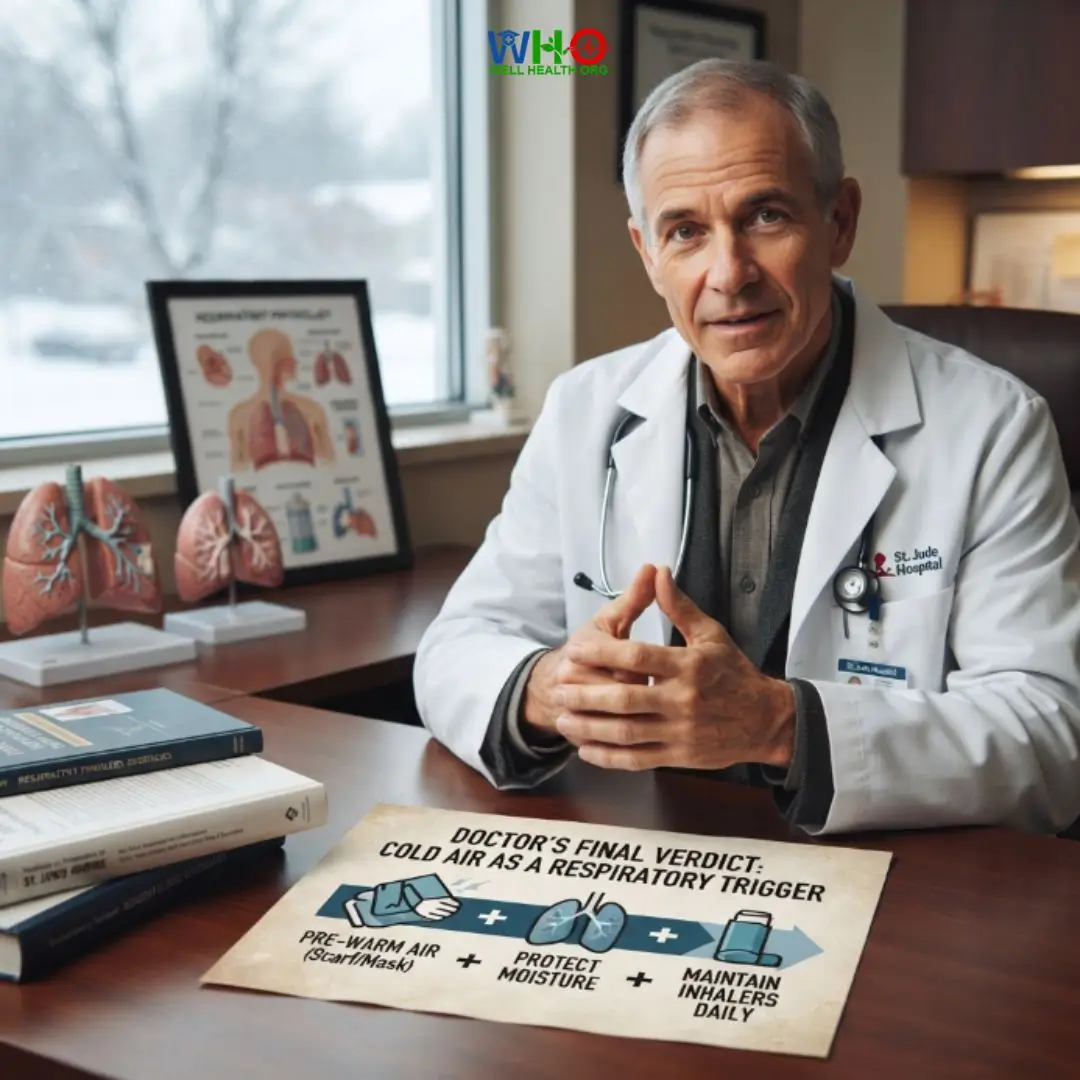
After three decades of treating acute respiratory emergencies, my clinical conclusion is clear: cold, dry air is an aggressive, physical respiratory trigger that demands active daily management rather than passive avoidance. The biological cascade—from evaporative water loss and hyperosmolar stress to nerve stimulation and severe bronchospasms—occurs rapidly and can easily overwhelm untreated, hyper-reactive airways.
Successfully navigating the winter months requires a coordinated strategy:
- Consistent Baseline Control: Never reduce or stop your daily inhaled corticosteroids during the winter without medical guidance. Well-managed, non-inflamed airways tolerate cold air far better than chronically inflamed lungs.
- Mechanical Air Warming: Make nasal breathing your default habit. When heading outdoors, always wear a scarf or thermal mask to pre-warm and humidify incoming air before it reaches your lower airways.
- Proactive Medication Use: If you experience exercise-induced or cold-induced bronchospasms, use your short-acting bronchodilator with a spacer 15 minutes before stepping outside.
- Monitor Indoor Air Quality: Keep indoor relative humidity between 40% and 50%, avoid sudden indoor-outdoor temperature shocks, and stay away from essential oil steams and unvented combustion heating.
By understanding the thermodynamics of your respiratory tract and taking simple, proactive steps to protect it, you can keep your airways open, stable, and resilient throughout the harshest winter conditions.
6. Regional Protocols: Western vs. Asian Management
Environmental conditions and home designs differ significantly across the globe. Use these localized medical guidelines to help manage winter respiratory risks based on your environment:
📍 Winter Protocols for Western Audiences (USA, UK, Canada, & Europe)
The Core Challenge: Forced-air central furnace heating that drives indoor relative humidity below 20%, combined with sudden exposure to freezing winds during outdoor workouts or sports.
- Furnace Humidifier Systems: Install an evaporative flow-through humidifier directly onto your central heating system, setting the humidistat between 35% and 45% to prevent indoor airway dehydration.
- Managing Outdoor Exercise: Avoid high-intensity outdoor cardio (running, cycling, cross-country skiing) when temperatures drop below -5°C (23°F). Shift cardiovascular workouts indoors or use a certified heat-and-moisture exchanger (HME) sports mask.
- Inhaler Storage Safety: Never leave your rescue inhaler in your car during freezing weather. Sub-zero temperatures reduce canister pressure in pressurized metered-dose inhalers (pMDIs), resulting in significantly lower medication delivery during an emergency. Keep your inhaler in an inside coat pocket close to your body heat.
📍 Winter Protocols for Asian Audiences (South Asia, East Asia, Urban Centers)
The Core Challenge: Thermal inversions that trap severe air pollution (PM2.5, carbon black, and vehicle exhaust), combined with dry outdoor conditions and unheated, drafty indoor living spaces.
- Smog Protection: When the Air Quality Index (AQI) exceeds 150 during cold winter months, avoid exercising outdoors entirely. If you must go outside, wear a properly fitted, unvalved N95 or FFP2 respirator mask—these trap fine particulate matter while helping warm and humidify the air you breathe.
- Indoor Air Filtration: Use an indoor air purifier equipped with a true HEPA filter in your bedroom to clear out fine smoke and particulate matter, which cause underlying inflammation that makes airways far more sensitive to cold air.
- Ventilation Safety: Avoid using open-flame biomass stoves, unvented kerosene heaters, or mosquito coils inside closed, unventilated rooms. The fine soot and combustion gases settle onto cold, dry airway linings, drastically increasing your risk of severe asthma flare-ups.
7. Frequently Asked Questions: Cold Dry Air and Lung Health
Why do my lungs burn when I breathe cold air while running outside?
That burning sensation is a direct sign of evaporative and osmotic stress in your lower airway cells. When you run, you naturally switch from nasal breathing to mouth breathing while taking in much larger volumes of air. Your nasal turbinates cannot pre-warm and humidify this fast-moving air, so freezing, dry air rushes directly down your trachea and bronchial tubes. The moisture lining your airways evaporates faster than your body can replace it, drying out the surface cells and stimulating sensitive cold and pain receptors (TRPM8 and TRPA1). This localized dehydration and rapid heat loss causes immediate cellular irritation, presenting as a sharp burning sensation and dry cough.
Can cold dry air trigger an asthma attack in someone who doesn’t have chronic asthma?
Yes. This condition is clinically recognized as Exercise-Induced Bronchoconstriction (EIB) in non-asthmatic individuals. It is especially common among winter sports athletes, such as cross-country skiers, ice hockey players, and runners. Even without chronic baseline asthma, breathing large volumes of cold, dry air causes massive moisture loss from the bronchial lining. The resulting hyperosmolar surface triggers local mast cells to release histamine and leukotrienes, causing involuntary muscle contractions and airway narrowing in otherwise healthy individuals.
Is it better to breathe through your nose or mouth in freezing weather?
Always breathe through your nose. Your nasal passages are lined with specialized, highly vascular folds called turbinates that act as an efficient natural climate-control system. By the time freezing outside air passes through your nasal cavity and reaches the back of your throat, it has already been warmed to nearly body temperature (30°C–32°C) and humidified to roughly 90% saturation. Mouth breathing bypasses this vital conditioning step entirely, sending raw, cold, dehydrating air straight into your delicate lower bronchial tubes.
Can adding essential oils like eucalyptus or menthol to steam help open winter airways?
No. From a pulmonary medicine perspective, adding essential oils, camphor, or menthol to steam is strongly discouraged for anyone with asthma or reactive airways. While menthol creates a sensory cooling illusion of more open nasal passages, its chemical vapors act as direct irritants to hyper-reactive bronchial tissues. Inhaling these concentrated vapors can stimulate TRPA1 receptors, triggering acute reflexive bronchospasms. Always stick strictly to pure, clean, non-medicated water steam.
What is the ideal indoor humidity level to prevent asthma attacks in winter?
The ideal indoor relative humidity during the winter is strictly between 40% and 50%. If indoor humidity drops below 30%, the dry air quickly leaches moisture from your airway lining, setting the stage for irritation and reflex spasms. However, you should never allow humidity to rise above 55%, as excessive moisture fosters the growth of dust mites and indoor molds—both of which are potent allergens that can spark severe, lingering asthma attacks. Track your home levels using a calibrated digital hygrometer.
Why does my rescue inhaler feel less effective during severe winter cold snaps?
There are two primary reasons for this. First, physical cold impacts the device itself: if a pressurized metered-dose inhaler (pMDI) is exposed to near-freezing temperatures—such as being left in an unheated car or an outer coat pocket—the internal propellant pressure drops, causing the device to spray larger, poorly aerosolized droplets that land in your mouth rather than reaching your lungs. Second, severe cold air causes rapid airway swelling (mucosal edema) alongside thick mucus plugging. This physical narrowing makes it much harder for inhaled medication to penetrate deep into the lower bronchial tree. Always keep your inhaler warm in an interior pocket close to your body, always use a spacer, and speak with your doctor about an action plan if your rescue medication fails to provide prompt relief.
Medically Reviewed by Prof. Dr. Akram
Orthopedic Surgeon | Professor | Senior Medical Specialist
Prof. Dr. Akram is a distinguished surgeon with over 15 years of clinical expertise. Having served as a lead Emergency Specialist at Complex International Government Hospital, he currently leads a specialized team of 13 medical professionals at his private hospital. As a Professor at top medical universities, he ensures that every article on WellHealthOrg.com meets rigorous clinical standards.
Medical Disclaimer:
The information provided is for educational purposes only and is not a substitute for professional medical advice, diagnosis, or treatment. Always consult your physician for any medical concerns.
Our content is rigorously fact-checked by our 13-member Editorial Team under the clinical supervision of Prof. Dr. Akram.