
Bug Bites That Itch and Swell:
There’s nothing worse than stepping outside to enjoy a beautiful day and returning with itchy, swollen bug bites. Whether it’s a mosquito buzzing around at dusk or a sneaky spider hiding in your garden, those irritating red bumps can appear in an instant—and itch for days. Bug bites are one of those small annoyances that can turn a relaxing evening into a battle of scratching and discomfort.
- Bug Bites That Itch and Swell:
- Understanding Bug Bites and Why They React
- Top Natural Ingredients for Bug Bite Relief
- 1. Baking Soda (Sodium Bicarbonate)
- 2. Raw Honey
- 3. Aloe Vera
- 4. Colloidal Oatmeal
- 5. Ice or Cold Compress
- DIY Remedies: Step-by-Step Instructions
- Baking Soda Paste
- Honey Application
- Aloe Vera Gel
- Ice or Cold Compress
- Oatmeal Bath or Paste
- Application Tips: Getting the Best Results
- 1. Start Treatment Immediately
- 2. Keep the Area Clean
- 3. Reapply Regularly
- 4. Avoid Scratching at All Costs
- 5. Monitor Your Skin’s Response
- 6. Store Your Remedies Properly
- When to See a Doctor: Knowing When Home Care Isn’t Enough
- 1. Signs of Infection
- 2. Severe Allergic Reactions (Anaphylaxis)
- 3. Persistent or Worsening Swelling
- 4. Bites with Unusual Patterns or Symptoms
- 5. Compromised Immune Systems
- 6. When in Doubt, Get Checked Out
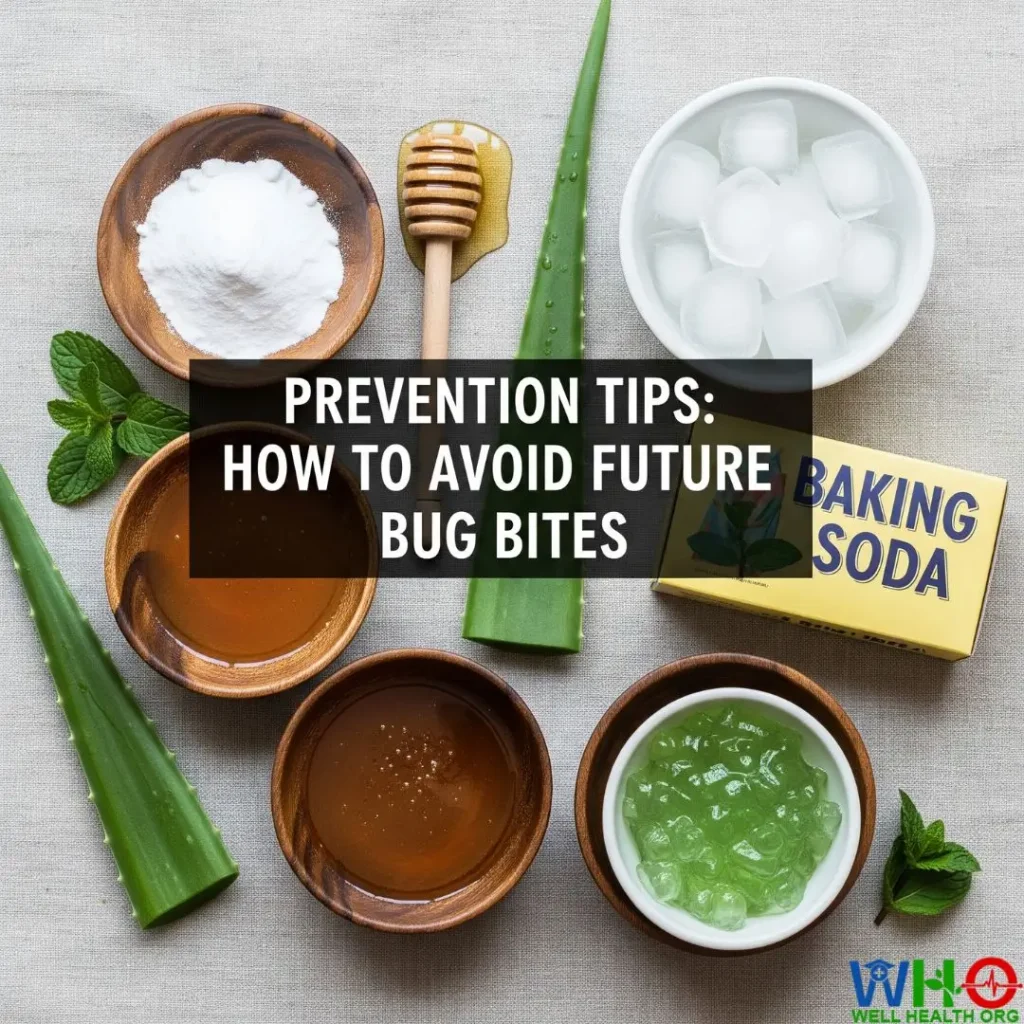
- Prevention Tips: How to Avoid Future Bug Bites
- 1. Dress for Protection
- 2. Use Effective Insect Repellents
- 3. Avoid Peak Bug Hours
- 4. Eliminate Standing Water
- 5. Maintain Home Defenses
- 6. Be Mindful of Scents and Colors
- 7. Check for Ticks
- Real-Life Tips and Natural Relief Habits
- When Natural Isn’t Enough: Combining Remedies with Modern Medicine
- Natural Relief Is Within Reach
- Conclusion: Simple, Natural, and Effective Bug Bite Relief
- FAQs About Bug Bite Relief
- 1. What’s the fastest way to stop bug bite itching?
- 2. Can I use toothpaste on a bug bite?
- 3. How long does it take for bug bites to heal?
- 4. Are natural remedies safe for children?
- 5. Can I prevent bug bites without using chemical repellents?
- Final Thought
The good news? You don’t need fancy creams or expensive ointments to calm your skin. In fact, you probably have several powerful remedies right in your kitchen or bathroom cabinet. Everyday items like baking soda, honey, aloe vera, and oatmeal can work wonders to soothe itching, reduce swelling, and promote faster healing.
This comprehensive guide dives deep into how to treat bug bites at home, what ingredients actually work (and why), and how to know when it’s time to call a doctor. You’ll also find prevention tips to help you avoid those pesky bites altogether—because sometimes, the best cure is prevention.
Understanding Bug Bites and Why They React
Bug bites may all look similar at first glance, but they’re not all created equal. Each type of insect bite comes with its own unique symptoms, reaction patterns, and triggers. Understanding how and why your body reacts can help you choose the most effective home treatment.
When an insect bites or stings, it injects saliva or venom into your skin. This triggers your immune system to release histamine, a natural compound that increases blood flow to the affected area. Histamine is responsible for the redness, swelling, and intense itching that follows. The more sensitive your immune system, the stronger your reaction will be.
Here’s a quick breakdown of common bite culprits:
- Mosquitoes: Cause small, raised, itchy welts that can last from a few hours to several days.
- Fleas: Leave multiple tiny red bumps, often clustered around the ankles or waistline.
- Spiders: May cause a single painful bump with redness and warmth around the area; in rare cases, they can cause more serious reactions.
- Bees and Wasps: Their stings inject venom that causes immediate pain, followed by swelling and redness.
- Ants: Fire ant stings can cause burning pain and small pus-filled blisters.
Everyone reacts differently. Some people barely notice a bite, while others develop large, inflamed welts that itch relentlessly. Genetics, allergies, and even your blood type can influence how severely you react.
Understanding what bit you and how your body reacts is the first step in choosing the right treatment method and knowing when medical attention might be necessary.
Top Natural Ingredients for Bug Bite Relief
When your skin starts to itch and swell, your first instinct might be to reach for a store-bought cream—but natural remedies can be just as effective (and often gentler on sensitive skin). These household ingredients have been used for generations to calm inflammation, soothe irritation, and fight off bacteria.

Let’s look at the most effective natural bug bite treatments and how they work.
1. Baking Soda (Sodium Bicarbonate)
Baking soda is one of the simplest yet most effective remedies for itchy bug bites. This common kitchen ingredient is alkaline, meaning it can neutralize acidic compounds in insect venom or saliva. It also helps to reduce inflammation and balance skin pH, providing quick relief from itching.
How it helps:
- Neutralizes acidity from venom
- Reduces redness and swelling
- Draws out excess fluid from the bite
2. Raw Honey
Honey isn’t just a natural sweetener—it’s also one of nature’s most potent skin healers. Raw, unprocessed honey contains antibacterial and anti-inflammatory properties that prevent infection and speed up healing. The sticky texture also forms a protective layer over the bite, keeping it clean and moisturized.
How it helps:
- Prevents bacterial infection
- Reduces itching and redness
- Promotes faster wound healing
3. Aloe Vera
Aloe vera is the ultimate skin soother. Its gel is packed with compounds like aloin and acemannan, which have proven anti-inflammatory, cooling, and moisturizing effects. It’s particularly effective for bites that feel warm, burning, or swollen.
How it helps:
- Instantly cools the skin
- Reduces pain, redness, and inflammation
- Promotes natural skin regeneration
4. Colloidal Oatmeal
This finely ground oatmeal has long been used in skincare for its anti-inflammatory and soothing effects. It contains natural compounds called avenanthramides, which reduce irritation and create a protective barrier that locks in moisture.
How it helps:
- Relieves widespread itching
- Calms inflammation
- Ideal for sensitive or irritated skin
5. Ice or Cold Compress
Cold therapy is one of the fastest ways to reduce swelling and numb the itch. Applying an ice pack constricts blood vessels, which decreases both inflammation and the urge to scratch.
How it helps:
- Provides instant itch relief
- Reduces swelling and redness
- Numbs the area for short-term comfort
These ingredients are safe, accessible, and effective for most mild to moderate bug bites. The key is knowing how to use them correctly to get the best results.
DIY Remedies: Step-by-Step Instructions
Below are simple, step-by-step applications for each natural remedy. These methods are gentle enough for both adults and children, yet powerful enough to bring fast relief.

Baking Soda Paste
- Mix 1 tablespoon of baking soda with 1–2 teaspoons of water to form a thick paste.
- Apply the paste directly to the bug bite, covering the entire area.
- Let it sit for 10–15 minutes, then rinse off with cool water.
- Repeat 2–3 times a day until the itching subsides.
💡 Tip: You can also mix baking soda with a few drops of coconut oil for added moisture.
Honey Application
- Clean the area gently with soap and water and pat dry.
- Apply a thin layer of raw honey directly to the bite.
- Leave it on for 30 minutes or cover it with a small bandage overnight for maximum benefit.
- Rinse with warm water and reapply as needed.
Honey is especially helpful for scratched or irritated bites, since it reduces infection risk while promoting healing.
Aloe Vera Gel
- Slice open a fresh aloe vera leaf and scoop out the gel.
- Apply it directly to the bite and gently massage it in.
- Let it air-dry—no need to rinse.
- Reapply several times a day for cooling relief.
Store your aloe gel in the refrigerator for an extra soothing, cooling sensation on inflamed skin.
Ice or Cold Compress
- Wrap a few ice cubes in a clean cloth (never apply ice directly to the skin).
- Hold against the bite for 10–15 minutes.
- Remove for 10 minutes, then reapply as needed.
This method is best when used immediately after being bitten, as it helps prevent swelling from developing.
Oatmeal Bath or Paste
For widespread bites:
- Add 1 cup of colloidal oatmeal to a lukewarm bath.
- Soak for 15–20 minutes, then rinse gently and pat dry.
For individual bites:
- Mix 2 tablespoons of colloidal oatmeal with a little water to form a paste.
- Apply directly to the bite for 15–20 minutes, then rinse.
Oatmeal baths are ideal for children or those with multiple bites, offering gentle, full-body relief.
Application Tips: Getting the Best Results
Natural remedies for bug bites are most effective when you use them consistently and correctly. A few small tweaks to your routine can make a big difference in how quickly you recover.
1. Start Treatment Immediately
The sooner you apply a remedy, the better. Once you’re bitten, your body begins releasing histamines almost immediately. Acting fast with ice or baking soda can reduce swelling before it peaks, minimizing discomfort and speeding up healing.
2. Keep the Area Clean
Always wash the bite gently with mild soap and lukewarm water before applying any treatment. This removes dirt, bacteria, and traces of insect saliva that might still irritate your skin. A clean surface also allows natural ingredients to penetrate better and work more effectively.
3. Reapply Regularly
Most home remedies wear off after a few hours, so don’t be afraid to reapply them throughout the day. For example, you might use baking soda in the morning, aloe vera in the afternoon, and honey overnight. Layering different remedies over 24 hours helps maintain soothing effects and speeds recovery.
4. Avoid Scratching at All Costs
It’s tempting—but scratching is your worst enemy. Breaking the skin increases your risk of infection, scarring, and prolonged healing. If the itch becomes unbearable, press a cold compress against the bite or tap it lightly instead of scratching. You can also distract yourself by gently massaging the area with aloe vera gel to reduce irritation.
5. Monitor Your Skin’s Response
Everyone’s skin is different. If a remedy causes redness, burning, or worsening irritation, stop immediately. You might be sensitive to certain ingredients (for example, some people react to honey or essential oils).
Keep an eye on your bite over the next 24–48 hours. If swelling or pain worsens instead of improving, or if new symptoms appear, it’s time to move beyond home care.
6. Store Your Remedies Properly
- Aloe vera gel should be stored in the refrigerator for an added cooling effect.
- Raw honey should be kept at room temperature in a sealed container.
- Baking soda paste should be mixed fresh each time—it loses potency quickly.
- Colloidal oatmeal should be stored in a dry, airtight jar to prevent moisture buildup.
Consistency, hygiene, and freshness make a big difference when it comes to natural healing.
When to See a Doctor: Knowing When Home Care Isn’t Enough
Most bug bites heal within a few days, but sometimes, they can lead to more serious complications. Understanding when to seek medical attention is essential for your safety.

1. Signs of Infection
If you notice any of the following symptoms, your bug bite may be infected:
- The redness around the bite keeps spreading.
- The area feels warm or hot to the touch.
- There’s pus, yellow discharge, or scabbing that worsens over time.
- Red streaks appear radiating outward from the bite.
- You develop a fever or chills.
Infections occur when bacteria enter through broken skin—often caused by scratching. Doctors typically treat infected bites with antibiotics or medicated ointments.
2. Severe Allergic Reactions (Anaphylaxis)
While rare, some people experience severe allergic reactions to insect bites or stings. If you develop symptoms such as:
- Difficulty breathing
- Swelling of the face, lips, or throat
- Dizziness or fainting
- Rapid heartbeat
- Widespread hives
You need emergency medical care immediately. These are signs of anaphylaxis, a life-threatening condition that requires prompt treatment with epinephrine and emergency support.
3. Persistent or Worsening Swelling
If swelling continues to increase after 48 hours, or if your bite area becomes hard and painful, professional evaluation is needed. Some bug bites (like those from certain spiders or ticks) can cause more serious tissue reactions or even infections beneath the skin.
4. Bites with Unusual Patterns or Symptoms
A bite that develops a bullseye pattern could indicate Lyme disease, transmitted by ticks. Other concerning signs include muscle cramps, necrosis (tissue death), or spreading blisters—symptoms sometimes associated with venomous spiders like brown recluses.
5. Compromised Immune Systems
If you have conditions such as diabetes, autoimmune disease, or are taking immunosuppressive medication, you’re at greater risk for complications. Bug bites may heal slower or become infected more easily, so check with your healthcare provider if a bite doesn’t improve quickly.
6. When in Doubt, Get Checked Out
Even if symptoms seem mild, it’s better to be cautious. Many insect bites look similar to allergic rashes, skin infections, or other dermatologic conditions. A quick visit to your doctor can provide peace of mind and prevent potential complications.
Prevention Tips: How to Avoid Future Bug Bites
The best treatment for bug bites is preventing them in the first place. Whether you’re camping, gardening, or enjoying a backyard barbecue, a few preventive measures can go a long way toward keeping bugs at bay.
1. Dress for Protection
- Wear long sleeves and pants when outdoors, especially in wooded or grassy areas.
- Opt for light-colored clothing, which makes insects easier to spot.
- Tuck your pants into socks when hiking or working outdoors to block entry points.
2. Use Effective Insect Repellents
- Choose products that contain DEET, picaridin, or oil of lemon eucalyptus.
- Reapply every few hours, especially if you’re sweating or swimming.
- For a more natural option, try essential oil-based repellents with citronella, lavender, or peppermint (though they may need more frequent reapplication).
3. Avoid Peak Bug Hours
Most mosquitoes are most active at dawn and dusk. Plan outdoor activities for midday whenever possible, and use extra protection during early morning or evening hours.
4. Eliminate Standing Water
Mosquitoes breed in stagnant water. Empty containers, birdbaths, flower pots, and gutters around your home regularly. Even small puddles can host hundreds of mosquito larvae.
5. Maintain Home Defenses
- Repair torn window and door screens.
- Keep doors closed during bug-heavy hours.
- Consider installing outdoor fans—flying insects like mosquitoes avoid moving air.
6. Be Mindful of Scents and Colors
Insects are attracted to floral perfumes, scented lotions, and bright patterns. Choose unscented products when spending time outdoors, and stick to neutral or muted clothing tones.
7. Check for Ticks
After spending time in wooded or grassy areas, conduct a full-body tick check. Focus on warm, hidden areas like underarms, behind the knees, and along the scalp. If you find a tick, remove it carefully with fine-tipped tweezers and clean the area with antiseptic.
Prevention may take a little extra effort, but it’s the surest way to enjoy nature without the irritation and worry of bug bites.
Real-Life Tips and Natural Relief Habits
Here are some additional expert-backed habits and real-world tips that can make a difference:

- Keep a natural first-aid kit: Include baking soda, aloe vera gel, honey, and small packets of oatmeal. Perfect for hiking trips or picnics.
- Stay hydrated: Healthy, hydrated skin is less likely to become inflamed or itchy.
- Use cold green tea bags: The tannins in green tea have anti-inflammatory properties. After brewing, chill the tea bags and apply them to bites for 10 minutes.
- Try witch hazel: This natural astringent helps shrink swollen tissue and relieve itching. Dab with a cotton pad up to three times daily.
- Avoid hot showers: While they might feel soothing, hot water increases blood flow and histamine release, worsening the itch. Stick with cool showers instead.
When Natural Isn’t Enough: Combining Remedies with Modern Medicine
Sometimes, combining home remedies with mild over-the-counter (OTC) treatments offers the best results. If the itching remains intense, try pairing your natural approach with:
- Hydrocortisone cream (1%): Reduces inflammation and itching.
- Antihistamine tablets (like cetirizine or diphenhydramine): Help block histamine reactions internally.
- Topical calamine lotion: Provides cooling, protective relief for large bite areas.
Using these alongside natural remedies can create a balanced, holistic approach—gentle enough for daily use but strong enough to tackle stubborn reactions.
Natural Relief Is Within Reach
You don’t need chemical-laden creams or expensive prescriptions to calm an itchy, swollen bug bite. With just a few simple ingredients—baking soda, aloe vera, honey, oatmeal, and ice—you can ease discomfort naturally and safely.
Keep these essentials stocked in your home, first aid kit, or camping bag so you’re prepared whenever nature decides to bite back. Remember: every person’s skin reacts differently, so experiment to see which remedy gives you the best results.
And most importantly—listen to your body. If something doesn’t feel right or the reaction seems unusual, don’t hesitate to seek medical attention. With a little care, consistency, and natural wisdom, you can enjoy the outdoors confidently, free from the itch and irritation of bug bites.
Conclusion: Simple, Natural, and Effective Bug Bite Relief
Bug bites are an inevitable part of outdoor life — whether you’re hiking, gardening, or just enjoying an evening on your patio. The itching, swelling, and irritation they bring can be frustrating, but nature itself provides the best solutions right at your fingertips.
From the cooling calm of aloe vera gel to the soothing sweetness of raw honey and the cleansing power of baking soda, these home remedies are safe, accessible, and surprisingly effective when used correctly. When you combine these natural ingredients with smart aftercare — keeping the skin clean, avoiding scratching, and applying remedies consistently — your bites will heal faster and with less discomfort.
The key is balance: knowing when home care is enough and when to seek medical help. While most bug bites resolve naturally, always pay attention to your body’s signals. Redness spreading beyond the bite, persistent pain, or unusual swelling could mean infection or an allergic reaction that needs professional attention.
By learning to manage bug bites naturally and prevent future ones, you empower yourself to enjoy the outdoors without fear or discomfort. Stock your home with a few simple ingredients, stay aware of your surroundings, and remember that effective relief doesn’t have to come from a pharmacy — it can come straight from your kitchen.
FAQs About Bug Bite Relief
1. What’s the fastest way to stop bug bite itching?
The quickest relief usually comes from ice or a cold compress. Applying cold constricts blood vessels and numbs nerve endings, providing almost instant itch reduction. Follow up with baking soda paste or aloe vera gel for longer-lasting soothing effects.
2. Can I use toothpaste on a bug bite?
While toothpaste is a popular old-school remedy, dermatologists generally don’t recommend it. Many toothpaste brands contain menthol or whitening agents that can irritate the skin and make swelling worse. Stick with safer, proven remedies like baking soda or honey instead.
3. How long does it take for bug bites to heal?
Most mild bug bites heal within 3–7 days, depending on your skin sensitivity and how well you care for the area. Avoid scratching, keep the bite clean, and apply soothing remedies regularly to prevent infection and scarring.
4. Are natural remedies safe for children?
Yes, but always proceed with caution. Oatmeal baths, aloe vera gel, and cold compresses are safe for most kids. Avoid using essential oils or strong acidic substances (like vinegar) on children’s skin, as they can cause irritation. When in doubt, do a patch test first or consult a pediatrician.
5. Can I prevent bug bites without using chemical repellents?
Absolutely! Natural repellents like citronella, lavender, or lemon eucalyptus oil can be effective when applied correctly. Combine them with preventive habits such as wearing long sleeves, avoiding peak bug hours, and eliminating standing water around your home.
Final Thought
Nature gives us both the problem — and the cure. With a little knowledge, consistency, and care, you can soothe bug bites naturally and confidently, using safe and effective remedies that truly work. Next time you head outdoors, you’ll not only be prepared but empowered to enjoy every moment bite-free.
Medically Reviewed by Prof. Dr. Akram
Orthopedic Surgeon | Professor | Senior Medical Specialist
Prof. Dr. Akram is a distinguished surgeon with over 15 years of clinical expertise. Having served as a lead Emergency Specialist at Complex International Government Hospital, he currently leads a specialized team of 13 medical professionals at his private hospital. As a Professor at top medical universities, he ensures that every article on WellHealthOrg.com meets rigorous clinical standards.
Medical Disclaimer:
The information provided is for educational purposes only and is not a substitute for professional medical advice, diagnosis, or treatment. Always consult your physician for any medical concerns.
Our content is rigorously fact-checked by our 13-member Editorial Team under the clinical supervision of Prof. Dr. Akram.