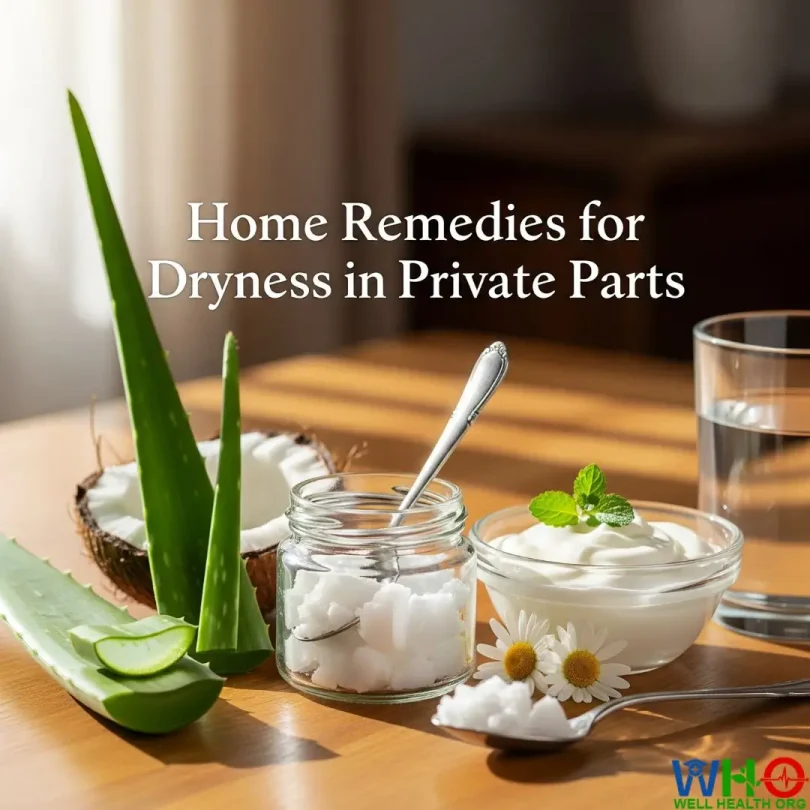
Vaginal dryness can be an uncomfortable and often unspoken concern, yet it’s one that affects millions of women worldwide. Whether you’re experiencing mild irritation, itching, or painful intimacy, dryness in the private area is not only common — it’s treatable.
- Understanding Vaginal Dryness
- Common Causes of Vaginal Dryness
- 1. Hormonal Changes
- 2. Medications
- 3. Stress and Anxiety
- 4. Irritants and Harsh Hygiene Products
- 5. Health Conditions
- 6. Lifestyle Factors
- Signs and Symptoms You Shouldn’t Ignore
- Proven Home Remedies and Natural Treatments for Vaginal Dryness
- 🥥 1. Coconut Oil: The Classic Natural Moisturizer
- How to Use It:
- Important Note:
- 🌿 2. Aloe Vera Gel: Cooling Hydration for Sensitive Skin
- How to Use It:
- Pro Tip:
- 🦠 3. Probiotics: Balancing Your Vaginal Microbiome
- How to Use It:
- Why It Works:
- 🌻 4. Vitamin E Oil: Deep Nourishment for Tissue Health
- How to Use It:
- 🌼 5. Olive Oil: A Simple, Safe Home Moisturizer
- How to Use It:
- ☕ 6. Flaxseed Oil: Supporting Moisture from the Inside Out
- How to Use It:
- 🌸 7. Warm Compress for Circulation
- How to Use It:
- 🌺 8. Dietary and Herbal Support
- Helpful Foods & Herbs:
- Tip:
- 💧 9. Stay Hydrated — Inside and Out
- Quick Hydration Checklist:
- 🚫 10. Avoid Common Mistakes
- Lifestyle Adjustments, Prevention, and When to Seek Help
- 💧 1. Stay Consistently Hydrated
- How to Stay Properly Hydrated:
- 🌿 2. Eat a Hormone-Supportive Diet
- Include More of These:
- Avoid or Limit:
- 🧘♀️ 3. Manage Stress Levels
- Try Stress-Relieving Practices:
- 💞 4. Maintain Regular Sexual Activity
- Pro Tips:
- 👙 5. Choose the Right Underwear and Clothing
- Clothing Tips for Vaginal Comfort:
- 🚫 6. Avoid Irritating Products and Habits
- Avoid These Common Irritants:
- 💊 7. Consider Over-the-Counter Moisturizers and Lubricants
- Two Key Options:
- 🌺 8. Gentle Exercise to Improve Circulation
- Recommended Activities:
- 👩⚕️ 9. When to See a Doctor
- You Should Consult a Doctor If:
- Common Medical Treatments Include:
- 💬 10. Emotional and Mental Well-Being
- 🌸 Conclusion: Embracing Holistic Vaginal Health
- 🌼 FAQs About Vaginal Dryness
The good news? Many effective home remedies for vaginal dryness can help restore comfort naturally. From moisturizing oils and aloe-based gels to simple lifestyle changes and dietary adjustments, there are safe, research-backed ways to support your vaginal health right from home.
In this complete guide, we’ll explore:
- The causes of dryness in private parts
- Natural home remedies that actually work
- The do’s and don’ts of self-care
- When it’s time to seek medical treatment
- Expert-backed prevention tips for long-term comfort
Let’s start by understanding why vaginal dryness happens — and why it’s nothing to be ashamed of.
Understanding Vaginal Dryness
Vaginal dryness happens when the vaginal tissues lose their natural lubrication, often due to reduced estrogen levels. Estrogen keeps the vaginal walls thick, elastic, and well-hydrated. When levels drop, the lining becomes thinner and less supple — a condition known medically as vaginal atrophy or genitourinary syndrome of menopause (GSM).
The result?
You may feel burning, itching, tightness, or even small tears during intercourse. It’s uncomfortable, sometimes painful, and can affect not only physical comfort but also emotional intimacy.
While most commonly linked to menopause, dryness can occur at any age — even in your 20s or 30s. Hormonal changes, lifestyle factors, and even everyday hygiene habits can all play a role.
Common Causes of Vaginal Dryness
Let’s break down the most frequent culprits behind this condition:
1. Hormonal Changes
The most common cause of vaginal dryness is low estrogen. Estrogen levels can fluctuate due to:
- Menopause or perimenopause
- Postpartum recovery and breastfeeding
- Certain birth control pills that suppress estrogen
- Surgical removal of ovaries (oophorectomy)
- Cancer treatments like chemotherapy or radiation
During menopause, estrogen levels can fall by up to 90%, which profoundly affects vaginal tissue thickness, elasticity, and lubrication.
2. Medications
Some medications reduce natural lubrication as a side effect. These include:
- Antihistamines (for allergies and colds)
- Antidepressants (especially SSRIs and SNRIs)
- Decongestants
- Anti-estrogen medications used for breast cancer or endometriosis
These drugs dry out mucous membranes — including those in the vagina.
3. Stress and Anxiety
Chronic stress increases cortisol and can suppress estrogen and testosterone production. It also reduces blood flow to the pelvic area, leading to decreased arousal and natural lubrication.
4. Irritants and Harsh Hygiene Products
Scented soaps, bubble baths, douches, and even “feminine wipes” can disrupt the natural pH and microbiome of the vagina, leading to irritation and dryness.
5. Health Conditions
Autoimmune diseases like Sjögren’s syndrome, thyroid disorders, or diabetes can affect moisture balance in the body — including vaginal secretions.
6. Lifestyle Factors
Smoking, dehydration, poor diet, or wearing tight synthetic underwear can also contribute to dryness by reducing circulation and altering the vaginal environment.
Signs and Symptoms You Shouldn’t Ignore
Recognizing the symptoms early helps prevent complications like recurrent infections or sexual discomfort.
Common signs include:
- Burning or itching in the vaginal area
- Pain or discomfort during sex (dyspareunia)
- A feeling of tightness or soreness
- Slight bleeding after intercourse
- Recurrent urinary tract infections (UTIs)
- A general sensation of dryness, even outside of sexual activity
If you’re experiencing several of these symptoms regularly, it’s important to consider both natural remedies and medical evaluation to rule out underlying causes.
Proven Home Remedies and Natural Treatments for Vaginal Dryness
When it comes to vaginal dryness, many women prefer to start with natural solutions before turning to medical treatments. The key is to nourish and restore balance to the delicate tissues of the vaginal area using gentle, hydrating, and non-irritating ingredients.
Below are some of the most effective and dermatologist-approved home remedies that can help ease discomfort, support healing, and improve overall vaginal moisture levels naturally.
🥥 1. Coconut Oil: The Classic Natural Moisturizer
Coconut oil is one of the most popular and trusted remedies for vaginal dryness — and for good reason. It’s rich in fatty acids and vitamin E, both of which deeply moisturize and soothe irritated skin. Its antimicrobial and anti-inflammatory properties also make it helpful for preventing infections while healing dryness.
How to Use It:
- Use organic, cold-pressed, virgin coconut oil (not refined or scented versions).
- Apply a small amount to the external vaginal area (the vulva) as needed for hydration and comfort.
- It can also be used as a natural lubricant before sexual activity.
Important Note:
Avoid using coconut oil with latex condoms, as oils can weaken latex and increase the risk of breakage. If you use condoms, opt for polyurethane or polyisoprene ones instead.
Many women find coconut oil offers instant relief and keeps the skin supple throughout the day.
🌿 2. Aloe Vera Gel: Cooling Hydration for Sensitive Skin
Aloe vera is famous for its soothing and healing effects — and it’s equally beneficial for vaginal dryness. The gel’s natural enzymes and antioxidants help calm inflammation, while its polysaccharides provide long-lasting moisture.
How to Use It:
- Choose 100% pure aloe vera gel without alcohol, colorants, or added fragrances.
- Apply a small, thin layer to the outer vaginal area once or twice daily.
- If you have an aloe plant, you can extract the inner gel directly — just make sure it’s clean and fresh.
Pro Tip:
Store your aloe gel in the refrigerator for a refreshing, cooling effect during application.
Aloe works especially well for dryness related to menopause, irritation from soaps, or mild inflammation.
🦠 3. Probiotics: Balancing Your Vaginal Microbiome
The vagina has its own natural ecosystem of good bacteria — primarily Lactobacillus — which help maintain an acidic pH and protect against infections. When this balance is disrupted (due to antibiotics, hormonal changes, or hygiene products), dryness and irritation can follow.
How to Use It:
- Eat probiotic-rich foods daily, such as yogurt, kefir, sauerkraut, kimchi, and miso.
- Consider taking a probiotic supplement specifically formulated for women’s vaginal health. Look for strains like Lactobacillus rhamnosus and Lactobacillus reuteri.
- Drink plenty of water to support bacterial balance and hydration.
Why It Works:
Probiotics restore healthy flora, reduce inflammation, and help the body produce natural lubrication.
🌻 4. Vitamin E Oil: Deep Nourishment for Tissue Health
Vitamin E is a powerful antioxidant that supports cell repair and moisture retention. Applying it topically helps soften the vaginal tissues, reduce irritation, and promote elasticity.
How to Use It:
- Purchase pure vitamin E oil or use the contents of a vitamin E capsule.
- Apply a small drop directly to the external vaginal area once daily.
- You can also add vitamin E-rich foods to your diet, such as almonds, sunflower seeds, spinach, and avocados.
Many women post-menopause find that vitamin E applications significantly ease dryness and burning sensations.
🌼 5. Olive Oil: A Simple, Safe Home Moisturizer
If you don’t have coconut oil at home, extra virgin olive oil is a great alternative. It’s hypoallergenic, deeply moisturizing, and gentle on sensitive skin. It forms a natural barrier that prevents further moisture loss.
How to Use It:
- Apply a small amount to the vulva and outer vaginal area.
- Use at bedtime for overnight hydration.
Olive oil can also soothe itching caused by friction or irritation, making it ideal for daily comfort.
☕ 6. Flaxseed Oil: Supporting Moisture from the Inside Out
Flaxseeds are rich in omega-3 fatty acids and phytoestrogens, compounds that naturally mimic estrogen in the body. Regular consumption helps maintain hormone balance and improves skin and mucosal hydration, including the vaginal lining.
How to Use It:
- Take one tablespoon of cold-pressed flaxseed oil daily (you can mix it into smoothies or salad dressings).
- Alternatively, include ground flaxseeds in your breakfast or oatmeal.
Over time, flaxseed oil helps support hormonal balance, especially in women approaching or going through menopause.
🌸 7. Warm Compress for Circulation
In some cases, vaginal dryness can be worsened by poor blood flow to the pelvic region. Gentle warmth can help increase circulation, relieve discomfort, and stimulate natural lubrication.
How to Use It:
- Soak a clean cloth in warm (not hot) water and wring it out.
- Place the compress over the pubic area for 10–15 minutes.
- Repeat a few times per week to promote relaxation and circulation.
This is particularly helpful if stress or tension is contributing to your dryness.
🌺 8. Dietary and Herbal Support
What you eat affects your vaginal health. A nutrient-rich diet helps regulate hormones and maintain proper hydration throughout the body.
Helpful Foods & Herbs:
- Soy and tofu – contain phytoestrogens that mimic estrogen activity.
- Flaxseeds & sesame seeds – balance hormone levels.
- Leafy greens & whole grains – improve blood circulation and support hydration.
- Herbal teas like chamomile, fenugreek, or licorice root – soothe inflammation and may help balance hormones.
Tip:
Avoid excessive caffeine, alcohol, and processed foods, which can dehydrate tissues and worsen dryness.
💧 9. Stay Hydrated — Inside and Out
It may sound simple, but dehydration is one of the most overlooked contributors to vaginal dryness. Your vaginal tissues need water just as much as your skin does.
Quick Hydration Checklist:
- Drink at least 6–8 glasses of water per day.
- Include hydrating foods like cucumbers, watermelon, and citrus fruits.
- Limit alcohol and caffeine intake — both act as diuretics and can worsen dryness.
Hydration alone can make a noticeable difference in mild cases of dryness.
🚫 10. Avoid Common Mistakes
Even with natural remedies, it’s important to avoid habits that make dryness worse.
Don’t:
- Use scented soaps, douches, or bubble baths
- Wear tight synthetic underwear or leggings all day
- Ignore persistent itching or burning
- Use undiluted essential oils directly on your skin
- Rely solely on home treatments if symptoms persist
Remember: gentle care is key.
Lifestyle Adjustments, Prevention, and When to Seek Help
Vaginal dryness doesn’t develop in isolation — it’s often linked to how we live, what we eat, our stress levels, and even how we care for our bodies. Making a few conscious lifestyle changes can help restore balance, prevent recurrence, and improve overall vaginal health.
Below are proven strategies — both medical and holistic — that can help you stay comfortable, confident, and well-lubricated naturally.
💧 1. Stay Consistently Hydrated
Hydration is one of the simplest yet most overlooked solutions for vaginal dryness. Your body needs adequate water to keep tissues — including the vaginal lining — soft, elastic, and well-lubricated. Even mild dehydration can lead to dryness and irritation.
How to Stay Properly Hydrated:
- Drink at least 6–8 glasses of water daily.
- Add electrolyte-rich drinks or coconut water if you’re sweating heavily.
- Eat hydrating foods like cucumber, lettuce, oranges, and watermelon.
- Limit alcohol, coffee, and carbonated drinks — these can dry you out internally.
Over time, consistent hydration helps maintain not only vaginal moisture but also skin elasticity, urinary health, and hormonal balance.
🌿 2. Eat a Hormone-Supportive Diet
Your vaginal moisture levels are closely tied to hormonal health — especially estrogen balance. A diet rich in specific nutrients can support hormone production and protect vaginal tissues.
Include More of These:
- Phytoestrogen-rich foods: Soybeans, tofu, edamame, flaxseeds, sesame seeds, chickpeas, and lentils.
- Healthy fats: Avocados, olive oil, nuts, seeds, and fatty fish (like salmon or sardines).
- Vitamin E sources: Almonds, spinach, sunflower seeds, and broccoli to enhance tissue elasticity.
- Omega-3 fatty acids: Found in chia seeds, flaxseeds, and walnuts to improve circulation and reduce inflammation.
Avoid or Limit:
- Processed foods, sugary snacks, and refined carbohydrates.
- Excessive caffeine or alcohol, as they may worsen dehydration and hormone imbalance.
Think of your plate as a wellness tool — the more colorful, whole, and plant-based your diet, the better your hormonal harmony will be.
🧘♀️ 3. Manage Stress Levels
Stress doesn’t just affect your mind — it directly impacts your hormones. Chronic stress raises cortisol levels, which can lower estrogen and testosterone, leading to vaginal dryness and low libido.
Try Stress-Relieving Practices:
- Deep breathing or yoga to increase pelvic blood flow.
- Meditation or mindfulness to calm the nervous system.
- Regular exercise like walking, swimming, or cycling to release endorphins.
- Journaling, prayer, or simply spending time in nature to lower mental tension.
Reducing stress not only improves vaginal lubrication but also enhances your mood, energy, and overall body confidence.
💞 4. Maintain Regular Sexual Activity
It may sound surprising, but regular sexual activity — with or without a partner — helps maintain vaginal moisture naturally. Sexual stimulation increases blood circulation and encourages the glands around the vagina to produce natural lubrication.
Pro Tips:
- Use a water-based or silicone-based lubricant to make intimacy more comfortable.
- Explore gentle foreplay or use a vibrator to stimulate natural arousal.
- If sex has become painful, don’t push through discomfort — pain can trigger muscle tension and worsen dryness.
Think of regular intimacy as part of your self-care routine — it promotes vaginal elasticity, lubrication, and even confidence in your body.
👙 5. Choose the Right Underwear and Clothing
Tight or synthetic clothing can trap heat and moisture, creating irritation and friction that worsen dryness or itching.
Clothing Tips for Vaginal Comfort:
- Wear breathable cotton underwear that allows airflow.
- Change underwear daily — more often if you sweat or exercise.
- Avoid wearing tight leggings, shapewear, or pantyhose for long hours.
- Sleep without underwear occasionally to allow your skin to breathe overnight.
Your skin — especially the sensitive skin in your intimate area — thrives in a clean, cool, breathable environment.
🚫 6. Avoid Irritating Products and Habits
Many over-the-counter feminine products marketed as “freshening” or “cleansing” can actually strip natural oils and alter vaginal pH, leading to dryness.
Avoid These Common Irritants:
- Scented soaps, bubble baths, or body washes.
- Feminine sprays, powders, or deodorants.
- Vaginal douches — they disrupt natural bacteria balance.
- Scented laundry detergents or fabric softeners for underwear.
Instead, wash gently with warm water or a mild, unscented cleanser specifically made for the intimate area.
💊 7. Consider Over-the-Counter Moisturizers and Lubricants
If natural remedies aren’t enough, several OTC products can provide safe, effective relief from vaginal dryness. These don’t require a prescription and can be used regularly for comfort.
Two Key Options:
- Vaginal Moisturizers (like Replens or Luvena):
- Use every few days to restore natural moisture.
- Provide long-lasting hydration, not just during intercourse.
- Lubricants (for sexual comfort):
- Water-based lubricants: Safe, non-sticky, and easy to clean.
- Silicone-based lubricants: Last longer; ideal for menopausal dryness.
Always choose paraben-free and fragrance-free versions to reduce irritation risk.
🌺 8. Gentle Exercise to Improve Circulation
Exercise enhances overall blood flow, including to the pelvic region — which is essential for vaginal lubrication and tissue health.
Recommended Activities:
- Kegel exercises: Strengthen pelvic floor muscles and boost local blood flow.
- Yoga and Pilates: Improve flexibility and stimulate circulation.
- Walking or light cardio: Keeps your hormones balanced and improves oxygen flow.
Even 20–30 minutes of movement per day can make a noticeable difference in energy, mood, and vaginal comfort.
👩⚕️ 9. When to See a Doctor
While home remedies are effective for mild dryness, persistent or severe symptoms may signal an underlying issue that needs professional care.
You Should Consult a Doctor If:
- Dryness is accompanied by burning, itching, or unusual discharge.
- You experience pain during sex despite lubrication.
- Symptoms persist for more than two weeks without improvement.
- You notice vaginal bleeding after intercourse or at unexpected times.
A healthcare provider can help identify causes such as hormonal imbalance, infections, or skin conditions like lichen sclerosus.
Common Medical Treatments Include:
- Topical estrogen creams or vaginal rings: Restore local estrogen and improve lubrication.
- Non-hormonal moisturizers: For those who can’t use estrogen.
- Laser therapy or PRP (platelet-rich plasma) treatments: For advanced cases under medical supervision.
Don’t hesitate to seek professional guidance — vaginal dryness is a medical concern, not a personal flaw.
💬 10. Emotional and Mental Well-Being
Vaginal dryness can impact your emotional health, confidence, and intimacy. Feeling discomfort during intimacy can create anxiety, guilt, or frustration — but these feelings are completely normal.
Talking openly with your partner or healthcare provider can help relieve emotional stress. Support groups, counseling, or sex therapy can also make a big difference, especially if the dryness is linked to menopause or post-childbirth changes.
Remember: your comfort, confidence, and intimacy matter — this isn’t just about physical health, but emotional balance and self-love.
🌸 Conclusion: Embracing Holistic Vaginal Health
Vaginal dryness is a common but manageable issue that many women experience at some point in life. With the right mix of natural remedies, lifestyle adjustments, and medical guidance, it’s entirely possible to restore moisture, comfort, and confidence.
Start small — drink more water, switch to breathable fabrics, and use natural oils or moisturizers. Be kind to your body, and give it the gentle care it deserves.
If your symptoms persist or worsen, remember that professional help is available — and seeking it is an act of self-care, not weakness.
Your vaginal health is a key part of your overall well-being — so treat it with the same care, compassion, and attention you give the rest of your body.
🌼 FAQs About Vaginal Dryness
1. Can I use coconut oil daily for vaginal dryness?
Yes, as long as you’re not allergic, you can apply a small amount daily to the external vaginal area for moisture and comfort.
2. How long does it take to see improvement from home remedies?
You may notice relief within a few days, but long-term improvement depends on consistent care and addressing the root cause (like hormones or irritants).
3. Can dehydration really cause vaginal dryness?
Absolutely. When your body lacks fluids, vaginal tissues receive less hydration, leading to dryness and irritation.
4. Are essential oils safe for vaginal use?
Most are too strong for direct use. Always dilute them heavily with a carrier oil, and avoid use if you experience burning or itching.
5. Is vaginal dryness a sign of menopause only?
No — while it’s common after menopause, it can also occur due to stress, medications, childbirth, or medical treatments.
Medically Reviewed by Prof. Dr. Akram
Orthopedic Surgeon | Professor | Senior Medical Specialist
Prof. Dr. Akram is a distinguished surgeon with over 15 years of clinical expertise. Having served as a lead Emergency Specialist at Complex International Government Hospital, he currently leads a specialized team of 13 medical professionals at his private hospital. As a Professor at top medical universities, he ensures that every article on WellHealthOrg.com meets rigorous clinical standards.
Medical Disclaimer:
The information provided is for educational purposes only and is not a substitute for professional medical advice, diagnosis, or treatment. Always consult your physician for any medical concerns.
Our content is rigorously fact-checked by our 13-member Editorial Team under the clinical supervision of Prof. Dr. Akram.