A burn injury can happen in a split second — while cooking dinner, ironing clothes, lighting a candle, or even relaxing in the sun a little too long. One brief lapse in caution can lead to painful, sometimes serious, skin damage. Despite how common burns are, many people still feel uncertain about how to treat them properly. Knowing what to do — and what not to do — in those crucial first moments can make all the difference in how well the skin heals and whether complications develop later.
- Understanding Burn Injuries
- Superficial (First-Degree) Burns
- Partial-Thickness (Second-Degree) Burns
- Full-Thickness (Third-Degree) Burns
- Immediate First Aid for Burns
- 1. Stop the Burning Process
- 2. Cool the Burn
- 3. Protect the Burn
- 4. Manage Pain Safely
- 5. Avoid Breaking Blisters
- Effective Home Remedies for Minor Burns
- 1. Aloe Vera Gel
- 2. Honey
- 3. Cool Compresses
- 4. Coconut Oil (After Healing Starts)
- 5. Oatmeal Baths for Large Mild Burns
- 6. Over-the-Counter Burn Gels
- When to Seek Medical Attention
- Burn Prevention: How to Stay Safe
- 1. Cook with Care
- 2. Control Hot Water Temperature
- 3. Practice Electrical Safety
- 4. Handle Chemicals Safely
- 5. Sun Protection Matters
- 6. Fire Safety at Home
- Recovering from a Burn: Healing and Aftercare
- Frequently Asked Questions
- What should you never put on a burn?
- How can I tell if my burn is infected?
- Should I cover or expose a burn to air?
- Can toothpaste help burns?
- Final Thoughts: Your Burn Safety Action Plan
This comprehensive guide will teach you everything you need to know about burn first aid and home care. You’ll learn how to identify the different types of burns, understand what immediate steps to take after a burn, explore safe and effective home remedies for relief, and know when to seek professional medical help. In addition, you’ll find essential burn prevention tips to protect yourself and your loved ones from future accidents.
Understanding Burn Injuries
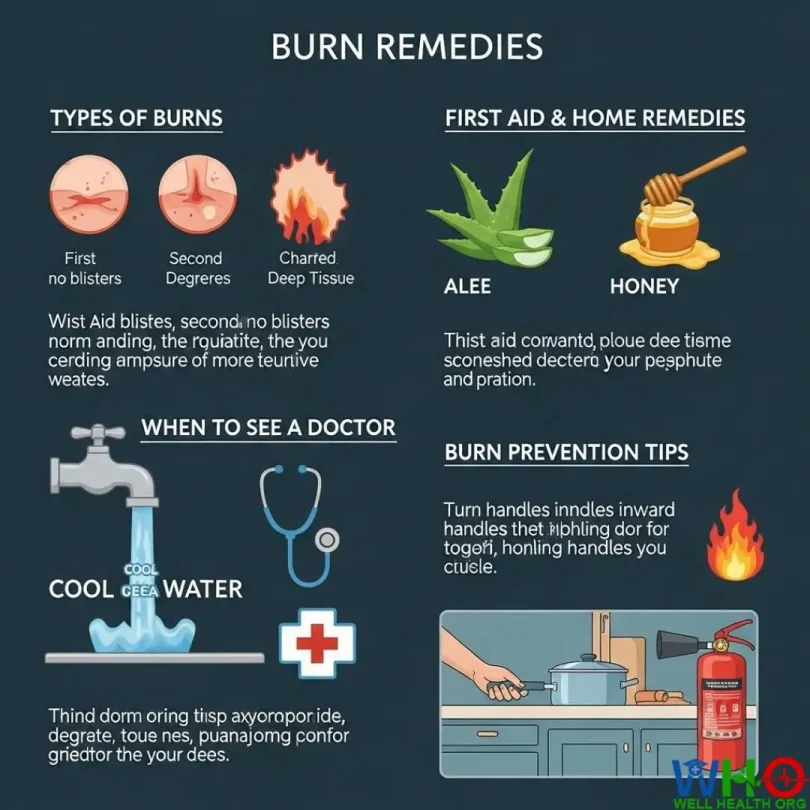
Before you begin treating a burn, it’s vital to understand what kind of burn you’re dealing with. Not all burns are the same — their severity depends on how deeply they penetrate the skin layers. Medical experts classify burns into three primary categories, each with its own symptoms, risks, and treatment needs.
Superficial (First-Degree) Burns
Superficial burns, also known as first-degree burns, are the mildest form of burn injury. They affect only the outermost layer of the skin (epidermis) and are often caused by mild scalds, touching a hot object briefly, or overexposure to sunlight.
Common symptoms include:
- Redness and tenderness of the skin
- Mild swelling or irritation
- Pain that may increase when the skin is touched
- Peeling after a few days as the skin heals
A classic example is a mild sunburn. Although uncomfortable, these burns generally heal within 3–5 days without scarring. The skin may flake or peel slightly during recovery, which is normal and part of the natural healing process.
Pro Tip: Keep the area cool and moisturized. Applying pure aloe vera gel or a gentle fragrance-free moisturizer can soothe discomfort and speed up recovery.
Partial-Thickness (Second-Degree) Burns
Partial-thickness burns, commonly referred to as second-degree burns, are more serious. They damage not just the epidermis but also the dermis, the second layer of skin beneath. These burns can be the result of hot liquids, steam, or extended contact with hot surfaces.
Symptoms may include:
- Intense pain and throbbing
- Red, swollen skin that looks wet or shiny
- Blister formation
- A risk of infection if blisters rupture
Because these burns affect a deeper layer of skin, they often require more care and take longer to heal — typically between 2 to 3 weeks, depending on severity and aftercare. If a second-degree burn covers a large area (greater than the size of your palm) or occurs on sensitive parts of the body like the face, hands, feet, joints, or genitals, you should seek medical attention immediately.
Tip from Experts: Do not pop blisters. While they may be unsightly, blisters protect the underlying tissue from bacteria and infection. If one bursts naturally, clean it gently with mild soap and water, then apply an antibiotic ointment.
Full-Thickness (Third-Degree) Burns
Full-thickness burns, or third-degree burns, are the most severe form of burn injury. They destroy all layers of the skin, and in some cases, even damage fat, muscle, or bone tissue underneath. These burns are typically caused by flames, chemical spills, electric shocks, or prolonged exposure to scalding substances.
Typical signs include:
- Charred, white, leathery, or blackened skin
- A dry and stiff texture
- Lack of pain (because nerve endings are destroyed)
- Severe swelling around the area
These burns are life-threatening and require immediate emergency care. Never attempt to treat a third-degree burn at home — call emergency services right away. The individual might also suffer from shock, indicated by pale or clammy skin, rapid pulse, or fainting. Keep the victim lying down, cover them with a clean cloth or blanket, and stay calm while waiting for help.
Immediate First Aid for Burns
When a burn occurs, your first response determines how well the skin recovers. Whether it’s a minor kitchen accident or a more serious scald, taking the correct first aid steps can dramatically reduce pain, limit tissue damage, and prevent complications.
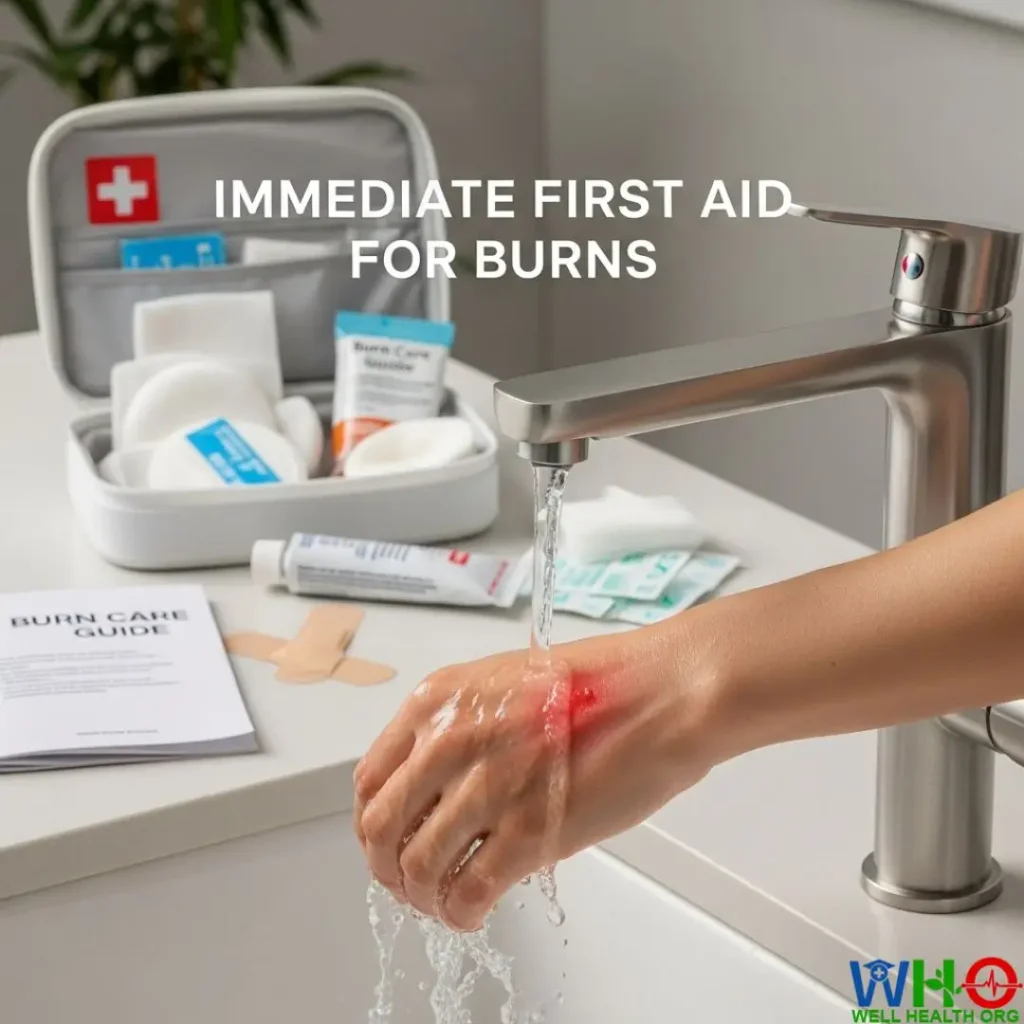
Follow these essential first aid actions immediately after a burn:
1. Stop the Burning Process
Your top priority is to remove the source of heat to prevent further damage.
- If your clothing catches fire, remember the classic advice: Stop, Drop, and Roll.
- If a hot liquid spills, remove any wet or heated clothing quickly but carefully.
- For chemical burns, rinse the area continuously with cool running water for at least 20 minutes to flush out the chemical.
Avoid touching or attempting to peel off clothing stuck to the skin — this can cause further injury.
2. Cool the Burn
Once the burning source is removed, cool the burn immediately to stop the heat from penetrating deeper. Run cool (not cold) water over the affected area for 10–20 minutes. If running water isn’t available, use a clean, cool compress or immerse the area in cool water.
Important:
- Never use ice or very cold water — it can restrict blood flow and cause frostbite or additional skin damage.
- Avoid using butter, oils, or toothpaste — these can trap heat inside the skin and increase the risk of infection.
Cooling reduces pain, prevents swelling, and stops the burn from worsening.
3. Protect the Burn
After cooling, gently cover the burn with a sterile, non-stick bandage, cling film, or a clean, dry cloth. This protects the exposed skin from bacteria, dust, and friction. Do not apply fluffy cotton or adhesive dressings directly to the burn.
If possible, elevate the burned area above the level of the heart — this can help reduce swelling and throbbing.
4. Manage Pain Safely
Minor burns can still be quite painful. Over-the-counter pain relievers such as ibuprofen or acetaminophen (paracetamol) can help reduce discomfort and inflammation. Always follow dosage instructions and consult your healthcare provider if you have underlying health conditions or are treating a child.
5. Avoid Breaking Blisters
As tempting as it may be, never pop burn blisters. The fluid inside acts as a natural cushion that helps your skin heal and protects it from infection. If a blister breaks naturally, clean the area gently with mild soap and apply a topical antibiotic before re-covering with a sterile dressing.
Effective Home Remedies for Minor Burns
For first-degree and small second-degree burns, several safe, natural remedies can promote healing and relieve discomfort once first aid has been given. These remedies should only be used after you have cooled and cleaned the burn.
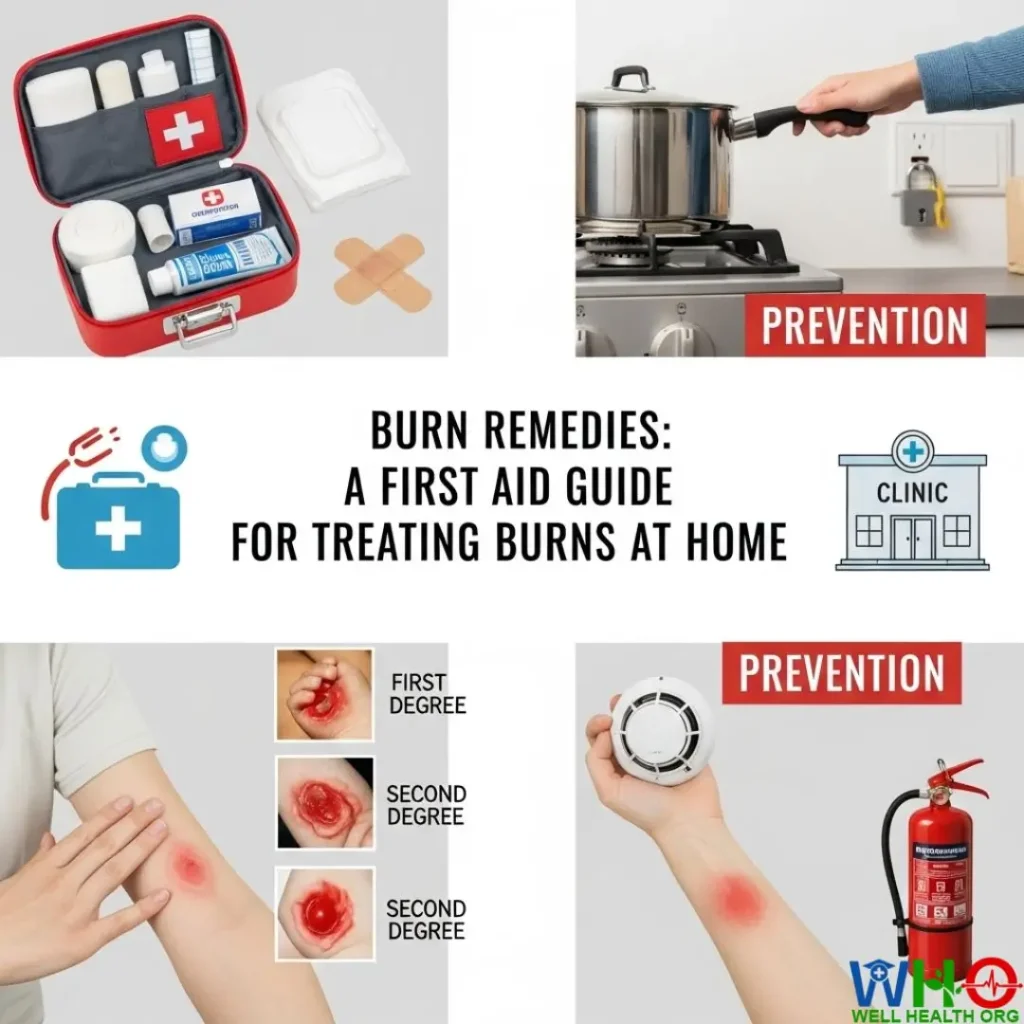
1. Aloe Vera Gel
Aloe vera is one of the most trusted natural remedies for burns. Its gel contains anti-inflammatory and antioxidant compounds that soothe irritation, reduce redness, and support skin repair. The gel also provides a natural cooling effect, which can bring instant relief.
How to use:
- Slice open a fresh aloe vera leaf and extract the clear gel.
- Apply a thin layer directly to the burn.
- Let it absorb fully — do not wipe it off.
- Reapply 2–3 times daily.
If using store-bought aloe gel, choose one labeled 100% pure, without alcohol, fragrances, or dyes.
2. Honey
Honey has powerful antibacterial, antifungal, and anti-inflammatory properties. Medical-grade honey (such as Manuka honey) is often used in hospitals to promote wound healing and prevent infection.
How to use:
- Apply a thin layer of honey over the burn.
- Cover with a sterile gauze pad or non-stick dressing.
- Replace the bandage daily or whenever it becomes wet.
Honey’s natural enzymes help regenerate tissue while keeping the wound moist and clean — two conditions essential for faster healing.
3. Cool Compresses
If running water isn’t an option, cool compresses can provide effective relief.
Soak a clean, soft cloth in cool water, wring it out, and gently press it against the burn for 10–15 minutes. Repeat several times a day to reduce pain and swelling.
Avoid using ice packs directly on the skin.
4. Coconut Oil (After Healing Starts)
Once the burn begins to close and no open wounds are present, cold-pressed coconut oil can be applied to moisturize and minimize scarring. It contains vitamin E and fatty acids that help restore the skin’s natural barrier and elasticity.
5. Oatmeal Baths for Large Mild Burns
For mild sunburns or widespread superficial burns, a colloidal oatmeal bath can help reduce itching and inflammation. Add a cup of finely ground oatmeal to lukewarm bathwater, soak for 15–20 minutes, then pat the skin dry gently.
6. Over-the-Counter Burn Gels
If you prefer ready-made products, choose burn relief gels or antiseptic creams containing lidocaine, silver sulfadiazine, or aloe vera. These formulations provide pain relief and protect against infection.
When to Seek Medical Attention
While many burns are minor, some are too serious for home care. Knowing when to get professional help can prevent complications such as infection, scarring, or even long-term tissue damage.
Seek immediate medical attention if:
- The burn is third-degree (skin looks charred, white, or leathery).
- The burn covers a large area (larger than your palm).
- The burn involves the face, hands, feet, joints, or genitals.
- The burn was caused by chemicals or electricity.
- You notice signs of infection — such as pus, foul odor, swelling, increased pain, or fever.
- The person burned is a child, infant, or elderly adult.
- You suspect inhalation injury (difficulty breathing after fire or smoke exposure).
Even small burns can become dangerous if left untreated, especially in individuals with diabetes or weakened immune systems.
Burn Prevention: How to Stay Safe
Most burns are preventable. Experts estimate that up to 90% of household burns can be avoided with simple precautions. Whether at home, work, or outdoors, practicing burn safety can protect you and your family.
1. Cook with Care
- Turn pot and pan handles toward the back of the stove.
- Keep flammable items (like kitchen towels or paper) away from open flames.
- Avoid wearing loose sleeves when cooking.
- Keep children and pets away from the stove.
Quick Tip: Always keep a fire extinguisher or a metal lid nearby to smother flames in case of a grease fire — never use water.
2. Control Hot Water Temperature
Scalds are a leading cause of burns in young children and older adults.
Set your water heater to 120°F (49°C) or lower. Always test bath water before use — if it feels hot to your wrist, it’s too hot for a child.
3. Practice Electrical Safety
- Don’t overload outlets.
- Replace damaged cords immediately.
- Keep appliances away from water sources.
- Use safety covers on unused outlets if you have young children.
4. Handle Chemicals Safely
- Store cleaning agents, acids, and flammable liquids out of reach of children.
- Always wear protective gloves and eyewear when handling chemicals.
- Work in a well-ventilated area and wash your hands thoroughly afterward.
5. Sun Protection Matters
Sunburn is the most common type of superficial burn.
- Apply broad-spectrum sunscreen (SPF 50+) every day, even when it’s cloudy.
- Reapply every 2 hours when outdoors or after swimming.
- Wear protective clothing, hats, and sunglasses for added protection.
6. Fire Safety at Home
- Install smoke detectors on every level of your home.
- Test them monthly and replace batteries yearly.
- Keep fire escape routes clear and practice drills with your family.
Recovering from a Burn: Healing and Aftercare
Once the pain subsides and the skin begins to heal, proper aftercare is key to preventing scarring and maintaining healthy skin.
Tips for better recovery:
- Keep the burn clean and moisturized.
- Avoid direct sunlight on healing skin.
- Don’t pick at scabs or peeling skin.
- Stay hydrated and eat foods rich in vitamins C and E, which support skin repair.
- If itching occurs, use a fragrance-free lotion or a mild antihistamine (with medical advice).
With proper care, most mild burns heal completely, leaving minimal or no trace.
Frequently Asked Questions
What should you never put on a burn?
Avoid using ice, butter, toothpaste, oils, or household products like vinegar or bleach. These can trap heat, damage skin tissue, and increase infection risk. Stick with cool water and sterile coverings.
How can I tell if my burn is infected?
Warning signs include oozing pus, red streaks around the burn, foul odor, worsening pain, or fever. If you notice these, see a doctor immediately.
Should I cover or expose a burn to air?
Always cover a burn with a sterile, non-stick bandage. This keeps bacteria out, protects sensitive nerve endings, and reduces pain. Change the dressing daily or whenever it becomes damp.
Can toothpaste help burns?
No. Toothpaste is an old myth — it can irritate damaged skin and cause infection. Use cool running water and soothing natural gels instead.
Final Thoughts: Your Burn Safety Action Plan
Burns are among the most painful yet preventable injuries. Whether it’s a small kitchen mishap or too much time in the sun, knowing how to respond immediately — and how to treat the wound safely at home — can make recovery smoother and faster.
The golden rule is simple:
- Cool the burn, cover it, and protect it.
- Seek medical help when necessary.
With the right first aid knowledge and preventive habits, you can protect yourself and those you love from one of life’s most common household accidents.
Medically Reviewed by Prof. Dr. Akram
Orthopedic Surgeon | Professor | Senior Medical Specialist
Prof. Dr. Akram is a distinguished surgeon with over 15 years of clinical expertise. Having served as a lead Emergency Specialist at Complex International Government Hospital, he currently leads a specialized team of 13 medical professionals at his private hospital. As a Professor at top medical universities, he ensures that every article on WellHealthOrg.com meets rigorous clinical standards.
Medical Disclaimer:
The information provided is for educational purposes only and is not a substitute for professional medical advice, diagnosis, or treatment. Always consult your physician for any medical concerns.
Our content is rigorously fact-checked by our 13-member Editorial Team under the clinical supervision of Prof. Dr. Akram.