
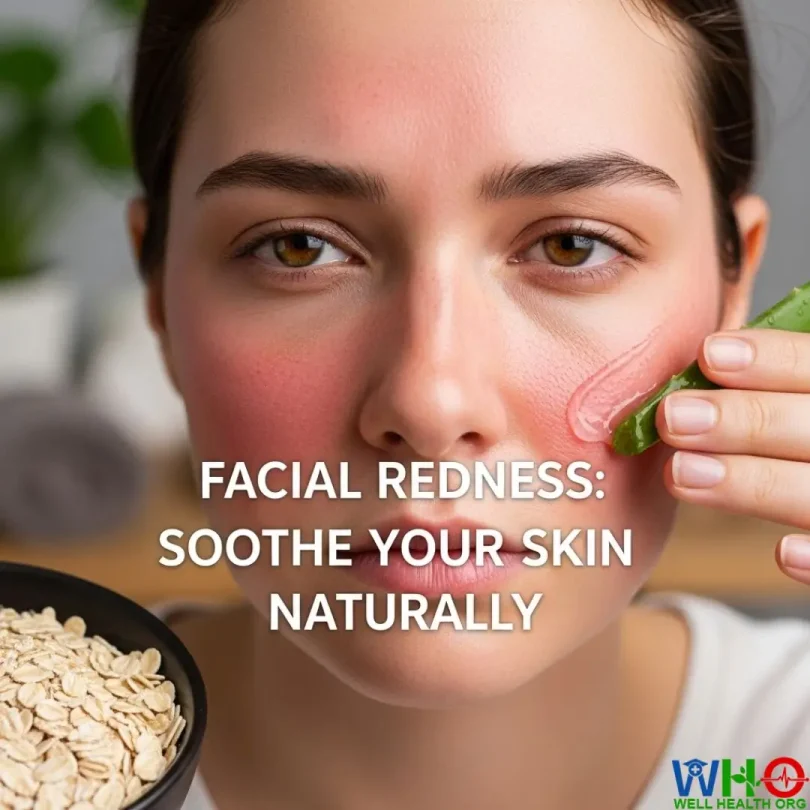
Redness on Face
Facial redness is something almost everyone experiences at some point — whether it’s from a sudden flush, an irritating product, or an underlying skin condition. But when the redness becomes persistent, uncomfortable, or difficult to hide, it can impact not only your appearance but also your confidence.
- 🌸 Understanding Facial Redness: What’s Really Going On Beneath the Skin
- Common Causes of Facial Redness
- 1. Sunburn
- 2. Rosacea
- 3. Acne and Skin Inflammation
- 4. Allergic Reactions and Skin Sensitivity
- 5. Over-Exfoliation or Harsh Skincare Products
- 6. Temperature Changes and Alcohol
- 🍃 Gentle Home Remedies to Soothe Facial Redness
- 1. Aloe Vera Gel – Nature’s Cooling Healer
- 2. Cucumber Compress – Instant Cooling Relief
- 3. Oatmeal Mask – The Sensitive Skin Savior
- 4. Green Tea Compress – Antioxidant Powerhouse
- 5. Honey – The Natural Antibacterial Moisturizer
- 6. Cold Compress or Ice Pack
- 💧 Lifestyle and Skincare Adjustments to Prevent Facial Redness
- 1. Simplify Your Skincare Routine
- 2. Protect Your Skin from the Sun
- 3. Manage Stress
- 4. Watch Your Diet
- 5. Stay Hydrated
- 6. Avoid Overheating
- 🔍 When to See a Dermatologist
- 🌿 Final Thoughts: Restoring Calm, Radiant Skin Naturally
- 🌼 Frequently Asked Questions (FAQ) About Facial Redness
- 1. What is the fastest way to reduce facial redness?
- 2. Can stress cause facial redness?
- 3. How can I reduce redness on my face overnight?
- 4. Which ingredients should I avoid if I have facial redness?
- 5. Does diet affect facial redness?
- 6. Can I exfoliate if my face is red?
- 7. Is facial redness the same as rosacea?
- 8. How does sun exposure affect facial redness?
- 9. Can facial redness go away completely?
- 10. Are there any long-term solutions for persistent redness?
- 11. Can hormonal changes cause facial redness?
- 12. Is it okay to wear makeup over red skin?
- 13. Can dehydration cause facial redness?
- 14. How can I prevent redness after shaving or exfoliating?
- 15. What’s the best daily skincare routine for redness-prone skin?
The good news? In many cases, facial redness can be managed effectively at home using gentle, natural remedies combined with smart skincare habits. With the right approach, you can calm inflammation, restore your skin’s natural balance, and enjoy a clearer, more even complexion.
This comprehensive guide will walk you through the most common causes of facial redness, the best home remedies to soothe irritated skin, and dermatologist-approved strategies to help prevent flare-ups in the future.
🌸 Understanding Facial Redness: What’s Really Going On Beneath the Skin
Facial redness, or erythema, occurs when the tiny blood vessels just under the skin’s surface dilate (expand), causing an increased flow of blood to the area. This response is often the body’s way of signaling irritation, inflammation, or environmental stress.
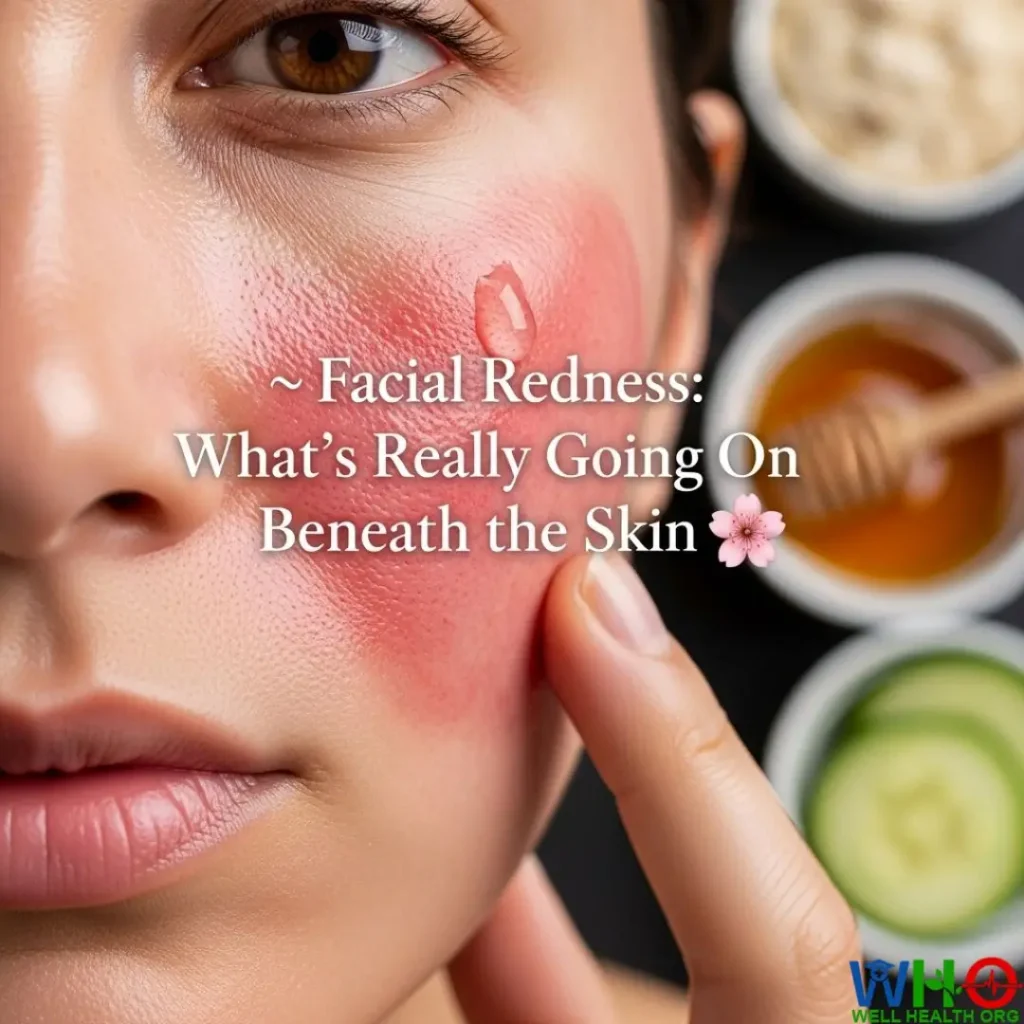
While redness can appear anywhere on the face, it most often affects the cheeks, nose, chin, and forehead. It can appear as patchy blotches, overall flushing, or even small visible veins known as telangiectasia.
Common Causes of Facial Redness
1. Sunburn
One of the most common — and preventable — causes of facial redness is sunburn. Prolonged UV exposure damages skin cells, causing inflammation and redness that may last several days. Repeated sunburns can also lead to premature aging and increase your risk of skin cancer.
2. Rosacea
Rosacea is a chronic skin condition that affects millions of people, particularly women over 30. It causes persistent redness, visible capillaries, and sometimes acne-like bumps. Triggers can include heat, alcohol, spicy foods, stress, and certain skincare products.
3. Acne and Skin Inflammation
Inflamed acne lesions — particularly cystic acne — can leave the surrounding skin red, tender, and swollen. Even after the breakout heals, redness from post-inflammatory hyperpigmentation can linger.
4. Allergic Reactions and Skin Sensitivity
If your skin reacts to fragrances, preservatives, or harsh chemicals in cosmetics or cleansers, it may appear red and irritated. This reaction, known as contact dermatitis, is common in people with sensitive or allergy-prone skin.
5. Over-Exfoliation or Harsh Skincare Products
While exfoliation helps remove dead skin cells, doing it too often or using products with strong acids can strip your skin’s protective barrier. Once the barrier is compromised, moisture escapes, irritants penetrate more easily, and redness follows.
6. Temperature Changes and Alcohol
Sudden changes in temperature — like stepping from a cold environment into a hot one — can trigger flushing. Alcohol consumption, particularly red wine, is also known to dilate blood vessels, leading to temporary facial redness.
🍃 Gentle Home Remedies to Soothe Facial Redness
Before turning to medicated creams or prescriptions, many people find relief from natural home remedies that calm inflammation and help repair the skin’s barrier. Here are some of the most effective, dermatologist-recommended natural treatments.

1. Aloe Vera Gel – Nature’s Cooling Healer
Aloe vera is one of the most time-tested natural remedies for soothing skin irritation. It contains aloesin and aloin, compounds that have anti-inflammatory and wound-healing effects.
How to use:
- Apply a thin layer of pure aloe vera gel directly to clean, dry skin.
- Let it absorb for 15–20 minutes.
- Rinse off with cool water and pat dry.
- Repeat twice daily for best results.
✅ Pro Tip: Always use organic or fresh aloe vera from the plant to avoid additives or alcohol that can worsen irritation.
2. Cucumber Compress – Instant Cooling Relief
Cucumbers are rich in antioxidants and have a naturally high water content, which helps hydrate and cool inflamed skin.
How to use:
- Slice a chilled cucumber into thin rounds.
- Lay the slices over red or irritated areas for 10–15 minutes.
- Alternatively, blend cucumber into a smooth paste and apply it as a cooling mask.
Cucumber not only calms redness but can also reduce puffiness and refresh dull skin, making it a great morning skincare ritual.
3. Oatmeal Mask – The Sensitive Skin Savior
Colloidal oatmeal has long been used to relieve itching, burning, and inflammation associated with eczema, rosacea, and sunburn.
How to use:
- Mix 2 tablespoons of colloidal oatmeal with 1–2 tablespoons of lukewarm water or milk to form a paste.
- Apply it evenly over your face and let it sit for 10–15 minutes.
- Rinse gently with cool water and pat dry.
Oatmeal creates a soothing barrier that locks in moisture and strengthens your skin’s natural defense system.
4. Green Tea Compress – Antioxidant Powerhouse
Green tea is packed with polyphenols, especially EGCG (epigallocatechin gallate), which has been shown to reduce inflammation and protect against UV damage.
How to use:
- Steep 2 green tea bags in hot water for 5 minutes.
- Let the tea cool, or refrigerate it for 30 minutes.
- Soak a soft cotton pad or cloth in the chilled tea and apply it to your face for 10–15 minutes.
For a quick pick-me-up, you can also store cooled green tea in a spray bottle and use it as a refreshing facial mist.
5. Honey – The Natural Antibacterial Moisturizer
Raw honey, especially Manuka honey, contains powerful antibacterial and healing properties that make it ideal for calming inflamed skin.
How to use:
- Apply a thin layer of raw honey to the affected area.
- Leave it on for 15–20 minutes.
- Rinse with warm (not hot) water and gently pat dry.
Honey helps restore hydration, fight bacteria, and promote healing, making it an excellent choice for acne-prone or irritated skin.
6. Cold Compress or Ice Pack
A cold compress can immediately reduce redness and swelling by constricting blood vessels and reducing inflammation.
How to use:
- Wrap a few ice cubes in a clean soft cloth.
- Apply gently to the red areas for 1–2 minutes at a time.
- Avoid pressing hard or applying ice directly to your skin.
💧 Lifestyle and Skincare Adjustments to Prevent Facial Redness
Even the best home remedies can only go so far if your daily habits are contributing to irritation. Making small but consistent changes to your routine can dramatically improve your skin’s appearance.
1. Simplify Your Skincare Routine
Stick to a minimal routine that includes:
- A gentle, fragrance-free cleanser
- A soothing moisturizer with ceramides or niacinamide
- Daily sunscreen with SPF 30 or higher
Avoid products with alcohol, menthol, or artificial fragrances — all of which can trigger redness.
2. Protect Your Skin from the Sun
Sun exposure is one of the biggest culprits behind chronic redness. Always apply broad-spectrum sunscreen daily, even indoors (UV rays penetrate windows).
For sensitive skin, choose mineral sunscreens containing zinc oxide or titanium dioxide — they protect without irritation.
3. Manage Stress
Stress can trigger flushing and skin flare-ups. Try incorporating relaxation techniques such as:
- Deep breathing exercises
- Yoga or gentle stretching
- Meditation
- Regular sleep schedule
4. Watch Your Diet
Certain foods can trigger redness, especially in people with rosacea or sensitive skin. Limit:
- Spicy foods
- Hot drinks
- Alcohol (especially red wine)
- Caffeine
Instead, focus on anti-inflammatory foods such as berries, leafy greens, salmon, and turmeric.
5. Stay Hydrated
Drink plenty of water throughout the day. Proper hydration helps maintain your skin’s natural moisture barrier, which is crucial for reducing redness and irritation.
6. Avoid Overheating
Hot showers, saunas, and even prolonged use of heating devices can dilate blood vessels and worsen redness. Opt for lukewarm water when washing your face or showering.
✅ Pro Tip: Use a humidifier during winter months to maintain moisture in the air and prevent dry, red skin.
🔍 When to See a Dermatologist
While most cases of redness can be managed at home, persistent or severe redness may signal an underlying issue. Seek professional care if:
- Your redness lasts longer than a few weeks
- It’s accompanied by pain, swelling, or bumps
- You experience burning or stinging sensations
- Over-the-counter remedies aren’t helping
A dermatologist can diagnose underlying causes such as rosacea, eczema, or allergic dermatitis and recommend treatments like prescription creams, laser therapy, or oral medications.
🌿 Final Thoughts: Restoring Calm, Radiant Skin Naturally
Facial redness doesn’t have to control your confidence. With a thoughtful approach that combines natural remedies, gentle skincare, and lifestyle awareness, you can restore balance to your skin and achieve a healthy, radiant glow.
Remember — consistency is key. Be patient with your skin, avoid harsh treatments, and nourish it daily with soothing, hydrating ingredients. If redness persists, don’t hesitate to consult a skincare professional who can personalize your care plan.
Your skin is resilient. With time and the right care, it can heal, strengthen, and glow again.
🌼 Frequently Asked Questions (FAQ) About Facial Redness
1. What is the fastest way to reduce facial redness?
If you’re looking for immediate relief from facial redness, applying a cold compress or a chilled green tea compress can help constrict blood vessels and reduce inflammation within minutes. For longer-lasting results, use soothing ingredients like aloe vera gel or colloidal oatmeal masks, which calm irritation and support healing.
Avoid hot water, spicy food, or alcohol during flare-ups, as these can worsen redness. Always finish your routine with a fragrance-free moisturizer and a broad-spectrum SPF 30+ sunscreen to protect your skin barrier.
2. Can stress cause facial redness?
Yes — stress is a major trigger for many skin conditions, including redness, rosacea flare-ups, and acne. When you’re stressed, your body releases cortisol and adrenaline, which can increase blood flow and make your face flush more easily. Chronic stress can also disrupt your skin barrier, making it more sensitive to irritation.
To counteract this, practice deep breathing exercises, yoga, or mindfulness meditation daily. Managing stress isn’t just good for your mind — it helps restore your skin’s natural balance.
3. How can I reduce redness on my face overnight?
While redness won’t disappear completely overnight, you can significantly calm irritation by following these steps:
- Cleanse gently with a mild, fragrance-free face wash.
- Apply a cool compress for 5–10 minutes to constrict blood vessels.
- Use aloe vera gel or honey as a calming overnight mask.
- Finish with a rich moisturizer that contains ceramides or niacinamide to repair your skin barrier.
By morning, your skin will likely look more even-toned and feel less inflamed.
4. Which ingredients should I avoid if I have facial redness?
People with sensitive or redness-prone skin should steer clear of:
- Alcohol-based toners
- Fragrance and essential oils (like peppermint or eucalyptus)
- Harsh exfoliants (especially scrubs with large granules)
- Sulfate-containing cleansers
- Retinoids or high-strength acids without professional supervision
Instead, focus on gentle, hydrating ingredients like hyaluronic acid, niacinamide, colloidal oatmeal, ceramides, and aloe vera.
5. Does diet affect facial redness?
Absolutely. What you eat can have a direct impact on inflammation and skin sensitivity. Common dietary triggers include:
- Spicy foods (like chili or curry)
- Alcohol, particularly red wine
- Caffeine (in coffee, tea, or energy drinks)
- Processed sugar and refined carbs
On the flip side, an anti-inflammatory diet rich in fruits, vegetables, omega-3 fatty acids (like salmon and chia seeds), green tea, and turmeric can help keep your skin calm and balanced.
6. Can I exfoliate if my face is red?
If your skin is already red, irritated, or inflamed, avoid physical exfoliation (like scrubs or rough brushes) as these can worsen the condition. Once the redness subsides, you can reintroduce gentle chemical exfoliants such as lactic acid or polyhydroxy acids (PHAs).
Always start slow — once a week is enough — and moisturize immediately after to protect your skin barrier.
7. Is facial redness the same as rosacea?
Not necessarily. While rosacea is a common cause of persistent redness, not all facial redness indicates rosacea. Temporary redness can result from sunburn, allergies, heat, or irritation.
Rosacea typically causes:
- Persistent redness across the cheeks and nose
- Visible small blood vessels
- Occasional pimple-like bumps
- Flushing that worsens with triggers like spicy food, heat, or alcohol
If your redness is constant or worsening, it’s best to consult a dermatologist for an accurate diagnosis and treatment plan.
8. How does sun exposure affect facial redness?
Sun exposure is one of the leading causes of facial redness and premature aging. UV rays damage skin cells and blood vessels, leading to inflammation and visible veins.
Always apply broad-spectrum SPF 30+ daily — even indoors or on cloudy days — to prevent flare-ups. Choose mineral sunscreens containing zinc oxide or titanium dioxide, which are gentle and ideal for sensitive skin.
9. Can facial redness go away completely?
In many cases, yes — especially if the redness is caused by irritation, sunburn, or over-exfoliation. With consistent skincare and lifestyle changes, your skin can return to a calm, even tone.
However, chronic redness from conditions like rosacea may not go away entirely but can be effectively controlled through ongoing care, trigger avoidance, and dermatologist-recommended treatments like laser therapy or prescription creams.
10. Are there any long-term solutions for persistent redness?
If redness keeps returning despite home remedies, a dermatologist can recommend advanced treatments such as:
- Topical anti-inflammatory creams (like metronidazole or azelaic acid)
- Oral antibiotics for rosacea-related inflammation
- Laser or light therapy (such as IPL) to reduce visible blood vessels
- Barrier-repairing skincare regimens tailored to your skin type
Combining these with a gentle, consistent skincare routine helps maintain long-term results.
11. Can hormonal changes cause facial redness?
Yes. Hormonal fluctuations — especially during puberty, menstruation, pregnancy, or menopause — can increase oil production and blood flow to the skin. This may lead to redness, flushing, or acne flare-ups.
Balancing hormones through a healthy lifestyle, regular sleep, stress management, and hydration can help minimize these effects.
12. Is it okay to wear makeup over red skin?
Yes, but choose makeup carefully. Use non-comedogenic, fragrance-free, and hypoallergenic products formulated for sensitive skin.
Before applying foundation, use a green-tinted primer to neutralize redness. Always remove makeup thoroughly with a gentle, hydrating cleanser to avoid buildup and irritation.
13. Can dehydration cause facial redness?
Dehydrated skin is more prone to irritation and redness because the lack of moisture weakens its protective barrier. Drink plenty of water daily and use a hydrating moisturizer containing ingredients like glycerin, squalane, or hyaluronic acid to keep your skin supple and resilient.
14. How can I prevent redness after shaving or exfoliating?
To avoid post-shaving redness:
- Use a sharp, clean razor and shave in the direction of hair growth.
- Always apply a soothing, alcohol-free aftershave balm or aloe vera gel afterward.
- If exfoliating, follow up with a calming moisturizer to replenish hydration and prevent irritation.
15. What’s the best daily skincare routine for redness-prone skin?
A consistent, gentle routine is key:
Morning:
- Cleanse with a mild, sulfate-free cleanser
- Apply a lightweight, fragrance-free moisturizer
- Use broad-spectrum sunscreen (SPF 30 or higher)
Evening:
- Remove makeup with micellar water or a gentle cleansing balm
- Apply aloe vera gel, green tea extract, or niacinamide serum
- Lock in moisture with a soothing night cream
Avoid switching products frequently — your skin needs time to adjust and heal.
Medically Reviewed by Prof. Dr. Akram
Orthopedic Surgeon | Professor | Senior Medical Specialist
Prof. Dr. Akram is a distinguished surgeon with over 15 years of clinical expertise. Having served as a lead Emergency Specialist at Complex International Government Hospital, he currently leads a specialized team of 13 medical professionals at his private hospital. As a Professor at top medical universities, he ensures that every article on WellHealthOrg.com meets rigorous clinical standards.
Medical Disclaimer:
The information provided is for educational purposes only and is not a substitute for professional medical advice, diagnosis, or treatment. Always consult your physician for any medical concerns.
Our content is rigorously fact-checked by our 13-member Editorial Team under the clinical supervision of Prof. Dr. Akram.







