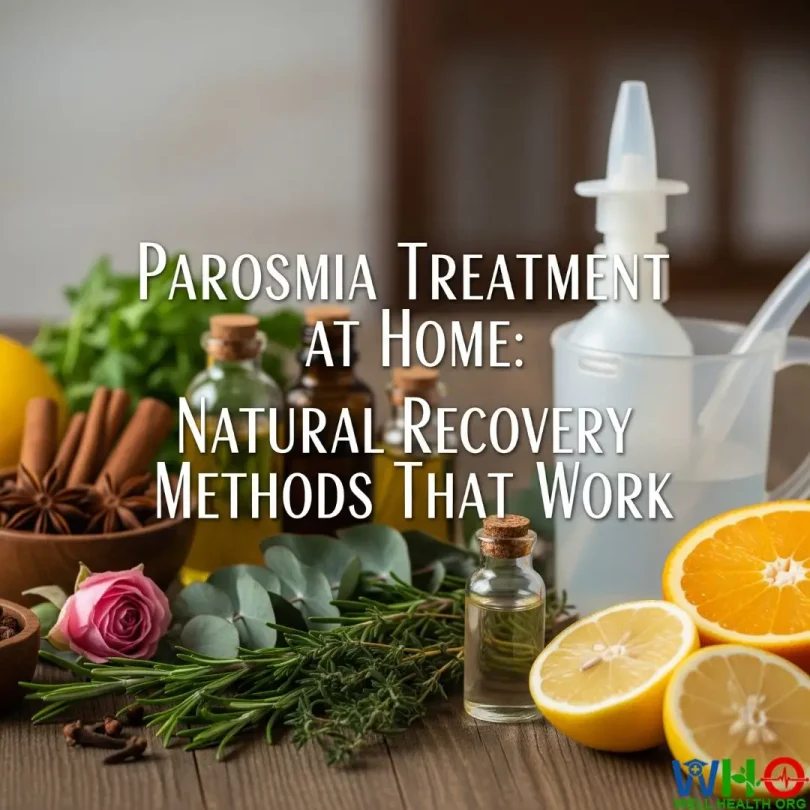
Parosmia Treatment at Home
Imagine waking up one morning, brewing your favorite coffee, and realizing it smells like burnt plastic — or that the aroma of your shampoo suddenly makes you nauseous. This disorienting experience is not uncommon for those suffering from parosmia, a condition that distorts your sense of smell.
- Parosmia Treatment at Home
- Understanding Parosmia: What It Is and How It Affects You
- Why Parosmia Has Become So Common
- How Parosmia Impacts Daily Life
- Home Treatment Strategies to Restore Your Sense of Smell
- 1. Smell Training: The Gold Standard for Parosmia Recovery
- How Smell Training Works
- What You’ll Need
- How to Practice Smell Training
- 2. Nourish Your Nerves: Diet and Nutrition for Smell Recovery
- Best Nutrients for Olfactory Repair
- Foods to Avoid
- Hydration and Inflammation
- 3. Nasal Rinsing: A Simple Habit for Healthier Sinuses
- How to Do a Safe Saline Rinse
- 4. Create a Healing Environment for Your Senses
- Purify Your Indoor Air
- Minimize Odor Triggers
- 5. Manage Stress and Mental Health
- How Stress Affects Smell Recovery
- Helpful Coping Techniques
- 6. Gradual Reintroduction of Foods and Scents
- How to Do It Safely
- When to See a Doctor or Specialist
- Tips for Day-to-Day Living with Parosmia
- Your Road to Recovery: What to Expect
- Conclusion: You Can Restore Your Sense of Smell Naturally
- FAQs About Parosmia and Home Treatment
While it can feel isolating or even alarming, you’re not powerless. Thousands of people have successfully retrained their noses and brains through simple, consistent home treatments. With patience and persistence, you can do the same.
In this complete guide, you’ll learn how parosmia works, why it happens, and the most effective at-home methods to support recovery — from smell training to diet adjustments and lifestyle habits.
Understanding Parosmia: What It Is and How It Affects You
Parosmia is a condition that causes familiar smells to become distorted — and usually unpleasant. Instead of coffee smelling rich and inviting, it might smell burnt, rotten, or chemical. Some people describe it as “everything smelling like garbage or smoke,” even when the environment is perfectly clean.
Unlike anosmia (complete loss of smell), parosmia doesn’t remove your sense of smell — it scrambles it. The root cause lies in how your brain interprets signals from damaged olfactory receptor cells inside your nose.
When these receptors misfire or reconnect incorrectly during healing, the brain receives jumbled messages. The result: normal scents become warped, foul, or nauseating.
Why Parosmia Has Become So Common
The COVID-19 pandemic brought global attention to this condition. Studies show that 40–75% of people recovering from COVID-19 experience some degree of smell distortion, typically appearing a few months after infection.
Other common causes include:
- Sinus infections or chronic sinusitis
- Head trauma or concussions
- Viral illnesses like influenza
- Exposure to chemicals or smoke
- Certain medications (especially those affecting nerve function)
- Nasal polyps or blockages
- Smoking and chronic dry mouth
The good news? The olfactory system is remarkably resilient. With consistent care, most people regain a normal sense of smell within 6–18 months, depending on the cause and severity.
How Parosmia Impacts Daily Life
Parosmia doesn’t just affect your nose — it impacts how you eat, live, and feel. Many sufferers report:
- Loss of appetite or aversion to favorite foods
- Weight loss due to nausea during meals
- Emotional distress and social withdrawal
- Difficulty detecting dangerous odors like gas leaks or spoiled food
These changes can be frustrating and confusing, but understanding that parosmia is a neurological process, not “in your head,” helps normalize your experience. Recovery requires time — but with the right strategies, it’s absolutely achievable.
Home Treatment Strategies to Restore Your Sense of Smell
Now, let’s explore the most effective ways to treat parosmia at home — methods backed by research and supported by thousands of recovery stories worldwide.
1. Smell Training: The Gold Standard for Parosmia Recovery
If there’s one technique experts swear by, it’s olfactory training (also known as smell training). This evidence-based approach helps “reprogram” your brain to recognize scents accurately again.
How Smell Training Works
Your olfactory receptors can regenerate — but they need stimulation to rebuild correct pathways. By repeatedly smelling specific scents, you teach your brain how to reconnect those signals properly.
What You’ll Need
Choose four to six essential oils or naturally strong scents from different categories:
- Floral: rose, lavender, jasmine
- Citrus: lemon, orange, grapefruit
- Spicy: clove, cinnamon
- Resinous: eucalyptus, pine, or peppermint
If essential oils aren’t available, you can use coffee grounds, vanilla extract, mint leaves, or orange peels instead.
How to Practice Smell Training
- Sit in a quiet room, away from distractions.
- Open one scent and gently inhale for 20 seconds.
- Focus deeply — try to recall how that smell used to be.
- Take a short break, then move to the next scent.
- Repeat twice daily (morning and evening).
Continue this routine for at least 12 weeks. Improvement may start gradually — small changes like detecting hints of familiar aromas — but persistence is key.
💡 Real-life tip: Many people find it motivating to keep a “smell journal.” Record your progress daily — it helps you notice subtle improvements you might otherwise overlook.
2. Nourish Your Nerves: Diet and Nutrition for Smell Recovery
Your sense of smell depends heavily on the health of your olfactory nerves and the surrounding tissues. A balanced, nutrient-rich diet can accelerate healing and reduce inflammation.
Best Nutrients for Olfactory Repair
| Nutrient | Benefit | Food Sources |
|---|---|---|
| Vitamin A | Supports mucous membrane health | Carrots, sweet potatoes, spinach |
| Vitamin B Complex | Aids nerve function and repair | Eggs, whole grains, avocados |
| Vitamin C | Reduces inflammation and boosts immunity | Citrus fruits, bell peppers, strawberries |
| Vitamin D | Supports neural health and immunity | Sunlight, salmon, fortified milk |
| Zinc | Crucial for olfactory receptor recovery | Pumpkin seeds, meat, beans |
| Omega-3 Fatty Acids | Anti-inflammatory; supports nerve regeneration | Fish, flaxseeds, walnuts |
Foods to Avoid
Some foods intensify distorted smells or worsen nausea. Common triggers include:
- Coffee
- Onions and garlic
- Chocolate
- Fried or spicy foods
Keep a food journal to track triggers. Gradually reintroduce them once your smell perception stabilizes.
Hydration and Inflammation
Drink at least 8–10 glasses of water daily. Dehydration dries out nasal passages, making recovery harder. Limit alcohol and sugary drinks — both increase inflammation and slow healing.
3. Nasal Rinsing: A Simple Habit for Healthier Sinuses
A clean nasal passage is vital for odor detection. Nasal irrigation, or rinsing, can help flush out mucus, reduce inflammation, and promote healing of smell receptors.
How to Do a Safe Saline Rinse
- Mix ½ teaspoon of non-iodized salt and ½ teaspoon of baking soda into 1 cup of distilled warm water.
(Never use tap water directly — it may contain harmful microorganisms.) - Use a neti pot or squeeze bottle.
- Tilt your head slightly forward and to one side.
- Pour the solution into one nostril and let it drain out the other.
- Repeat on both sides once daily for 1–2 weeks.
This gentle process helps clear blockages, reduce irritation, and restore your nose’s natural environment — especially if your parosmia followed a sinus infection.
💡 Bonus Tip: Add a drop of eucalyptus oil to your steam inhalation (not rinse water!) once or twice a week. The soothing vapor helps open sinuses naturally.
4. Create a Healing Environment for Your Senses
Your recovery isn’t just about your nose — it’s about your environment. Clean, pure air and gentle exposure to pleasant scents can speed up neural retraining.
Purify Your Indoor Air
- Invest in an air purifier with a HEPA filter to remove dust, allergens, and chemical residues.
- Keep indoor plants like peace lilies, aloe vera, and spider plants to naturally cleanse the air.
- Ventilate your home daily by opening windows and using exhaust fans in kitchens and bathrooms.
Minimize Odor Triggers
Avoid exposure to:
- Harsh cleaning agents
- Scented candles or air fresheners
- Strong perfumes and hairsprays
Opt for unscented detergents, mild soaps, and natural cleaning solutions like vinegar or baking soda.
If family members use scented products, kindly explain your condition so they can support your recovery. Creating a “scent-free zone” at home can make a huge difference.
5. Manage Stress and Mental Health
Parosmia doesn’t only disrupt your sense of smell — it can shake your sense of normalcy. Many people experience anxiety, frustration, or even mild depression while recovering.
How Stress Affects Smell Recovery
Chronic stress releases hormones like cortisol, which can suppress immune and nerve repair functions. This means that unmanaged stress might actually slow your recovery process.
Helpful Coping Techniques
- Meditation and deep breathing: Helps calm the nervous system.
- Gentle yoga or walking: Improves blood flow and reduces anxiety.
- Adequate sleep: Aim for 7–8 hours per night to support neural regeneration.
- Talk it out: Join online parosmia support groups or talk to a therapist who understands sensory loss challenges.
💡 Remember: Emotional recovery is part of physical healing. Give yourself grace during the process — progress is rarely linear.
6. Gradual Reintroduction of Foods and Scents
As you heal, start reintroducing foods and smells slowly to retrain your olfactory tolerance.
How to Do It Safely
- Choose a mild food (like plain rice or apples).
- Take a small bite while focusing on its natural aroma.
- If it smells distorted, stop and try again later.
- Gradually increase your exposure as your nose adjusts.
For some people, heating or cooling foods changes their smell intensity, making them easier to tolerate. Experiment to find what works best for you.
When to See a Doctor or Specialist
While home treatments are highly effective, some cases of parosmia require professional evaluation — especially if:
- Symptoms persist beyond six months without improvement
- You can’t eat properly due to severe distortions
- You experience weight loss or depression
- The condition followed head trauma or exposure to toxins
An ENT specialist (otolaryngologist) can perform smell tests, imaging scans, or prescribe medications such as:
- Corticosteroid nasal sprays (to reduce inflammation)
- Phenytoin, clonazepam, or topiramate (for neurological restoration in severe cases)
- Vitamin or zinc supplements under supervision
For advanced cases, smell and taste clinics offer tailored olfactory rehabilitation programs and expert guidance.
Tips for Day-to-Day Living with Parosmia
Here are practical lifestyle tweaks to make daily life easier during recovery:
- Eat in well-ventilated spaces to minimize odor buildup.
- Mask unpleasant smells with mild ones like vanilla, mint, or citrus peels.
- Freeze leftovers immediately to avoid lingering food odors in your kitchen.
- Cook with mild ingredients and avoid frying or charring foods, which release stronger scents.
- Wear a mask while handling strong-smelling products.
Small adjustments like these can help you stay comfortable while your senses recalibrate.
Your Road to Recovery: What to Expect
Recovery timelines vary, but most people start noticing improvement within 3–6 months of consistent effort. For COVID-related cases, full recovery often occurs within 12–16 months.
You may experience:
- Sudden “flashes” of normal smell perception
- Gradual return of pleasant scents
- Temporary relapses (which are completely normal)
Think of recovery like physical therapy for your nose — progress happens in small but meaningful steps.
💚 Celebrate milestones: Detecting a hint of your favorite perfume again or enjoying your first cup of coffee without nausea are victories worth acknowledging.
Conclusion: You Can Restore Your Sense of Smell Naturally
Parosmia may feel overwhelming, but it’s not permanent. With the right approach — smell training, proper nutrition, nasal care, environmental balance, and emotional support — you can help your olfactory system rebuild itself.
The process takes time, but every small step counts. Consistency is the bridge between frustration and recovery.
Start today: gather your essential oils, plan nutrient-rich meals, and create a calm, clean space that supports healing. Your sense of smell is resilient — it just needs patience, care, and encouragement to find its way back.
FAQs About Parosmia and Home Treatment
1. How long does parosmia last after COVID?
Most COVID-related parosmia cases improve within 14–16 months, though some recover sooner. Continued smell training and nasal care help speed up the process.
2. Can parosmia be cured at home?
While not every case can be completely cured at home, olfactory training and dietary support significantly increase your chances of full or partial recovery.
3. What if essential oils trigger headaches or nausea?
Start with very diluted scents or switch to milder alternatives like vanilla or lemon peel. Always listen to your body — forcing strong scents can backfire.
4. Should I take supplements for faster recovery?
Yes — but consult a healthcare provider first. Zinc, omega-3s, and vitamins A, B, C, and D are especially beneficial, but proper dosage is key.
5. Can stress delay recovery from parosmia?
Absolutely. Chronic stress impacts nerve healing. Regular relaxation practices like deep breathing or mindfulness can improve your progress dramatically.
Medically Reviewed by Prof. Dr. Akram
Orthopedic Surgeon | Professor | Senior Medical Specialist
Prof. Dr. Akram is a distinguished surgeon with over 15 years of clinical expertise. Having served as a lead Emergency Specialist at Complex International Government Hospital, he currently leads a specialized team of 13 medical professionals at his private hospital. As a Professor at top medical universities, he ensures that every article on WellHealthOrg.com meets rigorous clinical standards.
Medical Disclaimer:
The information provided is for educational purposes only and is not a substitute for professional medical advice, diagnosis, or treatment. Always consult your physician for any medical concerns.
Our content is rigorously fact-checked by our 13-member Editorial Team under the clinical supervision of Prof. Dr. Akram.