
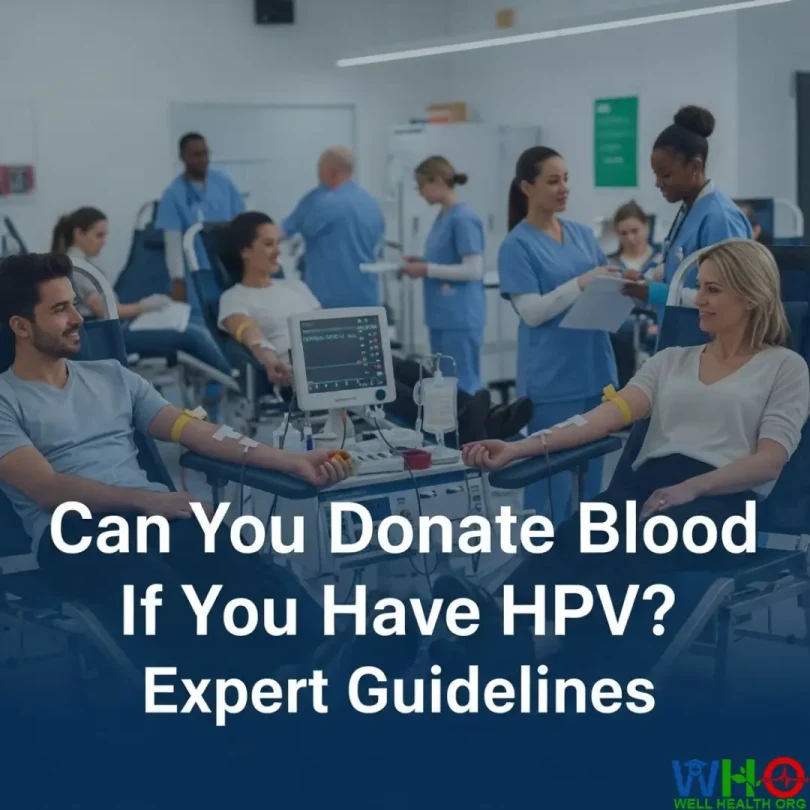
Blood donation is one of the simplest yet most impactful ways to save lives. A single pint of donated blood can help up to three patients in need, whether for surgery, trauma, cancer treatment, or chronic illness. Because of its importance, many people want to donate regularly—but health conditions often bring up questions about eligibility.
One of the most common concerns is: “Can I donate blood if I have HPV?”
Human papillomavirus (HPV) is one of the most widespread infections in the world, affecting millions of people. Since it’s so common, it’s natural for donors to wonder whether having HPV disqualifies them from donating. The short answer is: in most cases, yes, you can still donate blood if you have HPV.
This comprehensive guide breaks down everything you need to know about donating blood with HPV, including medical guidelines, safety measures, expert perspectives, and what factors might affect your eligibility. By the end, you’ll have a clear understanding of how HPV impacts blood donation—and how you can safely give back to your community.
What Is HPV? Understanding the Basics
HPV, or human papillomavirus, is a group of over 200 related viruses. It is primarily spread through direct skin-to-skin contact, most commonly during sexual activity.
Key Facts About HPV
- It is the most common sexually transmitted infection (STI) in the world.
- Most sexually active individuals will contract at least one type of HPV in their lifetime.
- In many cases, HPV causes no symptoms and clears up naturally within one to two years.
- Some strains cause genital warts, while others are considered “high-risk” because they may contribute to certain cancers.
- The immune system usually controls or eliminates the virus without medical treatment.
Types of HPV
- Low-Risk HPV Types: These can cause warts on the genitals, anus, or throat but rarely lead to serious complications.
- High-Risk HPV Types: These are linked to cervical cancer, throat cancer, anal cancer, and a few other cancers. However, cancer from HPV typically develops only after years of persistent infection, and not everyone with HPV will develop cancer.
Because HPV is so widespread, it is not treated as a major blood donation concern in the same way as other transmissible infections like HIV or hepatitis.
Why Blood Donation Guidelines Exist
Blood donation centers follow strict rules set by health organizations such as the American Red Cross, the World Health Organization (WHO), and local regulatory agencies. These rules are designed to:
- Protect the recipient by ensuring donated blood is safe.
- Protect the donor by confirming that giving blood will not harm their health.
General Eligibility Requirements for Donors
To donate blood, you typically must:
- Be in good overall health.
- Weigh at least 110 pounds (50 kilograms).
- Be at least 17 or 18 years old (depending on the country).
- Have adequate hemoglobin levels.
- Be free from active infections or serious illnesses.
Blood banks also perform rigorous screening for blood-borne diseases such as:
- HIV
- Hepatitis B and C
- Syphilis
- West Nile Virus
- Chagas disease
This ensures that blood recipients are not exposed to harmful infections through transfusion.
Can You Donate Blood If You Have HPV?
The straightforward answer is yes. Having HPV does not automatically disqualify you from blood donation.
Reasons Why HPV Doesn’t Prevent Donation
- Minimal Blood Transmission Risk
HPV is primarily transmitted through skin-to-skin contact, not through blood. Unlike HIV or hepatitis viruses, which circulate in the bloodstream, HPV typically remains localized in skin and mucosal tissues. Current research supports the conclusion that HPV transmission through blood transfusion is extremely rare, if it happens at all. - No Standard HPV Screening for Blood Donations
Blood donation centers do not test for HPV. With more than 200 strains of the virus and such a high global prevalence, routine HPV testing would be impractical, costly, and medically unnecessary. - Focus on Overall Donor Health
As long as you are generally healthy, not actively ill, and meet the standard eligibility requirements, blood banks usually accept your donation—even if you have an HPV infection.
When HPV Might Affect Your Eligibility to Donate
While HPV itself does not prevent blood donation, there are a few related circumstances where it could impact your eligibility.
1. Active Symptoms or Treatment
If you are currently dealing with genital warts, throat lesions, or any HPV-related symptoms that make you feel unwell, you may be asked to wait until symptoms improve. Similarly, if you’re undergoing treatment for an HPV-related condition, the blood bank may recommend postponing donation.
2. HPV-Related Cancer
If you have been diagnosed with an HPV-related cancer (such as cervical or throat cancer), eligibility depends on your current medical status:
- During treatment: You cannot donate blood.
- After treatment and recovery: In many cases, you may be eligible again, provided you are in remission and cleared by your physician.
3. Medications
Some treatments for HPV-related conditions may affect your eligibility. Always disclose your medications during the pre-donation health screening.
Expert Perspectives on HPV and Blood Donation
Medical experts consistently emphasize that HPV alone should not prevent someone from donating blood.
- Dr. Sarah Johnson, Hematologist:
“HPV is one of the most common viral infections globally, but it does not pose a significant risk to the blood supply. Excluding donors with HPV would unnecessarily shrink the donor pool without improving recipient safety.” - American Red Cross Guidelines:
State clearly that HPV is not a reason for deferral. The organization focuses on conditions that affect blood safety or donor health, not common viral infections like HPV. - Blood Bank Medical Directors:
Stress that honesty during pre-donation screening is more important than HPV status. The screening helps identify any issues that could affect donor or recipient safety.
Safety Measures That Protect Donors and Recipients
Even without HPV-specific testing, blood banks employ multiple safety layers to keep the blood supply safe.
1. Pre-Donation Health Screening
Before every donation, donors complete a questionnaire covering medical history, medications, recent travel, and lifestyle factors. This helps identify potential risks.
2. Laboratory Testing
Every donated unit of blood is tested for major blood-borne pathogens such as HIV, hepatitis, and syphilis.
3. Ongoing Monitoring
Blood donation organizations constantly review medical research and update their guidelines to reflect new evidence about infectious diseases.
Other Factors That May Affect Your Blood Donation Eligibility
While HPV won’t usually stop you from donating, other conditions might. These include:
- Recent Travel: Visiting areas with malaria, Zika, or other diseases may temporarily disqualify you.
- Recent Tattoos or Piercings: Usually requires a short waiting period (typically 3–12 months).
- Recent Surgery or Dental Work: You may need to wait until fully healed.
- Pregnancy and Nursing: Pregnant women cannot donate, and breastfeeding mothers may need to wait until a few months postpartum.
- General Illness: If you have a cold, flu, or infection, you must wait until fully recovered.
Questions to Ask Your Doctor Before Donating with HPV
If you’re unsure about your eligibility, consider discussing these with your healthcare provider:
- Does my type of HPV or current symptoms affect my eligibility?
- Am I on any medications that could interfere with donation?
- If I’ve had HPV-related cancer, when would I be cleared to donate again?
- Are there any personal risks to me if I donate blood now?
- Should I inform the donation center about my HPV status, or is it unnecessary?
Making an Informed Decision About Donating Blood with HPV
Having HPV does not usually prevent you from donating blood, and in most cases, your donation will be accepted if you feel healthy and meet standard requirements. The infection is so common and poses such little transfusion risk that medical experts do not consider it a barrier.
The key is to:
- Be honest during the pre-donation screening.
- Follow medical advice if you are currently ill or under treatment.
- Stay informed by checking with your local blood bank about specific policies.
Blood donation remains one of the most direct, powerful ways to save lives. If you are otherwise eligible, don’t let HPV stop you from contributing.
Frequently Asked Questions (FAQs)
1. Can HPV be transmitted through blood transfusion?
Current evidence shows that HPV transmission through blood transfusion is extremely unlikely. The virus primarily spreads through skin and mucosal contact, not blood.
2. Do blood banks test for HPV?
No. With hundreds of strains and little transfusion risk, HPV testing is not part of standard blood donation screening.
3. Can I donate blood if I have genital warts?
Yes, if you feel well and meet eligibility criteria. If warts are actively being treated or causing illness, you may be asked to wait.
4. Can someone with HPV-related cancer donate blood?
Not during treatment. After successful treatment and remission, eligibility depends on individual circumstances and doctor’s clearance.
5. Will donating blood worsen my HPV infection?
No. Donating blood does not affect your immune system’s ability to manage HPV or increase your risk of complications.
Conclusion: Yes, You Can Still Make a Difference
The presence of HPV does not stop you from becoming a blood donor in most cases. Unlike HIV or hepatitis, HPV does not significantly affect blood safety, which is why it isn’t part of donation testing protocols. Unless you are actively ill, undergoing treatment, or recovering from an HPV-related cancer, you can usually donate without restrictions.
If you are eligible, donating blood is a generous and life-saving act that can support up to three patients in need. By understanding the facts about HPV and blood donation, you can confidently make an informed choice and contribute to the health of your community.
Medically Reviewed by Prof. Dr. Akram
Orthopedic Surgeon | Professor | Senior Medical Specialist
Prof. Dr. Akram is a distinguished surgeon with over 15 years of clinical expertise. Having served as a lead Emergency Specialist at Complex International Government Hospital, he currently leads a specialized team of 13 medical professionals at his private hospital. As a Professor at top medical universities, he ensures that every article on WellHealthOrg.com meets rigorous clinical standards.
Medical Disclaimer:
The information provided is for educational purposes only and is not a substitute for professional medical advice, diagnosis, or treatment. Always consult your physician for any medical concerns.
Our content is rigorously fact-checked by our 13-member Editorial Team under the clinical supervision of Prof. Dr. Akram.







