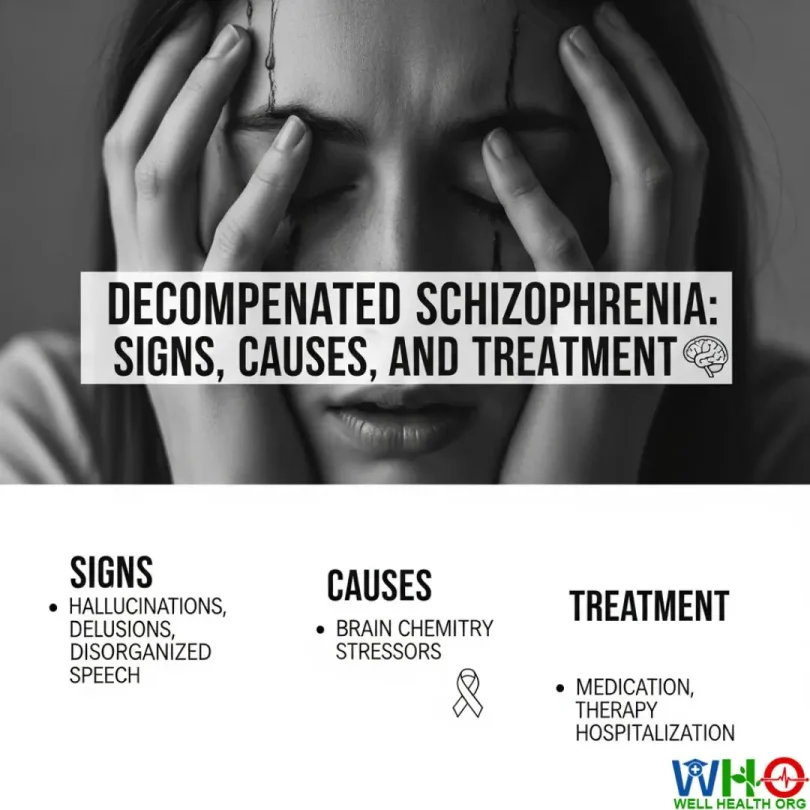
Schizophrenia is one of the most complex and misunderstood mental health conditions, often marked by periods of relative stability and moments of overwhelming difficulty. For many individuals living with schizophrenia, stability is achieved through medication, therapy, and strong support systems. However, when this balance breaks down, the condition can spiral into a state known as decompensated schizophrenia.
- Understanding Decompensated Schizophrenia
- Key Signs and Symptoms of Decompensated Schizophrenia
- Early Warning Signs
- Acute Psychotic Symptoms
- Compensated vs. Decompensated Schizophrenia
- Compensated Schizophrenia
- Decompensated Schizophrenia
- Potential Causes and Risk Factors
- Medication-Related Factors
- Environmental Stressors
- Social and Family Factors
- Biological Factors
- Treatment Options and Management Strategies
- Medication Management
- Psychological Therapies
- Cognitive Behavioral Therapy (CBT)
- Family Therapy
- Other Psychological Approaches
- Hospitalization
- Why Hospitalization May Be Needed
- What Hospitalization Involves
- Overcoming Stigma Around Hospitalization
- Impact on Daily Life and Relationships
- Personal Functioning
- Relationship Strain
- Long-Term Consequences
- Support Resources for Patients and Families
- Crisis Resources
- National Organizations
- Professional Support Networks
- Community-Based Resources
- Latest Research and Treatment Developments
- Prevention Strategies
- Digital Health Tools
- Innovative Medications
- Personalized Medicine
- Taking the Next Step Toward Recovery
- Keys to Recovery
- Empowering Families and Caregivers
- A Message of Hope
- Conclusion
- Frequently Asked Questions (FAQs)
This phase represents a serious deterioration where symptoms return suddenly or worsen dramatically after a period of stability. Unlike the slow progression of certain mental health challenges, decompensated schizophrenia tends to strike quickly, disrupting daily life, relationships, and overall functioning. For this reason, early recognition and prompt intervention are essential in minimizing long-term consequences.
In this comprehensive guide, we will explore everything you need to know about decompensated schizophrenia — from its definition and early warning signs to potential triggers, risk factors, and evidence-based treatment strategies. This resource is designed for both individuals living with schizophrenia and the families, caregivers, and friends who support them. By the end, you’ll not only understand this condition more clearly but also feel empowered with practical strategies to respond effectively when symptoms resurface.
Understanding Decompensated Schizophrenia
To grasp the concept of decompensated schizophrenia, it helps to first understand what the term “decompensation” means. In medicine, decompensation refers to a situation where a body system that was once functioning well suddenly fails to maintain stability. In cardiology, for instance, decompensated heart failure describes a condition where the heart can no longer pump effectively, leading to a rapid decline.
In mental health, the principle is similar. Decompensated schizophrenia occurs when the coping mechanisms, medication, or therapeutic strategies that once kept symptoms in check no longer work. This results in a sudden worsening of psychotic, cognitive, or emotional symptoms. The person’s ability to function independently — whether at work, school, or in relationships — becomes severely impaired.
Experts in psychiatry describe decompensation as an acute relapse of schizophrenia. Unlike gradual symptom progression, decompensation is often fast and severe, increasing the individual’s short-term risk of harm to themselves or others.
Some key points to understand include:
- Medication adherence is critical. The National Institute of Mental Health (NIMH) stresses that skipping or stopping antipsychotic medication is one of the leading causes of decompensation. Even small lapses can trigger relapse.
- Stress plays a major role. New or overwhelming life challenges often tip the balance, making it harder for existing coping strategies to work.
- The impact is far-reaching. Decompensation affects not only mental health but also physical health, social stability, and financial well-being.
This is why medical authorities, including the Social Security Administration (SSA), recognize decompensated episodes as an important factor when evaluating disability claims for schizophrenia and related disorders.
In short, decompensated schizophrenia is not just a worsening of symptoms — it is a crisis that requires immediate medical attention.
Key Signs and Symptoms of Decompensated Schizophrenia
One of the biggest challenges with schizophrenia is that symptoms don’t always appear suddenly. In many cases, subtle early warning signs emerge days or even weeks before full-blown psychosis develops. Recognizing these early indicators can be life-saving, allowing for quick intervention before the condition escalates.
Early Warning Signs
Research shows that nearly half of all schizophrenia relapses are preceded by nonspecific but recognizable changes in behavior, thoughts, and mood. These may include:
Psychological changes:
- Heightened anxiety or nervousness
- Sudden and intense mood swings
- Disturbances in sleep (insomnia, excessive sleep, or irregular patterns)
- A loss of motivation for hobbies, work, or social activities
- Thoughts of self-harm or suicidal ideation
Behavioral changes:
- Noticeable decline in personal hygiene and grooming
- Avoidance of family and friends
- Sharp decline in school or job performance
- Changes in eating habits or food-related disorders
At this stage, loved ones may notice the person becoming increasingly withdrawn, irritable, or detached. These subtle shifts are often brushed off as stress or fatigue, but in the context of schizophrenia, they can serve as red flags of an impending crisis.
⚠️ Important Note: If suicidal thoughts or self-harm behaviors emerge, immediate help is necessary. In the United States, the 988 Suicide & Crisis Lifeline provides confidential support 24/7 by phone, text, or online chat.
Acute Psychotic Symptoms
If the early warning signs are not addressed, the individual may progress into acute psychosis. At this stage, symptoms often become unmistakable and extremely distressing. They may include:
Thought and perception disturbances:
- Strong paranoid beliefs (e.g., feeling targeted, watched, or persecuted)
- Difficulty thinking clearly or maintaining logical conversations
- Confusion between reality and imagination
- Disorganized or nonsensical speech patterns
- Trouble following conversations or expressing ideas
Emotional and social impact:
- Intense emotions or, conversely, flat emotional responses
- Withdrawal from family, friends, and social activities
- Severe functional impairment in daily life tasks
- Erratic or unpredictable behavior that strains relationships
As psychiatrist Dr. Sarah Johnson explains, “Early intervention during the decompensated stage can dramatically improve long-term outcomes.” The sooner medical care is initiated, the greater the chances of stabilizing the individual and preventing long-term decline.
Compensated vs. Decompensated Schizophrenia
To better understand decompensation, it’s helpful to compare it with the compensated state of schizophrenia. These two phases represent opposite ends of the spectrum.
Compensated Schizophrenia
When a person is in a compensated state, their symptoms are relatively stable and well-managed. While schizophrenia is considered a lifelong condition, many individuals live fulfilling lives during these periods of balance. Characteristics of compensated schizophrenia include:
- Consistent medication use without frequent lapses
- Mild, manageable symptoms that don’t disrupt daily life
- Ability to maintain employment, education, or household duties
- Active social connections and supportive relationships
- Effective stress management with coping tools and therapy
- Personal independence in most areas of life
Essentially, the compensated state allows individuals to maintain a sense of normalcy and autonomy.
Decompensated Schizophrenia
By contrast, decompensation represents a collapse of this stability. Symptoms return — often at full force — and coping mechanisms fail. According to clinical studies, relapses tend to occur quickly, with symptoms sometimes reverting to pre-treatment levels within days or weeks.
Key features of decompensation include:
- Rapid worsening of symptoms, including hallucinations and delusions
- Severe decline in reality testing, making it hard to distinguish fact from imagination
- Disruptions in all areas of functioning, from work to self-care
- Heightened risk of harm, either through self-injury, aggression, or neglect
- Increased need for medical intervention, sometimes requiring hospitalization
This shift is not just emotionally devastating but also physically draining. Families often describe it as watching a loved one “slip away” into a world that feels unreachable. Recognizing the transition from compensated to decompensated states is crucial for early treatment.
Potential Causes and Risk Factors
Why does decompensation happen? The truth is, schizophrenia relapse rarely has a single cause. Instead, it usually results from a combination of biological, psychological, and environmental factors. Let’s explore the most common ones.
Medication-Related Factors
Among all triggers, medication nonadherence is the leading cause of schizophrenia relapse. Studies consistently show that when individuals stop taking antipsychotic medications, the likelihood of relapse rises dramatically.
Reasons people may stop medication include:
- Frustration with side effects (such as weight gain, drowsiness, or restlessness)
- Feeling “cured” during stable periods and assuming medication is no longer needed
- Lack of insight into their illness (a common symptom known as anosognosia)
- Financial struggles that make prescriptions difficult to afford
- Complex medication schedules that are hard to follow
Even small lapses — like skipping doses for a few days — can disrupt the delicate chemical balance that keeps symptoms in check.
Environmental Stressors
Life stressors often act as catalysts for decompensation, especially when combined with poor coping skills or weak support systems. These may include:
- Sudden job loss or financial hardship
- Relationship conflicts or breakups
- Housing instability or homelessness
- Exposure to traumatic experiences
- Co-occurring medical problems that strain mental health
Stress hormones like cortisol can worsen brain dysfunction, making it harder for individuals with schizophrenia to regulate emotions and thoughts.
Social and Family Factors
Family dynamics and social environments play a surprisingly large role in schizophrenia outcomes. Research highlights the impact of:
- High levels of criticism or hostility from caregivers (known as “expressed emotion”)
- Poor premorbid adjustment, meaning difficulty in school or social life before the onset of schizophrenia
- Substance abuse, particularly alcohol, cannabis, or stimulants, which interfere with medication and trigger psychosis
Supportive, understanding family environments can act as a protective factor, while critical or chaotic environments often worsen relapse risk.
Biological Factors
Finally, there are underlying biological triggers that can set off decompensation, including:
- Natural progression of the illness over time
- Hormonal changes, particularly during adolescence or menopause
- Sleep deprivation, which significantly worsens psychotic symptoms
- Physical illnesses that disrupt brain chemistry or immune function
It’s often the combination of these factors — rather than one isolated cause — that leads to relapse. This complexity underscores the importance of personalized treatment approaches.
Treatment Options and Management Strategies
The good news is that while decompensated schizophrenia is serious, it is also highly treatable. Recovery often requires a multi-pronged approach involving medication, therapy, and strong social support.
Medication Management
Antipsychotic medications remain the cornerstone of treatment for schizophrenia. When relapse occurs, doctors often reintroduce, adjust, or switch medications to regain control of symptoms.
First-generation antipsychotics (typical):
- Haloperidol
- Chlorpromazine
- Fluphenazine
Second-generation antipsychotics (atypical):
- Risperidone
- Olanzapine
- Quetiapine
- Aripiprazole
Second-generation drugs are generally preferred due to fewer motor side effects, though weight gain and metabolic issues remain concerns.
Doctors may also consider:
- Long-acting injectable medications for individuals who struggle with daily pill adherence
- Combination therapy, adding mood stabilizers or antidepressants when necessary
- Close monitoring, especially during medication transitions
Medication alone is rarely enough, which is why psychological and social interventions are equally important.
Psychological Therapies
While medication is the foundation of schizophrenia treatment, it is not sufficient on its own. For many individuals, psychological therapies provide the essential tools to understand their condition, manage stress, and develop healthier coping strategies. When combined with medication, therapy can reduce relapse rates, improve quality of life, and strengthen social functioning.
Cognitive Behavioral Therapy (CBT)
One of the most effective evidence-based approaches is Cognitive Behavioral Therapy (CBT). This form of therapy helps patients identify distorted thinking patterns and replace them with more rational, balanced thoughts.
For example:
- A person who believes their coworkers are plotting against them may work with a therapist to examine the evidence behind this belief, consider alternative explanations, and learn grounding techniques.
- CBT also helps patients recognize early warning signs of relapse and develop action plans to respond before symptoms spiral out of control.
Research shows CBT not only reduces the intensity of psychotic symptoms but also enhances medication adherence by addressing misconceptions about treatment.
Family Therapy
Schizophrenia doesn’t affect only the individual — it impacts the entire family. Family therapy brings caregivers into the treatment process, giving them tools to understand the condition and provide more constructive support.
Benefits include:
- Reducing “expressed emotion,” which refers to high levels of criticism, hostility, or over-involvement that often worsen symptoms
- Improving communication and conflict resolution skills
- Teaching families how to respond to warning signs and crises
- Helping caregivers manage their own stress and avoid burnout
By creating a supportive environment at home, family therapy lowers the chances of relapse and improves the overall well-being of everyone involved.
Other Psychological Approaches
Beyond CBT and family therapy, several additional interventions show promise:
- Social Skills Training (SST): Helps individuals build confidence in everyday interactions, from making small talk to resolving conflicts.
- Supportive Psychotherapy: Provides a safe space to discuss fears, goals, and daily challenges without structured cognitive interventions.
- Psychoeducation Programs: Teach patients and families about schizophrenia, medications, stress management, and relapse prevention strategies.
Together, these therapies create a holistic framework that addresses both the symptoms and the lived experience of schizophrenia.
Hospitalization
When symptoms escalate to the point of crisis, hospitalization may become necessary. This decision is never easy, but it can be lifesaving during periods of severe decompensation.
Why Hospitalization May Be Needed
Hospitalization is often recommended when:
- The individual poses a risk of harm to themselves or others
- Symptoms prevent them from meeting basic needs like eating, sleeping, or hygiene
- Severe psychosis makes it impossible to function safely in daily life
- Medication adjustments require close monitoring for side effects or effectiveness
Inpatient care provides a safe, structured environment where medical professionals can stabilize symptoms quickly.
What Hospitalization Involves
Hospital stays typically focus on:
- Medication stabilization, often through careful dosage adjustments or introduction of new treatments
- Crisis intervention, ensuring the person is protected from immediate harm
- Psychiatric assessment, which may uncover underlying triggers, such as substance use or medical conditions
- Therapeutic support, including group therapy and psychoeducation sessions
- Discharge planning, where staff collaborate with families and community providers to ensure smooth transition back home
Stays may last anywhere from a few days to several weeks, depending on the severity of symptoms and the individual’s response to treatment.
Overcoming Stigma Around Hospitalization
Unfortunately, many people associate psychiatric hospitalization with negative stereotypes. In reality, it is often a critical step toward recovery. Families should view hospitalization not as a setback but as a necessary reset — a chance for the individual to stabilize and regain control before reintegrating into daily life.
Impact on Daily Life and Relationships
Decompensated schizophrenia doesn’t just affect mental health; it disrupts nearly every aspect of life. From personal independence to social connections, the ripple effects can be overwhelming.
Personal Functioning
During episodes of decompensation, individuals often struggle with even the most basic aspects of self-care. Some common difficulties include:
- Forgetting to bathe, brush teeth, or eat regularly
- Struggling to manage finances, bills, and daily responsibilities
- Missing work or school due to poor concentration or paranoia
- Neglecting to take prescribed medication consistently
- Making unsafe choices, such as wandering into dangerous environments or ignoring serious medical conditions
These struggles can quickly lead to financial instability, housing insecurity, and worsening health outcomes if not addressed promptly.
Relationship Strain
Living with or caring for someone experiencing decompensated schizophrenia can be incredibly challenging. Family members may feel helpless, exhausted, or even resentful at times.
Common relationship challenges include:
- Communication breakdowns: Disorganized thoughts and paranoia make conversations frustrating or impossible.
- Unpredictable behavior: Loved ones may feel they are “walking on eggshells” around the individual.
- Caregiver burnout: Constant vigilance and support can lead to emotional and physical exhaustion.
- Stigma and isolation: Families often feel misunderstood by society, leading to withdrawal from social circles.
Despite these challenges, strong family support remains one of the most powerful protective factors against relapse. Mental health advocates emphasize that caregivers should also prioritize self-care and seek support groups to avoid burnout.
Long-Term Consequences
Without proper treatment, repeated decompensated episodes can result in long-term decline. Some of the most concerning outcomes include:
- Cognitive impairment — gradual decline in memory, problem-solving, and executive functioning
- Increased disability — difficulty maintaining employment or education over time
- Social withdrawal — loss of friendships and community connections
- Substance abuse — as individuals may self-medicate with drugs or alcohol
- Reduced life expectancy — studies suggest schizophrenia shortens lifespan by 15–20 years, largely due to untreated medical conditions, lifestyle factors, and suicide risk
The takeaway is clear: timely intervention and consistent treatment are essential to minimize these risks.
Support Resources for Patients and Families
No one should navigate decompensated schizophrenia alone. Fortunately, there are numerous resources available to provide guidance, assistance, and hope.
Crisis Resources
In times of acute distress, immediate help is available:
- 988 Suicide & Crisis Lifeline (U.S.): Call or text 988 for 24/7 support.
- Crisis Text Line: Text HOME to 741741 to connect with a trained counselor.
- Local emergency services: Dial 911 (or your country’s emergency number) if there is imminent risk of harm.
These services provide rapid, confidential support and can connect individuals to local resources.
National Organizations
Several organizations specialize in providing education, advocacy, and support for individuals with schizophrenia and their families:
- National Alliance on Mental Illness (NAMI): Offers helplines, support groups, and educational programs for patients and caregivers.
- Mental Health America (MHA): Provides online screening tools, policy updates, and wellness resources.
These organizations are invaluable in connecting families to peer support and professional care.
Professional Support Networks
Treatment is most effective when it involves a multidisciplinary team, which may include:
- Psychiatrists — oversee diagnosis and medication management
- Psychologists and therapists — provide counseling and therapy services
- Social workers — assist with housing, employment, and access to community resources
- Peer support specialists — individuals with lived experience who offer encouragement and guidance
By building a network of both professionals and peers, patients and families create a strong safety net.
Community-Based Resources
Beyond national organizations, local communities often offer services such as:
- Community mental health centers providing low-cost therapy and medication support
- Supported housing programs that offer safe living environments with varying levels of independence
- Vocational rehabilitation services to help individuals return to work
- Transportation assistance for medical appointments
- Financial aid programs to offset treatment costs
These resources play a vital role in preventing relapse by reducing the everyday stressors that often trigger decompensation.
Latest Research and Treatment Developments
The landscape of schizophrenia treatment is constantly evolving. Over the past decade, advances in neuroscience, genetics, and digital health have opened the door to new tools for managing decompensated schizophrenia. These innovations offer hope for more effective prevention and recovery strategies.
Prevention Strategies
One of the most important areas of research focuses on relapse prevention. Studies have identified several proven methods to reduce the risk of decompensation:
- Cognitive Behavioral Therapy (CBT): When combined with medication, CBT reduces relapse rates by teaching patients to recognize and respond to early warning signs.
- Family Interventions: Programs that educate family members and improve communication patterns significantly reduce relapse frequency.
- Medication Adherence Support: Tools like pill organizers, long-acting injectable antipsychotics, and digital reminders help patients stay consistent with treatment.
These strategies not only prevent crises but also improve overall quality of life.
Digital Health Tools
Technology is reshaping how mental health care is delivered. New digital solutions are making it easier for individuals to track symptoms, access therapy, and stay connected to providers.
Examples include:
- Smartphone apps that monitor mood, sleep, and activity levels to detect early relapse signs
- Telepsychiatry services that bring specialists into patients’ homes through video sessions
- Digital CBT platforms that allow individuals to complete therapy modules at their own pace
These tools are particularly valuable for people in rural areas or those with limited access to mental health professionals.
Innovative Medications
While traditional antipsychotics remain the backbone of treatment, researchers are exploring new generations of medications designed to minimize side effects and target specific symptom clusters.
Some promising developments include:
- Long-acting injectable medications that provide weeks or months of symptom control with a single dose
- Novel compounds that focus on improving cognitive function, such as memory and decision-making
- Combination therapies that blend antipsychotics with other agents to address treatment-resistant cases
These innovations aim to reduce relapse risk while improving day-to-day functioning.
Personalized Medicine
Perhaps the most exciting frontier in psychiatry is the move toward personalized medicine. Instead of a one-size-fits-all approach, treatment is increasingly being tailored to the individual.
- Genetic testing may one day predict how a person will respond to specific medications.
- Biomarkers (such as brain imaging or blood tests) are being studied to detect early relapse before symptoms fully emerge.
- Customized therapy approaches match interventions to the individual’s symptom profile, history, and lifestyle needs.
The goal is to create treatment plans that are as unique as the person themselves, increasing effectiveness and reducing trial-and-error.
Taking the Next Step Toward Recovery
Decompensated schizophrenia can feel overwhelming, but it’s important to remember that recovery is possible. With the right combination of medical treatment, therapy, and social support, individuals can regain stability and work toward meaningful goals.
Keys to Recovery
The journey often requires:
- Patience and persistence — Recovery is rarely linear. Setbacks happen, but each episode provides valuable lessons.
- Strong support networks — Involving family, friends, and peer groups creates a safety net during challenging times.
- Comprehensive care — Medication, therapy, and lifestyle changes all play essential roles.
- Early intervention — Recognizing and addressing symptoms before they escalate prevents long-term damage.
Each person’s path looks different, but with commitment and support, stability can be achieved.
Empowering Families and Caregivers
Caregivers are often the unsung heroes of recovery. By learning about schizophrenia, setting healthy boundaries, and seeking support for themselves, families can sustain their ability to provide care long-term. Remember: supporting someone with schizophrenia is a marathon, not a sprint.
A Message of Hope
Living with schizophrenia is undeniably challenging, but modern medicine and community resources offer more hope than ever before. Each year, research brings new insights, treatments, and tools that improve outcomes. The future holds promise — not just for managing symptoms, but for building fulfilling, stable lives.
If you or someone you love is showing signs of decompensated schizophrenia, don’t wait until the crisis escalates. Reaching out early to a mental health professional can make the difference between a temporary setback and a prolonged struggle.
Conclusion
Decompensated schizophrenia is a serious but manageable condition. It represents a breakdown of stability where symptoms return suddenly, disrupting every aspect of life. Recognizing the early warning signs, understanding the potential triggers, and knowing the available treatment options are critical in minimizing harm and restoring balance.
From medication management to psychological therapies, hospitalization, and family support, a wide range of tools exists to help individuals navigate this difficult stage. Emerging research in digital health and personalized medicine continues to improve outcomes, offering fresh hope for long-term stability.
Recovery is not always linear, but with early intervention, strong support systems, and ongoing medical care, individuals living with schizophrenia can regain control and lead meaningful lives.
Frequently Asked Questions (FAQs)
1. What triggers decompensated schizophrenia?
The most common triggers are stopping medication, experiencing high levels of stress, substance abuse, and changes in life circumstances such as job loss or relationship breakdown. Biological factors like hormonal shifts and sleep deprivation can also contribute.
2. How long does a decompensated episode last?
The duration varies. Some episodes resolve within weeks with proper treatment, while others may take months to stabilize. Early medical intervention significantly shortens recovery time.
3. Can decompensated schizophrenia be prevented?
Yes, in many cases. Consistent medication use, stress management, therapy, and strong family support reduce the risk of relapse. Long-acting injectable medications are also effective for preventing lapses.
4. When should hospitalization be considered?
Hospitalization is necessary when symptoms pose a danger to the individual or others, or when they are unable to care for themselves. It provides a safe environment for stabilization and treatment.
5. Is recovery possible after decompensation?
Absolutely. Many individuals recover fully from episodes of decompensation, especially with early intervention. With consistent treatment, many can return to school, work, and social activities.
Medically Reviewed by Prof. Dr. Akram
Orthopedic Surgeon | Professor | Senior Medical Specialist
Prof. Dr. Akram is a distinguished surgeon with over 15 years of clinical expertise. Having served as a lead Emergency Specialist at Complex International Government Hospital, he currently leads a specialized team of 13 medical professionals at his private hospital. As a Professor at top medical universities, he ensures that every article on WellHealthOrg.com meets rigorous clinical standards.
Medical Disclaimer:
The information provided is for educational purposes only and is not a substitute for professional medical advice, diagnosis, or treatment. Always consult your physician for any medical concerns.
Our content is rigorously fact-checked by our 13-member Editorial Team under the clinical supervision of Prof. Dr. Akram.