Caring for someone with schizophrenia can be deeply rewarding, but it also comes with unique challenges. One factor that often goes overlooked is how family interactions and emotional responses directly affect the recovery process. Research shows that the way caregivers communicate and express feelings toward their loved one can significantly influence relapse rates, treatment adherence, and long-term stability.
- What is Expressed Emotion in Schizophrenia?
- The Five Key Components of Expressed Emotion
- 1. Critical Comments
- 2. Hostility
- 3. Emotional Over-Involvement (EOI)
- 4. Positive Regard
- 5. Warmth
- How Expressed Emotion is Measured
- The Impact of Expressed Emotion on Schizophrenia Outcomes
- 1. Relapse Risk
- 2. Medication Adherence
- 3. Quality of Life
- Real-Life Examples of Expressed Emotion
- High Expressed Emotion Examples
- Low Expressed Emotion Examples
- Strategies for Managing Expressed Emotion
- 1. Family Education and Therapy
- 2. Improve Communication Skills
- 3. Set Healthy Boundaries
- 4. Manage Caregiver Stress
- 5. Build a Supportive Environment
- Moving Forward: Supporting Recovery with Low Expressed Emotion
- Conclusion
- FAQs About Expressed Emotion and Schizophrenia
This concept is known as Expressed Emotion (EE). High levels of expressed emotion—marked by criticism, hostility, or over-involvement—can increase stress and trigger symptoms, while a warm, supportive environment fosters recovery.
This comprehensive guide breaks down the meaning of expressed emotion, its five key components, real-world examples, and practical strategies families can use to build a healthier emotional climate. By understanding EE, caregivers can take actionable steps to improve outcomes, strengthen relationships, and reduce relapse risks for their loved one.
What is Expressed Emotion in Schizophrenia?
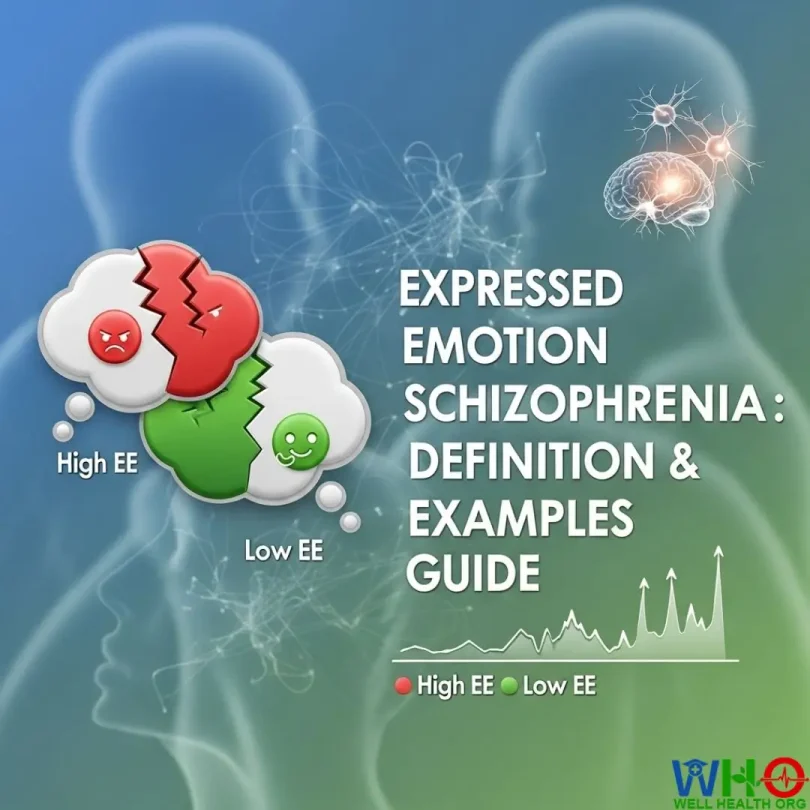
Expressed Emotion (EE) is a psychological concept that refers to the emotional atmosphere within a family or caregiving environment. The term was first introduced in the 1950s by George Brown, a British researcher who studied relapse patterns in individuals with schizophrenia.
Brown observed that many patients discharged from psychiatric hospitals relapsed not because of treatment failure, but due to the emotional climate at home. He found that families who expressed frequent criticism, hostility, or overprotectiveness often created stressful conditions that increased relapse risk.
In simple terms, EE reflects how caregivers talk to and about their loved one with schizophrenia—their tone, words, level of empathy, and emotional intensity.
- High Expressed Emotion (High-EE) = Frequent criticism, anger, frustration, or over-involvement.
- Low Expressed Emotion (Low-EE) = Warmth, empathy, patience, and balanced emotional support.
Understanding this concept helps families recognize unhealthy patterns and replace them with more supportive behaviors that encourage stability and healing.
The Five Key Components of Expressed Emotion
Expressed emotion is not just about what you say—it’s about the overall emotional climate. Mental health professionals typically evaluate EE based on five core components:
1. Critical Comments
Critical comments are negative judgments or disapprovals directed toward the person with schizophrenia. These comments often target behavior, personality, or perceived failures.
Examples include:
- “You never take responsibility for anything.”
- “Why can’t you act normal for once?”
- “You’re so lazy—you don’t even try.”
Research has shown that families who express frequent criticism are more likely to see higher relapse rates in their loved ones. Even when criticism is intended as motivation, it often comes across as judgmental and disheartening, increasing stress and undermining self-esteem.
2. Hostility
Hostility goes a step further than criticism. Instead of targeting specific behaviors, hostility rejects the person as a whole. It reflects frustration, resentment, or anger not just toward actions, but toward the individual’s very identity.
Hostile expressions may sound like:
- “You ruin everything in this family.”
- “I can’t stand living with you.”
- “You’re the reason nothing goes right around here.”
Hostility creates a toxic environment where the individual feels unwanted and unloved, which can worsen paranoia, depression, and other symptoms.
3. Emotional Over-Involvement (EOI)
On the surface, emotional over-involvement looks like care and concern, but it can actually hinder recovery. Over-involvement includes excessive worrying, constant monitoring, self-sacrifice, or doing things for the person that they are capable of doing themselves.
Examples include:
- Constantly asking, “Are you okay? Did you take your medicine? Do you feel strange today?”
- Quitting a job or neglecting your own life entirely to focus only on the person’s illness.
- Shielding them from responsibilities to “protect” them from failure.
While this behavior often stems from love and guilt, it can make the person feel smothered, powerless, or incapable of independence. Schizophrenia recovery requires building self-reliance and coping skills, which over-involvement unintentionally undermines.
4. Positive Regard
Positive regard is a protective factor in expressed emotion. It includes acknowledging strengths, showing appreciation, and encouraging effort.
Examples:
- “I’m proud of how you’ve been sticking to your treatment plan.”
- “I can see you’re trying hard, and that means a lot.”
- “You handled that situation really well.”
Positive regard helps reinforce progress, even when it’s small, and builds confidence in the person’s ability to manage their condition.
5. Warmth
Warmth refers to empathy, kindness, and genuine care. It’s conveyed through gentle tone, supportive words, patient listening, and appropriate affection.
Examples:
- Speaking calmly even when situations are stressful.
- Saying, “I’m here for you no matter what.”
- Showing interest in their feelings and thoughts.
Warmth creates emotional safety, which is essential for trust, communication, and treatment engagement.
How Expressed Emotion is Measured
Mental health professionals use structured assessments to evaluate family EE levels. Some common tools include:
- The Camberwell Family Interview (CFI): The gold standard, involving detailed conversations with family members about their attitudes and emotions.
- The Five-Minute Speech Sample (FMSS): Caregivers are asked to talk about their loved one for five minutes; evaluators analyze tone, word choice, and emotion.
- Level of Expressed Emotion Scale (LEE): A self-report questionnaire assessing perceived criticism and involvement.
- Family Emotional Involvement and Criticism Scale (FEICS): Focuses specifically on over-involvement and critical communication.
These tools help clinicians identify family dynamics that may contribute to relapse, guiding interventions like family therapy.
The Impact of Expressed Emotion on Schizophrenia Outcomes
The emotional climate in the home has a direct and measurable impact on treatment success, relapse risk, and overall quality of life.
1. Relapse Risk
High-EE households significantly increase the likelihood of relapse. Studies show that individuals with schizophrenia living in high-EE environments are twice as likely to relapse compared to those in supportive, low-EE environments.
2. Medication Adherence
Hostility or criticism often leads to resistance toward treatment, as individuals may avoid taking medications or attending therapy to escape judgment.
3. Quality of Life
Low-EE environments, marked by warmth and positive regard, promote better social functioning, confidence, and independence. People in these environments often perform better in work, school, and relationships.
Real-Life Examples of Expressed Emotion
To better understand EE, let’s look at examples you might recognize in everyday interactions.
High Expressed Emotion Examples
- Criticism: “You never do anything right.”
- Hostility: Refusing to eat meals with them or excluding them from family activities.
- Over-involvement: Constantly checking their whereabouts, taking over personal responsibilities, or panicking at minor setbacks.
Low Expressed Emotion Examples
- Positive Regard: “I see how hard you’re working on your recovery.”
- Warmth: Speaking softly during disagreements, showing patience, or offering small gestures of affection.
Strategies for Managing Expressed Emotion
Reducing high EE requires conscious effort, but it is possible with practice and support.
1. Family Education and Therapy
Family therapy for schizophrenia helps caregivers understand the illness, learn healthy communication skills, and reduce criticism and hostility. Programs like Behavioral Family Therapy (BFT) have shown significant success in lowering EE and relapse rates.
2. Improve Communication Skills
- Use “I statements” (e.g., “I feel worried when…” instead of “You always…”)
- Practice active listening without interruption.
- Validate feelings even if you don’t fully understand them.
3. Set Healthy Boundaries
- Encourage independence instead of doing everything for them.
- Maintain your own social life, hobbies, and self-care routines.
- Allow them to make decisions—even mistakes—as part of growth.
4. Manage Caregiver Stress
Caring for someone with schizophrenia can be overwhelming. Support groups, therapy, and self-care practices (exercise, mindfulness, sleep) can prevent caregiver burnout and lower EE.
5. Build a Supportive Environment
- Celebrate small successes.
- Create predictable daily routines to reduce stress.
- Keep expectations realistic—progress in schizophrenia is often gradual.
Moving Forward: Supporting Recovery with Low Expressed Emotion
Expressed emotion is one of the most powerful predictors of relapse in schizophrenia, but the good news is—it can be changed. Families can learn to shift from high EE to low EE through education, therapy, and mindful communication.
As a caregiver, your emotional responses matter as much as medical treatment. By practicing warmth, patience, and positive regard, you can create a home environment that reduces stress, supports recovery, and strengthens your relationship with your loved one.
Remember: You don’t need to be perfect. Small, consistent changes in how you communicate can lead to major improvements in long-term outcomes.
Conclusion
Expressed Emotion (EE) is a powerful concept that sheds light on how family dynamics shape schizophrenia recovery. High levels of criticism, hostility, or over-involvement can increase stress and relapse risk, while warmth and positive regard foster resilience and treatment success.
By becoming aware of EE and making intentional changes in communication, caregivers can create a supportive environment where healing is not only possible but sustainable.
FAQs About Expressed Emotion and Schizophrenia
1. Can expressed emotion affect other mental health conditions besides schizophrenia?
Yes. High EE has also been linked to relapse in bipolar disorder, depression, and eating disorders, showing its broad impact on mental health.
2. Is it possible to reduce expressed emotion without therapy?
Yes, but therapy helps. Caregivers can start by practicing self-awareness, using positive communication, and managing their own stress.
3. How quickly does reducing EE improve outcomes?
Improvements can be seen within months, but long-term consistency is key for lasting impact.
4. What if multiple family members show high EE?
Family therapy can help align everyone’s communication style to create a unified, supportive environment.
5. Does low expressed emotion mean avoiding all criticism?
Not at all. Constructive feedback can be healthy if delivered respectfully, focusing on solutions rather than blame.
Medically Reviewed by Prof. Dr. Akram
Orthopedic Surgeon | Professor | Senior Medical Specialist
Prof. Dr. Akram is a distinguished surgeon with over 15 years of clinical expertise. Having served as a lead Emergency Specialist at Complex International Government Hospital, he currently leads a specialized team of 13 medical professionals at his private hospital. As a Professor at top medical universities, he ensures that every article on WellHealthOrg.com meets rigorous clinical standards.
Medical Disclaimer:
The information provided is for educational purposes only and is not a substitute for professional medical advice, diagnosis, or treatment. Always consult your physician for any medical concerns.
Our content is rigorously fact-checked by our 13-member Editorial Team under the clinical supervision of Prof. Dr. Akram.