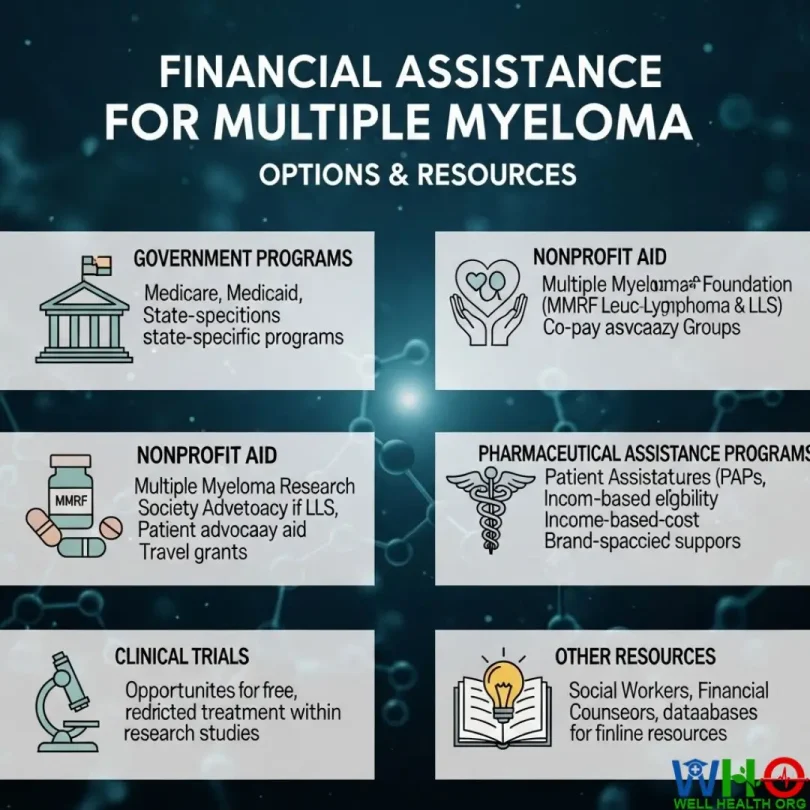
Financial Assistance for Multiple Myeloma Patients
Being diagnosed with multiple myeloma is life-changing — not only physically and emotionally but also financially. This rare blood cancer often requires long-term and intensive treatment, which can place an enormous financial strain on patients and their families. Between frequent doctor visits, hospital stays, medications, and specialized therapies, the costs can easily climb into hundreds of thousands of dollars each year — even for those who already have health insurance.
- Understanding Multiple Myeloma and Its Financial Impact
- Government Programs That Provide Financial Support for Multiple Myeloma Patients
- Medicare Coverage for Multiple Myeloma
- Medicaid Support for Low-Income Patients
- Veterans Affairs (VA) Benefits
- Social Security Disability Benefits
- Nonprofit Organizations Offering Financial Aid to Myeloma Patients
- The Leukemia & Lymphoma Society (LLS)
- American Cancer Society (ACS)
- Other Helpful Organizations
- Pharmaceutical Company Assistance Programs for Multiple Myeloma Treatment
- 1. Check the Manufacturer’s Patient Support Program
- 2. Use Independent Search Tools
- 3. Ask Your Oncology Team for Help
- Housing and Transportation Support for Multiple Myeloma Patients
- Temporary Housing Assistance
- Transportation Assistance Options
- Community Support and Fundraising Opportunities
- Local Community Resources
- Online Fundraising Platforms
- Practical Financial Management Strategies During Multiple Myeloma Treatment
- 1. Work Closely With Hospital Financial Counselors
- 2. Create a Personalized Treatment Budget
- 3. Optimize Your Health Insurance Coverage
- Tax Benefits and Deductions for Multiple Myeloma Patients
- Medical Expense Deductions
- Tax Credits and Other Benefits
- Additional Financial Resources and Advocacy Organizations
- Patient Advocate Foundation (PAF)
- The International Myeloma Foundation (IMF)
- Cancer Legal Resource Center (CLRC)
- Other Specialized Financial Aid Options
- Planning for Long-Term Financial Stability During and After Treatment
- 1. Review and Adjust Your Budget Regularly
- 2. Build or Maintain an Emergency Fund
- 3. Consult a Certified Financial Planner (CFP)
- 4. Prioritize Emotional and Financial Resilience
- Taking Control of Your Financial Future
- Frequently Asked Questions
- 1. How can I find out if I qualify for financial assistance?
- 2. Can I apply for multiple assistance programs at the same time?
- 3. What documents do I need to apply for assistance programs?
- 4. Are financial assistance programs available for caregivers too?
- 5. What should I do if I’m denied financial assistance?
- Final Thoughts
But here’s the good news: you are not alone, and help is available. Across the United States, there are dozens of financial assistance programs, grants, and patient support resources designed specifically for multiple myeloma patients. These include government-funded initiatives, nonprofit organizations, pharmaceutical assistance programs, and community-based support networks that can reduce or even eliminate many of the costs related to cancer treatment.
This comprehensive guide will break down everything you need to know — from understanding how multiple myeloma affects your finances to practical ways to find and apply for financial assistance. The goal is simple: to empower you with clear, actionable information so you can focus on what matters most — your health and recovery.
Understanding Multiple Myeloma and Its Financial Impact
Multiple myeloma is a type of blood cancer that forms in plasma cells — white blood cells that produce antibodies to help the body fight infections. When these plasma cells become cancerous, they accumulate in the bone marrow and interfere with the body’s ability to produce healthy blood cells. This leads to symptoms such as bone pain, fatigue, frequent infections, anemia, and kidney complications.
From a financial perspective, managing multiple myeloma can be overwhelming. Treatment is often long-term and multi-phase, involving various therapies, ongoing monitoring, and supportive care. A typical treatment plan may include:
- Chemotherapy or immunotherapy sessions to target and control cancer cells
- Stem cell or bone marrow transplants, which can cost well over $250,000 on their own
- Targeted therapy drugs that can cost thousands of dollars per month
- Supportive treatments such as bisphosphonates for bone health or dialysis for kidney issues
- Frequent imaging, blood tests, and doctor visits to track disease progression
For many patients, the first year of treatment can exceed $400,000–$800,000, depending on the specific approach and location of care. Even those with comprehensive insurance often face high deductibles, coinsurance, and medication copays that quickly add up.
Additionally, indirect costs — such as lost income, travel to treatment centers, or accommodation near hospitals — can take a further toll. The result is that many families dealing with multiple myeloma face serious financial distress, often referred to as “financial toxicity,” which can negatively affect both mental health and treatment outcomes.
Recognizing the financial impact early and seeking assistance can make a major difference — not just in your wallet, but in your overall well-being and ability to continue treatment consistently.
Government Programs That Provide Financial Support for Multiple Myeloma Patients
Government-funded health programs offer some of the most reliable forms of financial assistance for cancer patients. Knowing which programs you qualify for — and how to apply — can save you thousands of dollars each year.
Medicare Coverage for Multiple Myeloma
For patients aged 65 and older, or those who qualify due to disability, Medicare offers extensive coverage for cancer care, including multiple myeloma treatment. Here’s a breakdown of what it covers:
- Part A (Hospital Insurance): Covers inpatient hospital stays, surgeries, and limited home health care.
- Part B (Medical Insurance): Covers outpatient chemotherapy, immunotherapy, doctor visits, lab work, and preventive services.
- Part D (Prescription Drug Coverage): Helps pay for oral cancer medications and other prescriptions.
- Medicare Advantage (Part C): Offers additional benefits such as vision, dental, and sometimes transportation support for medical appointments.
💡 Pro Tip: Review your Medicare plan annually. Some Medicare Advantage plans may include extra benefits like copay assistance, telehealth visits, and nurse hotlines — all of which can reduce your out-of-pocket costs.
Medicaid Support for Low-Income Patients
If you have limited income or assets, Medicaid can be a financial lifeline. This joint federal and state program covers many aspects of cancer treatment — often with little to no out-of-pocket cost. Medicaid typically includes:
- Full coverage of chemotherapy, radiation, and immunotherapy treatments
- Prescription drug coverage with minimal copays
- Transportation assistance to and from medical appointments
- Extended care services, such as skilled nursing or long-term rehabilitation
Because Medicaid eligibility varies by state, patients should check their specific state’s income and asset limits. Thanks to the Affordable Care Act, many states have expanded Medicaid eligibility, allowing more adults to qualify — especially those unable to work due to cancer treatment.
💡 Pro Tip: Even if you’re unsure whether you qualify, apply anyway. Many patients mistakenly assume they’re not eligible and miss out on thousands in potential benefits.
Veterans Affairs (VA) Benefits
If you are a U.S. military veteran, you may qualify for VA healthcare benefits that can significantly reduce or eliminate the costs of multiple myeloma treatment. The VA provides coverage for hospital care, prescription drugs, and specialized cancer treatments through its nationwide network of hospitals and clinics.
Veterans with service-connected disabilities may also qualify for monthly compensation benefits in addition to healthcare coverage. Surviving spouses or dependents may be eligible for VA Dependency and Indemnity Compensation (DIC) if the veteran’s death was related to service-connected multiple myeloma.
💡 Pro Tip: Contact a VA social worker or Veterans Service Officer (VSO) for free assistance with applications and documentation. They can help you navigate the often complex process and ensure you receive the maximum benefits available.
Social Security Disability Benefits
Multiple myeloma can make it extremely difficult — or impossible — to continue working, especially during intensive treatment phases. The Social Security Administration (SSA) recognizes multiple myeloma as a qualifying condition for disability benefits, which include:
- Social Security Disability Insurance (SSDI): For individuals who have worked and paid into Social Security.
- Supplemental Security Income (SSI): For individuals with low income and limited resources, regardless of work history.
Eligibility typically requires medical documentation showing that the cancer is not responding to treatment, has progressed after therapy, or the patient has undergone a stem cell transplant within the last 12 months.
💡 Pro Tip: You can fast-track your application through the Compassionate Allowances (CAL) program, which speeds up approval for serious conditions like multiple myeloma.
Nonprofit Organizations Offering Financial Aid to Myeloma Patients
Beyond government programs, many nonprofit organizations provide grants and financial assistance tailored specifically for people with blood cancers like multiple myeloma. These groups can help cover everything from transportation and lodging to treatment copays and insurance premiums.
The Leukemia & Lymphoma Society (LLS)
LLS is one of the most well-known organizations supporting blood cancer patients. Their Patient Aid Program provides financial assistance for expenses such as:
- Copayments, deductibles, and coinsurance
- Health insurance premium support
- Transportation costs, including fuel or parking fees
- Prescription medication assistance
You can reach their patient support center at (877) 557-2672 to learn more about eligibility and the application process. LLS also offers emotional support groups, peer connections, and education resources to help families cope beyond the financial aspect.
American Cancer Society (ACS)
The American Cancer Society offers a variety of supportive programs that directly and indirectly help with financial burdens. Their initiatives include:
- Road to Recovery: Free rides to and from treatment appointments through volunteer drivers.
- Hope Lodge: Free lodging near major cancer treatment centers for patients and caregivers.
- Patient Navigator Services: Personalized guidance on insurance, treatment planning, and finding assistance programs.
The ACS helpline (800) 227-2345 operates 24/7, providing immediate support and resource referrals for patients and caregivers nationwide.
Other Helpful Organizations
- CancerCare – Offers limited financial grants for cancer-related costs such as medications, transportation, and childcare. (Contact: 800-813-4673)
- HealthWell Foundation – Helps patients with insurance copays, premiums, and deductibles. (Contact: 800-675-8416)
- Cancer Financial Assistance Coalition (CFAC) – A directory of national and local organizations that provide targeted aid to cancer patients.
💡 Expert Insight: Many nonprofits open and close their grant cycles throughout the year based on funding availability. Check their websites regularly or join their mailing lists to receive notifications when applications reopen.
Pharmaceutical Company Assistance Programs for Multiple Myeloma Treatment
For most multiple myeloma patients, prescription medications — such as immunotherapies, targeted drugs, and maintenance therapies — are among the largest ongoing expenses. Even with good insurance, copayments for brand-name cancer medications can reach thousands of dollars per month. Fortunately, nearly all major pharmaceutical companies that manufacture multiple myeloma drugs offer financial assistance programs for eligible patients.
These programs typically include:
- Copay Assistance: Reduces or eliminates out-of-pocket costs for insured patients.
- Patient Assistance Programs (PAPs): Provide free or deeply discounted medications to those who are uninsured or underinsured.
- Bridge Programs: Offer temporary free drug supplies while insurance coverage or assistance applications are being processed.
- Reimbursement Support: Help patients navigate insurance claims, prior authorizations, and appeal denials.
Here’s how to locate and apply for these resources:
1. Check the Manufacturer’s Patient Support Program
Most drug manufacturers have dedicated patient support websites or hotlines. For example:
- Janssen Oncology (makers of Darzalex and Tecvayli) offers the Janssen CarePath program for medication support.
- Bristol Myers Squibb provides copay and free-drug programs for Revlimid and Pomalyst through their Access Support platform.
- Takeda Oncology’s 1Point Program assists with Ninlaro and other myeloma-related medications.
These services can help determine eligibility and guide you through the paperwork, which often includes proof of income, diagnosis, and insurance status.
2. Use Independent Search Tools
Websites like NeedyMeds and the Medicine Assistance Tool (MAT.org) compile comprehensive databases of available programs. Simply type in your medication name, and the system will list all assistance options — including contact numbers and application details. GoodRx also helps compare pharmacy prices and locate potential discounts.
3. Ask Your Oncology Team for Help
Oncology nurses, pharmacists, and hospital financial counselors are often familiar with manufacturer programs and can help you apply directly. Many cancer centers even have dedicated patient navigators who handle applications on your behalf.
💡 Pro Tip: Even if you don’t meet income requirements for one program, others may still help. Always apply to multiple assistance programs at once — it increases your chances of approval and helps avoid treatment delays.
Housing and Transportation Support for Multiple Myeloma Patients
Cancer treatment often requires traveling to specialized medical centers or staying away from home for extended periods — particularly for stem cell transplants or clinical trials. Unfortunately, these added travel and lodging costs can place an additional burden on families already struggling with medical bills. Thankfully, several trusted organizations and programs can help reduce or eliminate these expenses.
Temporary Housing Assistance
- American Cancer Society Hope Lodge
Hope Lodge facilities, located across the U.S., provide free housing for cancer patients and their caregivers while undergoing treatment far from home. Stays can range from a few days to several weeks. Rooms are clean, comfortable, and conveniently located near major hospitals.- To reserve a room, call the ACS helpline at (800) 227-2345.
- Healthcare Hospitality Network (HHN)
HHN connects families with nonprofit lodging facilities near medical centers. These accommodations may be free or offered at a minimal cost, providing a home-like environment for patients and families.- Visit hhnetwork.org or call (800) 318-8861 for local listings.
- Extended Stay America and Partner Hotels
Some hotel chains partner with cancer support organizations to offer discounted long-term rates. Extended Stay America’s “Hotel Keys of Hope” program, for example, provides special rates and extended stays tailored for medical travelers. - Ronald McDonald House Charities
Though primarily known for helping pediatric patients, some locations also accommodate families of adult patients traveling for treatment. Always check availability in advance.
Transportation Assistance Options
- American Cancer Society Road to Recovery
This program connects patients with volunteer drivers who provide free transportation to and from treatment appointments. If volunteers aren’t available in your area, ACS can often coordinate with partner services to help. - Mercy Medical Angels
Provides free or low-cost transportation for patients who must travel long distances for care, including ground and air transportation for qualifying medical appointments. - Medicaid and Medicare Transportation Benefits
Both programs may include transportation assistance, depending on the state and plan type. This can include coverage for non-emergency medical transportation (NEMT), ensuring you don’t miss critical appointments due to travel challenges. - Local Community Transit Services
Many cities and counties have paratransit or reduced-fare transportation for patients with disabilities or chronic illnesses. Local cancer support centers or hospitals often maintain up-to-date lists of these services.
💡 Pro Tip: Always ask your treatment center if they have travel assistance funds. Some oncology departments receive donations specifically to help patients cover fuel, parking, or bus fare.
Community Support and Fundraising Opportunities
In addition to official assistance programs, community-based fundraising can provide meaningful financial relief — and emotional support — for patients and families navigating cancer treatment.
Local Community Resources
Many local organizations, religious groups, and community foundations offer emergency financial grants or services for residents facing medical hardship. Some examples include:
- Faith-Based Organizations: Churches, mosques, and synagogues often maintain benevolence funds for members in need.
- Civic Groups: Organizations such as Rotary Club, Kiwanis, and Lions Club frequently assist with local fundraising efforts or provide small grants.
- Local Cancer Support Groups: These networks can connect you with nearby resources and may offer direct financial help or gift cards for food and gas.
- Community Foundations: Many regions have charitable foundations that accept applications for personal hardship grants — particularly for medical crises.
If you’re unsure where to start, contact your city’s social services department or hospital’s social worker. They often maintain lists of local programs and can make direct referrals.
Online Fundraising Platforms
The internet has made it easier than ever to raise funds for medical treatment. Platforms like GoFundMe, CaringBridge, and Fundrazr allow patients and families to share their stories and collect donations directly from friends, family, and compassionate strangers.
When setting up an online fundraiser:
- Be transparent: Explain your diagnosis, treatment plan, and how the funds will be used.
- Add photos and regular updates: Donors appreciate following your journey and progress.
- Share widely: Use social media, community groups, and email to reach as many people as possible.
- Thank supporters personally: Showing gratitude strengthens trust and may encourage repeat donations.
💡 Safety Note: Always review a platform’s fee structure before launching a campaign. While GoFundMe is the most recognized platform, others may charge lower fees or offer different payout options.
Practical Financial Management Strategies During Multiple Myeloma Treatment
Facing cancer is stressful enough without constantly worrying about bills and insurance paperwork. Implementing smart financial planning strategies can help you stay organized and prevent unnecessary anxiety during treatment.
1. Work Closely With Hospital Financial Counselors
Most major cancer centers employ financial counselors or patient navigators who specialize in helping patients manage medical expenses. They can:
- Explain your insurance coverage and identify gaps.
- Help you apply for charity care or assistance programs.
- Set up zero-interest payment plans for hospital bills.
- Negotiate discounts or hardship adjustments on your behalf.
💡 Pro Tip: If you receive multiple bills from the same hospital (e.g., lab, imaging, physician services), ask to combine them into a single payment plan. This simplifies tracking and may qualify for consolidated discounts.
2. Create a Personalized Treatment Budget
A clear budget helps you anticipate and manage both expected and surprise expenses. Consider including:
- Medical costs: Copays, medications, and therapy sessions.
- Non-medical expenses: Travel, parking, meals during treatment days.
- Household costs: Utilities, rent, or mortgage payments if your income is reduced.
- Emergency fund: For unexpected expenses such as hospitalizations or new prescriptions.
Use a spreadsheet or budget app to monitor spending, and update it weekly. If your income changes, adjust your plan accordingly. This proactive approach keeps your finances under control — and your stress levels lower.
3. Optimize Your Health Insurance Coverage
Insurance can be confusing, but a few strategic choices can make a big difference in reducing out-of-pocket expenses.
- Review your plan annually: During open enrollment, compare costs between high-premium/low-deductible and low-premium/high-deductible plans.
- Ask about prior authorization: Some treatments require pre-approval — missing this step can lead to denied claims.
- Utilize appeals: If your insurance denies coverage for a medication or procedure, appeal the decision. Many denials are overturned with proper documentation from your doctor.
- Leverage HSAs or FSAs: If available, use Health Savings Accounts or Flexible Spending Accounts to pay for medical expenses with pre-tax dollars.
💡 Pro Tip: Keep a binder or digital folder for all medical paperwork, including EOBs (Explanation of Benefits), bills, and receipts. This organization helps with insurance disputes and potential tax deductions for medical expenses later.
Tax Benefits and Deductions for Multiple Myeloma Patients
Many people overlook the fact that cancer-related medical expenses can qualify for significant tax deductions. Taking advantage of these deductions can help offset the high costs of treatment and related care.
Medical Expense Deductions
If your medical expenses exceed 7.5% of your adjusted gross income (AGI), you may deduct them on your federal income tax return. Qualifying expenses include:
- Doctor and hospital bills
- Cancer treatments such as chemotherapy, radiation, or stem cell transplants
- Prescription medications
- Medical supplies and assistive devices (such as walkers or home oxygen equipment)
- Transportation costs related to medical care (including mileage, parking, and tolls)
- Travel expenses when treatment requires out-of-town care
- Health insurance premiums (if paid out-of-pocket)
💡 Pro Tip: Keep a medical expense journal throughout the year. Record every cost related to your diagnosis, including small purchases like over-the-counter medications, bandages, or parking receipts. These add up and can make a real difference when filing taxes.
Tax Credits and Other Benefits
Some cancer patients may also qualify for state or federal tax credits:
- Disability Tax Credit: If you’re unable to work due to multiple myeloma, you may qualify for special disability-related deductions or credits depending on your state.
- Dependent Care Credit: If you require home assistance or a caregiver while undergoing treatment, some of these costs may be deductible if certain conditions are met.
- Charitable Contributions: Donations made to recognized cancer charities may also be deductible, allowing you to support other patients while reducing your taxable income.
Always consult a tax professional or financial advisor familiar with medical-related tax issues to ensure you’re taking advantage of every available benefit. Many nonprofits also offer free financial counseling sessions for cancer patients during tax season.
Additional Financial Resources and Advocacy Organizations
Beyond major nonprofits and government programs, several smaller organizations and advocacy groups offer targeted support to help patients navigate the financial and emotional challenges of multiple myeloma.
Patient Advocate Foundation (PAF)
PAF provides case management services for patients struggling with medical bills or insurance denials. Their counselors can:
- Negotiate with insurance companies
- Assist with appeals for denied claims
- Help set up payment plans with hospitals
- Provide grants for medication and copay expenses
Visit patientadvocate.org or call (800) 532-5274 for personalized assistance.
The International Myeloma Foundation (IMF)
IMF focuses exclusively on multiple myeloma and offers a wealth of educational and financial support resources. They provide:
- Free financial assistance consultations
- A Myeloma Support Network to connect patients with mentors
- Detailed guides on insurance and employment rights
- Webinars and resources to help patients understand treatment costs
They also advocate for improved access to care and funding for multiple myeloma research, making them a powerful ally for patients and caregivers.
Cancer Legal Resource Center (CLRC)
CLRC offers free legal assistance for cancer patients facing issues related to employment, insurance coverage, or disability rights. If you’ve been denied coverage, wrongfully terminated, or need help understanding workplace accommodations under the Americans with Disabilities Act (ADA), CLRC can help you navigate these challenges confidently.
💡 Pro Tip: Always document all communication with your insurance providers and employers. Having a record of conversations, letters, and billing statements can be crucial if you ever need to file a legal or insurance appeal.
Other Specialized Financial Aid Options
- HealthWell Foundation Myeloma Fund: Offers ongoing financial assistance for patients on specific therapies.
- Good Days: Helps with copayments and insurance-related expenses for qualifying patients.
- The PAN Foundation: Provides grants for underinsured patients to help cover copays, premiums, and medication costs.
- Triage Cancer: Offers free online workshops that explain financial and legal issues related to cancer care.
Each of these organizations serves a slightly different purpose, but all share the same goal — ensuring no one faces the cost of treatment alone.
Planning for Long-Term Financial Stability During and After Treatment
Multiple myeloma is often a chronic condition, meaning patients may require ongoing monitoring and maintenance therapy for years. While this can seem daunting, creating a long-term financial plan can help you stay secure and confident about your future.
1. Review and Adjust Your Budget Regularly
Treatment costs and income levels can change over time. Regularly reviewing your finances helps you stay proactive. Set aside time every few months to:
- Recalculate your medical and household expenses.
- Review insurance benefits for changes in coverage or copay limits.
- Explore new grants or patient assistance programs that may have opened up.
Maintaining this financial awareness prevents unexpected stress and ensures you always have a clear picture of your situation.
2. Build or Maintain an Emergency Fund
Even a small emergency fund can provide peace of mind. Aim to save at least 3 to 6 months of living expenses, if possible. This cushion helps you cover unexpected medical costs, travel expenses for treatment, or temporary loss of income.
If you’re struggling to build savings, consider:
- Redirecting small tax refunds or rebates.
- Setting up automatic transfers to a separate savings account.
- Asking family or friends to contribute to a “medical emergency fund” rather than traditional gifts.
3. Consult a Certified Financial Planner (CFP)
Some financial planners specialize in helping cancer patients and their families manage treatment-related costs, insurance, and retirement planning. A CFP can help you:
- Develop a realistic long-term care strategy.
- Protect assets while maintaining eligibility for benefits.
- Explore life insurance or critical illness coverage options for future security.
- Plan estate and inheritance considerations.
💡 Pro Tip: Look for a financial planner experienced in healthcare or chronic illness finance. Many professionals offer free consultations for patients referred by hospitals or nonprofit organizations.
4. Prioritize Emotional and Financial Resilience
Financial stress is one of the leading causes of anxiety among cancer patients, often compounding the emotional toll of the disease itself. It’s important to address both the mental and financial aspects of your journey. Consider:
- Joining support groups that focus on financial wellness during cancer.
- Talking openly with loved ones about your financial situation.
- Using online resources like the Cancer Support Community for emotional counseling and budgeting help.
Remember, taking care of your mental health is just as crucial as managing your finances — both play key roles in your overall recovery and quality of life.
Taking Control of Your Financial Future
Navigating the financial side of multiple myeloma treatment can be intimidating, but knowledge and preparation are your greatest allies. The key is to start early, stay organized, and use every available resource. There are countless programs, foundations, and professionals whose sole purpose is to make your cancer journey less financially overwhelming.
Here’s a quick action plan:
- Meet with a hospital financial counselor to review your coverage and find potential aid programs.
- Apply to multiple nonprofit and pharmaceutical programs — don’t wait for approval from just one.
- Track all expenses and keep documentation for taxes or appeals.
- Explore community fundraising and support networks to fill any remaining financial gaps.
- Check for new programs quarterly, as funding often renews throughout the year.
You are not alone in this journey. By combining the right information, proactive financial management, and available support, you can protect your financial well-being and focus on what truly matters — healing, recovery, and living fully.
Frequently Asked Questions
1. How can I find out if I qualify for financial assistance?
Eligibility varies by program, but most consider factors like income level, insurance coverage, and treatment costs. Many organizations offer easy online tools or hotline support to guide you through qualification criteria. Don’t hesitate to apply — even partial assistance can reduce your financial burden significantly.
2. Can I apply for multiple assistance programs at the same time?
Absolutely. In fact, applying to several programs simultaneously is encouraged. Each organization may cover different expenses — such as transportation, copays, or medications — allowing you to build a comprehensive support system for your treatment journey.
3. What documents do I need to apply for assistance programs?
Most applications require:
- Proof of income or recent tax returns
- Diagnosis verification from your doctor
- Insurance and prescription details
- Hospital or treatment estimates
Having these ready before applying speeds up the approval process and ensures accuracy.
4. Are financial assistance programs available for caregivers too?
Yes. Some organizations, including the American Cancer Society and Leukemia & Lymphoma Society, offer caregiver support programs that may cover lodging, meals, or travel. Certain nonprofit grants also help caregivers offset lost wages while assisting loved ones during treatment.
5. What should I do if I’m denied financial assistance?
Don’t give up. Many denials occur due to incomplete information or funding limits. Ask for feedback, correct any errors, and reapply. In the meantime, explore alternative organizations or local foundations that may still have funds available.
Final Thoughts
The financial realities of multiple myeloma can feel daunting, but with the right guidance and persistence, relief is within reach. From federal and state programs to nonprofit grants and community support, there are countless ways to ease the financial strain and focus on what matters most — your health and healing.
Remember, every patient’s situation is unique. Stay proactive, ask questions, and use all available resources. You are stronger than you realize, and with the right support system, you can manage both the medical and financial aspects of multiple myeloma with confidence and peace of mind.
Medically Reviewed by Prof. Dr. Akram
Orthopedic Surgeon | Professor | Senior Medical Specialist
Prof. Dr. Akram is a distinguished surgeon with over 15 years of clinical expertise. Having served as a lead Emergency Specialist at Complex International Government Hospital, he currently leads a specialized team of 13 medical professionals at his private hospital. As a Professor at top medical universities, he ensures that every article on WellHealthOrg.com meets rigorous clinical standards.
Medical Disclaimer:
The information provided is for educational purposes only and is not a substitute for professional medical advice, diagnosis, or treatment. Always consult your physician for any medical concerns.
Our content is rigorously fact-checked by our 13-member Editorial Team under the clinical supervision of Prof. Dr. Akram.