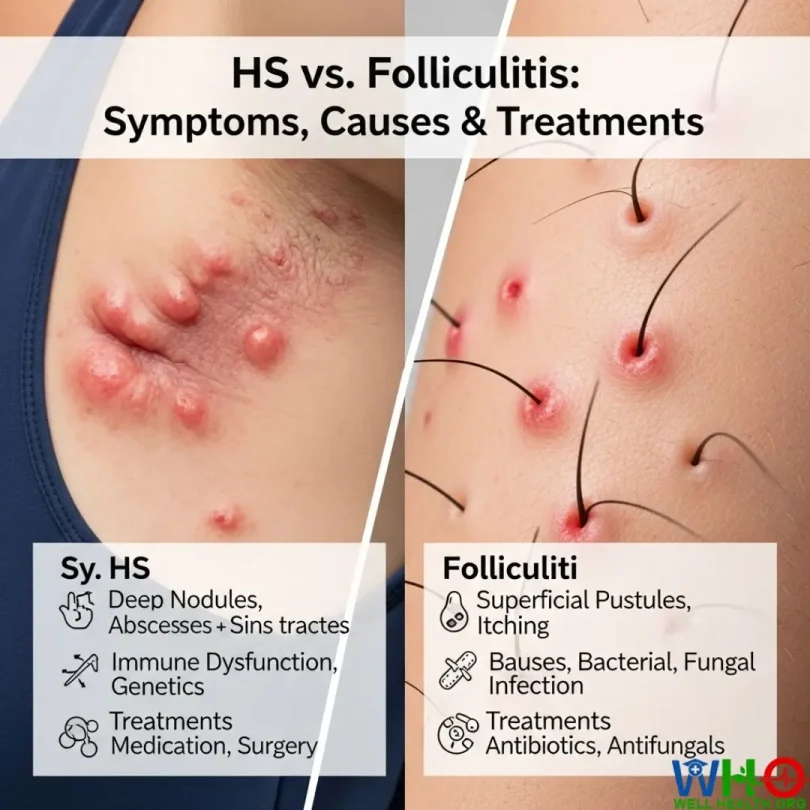
(HS) Hidradenitis Suppurativa vs Folliculitis
Spotting strange new bumps, boils, or rashes on your skin can trigger immediate concern—especially when they look like acne but feel far more painful or persistent. Two common yet often confused skin conditions that can cause this kind of discomfort are hidradenitis suppurativa (HS) and folliculitis. Both can lead to inflamed, sore lesions, but their underlying causes, severity, and long-term effects differ greatly.
- What Is Hidradenitis Suppurativa (HS)?
- Common Symptoms of HS
- Commonly Affected Areas
- Understanding Folliculitis
- Common Symptoms of Folliculitis
- Areas Commonly Affected by Folliculitis
- HS vs. Folliculitis: Comparing Symptoms and Key Differences
- Causes and Risk Factors for Hidradenitis Suppurativa
- Key Causes and Risk Factors for HS
- Environmental and Emotional Triggers
- Causes and Risk Factors for Folliculitis
- Main Causes and Contributing Factors
- When to Seek Medical Advice
- When to Visit a Doctor
- Why Professional Diagnosis Matters
- Diagnosing HS and Folliculitis
- 1. Physical Examination
- 2. Laboratory Tests
- 3. Medical and Family History
- 4. Severity Grading (For HS)
- Treatment Options for Hidradenitis Suppurativa (HS)
- 1. Medications
- 2. Lifestyle Modifications
- 3. Surgical and Procedural Treatments
- Treatment Options for Folliculitis
- 1. Topical Treatments
- 2. Oral Medications
- 3. Home Remedies and Prevention Tips
- 4. Managing Recurrent Folliculitis
- Living with HS and Folliculitis: Charting Your Path to Healthier Skin
- 1. Recognize Your Triggers
- 2. Follow Your Treatment Plan Consistently
- 3. Build a Support System
- 4. Maintain a Skin-Friendly Lifestyle
- 5. Work Closely with a Dermatologist
- Building Long-Term Skin Confidence
- 1. Don’t Dismiss Early Bumps
- 2. Be Kind to Your Skin
- 3. Monitor Your Emotional Health
- 4. Seek Specialist Support
- 5. Stay Educated
- Expert Tips for Managing HS and Folliculitis Naturally
- For HS:
- For Folliculitis:
- Prevention: Keeping Flare-Ups at Bay
- Practical Prevention Tips
- Emotional and Social Impact of HS and Folliculitis
- The Role of Diet and Nutrition
- Foods to Limit
- Foods to Embrace
- Prognosis and Outlook
- Conclusion: Taking Control of Your Skin Health
- Frequently Asked Questions (FAQs)
- 1. Can hidradenitis suppurativa be cured completely?
- 2. Is folliculitis contagious?
- 3. Can I treat folliculitis at home?
- 4. What foods should I avoid if I have HS?
- 5. Can stress cause HS flare-ups?
To properly treat and manage either condition, it’s crucial to understand what sets them apart. Hidradenitis suppurativa is a chronic inflammatory disorder that causes deep, painful lumps, most often in body folds where the skin frequently rubs together. Folliculitis, on the other hand, is typically a temporary infection of the hair follicles, producing small, itchy red bumps that resemble pimples.
This comprehensive guide explores how to tell HS and folliculitis apart, the symptoms that define each, what causes them, and how to manage flare-ups effectively. By the end, you’ll have the clarity you need to recognize what’s happening on your skin and take confident steps toward relief and recovery.
What Is Hidradenitis Suppurativa (HS)?
Hidradenitis Suppurativa (HS)—sometimes referred to as acne inversa—is a chronic, recurrent skin disease that affects millions of people worldwide. It is characterized by painful, deep-seated lumps, often mistaken for boils or cysts. These lesions typically appear in areas where skin-to-skin friction occurs, such as the armpits, groin, under the breasts, and between the buttocks.
Over time, these bumps can rupture and leak foul-smelling pus, leaving behind scars and sometimes forming tunnel-like tracts under the skin, known as sinus tracts. Unlike acne, HS lesions develop deep within the skin and often recur in the same locations, causing chronic pain and inflammation.
HS is not contagious and has nothing to do with hygiene. Instead, it’s considered an auto-inflammatory condition—meaning the immune system mistakenly triggers inflammation in hair follicles and sweat glands.
Common Symptoms of HS
The symptoms of HS can vary depending on the severity and stage of the disease, but common signs include:
- Deep, tender lumps or nodules under the skin that can be red, purple, or dark in color.
- Double-headed blackheads or blackhead-like plugs, often appearing in pairs.
- Abscesses or cyst-like boils that may fill with pus and rupture spontaneously.
- Sinus tracts (tunnels) forming beneath the skin, linking different lumps together.
- Scarring and skin thickening, which can limit movement or flexibility.
For many patients, HS develops gradually—starting with one or two painful bumps that seem to heal but then return again and again. Over time, the condition can become more widespread and physically disabling if left untreated.
Commonly Affected Areas
HS usually develops in areas with a high density of apocrine sweat glands and where friction and moisture are common. These include:
- Armpits
- Groin and inner thighs
- Underneath the breasts
- Buttocks and perianal region
- Around the waistline or neck (less commonly)
Women tend to experience HS more often than men, and flare-ups may worsen with hormonal changes, such as during menstruation or pregnancy.
Understanding Folliculitis
In contrast to HS, folliculitis is a common and usually mild infection of the hair follicles. It occurs when bacteria, fungi, or viruses invade and inflame the small openings in the skin from which hairs grow. The result is a cluster of tiny red or white bumps that look like pimples—but are centered around hair follicles.
While folliculitis isn’t usually dangerous, it can be itchy, painful, and cosmetically frustrating. In severe cases or when infections keep recurring, folliculitis can cause scarring and hair loss.
Common Symptoms of Folliculitis
Folliculitis typically presents with:
- Small red or pus-filled bumps surrounding hair follicles.
- Clusters of whiteheads or blisters that can break open and crust over.
- Itching or burning sensations in the affected area.
- Tenderness or mild pain when touched.
- Pus drainage in severe infections.
The bumps may appear anywhere hair grows, from your scalp to your legs. Mild folliculitis often clears up on its own, but deeper infections may require medical treatment.
Areas Commonly Affected by Folliculitis
Folliculitis can develop on almost any part of the body that has hair, but some areas are more vulnerable due to friction, shaving, or sweat buildup, including:
- Scalp
- Face and neck (particularly after shaving, often called “razor bumps”)
- Upper back and shoulders
- Thighs and buttocks
- Legs and arms
People who frequently wear tight clothing, use hot tubs, or shave sensitive skin areas are at higher risk of developing folliculitis.
HS vs. Folliculitis: Comparing Symptoms and Key Differences
Because HS and folliculitis can both cause red, inflamed bumps, it’s easy to confuse one for the other. However, there are distinct characteristics that can help differentiate them.
Here’s a clear comparison between the two:
| Feature | Hidradenitis Suppurativa (HS) | Folliculitis |
|---|---|---|
| Type of Lesion | Deep, painful nodules, abscesses, or cysts. | Small, surface-level pustules or bumps around follicles. |
| Pain Level | Moderate to severe, often deep and persistent. | Mild to moderate itching or tenderness. |
| Location | Skin folds (armpits, groin, under breasts, buttocks). | Anywhere with hair (scalp, legs, arms, back, face). |
| Chronicity | Chronic and recurring; long-term disease. | Typically acute; resolves in days or weeks. |
| Tunnels/Tracts | Sinus tracts often form under the skin. | Absent. |
| Scarring | Common and sometimes severe. | Rare unless infection is deep. |
| Discharge | Thick, foul-smelling pus. | Small amounts of pus; no odor. |
In short, folliculitis tends to be superficial and short-term, whereas HS is deep, painful, and long-lasting. HS also involves a strong inflammatory component that goes far beyond a simple infection.
If your skin lesions are recurrent, painful, or located in folds like your armpits or groin, you’re more likely dealing with HS rather than folliculitis.
Causes and Risk Factors for Hidradenitis Suppurativa
The exact cause of hidradenitis suppurativa remains somewhat of a mystery, but scientists know it’s not caused by infection or hygiene problems. Instead, HS is considered a complex inflammatory condition influenced by genetic, hormonal, and lifestyle factors.
Dr. Maria Rodriguez, an immunology specialist, explains:
“HS is more than a skin problem—it’s an immune system issue. The body’s inflammatory response becomes overactive, leading to painful, recurring lesions that damage the skin from the inside out.”
Key Causes and Risk Factors for HS
- Genetic Predisposition
Research shows that roughly one in three people with HS have a close family member who also suffers from it. This indicates a strong hereditary component. - Immune System Dysfunction
In HS, the immune system misfires and attacks healthy hair follicles, causing chronic inflammation, tissue damage, and tunnel formation. - Hormonal Influence
Because HS typically develops after puberty and often worsens around menstruation, hormones—especially androgens—are believed to play a significant role. - Lifestyle Factors
Smoking and obesity are major risk factors for HS. Both promote systemic inflammation and can aggravate flare-ups. - Associated Health Conditions
People with HS often have other autoimmune or inflammatory diseases, such as:- Crohn’s disease
- Severe acne (acne conglobata)
- Polycystic ovary syndrome (PCOS)
- Metabolic syndrome
Environmental and Emotional Triggers
Certain external factors—like stress, heat, friction, and sweating—can worsen HS flare-ups. Emotional stress, in particular, is known to trigger immune responses that may lead to new lesions or worsen existing ones.
Causes and Risk Factors for Folliculitis
While hidradenitis suppurativa arises from internal inflammation, folliculitis usually develops due to external factors, such as bacterial, fungal, or viral infections that invade damaged hair follicles.
Main Causes and Contributing Factors
- Bacterial Infections
The most frequent cause of folliculitis is Staphylococcus aureus, a bacterium that naturally lives on the skin. When a hair follicle becomes irritated or damaged, staph bacteria can enter and cause infection. - Fungal Infections
Certain fungi, particularly Malassezia species, can cause fungal folliculitis, often leading to itchy, acne-like bumps on the upper body. - Viral or Parasitic Infections
Though less common, viruses like herpes simplex or parasites such as Demodex mites can cause folliculitis-like eruptions. - Mechanical Damage
Friction from tight clothing, shaving, or waxing can irritate follicles, allowing microbes to enter. This is why athletes or individuals who frequently shave are more prone to outbreaks. - Hot Tubs and Swimming Pools
Poorly maintained hot tubs and pools can harbor Pseudomonas bacteria, leading to “hot tub folliculitis,” a widespread, itchy rash appearing within hours of exposure. - Weakened Immune System
People with chronic illnesses such as diabetes or HIV, or those taking immunosuppressive medications, are more likely to experience recurrent folliculitis. - Poor Hygiene or Excessive Sweat
While not always a direct cause, sweat, oil buildup, and infrequent cleansing can create an environment where bacteria thrive.
When to Seek Medical Advice
Both hidradenitis suppurativa (HS) and folliculitis can start off looking minor—just a few small bumps or pimples that seem harmless. However, when these lesions don’t heal, keep recurring, or become painful, it’s time to see a healthcare professional. Early intervention can make a world of difference in preventing complications and scarring.
Dr. Emily Carter, a board-certified dermatologist, emphasizes:
“Early recognition of HS can prevent years of discomfort and scarring. If you’re getting repeated painful boils in the same areas, don’t assume it’s acne—get it checked out by a dermatologist.”
When to Visit a Doctor
You should schedule an appointment with a dermatologist or healthcare provider if you experience any of the following:
- Recurring painful lumps under your armpits, groin, or other skin folds.
- Boils or nodules that leak pus, especially if they have a foul odor.
- Persistent or spreading redness, warmth, or swelling that may suggest infection.
- Bumps that don’t respond to home remedies or over-the-counter creams.
- Fever or fatigue that develops alongside your skin symptoms.
- Visible tunnels or tracts under the skin, which are characteristic of HS.
Even mild folliculitis can worsen if left untreated, potentially leading to cellulitis (a deeper skin infection) or scarring alopecia (permanent hair loss). HS, on the other hand, can progress through three stages (known as the Hurley stages)—from small abscesses to widespread interconnected tracts—making early diagnosis essential.
Why Professional Diagnosis Matters
Because HS and folliculitis can mimic other skin conditions, such as cystic acne, boils, or carbuncles, only a dermatologist can make an accurate distinction. A precise diagnosis helps determine the most effective treatment plan, avoiding unnecessary antibiotics or delayed management.
Ignoring symptoms or self-treating with harsh products can worsen inflammation and increase the risk of infection, scarring, and emotional distress.
Diagnosing HS and Folliculitis
Diagnosis begins with a comprehensive evaluation of your medical history, symptoms, and skin appearance. Dermatologists rely on a combination of visual inspection, patient history, and sometimes laboratory testing to determine whether you have HS or folliculitis.
1. Physical Examination
A dermatologist examines the affected area to evaluate the size, depth, and distribution of lesions.
- In HS, the doctor will look for deep nodules, scarring, and sinus tracts, usually in skin folds.
- In folliculitis, the bumps are more superficial and uniform, centered around individual hair follicles.
2. Laboratory Tests
If an infection is suspected, your doctor may:
- Take a swab of the pus or lesion to identify bacterial or fungal organisms.
- Perform a skin biopsy if the diagnosis is unclear, especially in chronic or atypical cases.
These tests help determine the specific cause of infection (bacterial vs. fungal) and guide antibiotic or antifungal treatment.
3. Medical and Family History
Your dermatologist will also ask questions about your:
- Family history of HS or similar skin conditions
- Lifestyle factors (such as smoking, stress, or shaving habits)
- Hormonal fluctuations (for instance, worsening around menstrual cycles)
- Medications or medical conditions that might weaken the immune system
4. Severity Grading (For HS)
HS is often categorized using the Hurley Staging System:
- Stage I: One or more abscesses without sinus tracts or scarring.
- Stage II: Recurrent abscesses with sinus tracts and scarring, separated by normal skin.
- Stage III: Widespread interconnected tracts and abscesses affecting large areas.
Identifying the stage helps doctors develop a personalized, long-term management plan.
Treatment Options for Hidradenitis Suppurativa (HS)
Unlike folliculitis, which can often be treated with short-term medications, hidradenitis suppurativa requires ongoing management. Since HS is a chronic condition, treatment aims to control inflammation, minimize flare-ups, and prevent scarring.
1. Medications
- Topical Antibiotics:
Clindamycin or erythromycin gels may help reduce surface bacteria and inflammation in mild HS cases. - Oral Antibiotics:
Long-term antibiotic therapy (such as tetracyclines) can calm inflammation and prevent new lesions from forming. - Hormone Therapy:
For women, hormonal treatments like birth control pills, spironolactone, or metformin may help regulate androgen levels that trigger flare-ups. - Retinoids:
Oral retinoids such as isotretinoin can sometimes help, though they are more effective for acne than HS. - Biologic Medications:
These are advanced anti-inflammatory drugs that target specific immune pathways. Adalimumab (Humira) and infliximab (Remicade) are FDA-approved biologics shown to significantly reduce HS symptoms.
2. Lifestyle Modifications
HS is highly sensitive to lifestyle habits, and small changes can make a big difference.
- Quit smoking: Nicotine increases inflammation and constricts blood flow, worsening HS.
- Maintain a healthy weight: Reducing body mass decreases skin friction and inflammation.
- Wear loose-fitting clothing: Prevents irritation and sweating in affected areas.
- Manage stress: Stress triggers immune responses that can cause flare-ups; consider yoga, meditation, or therapy.
- Adopt an anti-inflammatory diet: Reducing dairy, sugar, and processed foods can lessen inflammation in some individuals.
3. Surgical and Procedural Treatments
For severe HS that doesn’t respond to medication, dermatologists may recommend:
- Deroofing: Removing the “roof” of sinus tracts to promote healing.
- Laser therapy: Reduces inflammation and destroys hair follicles that may be contributing to flare-ups.
- Excision surgery: Involves removing affected tissue entirely to prevent recurrence in chronic cases.
- Drainage procedures: Helpful for short-term relief but not a long-term cure.
Although HS can’t be completely cured, these treatments can dramatically reduce symptoms and improve quality of life when combined with ongoing medical care.
Treatment Options for Folliculitis
Because folliculitis is generally caused by infection or irritation, treatment focuses on clearing the infection and preventing it from returning. The good news is that most cases are easily treatable, especially when caught early.
1. Topical Treatments
- Antibacterial creams or washes: Over-the-counter options like benzoyl peroxide, chlorhexidine, or mupirocin help reduce bacterial growth.
- Antifungal creams: If caused by yeast, antifungal agents such as ketoconazole or clotrimazole are effective.
- Warm compresses: Applying a clean, warm towel several times a day can soothe pain and help draw out pus naturally.
2. Oral Medications
For more persistent or severe cases, doctors may prescribe:
- Oral antibiotics (e.g., doxycycline, cephalexin) to treat deep bacterial infections.
- Antifungal tablets (e.g., fluconazole) if a fungal cause is confirmed.
3. Home Remedies and Prevention Tips
- Practice good hygiene: Regularly wash the affected area with a gentle antibacterial cleanser.
- Avoid tight clothing: Friction encourages follicle irritation.
- Use clean razors: Always use a sharp, sanitized razor or switch to electric shaving to reduce skin trauma.
- Avoid hot tubs or pools that aren’t properly maintained.
- Exfoliate gently: Helps prevent buildup of oils and dead skin that can clog follicles.
4. Managing Recurrent Folliculitis
If folliculitis keeps coming back, doctors may check for underlying causes such as diabetes, immune system disorders, or chronic bacterial colonization. Long-term antibiotic therapy or antibacterial body washes may be recommended to keep symptoms under control.
Dr. James Wilson, a skin care expert, notes:
“Folliculitis often clears up quickly with the right hygiene and medication. HS, however, needs a more comprehensive, ongoing management strategy.”
Living with HS and Folliculitis: Charting Your Path to Healthier Skin
Living with a skin condition—especially one that’s chronic like HS—can affect every aspect of daily life, from physical comfort to emotional well-being. However, with the right knowledge and care plan, you can regain control and confidence in your skin health.
1. Recognize Your Triggers
For HS, flare-ups are often linked to hormonal changes, stress, friction, and certain foods. Keeping a symptom diary can help identify and avoid your personal triggers.
2. Follow Your Treatment Plan Consistently
Both HS and folliculitis respond best to consistent, long-term management. Skipping medications or neglecting skincare routines can undo progress.
3. Build a Support System
Skin conditions can take an emotional toll. Consider joining online communities or local support groups such as “Hope for HS” or “Folliculitis Support Group.” Sharing experiences can reduce feelings of isolation.
4. Maintain a Skin-Friendly Lifestyle
- Stay hydrated and eat antioxidant-rich foods.
- Avoid smoking and excessive alcohol.
- Practice daily gentle skincare without over-scrubbing.
- Keep your environment cool and dry to minimize sweating.
5. Work Closely with a Dermatologist
Dermatologists are your partners in skin health. They can adjust medications, suggest new treatments, and monitor your progress. Regular follow-ups prevent complications and keep your skin in the best possible condition.
Building Long-Term Skin Confidence
Skin conditions like hidradenitis suppurativa (HS) and folliculitis can affect far more than the skin’s surface—they can impact confidence, relationships, and quality of life. Understanding your condition is the foundation of effective management. The more you know about how your body reacts, the better equipped you are to take charge of your healing journey.
Both HS and folliculitis require patience, but they’re manageable with the right strategy. HS, being chronic, needs an ongoing partnership with your dermatologist, while folliculitis often clears up with consistent care and preventive measures. The key is not to ignore early warning signs.
Here’s how to stay proactive:
1. Don’t Dismiss Early Bumps
Even a small, painful lump can signal early HS, particularly if it appears repeatedly in the same area. Treating it early can help prevent tunneling and scarring.
2. Be Kind to Your Skin
Avoid harsh cleansers or scrubbing too hard. Gentle cleansing, mild exfoliation, and breathable fabrics go a long way in calming inflammation.
3. Monitor Your Emotional Health
Chronic conditions like HS can lead to stress, anxiety, or even depression. Many patients report feeling isolated or frustrated. Consider talking to a therapist, joining a support group, or engaging in mindfulness practices. Mental wellness directly influences physical recovery.
4. Seek Specialist Support
Dermatologists, nutritionists, and sometimes endocrinologists can work together to design a holistic plan addressing inflammation, hormones, and overall health. HS, in particular, benefits from a multi-disciplinary approach.
5. Stay Educated
Medical understanding of HS is evolving. New biologic medications and minimally invasive procedures are offering better outcomes. Staying informed ensures you benefit from the latest advancements in skin care science.
Expert Tips for Managing HS and Folliculitis Naturally
While medical treatments are essential, some simple lifestyle habits and natural remedies can complement your care plan.
For HS:
- Warm compresses: Applying moist heat helps reduce pain and inflammation.
- Turmeric: Known for its anti-inflammatory properties, turmeric (as a supplement or paste) may help soothe symptoms.
- Zinc supplementation: Studies suggest zinc gluconate may reduce flare-ups.
- Dietary changes: A diet rich in whole foods—vegetables, omega-3s, lean proteins—supports immune balance.
For Folliculitis:
- Apple cider vinegar rinse: Its natural acidity helps kill bacteria and restore the skin’s pH balance.
- Tea tree oil: A powerful antiseptic that can be diluted with coconut oil and applied to affected areas.
- Aloe vera gel: Calms irritation and accelerates healing.
- Proper post-shave care: Always shave in the direction of hair growth and moisturize afterward.
Important: Always consult your dermatologist before trying new remedies to ensure they don’t interfere with prescribed treatments.
Prevention: Keeping Flare-Ups at Bay
The best way to manage HS and folliculitis is to prevent flare-ups before they start. Prevention focuses on protecting the skin barrier, maintaining hygiene, and supporting your immune system.
Practical Prevention Tips
- Keep skin dry and clean. Moisture and friction encourage bacterial growth.
- Use antibacterial cleansers. Look for gentle, non-drying formulas.
- Avoid synthetic fabrics. Cotton or moisture-wicking fabrics reduce irritation.
- Stay cool. Overheating and sweating can trigger HS flare-ups.
- Manage stress proactively. Meditation, light exercise, and good sleep are key to immune balance.
- Avoid picking or squeezing lesions. This can spread infection and increase scarring.
- Use non-comedogenic products. Avoid heavy creams that clog pores.
By combining medical treatment with these lifestyle strategies, you’ll reduce flare-up frequency and help your skin heal more effectively over time.
Emotional and Social Impact of HS and Folliculitis
It’s easy to underestimate the emotional toll skin conditions can take. HS, in particular, can be painful both physically and mentally, leading to embarrassment, low self-esteem, and even social withdrawal. The odor and scarring associated with HS can cause people to avoid social situations or intimacy.
Folliculitis, though milder, can also affect self-image—especially when it occurs on visible areas like the face, neck, or scalp.
Here’s how to cope emotionally:
- Acknowledge your feelings: Frustration and sadness are valid responses.
- Find your community: Online support groups and local meetups offer understanding and encouragement.
- Educate others: Talking openly about your condition helps break stigma and builds awareness.
- Celebrate progress: Healing may take time, but every improvement—no matter how small—is a victory.
Remember, your worth is not defined by your skin condition. Empowering yourself with knowledge and self-care builds confidence that shines from within.
The Role of Diet and Nutrition
Nutrition plays a significant role in managing inflammation and skin health. While no single diet can cure HS or folliculitis, certain foods can either trigger inflammation or help calm it down.
Foods to Limit
- Dairy products: Milk and cheese can increase hormonal activity that worsens HS.
- Processed sugar: Spikes insulin and fuels inflammation.
- Refined carbs: White bread, pasta, and sugary snacks can aggravate breakouts.
- Fried and fast foods: Contain unhealthy fats that promote inflammation.
Foods to Embrace
- Leafy greens and berries: Packed with antioxidants.
- Fatty fish: Salmon, sardines, and mackerel reduce inflammation through omega-3s.
- Whole grains and legumes: Provide fiber and stabilize blood sugar levels.
- Turmeric and ginger: Natural anti-inflammatory agents.
- Green tea: Contains catechins that support healthy skin.
A balanced diet not only helps control flare-ups but also supports healing and energy levels. Hydration is equally important—drink plenty of water to keep your skin hydrated from the inside out.
Prognosis and Outlook
The long-term outlook depends on the condition’s type and severity.
- For Folliculitis: Most cases clear up within days to weeks with proper hygiene and treatment. Chronic cases are rare but manageable.
- For HS: The journey is more complex. HS doesn’t have a cure yet, but with modern biologic therapies, flare-up control has improved dramatically. Many patients can lead normal, active lives once the condition is properly managed.
The key lies in consistency—following your doctor’s recommendations, keeping a healthy lifestyle, and avoiding triggers that worsen inflammation.
Conclusion: Taking Control of Your Skin Health
Both hidradenitis suppurativa and folliculitis can appear similar on the surface—red bumps, irritation, discomfort—but beneath the skin, they tell very different stories.
Folliculitis is a short-term inflammation of the hair follicles, often caused by bacteria or fungi. It’s usually treatable with good hygiene, topical medication, and preventive care.
Hidradenitis Suppurativa, however, is a long-term autoimmune-related disorder that demands consistent medical attention, lifestyle management, and emotional resilience.
Understanding these differences is the first step toward healing. If you notice painful lumps in your skin folds that keep returning, don’t brush them off as acne—seek professional advice early. Early treatment not only reduces pain and scarring but can dramatically improve your quality of life.
Healthy skin isn’t just about appearance—it’s about comfort, confidence, and overall well-being. With knowledge, care, and persistence, it’s absolutely possible to manage these conditions and reclaim smooth, pain-free skin.
Frequently Asked Questions (FAQs)
1. Can hidradenitis suppurativa be cured completely?
Unfortunately, there’s no permanent cure for HS at this time. However, modern treatments—especially biologic medications—can help reduce flare-ups, prevent scarring, and dramatically improve life quality.
2. Is folliculitis contagious?
Most types of folliculitis are not contagious. However, bacterial folliculitis caused by Staphylococcus aureus can sometimes spread through direct contact or sharing razors and towels.
3. Can I treat folliculitis at home?
Yes, mild folliculitis often clears up with home care—warm compresses, antibacterial washes, and avoiding friction usually help. If symptoms persist beyond two weeks, see a doctor.
4. What foods should I avoid if I have HS?
Avoid dairy, refined sugar, and processed foods, as they can fuel inflammation. Opt for a balanced diet rich in vegetables, whole grains, and omega-3 fatty acids.
5. Can stress cause HS flare-ups?
Yes. Stress can trigger immune system reactions that worsen inflammation and flare-ups. Incorporating stress-relief activities like yoga, deep breathing, or regular exercise can make a big difference.
Final Thoughts:
Living with hidradenitis suppurativa or folliculitis isn’t easy, but you’re not alone—and you’re not powerless. With the right medical guidance, lifestyle adjustments, and self-compassion, you can reduce flare-ups, manage symptoms, and feel comfortable in your skin again.
Medically Reviewed by Prof. Dr. Akram
Orthopedic Surgeon | Professor | Senior Medical Specialist
Prof. Dr. Akram is a distinguished surgeon with over 15 years of clinical expertise. Having served as a lead Emergency Specialist at Complex International Government Hospital, he currently leads a specialized team of 13 medical professionals at his private hospital. As a Professor at top medical universities, he ensures that every article on WellHealthOrg.com meets rigorous clinical standards.
Medical Disclaimer:
The information provided is for educational purposes only and is not a substitute for professional medical advice, diagnosis, or treatment. Always consult your physician for any medical concerns.
Our content is rigorously fact-checked by our 13-member Editorial Team under the clinical supervision of Prof. Dr. Akram.