Pterional Craniotomy
Facing brain surgery can be one of the most daunting experiences of your life. The thought alone may bring anxiety, uncertainty, and countless questions. If you or someone close to you has been advised to undergo a pterional craniotomy, knowing exactly what it involves can make all the difference. Understanding the process — from preparation to recovery — helps you feel informed, confident, and in control of your care journey.
- What Is a Pterional Craniotomy?
- Conditions Treated with a Pterional Craniotomy
- Understanding the Purpose and Benefits
- Why Surgeons Choose This Approach
- The Surgical Procedure: Step-by-Step
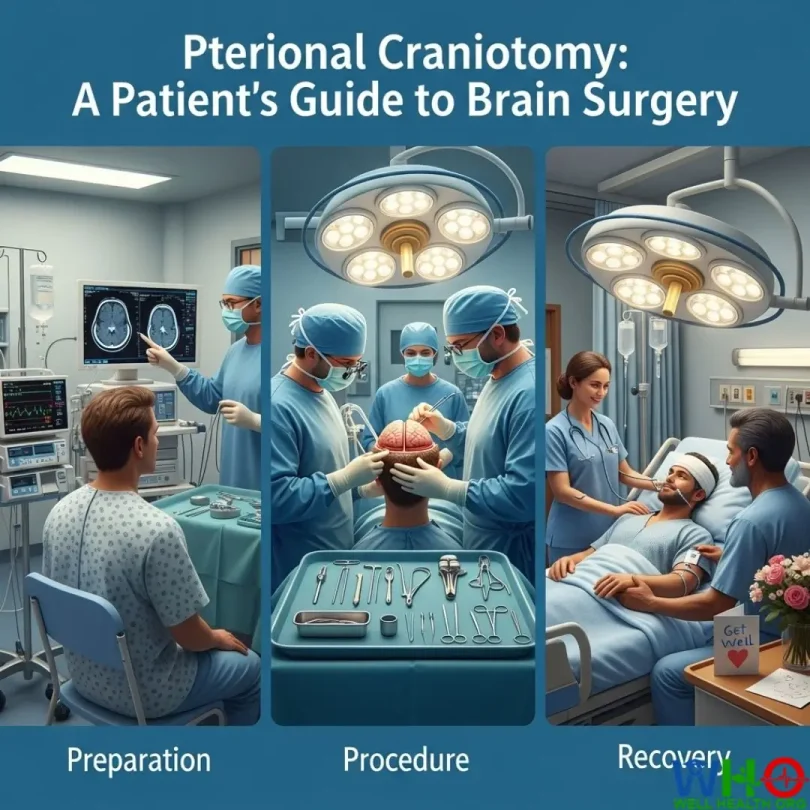
- 1. Pre-Operative Preparation
- 2. The Day of Surgery
- 3. Immediately After Surgery
- Recovery and Post-Operative Care
- Hospital Recovery
- Home Recovery and Long-Term Healing
- Potential Risks and Complications
- General Surgical Risks
- Risks Specific to the Pterional Approach
- How Common Are Complications?
- Rehabilitation and Life After Surgery
- Physical Rehabilitation
- Emotional and Mental Health
- Lifestyle Adjustments for Long-Term Wellness
- Returning to Daily Life
- Understanding Long-Term Outcomes
- For Aneurysms
- For Tumors
- For Lesions and Other Conditions
- Cognitive and Functional Outcomes
- Your Path Forward: Embracing Recovery with Confidence
- Frequently Asked Questions (FAQs)
- 1. How long does a pterional craniotomy surgery take?
- 2. Will my hair grow back after surgery?
- 3. Is a pterional craniotomy painful?
- 4. How long before I can return to normal activities?
- 5. Can complications occur months after surgery?
- Final Thoughts
A pterional craniotomy is not just another medical term; it’s a highly refined surgical technique that allows neurosurgeons to safely reach delicate areas of the brain. Used to treat conditions such as aneurysms, tumors, and lesions, it remains one of the most trusted and widely practiced approaches in modern neurosurgery.
This in-depth guide will walk you through everything you need to know — what happens before, during, and after the operation, the potential risks, and what your recovery might look like. You’ll also find helpful insights from neurosurgical experts and practical tips for navigating your healing process with confidence.
What Is a Pterional Craniotomy?
A pterional craniotomy is a specialized type of brain surgery that provides surgeons with a wide and clear view of the lower front and side regions of the brain. The word “pterional” comes from pterion, the anatomical point where four skull bones — the frontal, parietal, sphenoid, and temporal — meet. This small yet strategic area serves as an ideal surgical corridor to reach the brain’s base while minimizing unnecessary trauma.
During the procedure, a surgeon makes a curved incision just behind the hairline, then temporarily removes a small section of bone — known as a bone flap. This opening allows access to the brain’s frontal and temporal lobes and key blood vessels. After the surgery, the bone flap is securely replaced using small titanium plates and screws, ensuring both safety and cosmetic restoration.
Conditions Treated with a Pterional Craniotomy
This approach is used to address several serious neurological conditions, including:
- Brain aneurysms: Weak or bulging spots in blood vessels that risk rupture and bleeding.
- Brain tumors: Both benign and malignant tumors located near the skull base or deep within the frontal or temporal lobes.
- Arteriovenous malformations (AVMs): Abnormal tangles of blood vessels that can disrupt normal blood flow.
- Lesions or abscesses: Areas of damaged or infected tissue requiring surgical removal.
- Traumatic injuries: In certain cases, surgeons may use this approach to relieve pressure or repair damage from head trauma.
Since its introduction in the 1970s, the pterional approach has revolutionized neurosurgery. Dr. Jane Doe, a renowned neurosurgeon, explains:
“The pterional craniotomy remains one of the most versatile and effective techniques in brain surgery. It provides broad exposure to key structures with minimal disturbance to healthy brain tissue.”
In simpler terms, it offers surgeons a safe “window” into the brain while keeping the risks as low as possible.
Understanding the Purpose and Benefits
The goal of a pterional craniotomy is to access critical areas of the brain through the least invasive route possible. Unlike older, more aggressive techniques that required large incisions and caused significant tissue disruption, the pterional approach prioritizes precision, preservation, and patient recovery.
Why Surgeons Choose This Approach
- Excellent exposure: Allows access to deep structures like the optic nerve, carotid artery, and anterior circulation.
- Lower risk of neurological damage: By approaching from the side and avoiding major functional areas, surgeons reduce potential harm to brain tissue.
- Cosmetic advantages: The incision is hidden within the hairline, and the bone flap is replaced to maintain skull shape.
- Faster recovery: Patients typically experience shorter hospital stays and fewer complications compared to more invasive procedures.
In many cases, the pterional craniotomy is combined with microsurgical techniques or endoscopic assistance, allowing for even greater accuracy and reduced trauma. These advances make it a cornerstone of modern neurosurgical practice.
The Surgical Procedure: Step-by-Step
Every surgery is unique, tailored to the patient’s specific condition, anatomy, and overall health. However, most pterional craniotomies follow a well-defined sequence. Knowing what happens at each stage can help you prepare mentally and emotionally for the experience.
1. Pre-Operative Preparation
Before the surgery, your healthcare team will perform a series of tests and consultations to ensure everything goes smoothly.
- Medical evaluation: You’ll undergo blood work, heart checks, and imaging scans such as MRI or CT to help your surgeon plan the best approach.
- Medication review: Certain drugs — especially blood thinners or anti-inflammatory medications — may need to be paused before the operation to reduce bleeding risks.
- Fasting guidelines: You’ll likely be instructed not to eat or drink after midnight before surgery.
- Lifestyle preparation: Arrange for post-surgery care at home and have someone drive you to and from the hospital.
- Emotional readiness: It’s normal to feel nervous. Many hospitals offer pre-surgery counseling or education sessions to help you understand the process.
Taking time to prepare not only improves your confidence but can also support a smoother recovery.
2. The Day of Surgery
On the morning of the procedure, you’ll be admitted and prepped by the surgical and anesthesia teams. Here’s what typically happens:
- Anesthesia: A general anesthetic ensures you are completely asleep and pain-free during the operation.
- Positioning: You’ll be positioned carefully on the operating table, often with your head secured in a special device to prevent movement.
- Incision and bone flap creation: The surgeon makes a curved incision behind your hairline, then drills small holes to lift a section of the skull. This bone flap provides access to the brain beneath.
- Opening the dura: The dura mater — the tough membrane protecting the brain — is gently opened to expose the surgical site.
- Addressing the condition: Depending on your diagnosis, the surgeon may clip an aneurysm, remove a tumor, or treat another abnormality.
- Closure: After the main procedure, the dura is closed, the bone flap replaced and secured, and the scalp sutured neatly. A small drain may be left temporarily to remove excess fluid.
This intricate procedure can take several hours, depending on the complexity of the condition being treated.
3. Immediately After Surgery
After surgery, you’ll be moved to the intensive care unit (ICU) or a post-anesthesia recovery area. This phase focuses on stabilization and close observation.
- Monitoring: Doctors and nurses will track your vital signs, neurological responses, and fluid levels.
- Pain and nausea control: Medication is given to keep you comfortable.
- Imaging tests: A follow-up CT or MRI scan may be performed to confirm successful results and ensure no complications.
- Family updates: Your surgical team will brief your family or caregivers about how the procedure went and what to expect next.
Most patients stay in the ICU for one to two days before being transferred to a regular hospital room.
Recovery and Post-Operative Care
Healing from a pterional craniotomy is a gradual process that requires patience, rest, and careful follow-up. Recovery can vary depending on the underlying condition treated and your overall health, but understanding what to expect can help you manage it confidently.
Hospital Recovery
You can typically expect a hospital stay of about five to seven days. During this time:
- The medical team monitors for signs of infection, bleeding, or swelling.
- You’ll be encouraged to move gently, sit up, and walk short distances as soon as it’s safe.
- Pain, fatigue, and mild swelling around the incision are common but usually improve with medication and time.
- Physical and occupational therapists may begin early rehabilitation to maintain mobility and prevent stiffness.
Dr. Emily White, a neurosurgery specialist, emphasizes:
“Recovery doesn’t end when you leave the hospital. Following your care plan, attending follow-up visits, and reporting any new symptoms early are vital for long-term success.”
Home Recovery and Long-Term Healing
Once you’re discharged, the next stage of recovery begins at home. The pace will depend on your surgery type, age, and individual healing response.
- Follow-up appointments: You’ll see your neurosurgeon regularly to assess healing and remove sutures or staples.
- Medications: Prescriptions may include pain relievers, anti-seizure medications, or antibiotics. Always take them as directed.
- Wound care: Keep the incision clean and dry, and watch for redness, swelling, or drainage.
- Activity restrictions: Avoid strenuous activity, heavy lifting, and driving until cleared by your doctor.
- Lifestyle adjustments: Eating nutritious meals, staying hydrated, and getting enough rest are key to recovery.
Most patients begin to feel significantly better after 6–12 weeks, though complete recovery can take longer for complex cases.
Potential Risks and Complications
Every surgical procedure — especially one involving the brain — carries some level of risk. While the pterional craniotomy is performed with the utmost precision by experienced neurosurgeons, understanding the possible complications helps you prepare and make informed decisions.
General Surgical Risks
Even with advanced techniques, general risks associated with any craniotomy include:
- Infection: Though rare, infections can occur at the incision or within the skull. Antibiotics and sterile precautions minimize this risk.
- Bleeding or brain swelling: Small amounts of bleeding are normal, but in rare cases, excessive swelling may require further intervention.
- Blood clots: Post-surgery immobility can slightly increase the risk of deep vein thrombosis (DVT), which is why early movement and compression devices are important.
- Seizures: Some patients may experience seizures after surgery due to irritation of brain tissue. Anti-seizure medications are often prescribed as a preventive measure.
- Cerebrospinal fluid (CSF) leak: This clear fluid surrounds the brain and spinal cord. Occasionally, it may leak from the incision site, but it’s typically manageable with medical treatment.
- Adverse anesthesia reactions: Rare allergic responses or breathing difficulties can occur, though modern anesthetics are very safe.
Risks Specific to the Pterional Approach
Certain side effects are more specific to this surgical route due to its location near the temple and facial nerves:
- Facial nerve irritation: You may notice mild numbness or weakness in parts of your face. In most cases, this improves within weeks.
- Chewing or jaw discomfort: Because the surgery involves muscles used for chewing, some patients feel soreness or fatigue in the jaw area post-surgery.
- Cosmetic effects: The incision is hidden in the hairline, but a subtle flattening or hollowing at the temple (called temporal hollowing) can occur.
- Eye or vision changes: If the surgery is close to the optic nerve, temporary double vision or blurred vision can occur, though this is uncommon.
Dr. John Smith, from the Neurological Institute, explains:
“With modern microsurgical techniques and high-resolution imaging, we’ve significantly lowered complication rates for craniotomy patients. What used to be high-risk decades ago is now performed with remarkable safety and precision.”
How Common Are Complications?
Statistical data suggests that major complications from craniotomy procedures occur in less than 10% of cases, often around 8.3%. Most of these are minor or temporary issues that resolve with appropriate care. Your surgeon will review the potential risks specific to your condition and explain how each one will be managed.
Being proactive — such as reporting headaches, fever, fluid leakage, or neurological changes — allows your care team to address any issues promptly and effectively.
Rehabilitation and Life After Surgery
The recovery period following a pterional craniotomy is not just about physical healing — it’s about regaining confidence, independence, and quality of life. Every patient’s journey is different, and your progress will depend on your overall health, the condition treated, and how your brain responds after surgery.
Physical Rehabilitation
Many patients benefit from physical and occupational therapy to help restore strength, coordination, and function. Therapists guide you through gentle exercises to improve balance, walking, and daily activities.
If speech or cognition were affected by the underlying condition or surgery, a speech-language pathologist may assist in improving communication and memory skills. Early rehabilitation is key to maximizing recovery potential.
Emotional and Mental Health
It’s common to experience a mix of emotions after brain surgery — relief, anxiety, or even depression. The combination of physical fatigue, medication side effects, and lifestyle changes can affect mood and energy.
Talking with a psychologist, counselor, or support group can provide emotional stability and reassurance. Remember, recovery is not only physical but also emotional.
Lifestyle Adjustments for Long-Term Wellness
- Sleep and rest: Aim for 7–9 hours of restful sleep each night to support brain recovery.
- Nutrition: Eat foods rich in protein, omega-3s, and antioxidants to promote healing and cognitive function.
- Hydration: Staying well-hydrated helps your body recover faster and maintain circulation.
- Avoid alcohol and smoking: Both can delay healing and interfere with medications.
- Gradual exercise: Walking and gentle stretching are excellent first steps toward regaining stamina.
Returning to Daily Life
Most patients can resume light daily activities after a few weeks, depending on their progress. Driving, working, or exercising should only resume once your neurosurgeon gives clearance. If your surgery was for an aneurysm or tumor, your follow-up care plan might include periodic MRI or CT scans to monitor for recurrence.
Understanding Long-Term Outcomes
The prognosis after a pterional craniotomy varies depending on the reason for the surgery. For some, it’s a life-saving procedure that permanently resolves the issue; for others, it’s a crucial step in long-term disease management.
For Aneurysms
Patients who undergo aneurysm clipping via a pterional craniotomy typically experience excellent outcomes, especially when the procedure is performed before a rupture occurs. Once clipped, the aneurysm is permanently sealed, and recurrence is rare.
For Tumors
The long-term results depend on the tumor’s type, size, and location. A 2017 study found recurrence rates around 36% for certain skull-base tumors, though advancements in imaging and surgical precision continue to improve success rates. Benign tumors often have much lower recurrence rates.
For Lesions and Other Conditions
Lesions or cysts removed through this approach usually do not return. A 2019 study on cranio-orbital lesions, for instance, found only one recurrence out of twelve patients, demonstrating the effectiveness of this surgical technique.
Cognitive and Functional Outcomes
Most patients regain full neurological function. However, some may experience temporary fatigue, concentration issues, or mild memory lapses as the brain heals. Cognitive rehabilitation and consistent follow-up visits can help address these effects.
Pro tip: Keep a recovery journal. Tracking symptoms, sleep patterns, and medication effects helps you communicate better with your medical team and identify progress milestones.
Your Path Forward: Embracing Recovery with Confidence
Undergoing a pterional craniotomy is undeniably a major life event, but it’s also a remarkable demonstration of how far medical science has come. Thanks to decades of innovation and refined surgical skill, thousands of patients every year recover from conditions once deemed untreatable.
Here’s what matters most moving forward:
- Stay informed: Ask questions and understand every step of your care plan.
- Communicate openly: Tell your doctors about new symptoms, even minor ones.
- Follow-up regularly: Imaging tests and checkups ensure early detection of any issues.
- Be patient with yourself: Healing takes time, and gradual progress is still progress.
- Lean on support: Family, friends, and patient networks can make recovery easier and less isolating.
As Dr. Emily White puts it:
“Brain surgery isn’t just about what happens in the operating room — it’s about guiding patients through a journey of healing, reassurance, and renewed strength.”
Remember, the pterional craniotomy is not just a procedure — it’s a pathway to a healthier future. With knowledge, professional guidance, and a strong support system, you can look forward to recovery with hope and confidence.
Frequently Asked Questions (FAQs)
1. How long does a pterional craniotomy surgery take?
The operation usually lasts between 4 to 8 hours, depending on the complexity and the specific condition being treated. More intricate aneurysm or tumor cases may take longer.
2. Will my hair grow back after surgery?
Yes. Since the incision is made behind the hairline, the scar is typically hidden, and hair growth resumes normally within a few months.
3. Is a pterional craniotomy painful?
During the procedure, you’ll be under general anesthesia and won’t feel pain. After surgery, mild to moderate discomfort can be managed with prescribed pain medications.
4. How long before I can return to normal activities?
Most people resume light activities within 6 to 8 weeks, though full recovery — including returning to work or strenuous exercise — may take up to 12 weeks or longer.
5. Can complications occur months after surgery?
Delayed complications are uncommon but possible. These might include infection, CSF leaks, or scar-related discomfort. Regular follow-ups ensure any concerns are addressed early.
Final Thoughts
A pterional craniotomy represents a powerful blend of surgical precision, innovation, and compassionate care. While the idea of brain surgery can be intimidating, knowing what to expect — and having trust in your neurosurgical team — makes the journey much smoother.
Stay proactive, maintain open communication with your healthcare providers, and give your body the time it needs to heal. With patience and proper care, recovery is not only possible but often life-changing.
Medically Reviewed by Prof. Dr. Akram
Orthopedic Surgeon | Professor | Senior Medical Specialist
Prof. Dr. Akram is a distinguished surgeon with over 15 years of clinical expertise. Having served as a lead Emergency Specialist at Complex International Government Hospital, he currently leads a specialized team of 13 medical professionals at his private hospital. As a Professor at top medical universities, he ensures that every article on WellHealthOrg.com meets rigorous clinical standards.
Medical Disclaimer:
The information provided is for educational purposes only and is not a substitute for professional medical advice, diagnosis, or treatment. Always consult your physician for any medical concerns.
Our content is rigorously fact-checked by our 13-member Editorial Team under the clinical supervision of Prof. Dr. Akram.