Introduction
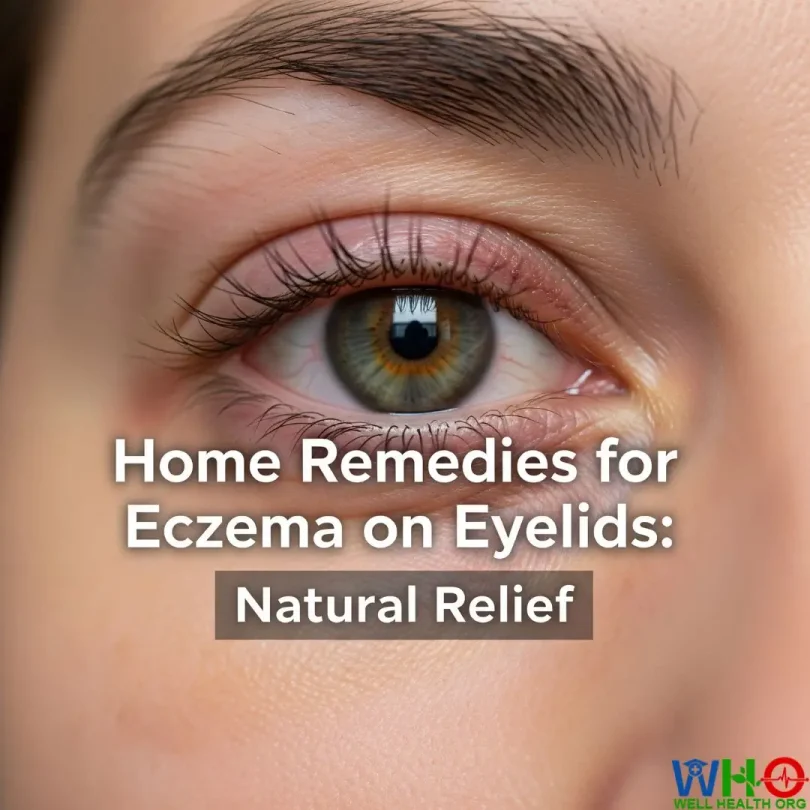
Eyelid eczema is one of those conditions that instantly disrupts your daily comfort. The skin around your eyes is among the thinnest and most delicate on your body, so when inflammation, itching, or dryness strikes, you feel it immediately. Many people wake up to swollen, flaky eyelids and wonder what went wrong overnight. Others deal with chronic cycles of irritation that flare up without warning. No matter how mild or severe the symptoms, eyelid eczema affects not only the skin but also your confidence, comfort, and overall well-being.
- Introduction
- What Is Eyelid Eczema?
- Common Causes of Eyelid Eczema
- Atopic Dermatitis
- Contact Dermatitis
- Seborrheic Dermatitis
- Recognizing Symptoms of Eyelid Eczema
- Home Remedies for Eyelid Eczema: Safe & Natural Relief
- Cold Compresses
- Gentle Cleansing Routine
- Moisturizing Balms and Creams
- Herbal & Botanical Remedies
- Lifestyle Adjustments That Help Prevent Flare-Ups
- Dietary Considerations
- Stress Management
- Improve Your Sleep
- When Home Remedies Are Not Enough
- Medical Treatments for Eyelid Eczema
- Topical Corticosteroids
- Topical Calcineurin Inhibitors
- Oral Medications
- Long-Term Prevention & Eyelid Skin Care Tips
- Conclusion
- FAQs
What makes this condition particularly challenging is that the eyelid area reacts quickly to even the slightest irritant—whether it’s a new face wash, a stressful week, or a product you’ve been using for years that suddenly becomes problematic. Because this skin is so thin, it’s also more vulnerable to over-treatment. People often scrub too hard, apply strong products out of frustration, or experiment with ingredients that are far too harsh for this sensitive spot. The result? Even more irritation.
This guide is designed to give you a gentler, more strategic path. You’ll learn natural, effective, dermatologist-inspired home remedies for soothing eyelid eczema, along with lifestyle adjustments and prevention tips. Nothing here is complicated or expensive; it’s all about using simple, safe methods that respect the delicate skin around your eyes while giving you real relief. We’ll also discuss when it’s time to see a professional—because although home remedies are powerful for mild cases, some symptoms truly do require medical care.
By the end, you’ll understand not only how to relieve your current flare-up but also how to prevent future ones. Think of this as a friendly, informative, and practical guide—something you can come back to each time your skin needs a little extra support.
What Is Eyelid Eczema?
Eyelid eczema is a type of skin inflammation that specifically affects the thin, sensitive skin of the eyelids. While eczema can develop anywhere on the body, it tends to feel much more uncomfortable when it appears around the eyes because the skin in this area is so delicate. Your eyelids serve as a protective barrier for the eyes, but that barrier is incredibly thin—about one-tenth the thickness of the skin on the rest of your face. That means almost anything can irritate it, from environmental allergens to skincare products, to internal factors like stress or immune reactions.
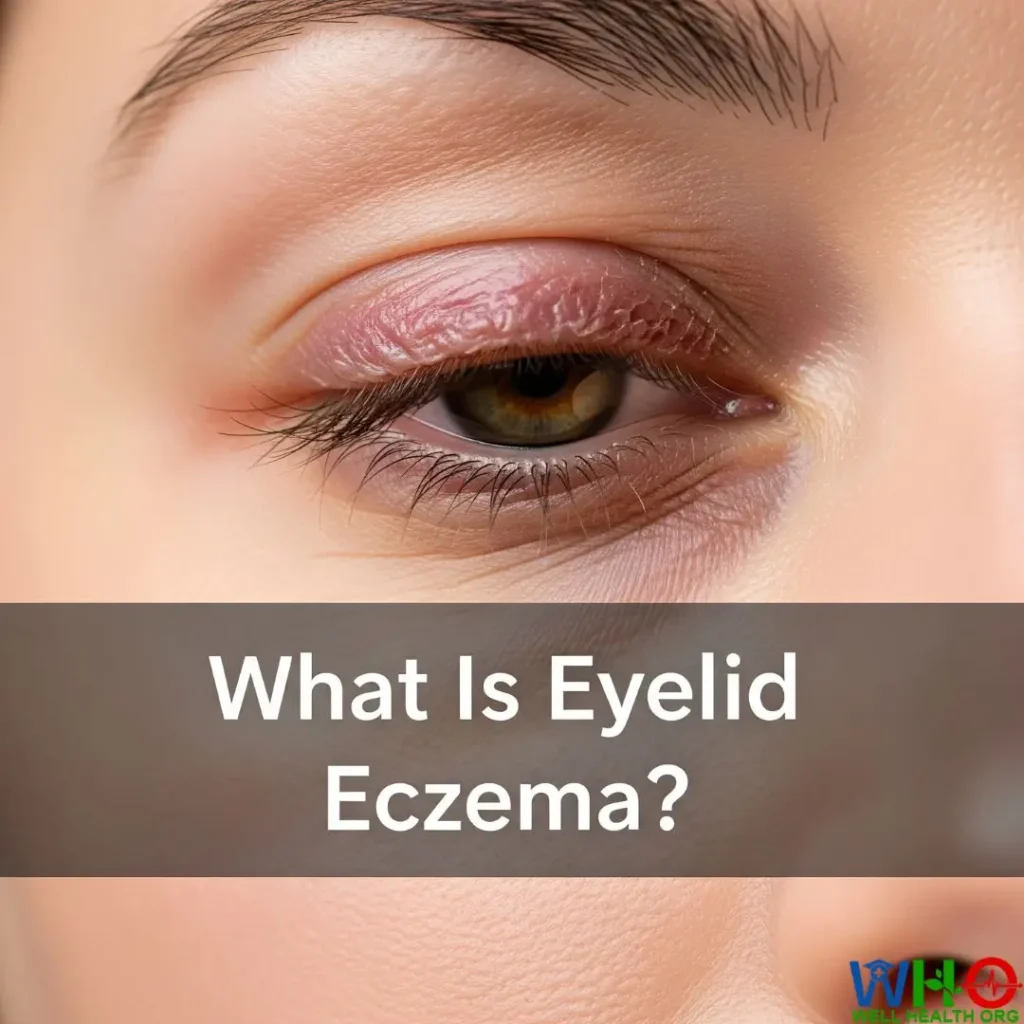
Unlike regular dry skin, eyelid eczema involves both inflammation and a compromised skin barrier. When the barrier becomes weak, moisture escapes more easily, and irritants penetrate more deeply. This leads to a vicious cycle: dryness leads to inflammation, inflammation leads to itching, and scratching leads to even more barrier damage. Because of how visible the area is, even mild eczema can make your eyelids look puffy, flaky, or discolored, which can affect your confidence or make you feel self-conscious.
Another challenging aspect is that eyelid eczema doesn’t always behave the same way for everyone. Some people experience flare-ups periodically—with symptoms appearing suddenly and disappearing just as quickly—while others deal with more persistent irritation that lingers for weeks. The symptoms also vary: for some, it’s primarily itching, while others feel burning, stinging, or intense dryness. Many people notice their symptoms worsen with changes in weather, stress levels, sleep patterns, or exposure to certain irritants, making it a condition that requires consistent observation and care.
It is also important to note that eyelid eczema is not contagious. You cannot spread it to other people, and it is not caused by poor hygiene. It is a skin condition rooted in your immune system and environmental factors, not bacteria or viruses. However, scratching or rubbing your eyelids can introduce infections, so managing the itch is essential.
Understanding what eyelid eczema is—and how it behaves—is the foundation for treating it successfully. When you know what’s happening beneath the surface, it becomes much easier to choose the right home remedies, identify triggers, and take steps that prevent flare-ups.
Common Causes of Eyelid Eczema
Eyelid eczema rarely comes out of nowhere. Even though flare-ups may seem sudden, there is usually an underlying trigger—sometimes obvious, sometimes subtle. Understanding the root cause is one of the most powerful ways to manage this condition because eyelid skin reacts quickly to irritation. The causes can be external, such as skincare or environmental factors, or internal, like immune responses, allergies, or stress levels. This means that two people can have eyelid eczema for completely different reasons, and figuring out your personal triggers is an essential part of long-term relief.
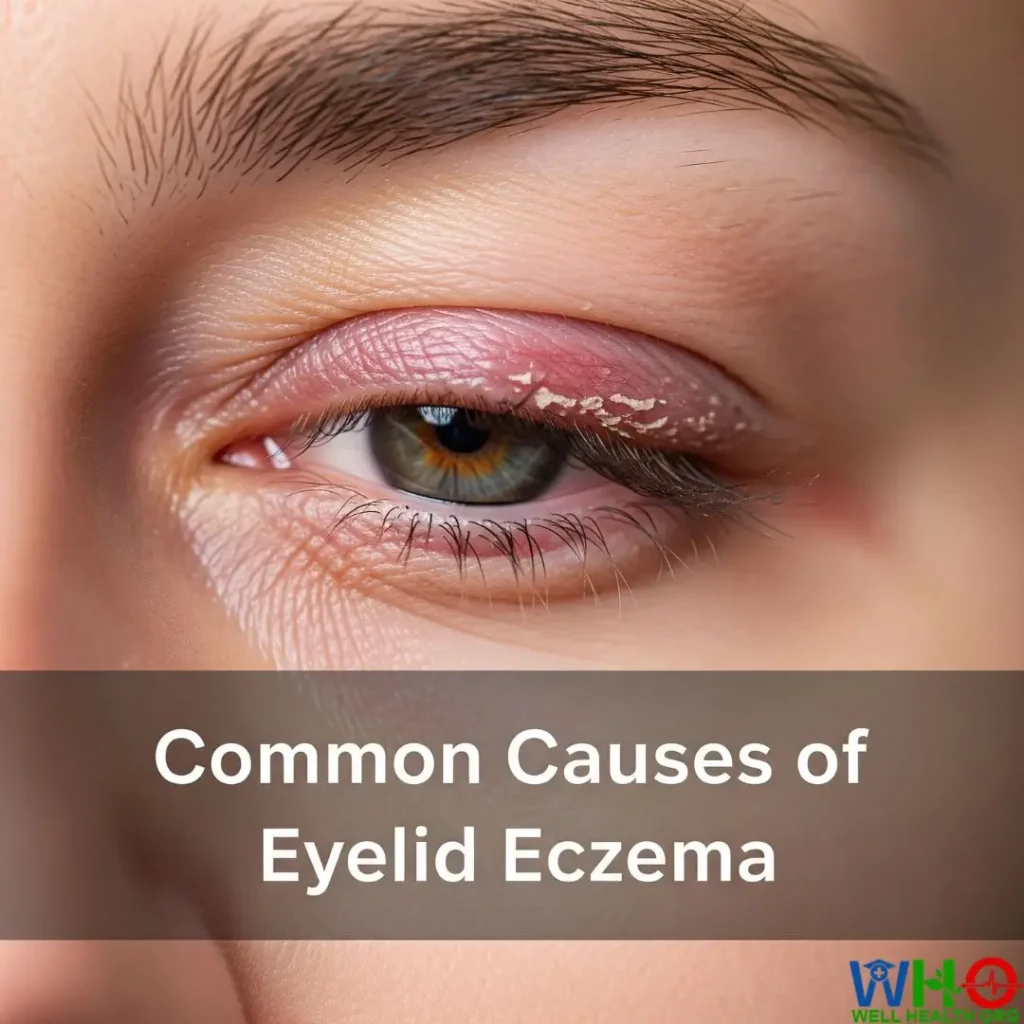
The skin on the eyelids also acts like a sponge—everything from scented products to airborne allergens can accumulate in the folds. Makeup brushes, pillowcases, contact lens solutions, nail polish, and even hair products can irritate the area without you realizing it. Sometimes the trigger isn’t even something you apply directly to the eyes; it can transfer from your hands, hair, or face, making it difficult to pinpoint. In many cases, the trigger is a combination of factors, such as stress weakening the skin barrier while a skincare product further irritates it.
Among the most common causes are atopic dermatitis, contact dermatitis, and seborrheic dermatitis. Each works differently inside the skin, but all lead to the same frustrating symptoms: itching, dryness, redness or discoloration, and swelling. Let’s break down these major categories so you can get a clearer picture of what might be affecting you.
Atopic Dermatitis
Atopic dermatitis is one of the most common causes of eyelid eczema. It is a chronic condition rooted in an overactive immune response, meaning your skin becomes inflamed more easily than someone without eczema. It often runs in families, and many people with this form of eczema also have a history of allergies, hay fever, or asthma. These conditions tend to overlap because they all stem from immune hypersensitivity.
When atopic dermatitis affects the eyelids, the skin becomes extremely reactive. Even products labeled “gentle” can sometimes cause irritation when the skin barrier is already weakened. Flare-ups may occur during seasonal allergy spikes, after stressful events, during dry or cold weather, or when the immune system is under pressure. Because eyelid skin is so thin, these reactions appear more intense than on other body parts. You might experience redness (or dark discoloration on deeper skin tones), itching, and a tight, dry feeling that makes blinking uncomfortable.
External triggers often include fragrances, dust mites, pet dander, pollen, and certain skincare ingredients. Internal triggers may include hormonal changes, stress, poor sleep, or digestive issues. The key with atopic dermatitis is that even if you remove all possible irritants, flare-ups can still happen because the immune system itself is involved. However, knowing that your skin is sensitive by nature can help you build a routine focused on strengthening the skin barrier, reducing inflammation, and avoiding aggressive treatment.
Contact Dermatitis
Contact dermatitis is another major cause of eyelid eczema, and it happens when the skin reacts to something that directly touches it. Unlike atopic dermatitis, which is genetic and immune-based, contact dermatitis is entirely trigger-dependent. It is divided into two categories: irritant contact dermatitis and allergic contact dermatitis.
Irritant contact dermatitis occurs when a substance directly disrupts the skin barrier. This could be a cleanser that’s too harsh, micellar water containing alcohol, astringents like witch hazel, exfoliating acids, retinol, or even your regular shampoo. Eyelids are especially vulnerable because products easily migrate to the eye area during washing or sweating.
Allergic contact dermatitis, on the other hand, occurs when the immune system identifies something as an allergen. This reaction may not occur instantly; sometimes it takes repeated exposure over months or years. Common allergens include nickel from eyelash curlers, preservatives in skincare, artificial fragrances, nail polish, mascara, eyeliner, eyelash extensions, lash glue, and even certain essential oils. People are often surprised to learn that allergens from hair products—like hairspray or leave-in conditioners—can travel to the eyelids and trigger eczema.
Because reactions can appear hours or even days after exposure, it’s not always easy to identify the exact cause. Keeping a symptom diary can help. When the trigger is removed, contact dermatitis usually improves quickly, making this form of eczema highly manageable once you know what’s setting it off.
Seborrheic Dermatitis
Seborrheic dermatitis is a chronic skin condition associated with the overgrowth of a naturally occurring yeast on the skin, known as Malassezia. It commonly affects oily areas like the scalp, eyebrows, sides of the nose, and chest, but it can also appear on the eyelids—especially along the lash line. Some people refer to this as “eyelid dandruff.”
Instead of being caused by an allergen or irritant, seborrheic dermatitis is influenced by oil production, stress, genetics, and sometimes climate changes. When it affects the eyelids, the skin may appear flaky, greasy, or swollen. You might notice yellowish scales near the eyelashes or redness of the upper or lower lid. Many people with this condition also have dandruff on the scalp.
Seborrheic dermatitis tends to come and go in cycles. Flare-ups may worsen during colder months, after stressful periods, or when the skin becomes excessively oily or dry. While it cannot be “cured,” it can be effectively managed with gentle cleansing, targeted products, and lifestyle adjustments. Because eyelid skin is so sensitive, treatment must be mild and consistent; harsh antifungal shampoos should never be applied directly to eyelids.
Recognizing Symptoms of Eyelid Eczema
Understanding the symptoms of eyelid eczema is essential because the condition isn’t always obvious at first. Many people initially confuse it with allergies, eye infections, or simple dryness. However, eyelid eczema has a distinctive set of signs that tend to worsen over time if not addressed. Recognizing these early can help you begin treatment quickly and prevent a flare-up from becoming more severe or spreading.
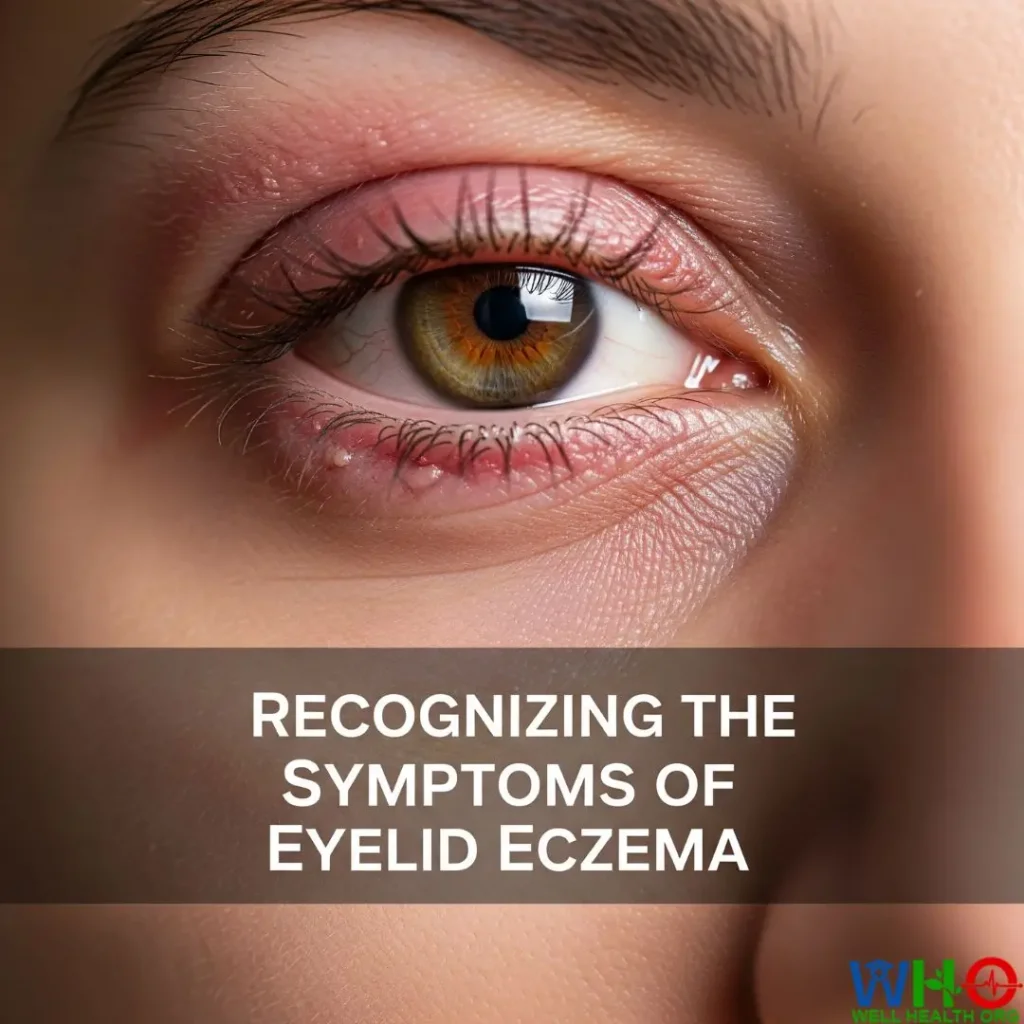
The most common symptom people notice first is itching. This isn’t just a light tickle—it can be an intense, persistent itch that makes you want to rub your eyes constantly. Unfortunately, rubbing only worsens the irritation because it damages the skin barrier even more. It can also lead to swelling or even tiny cracks in the skin. For some people, the itching is worse in the morning, while for others it intensifies at night, especially when fatigue sets in.
Another classic symptom is dryness. Eyelid eczema often makes the area feel tight, rough, or flaky. You may notice little skin flakes on your eyelashes, on your pillow, or when washing your face. In some cases, the skin becomes so dry that it feels papery or thin, making blinking slightly uncomfortable. Dryness may also cause makeup to cling unevenly to the skin, making it more noticeable.
Swelling is also very common. The eyelids may appear puffy or enlarged, especially after scratching. Some people describe their eyelids as feeling “heavy” or “tender.” The swelling may be more noticeable on one side, depending on which eye was rubbed more or which side you slept on. This puffiness can make your eyes look tired, irritated, or even infected, though eczema and infections are not the same.
Discoloration is another symptom, but it appears differently depending on your skin tone. On lighter skin tones, the eyelids may appear red or pink. On deeper skin tones, eczema may look dark brown, purple, gray, or ashy. This can linger even after inflammation has improved, a condition known as post-inflammatory hyperpigmentation.
Some individuals also experience burning or stinging sensations. This often happens after exposure to a product that irritated the skin or during times of intense dryness. Sometimes, the skin becomes so sensitive that even water can sting temporarily.
In more severe cases, tiny cracks, fissures, or scaly patches may appear. These cracks can make the skin more vulnerable to infection, which is one reason why avoiding scratching and keeping the area moisturized is crucial.
By being aware of these symptoms—and recognizing that they may come and go—you’ll be better equipped to respond early and prevent flare-ups from escalating.
Home Remedies for Eyelid Eczema: Safe & Natural Relief
Natural remedies play a huge role in soothing eyelid eczema because the eyelid area cannot tolerate harsh chemical treatments. The best home remedies are gentle, accessible, and focused on calming inflammation while rebuilding the skin’s protective barrier. These methods do not take the place of medical treatment in severe cases, but they are extremely helpful for mild to moderate situations and for preventing flare-ups.
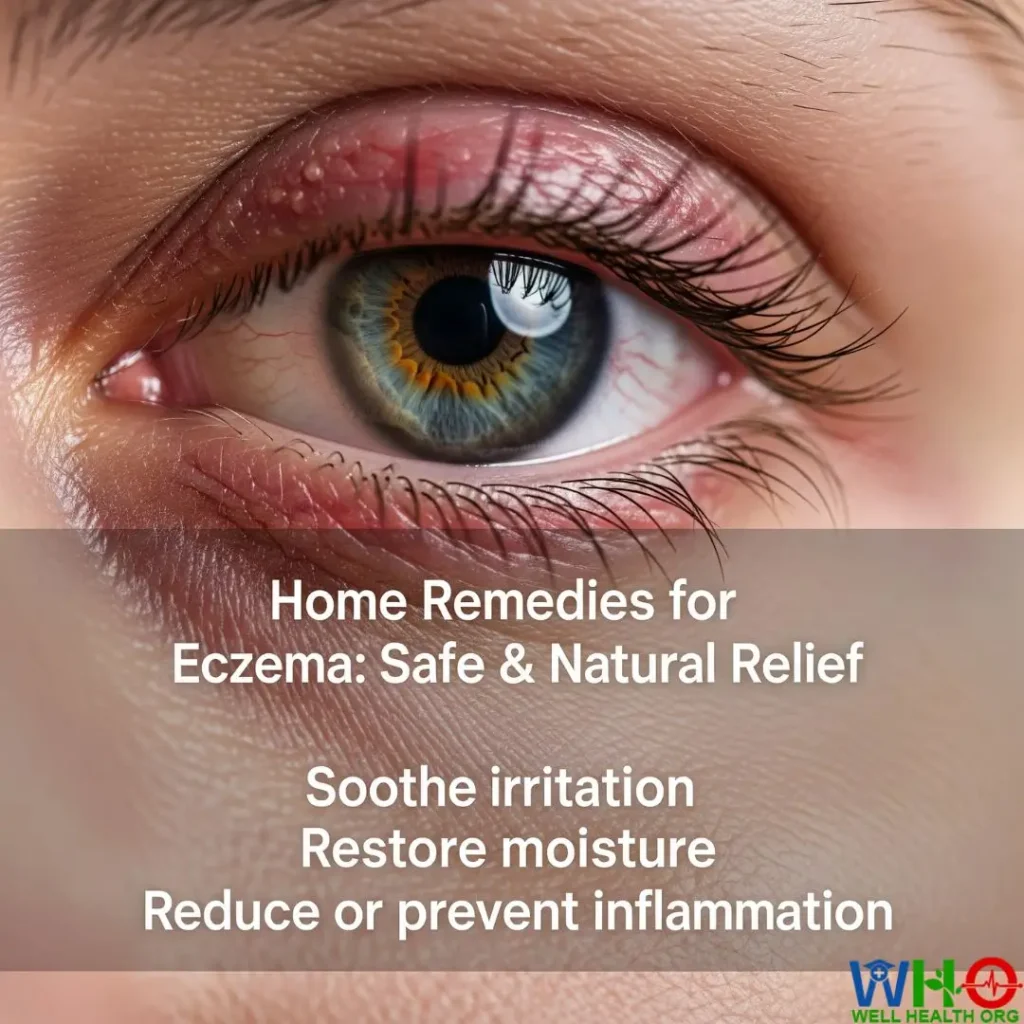
The goal of home treatment is threefold:
- Soothe irritation
- Restore moisture
- Reduce or prevent inflammation
The remedies below accomplish these goals safely, without overwhelming sensitive skin or causing additional irritation.
Cold Compresses
Cold compresses are one of the fastest-acting home remedies for eyelid eczema, and they require almost no preparation. A cold compress works by constricting blood vessels, which helps reduce swelling, redness, and itching. It also numbs nerve endings temporarily, bringing immediate relief from irritation and the urge to scratch.
To use a cold compress effectively, start by soaking a clean, soft cloth in cold water. Wring it out gently so it’s damp but not dripping. You don’t want extra water running into your eyes. Then, place the cloth over your closed eyelids for about 10 to 15 minutes. The cool temperature soothes inflammation and calms the skin almost instantly. You can repeat this method several times a day, especially during intense flare-ups.
One thing to keep in mind is that you should never apply ice directly to your eyelids. Direct ice contact can damage the already sensitive skin, leading to frostbite-like injuries or worsening irritation. If you use an ice pack, make sure it is wrapped securely in a soft cloth. A refrigerated gel mask can also work, as long as it is not too cold.
In addition to cooling the skin, cold compresses help reduce blood flow to inflamed areas, leading to less swelling and redness. Many people notice that their eyelids feel lighter, calmer, and less itchy within minutes. It’s a simple remedy, but when used consistently, it can significantly reduce discomfort and help prevent scratching—which is essential for healing.
Cold compresses also pair well with moisturizing treatments. After cooling the eyelids and reducing inflammation, applying a gentle moisturizer helps lock in hydration and protect the skin barrier. This combination is particularly helpful for moderate to severe flare-ups.
Gentle Cleansing Routine
A gentle cleansing routine is one of the most important steps in managing eyelid eczema, yet it’s often overlooked. Many people assume that because eczema isn’t caused by dirt, cleansing doesn’t play a major role. In reality, the opposite is true. The eyelid area collects allergens, oils, sweat, makeup residue, dust, and even pollen throughout the day. If these particles remain on the skin, they can worsen inflammation and trigger further irritation. But here’s the tricky part: cleansing must be done gently. Harsh cleansers strip the skin’s natural oils, weakening the barrier and making the eczema worse.
To cleanse correctly, start with lukewarm water—never hot. Hot water may feel soothing in the moment, but it strips moisture rapidly and leaves the skin tight and irritated. Lukewarm water keeps the skin comfortable and preserves hydration. Wet your eyelid area fully, then use a mild, unscented cleanser. Look for products specifically labeled for sensitive skin, hypoallergenic formulas, or cleansers with minimal ingredients. Avoid foaming cleansers, as the ingredients that create foam (surfactants) can be too harsh for eczema-prone skin.
When applying the cleanser, use gentle pressure with your fingertips. Avoid scrubbing, rubbing, or dragging the skin. Think of cleansing as lifting debris away, not exfoliating. Make small, light circular motions, keeping the pressure soft. Once you’ve cleansed the eyelid area, rinse thoroughly but gently. Any leftover residue from the cleanser can become an irritant later in the day.
After rinsing, use a soft towel to pat—never rub—the eyelids dry. Rubbing can cause micro-tears in the skin barrier, which worsens dryness and may trigger flare-ups. Patting helps remove water without disturbing the surface of the skin.
During an active flare-up, it’s best to avoid using makeup, including mascara, eyeliner, eyeshadow, and even makeup remover. Many makeup removers contain alcohol or fragrances that can trigger irritation. If you must use makeup, choose products labeled “ophthalmologist-tested,” “hypoallergenic,” or “safe for sensitive eyes.” However, the safest option is to skip makeup entirely until irritation subsides.
Equally important is hand hygiene. Wash your hands thoroughly before touching your eyelids to prevent transferring irritants, bacteria, or allergens. Many people unintentionally cause flare-ups by touching their eyes after handling hair products, cleaning solutions, or food.
Finally, keep your cleansing routine simple. Over-washing or using multiple products can overwhelm the skin and remove essential moisture. A minimal, gentle routine is usually the most effective approach for eyelid eczema.
Moisturizing Balms and Creams
Moisturizing is one of the pillars of eczema care, and when it comes to eyelid eczema, choosing the right product matters even more. The skin around your eyes lacks many of the protective layers found elsewhere on the body, which means it loses moisture quickly and absorbs products more easily. A good moisturizer helps restore the skin barrier, reduce inflammation, and protect against irritants while locking in hydration. Without proper moisturizing, flare-ups can become more frequent and intense.
When selecting a moisturizer for the eyelid area, look for formulas that are fragrance-free, hypoallergenic, and designed for sensitive skin. Fragrance is one of the most common triggers for eczema flare-ups, and even natural fragrances can cause irritation. Thick creams and ointments tend to be more effective than lotions, as they contain a higher concentration of moisturizing ingredients and create a stronger protective barrier on the skin.
Petroleum jelly (such as Vaseline) and ointments like Aquaphor are widely recommended because they form a soothing, protective seal over the skin. This seal helps trap moisture, allowing the skin to heal more quickly. If you prefer a lighter option, look for moisturizers containing ceramides—lipids that naturally occur in the skin barrier. Ceramides help repair damaged skin and improve long-term moisture retention.
Another beneficial category includes moisturizers with calming natural ingredients like chamomile, aloe vera, and calendula. These botanicals are known for their anti-inflammatory and skin-soothing properties. However, you should always patch-test new products before applying them near your eyes. Although natural ingredients can be extremely helpful, some people with eczema have increased sensitivity and may still react to botanicals. Apply a small amount of the product to the inside of your wrist or behind your ear and wait 24 hours to see if any irritation occurs.
The best time to apply a moisturizer to your eyelids is right after cleansing, while the skin is still slightly damp. This helps lock in hydration and allows the product to penetrate more effectively. Use your ring finger—which naturally applies the least pressure—to gently dab the moisturizer onto the eyelids. Avoid rubbing or dragging the skin.
Moisturizing should be done at least twice a day, and more often if your skin feels particularly dry. Reapplying during the day can prevent dryness from spiraling into a full flare-up. Over time, consistent moisturization strengthens the skin barrier, making the eyelids less reactive to triggers and reducing the frequency of eczema episodes.
Herbal & Botanical Remedies
Herbal remedies can offer gentle, natural relief from eyelid eczema, especially when inflammation, dryness, or irritation is persistent. While these remedies are not a cure, they can significantly calm the skin and support healing when used consistently. The key is choosing botanicals known for their soothing, anti-inflammatory properties—and applying them safely.
Chamomile is one of the most popular herbs for eczema relief. Known for its calming and anti-inflammatory effects, chamomile can reduce redness, itching, and swelling. A simple way to use chamomile is to brew two chamomile tea bags, allow them to cool completely, and place them over your closed eyelids for 10 to 15 minutes. The cooled tea soothes irritation while the antioxidants in chamomile help repair the skin. Be sure the tea bags are not hot or warm, as heat can worsen eczema.
Calendula is another powerful botanical used to treat irritated skin. Found in creams, ointments, and oils, calendula has antimicrobial and anti-inflammatory properties that help reduce swelling and redness. Many people find that calendula-based creams speed up healing during flare-ups and prevent dryness between episodes. When using calendula near the eyes, always choose a product specifically labeled safe for facial use.
Aloe vera gel is also helpful for reducing burning and stinging sensations. However, you must choose pure aloe vera without added fragrances or alcohol, which can worsen irritation.
No matter which herbal remedy you choose, always perform a patch test before applying anything to your eyelids. Eczema-prone skin is sensitive, and even natural ingredients can sometimes trigger reactions. Apply a small amount to a different area of skin first, then wait 24 hours to ensure there is no redness, itching, or swelling.
Herbal remedies work best when combined with cold compresses and proper moisturizing. They provide additional support for the skin but shouldn’t replace essential steps like gentle cleansing or barrier protection.
Lifestyle Adjustments That Help Prevent Flare-Ups
Lifestyle habits play a major role in managing eyelid eczema. Even the best home remedies can only go so far if daily routines continue to irritate the skin or trigger inflammation. Because eyelid eczema is often influenced by internal factors—stress, sleep, diet, and overall skin health—making certain adjustments can dramatically reduce flare-ups and improve long-term comfort. Think of these changes as building a protective foundation for your skin. They don’t replace natural remedies or moisturizers, but they make them work even better.
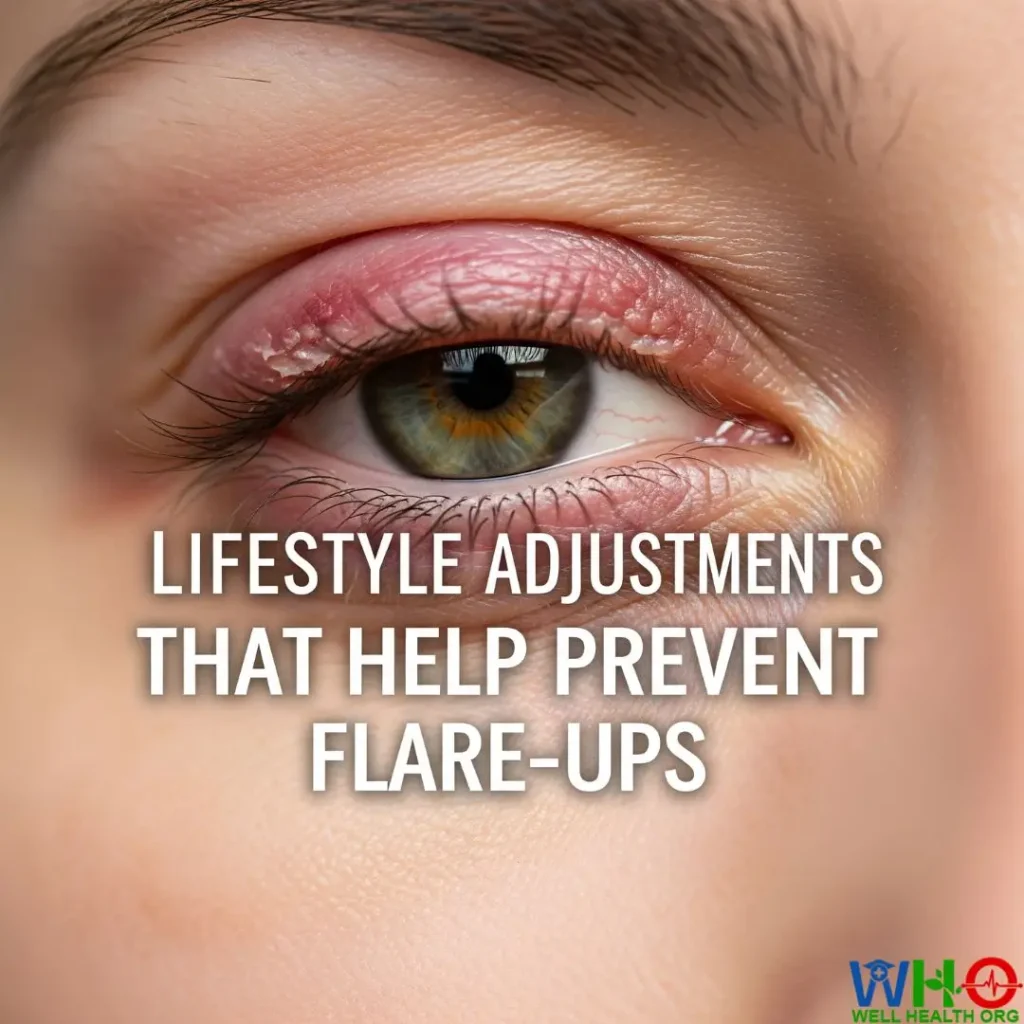
Many people notice that their eyelid eczema behaves unpredictably—flaring during stressful weeks, drying out in cold weather, or worsening after certain meals. These patterns are important clues. Eyelid skin is thin and vulnerable, so anything that affects the body internally often shows up here first. When you commit to healthier habits, you support your skin from the inside out.
The following lifestyle strategies are simple but powerful. They help regulate inflammation, strengthen the skin barrier, minimize irritants, and support the immune system—all of which are essential for eczema-prone skin.
Dietary Considerations
Although there is no one-size-fits-all “eczema diet,” many people find that their symptoms improve when they pay attention to what they eat. Certain foods can trigger inflammation, worsen dryness, or increase histamine levels in the body—all of which may contribute to eczema flare-ups.
Common food triggers include dairy, gluten, eggs, nuts, soy, shellfish, and highly processed foods. Sugary snacks and drinks can also worsen inflammation. However, triggers vary widely from person to person. This is why keeping a food diary can be incredibly helpful. Write down what you eat each day and note any changes in your eczema symptoms. Over time, patterns may emerge that reveal your personal triggers.
On the other hand, some foods help reduce inflammation. Omega-3-rich meals—like salmon, walnuts, chia seeds, and flaxseeds—nourish the skin and support barrier function. Antioxidant-rich fruits and vegetables, such as berries, leafy greens, sweet potatoes, and bell peppers, help the body fight inflammation. Hydration also plays a significant role. Drinking enough water helps maintain moisture levels in the skin, making it less prone to cracking or flaking.
If you suspect food allergies or intolerances, consider talking to a healthcare professional or allergist. They can help identify triggers through testing or elimination diets. While diet alone won’t cure eyelid eczema, it can significantly reduce flare-ups when combined with consistent skincare habits.
Stress Management
Stress is one of the most well-known triggers for eczema, and eyelid eczema is no exception. When stress levels rise, the body releases hormones like cortisol, which can disrupt the skin barrier, increase inflammation, and make the skin more reactive. This is why many people notice their eyelid eczema worsen during emotionally demanding periods—busy schedules, major life changes, lack of rest, or even everyday pressure.
Managing stress doesn’t mean eliminating it entirely—something that’s nearly impossible. Instead, the goal is to find techniques that help your body stay balanced. Simple stress-relief practices can make a noticeable difference. Meditation, deep breathing exercises, yoga, and stretching all help calm the nervous system. Even just five minutes a day can produce benefits over time.
Journaling, reading, spending time outdoors, or connecting with loved ones are also valuable for managing stress. For some individuals, reducing screen time—especially before bed—helps minimize eye strain and irritation, which can reduce rubbing and inflammation around the eyelids.
Another helpful practice is creating small pockets of rest throughout the day. Short breaks can reduce cortisol spikes, giving the body more opportunities to repair and recover. Over time, consistent stress management strengthens the skin barrier, making flare-ups less frequent and less intense.
Improve Your Sleep
Quality sleep is essential for skin repair. When you sleep, your body activates processes that restore the skin barrier, regulate moisture levels, and reduce inflammation. Poor sleep, on the other hand, can directly trigger eczema flare-ups—especially around the eyes, where fatigue shows quickly.
Creating a calming bedtime routine helps signal the body that it’s time for rest. This might include dimming the lights, avoiding screens for an hour before bed, and practicing gentle breathing exercises. Keeping your bedroom cool, dark, and quiet also supports deeper sleep.
Your pillowcase may also be contributing to eczema. Cotton can absorb oils and trap irritants, which then transfer to your eyelids. Switching to a silk or satin pillowcase can reduce friction and irritation. Washing your pillowcases frequently with fragrance-free detergents helps prevent the buildup of allergens, makeup residue, and dust mites.
Another important tip is keeping your fingernails short. Many people unknowingly scratch their eyes during sleep. Short nails minimize skin damage and prevent bacteria from entering tiny cracks. If you tend to rub your eyes unconsciously, consider wearing light cotton gloves at night.
Consistent sleep habits don’t just improve eyelid eczema—they support your overall health, immune function, and mood. When the body is well-rested, the skin becomes more resilient and better able to heal.
When Home Remedies Are Not Enough
While home remedies and lifestyle changes help many people manage mild to moderate eyelid eczema, they’re not always enough. There are times when the condition becomes too severe, too persistent, or too uncomfortable to treat at home. Knowing when to seek professional help is important because the eyelid area is extremely delicate, and prolonged inflammation can lead to complications.
If your symptoms don’t improve after one to two weeks of consistent home care, it may be time to consult a healthcare provider. Persistent redness, intense itching, or swelling that affects your vision are clear signs. Another red flag is the appearance of oozing, crusting, or yellow discharge—these may indicate an infection that requires medical treatment.
Some individuals experience chronic flare-ups that return frequently, even with careful skincare. This may suggest an underlying allergy or health condition that needs to be identified through testing. A dermatologist or allergist can help pinpoint the cause and recommend specialized treatments.
It’s also important to avoid guessing or experimenting with over-the-counter steroid creams on your eyelids. Many steroid products are too strong for the eye area and can cause thinning of the skin or increase the risk of glaucoma with prolonged use. Medical guidance ensures you use safe, targeted treatments without putting your vision at risk.
If you ever feel unsure about whether your symptoms are normal or worsening, it’s always better to ask a professional. The goal is to protect both your skin and your eyes.
Medical Treatments for Eyelid Eczema
When home remedies aren’t enough, doctors may prescribe medical treatments specifically tailored for the eyelid area. These treatments are designed to reduce inflammation, stop flare-ups, and restore the skin barrier safely.
Topical Corticosteroids
Low-dose steroid creams may be prescribed for short-term use. Because eyelid skin is thin, only very mild steroids should be used—and only under a doctor’s supervision.
Topical Calcineurin Inhibitors
Medications such as tacrolimus and pimecrolimus are non-steroidal options that treat inflammation without the risk of skin thinning. They are often used for long-term management.
Oral Medications
For severe or widespread eczema, oral medications may be necessary to control inflammation from within.
These treatments can be extremely effective, but you should never use them without medical guidance.
Long-Term Prevention & Eyelid Skin Care Tips
Long-term management is all about consistency. The strategies below help prevent flare-ups:
- Stick to gentle skincare products
- Keep your eyelids moisturized daily
- Avoid rubbing your eyes
- Be mindful of makeup ingredients
- Reduce stress whenever possible
- Protect your skin from extreme weather
When you care for your eyelids consistently, flare-ups become less frequent, less intense, and easier to manage.
Conclusion
Eyelid eczema may be frustrating, uncomfortable, and unpredictable, but it’s also manageable with the right approach. By identifying triggers, using gentle home remedies, making supportive lifestyle adjustments, and seeking professional care when needed, you can significantly reduce flare-ups and soothe irritation. The delicate skin around your eyes deserves mindful, gentle care—small daily habits truly make a big difference. With patience and consistency, relief is absolutely possible.
FAQs
1. Can eyelid eczema go away on its own?
Yes, mild cases may improve with proper care, but chronic or severe eczema usually requires consistent treatment.
2. Are home remedies safe for children with eyelid eczema?
Most gentle remedies are safe, but always consult a pediatrician before trying new treatments on children.
3. Can stress trigger eyelid eczema?
Absolutely. Stress hormones can trigger flare-ups and weaken the skin barrier.
4. How long does eyelid eczema take to heal?
With proper care, mild cases may improve within a week, while more severe cases may take several weeks.
5. Which makeup products are safe for eczema-prone eyelids?
Choose hypoallergenic, fragrance-free, ophthalmologist-tested products.
Medically Reviewed by Prof. Dr. Akram
Orthopedic Surgeon | Professor | Senior Medical Specialist
Prof. Dr. Akram is a distinguished surgeon with over 15 years of clinical expertise. Having served as a lead Emergency Specialist at Complex International Government Hospital, he currently leads a specialized team of 13 medical professionals at his private hospital. As a Professor at top medical universities, he ensures that every article on WellHealthOrg.com meets rigorous clinical standards.
Medical Disclaimer:
The information provided is for educational purposes only and is not a substitute for professional medical advice, diagnosis, or treatment. Always consult your physician for any medical concerns.
Our content is rigorously fact-checked by our 13-member Editorial Team under the clinical supervision of Prof. Dr. Akram.