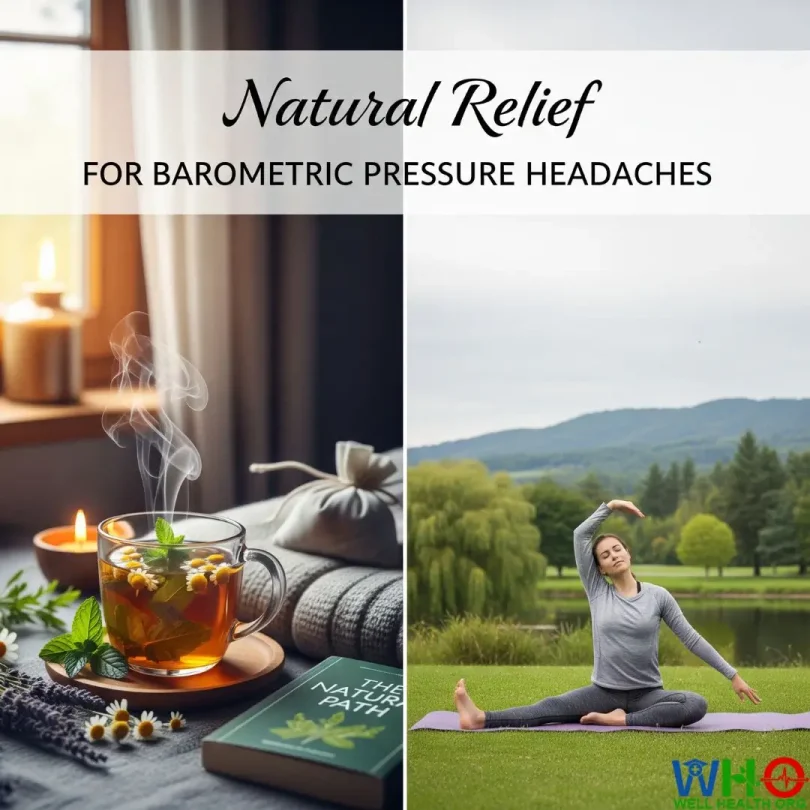
Introduction: When the Weather Affects Your Head
Barometric pressure headaches have a way of sneaking up on you at the most unexpected times—right before a thunderstorm rolls in, during a long car ride up a mountain highway, or even while sitting inside an airplane as it ascends into the sky. Many people describe the sensation as a deep, pulsing ache that seems to respond to the atmosphere itself, like your head has become a sensitive barometer reacting to every natural shift around you. If you’ve ever felt that familiar pressure building behind your eyes or a tightening sensation around your temples when the weather changes, you’re definitely not alone. Far more people experience this phenomenon than they realize.
- Introduction: When the Weather Affects Your Head
- What Exactly Are Barometric Pressure Headaches?
- Why Some People Are More Sensitive Than Others
- Symptoms You Might Experience During Pressure Changes
- Natural Remedies for Barometric Pressure Headaches
- Stay Hydrated
- Sip on Herbal Teas
- Boost Your Magnesium Intake
- Use Essential Oils for Aromatherapy
- Make Dietary Adjustments
- Lifestyle Changes to Prevent Headaches
- Maintain a Regular Exercise Routine
- Keep a Consistent Sleep Schedule
- Conclusion: Taking Back Control from Weather-Triggered Headaches
- FAQs About Barometric Pressure Headaches
- 1. Why do my headaches get worse before it rains?
- 2. Can barometric pressure headaches be prevented?
- 3. Which natural remedy works fastest for weather-related headaches?
- 4. What foods should I avoid if I get barometric pressure headaches?
- 5. Do barometric pressure headaches mean something is wrong with my health?
Weather-related headaches are frustrating because they feel out of your control. You can’t ask a storm to hold off or the altitude to stay constant, so your instinct might be to simply endure the pain until it passes. But the good news is that understanding how barometric pressure affects the body opens the door to powerful, natural relief options. When you understand the “why,” it becomes much easier to figure out the “how” of keeping symptoms at bay.
In this comprehensive guide, the goal is to help you become more in tune with your body and its response to atmospheric changes. By exploring the science behind barometric pressure headaches and learning a variety of natural, effective remedies, you’ll gain the tools to care for yourself confidently—without relying solely on medication. Whether you prefer herbal teas, aromatherapy, dietary adjustments, or lifestyle changes, you’ll find strategies to ease discomfort and prevent headaches from forming in the first place.
You’ll also discover practical examples, real-life scenarios, and additional insights that make this more than an informational article—it becomes a personalized resource for managing headaches in a natural, sustainable way. No matter where you live or what your climate is like, these tools can help you take control of your wellbeing and minimize the impact of weather on your daily life.
What Exactly Are Barometric Pressure Headaches?
Barometric pressure headaches are a type of headache triggered by changes in atmospheric pressure—the weight of the air surrounding your body. Even though we often don’t consciously notice pressure changes, our bodies are surprisingly sensitive to them. If you’ve ever experienced a headache before a storm, during a flight, or when moving to a higher elevation, you’ve already felt how intimately connected your body is with the environment around you.

What sets barometric pressure headaches apart from regular tension headaches or even migraines is the specific triggering factor: a shift in outdoor pressure that your body has to adapt to. When the pressure drops, the air around you becomes less dense. This creates a kind of discrepancy between the outside environment and the air-filled cavities inside your skull, particularly your sinuses and inner ears. These areas are extremely sensitive and can swell or become irritated when external pressure changes quickly.
Many people describe these headaches as a heaviness behind the eyes, a tight band around the temples, or a throbbing sensation that feels like internal pressure trying to escape. In some cases, the symptoms overlap with migraines, including sensitivity to light, sound, and smells. In others, the discomfort feels more like sinus pressure, even when there’s no sinus infection present.
A unique aspect of barometric pressure headaches is how unpredictable they can be. You might feel perfectly fine one day and then wake up the next morning with pounding pain simply because a storm system passed through overnight. Or you might notice a headache slowly creeping in as you ascend to higher altitudes during a road trip. Because these headaches rely on environmental factors beyond your control, they can feel especially discouraging.
However, understanding their root cause helps demystify the experience. Knowing that your body is reacting to external shifts—not that something is “wrong” internally—can be reassuring. It also makes it easier to apply targeted strategies to reduce inflammation, relax tension, and prevent symptoms from escalating. As you learn more about how barometric pressure interacts with the body, you’ll be better equipped to manage these headaches naturally and proactively.
Why Some People Are More Sensitive Than Others
Not everyone feels the effects of atmospheric pressure changes in the same way. You might have a friend who never even notices when a storm is coming, while you can practically predict the weather with the tightening sensation in your temples. This difference isn’t random—there are specific biological, genetic, and environmental factors that make certain individuals more prone to barometric pressure headaches.

One of the biggest contributors is genetics. Some people are simply born with a more sensitive nervous system. If migraines or chronic headaches run in your family, there’s a higher chance you’ll notice a stronger reaction to weather changes as well. The nerves and blood vessels involved in sensing pressure, inflammation, and head pain are more reactive in some individuals, meaning even small shifts in the environment can trigger noticeable symptoms.
Another key factor is pre-existing conditions. People who have sinus issues—such as chronic sinusitis, allergies, or structural sinus variations—tend to feel barometric pressure changes more intensely. When the sinuses are already inflamed or congested, any change in external pressure can cause swelling, discomfort, and increased sensitivity. This is why some people experience headaches during seasonal transitions or in environments with dry indoor air.
Migraine sufferers are also more vulnerable. Their brains are hypersensitive to sensory stimuli, including changes in pressure, light, humidity, and temperature. While not every migraine is weather-triggered, research consistently shows that people with migraines are significantly more likely to experience weather-related headaches than those without a migraine history.
Lifestyle plays a surprisingly big role as well. High stress levels, poor sleep habits, dehydration, and inconsistent eating schedules all make the body less resilient. When the body is already overstimulated or undernourished, even a small atmospheric change can feel overwhelming. This is why some people notice more headaches during busy weeks or after nights of poor sleep.
Hormonal fluctuations are another major influence—particularly for women. Estrogen levels affect blood vessels and inflammation levels in the brain. Because estrogen naturally rises and falls throughout the menstrual cycle, pregnancy, and menopause, many women notice stronger weather-related headaches during certain phases of their hormonal cycle.
Environmental exposure matters too. If you live in a region with frequent storms, high humidity, or rapid temperature shifts, you might experience more barometric pressure headaches simply because you’re exposed to more triggers. High-altitude regions also pose challenges, as pressure changes are more dramatic.
Ultimately, sensitivity to barometric pressure is a combination of biology, lifestyle, and environment. Understanding why you’re more sensitive helps you take back control. Instead of feeling like these headaches appear out of nowhere, you start to recognize your patterns—and recognizing your patterns is the first step toward preventing and managing symptoms effectively.
Symptoms You Might Experience During Pressure Changes
Barometric pressure headaches can show up in a wide variety of ways, and the symptoms aren’t always limited to simple head pain. Many people are surprised to discover that the discomfort they feel during weather changes is actually connected to atmospheric pressure shifts. Understanding the full range of symptoms can help you identify your own patterns earlier, manage them more effectively, and prevent the headache from escalating into something more severe.

The most common symptom, of course, is head pain. This often feels like a deep, steady pressure behind the eyes or in the forehead—almost as if your head is being gently squeezed from the inside. Some people describe it as a dull ache that slowly intensifies, while others feel sharp, pulsating pain on one side of the head. The pressure can spread into the temples, the back of the skull, or even down the neck, depending on how sensitive your nerves and muscles are at that moment.
Many individuals also experience sinus-related symptoms even when they don’t have a sinus infection. These can include a feeling of fullness in the face, mild congestion, or tenderness around the cheekbones. This happens because the air trapped inside your sinus cavities reacts to the pressure change outside, creating a subtle but noticeable internal shift that feels like swelling. If you’re prone to sinus problems, these symptoms may feel more intense and can easily be mistaken for a sinus headache.
Another common symptom is increased sensitivity to sensory stimuli. You might notice that bright lights suddenly feel harsher, loud noises seem more startling, or strong smells feel overwhelming. These sensory changes are a sign that your nervous system is reacting to the atmospheric shift and entering a hypersensitive state—similar to what happens during a migraine.
Some people experience dizziness, lightheadedness, or a sense of imbalance. This happens because pressure changes affect the inner ear, which controls your sense of equilibrium. Even a slight disturbance in this area can make you feel unsteady or unusually fatigued. In certain cases, people report experiencing slight nausea, especially if the headache is accompanied by a rapid drop in air pressure or a sudden weather front.
Other symptoms can include muscle tension in the shoulders and neck, irritability, difficulty concentrating, and even mild brain fog. When your body is trying to compensate for external pressure changes, it can divert energy away from mental clarity and focus, leaving you feeling mentally sluggish or unfocused.
These symptoms can range from mildly inconvenient to significantly disruptive, depending on your sensitivity level. The good news is that understanding the symptoms gives you a huge advantage. Instead of waiting until the headache becomes unbearable, you can intervene early with natural remedies, hydration, relaxation techniques, or other strategies discussed later in this article. Over time, this proactive approach can dramatically reduce the severity and duration of barometric pressure headaches.
Natural Remedies for Barometric Pressure Headaches
Managing barometric pressure headaches doesn’t have to rely solely on medication. While pain relievers can certainly help during severe episodes, many people find that natural remedies offer gentle, effective relief—often without side effects. What makes natural strategies so powerful is that they support the body’s ability to adapt to pressure changes rather than merely masking symptoms. By strengthening your body’s resilience, calming inflammation, and easing tension, you create a more stable internal environment even when the weather is unpredictable.

Natural remedies also allow you to be proactive. Instead of waiting for a weather-induced headache to strike, you can build habits that make your body less reactive in the first place. These remedies don’t require expensive equipment, complicated routines, or hard-to-find ingredients. Most can be incorporated easily into daily life, giving you a sense of control that many people with weather-related headaches feel they’ve been missing.
Each strategy described below targets a specific root cause of barometric pressure headaches—whether it’s dehydration, inflammation, muscle tension, or nerve sensitivity. By combining a few of these remedies, you can create a personalized toolkit that works for your unique body and lifestyle. Some people discover that hydration alone makes a huge difference, while others find relief through herbal teas, nutritional support, or aromatherapy. The key is to experiment, observe how your body responds, and gradually build a routine that supports your well-being in all types of weather.
The natural remedies in this section are safe for most individuals, but it’s important to listen to your body. If something doesn’t feel right or if your symptoms worsen, make adjustments or consult a healthcare professional. When used mindfully, these remedies can significantly reduce the intensity and frequency of weather-triggered headaches and help you feel more grounded and in control when atmospheric conditions fluctuate.
Stay Hydrated
Hydration is one of the simplest, most powerful tools for preventing barometric pressure headaches. While it may seem almost too basic, being slightly dehydrated can dramatically increase your susceptibility to head pain—especially when your body is already dealing with external pressure changes. When you’re dehydrated, the blood becomes thicker, circulation slows, and the brain temporarily contracts away from the skull. This creates additional tension inside the head, making any atmospheric change feel more intense.
Many people underestimate how easily dehydration can occur. You don’t have to feel thirsty to be dehydrated. Things like stress, caffeine, air-conditioned environments, dry winter air, or even simply forgetting to drink water throughout a busy day can cause fluid levels to drop without you realizing it. When a storm front or sudden pressure shift happens on top of that, your body is already at a disadvantage.
A practical approach is to drink water steadily throughout the day instead of chugging large amounts at once. This helps the body absorb fluids more effectively and keeps your cells hydrated consistently. Carrying a reusable water bottle, setting hydration reminders, or using a water-tracking app can make a big difference if you often forget to drink.
Electrolytes can also play an important role. If you sweat heavily during exercise, drink a lot of coffee, or live in a hot climate, you may need more than plain water. Adding a pinch of mineral salt to your water, drinking coconut water, or using electrolyte tablets can help restore balance and support better hydration. Electrolytes help your cells absorb water efficiently and maintain fluid stability—something that becomes especially important when barometric pressure fluctuates.
Another tip is to monitor the color of your urine. A pale, light-yellow color usually indicates good hydration, while darker shades suggest you need to drink more. Foods with high water content—such as cucumbers, watermelon, oranges, berries, and leafy greens—also support overall hydration and can be especially helpful on days when you expect weather changes.
Proper hydration won’t necessarily prevent every barometric pressure headache, but it significantly reduces their intensity and frequency. You may notice that headaches feel less severe, resolve more quickly, or don’t appear at all when your hydration levels are optimal.
Sip on Herbal Teas
Herbal teas have been used for centuries to soothe discomfort, ease tension, and support the body during moments of stress—and they’re especially helpful when it comes to barometric pressure headaches. Unlike caffeinated beverages, which can sometimes make headaches worse by causing dehydration or stimulating the nervous system, herbal teas work gently with your body. They provide hydration, warmth, relaxation, and in many cases, targeted therapeutic properties that naturally calm inflammation or soothe sensitive nerves.
One of the best herbal options is ginger tea. Ginger has natural anti-inflammatory compounds—specifically gingerols and shogaols—that help reduce swelling and irritation in the body. When barometric pressure drops and inflammation increases inside the sinuses or blood vessels, ginger can act as a natural counterbalance. Many people also find ginger helpful when their headaches come with nausea, dizziness, or digestive discomfort. A warm cup of ginger tea not only eases physical symptoms but also promotes a sense of comfort and grounding when the weather feels unsettled.
Another soothing choice is chamomile tea. Chamomile is well-known for its calming, sleep-supporting properties, but its benefits go beyond relaxation. It helps ease muscle tension, reduce mild inflammation, and support the nervous system during stressful or overstimulating moments. If your headaches tend to be accompanied by anxiety, irritability, or trouble falling asleep, chamomile can be particularly effective. Drinking it in the evening can also support better rest, which indirectly reduces headache frequency over time.
Peppermint tea is another powerful option. Peppermint contains menthol, a natural compound that relaxes smooth muscles and promotes easier circulation. This can be incredibly helpful when headaches are caused by tight muscles in the neck, shoulders, or jaw. Even inhaling the steam from a freshly brewed cup of peppermint tea can bring relief by opening the sinuses and creating a cooling sensation around the face and forehead. Many people find that peppermint tea provides almost immediate soothing effects, making it a great “first response” when a barometric pressure headache first begins to build.
To maximize benefits, drink your herbal tea slowly and mindfully. The warmth helps relax your muscles, while the aromatic steam supports sinus and respiratory comfort. You can also enhance your tea with small additions like honey, lemon, or fresh mint, depending on your preferences. These touches not only improve flavor but can add additional soothing properties.
Herbal teas are safe for daily use and can easily become part of your preventative routine. Keeping a variety of teas on hand allows you to choose the one that best matches your symptoms each day. Over time, this simple habit can significantly reduce the intensity of weather-related headaches and help your body respond more calmly to atmospheric changes.
Boost Your Magnesium Intake
Magnesium is one of the most important minerals for the human body, playing a vital role in muscle function, nerve communication, and blood pressure regulation. Unfortunately, many people don’t get enough magnesium through their diets, which can lead to increased sensitivity to stress, muscle tension, and—you guessed it—headaches. If you’re prone to barometric pressure headaches, increasing your magnesium intake could be one of the most effective natural strategies for relief.

One of the reasons magnesium is so helpful is that it supports healthy blood vessel function. During pressure changes, blood vessels can constrict or swell, contributing to headache pain. Magnesium helps keep blood vessels flexible and responsive, reducing the likelihood of severe throbbing or pressure sensations. It also plays a significant role in calming overactive nerves, making the nervous system less reactive to environmental triggers like weather changes.
Foods rich in magnesium include leafy greens (such as spinach and kale), nuts, seeds, whole grains, legumes, and dark chocolate. Incorporating these foods into your daily meals can gradually raise magnesium levels over time, helping your body become more resilient during storms or altitude changes. Smoothies, grain bowls, and salads are easy ways to sneak more magnesium-rich foods into your routine without feeling like you’re making drastic changes.
For some individuals, dietary magnesium alone isn’t enough—especially if they’re dealing with chronic migraines or frequent weather-triggered headaches. In these cases, a magnesium supplement may offer additional support. Forms like magnesium glycinate or magnesium citrate tend to be better absorbed and easier on the stomach than other varieties. If you’re considering supplementation, it’s wise to start with a low dose and increase gradually while paying attention to how your body responds.
Topical magnesium, such as magnesium spray or magnesium-infused lotions, can also be helpful. These products are absorbed through the skin and can target muscle tension in areas like the neck and shoulders, which often play a role in barometric pressure headaches. Many people find topical magnesium calming, especially when used before bed.
Whether through food, supplements, or topical products, increasing magnesium intake offers a gentle but powerful way to support your overall headache health. Over time, many individuals notice fewer headaches, quicker recovery when headaches do occur, and a greater sense of calm and stability during weather shifts.
Use Essential Oils for Aromatherapy
Aromatherapy is one of the most comforting and gentle natural remedies for barometric pressure headaches. Essential oils—highly concentrated plant extracts—can influence the nervous system, ease tension, reduce inflammation, and promote a sense of calm when weather shifts trigger head pain. Many people underestimate how profoundly scent can affect the body, but smell is directly linked to the limbic system, the emotional and memory center of the brain. This means aromatherapy can create immediate shifts in mood and relaxation, which is often exactly what a headache-prone body needs.

Two of the most effective essential oils for headache relief are lavender and peppermint. Lavender has long been used for its calming, soothing properties. It helps reduce stress, relax the muscles, and promote deeper breathing—all of which can ease the discomfort of a pressure-related headache. When barometric pressure drops and your nervous system becomes hypersensitive, inhaling lavender oil can help slow down that overreaction. You can diffuse it in your bedroom, apply a diluted mixture to your temples, or even add a few drops to a warm bath.
Peppermint oil provides a completely different but equally powerful type of relief. The menthol in peppermint creates a cooling sensation on the skin, which helps relax tight muscles and improves blood flow in the affected area. If your barometric pressure headaches tend to start in the temples, forehead, or neck, applying peppermint oil topically (always diluted with a carrier oil like coconut or jojoba) can provide targeted comfort. It works especially well for headaches triggered by tension, sinus pressure, or fatigue.
Other essential oils can be helpful too. Eucalyptus oil supports easier breathing and sinus drainage, making it ideal for headaches that feel “stuffy” or pressure-heavy. Rosemary oil has natural analgesic properties and can help sharpen mental clarity when headaches cause fogginess. Frankincense is excellent for calming an overstimulated nervous system and reducing inflammation.
When using essential oils, safety is important. Never apply them directly to the skin without dilution, and avoid contact with the eyes. Start with a small amount to test sensitivity. A diffuser, roller bottle, or steam inhalation is often the gentlest way to enjoy aromatherapy benefits. Even a few deep breaths of the right scent can make a noticeable difference in how your head feels.
Incorporating essential oils into your routine can make you feel more grounded and supported when weather conditions become unpredictable. Many people find that combining aromatherapy with hydration or herbal tea creates a powerful synergy that reduces both the severity and duration of barometric pressure headaches.
Make Dietary Adjustments
What you eat plays a surprisingly influential role in how your body handles barometric pressure changes. While diet alone won’t prevent every headache, it can significantly reduce the frequency and intensity of weather-triggered episodes. Food can either support your body’s resilience or add extra stress to an already sensitive system. By making a few mindful adjustments, you can create an internal environment that’s far less reactive when the weather shifts.
One of the most important dietary principles to follow is prioritizing anti-inflammatory foods. Barometric pressure fluctuations often trigger inflammation in the sinuses, blood vessels, or nerves. Foods rich in antioxidants and anti-inflammatory compounds help counteract this internal swelling, reducing the likelihood of pain. Fatty fish (such as salmon, sardines, and mackerel), walnuts, flaxseeds, leafy greens, turmeric, and colorful vegetables are excellent options. These foods nourish the blood vessels and support steady circulation, which helps stabilize your response to pressure changes.
It’s also helpful to maintain steady blood sugar levels. Sudden drops in blood sugar can make your body more sensitive to headache triggers. Eating balanced meals that include protein, healthy fats, and complex carbohydrates helps keep your energy stable and reduces nervous system reactivity. Skipping meals or relying on sugary snacks can create a roller-coaster effect that magnifies the impact of barometric shifts.
Avoiding common headache-triggering foods is equally important. Certain ingredients can heighten inflammation or stimulate the nervous system in ways that worsen weather-related symptoms. Common culprits include processed meats, artificial sweeteners, alcohol, excessive caffeine, and foods high in MSG. While not everyone reacts to the same triggers, keeping a simple food diary can help you pinpoint patterns. For example, you might notice that eating salty foods on days with falling pressure worsens sinus pressure or that too much caffeine increases sensitivity to bright light and sound.
Hydration through food is another helpful strategy. Water-rich foods—such as cucumbers, berries, melons, citrus fruits, and leafy greens—help maintain fluid balance and prevent dehydration-related headaches. Smoothies made with spinach, berries, ginger, and chia seeds can be both nourishing and hydrating.
Finally, paying attention to meal timing can make a noticeable difference. Eating small, balanced meals throughout the day helps keep your metabolism stable, supporting your body’s ability to cope with external stressors. Consistency is key: the more predictable your eating habits, the more temperature and weather-resistant your body becomes.
Dietary adjustments don’t have to be overwhelming or restrictive. The goal is to nourish your system so that when barometric pressure shifts, your body is already well-supported, hydrated, and prepared.
Lifestyle Changes to Prevent Headaches
While natural remedies can provide relief during a barometric pressure headache, lifestyle changes help reduce how often those headaches happen in the first place. Think of these habits as your long-term defense system—small everyday actions that make your body more resilient when the atmosphere shifts. By strengthening your overall health and reducing stress on your nervous system, these lifestyle adjustments help keep weather-related headaches from becoming a constant disruption.
The great thing about lifestyle-based prevention is that it doesn’t rely on quick fixes. Instead, it focuses on building a foundation of well-being that supports your system through both stable and unpredictable weather patterns. Whether it’s improving your sleep, staying active, managing stress, or maintaining steady routines, these habits gradually reduce your sensitivity to external triggers. Over time, you may find that your headaches become less frequent, less intense, and easier to manage.
Below are some of the most effective long-term strategies for preventing barometric pressure headaches.
Maintain a Regular Exercise Routine
Regular physical activity is one of the most powerful tools you have for preventing barometric pressure headaches. Exercise enhances circulation, reduces stress hormones, and releases endorphins—your body’s natural pain-relieving chemicals. These benefits help stabilize the systems that are often disrupted during atmospheric pressure changes.
When you exercise, your blood vessels become more flexible and efficient, making them less reactive to sudden shifts in pressure. This flexibility is essential when weather fronts move quickly or when you’re exposed to altitude changes. Improved circulation also helps your brain receive a steady supply of oxygen, which can prevent the dizziness, fogginess, and fatigue that often accompany weather-triggered headaches.
The type of exercise you choose doesn’t have to be intense. In fact, gentle to moderate activities tend to be the most effective for headache prevention. Walking, swimming, yoga, cycling, and light strength training all support healthy blood flow without overwhelming the body. High-intensity workouts can sometimes trigger headaches in sensitive individuals, so it’s important to find the level of activity that feels energizing rather than draining.
Consistency is more important than intensity. Aim for 30 minutes of moderate movement most days of the week. Even small bursts of activity—like a 10-minute walk after meals or a short stretching routine in the morning—can improve your circulation and reduce muscle tension that builds throughout the day.
Another overlooked benefit of regular exercise is its positive impact on posture. Poor posture, especially for people who sit at desks for long hours, can lead to chronic tension in the neck and shoulders. This tension can amplify the discomfort felt during pressure changes. Incorporating exercises that strengthen the upper back, core, and neck muscles can significantly reduce this strain.
Finally, exercise is one of the best natural stress-relievers available. Because stress is a major contributor to all types of headaches, including barometric pressure headaches, managing it through movement helps prevent symptoms before they start. When your stress levels are lower, your nervous system is calmer, and your sensitivity to environmental triggers decreases.
Regular movement creates a foundation of strength, stability, and resilience—making it one of the most effective long-term strategies for headache prevention.
Keep a Consistent Sleep Schedule
Sleep plays a far bigger role in headache prevention than most people realize. When your sleep routine is inconsistent—or when you don’t get enough rest—your body becomes more reactive to external changes, including shifts in barometric pressure. Poor sleep can disrupt hormone regulation, increase inflammation, and heighten sensitivity in the nervous system, making you more vulnerable to headaches.
A consistent sleep schedule helps your body maintain internal balance. Going to bed and waking up at the same time every day—even on weekends—supports your circadian rhythm, the internal “clock” that regulates energy levels, hormones, mood, and even pain perception. When your circadian rhythm is stable, your body is much better equipped to handle sudden changes in the environment.
Quality matters as much as quantity. If your sleep is frequently interrupted or you wake up feeling unrefreshed, your body may struggle to manage stress, inflammation, or pressure fluctuations throughout the day. This is why people who experience insomnia, irregular sleep patterns, or nighttime anxiety often report more weather-triggered headaches.
To improve your sleep quality, start with your evening routine. Avoid heavy meals, caffeine, and screen exposure at least two hours before bed. Blue light from phones, TVs, and computers can inhibit melatonin production—the hormone that helps your body prepare for rest. Instead, try reading, stretching, or enjoying a calming herbal tea like chamomile or lavender.
Your sleep environment also matters. A cool, dark, quiet room supports deeper rest. Investing in a comfortable pillow and mattress can make a significant difference, especially if you experience neck or shoulder tension, which often plays a role in headaches. Many people find that blackout curtains, white-noise machines, or essential oil diffusers help create a more relaxing atmosphere.
If anxiety or a busy mind makes it difficult to fall asleep, consider incorporating simple relaxation techniques such as deep breathing, meditation, or gentle yoga. These practices calm the nervous system, making it easier to fall and stay asleep.
By prioritizing consistent, high-quality sleep, you reduce overall stress on the body and strengthen your resilience to barometric pressure changes. Over time, you may notice fewer headaches, better mood stability, and improved mental clarity—not just during storms, but every day.
Conclusion: Taking Back Control from Weather-Triggered Headaches
Barometric pressure headaches can feel unpredictable, frustrating, and—at times—completely out of your control. When the weather shifts suddenly or you travel to a different altitude, that familiar throbbing pain can disrupt your plans and affect your overall well-being. But the good news is that you are not powerless. With a deeper understanding of how atmospheric pressure affects your body and a toolbox of natural strategies, you can significantly reduce both the frequency and intensity of these headaches.
From staying hydrated and sipping calming herbal teas to including magnesium-rich foods and using essential oils, each small habit helps your body respond more smoothly to environmental changes. Pair these remedies with consistent sleep, regular exercise, and mindful stress management, and you’ll be well-equipped to handle even the most dramatic weather shifts.
Of course, no single remedy works for everyone, and sometimes professional guidance is necessary—especially if headaches are severe or persistent. But for most people, these simple, natural lifestyle changes offer meaningful relief.
Living with weather-related headaches doesn’t have to feel like a losing battle. With awareness, preparation, and a little experimentation, you can regain control over your comfort, protect your well-being, and enjoy your days—rain or shine.
FAQs About Barometric Pressure Headaches
1. Why do my headaches get worse before it rains?
Before a storm, the barometric pressure in the atmosphere drops. Your sinuses, inner ears, and blood vessels respond to this change, creating an internal pressure imbalance that can trigger pain. People with sinus issues, migraines, or heightened nerve sensitivity experience this more intensely.
2. Can barometric pressure headaches be prevented?
While you can’t stop the weather, you can reduce your sensitivity to it. Staying hydrated, keeping a consistent sleep schedule, exercising regularly, reducing stress, and eating an anti-inflammatory diet can all help minimize your reaction to pressure changes.
3. Which natural remedy works fastest for weather-related headaches?
For many people, peppermint oil (applied diluted to the temples or inhaled through aromatherapy) works quickly because of its cooling, tension-relieving properties. Ginger or peppermint tea, hydration, and gentle stretching can also provide fairly fast relief.
4. What foods should I avoid if I get barometric pressure headaches?
Common triggers include:
- Highly processed foods
- Alcohol
- Excess caffeine
- Foods containing artificial additives (like MSG)
- Sugary snacks
Since diet is personal, keeping a food diary is the best way to identify your specific triggers.
5. Do barometric pressure headaches mean something is wrong with my health?
Not necessarily. Many healthy individuals are sensitive to weather changes. However, if your headaches become severe, are accompanied by neurological symptoms, or interfere with daily life, it’s important to consult a doctor to rule out underlying conditions and explore treatment options.
Medically Reviewed by Prof. Dr. Akram
Orthopedic Surgeon | Professor | Senior Medical Specialist
Prof. Dr. Akram is a distinguished surgeon with over 15 years of clinical expertise. Having served as a lead Emergency Specialist at Complex International Government Hospital, he currently leads a specialized team of 13 medical professionals at his private hospital. As a Professor at top medical universities, he ensures that every article on WellHealthOrg.com meets rigorous clinical standards.
Medical Disclaimer:
The information provided is for educational purposes only and is not a substitute for professional medical advice, diagnosis, or treatment. Always consult your physician for any medical concerns.
Our content is rigorously fact-checked by our 13-member Editorial Team under the clinical supervision of Prof. Dr. Akram.