
Introduction: Natural Muscle Relaxer for Back Pain Relief
Back pain is a pervasive and often debilitating issue that affects millions worldwide. It’s far more than just a passing ache; it can fundamentally disrupt daily living, transforming routine activities into difficult, painful chores. When the muscles supporting your spine become tight, inflamed, or locked in painful spasms, finding swift and effective relief becomes an urgent priority.
While conventional medicine often relies on prescription muscle relaxants—which can certainly be effective—they frequently come with undesirable side effects like drowsiness, dizziness, or dependence potential. Consequently, there is a growing, educated movement toward exploring natural muscle relaxers that can soothe muscle tension and inflammation without those accompanying risks.
This comprehensive guide is dedicated to exploring the potent, holistic world of natural solutions for back pain relief. We will delve deeply into anti-inflammatory nutrition, clinically supported supplements, targeted topical remedies, and essential lifestyle modifications. By understanding and implementing these natural options, you can empower yourself to build a safe, effective, and sustainable strategy for managing muscle spasms and significantly improving your overall back health.
Understanding the Mechanisms of Muscle Pain and Natural Relief
To effectively treat muscle tightness, we must first understand its origins. Muscle spasms and chronic tension in the back are common responses to several factors:
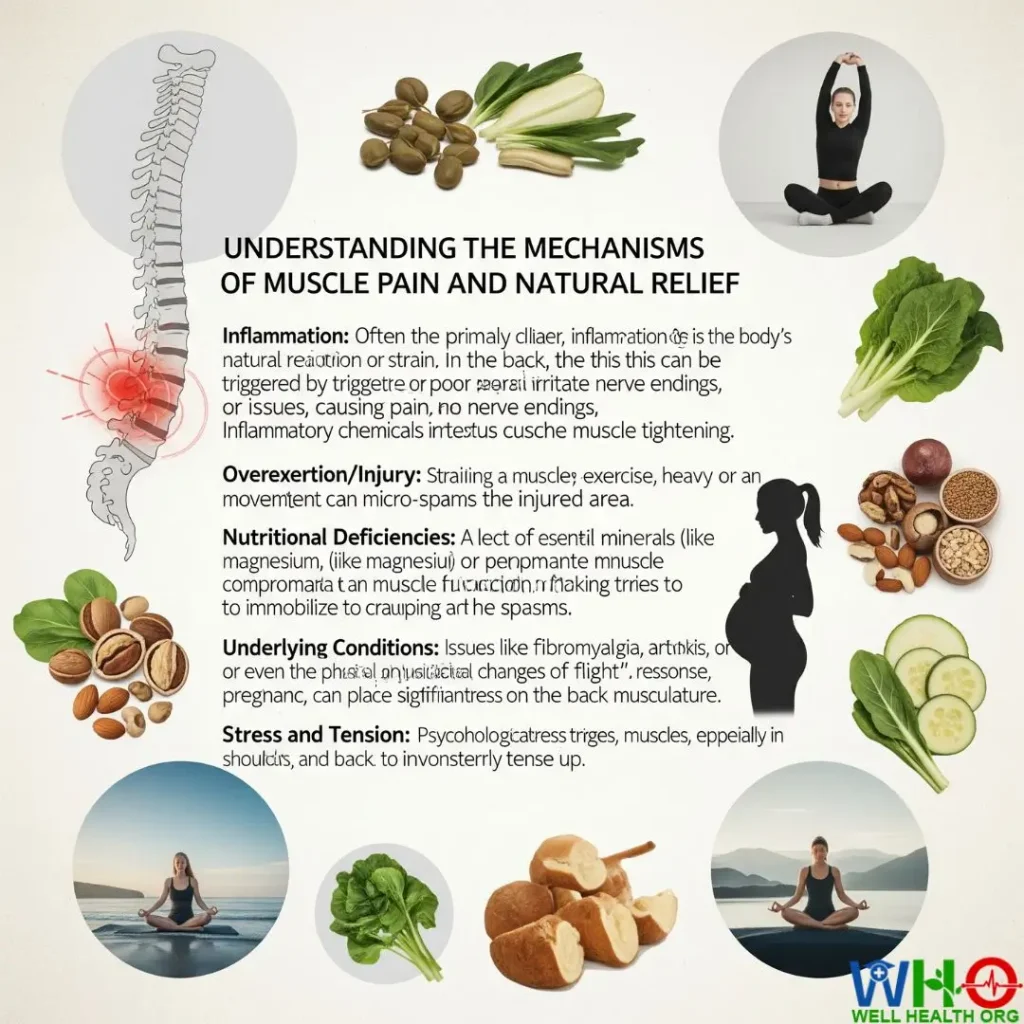
- Inflammation: Often the primary culprit, inflammation is the body’s natural reaction to injury or strain. In the back, this can be triggered by poor posture, disc issues, or chronic conditions. Inflammatory chemicals irritate nerve endings, causing pain and subsequent muscle tightening.
- Overexertion/Injury: Straining a muscle during exercise, heavy lifting, or an awkward movement can cause micro-tears, leading to immediate spasms as the body tries to immobilize and protect the injured area.
- Nutritional Deficiencies: A lack of essential minerals (like magnesium) or improper hydration can compromise muscle function, making them prone to cramping and spasms.
- Underlying Conditions: Issues like fibromyalgia, arthritis, or even the physical changes of pregnancy can place significant stress on the back musculature.
- Stress and Tension: Psychological stress triggers a physiological “fight or flight” response, causing muscles, especially in the neck, shoulders, and lower back, to involuntarily tense up.
Natural muscle relaxers are defined as foods, supplements, or techniques that help soothe this physical tension and reduce the associated pain without relying on synthetic pharmaceuticals.
The Holistic Advantage of Natural Options
The key distinction of natural remedies is their approach. Instead of simply masking the pain signal or forcibly relaxing the muscle fibers (as some conventional drugs do), natural options often work by:
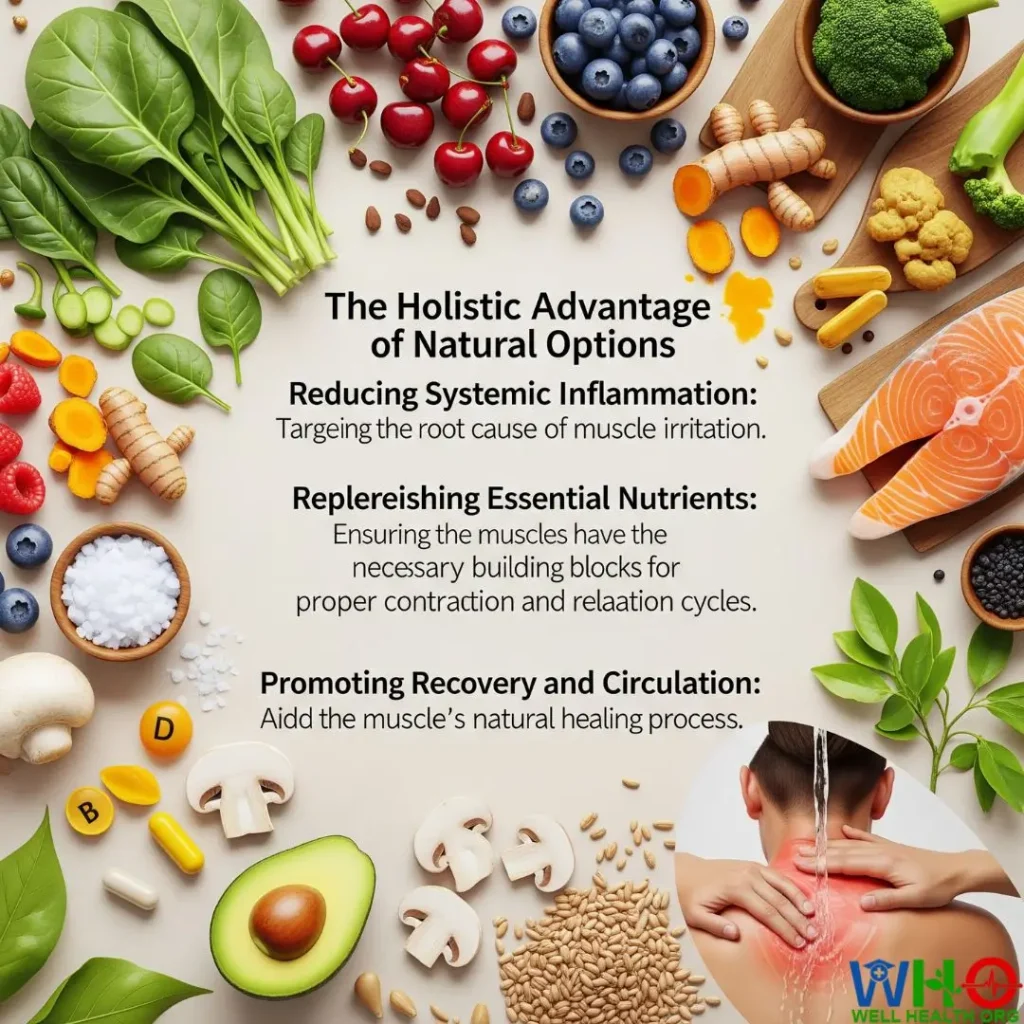
- Reducing Systemic Inflammation: Targeting the root cause of muscle irritation.
- Replenishing Essential Nutrients: Ensuring the muscles have the necessary building blocks for proper contraction and relaxation cycles.
- Promoting Recovery and Circulation: Aiding the muscle’s natural healing process.
Crucially, these options typically offer synergistic additional health benefits, such as improved gut health, enhanced immune function, or better sleep, which contribute to overall wellness—a benefit rarely found in synthetic muscle relaxants. This holistic path offers a gentler, yet often profoundly effective, solution for chronic back pain management.
🍎 Fueling Relaxation: Anti-Inflammatory Foods That Act as Internal Muscle Soothers
The adage “you are what you eat” is profoundly true when it comes to managing pain and inflammation. By consciously incorporating certain anti-inflammatory foods into your daily diet, you can significantly reduce the internal environment that contributes to muscle tightness and spasms. Nutrition becomes a powerful, proactive tool for back health.

The Power of Phytochemicals in Fruits
Many fruits are loaded with potent compounds called polyphenols and anthocyanins, which are exceptional at combating oxidative stress and inflammation.
- Tart Cherries and Concentrated Juice: These are arguably the superstars of natural muscle recovery. They are packed with antioxidants, which have been shown in numerous studies to reduce muscle soreness, pain, and damage following strenuous exercise. While athletes use concentrated tart cherry juice for recovery, even adding a daily serving of whole tart cherries or a natural juice (without added sugar) can help quiet systemic inflammation that might be contributing to chronic back tension.
- Expert Tip: Try drinking an ounce of concentrated tart cherry juice mixed with water before bed; it also contains natural melatonin, aiding sleep which is vital for muscle repair.
- Blueberries and Other Dark Berries (Raspberries, Blackberries): These small fruits are incredibly rich in polyphenols. Regularly consuming blueberries can help significantly decrease inflammatory markers measured in the body. When inflammation subsides, the muscles are less irritated, allowing them to relax and recover more effectively from the daily strain placed on the back.
- Pomegranate Juice: Boasting an antioxidant capacity that can be three times higher than that of green tea or red wine, pomegranate juice is a phenomenal aid for muscle recovery. Studies involving strength training have indicated its potential to speed up the repair process, which is essential for relieving tension caused by overuse or injury.
Spices, Oils, and Culinary Essentials
Beyond fruits, your spice rack and pantry hold some of the most accessible and powerful anti-inflammatory agents.
- Turmeric (Curcumin): Curcumin, the active compound in turmeric, is one of the most heavily researched natural anti-inflammatory agents. Its ability to modulate inflammatory pathways is so significant that it has been shown to reduce inflammatory markers (like C-reactive protein) even after intense physical exertion. Integrating turmeric into daily cooking—such as in curries, soups, or even mixed with milk as “golden milk”—is an excellent proactive step.
- Expansion: For therapeutic effects, simple cooking may not be enough. Look for high-quality curcumin supplements formulated for high bioavailability (often paired with piperine from black pepper, which dramatically increases absorption).
- Ginger: Like turmeric, ginger contains bioactive compounds (gingerols and shogaols) that possess strong anti-inflammatory and antioxidant effects. It has been traditionally used to relieve pain and nausea. A simple ginger tea or adding fresh ginger to stir-fries can help soothe aching muscles.
- Cinnamon: While often used as a sweet spice, cinnamon is a potent antioxidant. Some research suggests it can help regulate blood sugar, which indirectly helps reduce systemic inflammation that can worsen muscle pain.
- Omega-3 Rich Foods (Fatty Fish, Flaxseeds, Walnuts): The body uses Omega-3 fatty acids (EPA and DHA) to create anti-inflammatory signaling molecules. Consuming oily fish like salmon, mackerel, and sardines two to three times a week, or supplementing with fish oil, is a foundational strategy for reducing the overall inflammatory load in the body, directly benefiting chronically tight back muscles.
💊 Essential Supplements and Nutrients for Muscle Relaxation and Repair
While a balanced diet is critical, certain key nutrients are often difficult to obtain in therapeutic quantities through food alone, especially when the body is under stress or recovering from pain. Supplements can provide a targeted, effective way to ensure optimal levels of muscle-supporting compounds.
Magnesium: The “Relaxation Mineral”
Magnesium is an absolutely fundamental mineral, playing a role in over 300 biochemical reactions in the body. For muscle health, its function is non-negotiable: it is essential for proper muscle contraction and relaxation.
- The Deficiency Connection: A widespread issue, magnesium deficiency is a common contributor to increased muscle cramps, twitches, and spasms, especially in the legs and back. When magnesium levels are low, calcium can accumulate in the muscle tissue, leading to involuntary and sustained contraction (tightness).
- Sources and Supplementation: You can find magnesium in whole foods like spinach, almonds, black beans, avocados, and dark chocolate. However, for therapeutic relief of chronic tension, supplementation is often necessary.
- Forms Matter: Magnesium glycinate is highly recommended for relaxation as it is well-absorbed and less likely to cause digestive upset than magnesium oxide or citrate. Always consult a healthcare provider to determine the right dosage.
Protein: The Building Block for Recovery
Many people overlook the role of protein in muscle relaxation, but it is integral to repair and recovery. Muscle tightness often results from damage (micro-tears) that needs repair.
- Repairing Damage, Reducing Inflammation: Getting adequate protein, especially after physical activity or during a flare-up, provides the amino acids necessary to rebuild muscle tissue. This process of repair helps reduce residual muscle inflammation and damage.
- Whey and Casein: Supplements like whey (fast-acting) and casein (slow-digesting) protein powders have been shown to be highly effective in reducing muscle damage and accelerating recovery. Plant-based options like pea or rice protein are also excellent choices.
Cannabidiol (CBD) Oil: A Non-Psychoactive Anti-Inflammatory
In recent years, CBD has emerged as a promising natural option for pain management, primarily due to its potent anti-inflammatory properties and its interaction with the body’s endocannabinoid system (ECS).
- Targeting Inflammation and Pain Signals: Research suggests CBD may act as a muscle relaxer by dampening the body’s inflammatory response and potentially modulating pain perception. It does this without the psychoactive effects associated with THC.
- Application: CBD can be taken orally (oils/tinctures or capsules) for systemic relief or applied topically (creams/balms) for targeted relief on the back.
- Crucial Warning: Always discuss CBD with a doctor first, as it can interact with certain prescription medications, particularly blood thinners and some seizure medications. Ensure you purchase products from reputable sources with third-party testing to verify purity and concentration.
Electrolytes: Beyond Sodium
Muscle function is governed by electrical signals, and electrolytes are the conductors of these signals. Dehydration, leading to electrolyte imbalance (not just sodium, but potassium, calcium, and magnesium), is a primary cause of acute muscle cramps.
- Potassium: Essential for fluid balance and nerve signals. Low potassium is a common cause of cramps. Found richly in bananas, sweet potatoes, and spinach.
- Calcium: While often associated with contraction, it must be properly balanced with magnesium for full relaxation.
🛀 Targeted Topical and Herbal Solutions for Immediate Relief
When back pain strikes, sometimes you need immediate, localized relief. Topical solutions offer a way to deliver concentrated natural agents directly to the site of the pain, often bypassing the digestive system and providing quicker comfort.
Heat-Derived Relief: Capsaicin Cream
Capsaicin is the compound responsible for the heat in chili peppers. When applied to the skin, it can be surprisingly effective for muscle pain relief.
- How it Works (Counter-Irritant): Capsaicin works by initially stimulating the nerve fibers, causing a mild warming or burning sensation (the initial counter-irritation). However, prolonged use or repeated applications are thought to gradually deplete Substance P, a neurotransmitter that carries pain signals to the brain.
- Application Note: It is highly effective for localized muscle or joint pain, but it requires caution. Always wash hands thoroughly after use, avoid contact with eyes and mucous membranes, and start with a low concentration to test skin sensitivity.
Essential Oils for Soothing and Cooling
High-quality essential oils can be diluted in a carrier oil (like coconut or jojoba oil) and massaged directly into tense back muscles. The combination of the oil’s properties and the act of massage offers double the benefit.
- Peppermint Oil: Containing menthol, peppermint oil provides a distinct cooling effect that helps dull pain signals and promotes muscular relaxation. The cooling sensation is often interpreted by the brain as relief from inflammation-induced heat.
- Lavender Oil: Known primarily for its calming and stress-reducing aroma, lavender also has mild analgesic and anti-inflammatory properties. Massaging it into the back can relax the nervous system, which in turn helps release muscle tension caused by stress.
- Lemongrass: This herb possesses analgesic and anti-inflammatory qualities. Applied topically or consumed as a tea, lemongrass may help treat nerve pain and muscle aches, supporting overall relaxation.
- Arnica: Widely used in creams and gels by athletes, arnica is traditionally used to reduce bruising, swelling, and muscle soreness. While scientific research is ongoing, anecdotal evidence is strong. Crucial warning: Arnica is toxic if ingested and should only be used topically on unbroken skin.
🧘 Holistic Management: Essential Lifestyle Changes for Lasting Back Health
No supplement or food can fully compensate for poor lifestyle habits. The most successful approach to eliminating chronic back pain and muscle tightness integrates natural remedies with fundamental, preventative lifestyle adjustments. This is where the principles of Experience and Trustworthiness truly shine.

The Critical Role of Movement: Gentle Exercise
It seems counter-intuitive to move when you are in pain, but total rest is often the enemy of a healing back. Targeted, gentle exercise is a superior natural muscle relaxer because it:
- Strengthens Supporting Muscles: Core and glute strength takes the load off the spinal muscles, preventing them from overcompensating and tightening.
- Improves Circulation: Movement pumps blood and oxygen into the muscles, flushing out inflammatory waste products (like lactic acid) and promoting repair.
- Enhances Flexibility: Stiffness is a primary driver of spasms. Gentle activities like Yoga (e.g., Cat-Cow, Child’s Pose), Pilates, and Swimming are excellent for improving range of motion without high impact.
Posture: The Unseen Stressor
Poor posture is perhaps the single biggest daily contributor to chronic muscle tightness. Hunching over a computer, slouching on the sofa, or lifting objects incorrectly places unnecessary, sustained strain on the spinal muscles, forcing them into a state of chronic contraction.
- Ergonomics Check: Ensure your computer monitor is at eye level, your feet are flat on the floor, and you use lumbar support when sitting for long periods.
- Mindful Lifting: Always lift with your legs, keeping your back straight, and hold the object close to your body.
- Take Micro-Breaks: Stand up, stretch, and move around every 30-45 minutes. This simple action interrupts the cycle of muscle fatigue and tension.
Stress Management and the Muscle-Mind Connection
Stress and muscle tension are locked in a vicious feedback loop. When you are stressed, the brain signals the muscles to contract (primitive self-protection). Chronic stress means chronic tension, leading to pain and spasms.
- Meditation and Deep Breathing: Techniques like diaphragmatic breathing (deep belly breaths) directly activate the parasympathetic nervous system (the “rest and digest” system), which signals the body to relax, often causing an immediate, noticeable release in back and shoulder tension.
- Deep Tissue Massage: Professional or self-administered massage (using a foam roller or lacrosse ball) physically breaks up knots and adhesions in the fascia and muscle tissue, promoting local circulation and relaxation.
- Example: Consider Sarah, a project manager who dealt with chronic upper back pain. She found that 15 minutes of guided meditation at the end of her workday, paired with a magnesium supplement before bed, was more effective than any painkiller she had tried, because it addressed the root cause: stress-induced tension.
Hydration: The Lubricant for Muscle Function
This is an often-overlooked necessity. Muscle tissue is primarily water. Dehydration reduces the volume of blood, which in turn reduces the supply of oxygen and essential nutrients (like electrolytes) to the muscles.
- Warning Sign: Chronic, mild dehydration makes muscles highly irritable and prone to cramping and spasms.
- Action Plan: Aim to drink water consistently throughout the day, not just when thirsty. Urine color should be pale yellow. Ensure you replenish electrolytes, especially after exercise.
🛠️ Effective Application: Integrating Natural Solutions into Your Daily Routine
Maximizing the effectiveness of natural muscle relaxers requires consistency and synergy. The goal is to move beyond simply treating a symptom when it arises, and instead, create an internal environment that prevents spasms from occurring in the first place.

Synergistic Approaches
- The Post-Workout Recovery Smoothie: Combine anti-inflammatory powerhouses. Use a base of high-quality protein powder (for repair), add frozen blueberries and tart cherries (for antioxidants), a small piece of fresh ginger, and a pinch of turmeric. This mixture addresses inflammation, recovery, and nutrient replenishment all at once.
- Nighttime Relaxation Ritual: If stress-induced spasms are an issue, take your magnesium supplement (glycinate) 30 minutes before bed. Follow this with a few drops of diluted lavender oil massaged into the tight area of your back. This prepares the body and mind for deep, restorative sleep.
- The Targeted Spot Treatment: Use a capsaicin cream or arnica gel for localized pain during the day. For deep, radiating pain, a heating pad applied for 15-20 minutes can promote blood flow and immediate muscle easing—a classic, yet highly effective, natural relaxer.
The Role of Consistency
Unlike rapid-acting pharmaceuticals, natural remedies often require time to build up to therapeutic levels in the body.
For supplements like Magnesium or Omega-3s, consistency is absolutely key. Taking them sporadically will likely yield minimal results. Taking them as directed by a healthcare professional helps maintain optimal levels in your body, ensuring the muscle machinery is always well-lubricated and ready for proper function.
🛑 When to Seek Professional Help: Recognizing Red Flags
While natural muscle relaxers are wonderfully effective for managing mild to moderate muscle tightness, pain, and tension, it is crucial to understand their limitations. They are powerful tools for self-management, but they are not substitutes for a professional medical diagnosis or intervention when a more serious issue is present.
Non-Negotiable Signs for a Doctor’s Visit
You should immediately consult a doctor, physiotherapist, or spine specialist if you experience any of the following symptoms:
- Sudden, Sharp, or Severe Pain: Especially if it came on without clear cause or is incapacitating.
- Pain That Doesn’t Improve: If the pain persists or worsens after 7-10 days of conscientious home remedies (rest, heat/ice, gentle movement, natural supplements).
- Neurological Symptoms: This is a major red flag. If you feel numbness, tingling, or increasing weakness in your legs, feet, or groin, it could indicate nerve compression (e.g., sciatica or a potentially serious disc issue) requiring immediate medical assessment.
- Pain Following Trauma: Any severe pain that follows a recent injury, fall, or accident warrants professional evaluation to rule out fractures or significant soft tissue damage.
- Unexplained Symptoms: Back pain accompanied by unexplained fever, chills, unintended weight loss, or changes in bowel or bladder function requires urgent medical attention.
A professional can accurately determine the root cause of your pain (which could be a herniated disc, spinal stenosis, or muscular strain) and recommend a comprehensive, customized treatment plan, which often includes diagnostic imaging, physical therapy, targeted exercises, or other evidence-based interventions.
Your Comprehensive Path to a Stronger, Pain-Free Back
Achieving lasting relief from chronic back pain and muscle tightness is rarely a single-bullet solution; it is a successful combination of strategies. Natural muscle relaxers offer a safe, effective, and empowering way to manage muscle tension and spasms without the heavy reliance on synthetic drugs.
By proactively incorporating the evidence-based strategies detailed in this guide—from the anti-inflammatory power of curcumin and tart cherries, to the fundamental role of magnesium, and the preventative necessity of proper posture and stress management—you are taking decisive control of your back health.
Remember to be a keen listener to your body’s signals. Be patient with the process, as natural healing takes time and consistency. Listen to your body, nourish it with the right nutrients, and move it with care. This holistic approach ensures not only relief from current pain but a significantly healthier, more resilient back for years to come.
🌟 Conclusion: Embracing a Holistic and Sustainable Future for Back Health
Back pain doesn’t have to be a life sentence of discomfort and dependence on prescription medications. As we’ve thoroughly explored, a powerful, integrated, and sustainable approach to managing chronic muscle tightness lies within the realm of natural solutions. By shifting your focus from simply reacting to pain to proactively supporting your musculoskeletal system, you can build a robust defense against spasms and chronic tension.
The journey to a healthier back involves understanding that the body functions as a complex, interconnected system. Supplements like magnesium and Omega-3s provide the necessary internal chemistry for muscle relaxation. Anti-inflammatory foods—from tart cherries to turmeric—actively calm the inflammatory signals that trigger pain. Crucially, foundational lifestyle shifts like proper posture, consistent gentle movement, and effective stress management are the non-negotiable pillars of long-term relief.
Ultimately, natural muscle relaxers empower you to take an active role in your wellness narrative. They offer a trustworthy path to easing discomfort, enhancing recovery, and improving your overall quality of life, all while minimizing the risks associated with synthetic drugs. Listen to your body, employ these synergistic strategies with consistency, and always consult with a healthcare professional when symptoms are severe or persistent. By doing so, you are not just treating back pain; you are investing in a future defined by strength, flexibility, and freedom of movement.
❓ Frequently Asked Questions (FAQs) About Natural Muscle Relaxers
1. How quickly do natural muscle relaxers typically work compared to prescription options?
This is a key question focusing on expectation management. Prescription muscle relaxers often contain powerful synthetic compounds designed for rapid, short-term relief, and can work within 30 minutes to an hour. Natural muscle relaxers operate differently.
- Topical solutions (like capsaicin or peppermint oil) can offer localized relief within minutes by creating immediate counter-irritation or cooling sensations.
- Acute support supplements (like a therapeutic dose of magnesium glycinate) may begin to exert their calming effect on muscle irritability within hours, often noticeable by reduced nighttime cramping.
- Systemic remedies (like anti-inflammatory foods, Omega-3s, or Curcumin supplements) are long-term, foundational therapies. They work by gradually lowering the body’s overall inflammatory load, which takes days to weeks to become noticeable.
For chronic, everyday tension, consistency with natural options provides the most profound and sustainable benefits, even if the onset is slower than a rapid-acting drug.
2. Can I take natural muscle relaxers alongside my prescription medication?
Always consult your prescribing doctor or a pharmacist before combining supplements and medications. While many natural remedies are generally safe, there are known interactions:
- Curcumin (Turmeric) and Omega-3s can have a mild blood-thinning effect and should be used cautiously if you are taking prescription anticoagulants (blood thinners) like Warfarin.
- CBD oil can interact with a wide range of medications, including certain anti-depressants and seizure medications, as they both utilize the same liver enzymes for metabolism.
- Magnesium can interact with some antibiotics or diuretics.
Your healthcare provider can assess potential conflicts and determine safe dosages based on your unique health profile.
3. Is CBD oil an effective natural muscle relaxer for chronic pain?
Emerging evidence suggests that CBD oil can be highly effective, primarily due to its profound anti-inflammatory effects. The mechanism is not direct muscle relaxation (like a sedative drug), but rather pain relief and modulation of the pain response via the endocannabinoid system (ECS).
- For localized muscle soreness, a high-quality CBD topical cream or balm can be massaged directly onto the back.
- For systemic chronic inflammation, an oral CBD tincture or capsule taken consistently may help reduce overall pain signals and nerve sensitivity over time.
Due to the lack of strong federal regulation, ensure the product you choose is third-party tested and comes with a clear Certificate of Analysis (COA) to guarantee purity and accurate concentration.
4. What is the most common nutritional deficiency that leads to muscle spasms?
Magnesium deficiency is overwhelmingly cited as the most common nutritional cause of muscle cramps, twitches, and spasms. This is due to magnesium’s critical role in governing the proper cycle of muscle contraction and relaxation.
When magnesium levels are inadequate, muscles can become hyper-excitable or locked in a contracted state, leading to stiffness, tightness, and painful spasms. Given that many modern diets are low in magnesium-rich whole foods, supplementing this mineral is often one of the quickest and most effective natural interventions for chronic muscle tension.
5. Beyond supplements, what is the single most important lifestyle change for preventing back muscle tension?
While all lifestyle changes are important, maintaining proper, dynamic posture and taking regular micro-breaks is arguably the most critical preventative measure.
Chronic back muscle tension is often a direct result of prolonged, static positions (like sitting or standing poorly) that force muscles into a state of sustained isometric contraction. This restricts blood flow and leads to fatigue and tightening.
The solution is not just “sitting up straight,” but rather:
- Dynamic Sitting: Shifting your position frequently.
- Micro-Breaks: Standing, stretching, and walking for 1-2 minutes every 30-45 minutes to restore circulation and release accumulating muscle tension before it can cause a spasm.
6. Can herbal teas act as natural muscle relaxers?
Yes, several herbal teas offer mild, natural muscle-relaxing properties, often by targeting stress and promoting sleep, which are key for muscle recovery.
- Chamomile Tea: Contains apigenin, an antioxidant that binds to specific receptors in the brain to promote calmness and sedation, indirectly easing tension stored in the muscles.
- Peppermint Tea: Known for its antispasmodic effect on the digestive tract, which can sometimes extend to mild relief of overall muscular tension.
- Ginger Tea: Possesses anti-inflammatory compounds that help soothe general aches and pains.
Enjoying these teas, especially in a quiet, mindful ritual before bed, can significantly aid in physical relaxation and improve the quality of sleep vital for muscle repair.
7. Should I use heat or cold therapy for back muscle spasms?
Knowing when to apply heat versus cold is essential for immediate relief:
- Cold Therapy (Ice Pack): Best for acute, sudden, or fresh injuries/spasms (within the first 48-72 hours). Cold helps restrict blood vessels, reducing inflammation, swelling, and numbing the area to dull sharp pain signals.
- Heat Therapy (Heating Pad/Hot Bath): Best for chronic stiffness, muscle tightness, and spasms that have been present for more than 48 hours. Heat encourages blood flow to the area, which flushes out lactic acid, warms the muscle fibers, and promotes relaxation.
Medically Reviewed by Prof. Dr. Akram
Orthopedic Surgeon | Professor | Senior Medical Specialist
Prof. Dr. Akram is a distinguished surgeon with over 15 years of clinical expertise. Having served as a lead Emergency Specialist at Complex International Government Hospital, he currently leads a specialized team of 13 medical professionals at his private hospital. As a Professor at top medical universities, he ensures that every article on WellHealthOrg.com meets rigorous clinical standards.
Medical Disclaimer:
The information provided is for educational purposes only and is not a substitute for professional medical advice, diagnosis, or treatment. Always consult your physician for any medical concerns.
Our content is rigorously fact-checked by our 13-member Editorial Team under the clinical supervision of Prof. Dr. Akram.