
Dealing with a yeast infection can be one of the most uncomfortable and frustrating experiences for women. The constant itching, burning, and thick discharge can disrupt your day, affect your mood, and even interfere with intimacy. While conventional antifungal creams and pills are widely available, many people prefer to turn to natural home remedies—solutions that are gentle, affordable, and rooted in centuries of traditional healing.
- Understanding Yeast Infections: What’s Really Happening in Your Body
- Common Symptoms of a Yeast Infection
- Why Choose Natural Remedies for Yeast Infections?
- 1. Greek Yogurt: The Probiotic Powerhouse
- 2. Garlic: Nature’s Antifungal Hero
- 3. Tea Tree Oil: The Potent Essential Oil Remedy
- 4. Boric Acid: The Last Resort for Stubborn Infections
- 5. Apple Cider Vinegar: Restoring Natural pH Balance
- 6. Coconut Oil: Gentle and Soothing Antifungal Relief
- 7. Aloe Vera Gel: Cooling and Healing Support
- Lifestyle Tips to Prevent Yeast Infections Naturally
- When to See a Doctor
- Final Thoughts: Taking Control of Your Vaginal Health
- FAQs
In this comprehensive guide, we’ll dive deep into how to Cure Yeast Infection Fast naturally and fast using remedies you can find in your kitchen or local health store. You’ll learn how each remedy works, the safest way to use it, prevention strategies, and when to consult a doctor. By the end, you’ll have the confidence to take control of your health and restore balance—naturally.
Understanding Yeast Infections: What’s Really Happening in Your Body
A vaginal yeast infection, or vaginal candidiasis, occurs when the fungus Candida albicans grows uncontrollably inside the vagina. Normally, Candida lives harmlessly in small amounts, balanced by “good” bacteria like Lactobacillus. However, when this balance is disrupted—through antibiotics, hormonal changes, or a weakened immune system—the yeast multiplies, leading to infection.

This condition is incredibly common. Nearly 3 out of 4 women will experience at least one yeast infection in their lifetime, and some deal with recurrent cases. While not considered a sexually transmitted infection (STI), yeast can sometimes spread between sexual partners through close contact.
Common Symptoms of a Yeast Infection
Recognizing a yeast infection early helps ensure faster relief and avoids complications. Typical symptoms include:
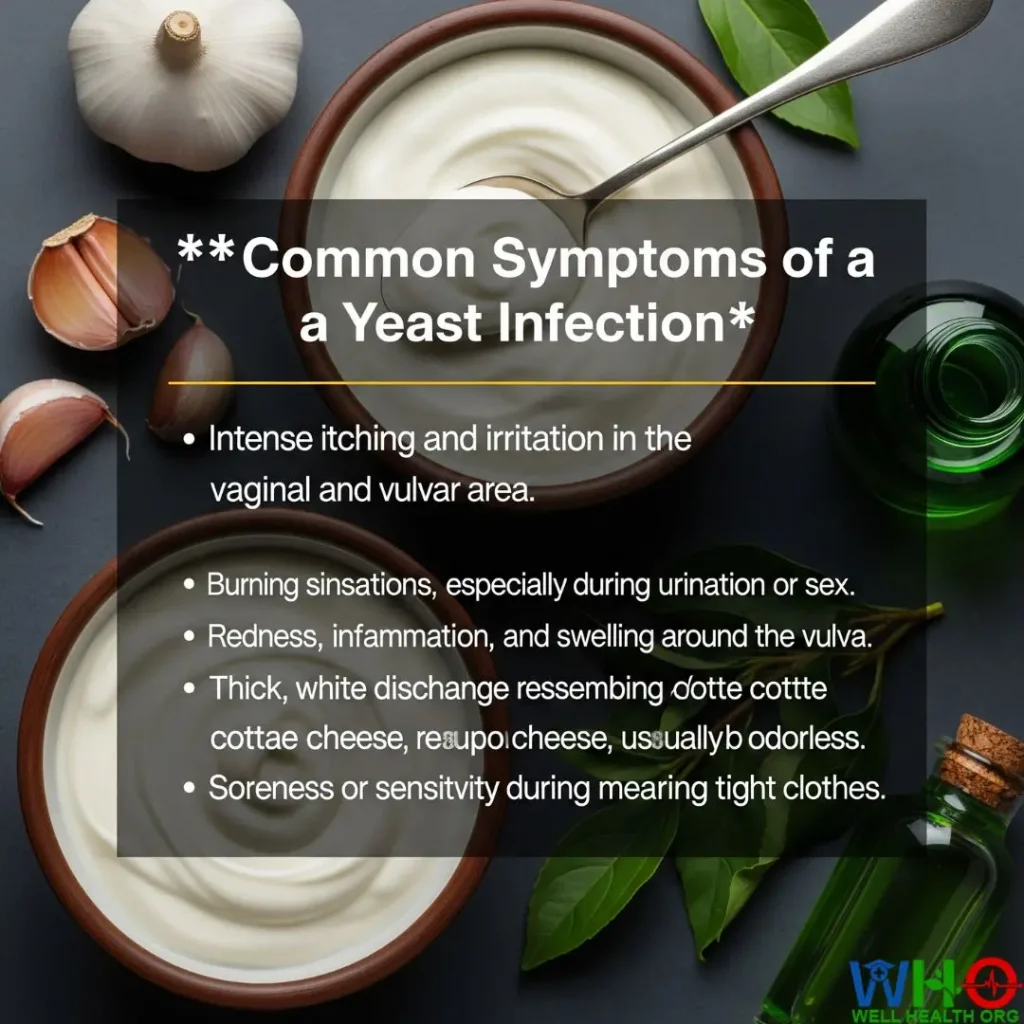
- Intense itching and irritation in the vaginal and vulvar area.
- Burning sensations, especially during urination or sex.
- Redness, inflammation, and swelling around the vulva.
- Thick, white discharge resembling cottage cheese, usually odorless.
- Soreness or sensitivity during movement or while wearing tight clothes.
If you’ve never had these symptoms before or if they seem severe, it’s best to consult a gynecologist to confirm the diagnosis before starting any treatment—home remedy or otherwise.
Why Choose Natural Remedies for Yeast Infections?
Natural treatments focus on restoring the body’s internal balance rather than just killing yeast. They work gently, often strengthening your immune system and improving the vaginal environment so yeast can’t thrive again.
Home remedies are:
- Gentle on sensitive skin compared to chemical-based antifungal creams.
- Cost-effective, using ingredients already found in your pantry.
- Supportive of long-term prevention, not just short-term relief.
Let’s explore the most effective home remedies backed by both tradition and emerging research.
1. Greek Yogurt: The Probiotic Powerhouse
Plain Greek yogurt is one of the most trusted natural treatments for yeast infections. It contains live cultures of Lactobacillus acidophilus, beneficial bacteria that naturally exist in the vagina. These probiotics help restore a healthy pH level and inhibit Candida overgrowth.
How to use it:
- Eat it daily: Consume 1–2 cups of unsweetened Greek yogurt per day. Probiotic foods help maintain internal balance from the inside out.
- Apply externally: Apply a small amount of plain yogurt to the vulva to relieve itching and irritation. Leave it for 10–15 minutes, then rinse gently with warm water.
Important:
Always choose plain, unsweetened yogurt. Added sugar can feed yeast and worsen symptoms. You can also consider probiotic supplements containing Lactobacillus rhamnosus or Lactobacillus reuteri for additional support.
2. Garlic: Nature’s Antifungal Hero
Garlic is a natural powerhouse with strong antifungal, antibacterial, and immune-boosting properties. Its active compound, allicin, has been shown in studies to inhibit Candida albicans.
How to use it:
- Eat it raw or cooked: Add 1–2 cloves of fresh garlic to your daily meals. You can also crush raw garlic into a spoonful of honey if you can’t tolerate the strong flavor.
- Garlic supplements: Capsules containing stabilized allicin are available at health stores for easier consumption.
Important:
Never insert raw garlic cloves into the vagina—a common internet myth that can cause chemical burns and irritation. Stick to consuming garlic orally for safe, systemic antifungal effects.
3. Tea Tree Oil: The Potent Essential Oil Remedy
Tea tree oil is well-known for its antifungal and antibacterial power. It’s been used in traditional medicine for centuries to combat skin and vaginal infections. Studies suggest that vaginal suppositories containing diluted tea tree oil can effectively reduce Candida growth.
How to use it safely:
- Use a diluted mix: Combine 3–4 drops of tea tree oil with a tablespoon of carrier oil like coconut or jojoba oil. Apply gently to the external vulva area (not inside the vagina).
- Commercial products: Look for pre-formulated tea tree oil suppositories made specifically for vaginal use—they’re safe and properly dosed.
Caution:
Never use undiluted tea tree oil directly on the skin or mucous membranes. It can cause burns, irritation, and allergic reactions. Stop immediately if discomfort occurs.
4. Boric Acid: The Last Resort for Stubborn Infections
If you’ve tried other remedies and your infection keeps returning, boric acid may be the answer. This natural compound has powerful antifungal properties and is often used to treat infections resistant to conventional medications.
How to use it:
- Boric acid suppositories are available at most pharmacies and online. Insert one capsule into the vagina before bed for 3–7 nights.
Important Safety Notes:
- Never ingest boric acid. It is toxic when swallowed.
- Avoid using during pregnancy.
- Do not use on open sores or broken skin.
Boric acid should be used with guidance from a healthcare provider, especially for chronic or recurrent infections.
5. Apple Cider Vinegar: Restoring Natural pH Balance
Apple cider vinegar (ACV) has natural antimicrobial and antifungal properties that can help restore vaginal acidity, discouraging yeast growth. However, it must be used with care to avoid disrupting the delicate vaginal microbiome.
How to use it:
- Vinegar bath: Add ½ cup of apple cider vinegar to a lukewarm bath and soak for 15–20 minutes. This helps soothe irritation and may help balance vaginal flora.
- Oral intake: Mix 1 tablespoon of raw, unfiltered ACV in a glass of warm water and drink daily to support internal pH balance.
Never douche or apply ACV directly to the vagina. Undiluted vinegar can cause burns and worsen symptoms.
6. Coconut Oil: Gentle and Soothing Antifungal Relief
Coconut oil is rich in caprylic acid and lauric acid, both known for their antifungal effects against Candida. It also soothes irritated skin and can be used externally to relieve discomfort.
How to use it:
- Apply a thin layer of cold-pressed, organic coconut oil to the vulva to ease itching and burning.
- You can also cook with coconut oil or add it to smoothies to get internal benefits.
This remedy is especially beneficial for sensitive skin and can complement other treatments like yogurt or probiotics.
7. Aloe Vera Gel: Cooling and Healing Support
Aloe vera isn’t just for sunburn—it’s an excellent anti-inflammatory and antifungal treatment for yeast infections. It cools irritation, reduces redness, and can help restore moisture balance.
How to use it:
- Apply pure aloe vera gel (from the leaf or organic bottle) to the external vaginal area twice daily.
- Keep it refrigerated for an extra cooling effect.
Avoid aloe gels with alcohol or added fragrances, which can irritate sensitive skin.
Lifestyle Tips to Prevent Yeast Infections Naturally
Prevention is always better than cure. By making small but impactful lifestyle changes, you can reduce your risk of recurring infections.
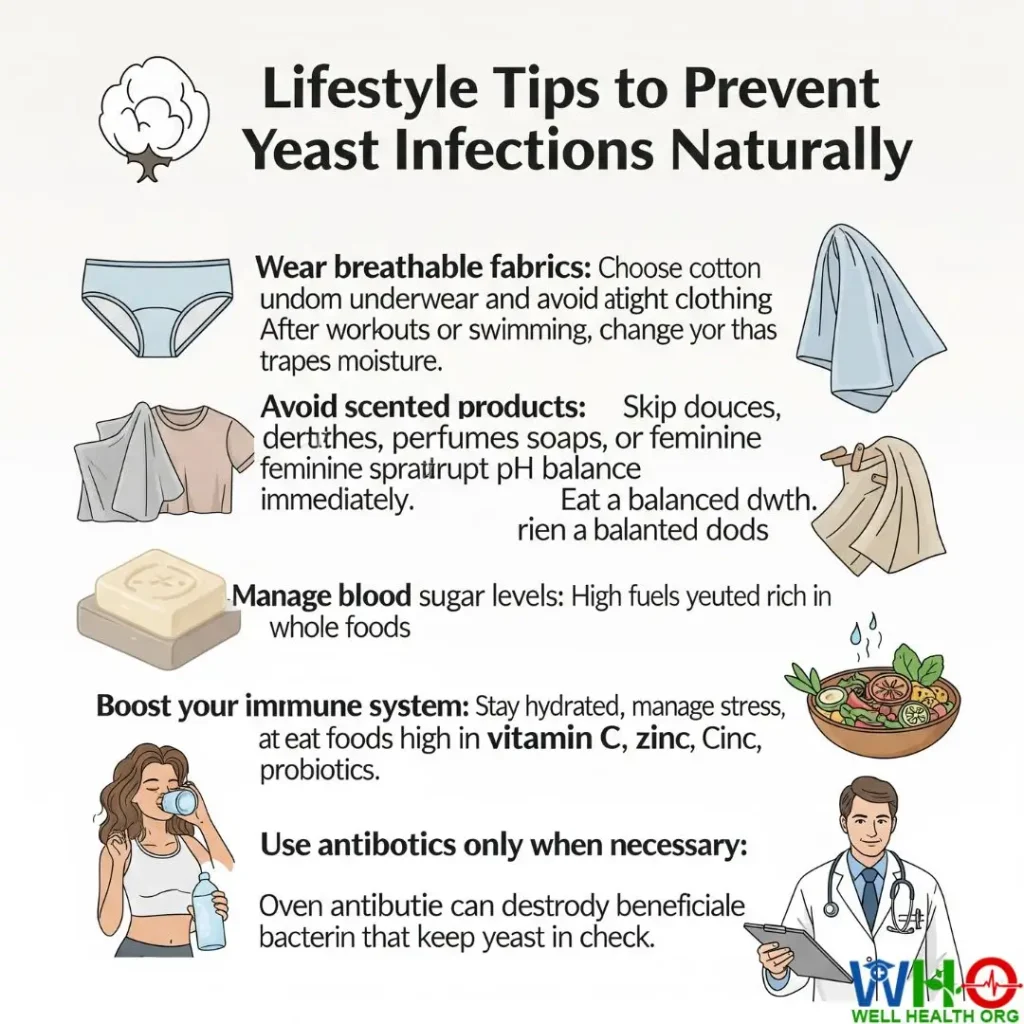
- Wear breathable fabrics: Choose cotton underwear and avoid tight clothing that traps moisture.
- Change out of wet clothes quickly: After workouts or swimming, change into dry clothes immediately.
- Avoid scented products: Skip douches, perfumed soaps, or feminine sprays that disrupt pH balance.
- Manage blood sugar levels: High sugar fuels yeast growth. Eat a balanced diet rich in whole foods.
- Boost your immune system: Stay hydrated, manage stress, and eat foods high in vitamin C, zinc, and probiotics.
- Use antibiotics only when necessary: Overuse can destroy beneficial bacteria that keep yeast in check.
When to See a Doctor
While home remedies can be effective, there are times when medical attention is essential. See your doctor if:
- Symptoms persist beyond 3–5 days or worsen despite treatment.
- You experience frequent infections (more than 4 per year).
- You’re pregnant or have diabetes or a weakened immune system.
- The discharge has a strong odor, green/yellow color, or you notice sores.
A doctor can perform a vaginal swab test to confirm it’s yeast (not bacterial vaginosis or trichomoniasis) and prescribe appropriate antifungal medication if needed.
Final Thoughts: Taking Control of Your Vaginal Health
Yeast infections are incredibly common, but they don’t have to control your life. By combining proven natural remedies—like yogurt, garlic, coconut oil, and tea tree oil—with healthy lifestyle practices, you can find fast, lasting relief.
Remember: natural doesn’t mean risk-free. Always use remedies safely, avoid overuse, and consult your healthcare provider when symptoms persist. With the right care and awareness, you can restore your body’s natural balance and prevent future infections naturally.
FAQs
1. How fast can home remedies cure a yeast infection?
Mild infections can start improving within 2–3 days of consistent treatment, though full recovery may take up to a week.
2. Can men get yeast infections?
Yes. Men can develop yeast infections, usually on the penis, causing redness, itching, and irritation.
3. Is it safe to have sex during a yeast infection?
It’s best to avoid sexual activity until symptoms resolve. Sex can worsen irritation and potentially spread the infection.
4. Are probiotics effective for preventing yeast infections?
Yes. Probiotics, especially Lactobacillus strains, help restore healthy bacteria that prevent yeast from overgrowing.
5. Can stress cause yeast infections?
Indirectly, yes. High stress weakens your immune system, making it easier for Candida to multiply.
Medically Reviewed by Prof. Dr. Akram
Orthopedic Surgeon | Professor | Senior Medical Specialist
Prof. Dr. Akram is a distinguished surgeon with over 15 years of clinical expertise. Having served as a lead Emergency Specialist at Complex International Government Hospital, he currently leads a specialized team of 13 medical professionals at his private hospital. As a Professor at top medical universities, he ensures that every article on WellHealthOrg.com meets rigorous clinical standards.
Medical Disclaimer:
The information provided is for educational purposes only and is not a substitute for professional medical advice, diagnosis, or treatment. Always consult your physician for any medical concerns.
Our content is rigorously fact-checked by our 13-member Editorial Team under the clinical supervision of Prof. Dr. Akram.