
Antibiotics have long been a cornerstone of modern medicine, helping millions of people recover from bacterial infections that would have once been life-threatening. However, growing concerns about antibiotic resistance and side effects have led many people to look for safer, natural alternatives. Luckily, nature offers an impressive arsenal of antibacterial substances — many of which have been used for centuries in traditional medicine.
- 1. Garlic: Nature’s Most Powerful Natural Antibiotic
- How Garlic Fights Bacteria
- How to Use Garlic Effectively
- Safety Tips
- 2. Honey: The Golden Healer with Antibacterial Magic
- Why Honey Works as a Natural Antibiotic
- Practical Uses of Honey
- Safety and Precautions
- 3. Ginger: The Warming Root with Healing Power
- The Science Behind Ginger’s Antibacterial Action
- How to Use Ginger for Healing
- Important Considerations
- 4. Turmeric: The Golden Spice That Fights Infection Naturally
- How Turmeric Acts as a Natural Antibiotic
- Ways to Use Turmeric
- Turmeric Safety and Dosage
- 5. Echinacea: The Immune-Boosting Herbal Shield
- How Echinacea Supports the Body
- Effective Ways to Use Echinacea
- Precautions
- Using Natural Antibiotics Safely and Wisely
- Conclusion: Harnessing Nature’s Medicine Cabinet
- FAQs
From the pungent power of garlic to the golden glow of turmeric, your kitchen might already hold the ingredients that can help you fight off infections, boost your immunity, and promote healing — all without synthetic drugs. This article explores five natural antibiotics you can use safely at home, backed by both tradition and modern research.
Before diving in, it’s important to remember: natural doesn’t always mean harmless. While these remedies can be effective, they should be used wisely, especially alongside prescribed medication. Let’s explore each one in depth, along with practical ways to include them in your daily life.

1. Garlic: Nature’s Most Powerful Natural Antibiotic
Garlic isn’t just a flavorful kitchen staple — it’s one of the oldest and most potent natural antibiotics known to humankind. Ancient civilizations including the Egyptians, Greeks, and Chinese used garlic to treat infections, boost stamina, and ward off disease. Modern science now confirms what traditional healers knew centuries ago: garlic contains potent antibacterial compounds that can fight a wide range of harmful microbes.

How Garlic Fights Bacteria
The secret behind garlic’s antibiotic power lies in a sulfur-containing compound called allicin. When you crush or chop a clove of garlic, an enzyme reaction releases allicin, which acts as a natural defense mechanism for the plant. In the human body, allicin disrupts the ability of bacteria to grow and reproduce, weakening their defenses and ultimately killing them.
Studies show that garlic extract can inhibit bacteria such as E. coli, Salmonella, and Staphylococcus aureus — even strains that have developed resistance to traditional antibiotics. Its antifungal and antiviral properties make it a versatile remedy for multiple types of infections.
How to Use Garlic Effectively
To reap its maximum benefits, garlic should be consumed raw or lightly cooked, as heat can destroy allicin. Here are a few simple ways to incorporate it:
- Crush and rest: Chop or crush a clove, then let it sit for 10 minutes before eating to allow allicin to form.
- Garlic oil infusion: Soak crushed garlic in olive oil for 24 hours to make a mild antibacterial oil. Use it topically or in salads.
- Garlic tea: Steep minced garlic in hot water with lemon and honey for a potent immune-boosting drink.
Safety Tips
While garlic is generally safe, consuming large quantities (more than two cloves daily) can cause stomach upset or interfere with blood-thinning medications. Those with bleeding disorders or upcoming surgeries should use caution. Always consult your doctor before starting a garlic-heavy regimen.
2. Honey: The Golden Healer with Antibacterial Magic
Few natural substances are as soothing and medicinal as honey. For thousands of years, honey has been used not only as food but as a healing salve for wounds, burns, and infections. Ancient Egyptians, Greeks, and Ayurvedic practitioners revered it for its antibacterial power — and today, science backs them up.

Why Honey Works as a Natural Antibiotic
Honey’s healing potential stems from three main factors:
- Hydrogen peroxide release: When honey comes into contact with moisture, it produces hydrogen peroxide — a natural antiseptic.
- Low pH and high sugar: These create an environment where bacteria cannot grow or multiply.
- Antioxidants and enzymes: Raw honey contains flavonoids and phenolic acids that further inhibit microbial growth.
Among the various types, Manuka honey from New Zealand stands out for its exceptionally strong antibacterial properties due to its high methylglyoxal (MGO) content.
Practical Uses of Honey
- Topical treatment: Apply raw honey directly to minor cuts, burns, or wounds to prevent infection and promote healing. It forms a natural barrier that keeps bacteria out.
- Sore throat relief: A teaspoon of honey in warm water or tea can soothe irritation and reduce bacterial activity in the throat.
- Digestive support: Honey can also help maintain a healthy gut by balancing beneficial bacteria.
Safety and Precautions
Never give honey to children under one year old due to the risk of botulism. For adults, honey is generally safe, but diabetics should use it sparingly as it still contains natural sugars. For best results, use raw, unpasteurized honey, as pasteurization can reduce its medicinal properties.
3. Ginger: The Warming Root with Healing Power
Known for its spicy flavor and warming aroma, ginger is much more than a culinary delight. Used in traditional medicine systems like Ayurveda and Traditional Chinese Medicine (TCM), ginger is valued for its ability to fight inflammation, ease pain, and combat infections.

The Science Behind Ginger’s Antibacterial Action
The compound gingerol gives ginger both its distinctive taste and its powerful health benefits. Research indicates that gingerol and related compounds inhibit several types of bacteria, including Streptococcus mutans (responsible for gum disease) and Helicobacter pylori (linked to stomach ulcers).
Ginger’s anti-inflammatory and antioxidant effects also help your body recover faster from infections by reducing inflammation and supporting immune function. When your immune system is strong, your body can naturally resist bacterial invaders more effectively.
How to Use Ginger for Healing
- Ginger tea: Slice fresh ginger and steep it in boiling water for 10–15 minutes. Add lemon and honey for an extra immune boost.
- Cooking: Add grated or powdered ginger to soups, curries, or stir-fries to enhance both flavor and health benefits.
- Juice and tonics: Combine ginger with turmeric and lemon for a cleansing, immune-supportive shot.
Important Considerations
Although ginger is safe for most people, consuming it in excess can cause heartburn or interact with anticoagulant drugs. Pregnant women should also moderate their intake. As with all natural remedies, balance and moderation are key.
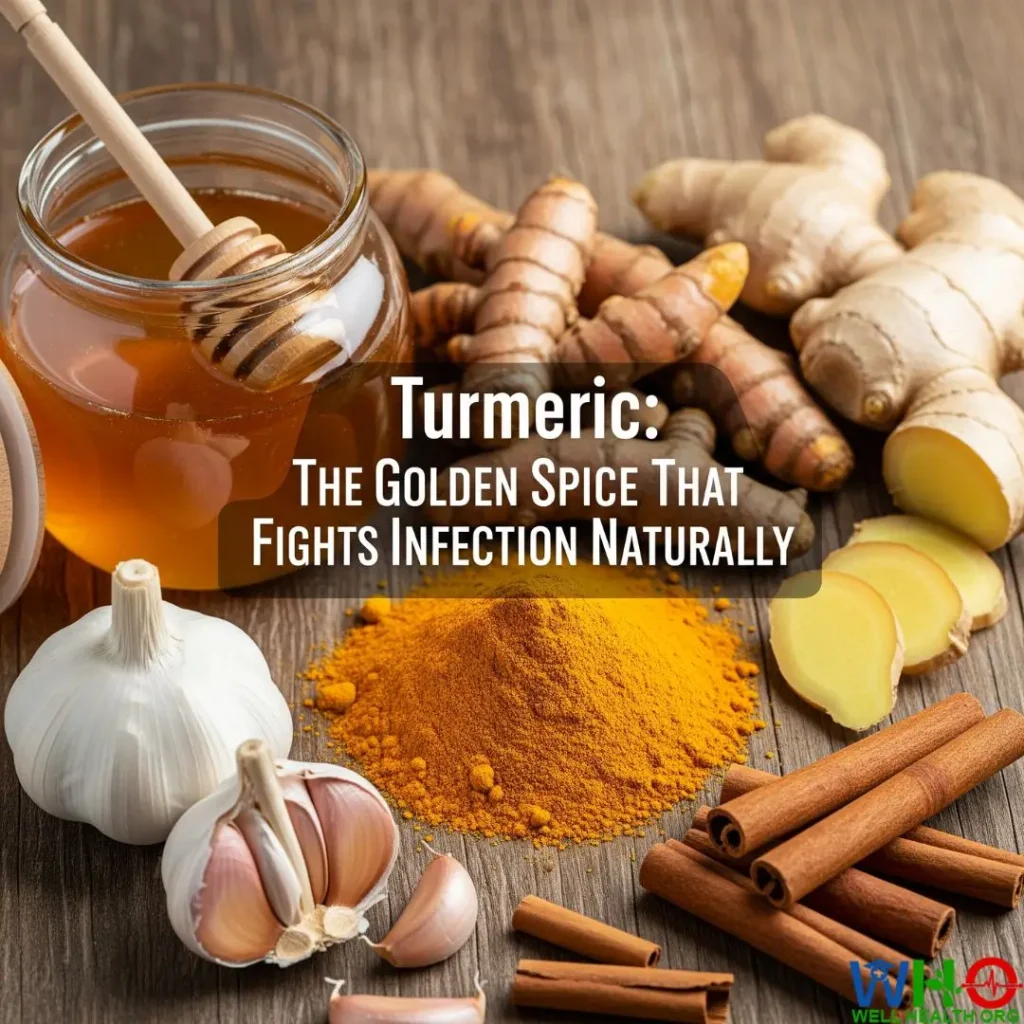
4. Turmeric: The Golden Spice That Fights Infection Naturally
The deep yellow hue of turmeric doesn’t just brighten up your curry — it signifies one of the most potent healing spices on earth. For centuries, it has been used in India and Southeast Asia to treat wounds, respiratory infections, and digestive problems. Today, researchers recognize curcumin, turmeric’s active ingredient, as a powerful anti-inflammatory and antibacterial compound.
How Turmeric Acts as a Natural Antibiotic
Curcumin works by disrupting bacterial membranes and inhibiting the growth of harmful pathogens. Studies show that it’s effective against Staphylococcus aureus, E. coli, and even antibiotic-resistant strains. Additionally, turmeric enhances immune function and supports the body’s natural healing processes.
Ways to Use Turmeric
- Golden milk: Mix turmeric powder with warm milk (or a plant-based alternative), black pepper, and a touch of honey. Black pepper improves curcumin absorption by up to 2000%.
- Turmeric paste: Blend turmeric with coconut oil and use it as a topical ointment for minor skin irritations.
- Culinary use: Add turmeric to rice, soups, and stews for daily anti-inflammatory support.
Turmeric Safety and Dosage
Although turmeric is generally safe, very high doses may cause stomach upset or interact with certain medications, including blood thinners. Always start small and consult your healthcare provider before taking turmeric supplements, especially if you have gallbladder issues.
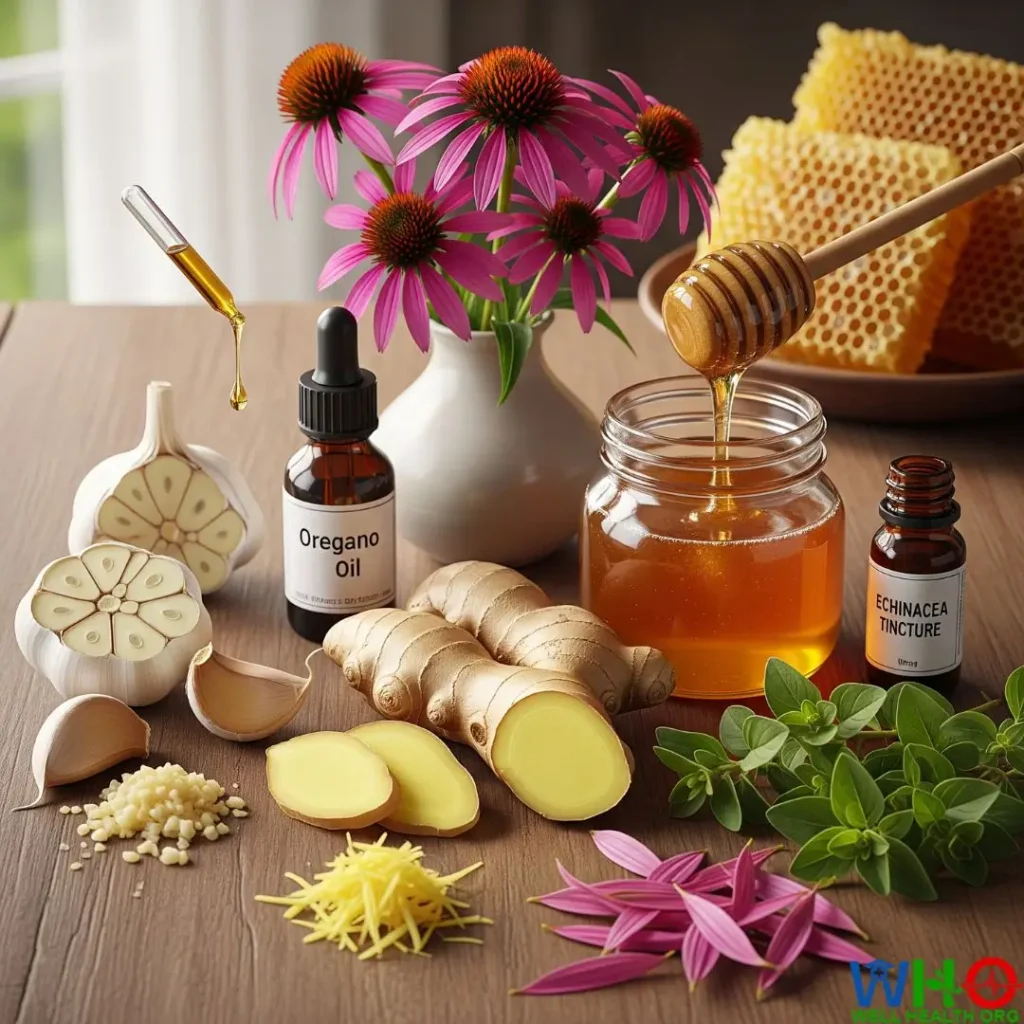
5. Echinacea: The Immune-Boosting Herbal Shield
When it comes to strengthening the immune system, echinacea is one of the most trusted herbs in the natural medicine world. Native Americans first used it to treat infections, wounds, and snake bites. Today, echinacea is best known for reducing the severity and duration of colds and flu.
How Echinacea Supports the Body
Rather than directly killing bacteria, echinacea works by stimulating the immune system. It increases the production of white blood cells — your body’s defense army against pathogens. Certain compounds in echinacea, like alkamides and caffeic acid, also exhibit mild antibacterial and antiviral effects.
Effective Ways to Use Echinacea
- Echinacea tea: Brew dried echinacea flowers or roots in hot water and drink it at the first sign of illness.
- Tinctures and capsules: Available at most health food stores, tinctures offer a concentrated dose for faster results.
- Short-term use: Echinacea works best when taken for short periods (7–10 days) during the onset of symptoms.
Precautions
Echinacea is safe for most adults, but individuals with autoimmune conditions or those who are pregnant or breastfeeding should consult a doctor before use. Long-term use is not recommended, as overstimulation of the immune system may lead to unwanted side effects.
Using Natural Antibiotics Safely and Wisely
While these natural antibiotics are powerful, they’re not a replacement for professional medical care. Here are some key guidelines for safe use:

- Consult your doctor: Always check with a healthcare provider, especially if you’re pregnant, nursing, or taking medication.
- Use them for mild infections only: For serious bacterial infections, professional treatment is essential.
- Combine with healthy habits: Eat a balanced diet, get enough sleep, and stay hydrated to support your body’s natural defenses.
- Avoid overuse: Even natural remedies can have side effects or lose effectiveness when overused.
Conclusion: Harnessing Nature’s Medicine Cabinet
Garlic, honey, ginger, turmeric, and echinacea are more than pantry staples — they’re nature’s own defense system. Each one offers unique antibacterial and healing properties that can help you stay healthy, recover faster, and strengthen your immunity. By integrating these natural antibiotics thoughtfully into your life, you can enjoy the best of both worlds: the wisdom of ancient remedies and the reassurance of modern science.
Remember, while these natural options can complement your health routine, they should never replace medical advice or treatment for serious infections. Use them as supportive allies in your wellness journey — with respect for their power and awareness of their limits.
FAQs
1. Can natural antibiotics replace prescription antibiotics?
No. Natural antibiotics can help with mild infections or as preventive support, but serious or systemic infections require medical treatment.
2. How often can I use these natural remedies?
They can be used regularly in small amounts through diet, but concentrated forms (like supplements or tinctures) should be used short-term.
3. What’s the best way to strengthen the immune system naturally?
A balanced diet rich in fruits, vegetables, and whole foods, combined with sleep, hydration, and stress management, supports immunity.
4. Is it safe to combine natural antibiotics with prescribed medication?
Always check with your doctor. Some, like garlic and ginger, can interact with blood thinners or other drugs.
5. Which natural antibiotic is best for the skin?
Honey and turmeric are especially effective for topical use due to their antibacterial and wound-healing properties.
Medically Reviewed by Prof. Dr. Akram
Orthopedic Surgeon | Professor | Senior Medical Specialist
Prof. Dr. Akram is a distinguished surgeon with over 15 years of clinical expertise. Having served as a lead Emergency Specialist at Complex International Government Hospital, he currently leads a specialized team of 13 medical professionals at his private hospital. As a Professor at top medical universities, he ensures that every article on WellHealthOrg.com meets rigorous clinical standards.
Medical Disclaimer:
The information provided is for educational purposes only and is not a substitute for professional medical advice, diagnosis, or treatment. Always consult your physician for any medical concerns.
Our content is rigorously fact-checked by our 13-member Editorial Team under the clinical supervision of Prof. Dr. Akram.