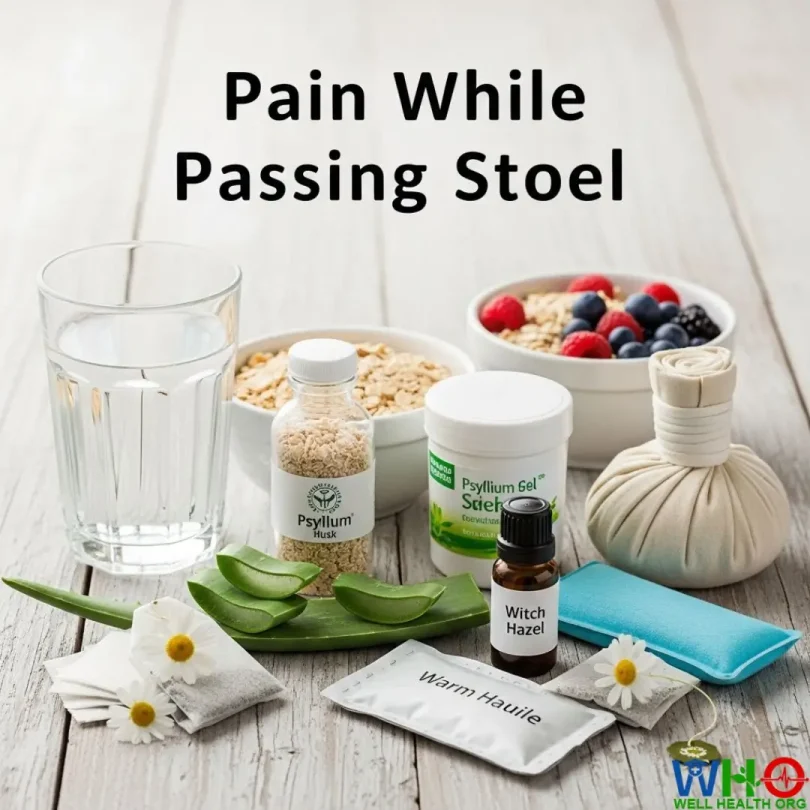
Painful Bowel Movements
Experiencing pain while passing stool can feel like an invisible burden that affects both your physical and emotional well-being. That sharp sting or dull ache in the rectal area can make a simple daily task—going to the bathroom—something you dread. If you’ve been silently struggling with this discomfort, you’re not alone. Millions of people face similar issues due to common yet often overlooked digestive or anal conditions.
- Painful Bowel Movements
- Understanding Why Pain Occurs While Passing Stool
- 1. Hemorrhoids (Piles)
- 2. Anal Fissures
- 3. Constipation
- 4. Muscle Spasms
- 5. Other Causes
- How Diet Affects Pain During Bowel Movements
- Increase Your Fiber Intake
- Stay Hydrated
- Foods to Limit or Avoid
- Lifestyle Adjustments for Long-Term Rectal Pain Relief
- Stay Physically Active
- Develop Healthy Toilet Habits
- Manage Stress
- Effective Home Remedies for Anal Pain and Discomfort
- 1. Sitz Bath (Warm Water Soak)
- 2. Aloe Vera
- 3. Coconut Oil
- 4. Warm Compress
- 5. Witch Hazel
- 6. Cold Compress
- Complementary Over-the-Counter (OTC) Options
- When to Seek Medical Advice
- Practical Tips to Prevent Future Pain
- Holistic Approaches to Support Digestive and Anal Health
- 1. The Mind-Gut Connection
- 2. The Role of Posture and Movement
- 3. Sleep and Digestive Rhythm
- 4. Herbal and Natural Aids
- When Home Remedies Aren’t Enough: Understanding Medical Options
- 1. For Hemorrhoids
- 2. For Anal Fissures
- 3. For Chronic Constipation
- 4. For Muscle-Related Pain
- Daily Routine Plan for Pain-Free Bowel Movements
- Emotional Well-Being and Pain Management
- Key Takeaways for Managing and Preventing Painful Bowel Movements
- Conclusion
- Frequently Asked Questions (FAQs)
The positive news? You don’t always need strong medications or invasive treatments to find relief. With the right home remedies, lifestyle tweaks, and a bit of patience, you can ease your pain naturally, improve digestion, and restore comfort to your daily routine.
This comprehensive guide explores not only the causes of stool-related pain but also proven home remedies, dietary adjustments, and self-care techniques supported by both traditional wisdom and modern health insights. Whether your discomfort stems from constipation, hemorrhoids, or muscle spasms, you’ll find practical steps here to promote healing, prevent recurrence, and regain control of your digestive health.
Understanding Why Pain Occurs While Passing Stool
Before we dive into remedies, it’s important to understand why this pain happens. When you know the root cause, you can treat it more effectively and avoid aggravating the problem.
There are several reasons why bowel movements can become painful:
1. Hemorrhoids (Piles)
Hemorrhoids are swollen blood vessels located in and around the rectum or anus. They can be internal (inside the rectum) or external (around the anus). When irritated, these veins swell, causing pain, itching, and even bleeding during bowel movements.
You might notice bright red blood on toilet paper, a tender lump near your anus, or a feeling of incomplete evacuation. Sitting for long periods, pregnancy, chronic constipation, and low-fiber diets often contribute to hemorrhoids.
2. Anal Fissures
Anal fissures are small but extremely painful tears in the delicate skin lining the anus. They usually develop from passing hard or oversized stools, leading to a burning or stinging sensation that can last for hours afterward.
A hallmark sign of an anal fissure is seeing bright red streaks of blood after wiping. In severe or chronic cases, the muscle around the anus (sphincter) may tighten, worsening the pain and slowing healing.
3. Constipation
Chronic constipation is one of the most common triggers for rectal pain. When stools become hard and dry due to inadequate fiber or fluid intake, you must strain to pass them. This excessive pressure can lead to fissures, hemorrhoids, or even rectal prolapse over time.
Constipation isn’t just about irregularity—it’s also about stool texture and ease of passage. Addressing constipation early is one of the best ways to prevent anal pain altogether.
4. Muscle Spasms
Sometimes, pain originates from spasms in the pelvic floor or rectal muscles rather than from tissue damage. Conditions like levator ani syndrome or proctalgia fugax cause sudden, cramp-like pain deep in the rectum, often unrelated to bowel movements but worsened by stress or tension.
5. Other Causes
While the conditions above account for most cases, other underlying issues—like infections, inflammatory bowel disease (IBD), endometriosis (in women), or prostatitis (in men)—can also lead to rectal discomfort. These conditions typically require medical evaluation to confirm and treat properly.
Understanding your specific symptoms is crucial. For instance, if pain lingers long after a bowel movement or comes with fever and fatigue, professional diagnosis is essential.
How Diet Affects Pain During Bowel Movements
Your digestive health mirrors your diet. What you eat can either support smooth, painless bowel movements—or make them more difficult and uncomfortable. Making thoughtful dietary changes is often the first and most effective natural remedy for stool pain.
Increase Your Fiber Intake
Fiber is your digestive system’s best friend. It adds bulk to stool, absorbs water, and keeps things moving through the intestines smoothly. Adults should consume 25–35 grams of fiber daily for optimal bowel health.
Here are some high-fiber food groups to include in your diet:
- Whole grains: Oats, brown rice, quinoa, and whole wheat pasta.
- Fruits: Apples (with skin), pears, berries, bananas, and oranges.
- Vegetables: Broccoli, carrots, spinach, kale, and Brussels sprouts.
- Legumes: Beans, lentils, and chickpeas are excellent plant-based fiber sources.
One particularly effective natural laxative is prunes. Rich in both fiber and sorbitol—a sugar alcohol that naturally draws water into the intestines—prunes soften stools and ease their passage. Consuming 4–6 prunes or a glass of prune juice daily often brings gentle relief within a few days.
When increasing fiber, do it gradually. A sudden spike can cause bloating and gas. Let your digestive system adapt slowly by adding more fiber over a week or two.
Stay Hydrated
Water works in tandem with fiber to maintain stool softness. Without sufficient fluid intake, stools become dry and compact, making bowel movements painful. Aim for 8–10 glasses of water daily, or more if you’re physically active or live in a warm climate.
Warm beverages—like herbal teas with peppermint, chamomile, or ginger—can also help relax digestive muscles and promote smoother bowel activity.
Foods to Limit or Avoid
Certain foods make constipation and rectal pain worse. Reducing or eliminating them can significantly ease your symptoms:
- Processed or fast foods low in fiber
- Red meat and dairy (hard to digest for some people)
- Fried and oily foods
- Alcohol and caffeine (can cause dehydration)
- Refined carbs like white bread, pastries, or sugary snacks
Keep a food journal to note which foods trigger discomfort or irregularity. Everyone’s digestive system is unique—what causes pain in one person might be harmless for another.
Lifestyle Adjustments for Long-Term Rectal Pain Relief
Beyond diet, your daily habits play a massive role in digestive comfort. Even small changes can make bowel movements smoother and less painful.
Stay Physically Active
Movement stimulates your intestines, encouraging regular bowel activity. You don’t need to run marathons—simple activities like walking 30 minutes daily, light jogging, or yoga can work wonders.
Yoga poses like Child’s Pose, Wind-Relieving Pose (Pawanmuktasana), and Bridge Pose help massage abdominal organs, improve circulation, and relieve bloating.
Develop Healthy Toilet Habits
Your approach to using the toilet affects your anal health more than you might think. Follow these key tips:
- Respond promptly to the urge to go. Ignoring it can cause stool to harden, leading to constipation and straining.
- Don’t rush. Take your time, but avoid pushing forcefully. Forcing bowel movements can worsen hemorrhoids and fissures.
- Adjust your posture. Elevate your feet on a small stool to mimic a natural squatting position—this straightens the rectum and makes stool passage easier.
- Keep the area clean. Use gentle cleansing methods like a bidet or rinse with lukewarm water. Avoid harsh, scented wipes that can irritate sensitive skin.
Manage Stress
Your gut and brain are closely connected—when you’re anxious or stressed, digestion suffers. Stress can slow down bowel movements, worsen IBS symptoms, and tighten pelvic muscles.
Incorporate calming activities like deep breathing exercises, meditation, journaling, or even listening to soft music. Maintaining a consistent sleep schedule also helps regulate digestive function.
Effective Home Remedies for Anal Pain and Discomfort
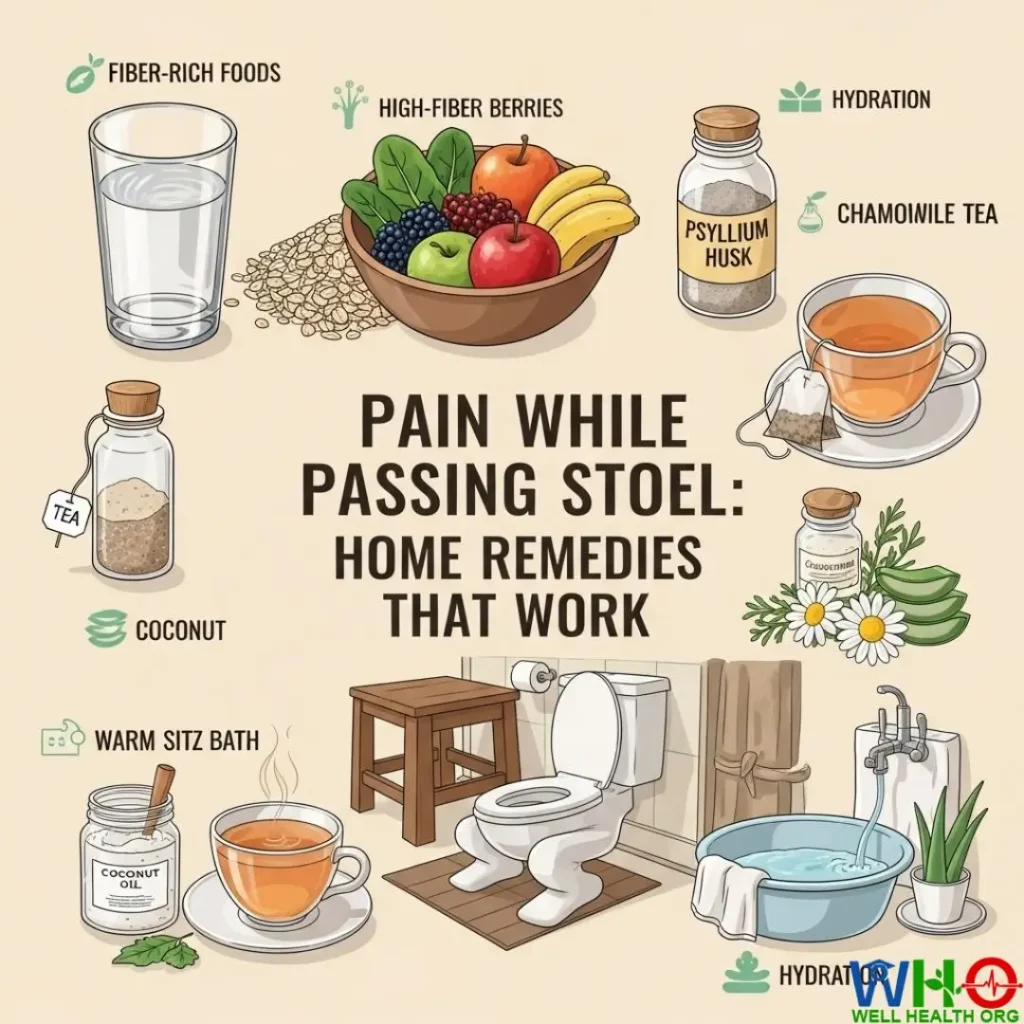
If stool passage feels painful despite dietary and lifestyle improvements, don’t worry—nature offers several soothing, time-tested remedies to relieve rectal pain, reduce inflammation, and support healing. These natural methods are gentle, affordable, and often deliver noticeable results within days.
1. Sitz Bath (Warm Water Soak)
A sitz bath is one of the simplest and most effective remedies for rectal pain. It involves soaking your anal area in warm water to relax the muscles, reduce inflammation, and improve blood circulation.
Here’s how to do it properly:
- Fill a bathtub or a sitz bath basin with about 3–4 inches of warm (not hot) water.
- Sit comfortably, ensuring the affected area is fully submerged.
- Soak for 15–20 minutes, 2–3 times per day—especially after bowel movements.
- Gently pat the area dry with a soft towel afterward.
For enhanced benefits, you can add Epsom salts (known for their anti-inflammatory properties) or a few drops of witch hazel or tea tree oil to the water. This combination can soothe itching, shrink swollen tissues, and promote faster recovery.
2. Aloe Vera
Pure aloe vera gel has natural anti-inflammatory, antibacterial, and healing properties. It forms a cooling barrier on the skin, reducing pain and irritation caused by fissures or hemorrhoids.
How to use it:
- Extract fresh gel directly from an aloe vera leaf or use 100% pure aloe gel (avoid products with alcohol or fragrance).
- Apply a thin layer to the affected area after cleaning and drying it gently.
- Repeat twice a day until pain subsides.
You can also drink aloe vera juice in moderation—it supports digestive health by soothing the intestinal lining and preventing constipation.
3. Coconut Oil
Coconut oil is both a natural lubricant and a healing agent. It eases stool passage by reducing friction in the anal canal and also helps moisturize dry, irritated skin.
Apply a small amount of virgin coconut oil to the anus before and after bowel movements. The oil’s antimicrobial properties can also help prevent infections, especially in cases of fissures or hemorrhoids.
For internal benefits, adding a teaspoon of coconut oil to your morning coffee or smoothie can improve digestion and help maintain softer stools.
4. Warm Compress
Applying a warm compress to the anal area can be incredibly soothing. The warmth increases blood flow, relaxes tight muscles, and reduces discomfort from muscle spasms or inflammation.
To do this:
- Soak a clean cloth in warm water and wring out the excess.
- Apply it to the painful area for 10–15 minutes.
- Repeat several times a day as needed.
This method is particularly helpful if you experience cramping pain or pelvic muscle tension.
5. Witch Hazel
Witch hazel is a natural astringent derived from the bark and leaves of the Hamamelis shrub. It helps tighten skin tissue, reduce swelling, and relieve itching or burning caused by hemorrhoids.
How to use it:
- Soak a cotton pad with pure witch hazel and apply it directly to the affected area.
- Hold it in place for a few minutes and repeat 2–3 times daily.
You can also use witch hazel pads (often available in pharmacies) for convenient application after bowel movements.
6. Cold Compress
While warmth relaxes, cold therapy can quickly numb pain and reduce swelling. Wrap a few ice cubes in a soft cloth and apply to the affected area for 10 minutes at a time. Alternate between warm and cold compresses for faster relief and improved circulation.
Complementary Over-the-Counter (OTC) Options
While natural remedies can work wonders, sometimes pairing them with safe OTC products enhances their effectiveness. These can help you find faster relief and improve overall comfort.
- Stool Softeners: Products like docusate sodium help draw water into the stool, making it softer and easier to pass without straining. They are gentler than stimulant laxatives and ideal for short-term use.
- Fiber Supplements: If getting enough fiber from food is difficult, consider adding psyllium husk (Metamucil) or methylcellulose (Citrucel) to your routine.
- Topical Ointments: Creams containing hydrocortisone reduce inflammation, while lidocaine-based gels numb pain temporarily.
- Pain Relievers: Over-the-counter medications like acetaminophen or ibuprofen can help manage discomfort. Avoid aspirin, as it may worsen bleeding from hemorrhoids or fissures.
Always use these products as directed on the label and consult a healthcare professional if you’re unsure which option is right for you.
When to Seek Medical Advice
While home remedies work for many, not all cases of rectal pain are harmless. Sometimes, persistent or severe pain can signal a more serious underlying issue that needs medical evaluation.
Seek immediate medical attention if you notice any of the following:
- Severe or worsening pain that doesn’t improve after two weeks of home care.
- Heavy rectal bleeding or clots in stool.
- Fever, chills, or pus discharge near the anus (possible infection).
- Unexplained weight loss or fatigue.
- Changes in bowel habits lasting more than a few weeks (alternating diarrhea and constipation).
- A hard lump or growth that doesn’t go away.
- Inability to control bowel movements or severe pain preventing defecation.
These symptoms may indicate conditions like inflammatory bowel disease (IBD), colorectal cancer, severe infections, or abscesses that require professional care.
If you’re pregnant, rectal pain is quite common due to increased pressure in the pelvic area and hormonal changes that slow digestion. However, it’s still essential to talk to your doctor before using any home or over-the-counter remedies.
Practical Tips to Prevent Future Pain
Finding relief is important—but preventing recurrence is even more valuable. Once you’ve soothed your current discomfort, follow these long-term strategies to keep your digestive system healthy:
- Stick to a fiber-rich diet. Make whole grains, vegetables, and fruits staples in every meal.
- Drink plenty of fluids. Water is your body’s natural lubricant for bowel health.
- Avoid sitting for long periods. Take short standing or walking breaks every hour.
- Stay active. Regular movement keeps your intestines functioning smoothly.
- Don’t ignore the urge to go. Respond promptly when nature calls.
- Maintain anal hygiene. Gently cleanse after bowel movements to prevent irritation.
- Use natural oils or lubricants. A small amount of coconut or olive oil can help reduce friction before stool passage.
- Monitor your stress levels. A calm mind supports a healthy gut.
By following these habits consistently, most people can prevent recurrence of pain and maintain long-term comfort.
Holistic Approaches to Support Digestive and Anal Health
While dietary and local remedies offer direct relief, a holistic approach that considers your entire body’s balance can lead to lasting wellness. Your gut health is influenced not only by food and habits but also by emotional health, posture, hydration, and even sleep patterns. Let’s explore additional methods to strengthen your digestive system and prevent future pain during bowel movements.
1. The Mind-Gut Connection
Modern science has confirmed what ancient medicine has known for centuries — your brain and gut are deeply connected. Stress, anxiety, and emotional tension can directly impact bowel function. When you’re stressed, your body releases hormones like cortisol and adrenaline, which can slow digestion and tighten the muscles around the rectum and pelvis.
To ease this connection, try daily mindfulness or meditation sessions. Even five minutes of deep breathing can help relax your gut. You can also explore yoga nidra, progressive muscle relaxation, or guided imagery—techniques that calm both your mind and body, allowing smoother, pain-free bowel movements.
2. The Role of Posture and Movement
Surprisingly, your posture throughout the day affects your digestive system. Sitting for long hours compresses the intestines and reduces blood flow to the pelvic region, contributing to sluggish digestion and discomfort during bowel movements.
Incorporate the following practices into your daily routine:
- Stand and stretch every hour if you work at a desk.
- Practice gentle yoga or tai chi to improve posture and flexibility.
- Avoid slouching, especially after eating—sit upright for at least 30 minutes.
Additionally, regular abdominal massages (clockwise motion around the navel) can stimulate bowel movements and relieve constipation naturally.
3. Sleep and Digestive Rhythm
A good night’s sleep is vital for every system in your body, including your gut. Poor sleep disrupts hormonal balance, slows digestion, and increases stress levels—all of which can lead to painful bowel movements.
Try to:
- Maintain a consistent sleep schedule (sleep and wake at the same time daily).
- Avoid eating heavy meals late at night.
- Limit screen time before bed to reduce blue light exposure.
A rested body supports a calm digestive system. Many people find their bowel habits improve significantly once they start sleeping better.
4. Herbal and Natural Aids
Certain herbs have long been valued for their gentle effects on digestion and rectal health. Here are a few you can safely incorporate into your daily routine:
- Triphala: A traditional Ayurvedic blend of three fruits (amla, haritaki, and bibhitaki) that promotes natural bowel movements without dependency.
- Slippery Elm: Forms a soothing gel that coats the intestinal lining, reducing irritation.
- Ginger: Stimulates digestion and reduces bloating. Drink it as a tea or include it in meals.
- Chamomile: Helps relax muscles and reduce inflammation in the gastrointestinal tract.
These natural aids not only ease pain but also improve overall digestive efficiency.
When Home Remedies Aren’t Enough: Understanding Medical Options
If home and lifestyle remedies fail to relieve stool-related pain, don’t lose hope. Medical treatments are available and can be tailored to your condition’s severity and underlying cause.
1. For Hemorrhoids
Doctors may recommend rubber band ligation, sclerotherapy, or infrared coagulation to shrink swollen veins. In advanced cases, a hemorrhoidectomy (surgical removal) might be necessary.
2. For Anal Fissures
Chronic fissures may require prescription ointments containing nitroglycerin or calcium channel blockers to relax the sphincter muscles and promote healing. In resistant cases, a minor surgery called lateral internal sphincterotomy provides long-term relief.
3. For Chronic Constipation
If constipation persists despite lifestyle changes, a doctor might prescribe osmotic laxatives, fiber therapy, or prokinetic drugs to enhance intestinal movement.
4. For Muscle-Related Pain
Pelvic floor therapy or biofeedback training can help retrain your muscles for coordinated bowel movements, easing chronic spasms and discomfort.
Remember, seeking medical help doesn’t mean your efforts at home failed—it means you’re taking responsible action to protect your health.
Daily Routine Plan for Pain-Free Bowel Movements
To help you maintain consistency, here’s an example of a daily routine that promotes smooth, pain-free digestion:
| Time of Day | Activity | Purpose |
|---|---|---|
| Morning | Drink a glass of warm water with lemon. | Stimulates bowel movement and hydrates body. |
| Breakfast | High-fiber meal (oats with fruit or whole-grain toast). | Provides bulk to stool. |
| Midday | Stay active – take a 15-minute walk after lunch. | Promotes intestinal movement. |
| Afternoon | Stay hydrated; avoid processed snacks. | Keeps stool soft. |
| Evening | Light dinner with vegetables and whole grains. | Eases digestion overnight. |
| Before Bed | Herbal tea (chamomile or ginger). | Relaxes muscles and reduces inflammation. |
Following a predictable, mindful routine like this trains your digestive system to work efficiently, reducing the likelihood of painful stool passage.
Emotional Well-Being and Pain Management
Physical pain often takes a toll on your emotional health. Many people dealing with rectal discomfort feel embarrassed or anxious discussing their condition. Remember — this is a common and treatable issue, not a reflection of poor hygiene or health neglect.
Openly communicating with your doctor or loved ones can reduce stress, which in turn supports healing. Pairing emotional support with physical care can dramatically accelerate recovery.
Engage in small acts of self-care—reading, journaling, aromatherapy, or spending time in nature. These simple habits can shift your body’s healing response by lowering cortisol levels and promoting relaxation.
Key Takeaways for Managing and Preventing Painful Bowel Movements
- Prevention is better than cure. Eat a balanced, fiber-rich diet and stay hydrated.
- Consistency matters. Make small lifestyle changes and stick to them daily.
- Listen to your body. Don’t ignore the urge to go or signs of discomfort.
- Stress less. A calm mind helps your gut function better.
- Seek help early. Persistent pain is your body’s way of asking for professional care.
With patience and care, most people experience lasting relief through natural methods alone.
Conclusion
Pain while passing stool can significantly affect your quality of life, but it’s rarely something you have to live with permanently. By combining home remedies, dietary improvements, gentle exercise, and mindful self-care, you can restore normal, comfortable bowel movements naturally.
Start small—drink more water, eat a fiber-packed breakfast, and take a warm sitz bath tonight. These small acts of care can make a world of difference over time. Remember, every digestive system is unique, so experiment gently and give your body the time it needs to heal.
If your symptoms persist beyond a couple of weeks, don’t hesitate to consult a healthcare provider. Early intervention ensures proper diagnosis, peace of mind, and a faster return to comfort.
With awareness, discipline, and a holistic approach, you can say goodbye to the dread of painful bowel movements and hello to better digestive health, naturally.
Frequently Asked Questions (FAQs)
1. How long does it take for home remedies to relieve pain while passing stool?
Most people notice improvement within a few days to a week, especially when combining fiber intake, hydration, and sitz baths. Severe cases may take longer, depending on the cause.
2. Can stress alone cause painful bowel movements?
Yes. Stress can affect gut motility and cause muscle spasms, leading to painful or irregular bowel movements. Managing stress through relaxation techniques can ease symptoms.
3. Are sitz baths safe for daily use?
Absolutely. In fact, taking a sitz bath once or twice daily is one of the safest and most effective ways to reduce anal pain and inflammation.
4. What’s the best natural lubricant for stool passage?
Virgin coconut oil and olive oil work best. Applying a small amount externally before bowel movements helps reduce friction and pain.
5. Can diet alone fix rectal pain issues?
In many cases, yes—especially if constipation or hemorrhoids are the main cause. A fiber-rich diet with plenty of water, paired with exercise and good toilet habits, can bring lasting relief.
Medically Reviewed by Prof. Dr. Akram
Orthopedic Surgeon | Professor | Senior Medical Specialist
Prof. Dr. Akram is a distinguished surgeon with over 15 years of clinical expertise. Having served as a lead Emergency Specialist at Complex International Government Hospital, he currently leads a specialized team of 13 medical professionals at his private hospital. As a Professor at top medical universities, he ensures that every article on WellHealthOrg.com meets rigorous clinical standards.
Medical Disclaimer:
The information provided is for educational purposes only and is not a substitute for professional medical advice, diagnosis, or treatment. Always consult your physician for any medical concerns.
Our content is rigorously fact-checked by our 13-member Editorial Team under the clinical supervision of Prof. Dr. Akram.