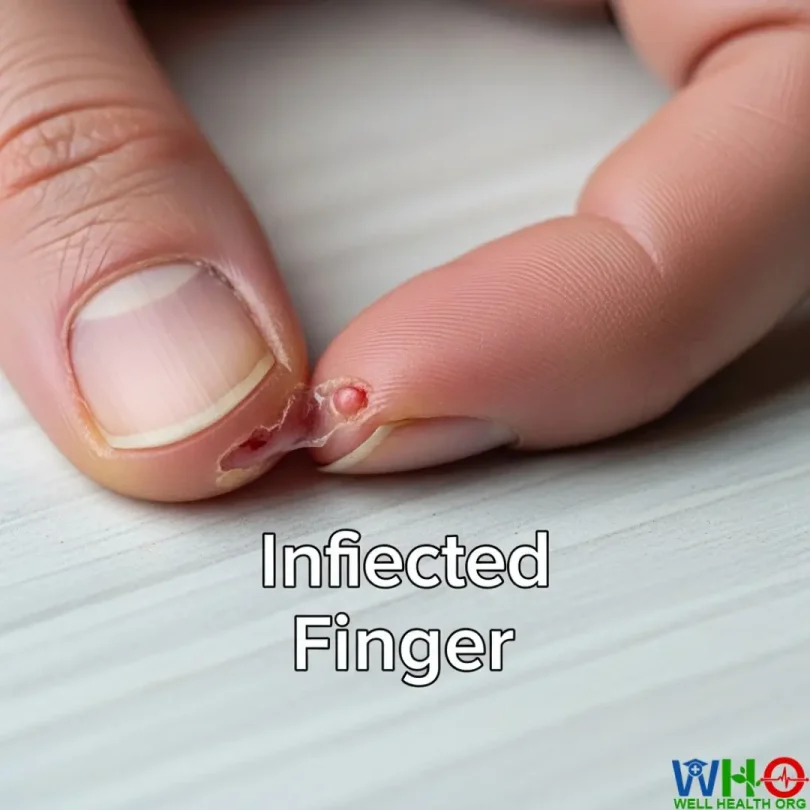
Infected Finger Cuticle Home Remedy
That small, tender spot around your fingernail might not seem like a big deal—until it starts throbbing, swelling, and turning red. Suddenly, even simple tasks like typing or washing your hands become uncomfortable. What you’re likely dealing with is an infected cuticle, medically known as paronychia. While it’s a common and usually minor condition, ignoring it can lead to painful complications or even nail loss.
- Infected Finger Cuticle Home Remedy
- What Exactly Is a Cuticle Infection (Paronychia)?
- Common Symptoms of an Infected Cuticle
- Why Cuticle Infections Happen: Common Causes
- Best Home Remedies for an Infected Finger Cuticle
- 1. Warm Water Soaks
- 2. Epsom Salt Soaks
- 3. Apply an Antibacterial Ointment
- 4. Use a Diluted Vinegar Solution
- 5. Tea Tree Oil Treatment
- 6. Use Aloe Vera Gel for Cooling Relief
- 7. Garlic Paste Remedy
- How to Prevent Cuticle Infections
- When to See a Doctor
- Tips for Faster Healing
- Protect Your Nail Health
- FAQs
The good news? Most mild cases of paronychia respond extremely well to home treatment. With the right care, you can soothe the pain, fight the infection, and restore your nail health naturally—all from the comfort of your home.
This complete guide will walk you through how to identify the symptoms, treat an infected finger cuticle safely at home, and know when it’s time to see a doctor. Plus, we’ll include essential prevention tips to keep those painful infections from coming back.
What Exactly Is a Cuticle Infection (Paronychia)?
Your cuticle is the thin layer of skin that hugs the base of your nail, acting as a barrier between your nail plate and the surrounding skin. Its job is simple but vital—it keeps bacteria, yeast, and fungi out of your nail bed. However, when that barrier gets damaged (even slightly), microorganisms can sneak in and cause an infection.
Paronychia can be acute (sudden and short-term) or chronic (lasting for weeks or recurring often). The acute type typically develops quickly—often within hours or days—while chronic cases linger and may involve multiple nails.
Understanding whether your infection is mild or severe helps you choose the right treatment approach. For most people, home remedies work perfectly well for early, mild infections.
Common Symptoms of an Infected Cuticle
An infected cuticle usually starts subtly: a bit of redness, tenderness, or swelling near the nail. But if left untreated, it can quickly escalate.
Here are the most common signs and symptoms to look for:
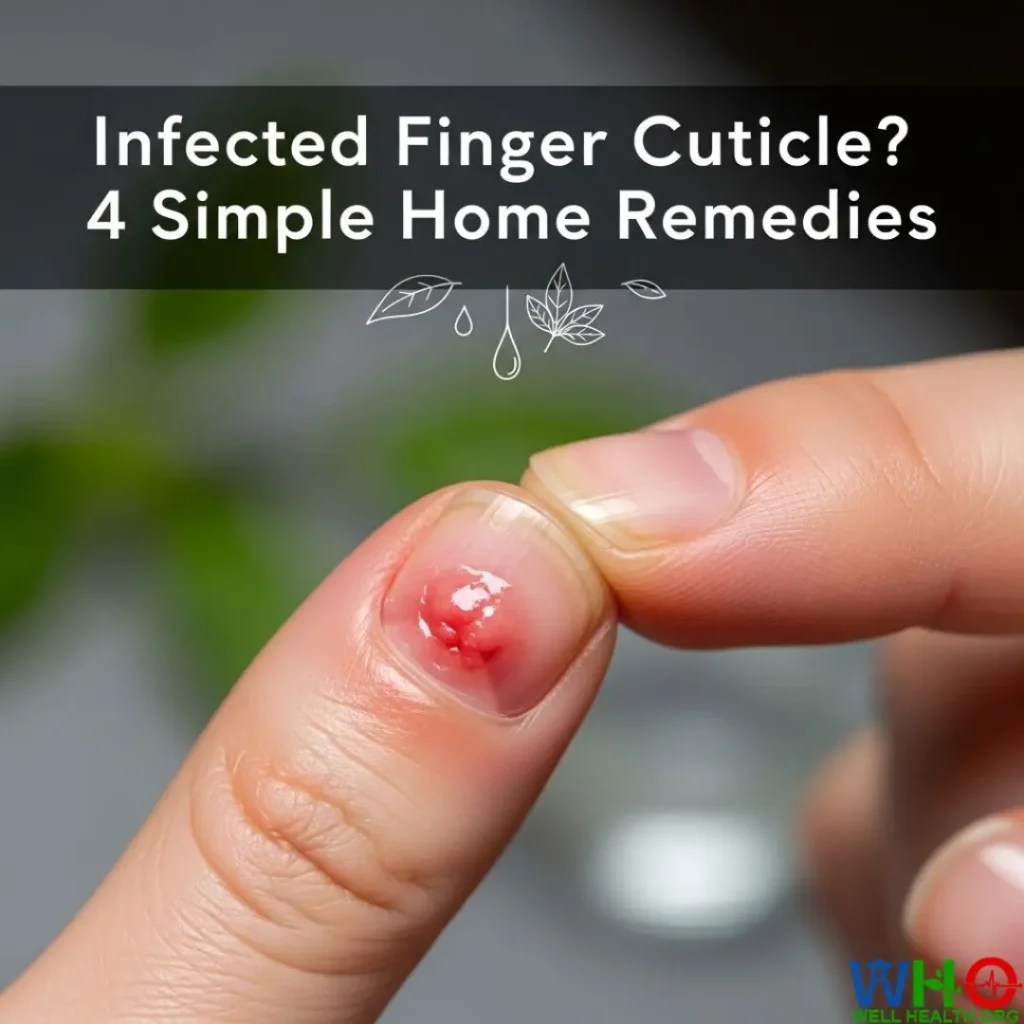
- Redness and swelling around the nail fold or cuticle area.
- Pain and tenderness, especially when pressure is applied.
- Warmth—the skin may feel hotter than surrounding areas.
- Pus buildup or abscess, which may appear as a white or yellow bump.
- Changes in nail appearance—the nail may thicken, become discolored, or develop ridges.
In severe or untreated cases, the infection can spread deeper, leading to nail detachment or more serious tissue damage. Recognizing these early warning signs is crucial for quick healing.
Why Cuticle Infections Happen: Common Causes
The skin around your nails is delicate and easily irritated, which makes it a perfect entry point for bacteria or fungi if not properly protected. Most infections are caused by Staphylococcus aureus, a common bacterium that lives harmlessly on our skin until it finds an open cut or tear.
Here are the leading causes of cuticle infections:
- Nail biting or picking – A major culprit! Biting your nails or pulling at hangnails can create tiny openings for bacteria.
- Aggressive manicures – Cutting cuticles too short or using unsterilized tools introduces germs directly into the skin.
- Minor injuries – Even a paper cut or hangnail can let bacteria in.
- Frequent water exposure – Constantly wet hands (from dishwashing, cleaning, or bartending) weaken the skin’s defenses.
- Chemical irritants – Exposure to harsh soaps, cleaning products, or detergents dries and irritates the skin, making it vulnerable to infection.
Knowing the root cause of your infection can help prevent it from coming back later.
Best Home Remedies for an Infected Finger Cuticle
If your infection is mild—meaning there’s no severe swelling, intense pain, or fever—you can often treat it at home. Below are some effective, doctor-approved remedies that help relieve pain, reduce swelling, and encourage drainage.
1. Warm Water Soaks
A simple warm water soak is one of the most soothing and effective treatments for early paronychia. The warmth helps increase circulation, reduce swelling, and soften the skin—making it easier for trapped pus to drain naturally.
How to do it:
- Fill a small bowl with warm (not hot) water.
- Soak the infected finger for 15–20 minutes.
- Repeat 3–4 times per day.
- Gently pat the area dry afterward with a clean towel.
For added relief, you can add a few drops of tea tree oil (a natural antibacterial) to the water. Be cautious, though—always do a patch test first to ensure your skin doesn’t react.
Warm soaks are especially effective in the early stages of infection, helping your body’s natural healing process kick into high gear.
2. Epsom Salt Soaks
Epsom salt (magnesium sulfate) is another excellent addition to your soaking routine. It helps draw out pus, reduce inflammation, and soothe soreness.
How to do it:
- Dissolve 1–2 teaspoons of Epsom salt into a bowl of warm water.
- Soak your finger for 15 minutes, 2–3 times a day.
- After soaking, dry the area completely and keep it clean.
Epsom salt soaks work wonders when combined with antibacterial ointment afterward (see below). This combo helps both pull out infection and kill surface bacteria.
3. Apply an Antibacterial Ointment
Once the area is clean and dry, applying an over-the-counter antibiotic ointment can help stop bacteria from multiplying.
Look for ointments containing:
- Bacitracin
- Neomycin
- Polymyxin B
How to do it:
- Wash your hands thoroughly.
- Apply a thin layer of the ointment directly to the infected area.
- Cover it with a clean, sterile bandage.
- Reapply 2–3 times daily until the redness and swelling subside.
This simple step can often halt the infection before it worsens.
4. Use a Diluted Vinegar Solution
White vinegar has antibacterial and antifungal properties, making it a natural yet gentle home remedy. It helps clean the infected area and restore the skin’s natural pH balance.
How to do it:
- Mix equal parts white vinegar and warm water.
- Soak your finger for 10–15 minutes once a day.
- If the mixture stings or causes redness, dilute it further or discontinue use.
Never use undiluted vinegar—it’s too harsh for broken skin. This remedy is best for mild infections or as a preventive soak for those prone to recurring paronychia.
5. Tea Tree Oil Treatment
Tea tree oil is one of nature’s strongest antiseptics and anti-inflammatories. It’s known to fight bacteria, fungi, and yeast—the same microbes that cause many cuticle infections. When properly diluted, it can help disinfect, reduce redness, and encourage healing of the infected area.
How to do it:
- Mix a few drops of tea tree oil with a carrier oil like coconut oil or olive oil (1 part tea tree oil to 3 parts carrier oil).
- Apply the blend directly to the infected cuticle using a clean cotton swab.
- Leave it on for about 15–20 minutes, then rinse with warm water.
- Repeat twice daily until symptoms improve.
If you prefer, you can also add a few drops of tea tree oil to your warm water soak. Always avoid using undiluted essential oils directly on the skin—they can cause irritation or burns.
Tea tree oil’s antimicrobial power makes it an excellent companion to other remedies, especially if your infection has fungal or yeast involvement.
6. Use Aloe Vera Gel for Cooling Relief
Aloe vera isn’t just for sunburns—it’s a fantastic natural healer for minor infections and skin irritation. Rich in vitamins, enzymes, and antioxidants, aloe vera helps reduce inflammation, soothe pain, and promote faster skin regeneration.
How to do it:
- Use fresh aloe vera gel (from a plant leaf) or 100% pure store-bought gel.
- Apply a thin layer directly to the infected cuticle.
- Let it sit for about 20 minutes, then rinse gently with lukewarm water.
- Repeat 2–3 times daily.
This remedy works especially well when paired with warm water soaks earlier in the day. The cool, hydrating properties of aloe help relieve the tight, burning sensation common with cuticle infections.
7. Garlic Paste Remedy
Garlic is often referred to as nature’s antibiotic. It contains allicin, a powerful compound known to fight bacteria, viruses, and fungi. When applied topically, garlic can help reduce microbial growth and accelerate healing in the infected area.
How to do it:
- Crush one fresh garlic clove to release its juice.
- Mix it with a drop or two of olive oil to avoid direct irritation.
- Apply the paste gently over the infected cuticle.
- Leave it on for 10 minutes, then rinse thoroughly with warm water.
Use this remedy once a day until symptoms ease. Because garlic is potent, avoid leaving it on for too long—it can cause mild skin burns if overused.
How to Prevent Cuticle Infections
Once you’ve healed your current infection, prevention becomes your best ally. Good nail hygiene and gentle care habits can make all the difference.
Here’s how to protect your nails and cuticles from future infections:
1. Stop biting your nails or picking at your skin.
It’s one of the most common causes of infection. If this is a habit, consider using a bitter-tasting nail polish or stress-relief techniques to help break it.
2. Practice proper nail care.
Trim your nails regularly but avoid cutting them too short. When caring for your cuticles, gently push them back using a cuticle stick instead of cutting them.
3. Keep your hands clean.
Wash your hands with mild soap and warm water to reduce bacterial buildup. Always dry your hands thoroughly afterward—especially between your fingers.
4. Moisturize daily.
Use a good hand cream or cuticle oil after washing your hands. Moisturized skin is more resilient and less likely to crack or tear.
5. Protect your hands from water and chemicals.
If you wash dishes, clean, or use harsh detergents often, wear rubber or waterproof gloves. Prolonged exposure to water weakens the skin barrier and makes infections more likely.
6. Sanitize manicure tools.
Always disinfect nail tools before and after use—especially if you do your own manicures at home.
7. Avoid sharing nail tools or polish.
Cross-contamination can spread bacteria and fungi quickly between people.
When to See a Doctor
Most mild infections clear up with home treatment in a few days, but there are times when professional help is essential. Ignoring worsening symptoms can lead to deeper infections that require medical intervention.
See a doctor immediately if you notice:
- Severe or spreading redness and swelling.
- Intense throbbing pain that doesn’t improve.
- A large pus pocket (abscess) under the skin.
- Fever, chills, or feeling generally unwell.
- The infection spreading beyond the nail area.
- Repeated infections or chronic inflammation.
If you have diabetes, poor circulation, or a weakened immune system, don’t wait to seek care. These conditions can make infections more serious and harder to treat.
A healthcare provider may prescribe oral or topical antibiotics, antifungal medication, or in some cases, drain the abscess to relieve pressure and remove pus safely.
Tips for Faster Healing
Recovering from a cuticle infection doesn’t have to take long if you combine proper care with a few smart habits.
1. Keep the area dry and clean.
Moisture traps bacteria. After soaking treatments, always pat dry and avoid prolonged exposure to water.
2. Don’t squeeze or pop the infection.
Doing so can push bacteria deeper into the skin, worsening the condition.
3. Maintain overall hygiene.
Trim hangnails carefully and avoid pulling them. Keep nails short but not too short.
4. Eat foods rich in vitamin C and zinc.
These nutrients boost your immune system and help tissue heal faster.
5. Rest your hands.
Avoid heavy manual work or excessive pressure on the infected finger while it heals.
By giving your finger time and consistent care, you’ll see steady improvement within a few days.
Protect Your Nail Health
An infected cuticle may seem minor at first, but treating it promptly can save you a lot of discomfort. Whether it’s from nail biting, a hangnail, or an overzealous manicure, the solution is often simple: clean, soak, treat, and protect.
Most mild infections heal beautifully at home when you follow these steps—warm soaks, Epsom salts, antibacterial ointment, and proper hygiene. However, if you notice worsening redness, swelling, or pain, don’t hesitate to get professional help.
Healthy nails start with healthy habits. Keep your hands moisturized, avoid harsh chemicals, and treat your cuticles gently—they’re your first line of defense against infection.
FAQs
1. How long does a cuticle infection take to heal?
With proper home care, most mild infections improve within 3–7 days. More severe cases may take up to two weeks or require medical attention.
2. Should I pop the pus from an infected cuticle?
No. Never attempt to drain an abscess yourself. Doing so can worsen the infection or spread bacteria deeper. If pus is visible, see a doctor for safe drainage.
3. Can I use hydrogen peroxide on an infected cuticle?
Hydrogen peroxide can help disinfect the area but may delay healing if used too often. Use it sparingly and always moisturize afterward to prevent dryness.
4. What if my nail falls off after infection?
In rare cases, severe infections can cause nail detachment. Keep the area clean, protect it with a bandage, and allow the nail to regrow naturally—it usually returns within several months.
5. Can I prevent cuticle infections completely?
Yes! By practicing good nail hygiene, avoiding biting or picking, moisturizing regularly, and protecting your hands from harsh chemicals, you can significantly reduce your risk.
Final Thoughts
Your hands do a lot for you—don’t forget to care for them in return. Treating a cuticle infection promptly prevents unnecessary pain and complications. With gentle, consistent home remedies and mindful prevention, your nails will stay healthy, strong, and free of infection.
Medically Reviewed by Prof. Dr. Akram
Orthopedic Surgeon | Professor | Senior Medical Specialist
Prof. Dr. Akram is a distinguished surgeon with over 15 years of clinical expertise. Having served as a lead Emergency Specialist at Complex International Government Hospital, he currently leads a specialized team of 13 medical professionals at his private hospital. As a Professor at top medical universities, he ensures that every article on WellHealthOrg.com meets rigorous clinical standards.
Medical Disclaimer:
The information provided is for educational purposes only and is not a substitute for professional medical advice, diagnosis, or treatment. Always consult your physician for any medical concerns.
Our content is rigorously fact-checked by our 13-member Editorial Team under the clinical supervision of Prof. Dr. Akram.