
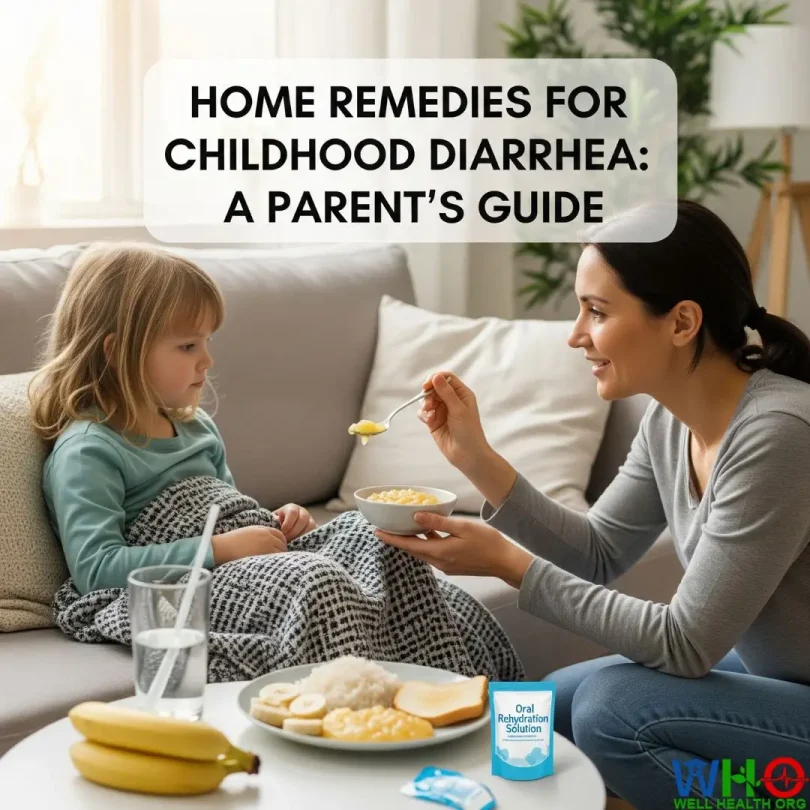
Home Remedies for Your Child’s Diarrhea
When your child suddenly has loose, watery stools, it can be both stressful and confusing. You might worry about what caused it, what to feed them, and when it’s serious enough to call the doctor. The good news? Most cases of diarrhea in children are mild, temporary, and easily treatable at home with the right care and attention.
- Home Remedies for Your Child’s Diarrhea
- Understanding Diarrhea in Children
- Common Causes of Diarrhea in Kids
- 1. Viral Infections
- 2. Bacterial Infections
- 3. Food Sensitivities and Intolerances
- 4. Antibiotic Use
- 5. Teething and Mild Digestive Upset
- Recognizing When to Treat at Home
- Signs of Dehydration in Children
- Top Home Remedies for Managing Your Child’s Diarrhea
- 1. Rehydrate with Oral Rehydration Solutions (ORS)
- How to Use ORS Effectively:
- 2. The BRAT Diet: Gentle Foods for Recovery
- 3. Include Probiotics to Restore Gut Health
- 4. Offer Easily Digestible Meals
- 5. Keep Your Child Hydrated with Natural Drinks
- 6. Foods and Drinks to Avoid During Diarrhea
- Prevention Tips: How to Protect Your Child from Diarrhea
- 1. Practice Excellent Hand Hygiene
- 2. Ensure Safe Food and Water
- 3. Limit Fruit Juice and Processed Snacks
- 4. Keep Vaccinations Up to Date
- 5. Promote a Healthy Gut Year-Round
- When to Call the Doctor
- Comforting and Caring for Your Child During Recovery
- Final Thoughts: Nurturing Your Child Back to Health Naturally
- 🩺 Conclusion: Gentle Care, Quick Recovery, and Peace of Mind
- ❓ Frequently Asked Questions (FAQ) About Diarrhea in Children
- 1. What is the main cause of diarrhea in children?
- 2. How long does diarrhea usually last in children?
- 3. What should I feed my child when they have diarrhea?
- 4. Can breastfeeding continue during diarrhea?
- 5. Are probiotics safe for children with diarrhea?
- 6. Can teething cause diarrhea?
- 7. When should I be worried about my child’s diarrhea?
- 8. Can certain fruits or juices make diarrhea worse?
- 9. What drinks help with diarrhea besides ORS?
- 10. How can I prevent diarrhea in my child in the future?
- 11. Is it okay to give medicine to stop diarrhea?
- 12. My child has diarrhea after taking antibiotics. What should I do?
- 13. Can children go to school or daycare with diarrhea?
- 14. Is green or yellow diarrhea normal in children?
- 15. How can I comfort my child during diarrhea?
- 🌿 Final Takeaway
This comprehensive guide walks you through everything you need to know — from understanding what triggers diarrhea to natural home remedies, hydration techniques, and dietary adjustments that promote quick recovery. It’s designed to help parents feel confident, calm, and informed when caring for their little ones.
Understanding Diarrhea in Children
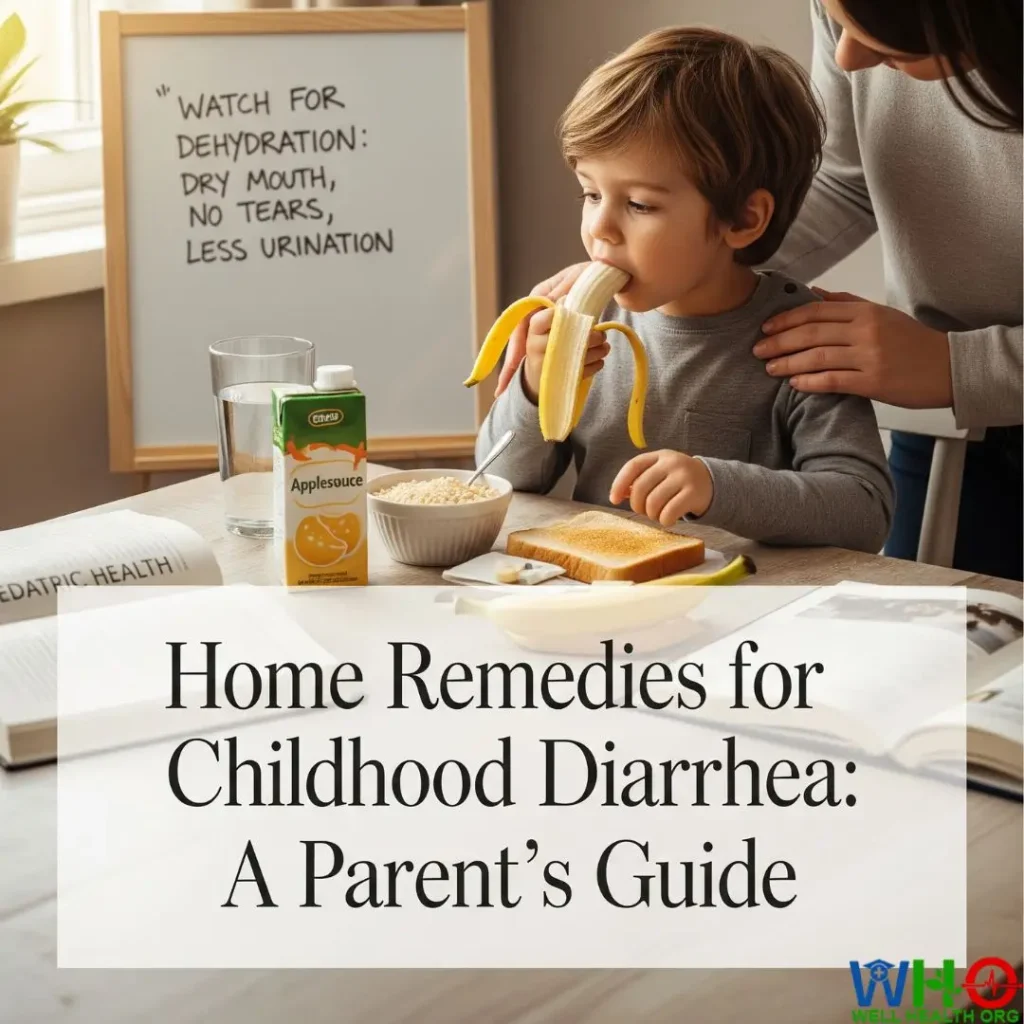
Diarrhea means passing loose or watery stools more often than usual. It’s one of the body’s natural defense mechanisms — a way to quickly flush out bacteria, viruses, or irritants from the digestive system. While it may look alarming, most children recover within a few days with the right hydration and gentle foods.
Common Causes of Diarrhea in Kids
Children’s digestive systems are more sensitive than adults’, and even small disruptions can cause loose stools. Some of the most common causes include:
1. Viral Infections
Viruses are the leading cause of diarrhea in children.
- Rotavirus and norovirus are the main culprits, especially in younger children.
- Symptoms often include watery stools, mild fever, and sometimes vomiting.
- Fortunately, most viral infections resolve within 3–5 days.
2. Bacterial Infections
Sometimes bacteria such as E. coli, Salmonella, or Shigella can enter your child’s digestive tract through contaminated food or water.
- These infections can cause more severe diarrhea, fever, or stomach cramps.
- If your child’s diarrhea is accompanied by blood or mucus in the stool, seek medical help immediately.
3. Food Sensitivities and Intolerances
Some children have difficulty digesting certain foods:
- Lactose intolerance (difficulty digesting milk sugar) can lead to bloating, cramps, and diarrhea.
- Food allergies — like those to eggs, soy, or gluten — may also trigger digestive upset.
- Overconsumption of fruit juice (especially apple juice) can act as a mild laxative in toddlers.
4. Antibiotic Use
Antibiotics can disrupt the balance of “good” gut bacteria, leading to temporary diarrhea. Probiotics and gentle foods can help restore balance (more on this later).
5. Teething and Mild Digestive Upset
During teething, babies may swallow excess saliva or experience changes in eating habits, which can sometimes lead to loose stools.
Recognizing When to Treat at Home
If your child is still active, alert, and drinking fluids, you can safely manage diarrhea at home. However, it’s crucial to monitor for signs of dehydration, which is the most serious complication.
Signs of Dehydration in Children
- Dry or sticky mouth and lips
- Fewer wet diapers (for infants) or infrequent urination
- Crying without tears
- Sunken eyes or soft spot (fontanelle)
- Unusual sleepiness or irritability
- Cool hands and feet
If your child shows moderate to severe signs of dehydration or refuses fluids, see a doctor immediately.
Top Home Remedies for Managing Your Child’s Diarrhea
Your main goals during a diarrheal episode are hydration, gentle nutrition, and comfort. The following remedies are safe, natural, and backed by pediatric guidance.
1. Rehydrate with Oral Rehydration Solutions (ORS)
When a child has diarrhea, they lose not only water but also essential salts and minerals like sodium and potassium. Replacing these quickly is vital to prevent dehydration.
Oral Rehydration Solutions (ORS) such as Pedialyte are specifically designed for this purpose. They contain the perfect balance of water, sugar, and electrolytes to help your child’s body rehydrate efficiently.
How to Use ORS Effectively:
- Offer small, frequent sips rather than large gulps to avoid vomiting.
- For infants, continue breastfeeding or formula feeding in smaller amounts more often.
- For older children, alternate between ORS and plain water throughout the day.
- If your child refuses to drink, try ORS popsicles — they make rehydration fun and easy!
💡 Pro Tip: Avoid giving sports drinks, soda, or fruit juice as substitutes. They can worsen diarrhea due to their high sugar content.
If you don’t have store-bought ORS available, you can make a simple homemade rehydration drink:
Mix ½ teaspoon of salt + 6 teaspoons of sugar in 1 liter of clean water and stir well. Offer small amounts frequently.
2. The BRAT Diet: Gentle Foods for Recovery
When your child can tolerate liquids, slowly reintroduce solid foods. Start with the BRAT diet, a tried-and-tested approach that includes:
- B – Bananas: Easy to digest, rich in potassium, and help firm up stool.
- R – Rice: Plain white rice absorbs excess fluid in the intestines.
- A – Applesauce: Provides pectin, which soothes the gut and adds gentle fiber.
- T – Toast: Simple carbohydrates give energy without upsetting the stomach.
These foods are bland, low in fiber, and easy on digestion. However, the BRAT diet should only be used for a day or two since it’s low in nutrients.
Once your child’s stool starts to firm up, you can expand their diet with:
- Boiled potatoes
- Steamed carrots
- Plain crackers
- Oatmeal or porridge
- Clear soups or chicken broth
3. Include Probiotics to Restore Gut Health
Probiotics are friendly bacteria that help restore the natural balance of your child’s gut microbiome — the ecosystem of good bacteria that supports digestion and immunity.
Benefits of Probiotics:
- Reduce the duration and severity of diarrhea
- Support faster recovery after antibiotic use
- Strengthen the gut barrier and reduce inflammation
Best Sources:
- Yogurt with live, active cultures (look for “Lactobacillus” or “Bifidobacterium” on the label)
- Buttermilk or curd for older children
- Probiotic drops or powders (consult your pediatrician for dosage)
💡 Expert Insight: Clinical studies have shown that probiotics can shorten diarrhea episodes by up to 24 hours in children.
4. Offer Easily Digestible Meals
Once your child’s appetite returns, offer small, frequent meals. Their digestive system is still recovering, so gentle, simple foods are best.
Recommended Options:
- Steamed rice with carrots or potatoes
- Plain porridge or oatmeal
- Mashed bananas
- Vegetable soups
- Plain boiled chicken or fish (for older kids)
Avoid raw vegetables or heavy spices until stools normalize.
5. Keep Your Child Hydrated with Natural Drinks
Hydration is key during diarrhea. Beyond ORS, several natural fluids can help maintain hydration and provide essential nutrients.
Child-Safe Hydrating Options:
- Tender coconut water: Naturally rich in potassium and electrolytes.
- Rice water: The leftover water from boiled rice helps bind stools and soothes the stomach.
- Clear soups or broths: Provide both hydration and gentle nourishment.
- Chamomile tea (for older children): Has anti-inflammatory properties that relax the digestive tract.
6. Foods and Drinks to Avoid During Diarrhea
Certain foods can make diarrhea worse by irritating the stomach or drawing more water into the intestines. Steer clear of these until your child fully recovers:
- Sugary drinks such as sodas, fruit juices, and flavored milk
- Dairy products (other than yogurt) like cheese, ice cream, and full-fat milk
- Fried or greasy foods that slow digestion and cause bloating
- High-fiber foods such as beans, lentils, or bran until stools normalize
- Caffeine and chocolate, which can act as mild laxatives
Remember — bland and simple is the golden rule until your child’s stool becomes firm again.
Prevention Tips: How to Protect Your Child from Diarrhea
Preventing diarrhea is much easier than treating it. Here are some practical steps every parent can take:
1. Practice Excellent Hand Hygiene
- Teach your child to wash hands before eating and after using the toilet.
- Use warm water and soap for at least 20 seconds each time.
- Keep hand sanitizer handy for outings.
2. Ensure Safe Food and Water
- Always wash fruits and vegetables thoroughly.
- Cook meat, poultry, and seafood completely.
- Avoid street food and unpasteurized milk.
- Give only clean, filtered, or boiled water to drink.
3. Limit Fruit Juice and Processed Snacks
Too much fruit juice can upset a child’s stomach because of its high sugar content. Offer whole fruits instead for balanced nutrition and fiber.
4. Keep Vaccinations Up to Date
The rotavirus vaccine has significantly reduced severe diarrhea in infants and toddlers worldwide. Discuss with your pediatrician to ensure your child’s vaccinations are current.
5. Promote a Healthy Gut Year-Round
Encourage regular consumption of probiotic-rich foods, balanced meals, and adequate hydration to strengthen your child’s digestion and immunity.
When to Call the Doctor
Most mild cases of diarrhea resolve within two to three days. However, contact your doctor right away if your child:
- Shows signs of dehydration (dry mouth, no tears, few wet diapers)
- Has diarrhea lasting more than 48 hours
- Passes bloody or black stools
- Has a high fever (above 102°F / 38.8°C)
- Complains of severe stomach pain or persistent vomiting
- Becomes unusually sleepy, irritable, or lethargic
- Has a weakened immune system or other chronic illness
Never hesitate to seek medical advice if you’re concerned — a doctor’s reassurance can make all the difference.
Comforting and Caring for Your Child During Recovery
Children can become cranky or tired when they’re sick. A little extra care goes a long way:
- Keep them in light, comfortable clothing.
- Let them rest frequently — their body needs energy to heal.
- Offer small sips of fluids often, even while playing.
- Keep a watchful eye on diaper changes or toilet visits to monitor progress.
Gentle comfort and a calm environment help children recover faster both physically and emotionally.
Final Thoughts: Nurturing Your Child Back to Health Naturally
Seeing your child sick is never easy, but remember — diarrhea is a common and usually short-lived condition in kids. Most cases resolve naturally with a little patience, hydration, and care.
Focus on:
- Preventing dehydration with ORS or natural fluids
- Offering gentle, easy-to-digest foods
- Supporting gut recovery with probiotics
- Keeping an eye out for warning signs
With these simple home remedies and preventive steps, you can safely manage your child’s diarrhea and help them bounce back quickly.
And always trust your parental instinct — if something doesn’t feel right, your pediatrician is just a call away.
🩺 Conclusion: Gentle Care, Quick Recovery, and Peace of Mind
When your child has diarrhea, it’s easy to feel anxious — but remember, it’s usually a temporary condition that resolves with proper care and hydration. Most cases are triggered by mild infections or food-related causes and can be safely managed at home with natural remedies.
The key to helping your child recover is to keep them hydrated, offer light, soothing foods, and restore gut balance through probiotics and rest. Avoiding irritants like sugary drinks, fried foods, and dairy will help the intestines heal faster.
However, never ignore signs of dehydration or persistent symptoms. If your child’s diarrhea lasts more than a few days, or if they appear unusually weak or listless, consult a pediatrician immediately. Early intervention can prevent complications and ensure a faster recovery.
Above all, remain calm and patient. Your gentle care, attention, and love make the biggest difference in your child’s comfort and healing. With these simple home remedies and preventive steps, your little one will be back to their cheerful, playful self in no time.
❓ Frequently Asked Questions (FAQ) About Diarrhea in Children
1. What is the main cause of diarrhea in children?
The most common cause of diarrhea in kids is a viral infection, particularly rotavirus or norovirus. These viruses affect the intestinal lining, leading to watery stools. Other causes include bacterial infections, food intolerances (like lactose intolerance), or side effects from antibiotics.
2. How long does diarrhea usually last in children?
Most mild cases of diarrhea last between one and three days. If your child’s diarrhea continues for more than 48–72 hours, or if you notice blood in the stool, contact your doctor. Persistent diarrhea can lead to dehydration or indicate an underlying issue.
3. What should I feed my child when they have diarrhea?
Start with clear fluids and Oral Rehydration Solutions (ORS). Once they can tolerate food, offer bland, low-fiber meals such as:
- Bananas, rice, applesauce, and toast (BRAT diet)
- Boiled potatoes and carrots
- Plain porridge or oatmeal
- Yogurt with live cultures (for probiotics)
Avoid sugary drinks, fried foods, and dairy (except yogurt) until the stool returns to normal.
4. Can breastfeeding continue during diarrhea?
Absolutely. Continue breastfeeding as usual — breast milk provides both hydration and antibodies that help your baby recover faster. If your baby is on formula, you can continue feeding it normally, unless your pediatrician advises otherwise.
5. Are probiotics safe for children with diarrhea?
Yes, probiotics are safe and often recommended. They help restore healthy gut bacteria, especially after antibiotic use. Choose child-friendly probiotic yogurts or consult your pediatrician about a probiotic supplement suitable for your child’s age.
6. Can teething cause diarrhea?
Teething doesn’t directly cause diarrhea, but it can lead to extra drooling and swallowing of saliva, which sometimes loosens stools. However, if your baby’s diarrhea is severe, watery, or accompanied by fever, look for other causes like infection.
7. When should I be worried about my child’s diarrhea?
Seek medical help immediately if your child:
- Shows signs of dehydration (dry mouth, sunken eyes, no tears, few wet diapers)
- Has blood or mucus in their stool
- Develops a high fever (over 102°F / 38.8°C)
- Appears lethargic or unusually sleepy
- Has diarrhea lasting longer than 3 days
These could indicate a more serious infection or condition requiring medical treatment.
8. Can certain fruits or juices make diarrhea worse?
Yes. Juices, especially apple, pear, and prune juice, are high in fructose and sorbitol — sugars that can worsen diarrhea. Instead, give water, coconut water, or ORS to keep your child hydrated.
9. What drinks help with diarrhea besides ORS?
In addition to ORS, you can offer:
- Tender coconut water – rich in electrolytes
- Clear vegetable or chicken broth – adds gentle nourishment
- Rice water – helps bind stools
- Ginger or chamomile tea (for older children) – soothes the stomach
Avoid caffeinated or carbonated drinks.
10. How can I prevent diarrhea in my child in the future?
Prevention starts with hygiene and healthy habits:
- Wash hands frequently with soap and water.
- Ensure all food is well-cooked and stored safely.
- Use clean, filtered water for drinking and cooking.
- Limit sugary foods and drinks.
- Keep vaccinations up to date, especially the rotavirus vaccine.
Building a strong immune system through a balanced diet and probiotics also helps protect your child from digestive infections.
11. Is it okay to give medicine to stop diarrhea?
Generally, no — anti-diarrheal medications are not recommended for children unless prescribed by a doctor. Diarrhea is the body’s natural way to eliminate toxins or germs, and stopping it prematurely can prolong the infection. Focus instead on hydration and gentle nutrition.
12. My child has diarrhea after taking antibiotics. What should I do?
This is fairly common because antibiotics kill both bad and good bacteria in the gut. You can:
- Offer probiotic yogurt or supplements (as advised by your doctor).
- Continue fluids and light foods.
- Inform your pediatrician if diarrhea persists longer than three days or is severe.
13. Can children go to school or daycare with diarrhea?
It’s best to keep your child home until they’ve been diarrhea-free for at least 24 hours. This helps prevent spreading infections to other children and gives your child time to recover fully.
14. Is green or yellow diarrhea normal in children?
Color changes in stool can be normal during diarrhea. Green stool may indicate rapid digestion or consumption of leafy vegetables, while yellow stool can result from bile not breaking down completely. If the color persists or is accompanied by other symptoms, consult your doctor.
15. How can I comfort my child during diarrhea?
- Keep them hydrated with small, frequent sips.
- Dress them in comfortable, breathable clothing.
- Offer plenty of rest and quiet playtime.
- Use diaper rash cream to protect their skin if they’re still in diapers.
- Provide gentle reassurance — children pick up on your calm energy.
🌿 Final Takeaway
Childhood diarrhea is often harmless and short-lived, but attentive care makes all the difference. With hydration, gentle foods, probiotics, and patience, most kids recover within a few days.
Keep your child’s comfort at the heart of your care, stay observant, and don’t hesitate to contact a pediatrician if something feels off. Your steady, informed approach ensures your little one stays safe, healthy, and smiling again soon.
Medically Reviewed by Prof. Dr. Akram
Orthopedic Surgeon | Professor | Senior Medical Specialist
Prof. Dr. Akram is a distinguished surgeon with over 15 years of clinical expertise. Having served as a lead Emergency Specialist at Complex International Government Hospital, he currently leads a specialized team of 13 medical professionals at his private hospital. As a Professor at top medical universities, he ensures that every article on WellHealthOrg.com meets rigorous clinical standards.
Medical Disclaimer:
The information provided is for educational purposes only and is not a substitute for professional medical advice, diagnosis, or treatment. Always consult your physician for any medical concerns.
Our content is rigorously fact-checked by our 13-member Editorial Team under the clinical supervision of Prof. Dr. Akram.







