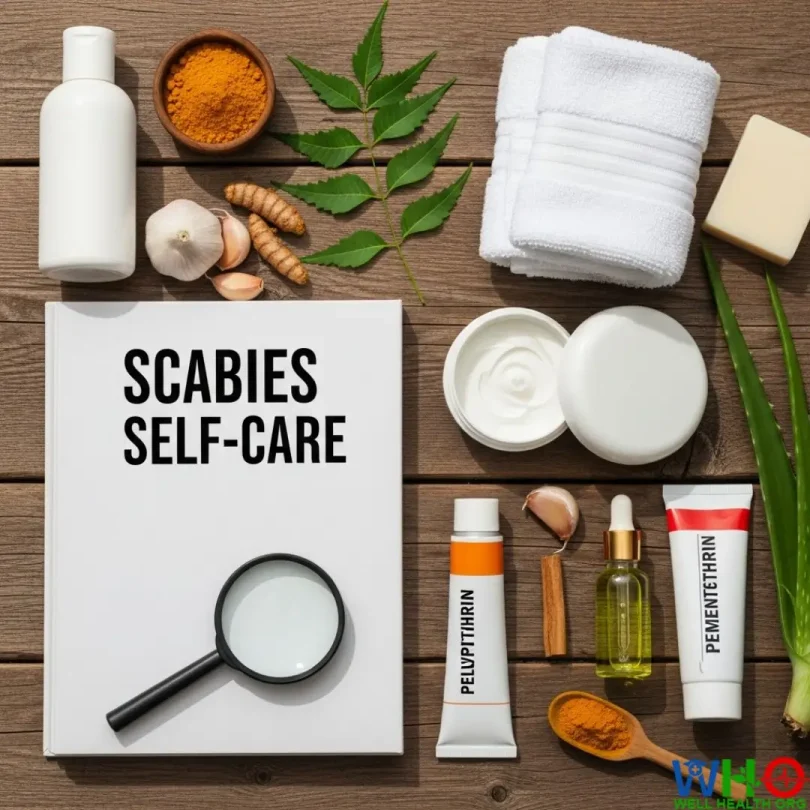
Scabies Self Care Home Treatment
Scabies — just the sound of it can make anyone’s skin crawl. Caused by the microscopic mite Sarcoptes scabiei, this skin infestation leads to intense itching, redness, and a pimple-like rash. These tiny mites burrow into the upper layers of the skin to lay their eggs, triggering an allergic reaction that can keep you up at night scratching. The result? Uncomfortable days, sleepless nights, and the urgent need for relief.
- Understanding Scabies and How It Spreads
- Recognizing the Symptoms of Scabies
- Getting Diagnosed: Why Seeing a Doctor Matters
- Medical Treatments: The Foundation of Scabies Care
- Soothing the Itch: Self-Care Remedies That Help
- 1. Tea Tree Oil: Nature’s Potent Mite Killer
- 2. Neem Oil: Ancient Remedy with Modern Science
- 3. Aloe Vera: The Cooling Comforter
- 4. Clove Oil: Natural Pain and Itch Relief
- 5. Cayenne Pepper: A Warming Relief for Itching
- Relieving Itch and Discomfort with Simple Home Strategies
- Preventing Scabies from Spreading
- When to See a Doctor
- How Long Does It Take to Heal from Scabies?
- Frequently Asked Questions
- Take Control of Your Recovery
While scabies is common and highly contagious, the good news is that with the right combination of medical treatment and home care, you can overcome it completely. This comprehensive guide will walk you through everything you need to know — from identifying symptoms and getting diagnosed to using safe, effective home remedies that complement prescription treatments. You’ll also learn practical prevention steps to stop the spread and protect your family from re-infestation.
Understanding Scabies and How It Spreads
Before you jump into treatment, it helps to understand what scabies really is and how it spreads. Scabies is caused by a microscopic mite that thrives on human skin. Once a person becomes infested, female mites burrow into the skin to lay eggs. Within a few days, these eggs hatch and the cycle continues — unless treated properly.
Scabies spreads primarily through prolonged skin-to-skin contact. This means it’s common among family members, sexual partners, or anyone sharing close living quarters. In some cases, scabies can also spread through shared clothing, bedding, or towels, though this is less common since mites can’t survive for long away from human skin.
One key fact: Scabies does not indicate poor hygiene. Anyone can get it, regardless of how clean they are. Outbreaks are common in crowded environments like schools, nursing homes, or dormitories where close contact is unavoidable.
Recognizing the Symptoms of Scabies
Scabies symptoms usually appear four to six weeks after the initial infestation — though if you’ve had scabies before, they can show up in just a few days. The hallmark symptom is intense itching, especially at night. The rash often looks like small red bumps, blisters, or scales and tends to appear in specific areas such as:
- Between the fingers and toes
- Wrists and elbows
- Armpits and waistline
- Around the breasts or genitals
- On the buttocks and lower back
Tiny burrow tracks may also be visible — thin, grayish lines on the skin where the mites have tunneled. Scratching too much can lead to open sores or secondary bacterial infections, making early diagnosis and treatment vital.
Getting Diagnosed: Why Seeing a Doctor Matters
If you suspect scabies, the smartest first step is to visit a healthcare provider. While you might recognize the symptoms, scabies can resemble other skin conditions such as eczema, dermatitis, or allergic rashes.
A doctor typically diagnoses scabies by visually examining the rash and identifying burrows. Sometimes, they may take a skin scraping — gently removing a small sample to view under a microscope. This confirms the presence of mites, eggs, or fecal matter (known as “scybala”).
Getting a confirmed diagnosis ensures you start the right treatment, preventing the infestation from spreading further and helping you recover faster.
Medical Treatments: The Foundation of Scabies Care
Let’s be clear — scabies won’t go away on its own. The mites will continue to multiply unless you use prescription medication. The most common treatment prescribed by doctors is permethrin cream (5%), which is safe and effective for most people, including children over two months old.

Here’s how it works:
- Apply the cream from your neck down to the soles of your feet. Don’t forget under your nails and between your fingers and toes.
- Leave it on for 8–14 hours before washing off.
- Repeat the process after 7 days to kill newly hatched mites.
Other treatment options include:
- Ivermectin (oral medication): Often prescribed for severe or crusted scabies, or when topical creams are not practical.
- Benzyl benzoate lotion: Effective but can cause skin irritation.
- Sulfur ointment (5–10%): A gentler option for infants or pregnant women.
Always follow your doctor’s exact directions. Improper use can lead to re-infestation or skin irritation.
Soothing the Itch: Self-Care Remedies That Help
While medical treatment kills the mites, it may take several weeks for the itching and rash to completely fade. This is where home remedies and self-care can make a world of difference.
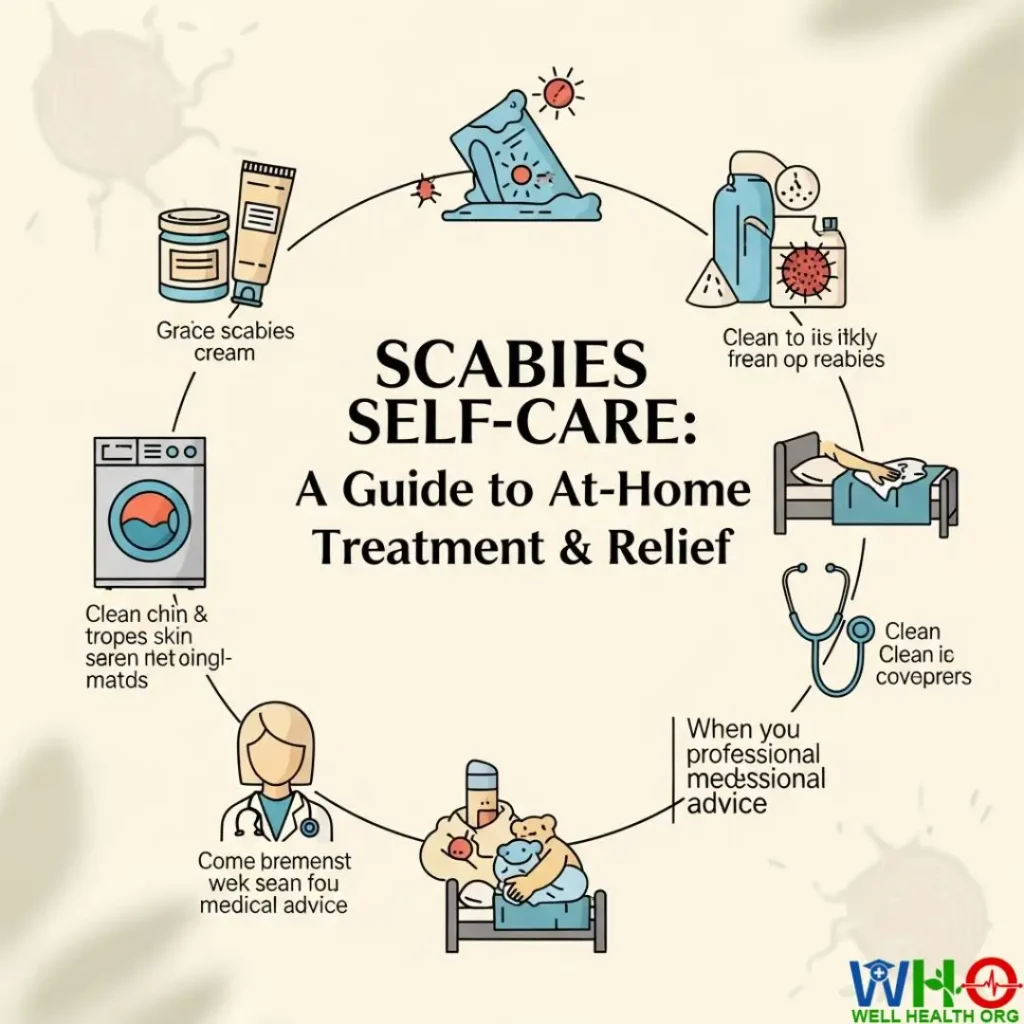
Below are expert-recommended, evidence-supported ways to calm irritation, support healing, and make recovery more comfortable.
1. Tea Tree Oil: Nature’s Potent Mite Killer
Tea tree oil is one of the most talked-about natural remedies for scabies — and for good reason. This essential oil has antimicrobial, anti-inflammatory, and acaricidal (mite-killing) properties.
A 2022 review found that tea tree oil showed significant promise in eliminating scabies mites, particularly in mild to moderate cases. However, it may not kill buried eggs, so it should only be used as a supplement to prescribed medications.
How to use it:
- Mix 10–12 drops of tea tree oil with 2 tablespoons of coconut oil or olive oil.
- Apply gently to affected areas twice daily.
- Never use undiluted tea tree oil directly on your skin — it can cause burns or allergic reactions.
You can also add a few drops to your bath water or mix it in a spray bottle with water to lightly mist bedding and clothing.
2. Neem Oil: Ancient Remedy with Modern Science
Neem oil, long valued in Ayurvedic medicine, has strong anti-inflammatory and antibacterial benefits. Studies suggest neem may also act as a natural insecticide, disrupting the life cycle of scabies mites.
In a 2021 study, neem-based creams successfully cured scabies in test subjects, though the process took longer than prescription medication.
To use neem oil:
- Apply a thin layer directly to the rash areas once or twice a day.
- Leave it on for at least 15–20 minutes before rinsing off with warm water.
- Alternatively, use neem-based soaps or creams daily during your treatment.
Neem oil also helps reduce redness, swelling, and the urge to scratch — making recovery less uncomfortable.
3. Aloe Vera: The Cooling Comforter
If itching is driving you crazy, aloe vera can bring immediate cooling relief. It’s packed with soothing compounds that calm inflammation and help the skin heal.
A small 2009 study even found that pure aloe vera gel worked as effectively as permethrin cream in treating scabies — with zero side effects.
For best results:
- Use 100% pure aloe vera gel (avoid colored or fragranced versions).
- Apply generously to the affected areas 2–3 times daily.
- Keep the gel refrigerated for an extra-cooling effect.
Aloe vera not only reduces itching but also supports faster recovery of damaged skin.
4. Clove Oil: Natural Pain and Itch Relief
Clove oil’s main compound, eugenol, has both anesthetic and antimicrobial properties. Research from 2022 indicates it can kill scabies mites in lab settings by damaging their exoskeletons.
How to use it safely:
- Dilute 5–6 drops of clove oil in 2 tablespoons of carrier oil (like coconut or almond oil).
- Apply lightly to the affected area once daily.
- Avoid using it on broken or sensitive skin, as it may sting.
Clove oil can also help numb the itch and reduce inflammation caused by scratching.
5. Cayenne Pepper: A Warming Relief for Itching
This spicy kitchen staple contains capsaicin, a compound known to desensitize nerve endings. Applied topically, it can reduce itching and pain caused by scabies — though more research is needed on its direct effect on mites.
Tip: Mix a teaspoon of cayenne powder into a warm bath and soak for 15–20 minutes. Rinse thoroughly afterward and avoid getting it in your eyes or on sensitive areas.
Always perform a patch test first — cayenne can cause a burning sensation or skin irritation in some people.
Relieving Itch and Discomfort with Simple Home Strategies
In addition to these natural remedies, everyday self-care measures can help manage symptoms and speed up healing:
- Cool compresses: Apply a clean, damp cloth to itchy spots for 10–15 minutes.
- Oatmeal baths: Add colloidal oatmeal to your bathwater to calm inflamed skin.
- Loose clothing: Wear breathable cotton fabrics to avoid irritation.
- Trim your nails: To prevent skin damage and secondary infections from scratching.
Preventing Scabies from Spreading
Because scabies is highly contagious, one of the most important parts of recovery is preventing it from spreading or re-infesting your household.
Follow these essential steps:
- Wash all clothing, bedding, and towels in hot water (at least 122°F or 50°C).
- Dry items on high heat for a minimum of 30 minutes.
- Seal non-washable items (like stuffed toys) in airtight bags for 3–7 days.
- Vacuum your home thoroughly, especially couches, carpets, and car seats.
- Treat all close contacts — even if they show no symptoms — as scabies can incubate silently for weeks.
When to See a Doctor
You should contact your healthcare provider if:
- It’s your first time experiencing scabies symptoms.
- Itching and rash persist beyond two weeks after treatment.
- The skin becomes red, swollen, or oozing (signs of bacterial infection).
- You have crusted scabies, a severe form that needs stronger medication.
Your doctor may prescribe oral ivermectin or combination therapy if topical treatments fail.
How Long Does It Take to Heal from Scabies?
Even after the mites are killed, itching can continue for up to three weeks. This post-scabies itch results from lingering allergic reactions, not active infestation. Keep using moisturizers, mild anti-itch creams, or antihistamines to stay comfortable during this time.
Frequently Asked Questions
1. Can scabies heal without medication?
No. Scabies mites will continue to multiply until treated with prescription medication. Home remedies can only ease symptoms, not eliminate the mites.
2. What’s the best natural remedy for scabies?
Tea tree oil and neem oil are among the most effective natural options, thanks to their antimicrobial and mite-killing properties.
3. How do I know if scabies is gone?
When itching and new rashes stop appearing for at least two weeks, and old lesions begin to heal, the infestation is usually resolved.
4. Can pets spread scabies to humans?
Scabies in humans is caused by a specific mite species. Pets can carry a different type (mange), which may cause temporary irritation but doesn’t reproduce on human skin.
5. How long can scabies live on clothing or bedding?
Mites can survive 2–4 days without human contact. That’s why washing and heat-drying all fabrics is essential.
Take Control of Your Recovery
Recovering from scabies requires a combination of medical treatment, home care, and prevention. While the process takes patience, following the right steps will help you heal faster and prevent reinfection. Use prescribed medication exactly as directed, soothe your skin with safe natural remedies, and keep your environment meticulously clean.
With a little diligence and the right care, you can reclaim healthy, itch-free skin — and peace of mind.
Medically Reviewed by Prof. Dr. Akram
Orthopedic Surgeon | Professor | Senior Medical Specialist
Prof. Dr. Akram is a distinguished surgeon with over 15 years of clinical expertise. Having served as a lead Emergency Specialist at Complex International Government Hospital, he currently leads a specialized team of 13 medical professionals at his private hospital. As a Professor at top medical universities, he ensures that every article on WellHealthOrg.com meets rigorous clinical standards.
Medical Disclaimer:
The information provided is for educational purposes only and is not a substitute for professional medical advice, diagnosis, or treatment. Always consult your physician for any medical concerns.
Our content is rigorously fact-checked by our 13-member Editorial Team under the clinical supervision of Prof. Dr. Akram.