
A severe cough can do more than just irritate your throat—it can rob you of sleep, affect your productivity, and even cause chest pain. While coughing serves an essential purpose—clearing irritants, mucus, or pathogens from your airways—a persistent or intense cough can be both exhausting and concerning.
- Understanding a Severe Cough
- Definition and Types of Severe Coughs
- Common Causes of Severe Coughs
- 1. Respiratory Infections
- 2. Allergies
- 3. Asthma
- 4. Gastroesophageal Reflux Disease (GERD)
- 5. Environmental Irritants
- Home Remedies for Soothing a Severe Cough
- Honey: Nature’s Cough Suppressant
- Hydration: Keeping the Airways Clear
- Steam Inhalation: Unclogging Airways Naturally
- Herbal Teas: Soothing from the Inside Out
- When to Seek Medical Attention
- Potential Complications of Untreated Coughs
- Medical Treatments for Severe Coughs
- Over-the-Counter (OTC) Medications
- Prescription Medications
- Preventing Severe Coughs Before They Start
- 1. Quit or Avoid Smoking
- 2. Manage Allergies and Asthma
- 3. Maintain Proper Hydration
- 4. Keep Indoor Air Clean
- 5. Stay Up-to-Date on Vaccinations
- Lifestyle and Dietary Tips for Long-Term Respiratory Health
- Your Next Steps for Fast, Lasting Cough Relief
- Conclusion
- FAQs
Understanding why you’re coughing is the first step toward relief. Whether your cough is triggered by a respiratory infection, allergies, or environmental irritants, addressing the root cause is key. In this comprehensive guide, you’ll discover the different types of coughs, their common causes, and a complete list of natural, home-based, and medical remedies for relief. You’ll also learn when a cough signals something more serious that needs professional attention.
Understanding a Severe Cough
A cough is your body’s natural defense mechanism, designed to clear mucus, dust, or microbes from your airways. However, when that reflex becomes excessive or unrelenting, it can cause discomfort and fatigue.
Coughs vary in duration and character. Identifying the type of cough you’re experiencing can make all the difference when it comes to choosing the most effective treatment.
Definition and Types of Severe Coughs
Coughs generally fall into two main categories based on how long they last:
- Acute Cough: Usually develops suddenly and lasts less than three weeks. Commonly linked to infections like colds, flu, or short-term irritant exposure.
- Chronic Cough: Persists for eight weeks or longer in adults (or four weeks in children). This type of cough often signals an underlying condition such as asthma, GERD, or chronic bronchitis.
Coughs can also be:
- Productive (Wet) Coughs: Bring up mucus or phlegm from the lungs or sinuses.
- Non-productive (Dry) Coughs: Cause a tickling sensation in the throat but produce no mucus. These are often linked to allergies, irritants, or viral infections.
Knowing the difference helps determine whether you should focus on loosening mucus or suppressing the cough reflex.
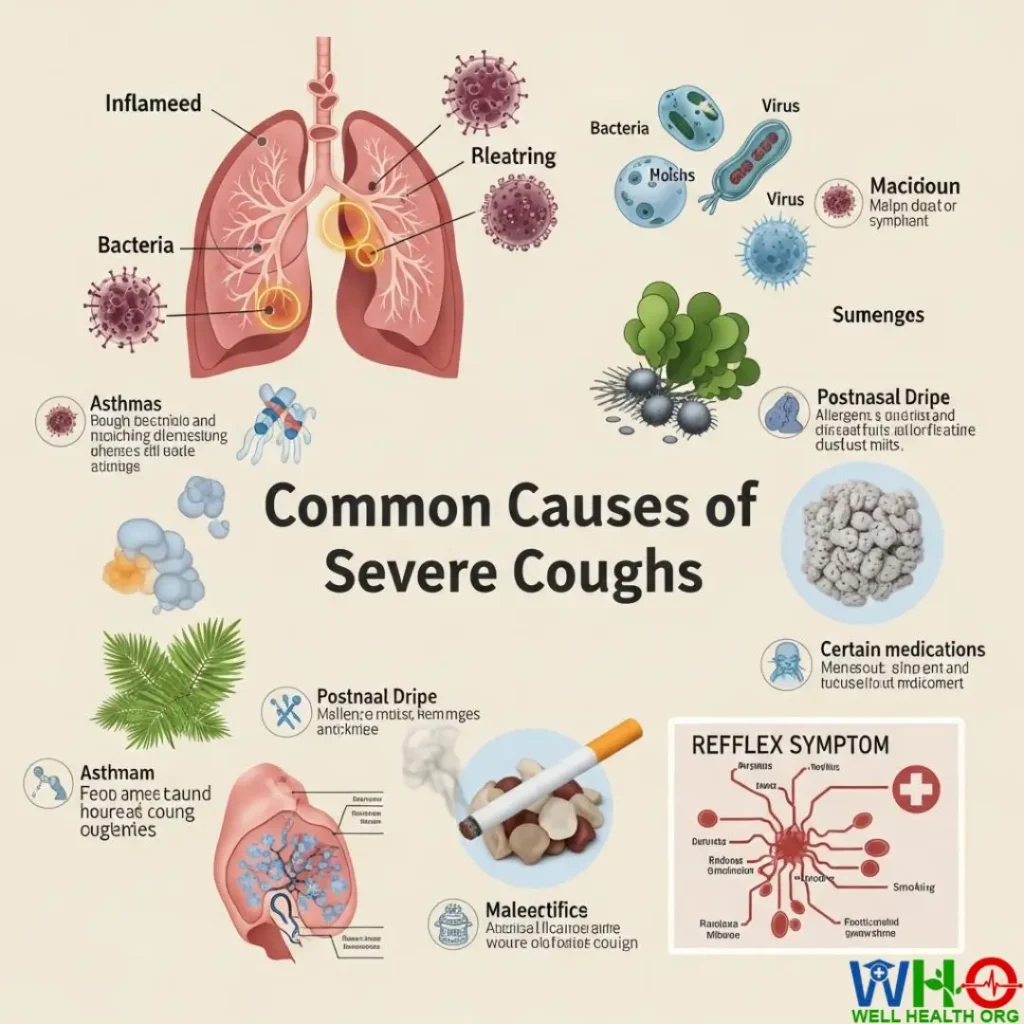
Common Causes of Severe Coughs
1. Respiratory Infections
A severe cough can result from several different health issues or environmental triggers. Identifying the cause allows for targeted treatment instead of temporary relief. Below are some of the most frequent culprits:
Viral infections like the common cold, influenza, bronchitis, or pneumonia often lead to acute coughing. These illnesses inflame the airways and increase mucus production, resulting in persistent coughing fits.
2. Allergies
Allergic reactions to pollen, dust mites, pet dander, or mold can irritate the airways and cause postnasal drip, leading to an ongoing cough, especially during allergy seasons.
3. Asthma
In asthma, inflammation narrows the airways, causing coughing, wheezing, and difficulty breathing—often worse at night or early in the morning. Managing asthma properly with prescribed inhalers can prevent chronic coughing episodes.
4. Gastroesophageal Reflux Disease (GERD)
When stomach acid frequently flows back into the esophagus, it irritates the throat and triggers a chronic, dry cough. GERD-related coughs often occur after eating or while lying down.
5. Environmental Irritants
Exposure to tobacco smoke, air pollution, strong perfumes, or chemical fumes can inflame the airways and provoke coughing. Long-term exposure can even cause permanent lung irritation.
Other potential causes include medication side effects (especially ACE inhibitors for blood pressure) or underlying conditions such as COPD or lung infections.
Home Remedies for Soothing a Severe Cough
Before turning to prescription medications, several time-tested home remedies can ease a severe cough and reduce throat irritation naturally. These methods can be safely tried at home for mild to moderate symptoms.

Honey: Nature’s Cough Suppressant
Honey is one of the most effective natural remedies for cough relief. Its thick texture coats the throat, reducing irritation and calming the cough reflex. Research has shown honey can work as well as many over-the-counter (OTC) cough suppressants—especially for nighttime coughing.
Try this:
- Take one tablespoon of raw honey before bed.
- Mix honey into warm water or herbal tea with lemon for an added vitamin C boost.
Honey’s natural antimicrobial properties also help fight infection and soothe inflammation.
Important: Never give honey to children under one year old, as it can cause infant botulism.
Hydration: Keeping the Airways Clear
Proper hydration helps thin mucus, making it easier to expel. When you’re dehydrated, mucus thickens, leading to more coughing and irritation. Aim for 8–10 glasses of fluids daily.
Recommended fluids:
- Warm water with lemon
- Herbal teas like chamomile, ginger, or peppermint
- Broths or soups for both hydration and nourishment
Avoid caffeine and alcohol, as they can worsen dehydration. You’ll know you’re hydrated when your urine is pale yellow.
Steam Inhalation: Unclogging Airways Naturally
Steam helps moisten dry airways, ease irritation, and loosen mucus in the lungs and sinuses. You can inhale steam by:
- Taking a hot shower and breathing deeply.
- Filling a bowl with hot water, leaning over it, and covering your head with a towel.
- Using a cool-mist humidifier in your room at night to keep the air moist.
Adding a few drops of eucalyptus or peppermint essential oil enhances the effect by opening nasal passages. Be cautious with hot water to avoid burns, especially around children.
Herbal Teas: Soothing from the Inside Out
Warm herbal teas provide comfort while delivering natural healing compounds. Here are some of the most beneficial:
- Ginger Tea: Known for its anti-inflammatory properties, ginger relaxes airway muscles and reduces coughing. Steep fresh ginger slices in hot water for 10 minutes, then add honey.
- Chamomile Tea: Acts as a gentle sedative, reducing anxiety and helping you sleep better when coughing keeps you awake.
- Slippery Elm or Marshmallow Root Tea: Both herbs contain mucilage, a gel-like substance that coats and protects throat tissue.
These natural teas not only hydrate but also soothe the lining of the throat and respiratory passages.
When to Seek Medical Attention
While most coughs are manageable at home, it’s crucial to recognize when a cough signals something more serious. A severe or persistent cough can sometimes be a symptom of an underlying health condition that requires medical treatment. Ignoring these warning signs could delay necessary care and worsen your condition.
You should consult a doctor immediately if your cough is accompanied by any of the following:
- Difficulty breathing or shortness of breath
- Chest pain or tightness that doesn’t go away
- Coughing up blood or bloody mucus
- A high fever that persists for more than three days
- Unexplained weight loss or fatigue
- A wheezing or “whooping” sound when breathing
- A cough that lasts longer than eight weeks
In some cases, these symptoms may indicate pneumonia, asthma exacerbation, COPD, or even heart-related issues. If you’re unsure about the cause, err on the side of caution and seek professional evaluation.
Potential Complications of Untreated Coughs
Ignoring a chronic or severe cough can lead to more than just discomfort. Over time, the constant strain from coughing can cause physical complications such as:
- Rib fractures: Especially in older adults with weaker bones or individuals who cough violently.
- Muscle soreness: Repeated coughing can strain abdominal and chest muscles.
- Urinary incontinence: Prolonged coughing increases abdominal pressure, which may cause bladder leaks, especially in women.
- Vocal cord damage: Chronic irritation can cause hoarseness or temporary voice loss.
Beyond physical strain, untreated coughs can also mask underlying conditions like lung infections, asthma, acid reflux, or heart disease. The sooner you address persistent coughing, the faster you can find effective relief and prevent long-term complications.
Medical Treatments for Severe Coughs
If home remedies don’t bring relief, or if your cough stems from a medical condition, healthcare providers can offer effective treatments tailored to the cause. Let’s explore the main categories of over-the-counter (OTC) and prescription medications used to treat severe coughs.

Over-the-Counter (OTC) Medications
OTC medications are often the first line of defense for symptomatic relief. The most common types include:
- Expectorants:
These help thin mucus, making it easier to expel from the lungs. The active ingredient guaifenesin (found in Mucinex or Robitussin) is ideal for productive, wet coughs. - Suppressants:
For dry, hacking coughs that interfere with sleep, suppressants like dextromethorphan (often labeled as “DM” on bottles) block the cough reflex. Use them cautiously—over-suppressing a productive cough can trap mucus in your lungs. - Antihistamines:
If allergies or postnasal drip are to blame, non-drowsy antihistamines such as loratadine (Claritin) or fexofenadine (Allegra) can help reduce coughing by preventing excess mucus formation.
Always follow dosage guidelines carefully and avoid mixing multiple medications containing the same active ingredient. If symptoms persist after using OTC drugs for more than a week, consult your doctor.
Prescription Medications
For more persistent or complicated cases, doctors may prescribe specialized treatments depending on the cough’s origin.
- Prescription Cough Suppressants: Stronger forms of dextromethorphan or codeine-based syrups may be recommended for severe dry coughs. These should be used strictly under medical supervision.
- Inhalers: For coughs linked to asthma or COPD, corticosteroid or bronchodilator inhalers reduce airway inflammation and improve breathing.
- Antibiotics: If a bacterial infection such as pneumonia or bronchitis is confirmed, antibiotics may be necessary. They are ineffective against viral infections, so they should never be used unnecessarily.
- Acid Reflux Medications: If your cough stems from GERD, proton pump inhibitors (like omeprazole) or H2 blockers (like famotidine) can reduce acid production and prevent reflux irritation.
A personalized treatment plan is often the fastest route to recovery, especially for chronic or underlying coughs.
Preventing Severe Coughs Before They Start
As the saying goes, “An ounce of prevention is worth a pound of cure.” Preventing coughs is often easier than treating them once they become severe. Small, consistent lifestyle changes can go a long way in keeping your lungs healthy.

1. Quit or Avoid Smoking
Smoking is one of the top causes of chronic cough. The chemicals in cigarette smoke paralyze the tiny cilia in your airways responsible for clearing out mucus and toxins. Once these cilia stop functioning properly, your lungs become more vulnerable to infection and irritation.
If you smoke, quitting is the single best decision you can make for your respiratory health. If you live with smokers, encourage them to smoke outdoors or use air purifiers to minimize exposure.
2. Manage Allergies and Asthma
If you suffer from allergies, regular cleaning, dust-proof bedding, and air purifiers can reduce exposure to triggers like pollen, mold, and pet dander. For asthma, use prescribed inhalers as directed and avoid outdoor activity when air quality is poor. Consistent management can prevent flare-ups that lead to chronic coughing.
3. Maintain Proper Hydration
Keeping your airways moist makes it easier to expel mucus and reduces throat irritation. Aim for water, soups, and caffeine-free beverages throughout the day. This simple habit can drastically cut down on coughing fits.
4. Keep Indoor Air Clean
Poor indoor air quality can worsen coughs, especially during colder months when windows are closed. Use HEPA filters, avoid chemical air fresheners, and ventilate your home regularly. Keeping humidity between 40–60% helps prevent dryness without encouraging mold growth.
5. Stay Up-to-Date on Vaccinations
Vaccines are a powerful tool in preventing cough-causing infections. The flu shot, COVID-19 vaccine, and whooping cough (pertussis) booster can protect against illnesses that often lead to severe or prolonged coughing episodes.
Lifestyle and Dietary Tips for Long-Term Respiratory Health
- Eat anti-inflammatory foods: Incorporate turmeric, ginger, garlic, and leafy greens to reduce inflammation in the airways.
- Exercise regularly: Light cardio improves lung capacity and keeps respiratory muscles strong.
- Avoid spicy or acidic foods before bed: Especially if you suffer from reflux, as these can trigger nighttime coughing.
- Practice breathing exercises: Deep breathing techniques help strengthen lung function and reduce coughing frequency.
Taking a holistic approach to lung health doesn’t just stop a cough—it enhances your overall well-being.
Your Next Steps for Fast, Lasting Cough Relief
Finding relief from a severe cough starts with understanding the cause. Once you’ve identified whether your cough is dry, wet, or chronic, you can choose remedies that truly work—from soothing honey and herbal teas to targeted medical treatments.
Always pay attention to your body’s signals. If your cough persists for weeks, gets worse, or comes with alarming symptoms, don’t hesitate to consult a healthcare professional.
By combining natural remedies, proper hydration, and smart lifestyle choices, you can not only ease your current cough but also prevent future flare-ups and keep your respiratory system healthy for the long run.
Conclusion
A severe cough doesn’t have to rule your life. Whether it’s caused by an infection, allergies, or irritants, relief is possible with the right care strategy. Start with home-based remedies like honey, steam inhalation, and hydration; move to OTC medications for additional support; and seek medical help when necessary.
Remember: A persistent cough is your body’s way of asking for attention. Listen to it, care for it, and respond with both compassion and consistency. With the right balance of natural and medical remedies, you can breathe easier—and live better—again.
FAQs
1. How long should a cough last before I see a doctor?
If your cough persists for more than eight weeks or is accompanied by shortness of breath, chest pain, or blood, seek medical advice.
2. What’s the best natural remedy for a dry cough?
Honey mixed with warm water or herbal tea is one of the best natural remedies. It soothes throat irritation and calms the cough reflex.
3. Can allergies cause a severe cough?
Yes. Allergies trigger postnasal drip and airway irritation, leading to chronic coughing, especially in dusty or pollen-heavy environments.
4. Is steam inhalation safe for children?
Steam inhalation can help children, but always supervise closely to avoid burns. Use warm—not boiling—water and limit exposure to 5–10 minutes.
5. Does drinking milk make coughing worse?
Contrary to popular belief, milk doesn’t increase mucus production. However, if it feels like it thickens mucus for you personally, opt for clear fluids instead.
Medically Reviewed by Prof. Dr. Akram
Orthopedic Surgeon | Professor | Senior Medical Specialist
Prof. Dr. Akram is a distinguished surgeon with over 15 years of clinical expertise. Having served as a lead Emergency Specialist at Complex International Government Hospital, he currently leads a specialized team of 13 medical professionals at his private hospital. As a Professor at top medical universities, he ensures that every article on WellHealthOrg.com meets rigorous clinical standards.
Medical Disclaimer:
The information provided is for educational purposes only and is not a substitute for professional medical advice, diagnosis, or treatment. Always consult your physician for any medical concerns.
Our content is rigorously fact-checked by our 13-member Editorial Team under the clinical supervision of Prof. Dr. Akram.