
Introduction Overnight Pimple
Waking up to find a glaring red pimple right before a big event can feel like the universe is playing a cruel joke. Whether it’s a work presentation, date night, or a long-awaited photoshoot, that little bump can do a number on your confidence. The good news? While you can’t make a pimple vanish into thin air instantly, there are scientifically backed ways to shrink it dramatically overnight — reducing redness, calming inflammation, and speeding up healing.
- Introduction Overnight Pimple
- Understanding What Causes Pimples: A Deep Dive into Skin Science
- The Different Types of Pimples
- Why Timing Matters
- Golden Rules for Emergency Pimple Treatment
- 1. Don’t Pop or Pick
- 2. Cleanse Gently, Not Aggressively
- 3. Apply an Effective Spot Treatment
- 4. Avoid Touching Your Face
- 5. Stay Moisturized
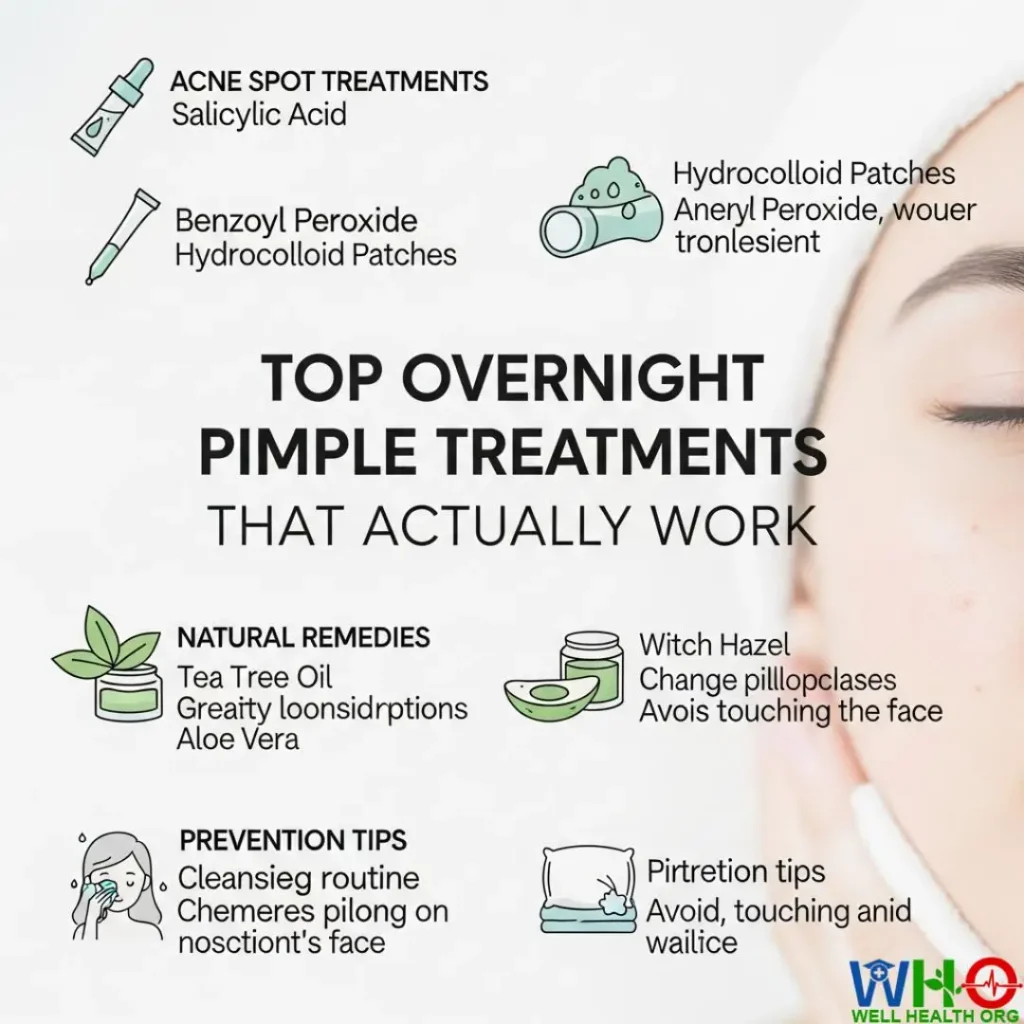
- Top Overnight Pimple Treatments That Actually Work
- 1. Medicated Spot Treatments
- Salicylic Acid
- Benzoyl Peroxide
- Sulfur
- 2. Natural and DIY Remedies That Can Work Overnight
- Tea Tree Oil
- Aloe Vera
- Green Tea Compress
- Honey and Cinnamon Mask
- 3. Ice Therapy: Quick Relief for Redness and Swelling
- 4. Hydrocolloid Patches: Modern Skincare’s Miracle Stickers
- Expert-Approved Nighttime Skincare Routine for Acne Emergencies
- Step 1: Gentle Cleansing
- Step 2: Targeted Treatment
- Step 3: Soothe and Hydrate
- Step 4: Seal with a Patch or Ice Therapy
- Step 5: Sleep Well
- Lifestyle and Dietary Tips for Long-Term Acne Prevention
- 1. Manage Stress Levels
- 2. Balance Your Diet
- 3. Stay Hydrated
- 4. Prioritize Sleep and Hygiene
- 5. Avoid Overuse of Products
- Common Mistakes People Make When Treating Pimples
- Over-Scrubbing
- Skipping Moisturizer
- Sleeping with Makeup
- Using Toothpaste or Alcohol on Pimples
- How to Prevent Pimples from Returning
- 1. Stick to a Consistent Routine
- 2. Choose Non-Comedogenic Products
- 3. Use Retinoids for Long-Term Clarity
- 4. Visit a Dermatologist for Persistent Acne
- When to See a Professional
- Your Path to Clear, Confident Skin
- FAQs
This comprehensive guide walks you through how to get rid of pimples overnight, from dermatologist-approved spot treatments to gentle natural remedies that you can make from common household ingredients. You’ll also learn what causes those pesky breakouts, the dos and don’ts of emergency acne care, and the best ways to prevent pimples from popping up in the first place.
Let’s dive into the science, the skincare, and the real-world solutions that actually work.
Understanding What Causes Pimples: A Deep Dive into Skin Science
Before you can fix the problem, it’s essential to understand what’s happening under the surface of your skin. Acne isn’t just about dirty skin or oily food — it’s a complex interaction between hormones, oil production, bacteria, and inflammation.
Here’s what typically happens:
Your skin’s sebaceous glands naturally produce an oil called sebum to keep it soft and hydrated. But sometimes, these glands go into overdrive — often due to hormonal changes, stress, or genetics. The excess oil mixes with dead skin cells and clogs a hair follicle (pore). Once that pore is blocked, it becomes a breeding ground for a bacterium called Propionibacterium acnes (P. acnes).
As this bacteria multiplies, your body’s immune system rushes to defend itself, sending white blood cells to the area. The result? Redness, swelling, and sometimes pus — a classic inflamed pimple.
The Different Types of Pimples
Not all pimples are created equal. Understanding the type you’re dealing with helps you choose the most effective overnight treatment:
- Whiteheads and Blackheads – Non-inflammatory blemishes caused by clogged pores. Whiteheads remain closed, while blackheads are open and oxidized.
- Papules and Pustules – Red, swollen pimples; pustules contain visible pus.
- Cysts and Nodules – Deep, painful acne lesions that require medical attention and cannot be treated overnight.
Why Timing Matters
The sooner you act, the better your results. Inflammation can spread quickly beneath the skin, so early intervention can stop a small blemish from turning into a full-blown breakout.
The goal of overnight treatment isn’t total erasure — it’s to reduce inflammation, shrink the swelling, and promote faster healing. With the right approach, you can dramatically improve the look and feel of your skin by morning.
Golden Rules for Emergency Pimple Treatment
When that surprise pimple appears, panic is natural. But your first reaction can make the situation either much better — or much worse. Here are the golden rules dermatologists swear by for managing pimples overnight without damaging your skin.
1. Don’t Pop or Pick
It’s tempting — that tiny whitehead looks ready to pop, and squeezing it feels satisfying. But popping pimples actually forces bacteria deeper into the skin, creating more inflammation and increasing your risk of scarring and dark spots. Dermatologists agree: hands off!
2. Cleanse Gently, Not Aggressively
Instead of scrubbing or using harsh soap, cleanse your face with a gentle, non-comedogenic cleanser. This removes surface oil and bacteria without stripping your skin barrier. A sulfate-free foaming or gel-based cleanser works best for oily or acne-prone skin.
3. Apply an Effective Spot Treatment
Use a targeted treatment designed to kill bacteria, dry excess oil, and soothe inflammation. Apply it directly to the pimple — not your whole face — to avoid unnecessary dryness.
4. Avoid Touching Your Face
Your hands carry countless microbes from keyboards, phones, and doorknobs. Every touch can transfer bacteria to your face, making acne worse. Be mindful and keep your hands away.
5. Stay Moisturized
It may seem counterintuitive, but dry skin often leads to more oil production. Always follow up with a light, oil-free moisturizer to maintain balance and prevent your skin from overcompensating.
Top Overnight Pimple Treatments That Actually Work
When you need results fast, these powerful overnight treatments — many of which dermatologists personally use — can be your best allies.
1. Medicated Spot Treatments
These over-the-counter heroes contain active ingredients proven to tackle acne at its root.
Salicylic Acid
This oil-soluble beta hydroxy acid (BHA) penetrates deep into the pore, dissolving trapped oil and dead skin cells. It’s anti-inflammatory too, so it reduces swelling and redness. Apply a thin layer before bed, and by morning, the pimple often looks flatter and calmer.
Pro tip: Look for 1–2% salicylic acid formulas for best results. Too high a concentration can dry or irritate your skin.
Benzoyl Peroxide
Benzoyl peroxide is a bacteria killer. It releases oxygen that destroys acne-causing bacteria and helps clear clogged pores. A 2.5%–5% formulation is strong enough for overnight results without over-drying the skin.
If you have sensitive skin, apply it only to the affected area for 15–30 minutes, then rinse or follow with moisturizer.
Sulfur
Sulfur has been a skincare secret for centuries. It works by absorbing excess oil, unclogging pores, and drying out the blemish. It’s especially good for people with sensitive or combination skin who find benzoyl peroxide too harsh. Many sulfur-based masks and drying lotions can be dabbed directly on the pimple overnight for impressive results.
2. Natural and DIY Remedies That Can Work Overnight
If you prefer a natural or minimalist approach, your kitchen might already contain what you need to fight acne. While home remedies don’t work for everyone, some have credible scientific support.
Tea Tree Oil
Tea tree oil is a natural antibacterial powerhouse. Studies have shown that a 5% tea tree oil solution is almost as effective as 5% benzoyl peroxide — with fewer side effects like dryness or irritation. Always dilute it (one drop tea tree oil to five drops carrier oil like jojoba or coconut oil) before applying. Leave it on overnight and rinse in the morning.
Aloe Vera
This soothing plant gel isn’t just for sunburns — it’s also a gentle anti-inflammatory that calms red, irritated skin. Aloe vera contains salicylic acid and sulfur naturally, helping reduce bacteria and swelling. For best results, use pure aloe gel from a fresh leaf or a 100% natural store-bought version.
Green Tea Compress
Green tea is rich in antioxidants and polyphenols that can help fight acne-causing bacteria. Brew a strong cup, let it cool, and use a cotton ball to dab it onto the blemish. Its tannins also tighten the skin, reducing the appearance of pores and puffiness.
Honey and Cinnamon Mask
Honey, especially Manuka honey, is naturally antibacterial and healing. Cinnamon enhances this effect with its antimicrobial compounds. Mix one tablespoon of honey with half a teaspoon of cinnamon to form a paste. Apply to the pimple and leave for 10–15 minutes before bed — or as an overnight treatment if your skin tolerates it well.
3. Ice Therapy: Quick Relief for Redness and Swelling
Sometimes, the best remedy isn’t found in a bottle. If your pimple is red, swollen, or painful, ice can be your secret weapon. Applying a cold compress constricts blood vessels, reducing inflammation and making the blemish appear smaller within minutes.
Here’s how to do it safely:
- Wrap a few ice cubes in a clean tissue or thin towel (never apply ice directly to the skin).
- Hold it on the pimple for 30–60 seconds, then remove for a minute.
- Repeat several times before bed.
This method helps reduce pain, swelling, and redness — perfect when you’re racing against the clock before an event. For even better results, apply a spot treatment right after icing, as the reduced inflammation allows active ingredients to penetrate deeper.
4. Hydrocolloid Patches: Modern Skincare’s Miracle Stickers
If you haven’t tried hydrocolloid patches yet, you’re missing out on one of skincare’s most ingenious inventions. These small, transparent stickers are designed to absorb pus, oil, and impurities from pimples while creating a clean, protective barrier.
Here’s why they’re so effective overnight:
- They prevent you from touching or picking at the pimple.
- They keep the area clean and protected from bacteria.
- They flatten whiteheads dramatically by morning.
You’ll find versions infused with salicylic acid or niacinamide for extra anti-inflammatory benefits. Simply cleanse your skin, stick one on, and sleep — it’s that easy. Many people wake up to visibly smaller, less red pimples by morning.
Expert-Approved Nighttime Skincare Routine for Acne Emergencies
If you want to maximize your chances of waking up with clearer skin, combine multiple methods in a thoughtful nighttime routine. Here’s a dermatologist-inspired step-by-step process:
Step 1: Gentle Cleansing
Use a sulfate-free, pH-balanced cleanser designed for acne-prone skin. Massage gently in circular motions for about 30 seconds, then rinse with lukewarm water. Avoid hot water — it can strip your skin’s natural barrier.
Step 2: Targeted Treatment
Apply a pea-sized amount of salicylic acid or benzoyl peroxide to the affected area. Wait 10–15 minutes before layering other products to ensure proper absorption.
Step 3: Soothe and Hydrate
Follow with a lightweight, oil-free moisturizer to maintain skin hydration. Ingredients like hyaluronic acid, niacinamide, or ceramides can strengthen your skin barrier without clogging pores.
Step 4: Seal with a Patch or Ice Therapy
If the pimple is painful or large, ice it gently for a minute, then cover it with a hydrocolloid patch to protect it overnight.
Step 5: Sleep Well
Your body heals best when you’re asleep. Make sure you get at least 7–8 hours of rest, and change your pillowcase frequently to avoid transferring bacteria back to your skin.
Lifestyle and Dietary Tips for Long-Term Acne Prevention
While quick fixes help in emergencies, true skin health comes from a consistent routine and mindful habits. Here’s what experts recommend for keeping your complexion clear in the long run.
1. Manage Stress Levels
Stress triggers a surge in cortisol, a hormone that stimulates oil production. More oil equals more clogged pores — and more breakouts. Try meditation, deep breathing, yoga, or journaling to help balance your stress response.
2. Balance Your Diet
Research shows that high-glycemic foods (white bread, sugar, processed snacks) can cause blood sugar spikes, leading to increased sebum production and inflammation. Instead, focus on:
- Fresh fruits and vegetables
- Whole grains
- Lean proteins
- Omega-3-rich foods like salmon and chia seeds
Some people also notice improvements when reducing dairy, especially skim milk, which may influence hormone levels linked to acne.
3. Stay Hydrated
Water helps flush out toxins and keeps your skin hydrated from within. Aim for at least eight glasses of water per day — more if you exercise regularly or live in a hot climate.
4. Prioritize Sleep and Hygiene
Lack of sleep affects hormone balance, immune response, and skin repair. Regularly wash pillowcases, makeup brushes, and phones — all of which collect bacteria that can trigger acne.
5. Avoid Overuse of Products
Using too many active ingredients at once (like acids, retinoids, and peroxides) can irritate your skin, leading to more breakouts. Keep your routine simple and consistent.
Less is often more when it comes to clear, healthy skin.
Common Mistakes People Make When Treating Pimples
Even with the best intentions, many people unknowingly sabotage their skincare routine. Avoid these common pitfalls to ensure your efforts pay off.
Over-Scrubbing
Scrubbing may feel like it’s “cleaning” your skin, but it actually causes micro-tears and worsens inflammation. Stick to chemical exfoliants (like AHAs and BHAs) a few times a week instead.
Skipping Moisturizer
Many people believe oily skin doesn’t need moisture — a myth that often backfires. When your skin is dehydrated, it produces even more oil, leading to more clogs and pimples.
Sleeping with Makeup
No matter how tired you are, always remove makeup before bed. Leaving it on traps bacteria, oil, and environmental pollutants, leading to clogged pores and irritation.
Using Toothpaste or Alcohol on Pimples
These old-school “tricks” dry out your skin and disrupt your barrier. While they might reduce swelling temporarily, they often cause peeling, redness, or worse breakouts later.
How to Prevent Pimples from Returning
Once you’ve handled the current breakout, the next goal is keeping your skin consistently clear. Prevention is all about consistency and patience.
1. Stick to a Consistent Routine
Cleansing, moisturizing, and applying sunscreen daily should be non-negotiable. Add exfoliation and treatments only as needed.
2. Choose Non-Comedogenic Products
Every product — from makeup to sunscreen — should be labeled “non-comedogenic.” This means it won’t clog pores or trigger new pimples.
3. Use Retinoids for Long-Term Clarity
Topical retinoids like adapalene or tretinoin speed up cell turnover, keeping pores clear and reducing inflammation. They also help fade acne scars over time. Start with a gentle formulation a few nights per week.
4. Visit a Dermatologist for Persistent Acne
If breakouts are frequent, painful, or cystic, professional treatment may be necessary. Dermatologists can prescribe stronger medications or tailor a routine that suits your skin’s needs perfectly.
When to See a Professional
Occasional pimples are normal, but recurring or severe acne might need medical attention. See a dermatologist if:
- Pimples are deep, painful, or last more than two weeks.
- Over-the-counter products aren’t helping after consistent use.
- You’re developing acne scars or dark spots.
- Acne is affecting your confidence or emotional well-being.
Dermatologists can prescribe topical retinoids, oral antibiotics, hormonal treatments, or even isotretinoin for severe cases — all of which can dramatically improve your skin in the long term.
Your Path to Clear, Confident Skin
Waking up with a surprise pimple may feel like a small crisis, but with the right strategy, you can take control. Remember, the goal of overnight treatments isn’t perfection — it’s progress. A well-timed application of salicylic acid, a dab of tea tree oil, or a simple ice compress can make all the difference by morning.
Combine these emergency tricks with long-term skincare habits — gentle cleansing, balanced hydration, healthy eating, and stress management — and you’ll be well on your way to consistently clearer skin.
Pimples happen to everyone. But with knowledge, patience, and the right tools, you can keep them from ruining your day — or your confidence.
FAQs
1. Can a pimple really disappear overnight?
Not completely, but you can dramatically reduce its size and redness. With the right treatment, it often looks 70–80% better by morning.
2. What’s the fastest way to flatten a pimple?
Use ice to reduce swelling, apply a benzoyl peroxide or salicylic acid treatment, and finish with a hydrocolloid patch.
3. Are natural remedies as effective as chemical ones?
Some, like tea tree oil or aloe vera, can work well for mild pimples. However, chemical treatments like benzoyl peroxide act faster and are better for inflamed acne.
4. Why do I get pimples even with good skincare?
Hormonal fluctuations, stress, or diet can trigger acne even if your routine is perfect. Focus on consistency and lifestyle balance.
5. Can toothpaste help dry out pimples?
It’s an outdated hack. Toothpaste contains harsh ingredients that irritate skin and can cause burns. Stick to proper spot treatments instead.
Medically Reviewed by Prof. Dr. Akram
Orthopedic Surgeon | Professor | Senior Medical Specialist
Prof. Dr. Akram is a distinguished surgeon with over 15 years of clinical expertise. Having served as a lead Emergency Specialist at Complex International Government Hospital, he currently leads a specialized team of 13 medical professionals at his private hospital. As a Professor at top medical universities, he ensures that every article on WellHealthOrg.com meets rigorous clinical standards.
Medical Disclaimer:
The information provided is for educational purposes only and is not a substitute for professional medical advice, diagnosis, or treatment. Always consult your physician for any medical concerns.
Our content is rigorously fact-checked by our 13-member Editorial Team under the clinical supervision of Prof. Dr. Akram.







