Introduction: Managing COVID-19 at Home with Confidence
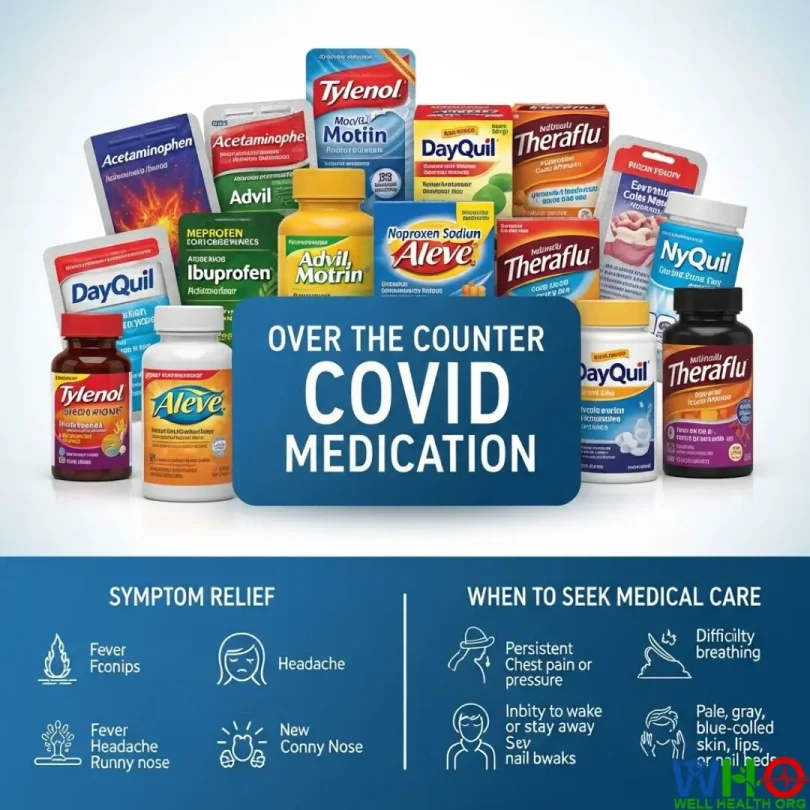
Over-the-Counter COVID Medications: Even with vaccines and boosters protecting millions, COVID-19 remains a global health concern, with new variants emerging and infections continuing to affect communities worldwide. For many people, a positive test doesn’t mean a hospital visit — instead, it means managing symptoms safely from home.
- Introduction: Managing COVID-19 at Home with Confidence
- Understanding COVID-19 and Its Symptoms
- Over-the-Counter Medications for COVID Symptom Relief
- Pain Relievers and Fever Reducers
- 1. Acetaminophen (Tylenol, Paracetamol)
- 2. NSAIDs (Ibuprofen, Naproxen, Aspirin)
- Decongestants and Cough Relief
- 1. Nasal Decongestants
- 2. Saline Nasal Sprays
- 3. Cough Remedies
- Relief for a Sore or Irritated Throat
- Rest and Hydration: The Unsung Heroes of Recovery
- 1. Rest Gives Your Body Time to Heal
- 2. Hydration Keeps You Strong
- Alternative Remedies and Supplements: Supporting Recovery Naturally
- 1. Herbal Teas for Comfort and Relaxation
- 2. Vitamins and Immune-Supporting Supplements
- 3. Steam Inhalation and Humidifiers
- 4. Balanced Nutrition During Illness
- When to Seek Professional Medical Attention
- Seek emergency care immediately if you experience:
- Combining Remedies Safely: Finding the Right Balance
- 1. Don’t Mix Similar Medications
- 2. Time Your Doses Carefully
- 3. Rest Before Relying on Medication
- 4. Consult Your Doctor for Underlying Conditions
- 5. Use Common Sense and Stay Observant
- COVID Recovery: Caring for Your Mind and Body
- 1. Prioritize Mental Rest
- 2. Stay Connected
- 3. Gentle Movement Once You’re Able
- 4. Sleep Hygiene Matters
- 5. Be Patient with Yourself
- Post-COVID Care: Supporting Long-Term Recovery
- 1. Gradually Return to Normal Activity
- 2. Focus on Nutrition That Fuels Recovery
- 3. Rehydrate and Rebalance
- 4. Prioritize Quality Sleep
- 5. Manage Stress and Mental Health
- COVID Prevention: Staying Protected After Recovery
- 1. Stay Up to Date on Vaccinations
- 2. Maintain Good Hygiene Practices
- 3. Practice Smart Mask Use
- 4. Strengthen Your Immune System Daily
- Myths About Over-the-Counter COVID Treatments
- 1. Myth: “OTC drugs can cure COVID.”
- 2. Myth: “Taking more medicine means faster recovery.”
- 3. Myth: “Natural remedies work just as well as antivirals.”
- 4. Myth: “If I’m vaccinated, I don’t need treatment.”
- 5. Myth: “Loss of taste and smell means permanent damage.”
- Expert Insights: What Doctors Recommend for Home Care
- Conclusion: Empowering Your Recovery Journey
- Frequently Asked Questions (FAQs)
When COVID strikes, knowing how to care for yourself becomes crucial. From fever and sore throat to cough and congestion, the right over-the-counter (OTC) medications can make recovery far more comfortable. While these treatments don’t cure the virus, they help control symptoms so your body can focus on healing.
In this detailed guide, we’ll explore which OTC remedies actually work, how to use them safely, and what natural options can complement your recovery. We’ll also discuss when to see a doctor and how to recognize signs of a more serious illness.
Whether you’re recovering yourself or caring for a loved one, this is your comprehensive roadmap for COVID-19 symptom relief — based on science, safety, and practical home care.
Understanding COVID-19 and Its Symptoms
COVID-19 is caused by the SARS-CoV-2 virus, a highly contagious respiratory pathogen that primarily affects the lungs and upper airways. Common symptoms can vary from mild to severe and often resemble those of a cold or the flu.
Typical symptoms include:
- Fever or chills
- Fatigue and body aches
- Cough (dry or productive)
- Sore throat
- Headache
- Nasal congestion or runny nose
- Loss of taste or smell
- Occasionally, nausea, vomiting, or diarrhea
Symptoms generally appear 2–14 days after exposure, though most people notice signs around day 4 or 5.
Your immune system triggers most of these symptoms as it works to eliminate the virus. For example:
- Fever is your body’s way of making the environment less friendly to viral replication.
- Aches and fatigue result from your immune cells fighting the infection.
- Coughing helps clear mucus and viral debris from your respiratory system.
While your body handles the virus, OTC medications play an important supporting role — helping you stay comfortable, rest better, and recover faster.
Over-the-Counter Medications for COVID Symptom Relief
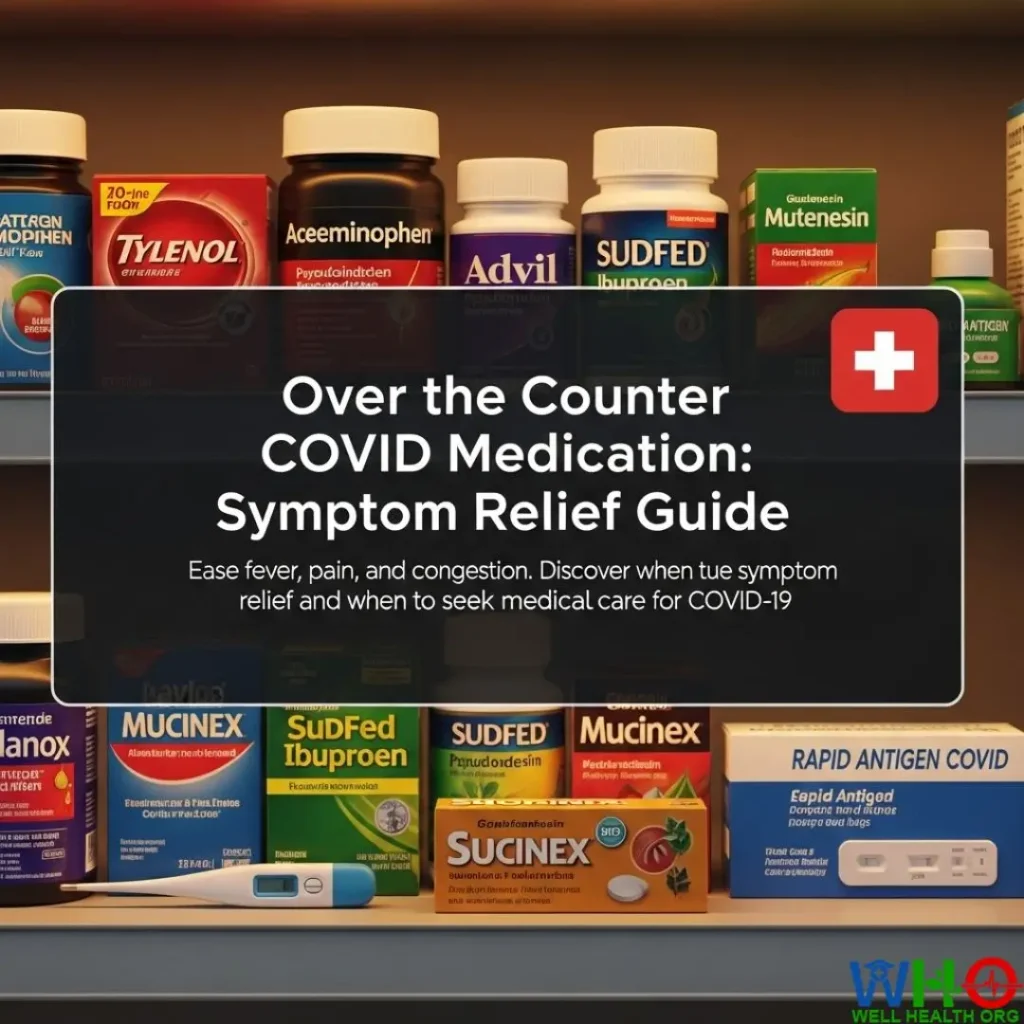
When treating COVID-19 at home, it’s best to focus on symptom management. OTC medications can reduce fever, relieve sore throats, clear congestion, and help you breathe more easily. Below, we break down the most effective options and how to use them safely.
Pain Relievers and Fever Reducers
Fever and muscle pain are two of the most draining symptoms of COVID-19. Thankfully, OTC pain relievers can help regulate temperature and relieve discomfort.
1. Acetaminophen (Tylenol, Paracetamol)
This is one of the safest and most effective choices for lowering fever and soothing headaches, sore throats, and muscle aches. It works by acting on the brain’s temperature control center and blocking pain signals.
How to use it safely:
- Typical adult dose: 500–1,000 mg every 4–6 hours as needed.
- Never exceed 3,000–4,000 mg per day (including all combined sources).
- Be cautious if you drink alcohol or have liver disease — excess acetaminophen can cause serious liver damage.
2. NSAIDs (Ibuprofen, Naproxen, Aspirin)
Nonsteroidal anti-inflammatory drugs such as ibuprofen (Advil, Motrin) and naproxen (Aleve) relieve fever and body aches while reducing inflammation — a common side effect of viral infection.
How to use safely:
- Take with food or milk to protect your stomach.
- Avoid if you have ulcers, kidney disease, or take blood thinners.
- Stick to label directions and don’t combine multiple NSAIDs.
Tip: Some people alternate between acetaminophen and ibuprofen every few hours for better control of persistent fever — but always check with your doctor before trying this.
Decongestants and Cough Relief
Nasal congestion and coughing can make even mild cases of COVID miserable. These OTC products can bring much-needed relief:
1. Nasal Decongestants
If you’re feeling stuffy or can’t breathe through your nose, decongestants can help open your airways.
- Oxymetazoline (Afrin): Works quickly by shrinking swollen blood vessels in nasal passages. Limit use to no more than 3 days to prevent rebound congestion (when your nose becomes even stuffier after stopping).
- Pseudoephedrine (Sudafed): An oral decongestant that relieves sinus pressure and nasal stuffiness. Avoid it if you have high blood pressure or heart disease.
2. Saline Nasal Sprays
Unlike medicated sprays, saline sprays are safe for frequent use. They gently wash away mucus, moisturize nasal passages, and reduce irritation. You can use them several times daily with no side effects.
3. Cough Remedies
COVID coughs vary — some are dry and nagging, others bring up mucus. Choose the right approach:
- For dry coughs: Cough suppressants with dextromethorphan (Delsym, Robitussin DM) can help calm your throat and reduce the urge to cough.
- For productive coughs: Expectorants with guaifenesin (Mucinex) help thin mucus, making it easier to clear your airways.
Soothing options:
- Sip warm herbal teas with honey and lemon.
- Use throat lozenges or hard candies to reduce irritation.
- Try a teaspoon of raw honey (for adults only) — it naturally coats the throat and reduces coughing fits.
Avoid using multiple cough medicines at once; instead, choose one product suited to your symptoms.
Relief for a Sore or Irritated Throat
A sore throat can make swallowing painful and disrupt your sleep. Thankfully, a few tried-and-true remedies can ease the discomfort.
1. Throat Lozenges and Sprays
Medicated lozenges containing benzocaine or menthol can numb throat tissues temporarily, easing pain and scratchiness. Menthol-based sprays offer similar relief and are convenient for on-the-go use.
2. Warm Saltwater Gargle
A classic home remedy that still works wonders. Mix ½ teaspoon of salt in a glass of warm water, gargle for 30 seconds, and spit it out. Repeat several times a day to reduce swelling and kill bacteria.
3. Warm Liquids
Herbal teas, soups, and broths help keep the throat moist and soothe irritation. Ginger, chamomile, or peppermint tea are especially beneficial — they combine warmth with gentle anti-inflammatory properties.
Rest and Hydration: The Unsung Heroes of Recovery
You can take all the right medications, but without rest and hydration, your body can’t recover efficiently. These two factors are the foundation of every successful recovery plan.
1. Rest Gives Your Body Time to Heal
COVID can leave you feeling completely drained — that’s your immune system working hard. The best thing you can do is slow down and sleep. During rest, your body repairs tissues, generates immune cells, and produces antibodies.
Even short naps help. Don’t force yourself to “push through” fatigue — it can delay recovery.
2. Hydration Keeps You Strong
Fever, sweating, and rapid breathing cause dehydration, which worsens headaches, fatigue, and sore throats. Aim for 8–10 glasses of water daily, and more if you have a fever.
Great hydration options include:
- Electrolyte drinks (like Pedialyte or Gatorade)
- Herbal teas
- Clear broths or soups
- Water-rich fruits like oranges, watermelon, or cucumbers
Avoid alcohol and caffeine since they deplete fluids and strain your immune system.
Alternative Remedies and Supplements: Supporting Recovery Naturally
While conventional medications form the backbone of symptom relief, many people find comfort in natural remedies and supplements that can complement medical care. Although these options don’t cure COVID-19, some can help ease discomfort and support overall wellness during recovery.
1. Herbal Teas for Comfort and Relaxation
Warm herbal teas not only keep you hydrated but also provide gentle therapeutic effects:
- Ginger Tea: Known for its anti-inflammatory and antiviral properties, ginger can calm sore throats, reduce congestion, and ease nausea.
- Chamomile Tea: Helps promote relaxation and better sleep — something your body needs for efficient healing.
- Peppermint Tea: Contains menthol, which can soothe coughs, open airways, and relieve sinus pressure.
For extra relief, add a teaspoon of honey and a slice of lemon to your tea. Honey acts as a natural cough suppressant, while lemon provides vitamin C.
2. Vitamins and Immune-Supporting Supplements
Certain vitamins and minerals play a vital role in supporting immune function:
- Vitamin C: Boosts immune cell activity and may help shorten the duration of respiratory infections when taken early.
- Vitamin D: Helps regulate immune responses and is especially beneficial for people with limited sun exposure.
- Zinc: Important for wound healing and immune defense. Taking zinc lozenges at the first sign of illness may reduce symptom duration slightly.
- Probiotics: A healthy gut microbiome supports a strong immune system. Consuming yogurt, kefir, or probiotic supplements may help overall recovery.
Use these supplements wisely. Taking excessive amounts can cause nausea, stomach upset, or toxicity — especially with fat-soluble vitamins like D. Always consult your healthcare provider before adding supplements, particularly if you take prescription medications.
3. Steam Inhalation and Humidifiers
If nasal congestion or sinus pressure is making breathing difficult, steam inhalation can help temporarily open airways.
- Boil water, pour it into a bowl, and lean over carefully while covering your head with a towel. Inhale the steam for 5–10 minutes.
- You can add a few drops of eucalyptus or peppermint essential oil for added relief.
- Alternatively, use a cool-mist humidifier in your room to keep airways moist and prevent throat irritation.
Safety tip: Avoid leaning too close to hot water to prevent burns, and keep devices clean to reduce bacterial buildup.
4. Balanced Nutrition During Illness
Even if your appetite is low, your body still needs nutrients to fight infection. Stick to light, nourishing foods such as:
- Soups and broths (chicken, vegetable, miso)
- Soft fruits like bananas and applesauce
- Cooked vegetables, rice, and oatmeal
- Protein sources like eggs, tofu, or fish
Avoid processed, fried, or sugary foods that can increase inflammation or upset your stomach.
Nutritionist Dr. Maria Gonzalez puts it best:
“Think of food as fuel for your immune system — every bite you take either helps or hinders your recovery.”
When to Seek Professional Medical Attention
Most people can recover from COVID-19 at home, but it’s critical to recognize when home care isn’t enough. Some symptoms signal a more serious infection that requires prompt medical attention.
Seek emergency care immediately if you experience:
- Difficulty breathing or shortness of breath
- Persistent chest pain or pressure
- Confusion, dizziness, or difficulty staying awake
- Bluish or pale skin, lips, or nail beds
- High fever that won’t subside with medication
- Inability to keep down fluids
High-risk groups — such as older adults, pregnant individuals, and people with chronic health conditions (heart disease, diabetes, obesity, lung issues, or weakened immune systems) — should contact a healthcare provider as soon as they test positive.
You may qualify for prescription antiviral treatments like:
- Paxlovid: Works by stopping the virus from replicating and is most effective within the first 5 days of symptom onset.
- Molnupiravir: An oral antiviral that reduces viral load in the body.
- Remdesivir: Typically given intravenously in hospitals for more serious cases.
These medications can prevent severe illness and hospitalization, but they must be started early and require a doctor’s supervision. Some antivirals interact with common medications, so always discuss your medical history before taking them.
If in doubt, err on the side of caution — it’s always better to seek professional advice than to risk complications.
Combining Remedies Safely: Finding the Right Balance
One of the most important parts of managing COVID-19 at home is knowing how to combine treatments safely. Here’s how to strike the perfect balance between comfort and caution:
1. Don’t Mix Similar Medications
Avoid taking multiple products that contain the same active ingredients. For example, some “cold and flu” combination medicines include acetaminophen — so taking Tylenol alongside them could result in accidental overdose.
2. Time Your Doses Carefully
Use a notebook or phone reminder to track what you’ve taken and when. This prevents unintentional overmedication and ensures you maintain steady relief.
3. Rest Before Relying on Medication
If you can ease symptoms naturally — with hydration, sleep, or a humidifier — do so before reaching for another pill. Overusing medications can sometimes mask worsening symptoms that need medical evaluation.
4. Consult Your Doctor for Underlying Conditions
If you have high blood pressure, diabetes, or heart disease, always double-check before taking decongestants, NSAIDs, or supplements. Some can raise blood pressure or interfere with other prescriptions.
5. Use Common Sense and Stay Observant
Pay attention to your body’s signals. If symptoms change or worsen after several days of OTC treatment, don’t wait — contact a healthcare provider.
COVID Recovery: Caring for Your Mind and Body
Healing from COVID-19 isn’t only about physical health — it’s also about mental and emotional recovery. Fatigue, isolation, and anxiety can all take a toll on your well-being.
1. Prioritize Mental Rest
Your brain needs recovery time too. Avoid overexposure to news or social media, which can heighten stress. Listen to calming music, practice mindfulness, or take a few deep breaths whenever anxiety arises.
2. Stay Connected
Even during isolation, maintain social contact via phone or video calls. Emotional support from loved ones can help lift your mood and speed up recovery.
3. Gentle Movement Once You’re Able
Once your fever is gone and your strength begins to return, light stretching or slow walks can help restore circulation and reduce stiffness. Always listen to your body — if you feel exhausted, rest.
4. Sleep Hygiene Matters
Sleep is when your immune system resets. Keep a consistent bedtime, avoid screens before bed, and create a quiet, dark environment to encourage deeper rest.
5. Be Patient with Yourself
Recovery can take longer than expected. Lingering symptoms like fatigue or cough are common — don’t rush back to your normal routine too quickly. Gradual progress is still progress.
Post-COVID Care: Supporting Long-Term Recovery
Even after testing negative, many people experience lingering effects — often referred to as “long COVID” or post-acute sequelae of SARS-CoV-2 infection (PASC). These symptoms can include fatigue, shortness of breath, brain fog, joint pain, or loss of taste and smell. Understanding how to manage your recovery in the weeks that follow can make a big difference in regaining full health.
1. Gradually Return to Normal Activity
After an illness, your body needs time to rebuild strength. Start slowly — take short walks, stretch gently, and resume tasks one at a time. Avoid overexerting yourself, as doing too much too soon can worsen fatigue and prolong recovery.
Doctors often recommend the “rule of 10%”: increase your activity level by no more than 10% each week. If you feel overly tired, dizzy, or short of breath, pause and rest.
2. Focus on Nutrition That Fuels Recovery
Your immune system continues to work even after you’ve cleared the infection. Support it by eating whole, nutrient-dense foods:
- Lean proteins (chicken, fish, lentils, tofu) for tissue repair
- Colorful fruits and vegetables for antioxidants
- Healthy fats (avocado, olive oil, nuts) to fight inflammation
- Complex carbohydrates (whole grains, sweet potatoes) for steady energy
Many people also experience appetite changes or altered taste. Try seasoning foods with herbs and spices like garlic, turmeric, or ginger to stimulate taste buds while boosting immunity naturally.
3. Rehydrate and Rebalance
Lingering dehydration can make fatigue and dizziness worse. Continue drinking water, herbal teas, and electrolyte solutions even after symptoms subside. Avoid sugary or carbonated drinks, which can cause bloating and discomfort.
If you experienced a high fever or heavy sweating during illness, consider adding coconut water, diluted fruit juice, or oral rehydration salts to restore electrolytes and maintain fluid balance.
4. Prioritize Quality Sleep
Sleep remains one of the most powerful recovery tools. It’s when your body repairs tissue, strengthens memory, and regulates hormones.
To improve sleep quality:
- Stick to a regular bedtime and wake-up time.
- Avoid caffeine and heavy meals before bed.
- Keep your bedroom cool, dark, and quiet.
- Try calming routines — reading, meditation, or gentle breathing — to help you wind down.
If sleep disturbances persist, talk to your doctor. They can help rule out conditions like anxiety, sleep apnea, or post-viral fatigue syndrome.
5. Manage Stress and Mental Health
Recovering from COVID can be emotionally challenging, especially if you’ve experienced isolation, anxiety, or long-term symptoms.
Here are some proven stress-reducing techniques:
- Deep breathing exercises: Inhale for four seconds, hold for four, exhale for four. Repeat several times.
- Meditation and mindfulness: Apps like Calm or Headspace can guide you through short sessions.
- Gentle yoga or stretching: Improves flexibility and promotes relaxation.
- Journaling: Writing about your experiences helps release stress and gain perspective.
If feelings of depression, irritability, or brain fog persist, don’t hesitate to reach out to a mental health professional. Emotional recovery is just as important as physical healing.
COVID Prevention: Staying Protected After Recovery
Once you’ve recovered, it’s natural to wonder: “Can I get COVID again?” Unfortunately, yes. Reinfections can happen, though they are often milder in vaccinated individuals. To stay safe, continue following preventive measures — especially during outbreaks.
1. Stay Up to Date on Vaccinations
COVID-19 vaccines and boosters remain the most effective protection against severe illness. They significantly reduce your risk of hospitalization and death, even if you catch the virus again.
Ask your healthcare provider which booster is appropriate for your age and health status.
2. Maintain Good Hygiene Practices
Simple daily habits still make a difference:
- Wash hands frequently with soap and water for at least 20 seconds.
- Use hand sanitizer when soap isn’t available.
- Avoid touching your face with unwashed hands.
3. Practice Smart Mask Use
In crowded indoor areas or during high transmission periods, wearing a well-fitted mask (like an N95 or KN95) can protect you and others. It’s especially important if you live with someone who’s immunocompromised.
4. Strengthen Your Immune System Daily
Keeping your immune system strong year-round can reduce the severity of future infections.
Adopt these healthy lifestyle habits:
- Exercise regularly, aiming for 30 minutes most days.
- Eat a diet rich in fruits, vegetables, and whole grains.
- Get 7–9 hours of quality sleep each night.
- Manage stress through relaxation or hobbies.
- Stay socially connected for emotional well-being.
These small, consistent actions build long-term resilience against illnesses — not just COVID, but also colds, flu, and other infections.
Myths About Over-the-Counter COVID Treatments
Since the beginning of the pandemic, misinformation about COVID remedies has circulated widely. It’s important to separate fact from fiction to keep yourself and your loved ones safe.
1. Myth: “OTC drugs can cure COVID.”
No over-the-counter medication cures the virus. OTC options only manage symptoms — they do not eliminate the infection. Your immune system does the real healing.
2. Myth: “Taking more medicine means faster recovery.”
Overusing medications can actually harm you. For instance, too much acetaminophen can cause liver damage, and excessive decongestant use can raise blood pressure or cause rebound congestion.
3. Myth: “Natural remedies work just as well as antivirals.”
While herbal and natural treatments can support comfort and hydration, they can’t replace antiviral medications prescribed by doctors. Prescription antivirals target the virus directly and significantly reduce the risk of severe outcomes.
4. Myth: “If I’m vaccinated, I don’t need treatment.”
Vaccination reduces severity but doesn’t eliminate symptoms. OTC and supportive treatments still play a key role in comfort and recovery.
5. Myth: “Loss of taste and smell means permanent damage.”
For most people, these senses return within a few weeks or months. Gentle smell retraining exercises — like sniffing coffee, citrus, and mint daily — can help restore them faster.
Expert Insights: What Doctors Recommend for Home Care
Healthcare professionals emphasize the importance of listening to your body and not underestimating mild symptoms.
Dr. Rebecca Lin, MD, notes:
“Many patients wait too long to seek care because they assume COVID will just run its course. But if symptoms worsen or new ones appear, especially shortness of breath or chest pain, contact your doctor immediately.”
Dr. Lin and other experts highlight three golden rules for safe at-home management:
- Rest more than you think you need. Fatigue is your body’s signal to slow down.
- Hydrate constantly. Dehydration is one of the most common complications that worsens recovery.
- Monitor oxygen levels if possible. A pulse oximeter can help you catch drops in oxygen early.
For most mild to moderate cases, the combination of rest, fluids, OTC medications, and time will bring steady improvement. But knowing when to escalate care is key to avoiding complications.
Conclusion: Empowering Your Recovery Journey
Recovering from COVID-19 can be uncomfortable, but understanding how to manage your symptoms safely makes all the difference. Over-the-counter medications — from fever reducers and pain relievers to decongestants and lozenges — can ease discomfort and help you feel more like yourself.
Pair these with essential habits like hydration, rest, nutritious eating, and stress management, and you create the strongest foundation for recovery. Natural remedies like ginger tea or honey can complement your care plan, but remember: they are supportive, not curative.
If you fall into a high-risk group or experience severe symptoms, don’t delay seeking professional medical advice. Treatments like Paxlovid or remdesivir can be lifesaving when used early.
Ultimately, your path to recovery is personal — listen to your body, take things one day at a time, and lean on trusted medical guidance when needed. With the right approach, patience, and care, most people can expect a safe and complete recovery.
Frequently Asked Questions (FAQs)
1. Can I take Tylenol and Advil together for COVID symptoms?
Yes, but only if your doctor approves. Alternating acetaminophen (Tylenol) and ibuprofen (Advil) can help control fever and pain, but you must follow dosing guidelines carefully to prevent side effects.
2. How long do COVID symptoms usually last?
For mild cases, symptoms typically improve within 5–10 days. Fatigue and cough may linger for several weeks. If symptoms last longer than a month, speak with your doctor about post-COVID care.
3. Are herbal remedies like ginger and turmeric safe to use during COVID?
Generally, yes — they can provide comfort and mild anti-inflammatory effects. However, they shouldn’t replace prescribed treatments, especially for high-risk individuals.
4. Should I use antibiotics for COVID?
No. COVID-19 is caused by a virus, not bacteria, so antibiotics won’t help unless you develop a bacterial infection alongside it (like pneumonia).
5. How do I know if I’m contagious?
Most people are contagious for 5–10 days after symptom onset. Follow local health guidelines and isolate until you’ve been fever-free for 24 hours without medication and symptoms have improved.
Medically Reviewed by Prof. Dr. Akram
Orthopedic Surgeon | Professor | Senior Medical Specialist
Prof. Dr. Akram is a distinguished surgeon with over 15 years of clinical expertise. Having served as a lead Emergency Specialist at Complex International Government Hospital, he currently leads a specialized team of 13 medical professionals at his private hospital. As a Professor at top medical universities, he ensures that every article on WellHealthOrg.com meets rigorous clinical standards.
Medical Disclaimer:
The information provided is for educational purposes only and is not a substitute for professional medical advice, diagnosis, or treatment. Always consult your physician for any medical concerns.
Our content is rigorously fact-checked by our 13-member Editorial Team under the clinical supervision of Prof. Dr. Akram.