Home Care Guide for COVID Recovery
When you first test positive for COVID-19 or start experiencing symptoms that feel suspiciously similar, it’s easy to feel anxious or uncertain about what to do next. The good news is that most people recover safely at home without needing hospitalization — but recovery depends greatly on how you manage your symptoms and protect yourself and others during the process.
- Home Care Guide for COVID Recovery
- Understanding COVID-19 and the Importance of Early Action
- Why Acting Early Matters
- FDA-Approved Prescription Treatments for COVID-19
- 1. Paxlovid (Nirmatrelvir + Ritonavir)
- 2. Veklury (Remdesivir)
- 3. Lagevrio (Molnupiravir)
- Managing COVID-19 Symptoms with Over-the-Counter (OTC) Relief
- 1. Fever and Pain Management
- 2. Cough and Throat Relief
- 3. Nasal Congestion and Sinus Pressure
- Home Remedies and Self-Care Practices for Faster Recovery
- 1. Rest Is Non-Negotiable
- 2. Stay Well-Hydrated
- 3. Focus on Nutritious, Easy-to-Digest Meals
- 4. Improve Air Quality
- 5. Monitor Symptoms Daily
- Preventing COVID-19 Spread at Home: Smart Isolation Tips
- 1. Create a Separate Space
- 2. Sanitize and Disinfect Daily
- 3. Personal Hygiene
- 4. Safe End of Isolation
- Mental and Emotional Wellness During Recovery
- 1. Stay Connected Digitally
- 2. Maintain Gentle Routines
- 3. Practice Relaxation Techniques
- 4. Limit COVID-19 News Overload
- 5. Seek Professional Support
- When to Seek Emergency Medical Attention
- Helpful Resources and Support Systems
- Your Road to Full Recovery
- Prevention Is Still the Best Cure
- Final Thoughts
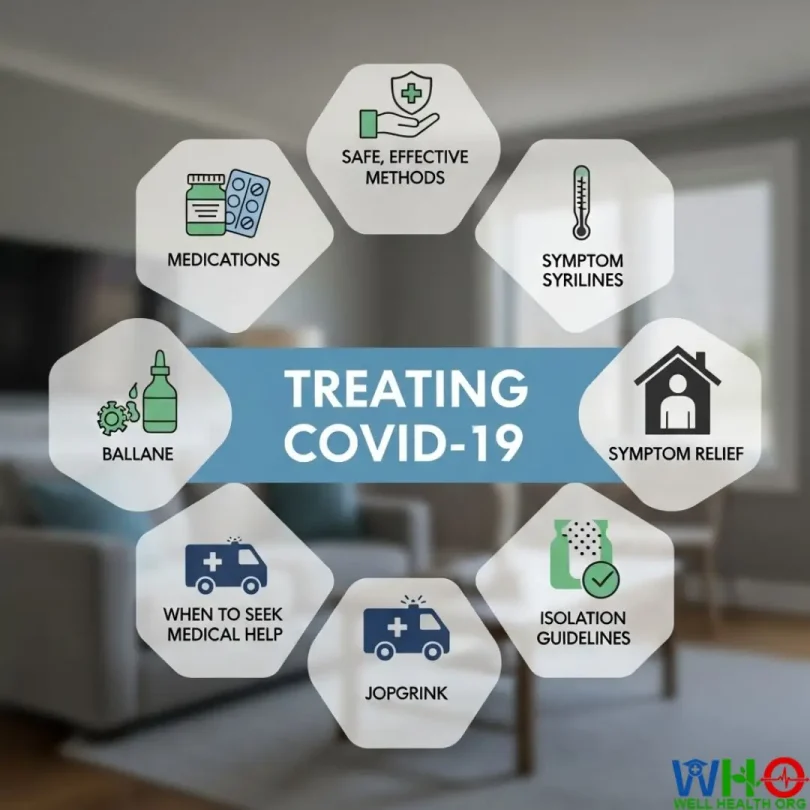
This in-depth guide provides everything you need to know about treating COVID-19 at home safely and effectively, including medical and natural remedies, isolation practices, early warning signs, and strategies to support your mental and physical health while you heal. Whether you’re caring for yourself or helping a loved one, the following advice will empower you to recover with confidence.
Understanding COVID-19 and the Importance of Early Action
COVID-19 affects people differently — from completely mild cases to more serious infections that can escalate quickly. Typical symptoms include:
- Fever or chills
- Cough (dry or productive)
- Sore throat or nasal congestion
- Headache and fatigue
- Muscle or body aches
- Loss of taste or smell
- Digestive problems like nausea or diarrhea
Some people recover within a few days, while others experience fatigue or breathing difficulties that linger for weeks. That’s why early action is vital. If you suspect COVID-19 — even before getting your test results — start home isolation immediately and contact your healthcare provider.
This step is especially crucial if you belong to a high-risk group, such as:
- Adults aged 65 and older
- People who are unvaccinated or behind on booster shots
- Individuals with chronic illnesses like diabetes, asthma, heart or kidney disease
- Those with weakened immune systems (due to medications, transplants, or autoimmune diseases)
Why Acting Early Matters
Research shows that early intervention — especially in the first 5–7 days of symptoms — significantly lowers your risk of severe complications. Early treatment allows antiviral medications to stop viral replication before the infection becomes harder to control.
If you don’t have a personal doctor, reach out to a community health center, pharmacy clinic, or local health department to discuss your treatment options as soon as possible.
FDA-Approved Prescription Treatments for COVID-19
If started early, certain antiviral medications can dramatically reduce your chances of hospitalization or severe illness. These medications target the virus itself, preventing it from multiplying in your system.
1. Paxlovid (Nirmatrelvir + Ritonavir)
- Who can take it: Adults and children aged 12 and above (weighing at least 40 kg).
- How to take it: Orally for 5 days, starting within 5 days of symptom onset.
- Key benefits: Proven to lower the risk of hospitalization or death by up to 89% in high-risk adults.
- Possible side effects: Temporary metallic taste, mild digestive upset.
Paxlovid interacts with several common medications, including cholesterol drugs and blood thinners, so always consult your healthcare provider before starting it.
2. Veklury (Remdesivir)
- Form: Intravenous (IV) infusion administered in a healthcare facility.
- Duration: Three consecutive days, ideally within 7 days of symptoms appearing.
- Eligibility: Adults and pediatric patients.
Remdesivir is an excellent alternative for those who can’t take oral antivirals or whose symptoms progress rapidly.
3. Lagevrio (Molnupiravir)
- Who can take it: Adults aged 18 and older who are at risk for severe illness and cannot access other options.
- How to take it: Oral capsules for 5 days, within 5 days of symptom onset.
Molnupiravir is less potent than Paxlovid but remains beneficial for individuals who cannot tolerate other medications.
💡 Tip: If you’re uninsured or underinsured, ask about patient assistance programs that help cover antiviral costs through government or nonprofit funding.
Managing COVID-19 Symptoms with Over-the-Counter (OTC) Relief
Prescription antivirals target the virus, but OTC medications play a key role in managing discomfort while your immune system fights the infection. Use them wisely to stay comfortable and support recovery.
1. Fever and Pain Management
- Acetaminophen (Tylenol): Gentle on the stomach and effective for fever or mild pain.
- Ibuprofen (Advil, Motrin): Helps with inflammation, headaches, and muscle soreness.
Follow the recommended dosage on the label — excessive use can damage the liver or stomach.
2. Cough and Throat Relief
- Cough suppressants (like dextromethorphan): Reduce dry, irritating coughs.
- Expectorants (like guaifenesin): Help thin mucus for productive coughs.
- Natural option: A spoonful of honey (for adults and children over one year) soothes the throat and reduces coughing frequency.
3. Nasal Congestion and Sinus Pressure
- Decongestants (pseudoephedrine or phenylephrine): Relieve sinus blockage but should be avoided by those with heart disease or hypertension.
- Saline sprays: Gentle, non-medicated alternatives safe for frequent use.
- Steam inhalation or humidifiers: Help open airways and moisten nasal passages naturally.
Always read labels carefully and avoid combining medications with similar active ingredients. If you’re unsure, ask your pharmacist for guidance.
Home Remedies and Self-Care Practices for Faster Recovery
While medicines help manage symptoms, simple home remedies can accelerate your recovery and boost your comfort during isolation.
1. Rest Is Non-Negotiable
Your immune system works hardest while you rest. Prioritize sleep, avoid strenuous activity, and take naps when needed. Trying to “push through” the illness can prolong recovery and worsen symptoms.
2. Stay Well-Hydrated
COVID-19 often causes fever and sweating, which can deplete your body’s fluids. Aim to drink plenty of water, herbal teas, clear soups, or electrolyte-rich drinks like coconut water.
Warm liquids — especially tea with honey and lemon — soothe the throat and help relieve congestion.
3. Focus on Nutritious, Easy-to-Digest Meals
If your appetite is low, stick to light, nourishing foods like:
- Soups and broths
- Porridge or oatmeal
- Bananas, yogurt, and toast
- Steamed vegetables
Avoid greasy, heavy meals until your digestion feels normal again.
4. Improve Air Quality
- Use a humidifier to maintain moisture in the air and reduce throat dryness.
- Allow fresh air circulation by keeping windows open when possible.
- Consider HEPA air purifiers to filter out viral particles, especially in shared spaces.
5. Monitor Symptoms Daily
Keep a small notebook or app log of your temperature, oxygen saturation (using a pulse oximeter), and any new or worsening symptoms. This record will help your doctor make informed decisions if you need medical advice.
Preventing COVID-19 Spread at Home: Smart Isolation Tips
Isolation is key to stopping COVID-19 from spreading to others in your household or community. Here’s how to do it correctly.
1. Create a Separate Space
Stay in a separate, well-ventilated room with a dedicated bathroom if possible. If sharing a space is unavoidable:
- Wear a high-quality mask (N95 or KN95).
- Keep windows open for airflow.
- Avoid direct contact with others.
2. Sanitize and Disinfect Daily
COVID-19 spreads through droplets and contaminated surfaces. Clean these items frequently:
- Doorknobs, light switches, countertops
- Phones, remotes, and keyboards
- Bathroom surfaces
Use alcohol-based or EPA-approved disinfectants.
3. Personal Hygiene
- Wash your hands often for at least 20 seconds.
- Use hand sanitizer with at least 60% alcohol when soap isn’t available.
- Don’t share dishes, towels, or bedding.
4. Safe End of Isolation
You can usually end isolation after 5 days if your symptoms improve and you’ve been fever-free for 24 hours (without fever medicine). Continue masking around others for an additional 5 days for extra safety.
Mental and Emotional Wellness During Recovery
Isolation and illness can take a toll on your emotional health. Many people recovering from COVID-19 experience feelings of anxiety, loneliness, or frustration.
1. Stay Connected Digitally
Even if you can’t be physically near loved ones, video calls and messages provide emotional comfort and reduce feelings of isolation.
2. Maintain Gentle Routines
Wake up, shower, and dress daily — even in comfortable clothes. Eat at regular times, do light stretching, or engage in simple hobbies like reading or journaling. Structure promotes emotional balance.
3. Practice Relaxation Techniques
Breathing exercises, mindfulness, or gentle yoga can help reduce stress and improve sleep. Try inhaling deeply for four counts, holding for four, and exhaling for six to calm your body.
4. Limit COVID-19 News Overload
Constant exposure to news about the pandemic can heighten anxiety. Stay informed from reliable sources but avoid excessive scrolling or speculation.
5. Seek Professional Support
If you’re feeling persistently anxious, depressed, or unable to cope, don’t hesitate to reach out to a therapist or counselor via telehealth. Many mental health professionals offer affordable online sessions.
When to Seek Emergency Medical Attention
Most people with COVID-19 recover fully at home, but you should call 911 or go to the emergency room immediately if you notice:
- Severe or worsening shortness of breath
- Chest pain or persistent pressure
- Confusion or inability to stay awake
- Bluish or gray skin, lips, or nails
- Inability to keep fluids down or signs of dehydration (dizziness, dry mouth, no urination)
Prompt care can prevent life-threatening complications. Trust your instincts — if you feel something is wrong, seek help right away.
Helpful Resources and Support Systems
- Treatment Locator: Visit hhs.gov or call 1-800-232-0233 for nearby testing and treatment sites.
- Pharmacies and health centers: Many offer free or low-cost COVID-19 testing and antiviral prescriptions.
- Local health departments: Provide updates on isolation guidelines, vaccination drives, and community support.
- Financial aid programs: Ask about manufacturer or government assistance if you struggle to afford treatment.
Your Road to Full Recovery
Recovering from COVID-19 at home requires patience, consistency, and proactive care. By combining early medical treatment, symptom management, mental wellness, and responsible isolation, you can significantly reduce risks and recover more comfortably.
Remember:
- Start antiviral treatment early if prescribed.
- Stay hydrated, rest well, and nourish your body.
- Monitor your symptoms daily and contact your doctor if they worsen.
- Protect others by following strict hygiene and isolation practices.
Even after recovery, continue to care for your body — it may take time to regain full strength.
Prevention Is Still the Best Cure
Staying up to date on vaccinations remains the most effective way to prevent severe illness, hospitalization, and death. Even if you’ve had COVID-19 before, boosters strengthen immunity against reinfection and emerging variants.
Final Thoughts
COVID-19 has changed how we view health, hygiene, and self-care. But with the right knowledge and practical tools, you can manage it effectively from home and protect those around you.
Recovery isn’t just about fighting the virus — it’s about giving your body the care, rest, and compassion it deserves. By acting early, following medical guidance, and nurturing your well-being, you can emerge stronger and healthier on the other side.
Medically Reviewed by Prof. Dr. Akram
Orthopedic Surgeon | Professor | Senior Medical Specialist
Prof. Dr. Akram is a distinguished surgeon with over 15 years of clinical expertise. Having served as a lead Emergency Specialist at Complex International Government Hospital, he currently leads a specialized team of 13 medical professionals at his private hospital. As a Professor at top medical universities, he ensures that every article on WellHealthOrg.com meets rigorous clinical standards.
Medical Disclaimer:
The information provided is for educational purposes only and is not a substitute for professional medical advice, diagnosis, or treatment. Always consult your physician for any medical concerns.
Our content is rigorously fact-checked by our 13-member Editorial Team under the clinical supervision of Prof. Dr. Akram.