

Introduction: Understanding Meralgia Paresthetica and Finding Relief Naturally
Have you ever noticed a persistent tingling, burning pain, or numbness along the outer part of your thigh that just won’t go away? If so, you might be dealing with meralgia paresthetica, a condition that can make everyday activities uncomfortable—from walking and sitting to simply lying down. Despite its complicated name, this condition is actually common and treatable, often without medical procedures or prescription drugs.
- Introduction: Understanding Meralgia Paresthetica and Finding Relief Naturally
- What Is Meralgia Paresthetica?
- Common Symptoms
- What Causes Meralgia Paresthetica?
- 1. Tight Clothing
- 2. Excess Body Weight
- 3. Pregnancy
- 4. Prolonged Sitting or Standing
- 5. Scar Tissue or Past Injury
- 6. Underlying Medical Conditions
- At-Home Treatments for Meralgia Paresthetica: Natural Relief That Works
- 1. Lifestyle Adjustments: Simple Changes, Big Relief
- 2. Gentle Stretches and Exercises for Nerve Relief
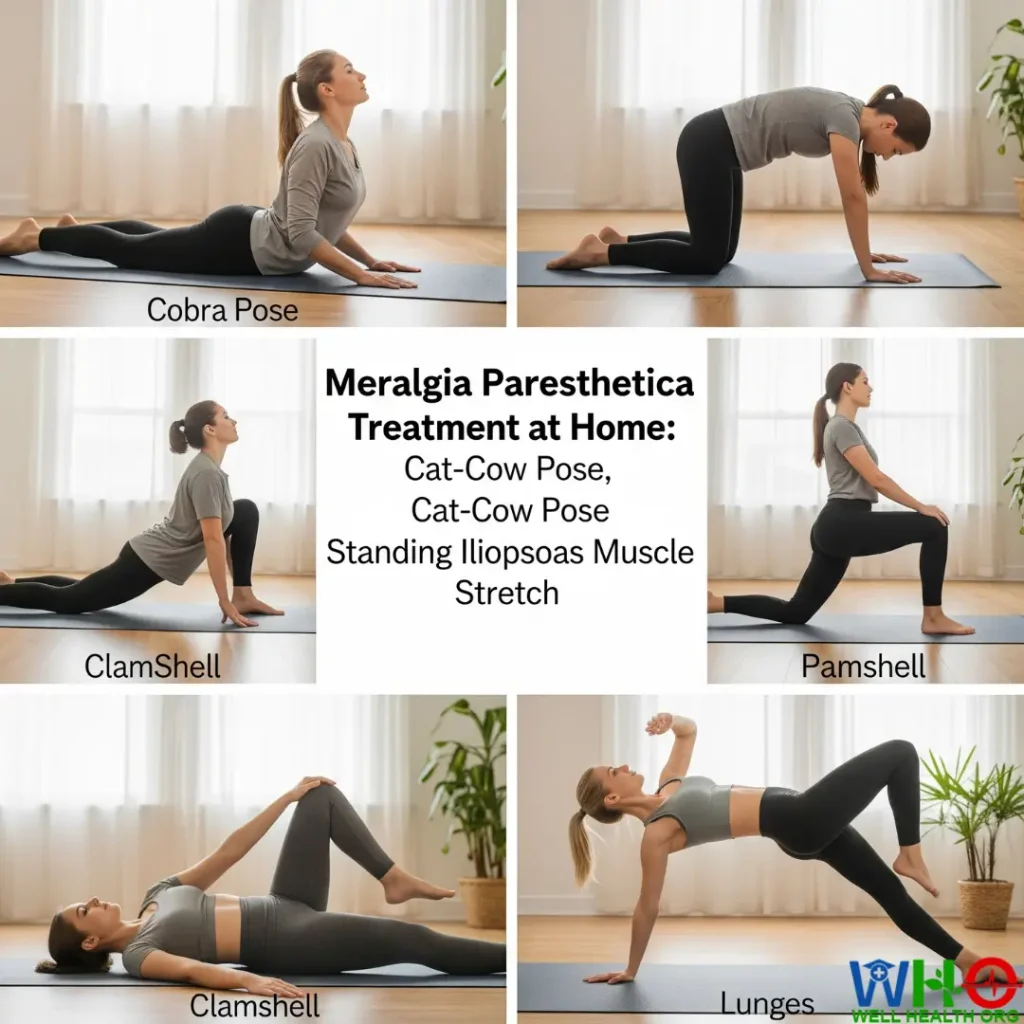
- A. Cobra Pose (Bhujangasana)
- B. Cat-Cow Stretch
- C. Standing Iliopsoas Stretch
- D. Clamshell Exercise
- E. Forward Lunges
- 3. Over-the-Counter (OTC) Pain Relief
- 4. Heat and Cold Therapy
- 5. Massage Therapy and Foam Rolling
- 6. Posture and Ergonomic Adjustments
- 7. Weight Management and Core Strengthening
- 8. Natural Anti-Inflammatory Remedies
- 9. Sleep and Stress Management
- When to Seek Medical Attention
- Possible Medical Interventions
- Long-Term Prevention: Keeping Meralgia Paresthetica from Coming Back
- Conclusion: Take Charge of Your Nerve Health Naturally
- Frequently Asked Questions (FAQs)
Meralgia paresthetica happens when a nerve in your upper thigh—the lateral femoral cutaneous nerve (LFCN)—gets compressed or irritated. The good news is that in many cases, you can manage it successfully with simple at-home strategies, lifestyle adjustments, and natural remedies.
In this guide, we’ll explore what meralgia paresthetica is, what causes it, and most importantly, how to relieve it naturally through proven at-home treatments, exercises, and preventive techniques. Let’s start by understanding the root of the issue before diving into the best home solutions.
What Is Meralgia Paresthetica?
Meralgia paresthetica is a nerve-related condition that affects the outer thigh. It occurs when the lateral femoral cutaneous nerve—which carries sensation from your thigh’s skin—is compressed. Unlike other nerve problems that affect muscles, this one doesn’t cause weakness or impact your ability to move your leg. Instead, it creates uncomfortable sensory symptoms.
Common Symptoms
People with meralgia paresthetica typically experience one or more of the following:
- Tingling or numbness on the outer thigh.
- Burning or shooting pain that may worsen when standing or walking.
- Heightened sensitivity—even light touch or clothing can feel irritating.
- Dull ache in the groin, hip, or buttock area.
Symptoms may occur on one or both legs, and they can vary in intensity—from mild annoyance to severe discomfort that disrupts sleep or mobility.
What Causes Meralgia Paresthetica?
This condition develops when something exerts pressure on the lateral femoral cutaneous nerve as it passes through your pelvis and into your thigh. A variety of factors can contribute to this compression.
1. Tight Clothing
Wearing restrictive clothing such as skinny jeans, corsets, waist trainers, or belts can compress the nerve where it exits the pelvis. Over time, this pressure leads to irritation and inflammation.
2. Excess Body Weight
Carrying extra weight—especially around the abdomen—can significantly increase pressure on the nerve. Even a modest amount of weight loss can relieve symptoms for many people.
3. Pregnancy
During pregnancy, the growing uterus and hormonal changes shift your posture and increase abdominal pressure, which can easily compress the nerve.
4. Prolonged Sitting or Standing
Remaining in one position for long periods—especially sitting with crossed legs or driving for hours—can pinch the nerve and restrict blood flow.
5. Scar Tissue or Past Injury
Surgeries, accidents, or previous hip injuries may cause scar tissue buildup that traps or irritates the nerve.
6. Underlying Medical Conditions
Chronic illnesses like diabetes, hypothyroidism, or pelvic inflammation can affect nerve health, making you more prone to meralgia paresthetica.
Knowing what’s triggering your symptoms is crucial, as addressing the root cause often leads to long-term relief.
At-Home Treatments for Meralgia Paresthetica: Natural Relief That Works
Most people with meralgia paresthetica can experience significant improvement with non-surgical, conservative treatments. The primary goal is to relieve nerve pressure while reducing inflammation and restoring comfort.
1. Lifestyle Adjustments: Simple Changes, Big Relief
Often, small modifications in your daily habits can make the biggest difference.
- Wear loose-fitting clothing: Avoid jeans, belts, or shapewear that compress your waist and upper thighs. Loose fabrics allow better circulation and nerve relaxation.
- Maintain a healthy weight: Even a 5–10% reduction in body weight can relieve significant pressure on the nerve.
- Move regularly: If you work at a desk, stand and stretch every 30–60 minutes. Short walks help stimulate blood flow and prevent stiffness.
- Avoid standing too long: When standing for extended periods, shift your weight between legs or use a footrest.
💡 Tip: Many people notice relief within just a week or two of wearing looser clothing and adjusting their posture.
2. Gentle Stretches and Exercises for Nerve Relief
Stretching improves flexibility and reduces tension in the pelvis and hip area—helping release the trapped nerve. Below are five safe, effective exercises to relieve meralgia paresthetica at home.
A. Cobra Pose (Bhujangasana)
This yoga-inspired stretch opens the hip region and stretches your abdominal muscles, reducing pelvic pressure.
Steps:
- Lie face down with your legs extended.
- Place your hands under your shoulders.
- Gently lift your upper body while keeping your hips grounded.
- Hold for 20 seconds, breathing deeply.
- Relax and repeat 3–4 times.
You’ll feel a gentle stretch in your abdomen and hip area—avoid overextending your lower back.
B. Cat-Cow Stretch
This classic yoga flow increases spinal flexibility and eases tension in your lower back and pelvis.
Steps:
- Start on your hands and knees.
- Arch your back up (Cat Pose), tucking your chin.
- Slowly drop your belly toward the floor while looking up (Cow Pose).
- Move between the two positions for 1–2 minutes.
This movement encourages circulation and helps relax the muscles surrounding the compressed nerve.
C. Standing Iliopsoas Stretch
Your iliopsoas muscles (hip flexors) connect the thigh to the pelvis. Tightness here can irritate the lateral femoral cutaneous nerve.
Steps:
- Stand and rest one foot on a low chair or step.
- Keep your back straight and hips square.
- Lean forward slowly until you feel a stretch in the front of your standing hip.
- Hold for 5–10 deep breaths, then switch sides.
Repeat daily to improve flexibility and relieve pressure in the groin region.
D. Clamshell Exercise
This exercise strengthens the gluteal and hip muscles, providing better pelvic stability and nerve protection.
Steps:
- Lie on your side with knees bent at a 45° angle.
- Keep your feet touching and lift your top knee without moving your hips.
- Hold briefly, then lower it back down.
- Repeat 15 times on each side.
For more challenge, use a resistance band around your thighs. Strong hip muscles help maintain alignment and reduce nerve strain.
E. Forward Lunges
Lunges both stretch and strengthen your thighs, glutes, and hip flexors—key muscle groups that influence nerve function.
Steps:
- Stand tall and take a large step forward with your right leg.
- Lower your body until your right thigh is parallel to the ground.
- Keep your front knee above your ankle.
- Push back up and repeat 10–15 times on each side.
Avoid bouncing or jerky movements; focus on slow, controlled motion.
3. Over-the-Counter (OTC) Pain Relief
When nerve pain becomes difficult to manage naturally, OTC medications can offer short-term relief.
Options include:
- NSAIDs (ibuprofen, naproxen): Reduce inflammation and discomfort.
- Acetaminophen: Helps control pain without anti-inflammatory effects.
- Topical creams: Products containing capsaicin, lidocaine, or menthol can desensitize the area and provide cooling relief.
Always follow dosage instructions and consult your doctor if you need to take pain relievers regularly or have underlying health issues.
4. Heat and Cold Therapy
Alternating between warm and cold compresses helps manage inflammation and soothe nerve pain naturally.
- Warm compress: Increases blood flow, relaxes tight muscles, and helps release trapped nerves.
- Cold compress: Numbs the area and reduces swelling.
Apply for 15–20 minutes at a time, alternating 2–3 times daily.
5. Massage Therapy and Foam Rolling
Gentle self-massage or foam rolling can help loosen tight hip and thigh muscles that compress the LFCN. Focus on your quadriceps, hip flexors, and glutes—but avoid deep pressure directly on painful spots.
Using light circular motions with coconut oil or a warming balm can enhance relaxation and improve circulation.
6. Posture and Ergonomic Adjustments
Poor posture—especially when sitting for long periods—can increase tension in your lower back and pelvis, indirectly compressing the lateral femoral cutaneous nerve. Making a few ergonomic changes to your daily setup can significantly relieve pressure and prevent flare-ups.
Posture Improvement Tips:
- Sit upright with both feet flat on the floor and your hips aligned with your knees.
- Use a lumbar support cushion or a rolled-up towel to maintain the natural curve of your spine.
- Avoid crossing your legs while sitting; this position tightens the hip area and can irritate the nerve further.
- When working at a desk, ensure your computer screen is at eye level and your chair height allows your thighs to remain parallel to the floor.
- Take micro-breaks every 30 minutes to stand, stretch, or walk around.
These simple adjustments not only alleviate nerve pressure but also help reduce overall muscle tension, promoting better long-term spinal and hip health.
7. Weight Management and Core Strengthening
Excess body weight—especially around your abdomen—can increase pelvic pressure and aggravate nerve compression. Losing even 5–10% of your body weight can make a noticeable difference in symptom relief.
In addition to weight control, core-strengthening exercises help stabilize your pelvis and lower back, reducing the strain on your thigh nerve.
Try these easy core exercises:
- Pelvic Tilts: Lie on your back, knees bent. Tighten your stomach muscles, pressing your lower back into the floor. Hold for 10 seconds, release, and repeat 10–12 times.
- Bridge Pose: From the same position, lift your hips toward the ceiling while squeezing your glutes. Hold for 15 seconds, then lower gently. Repeat 10 times.
- Bird Dog: Start on your hands and knees. Extend one arm forward and the opposite leg backward. Hold for 5 seconds, then switch sides.
These controlled movements strengthen the muscles that support your hips and lower spine, reducing nerve irritation and enhancing posture stability.
8. Natural Anti-Inflammatory Remedies
Inflammation plays a major role in nerve compression pain. Incorporating natural anti-inflammatory foods and remedies into your daily routine can help relieve discomfort and support long-term healing.
Foods and Supplements That Help:
- Turmeric (Curcumin): A powerful natural anti-inflammatory; take it as a supplement or add it to meals with a pinch of black pepper for better absorption.
- Omega-3 Fatty Acids: Found in fish oil, chia seeds, and flaxseeds, these fats help reduce nerve inflammation.
- Magnesium: This mineral aids muscle relaxation and nerve function. Foods like spinach, almonds, and avocados are great sources.
- Vitamin B Complex: B vitamins, especially B6 and B12, support nerve health and repair.
- Ginger and Green Tea: Both have potent anti-inflammatory properties that can calm nerve pain and promote blood flow.
💡 Pro Tip: Avoid foods that increase inflammation, such as processed sugars, refined carbs, and trans fats. A balanced, nutrient-rich diet supports faster recovery and helps prevent recurrence.
9. Sleep and Stress Management
You may not realize it, but stress and poor sleep can amplify pain perception, slow healing, and worsen nerve irritation. Creating a relaxing bedtime routine and managing stress levels can significantly improve your recovery from meralgia paresthetica.
For Better Sleep:
- Maintain a consistent sleep schedule and avoid late-night screen use.
- Sleep on your side with a pillow between your knees to relieve hip tension.
- Choose a firm but comfortable mattress that supports your spine alignment.
To Reduce Stress:
- Try deep breathing exercises, yoga, or meditation for 10–15 minutes daily.
- Go for short walks or light stretching sessions to release endorphins.
- Engage in calming hobbies like reading, listening to music, or journaling.
A well-rested body heals faster, and calm nerves are less likely to misfire or become hypersensitive.
When to Seek Medical Attention
While most cases of meralgia paresthetica can be managed with home care, some situations require professional medical help. You should contact a healthcare provider if:
- Your pain is severe, worsening, or persistent after several weeks of home treatment.
- You develop muscle weakness in your thigh or leg.
- The burning or numbness interferes with walking, balance, or sleep.
- You experience new symptoms, such as swelling, fever, or pain spreading beyond the thigh.
Possible Medical Interventions
A doctor might suggest one or more of the following if home treatments don’t provide relief:
- Prescription medication: Nerve pain medications (such as gabapentin or pregabalin) or corticosteroids to reduce inflammation.
- Nerve block injections: Local anesthetics or steroids injected near the nerve can provide temporary or long-term relief.
- Physical therapy: A therapist can guide you through advanced stretching and strengthening exercises.
- Surgery: In rare, severe cases, nerve decompression surgery may be considered to release the trapped nerve.
Seeking medical help early prevents the condition from becoming chronic and ensures proper diagnosis in case other underlying issues are contributing to your pain.
Long-Term Prevention: Keeping Meralgia Paresthetica from Coming Back
Preventing recurrence is just as important as relieving current symptoms. Once your pain subsides, follow these strategies to keep your thigh nerve healthy.
1. Maintain a Healthy Weight:
Consistent exercise and a balanced diet are key. Regular low-impact activities like walking, swimming, and cycling strengthen muscles and maintain optimal body weight.
2. Choose Comfort Over Fashion:
Avoid tight belts, jeans, or waistbands. Choose breathable fabrics and flexible clothing that move with your body.
3. Stay Active:
Inactivity can worsen nerve compression. Incorporate daily stretches and gentle movements to maintain flexibility and blood flow.
4. Protect Your Posture:
Good posture keeps your pelvic and spinal alignment in check, reducing the chance of nerve entrapment. Adjust your work setup to promote ergonomic balance.
5. Regular Massage or Yoga Practice:
Both massage and yoga increase circulation, relieve muscle tension, and help maintain nerve health over time.
6. Keep an Eye on Underlying Health Conditions:
If you have diabetes, thyroid issues, or other metabolic conditions, manage them carefully with your doctor’s help. Healthy nerves thrive in a balanced, well-managed system.
Conclusion: Take Charge of Your Nerve Health Naturally
Living with meralgia paresthetica can be frustrating, but you have the tools to take control of your recovery. By making mindful lifestyle changes—like wearing looser clothing, improving posture, and incorporating daily stretches—you can reduce nerve pressure and promote healing without invasive treatments.
The key is consistency. Stay active, nourish your body with anti-inflammatory foods, and listen to your body’s signals. In most cases, symptoms gradually fade as you support your nerve’s natural recovery process.
If discomfort persists despite your best efforts, don’t hesitate to seek medical advice—early intervention can prevent long-term nerve irritation and restore comfort faster.
Remember: healing takes time, but with patience, persistence, and the right approach, you can reclaim your comfort and mobility—naturally.
Frequently Asked Questions (FAQs)
1. How long does it take for meralgia paresthetica to heal?
Mild cases can improve within a few weeks with consistent at-home care, while more persistent cases may take a few months.
2. Can meralgia paresthetica go away on its own?
Yes, many cases resolve naturally once the pressure on the nerve is relieved—especially through lifestyle adjustments and weight management.
3. Is walking good for meralgia paresthetica?
Yes, gentle walking promotes blood circulation and reduces stiffness, but avoid prolonged standing or uphill walking if it aggravates pain.
4. What sleeping position is best for this condition?
Sleeping on your side with a pillow between your knees or on your back with a cushion under your knees helps reduce hip pressure.
5. Can massage or chiropractic care help?
Gentle massage therapy can ease muscle tightness and improve circulation, but avoid aggressive manipulation near the affected area unless guided by a professional.
Medically Reviewed by Prof. Dr. Akram
Orthopedic Surgeon | Professor | Senior Medical Specialist
Prof. Dr. Akram is a distinguished surgeon with over 15 years of clinical expertise. Having served as a lead Emergency Specialist at Complex International Government Hospital, he currently leads a specialized team of 13 medical professionals at his private hospital. As a Professor at top medical universities, he ensures that every article on WellHealthOrg.com meets rigorous clinical standards.
Medical Disclaimer:
The information provided is for educational purposes only and is not a substitute for professional medical advice, diagnosis, or treatment. Always consult your physician for any medical concerns.
Our content is rigorously fact-checked by our 13-member Editorial Team under the clinical supervision of Prof. Dr. Akram.







