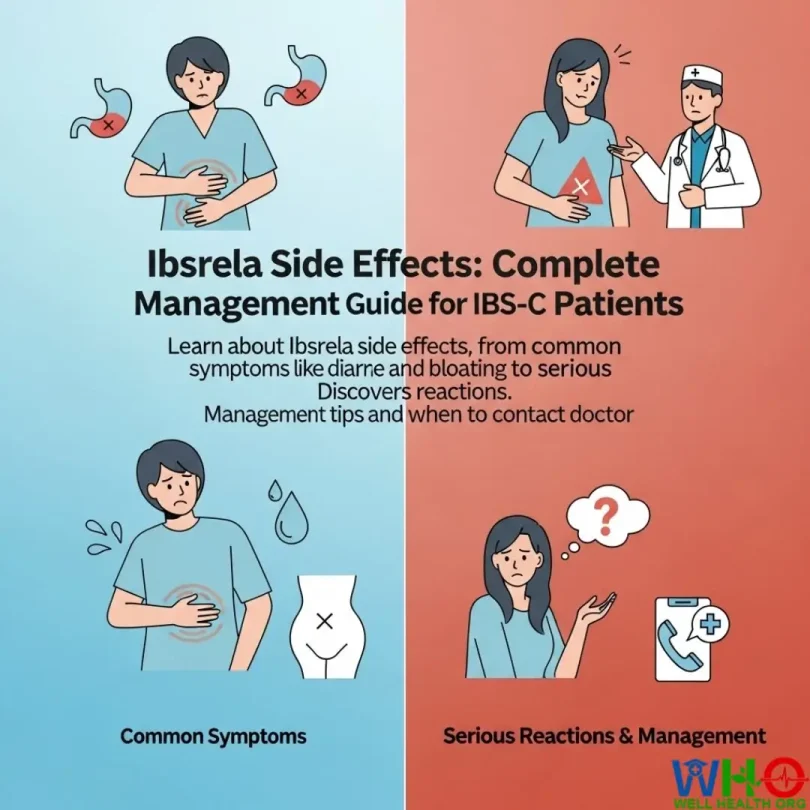
Living with Irritable Bowel Syndrome with Constipation (IBS-C) can be frustrating, exhausting, and even disruptive to daily life. Many patients feel like they’ve tried everything—dietary changes, over-the-counter laxatives, lifestyle adjustments—yet still struggle with uncomfortable, persistent constipation and abdominal discomfort.
- How Ibsrela Works and Why Side Effects Happen
- Understanding Common Ibsrela Side Effects
- 1. Diarrhea (The Most Common Side Effect)
- 2. Gas and Bloating
- 3. Dizziness
- How Long Do These Side Effects Last?
- Recognizing Serious Side Effects That Require Immediate Attention
- 1. Severe Diarrhea
- 2. Signs of Dehydration
- 3. Allergic Reactions (Rare but Serious)
- 4. Boxed FDA Warning: Children and Dehydration Risk
- Effective Strategies for Managing Ibsrela Side Effects
- 1. Dietary Adjustments
- 2. Lifestyle Modifications
- 3. When to Modify Your Approach
- Knowing When to Contact Your Healthcare Provider
- Situations That Require Prompt Medical Advice (Within 24–48 Hours)
- Emergency Situations (Seek Immediate Medical Care)
- Routine Follow-Up Appointments
- Alternative Options When Ibsrela Side Effects Become Unmanageable
- 1. Other Prescription Medications for IBS-C
- 2. Combination Approaches
- 3. Non-Medication Approaches
- Taking Control of Your IBS-C Treatment Journey
- Practical Tips for Success with Ibsrela
- Your Unique Treatment Path
- Conclusion
- Frequently Asked Questions (FAQs)
That’s where Ibsrela (tenapanor) comes in. As one of the newer prescription options available for IBS-C, Ibsrela offers hope for patients by working in a way that’s different from most traditional constipation treatments. It doesn’t just stimulate bowel movements—it actually changes how your intestines handle sodium and fluid, which helps your stool pass more easily.
But, as with any medication, the benefits of Ibsrela come with the possibility of side effects. Some are mild and temporary, while others may require medical attention or a change in your treatment plan. Understanding these effects, knowing what’s normal, and recognizing warning signs can help you stay safe, feel more in control, and get the best possible outcome from your treatment.
In this in-depth guide, we’ll cover:
- How Ibsrela works and why side effects happen
- The most common side effects patients experience
- Serious side effects that should never be ignored
- Practical strategies to manage discomfort
- When to call your healthcare provider
- Alternative options if Ibsrela isn’t the right fit for you
Let’s walk through everything you need to know.
How Ibsrela Works and Why Side Effects Happen
Before diving into the side effects, it’s important to understand what Ibsrela is and why your body reacts to it the way it does.
Ibsrela (generic name tenapanor) belongs to a class of medications known as sodium/hydrogen exchanger 3 (NHE3) inhibitors. That might sound complicated, but here’s what it means in simple terms:
- Inside your small intestine, Ibsrela blocks sodium absorption.
- This causes more sodium to stay in your gut rather than moving into your bloodstream.
- Where sodium goes, water follows. So instead of water being absorbed into your body, it stays in your intestines.
- The extra fluid softens your stool and helps keep things moving.
This is very different from stimulant laxatives (which force the muscles in your intestines to contract) or osmotic laxatives (which draw water into the stool from surrounding tissues). Ibsrela is targeted at fluid regulation in the gut, which is why many patients find it more natural and less harsh than other options.
But here’s the tradeoff:
Because Ibsrela increases water in the intestines, it can also cause your digestive system to behave differently than usual. This shift is what leads to side effects like diarrhea, gas, bloating, or dizziness.
Think of it as your body adjusting to a new rhythm. For many people, side effects improve after the first few weeks—but for others, they may linger or become problematic.
Understanding Common Ibsrela Side Effects
Most side effects of Ibsrela are mild and manageable. They’re also fairly predictable, because they come from the way the medication changes your gut fluid balance. Clinical trials and patient reports have highlighted a few issues that come up most often:
1. Diarrhea (The Most Common Side Effect)
Diarrhea is the most frequently reported side effect of Ibsrela, and it’s directly linked to how the medication works. Since Ibsrela keeps water inside your intestines, some patients end up with looser stools or more frequent bowel movements than they expect.
- In clinical studies, up to 16–20% of patients reported diarrhea, with some cases being mild and others more severe.
- Many patients describe it as an adjustment period: stools may be softer or looser for a few weeks, then settle into a more predictable routine.
- For some, however, diarrhea may persist and require dose adjustments or even discontinuation.
What to do:
- Stay hydrated—drink plenty of water and consider oral rehydration solutions if diarrhea is frequent.
- Avoid foods and drinks that can worsen diarrhea, like caffeine, alcohol, fatty foods, and artificial sweeteners.
- If you notice more than 6 loose stools per day, blood in your stool, or severe cramping, call your doctor immediately.
2. Gas and Bloating
Gas and bloating are another common early side effect of Ibsrela. Since the medication alters the movement of fluid through your intestines, your digestion may temporarily become less efficient. This can cause your gut bacteria to produce more gas than usual.
- Patients often report that bloating feels worst in the first 1–3 weeks.
- It may be more noticeable after larger meals or foods that are harder to digest, such as beans, cruciferous vegetables, or carbonated drinks.
What to do:
- Try eating smaller, more frequent meals instead of large portions.
- Keep a food diary to track which foods trigger the worst bloating.
- Gentle physical activity, like walking after meals, can help release trapped gas.
3. Dizziness
Dizziness is a less common but still notable side effect of Ibsrela. It usually happens because the medication shifts fluid balance in your body.
- Some patients feel lightheaded when standing up quickly (known as orthostatic dizziness).
- Dehydration from diarrhea can make dizziness worse.
What to do:
- Stand up slowly, especially from sitting or lying down.
- Drink water regularly throughout the day.
- If dizziness is persistent or severe, contact your doctor to make sure it isn’t a sign of dehydration or low blood pressure.
How Long Do These Side Effects Last?
For most people, side effects improve within a few days to a few weeks as the body adjusts to the new digestive pattern. However, if they persist beyond a month, it’s worth talking to your healthcare provider about whether to continue treatment, adjust your dose, or explore alternatives.
Recognizing Serious Side Effects That Require Immediate Attention
While most Ibsrela side effects are manageable, there are a few serious reactions that need urgent medical attention.
1. Severe Diarrhea
Unlike mild diarrhea, severe diarrhea can quickly lead to dangerous dehydration and electrolyte imbalances.
Warning signs include:
- More than 6 watery stools per day
- Diarrhea with blood or mucus
- Severe abdominal cramping
- Weakness, confusion, or dizziness
This is one of the most important risks to monitor, because it can spiral into an emergency if not addressed.
2. Signs of Dehydration
If diarrhea becomes too frequent, dehydration may follow. Look for:
- Extreme thirst
- Dry mouth or cracked lips
- Dark, concentrated urine or decreased urination
- Dizziness or fainting when standing
- Cool, clammy skin
In severe cases, dehydration can require hospitalization for IV fluids.
3. Allergic Reactions (Rare but Serious)
Though rare, some patients may experience an allergic reaction to Ibsrela.
Symptoms include:
- Swelling of the face, lips, tongue, or throat
- Difficulty breathing or wheezing
- Rash, hives, or itching
- Rapid or irregular heartbeat
These reactions are medical emergencies—call 911 immediately if they occur.
4. Boxed FDA Warning: Children and Dehydration Risk
Ibsrela carries an FDA boxed warning—the most serious type of safety warning—about the risk of severe dehydration in children.
- The drug is not approved for pediatric use.
- Even small doses can cause life-threatening dehydration in children under 6.
- Parents should keep Ibsrela stored securely, out of reach of children.
This warning underscores how powerful the medication is and why careful monitoring is essential even in adults.
Effective Strategies for Managing Ibsrela Side Effects
Managing side effects doesn’t always mean stopping the medication. With the right strategies, many patients can continue treatment comfortably while minimizing discomfort.
1. Dietary Adjustments
- Eat smaller, more frequent meals – This eases digestive strain and helps reduce bloating.
- Stay hydrated – Aim for at least 8–10 glasses of water daily. If diarrhea is frequent, add an electrolyte drink to restore balance.
- Go slow with fiber – Fiber is important for IBS-C, but increasing it too quickly while starting Ibsrela can worsen gas and bloating.
- Limit trigger foods – Common culprits include dairy, high-fat foods, fried foods, caffeine, alcohol, and artificial sweeteners.
2. Lifestyle Modifications
- Take Ibsrela with food – This helps minimize stomach upset.
- Keep a symptom diary – Track side effects, foods eaten, and bowel movement patterns to identify triggers.
- Plan ahead – Especially in the first weeks, you may want to schedule activities with easy bathroom access.
- Stay active – Light exercise like yoga or walking can ease bloating and improve bowel function.
3. When to Modify Your Approach
If side effects are persistent, your doctor may:
- Adjust the dosage temporarily
- Recommend a short treatment break
- Add supportive therapies like anti-diarrheal agents or probiotics
- Switch to an alternative IBS-C medication if side effects remain unmanageable
Knowing When to Contact Your Healthcare Provider
Side effects don’t always mean you need to stop taking Ibsrela, but ignoring them can put your health at risk. The key is knowing when to manage symptoms at home and when to call your doctor.
Situations That Require Prompt Medical Advice (Within 24–48 Hours)
You should contact your healthcare provider if you experience:
- Persistent diarrhea that lasts more than two days, even if mild
- Bloating or abdominal pain so severe it interferes with daily life
- Ongoing dizziness that doesn’t improve with hydration and rest
- Any side effect that affects your quality of life or prevents you from functioning normally
These issues may not be emergencies but still need medical attention. Your doctor may recommend adjusting your dosage, adding supportive treatments, or switching to a different medication.
Emergency Situations (Seek Immediate Medical Care)
Call 911 or go to the emergency room if you experience:
- Severe diarrhea with blood, mucus, or extreme cramping
- Signs of severe dehydration, such as confusion, fainting, or very rapid heartbeat
- Symptoms of an allergic reaction—trouble breathing, swelling of the throat, or hives spreading rapidly
These situations can escalate quickly and should never be managed at home.
Routine Follow-Up Appointments
Even if your side effects are manageable, it’s wise to check in with your doctor after a few weeks on Ibsrela. During these follow-ups, your provider may:
- Review your symptom diary to track progress
- Assess whether your current dose is appropriate
- Order blood tests to check electrolytes if diarrhea has been significant
- Discuss whether continuing Ibsrela long-term is the right choice
Regular follow-ups help ensure you’re getting the benefits of treatment without compromising your safety.
Alternative Options When Ibsrela Side Effects Become Unmanageable
Not every patient responds well to Ibsrela. If you’ve tried adjusting your routine and still can’t tolerate the side effects, there are several other options worth exploring.
1. Other Prescription Medications for IBS-C
Several FDA-approved medications can serve as alternatives:
- Linzess (linaclotide) – Works by increasing fluid secretion in the intestines, similar in outcome but via a different mechanism.
- Amitiza (lubiprostone) – Activates chloride channels in the gut to soften stool and improve bowel movements.
- Motegrity (prucalopride) – A serotonin receptor agonist that stimulates intestinal movement.
Each of these medications has its own side effect profile, and what doesn’t work for one person may work well for another.
2. Combination Approaches
Sometimes doctors recommend using a lower dose of Ibsrela alongside other treatments, such as:
- Dietary modifications (low FODMAP diet, fiber balance)
- Probiotics to support gut microbiome health
- Over-the-counter laxatives (when needed for breakthrough constipation)
This approach may reduce the intensity of side effects while maintaining effectiveness.
3. Non-Medication Approaches
For some patients, lifestyle and dietary strategies play a huge role in managing IBS-C. Options include:
- Dietary therapy with a registered dietitian – Identifying trigger foods and optimizing fiber intake.
- Stress management techniques – Since IBS is linked to gut-brain interaction, approaches like meditation, deep breathing, and mindfulness can ease symptoms.
- Exercise routines – Regular movement promotes healthy bowel function.
- Cognitive Behavioral Therapy (CBT) for IBS – A targeted psychological treatment that reduces stress-related symptom flares.
Many patients find a holistic plan works best: a combination of medication, diet, stress management, and activity.
Taking Control of Your IBS-C Treatment Journey
Dealing with IBS-C can be a long and frustrating road. Starting Ibsrela may feel like a relief after trying countless remedies that didn’t work—but the side effects can be intimidating.
Here’s the truth: side effects don’t always mean failure. Many patients who initially struggle with diarrhea, bloating, or dizziness eventually find that their bodies adjust and symptoms stabilize. For others, side effects signal the need to tweak the plan—or try a different therapy altogether.
Practical Tips for Success with Ibsrela
- Set realistic expectations – Improvement may take a few weeks. Don’t be discouraged by early side effects.
- Stay proactive – Keep a journal of your bowel habits, diet, and side effects to share with your doctor.
- Hydrate constantly – Water is your best ally against both constipation and diarrhea.
- Don’t self-adjust your dose – Always consult your doctor before making changes.
- Be patient – IBS-C is a chronic condition, and treatment is often about long-term balance rather than instant results.
Your Unique Treatment Path
Remember, IBS-C isn’t a one-size-fits-all condition. What works for one person may not work for another. The key is to partner with your healthcare provider, communicate openly, and adjust as needed.
Ibsrela is just one tool in the toolkit—what matters most is finding a treatment plan that controls your symptoms while maintaining your quality of life.
Conclusion
Ibsrela offers hope for patients with IBS-C by addressing constipation at its root—fluid regulation in the intestines. However, like any medication, it comes with potential side effects ranging from mild digestive discomfort to more serious complications like severe diarrhea or dehydration.
The good news is that most side effects are manageable with lifestyle changes, dietary adjustments, and good hydration. By knowing what to expect, recognizing red flags, and staying in touch with your healthcare provider, you can maximize the benefits of Ibsrela while protecting your health.
And if Ibsrela isn’t the right fit for you, there are plenty of alternatives—from other prescription options to holistic lifestyle strategies—that can help you regain control of your IBS-C journey.
The key takeaway: You are not powerless against IBS-C. With the right treatment plan, patience, and support, you can manage your symptoms and improve your quality of life.
Frequently Asked Questions (FAQs)
1. How long do Ibsrela side effects last?
Most common side effects like diarrhea, bloating, and dizziness improve within a few days to weeks. If they persist beyond a month or worsen, consult your healthcare provider.
2. Can Ibsrela cause weight loss?
Some patients may experience weight changes due to fluid shifts or diarrhea, but weight loss is not a primary effect of Ibsrela. Any unexplained or significant weight change should be discussed with your doctor.
3. Can I take Ibsrela long-term?
Yes, if tolerated. Clinical trials support long-term use, but your doctor will monitor you for side effects and effectiveness regularly.
4. Is Ibsrela safe to take with other IBS medications?
In some cases, yes—but it depends on the specific medication. Always discuss potential interactions with your doctor before combining treatments.
5. What should I do if I miss a dose of Ibsrela?
If you miss a dose, take it as soon as you remember with food. If it’s almost time for your next dose, skip the missed dose—never double up.
Medically Reviewed by Prof. Dr. Akram
Orthopedic Surgeon | Professor | Senior Medical Specialist
Prof. Dr. Akram is a distinguished surgeon with over 15 years of clinical expertise. Having served as a lead Emergency Specialist at Complex International Government Hospital, he currently leads a specialized team of 13 medical professionals at his private hospital. As a Professor at top medical universities, he ensures that every article on WellHealthOrg.com meets rigorous clinical standards.
Medical Disclaimer:
The information provided is for educational purposes only and is not a substitute for professional medical advice, diagnosis, or treatment. Always consult your physician for any medical concerns.
Our content is rigorously fact-checked by our 13-member Editorial Team under the clinical supervision of Prof. Dr. Akram.