
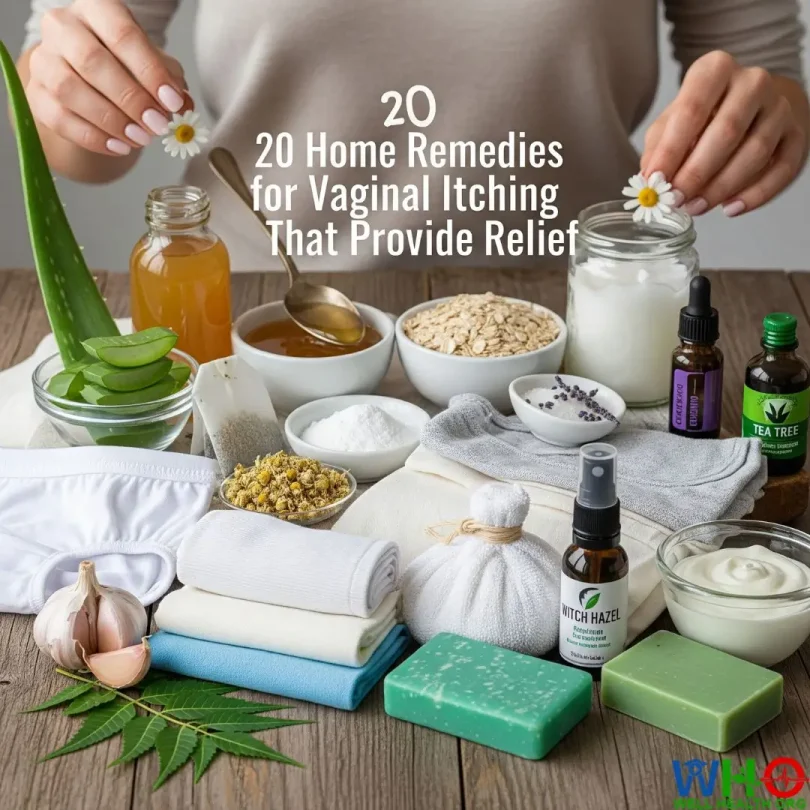
Relieve Vaginal Itching Naturally
Itching or discomfort in your private area can feel both embarrassing and distressing, but you’re far from alone. Millions of women experience vaginal itching at some point in their lives. While it can be caused by simple irritation from soaps or tight clothing, it may also stem from infections like bacterial vaginosis (BV), yeast infections, or even hormonal imbalances.
- Relieve Vaginal Itching Naturally
- Understanding Vaginal Itching and Why It Happens
- Gentle Hygiene for Vaginal Itching Relief
- 1. Cleanse Gently
- 2. Pat, Don’t Rub
- 3. Avoid Irritants
- 4. Change Sanitary Products Frequently
- 5. Stay Fresh Naturally
- 20 Home Remedies for Itching in Private Parts
- 1. Baking Soda Sitz Bath
- 2. Colloidal Oatmeal Bath
- 3. Plain Yogurt
- 4. Boric Acid Suppositories
- 5. Probiotics for Vaginal Balance
- 6. Cool Compress
- 7. Tea Tree Oil (With Caution)
- 8. Aloe Vera Gel
- 9. Coconut Oil
- 10. Raw Honey
- 11. Garlic (Used Safely)
- 12. Apple Cider Vinegar Bath
- 13. Cotton Underwear and Breathable Fabrics
- 14. Over-the-Counter (OTC) Antifungal Creams
- 15. Antihistamines for Allergic Itching
- 16. Aquaphor or Healing Ointments
- 17. Diaper Cream
- 18. Hydrocortisone Cream (Low Strength)
- 19. Medicated or Soothing Wipes
- 20. Vaginal Moisturizers
- Choosing the Right Clothing for Vaginal Health
- 1. Stick to Breathable Fabrics
- 2. Choose Loose-Fitting Bottoms
- 3. Change After Exercise or Swimming
- 4. Go Commando at Night
- 5. Avoid Prolonged Use of Panty Liners
- When It’s Time to See a Doctor
- See a Doctor If You Experience:
The good news? Many mild cases of vaginal itching can be soothed and healed naturally at home. Understanding the underlying cause is the key to finding lasting relief. In this comprehensive guide, we’ll explore 20 effective home remedies for vaginal itching, simple hygiene habits that protect your intimate area, and when it’s time to see a doctor.
Whether you’re dealing with occasional irritation or frequent discomfort, these natural remedies and expert-approved tips can help you restore comfort and confidence — safely and effectively.
Understanding Vaginal Itching and Why It Happens
Before jumping into home remedies, it’s important to know why vaginal itching occurs. Vaginal and vulvar tissues are delicate, and even small imbalances in pH, moisture, or bacteria can trigger irritation.
Common causes include:
- Yeast Infections: Usually caused by Candida albicans, these infections lead to itching, burning, and thick white discharge.
- Bacterial Vaginosis (BV): An overgrowth of harmful bacteria that can cause odor, itching, and irritation.
- Hormonal Changes: During menopause, pregnancy, or menstruation, estrogen levels fluctuate, sometimes leading to dryness and itching.
- Allergic Reactions: Fragranced soaps, laundry detergents, or synthetic fabrics can trigger allergic irritation.
- Sexually Transmitted Infections (STIs): Some STIs, such as trichomoniasis or genital herpes, cause intense itching along with other symptoms like discharge or sores.
- Eczema or Dermatitis: Sensitive skin conditions can affect the vulva and cause persistent irritation.
Understanding the cause helps you choose the right remedy. If your symptoms are mild, home care may be enough. But if itching is severe or recurrent, seeing a healthcare provider is crucial.
Gentle Hygiene for Vaginal Itching Relief
When dealing with vaginal itching, the first and most important step is to reassess your hygiene routine. The vagina is self-cleaning and naturally maintains a balanced pH and bacterial environment. Overwashing or using harsh products can upset this balance, making symptoms worse.
Here’s how to practice gentle, effective feminine hygiene:
1. Cleanse Gently
Use lukewarm water and a mild, fragrance-free cleanser to wash the outer area — the vulva, not the inside of the vagina. Avoid douching or inserting soaps, as these can destroy beneficial bacteria and increase the risk of infection. A clean rinse once a day is usually enough.
2. Pat, Don’t Rub
After bathing or using the restroom, gently pat the area dry with a soft towel. Rubbing can irritate sensitive skin and worsen itching. It’s also best to use a dedicated towel for intimate care to prevent cross-contamination.
3. Avoid Irritants
Common irritants that can lead to vaginal itching include:
- Scented soaps, bubble baths, or shower gels
- Feminine sprays, wipes, and deodorants
- Scented sanitary pads or tampons
- Laundry detergents with artificial fragrances or dyes
Choose hypoallergenic, fragrance-free products designed for sensitive skin.
4. Change Sanitary Products Frequently
During menstruation, change pads or tampons every 4–6 hours to prevent moisture buildup and bacterial growth.
5. Stay Fresh Naturally
You don’t need perfumes to feel clean — a balanced vaginal microbiome naturally prevents odor and discomfort. A gentle daily routine and breathable fabrics are all you need to stay healthy and comfortable.
20 Home Remedies for Itching in Private Parts
Now, let’s dive into the most effective natural remedies to calm vaginal itching, soothe irritation, and restore your body’s natural balance. These remedies are safe, affordable, and easy to use at home.
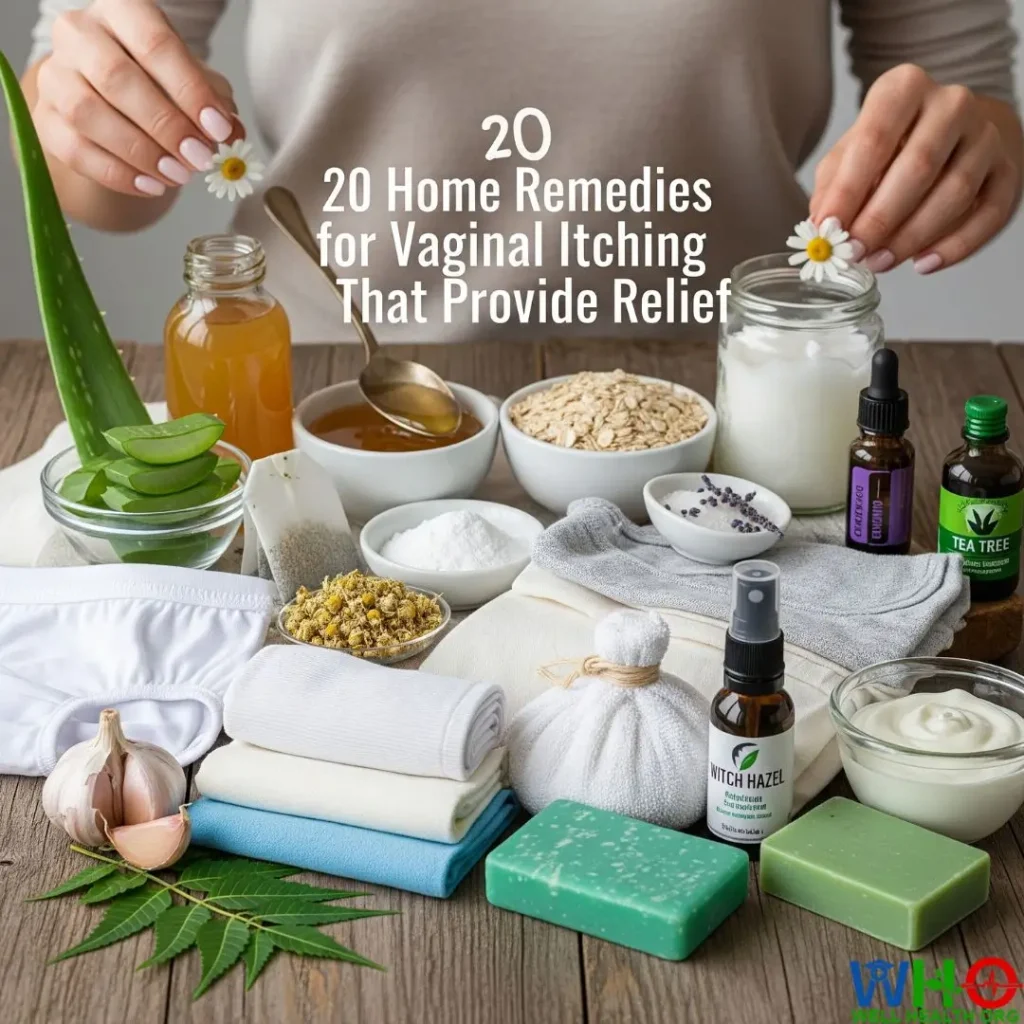
Always remember: if symptoms worsen, persist beyond a week, or include pain or discharge, consult a healthcare provider before continuing self-treatment.
1. Baking Soda Sitz Bath
A baking soda bath can provide quick, soothing relief from itching — especially when caused by yeast infections or pH imbalance. Baking soda helps neutralize acidity and reduce fungal growth.
How to use:
- Add ¼ to 2 cups of baking soda to a warm (not hot) bath.
- Soak for 15–20 minutes.
- Gently pat dry afterward.
Tip: Avoid this remedy if you have open sores or broken skin, as it may cause stinging.
2. Colloidal Oatmeal Bath
Colloidal oatmeal — finely ground oats suspended in water — has long been used to soothe irritated, inflamed skin. It contains compounds called avenanthramides, which reduce redness and itching.
How to use:
- Mix 1–2 cups of colloidal oatmeal into a warm bath.
- Soak for 15–20 minutes to calm and moisturize the skin.
This remedy is ideal if your itching is caused by dryness, eczema, or mild irritation rather than infection.
3. Plain Yogurt
Plain, unsweetened yogurt is rich in probiotics — beneficial bacteria like Lactobacillus that help restore vaginal flora and fight infections naturally.
How to use:
- Apply a small amount of yogurt to the vulva for 10–15 minutes, then rinse with warm water.
- You can also eat a cup of yogurt daily or take oral probiotic supplements to support overall vaginal health.
Make sure to use plain yogurt with live cultures — not flavored or sweetened varieties, which can worsen yeast growth.
4. Boric Acid Suppositories
Boric acid has powerful antifungal and antibacterial properties and is especially effective for recurrent yeast infections or bacterial vaginosis.
How to use:
- Use boric acid vaginal suppositories (available at pharmacies or online).
- Insert one capsule nightly for up to 7 days, or as directed on the label.
Important: Never use boric acid if you’re pregnant, and avoid applying it directly to external skin — it’s meant for internal use only.
5. Probiotics for Vaginal Balance
Probiotics play a crucial role in maintaining healthy vaginal flora. They replenish good bacteria, which helps prevent infections that cause itching and discharge.
Best sources of probiotics include:
- Fermented foods like yogurt, kefir, sauerkraut, and kimchi
- Oral probiotic supplements (look for strains like Lactobacillus rhamnosus or Lactobacillus reuteri)
- Vaginal probiotic suppositories
Tip: Consistency is key — probiotics may take a few days to balance your system, but the long-term benefits for vaginal and digestive health are worth it.
6. Cool Compress
If the itching feels unbearable, a cool compress can bring immediate but temporary relief. It reduces swelling and numbs the nerve endings that trigger itching sensations.
How to use:
- Soak a clean washcloth in cold water.
- Wring it out and press it gently against the vulva for 5–10 minutes.
- Repeat several times a day as needed.
Avoid using ice directly on the skin, as this can cause frostbite or irritation.
7. Tea Tree Oil (With Caution)
Tea tree oil is known for its natural antifungal and antibacterial properties. However, it must be used carefully — pure tea tree oil is highly concentrated and can burn sensitive skin.
How to use safely:
- Dilute 1–2 drops of tea tree oil in 1 tablespoon of coconut oil before applying externally.
- Alternatively, use pre-formulated tea tree oil suppositories designed for vaginal use.
If you experience burning, redness, or discomfort, discontinue use immediately.
8. Aloe Vera Gel
Aloe vera is a soothing natural moisturizer with anti-inflammatory and healing effects. It helps calm burning and itching sensations, especially when caused by dryness or irritation.
How to use:
- Apply pure aloe vera gel (not the kind with added alcohol or colorants) to the vulva.
- Leave it on for 10–15 minutes, then rinse gently.
Aloe vera is particularly beneficial for women experiencing menopausal dryness or mild vaginal atrophy.
9. Coconut Oil
Coconut oil has both moisturizing and antifungal properties, making it one of the most versatile remedies for vaginal itching. It can relieve dryness, burning, and irritation caused by yeast overgrowth.
How to use:
- Apply a small amount of organic virgin coconut oil externally.
- For yeast infections, you can insert a small amount (using a clean applicator) inside the vagina before bedtime.
Many women find that regular use of coconut oil helps maintain comfort and moisture without side effects.
10. Raw Honey
Raw or medical-grade Manuka honey has natural antibacterial, antifungal, and anti-inflammatory benefits. It can be applied externally to reduce redness, swelling, and irritation.
How to use:
- Apply a thin layer of honey to the vulva.
- Leave it for 10–15 minutes, then rinse with lukewarm water.
Honey also promotes healing of small abrasions or irritation caused by scratching.
11. Garlic (Used Safely)
Garlic is one of nature’s most powerful natural antibiotics and antifungals. It’s rich in allicin, a compound shown to fight yeast and bacterial infections. However, while garlic can support vaginal health when consumed or taken in supplement form, direct application inside the vagina is not recommended — it can cause burning, irritation, and even chemical burns.
How to use safely:
- Add fresh garlic to your daily diet to support immune health.
- Consider garlic capsules or tablets that are enteric-coated (so they dissolve in the intestines, not the stomach) for potential antifungal support.
If you’re prone to recurrent yeast infections, this dietary approach may help strengthen your body’s natural defenses without risking irritation to delicate tissue.
12. Apple Cider Vinegar Bath
Apple cider vinegar (ACV) has natural antimicrobial and pH-balancing properties, which may help combat mild fungal or bacterial irritation. However, it should always be diluted, as concentrated ACV can burn or worsen sensitivity.
How to use:
- Mix 1–2 cups of raw, unfiltered apple cider vinegar in a warm bath.
- Soak for 15–20 minutes and rinse thoroughly afterward.
This method helps restore natural vaginal acidity, creating an environment less friendly to infection-causing organisms. If you notice increased burning or dryness afterward, discontinue use.
13. Cotton Underwear and Breathable Fabrics
One of the simplest yet most overlooked remedies for vaginal itching is changing what you wear. The skin around your genital area needs airflow to stay dry and healthy. Tight or synthetic fabrics can trap heat and moisture — a perfect breeding ground for bacteria and yeast.
Best practices:
- Choose 100% cotton underwear or other breathable fabrics like bamboo.
- Avoid nylon, polyester, or lace that sits directly against the skin.
- Change underwear daily and immediately after workouts.
- Try sleeping without underwear to allow your body to breathe overnight.
These small lifestyle changes can make a big difference in preventing recurring itching or infections.
14. Over-the-Counter (OTC) Antifungal Creams
When you’re certain that your symptoms are due to a yeast infection, over-the-counter antifungal creams can offer fast relief. Products containing clotrimazole, miconazole, or tioconazole are proven to eliminate Candida overgrowth effectively.
How to use:
- Apply the cream externally to the vulva once or twice daily as directed.
- Some products also include vaginal suppositories for internal treatment.
If your symptoms persist after a full course of OTC treatment, it’s important to see a doctor — recurring yeast infections can sometimes signal underlying health issues like diabetes or hormonal imbalance.
15. Antihistamines for Allergic Itching
If your itching started after switching laundry detergents, soaps, or sanitary products, an allergic reaction might be the culprit. In such cases, an oral antihistamine can reduce inflammation and itching from within.
Recommended options:
- Diphenhydramine (Benadryl): Works quickly but may cause drowsiness.
- Cetirizine (Zyrtec) or loratadine (Claritin): Provide longer-lasting relief without sedation.
Use these only for short-term relief and focus on identifying the trigger — switching to fragrance-free and hypoallergenic products will prevent the problem from returning.
16. Aquaphor or Healing Ointments
When vaginal itching is caused by dryness, eczema, or minor skin irritation, a protective ointment like Aquaphor Healing Ointment can lock in moisture and soothe discomfort.
How to use:
- Apply a thin layer externally on the vulva after cleansing and drying the area.
- Reapply as needed to relieve itching or irritation.
Avoid petroleum jelly (Vaseline) for this purpose, as it can trap bacteria and potentially worsen infection risk. Aquaphor’s breathable formula helps protect without clogging pores.
17. Diaper Cream
It may sound surprising, but diaper cream (like Desitin or Bepanthen) can be an excellent remedy for dryness or friction-based itching. These creams contain zinc oxide, which creates a barrier to protect the skin from moisture and irritation.
How to use:
- Apply a light layer to the affected area before bedtime.
- Rinse off gently the next morning.
This can be especially helpful if you experience irritation from tight clothing or after shaving.
18. Hydrocortisone Cream (Low Strength)
A mild 1% hydrocortisone cream can reduce redness, itching, and inflammation associated with eczema or contact dermatitis. However, this remedy should only be used externally and for a limited period.
How to use:
- Apply a small amount to the vulva (not inside the vagina) once or twice daily for up to 7 days.
- Avoid prolonged use, as it can thin the skin over time.
If itching persists after a week, discontinue and consult a healthcare professional for a tailored treatment plan.
19. Medicated or Soothing Wipes
Intimate wipes containing soothing ingredients like aloe vera, witch hazel, or vitamin E can offer instant relief on the go. However, they provide only temporary comfort and should not replace proper treatment.
Tips for use:
- Choose unscented wipes formulated specifically for sensitive areas.
- Avoid wipes with alcohol, fragrance, or strong chemicals.
Keep a pack in your purse for travel or busy days, but remember that consistent hygiene and moisture balance are the real long-term solutions.
20. Vaginal Moisturizers
For many women — particularly during menopause or postpartum recovery — vaginal dryness is a major cause of itching and discomfort. Vaginal moisturizers like Replens, Hyalo Gyn, or Good Clean Love can restore hydration and elasticity to vaginal tissues.
How to use:
- Apply the moisturizer according to the product’s instructions, usually every 2–3 days.
- Use regularly to maintain healthy moisture levels.
Unlike lubricants, moisturizers are designed for long-term hydration, not just sexual activity. Consistent use can dramatically reduce dryness, itching, and irritation.
Choosing the Right Clothing for Vaginal Health
Your clothing choices directly impact the health and comfort of your intimate area. Moisture, heat, and friction can all worsen itching or trigger infections. Here’s how to dress for comfort and prevention.
1. Stick to Breathable Fabrics
Natural fibers like cotton, bamboo, or silk allow airflow and keep moisture at bay. Synthetic fabrics such as nylon and polyester trap sweat and heat, promoting yeast and bacterial growth.
2. Choose Loose-Fitting Bottoms
Tight pants, leggings, and shapewear compress the genital area, leading to chafing and irritation. Choose relaxed fits — flowy skirts, loose shorts, or breathable trousers — to keep the area dry and comfortable.
3. Change After Exercise or Swimming
Sweaty or wet clothing creates a warm, damp environment perfect for yeast growth. Always change into dry underwear and clothes immediately after workouts or swimming sessions.
4. Go Commando at Night
Sleeping without underwear can help your skin breathe and stay dry overnight, reducing irritation and promoting natural healing.
5. Avoid Prolonged Use of Panty Liners
While panty liners can help with light discharge, wearing them all day can trap moisture. Opt for them only when necessary and change frequently to prevent discomfort.
When It’s Time to See a Doctor
While many cases of vaginal itching are mild and manageable at home, there are times when professional medical care is necessary. Ignoring persistent symptoms could allow an infection or skin condition to worsen.
See a Doctor If You Experience:
- Itching that lasts more than a week despite home remedies
- Pain, redness, swelling, or open sores around the vulva
- Unusual vaginal discharge, especially with a fishy or strong odor
- Blisters, ulcers, or lesions on your genitals
- Painful urination or burning during sex
- Recurrent yeast infections (four or more per year)
A doctor can perform a physical examination and lab tests to determine the root cause. Depending on the diagnosis, they may prescribe antifungal medication, antibiotics, steroid creams, or estrogen therapy for dryness.
Seeking help early ensures faster recovery, fewer complications, and peace of mind.
Medically Reviewed by Prof. Dr. Akram
Orthopedic Surgeon | Professor | Senior Medical Specialist
Prof. Dr. Akram is a distinguished surgeon with over 15 years of clinical expertise. Having served as a lead Emergency Specialist at Complex International Government Hospital, he currently leads a specialized team of 13 medical professionals at his private hospital. As a Professor at top medical universities, he ensures that every article on WellHealthOrg.com meets rigorous clinical standards.
Medical Disclaimer:
The information provided is for educational purposes only and is not a substitute for professional medical advice, diagnosis, or treatment. Always consult your physician for any medical concerns.
Our content is rigorously fact-checked by our 13-member Editorial Team under the clinical supervision of Prof. Dr. Akram.







