
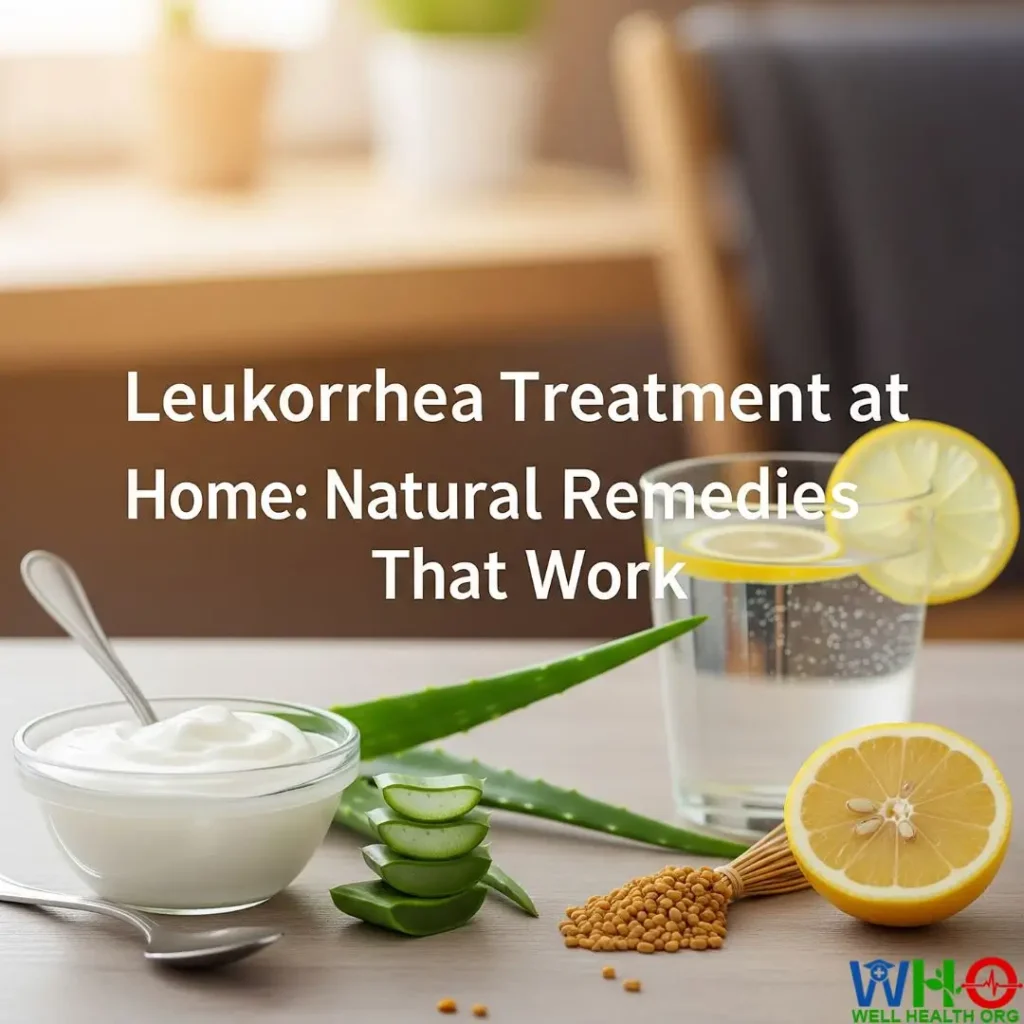
Leukorrhea Treatment at Home
Leukorrhea — often referred to as vaginal discharge — is something almost every woman experiences at some stage of her life. While a mild, clear discharge is completely normal and plays an essential role in keeping the vagina clean and healthy, excessive, thick, or foul-smelling discharge can become uncomfortable, embarrassing, and sometimes even a sign of an underlying issue.
- Leukorrhea Treatment at Home
- Understanding Leukorrhea: When Vaginal Discharge Is Normal — and When It’s Not
- Normal Vaginal Discharge — What It Looks and Feels Like
- Abnormal Discharge — When to Be Concerned
- What Causes Leukorrhea? Understanding the Root Triggers
- 1. Hormonal Changes
- 2. Infections
- 3. Poor Hygiene Practices
- 4. Nutritional Deficiencies
- 5. Stress and Emotional Factors
- 6. Tight or Non-Breathable Clothing
- Home Remedies for Leukorrhea: Safe, Natural, and Effective Treatments
- 1. Improve Your Diet and Include Probiotic Foods
- Yogurt — The Probiotic Powerhouse
- Other Probiotic Foods
- 2. Fenugreek Seeds Water — A Natural Hormonal Balancer
- 3. Rice Starch Water — A Soothing Traditional Remedy
- Powerful Herbal Remedies for Treating Leukorrhea Naturally
- Tulsi (Holy Basil) – Nature’s Antimicrobial Shield
- Indian Gooseberry (Amla) – The Vitamin C Powerhouse
- Guava Leaves Bath – A Natural Antimicrobial Cleanse
- How to Use Guava Leaves for Vaginal Health
- Coriander Seeds – The Gentle Hormonal Regulator
- How to Prepare the Remedy
- Hygiene and Lifestyle Practices for Preventing Leukorrhea
- 1. Maintain Proper Vaginal Hygiene
- 2. Coconut Oil Application – Nature’s Antifungal Shield
- 3. Choose Comfortable, Breathable Clothing
- When to Seek Medical Attention – Knowing the Warning Signs
- See a Doctor If You Experience:
- Leukorrhea During Pregnancy
- Why Professional Diagnosis Matters
- Long-Term Prevention and Holistic Care for Vaginal Health
- 1. Maintain a Balanced Diet
- 2. Manage Stress Effectively
- 3. Stay Hydrated – The Simplest Yet Most Overlooked Remedy
- Why Hydration Matters for Vaginal Health
- 4. Regular Health Checkups – Prevention Through Awareness
- Why Routine Checkups Are Crucial
- Taking Control of Your Vaginal Health
- Simple Plan to Get Started
- Expert Insights: How Lifestyle and Mindset Impact Vaginal Health
- Mind-Body Practices for Hormonal Harmony
- Holistic Prevention: Building a Healthy Vaginal Ecosystem
- How to Support Your Vaginal Microbiome Naturally
- Conclusion: Empower Yourself with Knowledge and Care
- Frequently Asked Questions (FAQs)
- 1. Is leukorrhea a sign of infection?
- 2. Can home remedies really cure leukorrhea?
- 3. How long do home remedies take to work?
- 4. Can stress make leukorrhea worse?
- 5. What foods should I avoid if I have leukorrhea?
The good news? Most mild cases of leukorrhea can be managed safely and effectively at home using natural remedies and healthy lifestyle adjustments. When you understand what’s normal and what’s not, you can take proactive steps to restore balance without relying solely on medications.
In this comprehensive guide, you’ll discover everything you need to know — from recognizing symptoms and identifying causes to implementing proven home-based remedies that genuinely work. Whether you’re looking for a holistic approach or just want relief from persistent discharge, this article will empower you with safe, natural, and effective strategies to protect your intimate health.
Understanding Leukorrhea: When Vaginal Discharge Is Normal — and When It’s Not
Leukorrhea, in simple terms, refers to the vaginal discharge that comes from glands located in the cervix and vaginal walls. This fluid has a crucial function: it cleanses the vagina by removing dead cells and harmful microorganisms while keeping the tissues lubricated. In other words, discharge is your body’s natural way of maintaining vaginal hygiene and balance.
Normal Vaginal Discharge — What It Looks and Feels Like
Healthy vaginal discharge is typically:
- Clear or slightly milky white in color
- Thin or slightly slippery in texture
- Odorless or has only a mild, non-offensive scent
- Varies in consistency during your menstrual cycle
For instance, just before ovulation, discharge tends to be more stretchy and clear (similar to egg whites), while after ovulation, it becomes thicker and creamier. These changes are perfectly normal and linked to hormonal fluctuations.
Abnormal Discharge — When to Be Concerned
However, not all discharge is healthy. When the color, odor, or texture changes drastically, it can signal an infection or hormonal imbalance. You should pay attention if you notice:
- Thick, clumpy, or “cottage cheese-like” discharge (often a sign of a yeast infection)
- Yellow, green, or gray discharge (which may indicate bacterial or sexually transmitted infections)
- Strong, fishy, or foul odor
- Persistent itching, burning, or irritation around the vaginal area
- Pelvic discomfort or pain
- A sudden increase in the amount of discharge
Recognizing these signs early helps you decide when home treatment is sufficient and when it’s time to see a healthcare professional. Remember, while mild leukorrhea is common, persistent or unusual discharge shouldn’t be ignored.
What Causes Leukorrhea? Understanding the Root Triggers
Leukorrhea can occur for a variety of reasons — some completely natural, others medical. Understanding the cause is key to choosing the right remedy.
1. Hormonal Changes
Hormonal fluctuations are one of the most common causes. During puberty, ovulation, pregnancy, and even menopause, estrogen levels rise or fall, altering the quantity and consistency of vaginal discharge. Pregnant women, for instance, often notice an increase in discharge due to heightened estrogen levels and increased blood flow to the vaginal area.
2. Infections
Infections are another major cause. These include:
- Bacterial Vaginosis (BV): Caused by an imbalance of good and bad bacteria in the vagina, BV often produces a grayish-white discharge with a strong fishy odor.
- Yeast Infections: Triggered by an overgrowth of Candida albicans, these infections result in thick, white discharge resembling cottage cheese, along with itching and burning.
- Sexually Transmitted Infections (STIs): Conditions like trichomoniasis, gonorrhea, or chlamydia can cause yellow or green discharge with a strong odor and pelvic pain.
3. Poor Hygiene Practices
Using harsh soaps, scented feminine products, or wearing unwashed undergarments can disrupt the natural pH balance of the vagina. This imbalance allows harmful microorganisms to thrive, increasing the likelihood of infection.
4. Nutritional Deficiencies
A lack of vital nutrients — particularly vitamins A, C, and E, zinc, and probiotics — can weaken your immune system and make your body more prone to infections that cause leukorrhea.
5. Stress and Emotional Factors
Emotional stress can directly influence hormone levels. Chronic anxiety or tension may disturb the balance of estrogen and progesterone, leading to irregular discharge patterns.
6. Tight or Non-Breathable Clothing
Tight jeans, nylon underwear, or synthetic fabrics trap moisture and warmth, creating an ideal environment for bacteria and fungi to grow. Over time, this can lead to recurring infections and abnormal discharge.
By identifying the underlying cause, you can target the problem more effectively and prevent it from returning.
Home Remedies for Leukorrhea: Safe, Natural, and Effective Treatments
Now that we’ve explored what causes leukorrhea, let’s move on to practical, natural remedies that you can easily try at home. These methods focus on restoring balance, strengthening your immunity, and soothing irritation — all without side effects.
1. Improve Your Diet and Include Probiotic Foods
What you eat plays a huge role in your vaginal health. A diet rich in nutrients and probiotics helps balance hormones, strengthen your immune system, and promote healthy vaginal flora.
Yogurt — The Probiotic Powerhouse
Plain, unsweetened yogurt is one of the best natural remedies for leukorrhea. It’s loaded with Lactobacillus bacteria, which helps maintain the vagina’s natural acidity and prevent yeast overgrowth.
How to use:
- Eat 1–2 cups of plain yogurt daily.
- You can also add a spoonful of honey for taste.
- For external relief, some women apply a small amount of yogurt to the affected area (though this should be done carefully and only after consulting a healthcare professional).
Other Probiotic Foods
Besides yogurt, you can include fermented foods like kefir, sauerkraut, kimchi, and buttermilk in your daily diet. These naturally restore gut and vaginal microbiomes, reducing the risk of recurrent infections.
2. Fenugreek Seeds Water — A Natural Hormonal Balancer
Fenugreek, known for its medicinal properties, has been used in Ayurvedic and traditional medicine for centuries. It supports hormonal balance, boosts immunity, and helps control excessive discharge.
How to prepare:
- Boil 2 tablespoons of fenugreek seeds in 500 ml of water until the water reduces by half.
- Let it cool, strain, and drink once daily on an empty stomach.
This simple yet powerful remedy detoxifies the body, strengthens the reproductive system, and regulates menstrual and hormonal cycles.
3. Rice Starch Water — A Soothing Traditional Remedy
A lesser-known but highly effective remedy for leukorrhea is rice starch water — the leftover liquid from boiling rice. It’s rich in B vitamins and helps restore vaginal pH balance naturally.
How to use:
- Cook rice and save the water that remains after straining.
- Let it cool down and drink one glass daily.
This mild, soothing drink hydrates the body and supports gentle cleansing from within.
Powerful Herbal Remedies for Treating Leukorrhea Naturally
Herbs have been used for centuries to treat reproductive health issues, and leukorrhea is no exception. These natural ingredients help fight infections, reduce inflammation, and promote vaginal hygiene.
Tulsi (Holy Basil) – Nature’s Antimicrobial Shield
Tulsi, or Holy Basil, is revered in Ayurveda for its remarkable antimicrobial and anti-inflammatory properties. It helps purify the blood, strengthen immunity, and fight bacterial and fungal infections.
How to use:
- Grind a handful of fresh tulsi leaves into a paste and mix with a spoonful of honey.
- Consume this mixture twice a day for 2–3 weeks.
- Alternatively, boil tulsi leaves in milk and drink it before bedtime for added benefits.
Tulsi also acts as a natural detoxifier, cleansing the body from within while maintaining hormonal balance.
Indian Gooseberry (Amla) – The Vitamin C Powerhouse
Amla is one of the richest natural sources of Vitamin C, making it an excellent immune booster. It enhances your body’s ability to fight infections and rejuvenates the reproductive system.
How to use:
- Consume one fresh amla daily, or drink half a cup of amla juice each morning.
- Alternatively, mix a teaspoon of amla powder with honey and take it on an empty stomach.
Regular use of amla can help reduce abnormal discharge, strengthen vaginal muscles, and support overall reproductive health.
Guava Leaves Bath – A Natural Antimicrobial Cleanse
Guava leaves are one of nature’s most underrated remedies for vaginal health. They are packed with antibacterial, antifungal, and anti-inflammatory properties that help treat infections naturally and soothe irritation. This remedy is especially beneficial for women dealing with itching, odor, or discomfort caused by excessive leukorrhea.
How to Use Guava Leaves for Vaginal Health
- Take 10–12 fresh guava leaves and wash them thoroughly.
- Boil them in about 1 liter of water for 10–15 minutes.
- Allow the water to cool slightly, then strain it.
- Use the warm liquid for a sitz bath — soak the vaginal area in it for 10–15 minutes daily.
Regular use of guava-leaf water helps cleanse the area, reduce bacterial growth, and restore the vagina’s natural pH balance. Some women even report instant relief from itching and irritation after just a few uses.
Guava leaves are also rich in antioxidants and tannins, which help tighten tissues and promote healing. Unlike chemical-based products, this natural bath soothes without causing dryness or irritation, making it an excellent addition to your home care routine.
Coriander Seeds – The Gentle Hormonal Regulator
Coriander seeds are a simple yet effective home remedy for leukorrhea. Known for their cooling and detoxifying effects, these seeds help flush toxins from the body while restoring hormonal balance — two key factors that influence vaginal discharge.
How to Prepare the Remedy
- Soak 1 tablespoon of coriander seeds in a glass of water overnight.
- In the morning, strain the seeds and drink the water on an empty stomach.
Continue this for at least two weeks for noticeable results. The remedy helps not only with excessive discharge but also with menstrual irregularities, bloating, and mild infections.
Coriander seeds are rich in essential oils and phytonutrients that help reduce inflammation, regulate menstrual flow, and maintain internal body temperature — all of which contribute to a healthier reproductive system.
Hygiene and Lifestyle Practices for Preventing Leukorrhea
While natural remedies can help treat leukorrhea, prevention largely depends on how you take care of your body. Small, consistent lifestyle adjustments can make a world of difference in maintaining vaginal balance and preventing recurrent infections.
1. Maintain Proper Vaginal Hygiene
Your vagina has its own self-cleaning mechanism, so over-cleaning or using harsh products can do more harm than good. The goal is to support this natural process rather than interfere with it.
Best Hygiene Practices:
- Wash the external genital area with plain, lukewarm water or a mild, pH-balanced cleanser.
- Avoid perfumed soaps, bubble baths, or chemical douches — they upset the natural bacterial balance.
- Change underwear daily, especially after sweating or exercising.
- Always wipe from front to back after using the toilet to prevent bacterial transfer from the anal area to the vagina.
- During menstruation, change sanitary pads or tampons regularly (every 4–6 hours).
Maintaining a clean yet gentle hygiene routine allows beneficial bacteria to thrive, protecting against infection and irritation.
2. Coconut Oil Application – Nature’s Antifungal Shield
Coconut oil isn’t just for cooking — it’s a natural antifungal and antibacterial agent that has become a trusted remedy for various skin and vaginal concerns. It contains lauric acid and caprylic acid, both known for their ability to kill yeast and bacterial pathogens.
How to Use:
- Take a small amount of cold-pressed, organic coconut oil.
- Gently apply it to the external vaginal area to relieve itching and irritation.
- Repeat once or twice daily.
However, avoid inserting coconut oil inside the vagina without medical supervision. For many women, this topical application provides immediate soothing relief while supporting healing from yeast-related irritation.
Additionally, you can incorporate coconut oil into your diet. Using one tablespoon daily in cooking or smoothies helps strengthen immunity and reduces the recurrence of fungal infections from within.
3. Choose Comfortable, Breathable Clothing
Your clothing choices play a surprisingly important role in preventing vaginal discomfort. Tight jeans, synthetic underwear, and non-breathable leggings trap moisture and heat, creating the perfect breeding ground for bacteria.
Simple Clothing Tips:
- Opt for loose-fitting clothes, especially in warm weather.
- Choose breathable cotton underwear that allows air circulation.
- Avoid wearing damp clothes or wet swimsuits for long periods.
- If you exercise regularly, change out of sweaty workout clothes as soon as possible.
Allowing your intimate area to stay dry and ventilated helps maintain a healthy bacterial balance and reduces the risk of chronic leukorrhea or yeast infections.
When to Seek Medical Attention – Knowing the Warning Signs
While home treatments and natural remedies are effective for mild leukorrhea, some symptoms require medical attention. Ignoring these signs can allow a mild infection to progress into a more serious condition that affects reproductive health.
See a Doctor If You Experience:
- Discharge with a strong, fishy, or foul odor
- Bright yellow, green, or gray discharge
- Presence of blood in discharge outside your menstrual period
- Severe itching, swelling, burning, or pain in the vaginal area
- Fever or pelvic pain accompanying discharge
- Persistent symptoms that don’t improve after two weeks of home care
Leukorrhea During Pregnancy
It’s normal for pregnant women to experience increased discharge due to hormonal changes and enhanced blood flow. However, any unusual color, odor, or discomfort should be reported to your healthcare provider immediately. In some cases, abnormal discharge during pregnancy could indicate infection or complications that need prompt attention.
Why Professional Diagnosis Matters
Sometimes, symptoms that look like leukorrhea might actually be linked to bacterial vaginosis, trichomoniasis, or other sexually transmitted infections. These conditions require specific treatments, such as antibiotics or antifungals, that only a doctor can prescribe. Therefore, while home remedies offer relief, they should complement — not replace — professional medical care.
Listening to your body and seeking help when necessary ensures early diagnosis and prevents long-term complications.
Long-Term Prevention and Holistic Care for Vaginal Health
Once symptoms are under control, focus on preventing recurrence. A proactive, holistic approach not only keeps leukorrhea away but also promotes overall reproductive well-being.
1. Maintain a Balanced Diet
Your daily nutrition directly influences your hormonal balance and immune function. Include a variety of fresh fruits, vegetables, lean proteins, and whole grains in your diet.
Foods that support vaginal health:
- Pomegranate: Rich in antioxidants that help regulate estrogen levels.
- Lemon and Citrus Fruits: Maintain internal pH and boost immunity.
- Cabbage and Broccoli: Contain compounds that detoxify the liver and promote hormonal balance.
- Melons and Cucumbers: Hydrate and flush toxins from the system.
- Garlic: Natural antibacterial and antifungal properties that combat infections.
Limiting processed foods, sugar, and refined carbohydrates can also prevent yeast overgrowth, which often contributes to abnormal discharge.
2. Manage Stress Effectively
Few people realize how closely stress and vaginal health are connected. Chronic stress elevates cortisol levels, which can disrupt estrogen production and weaken your body’s natural defenses. This hormonal imbalance often manifests as irregular discharge, menstrual disturbances, or even recurrent infections.
Simple Stress-Relief Practices:
- Start or end your day with 10 minutes of meditation or deep breathing.
- Incorporate gentle yoga or walking into your routine.
- Maintain a consistent sleep schedule and get at least 7–8 hours of rest nightly.
- Spend time in nature or engage in hobbies that help you relax.
Managing stress not only benefits your emotional well-being but also helps your body maintain internal hormonal harmony — a crucial factor for long-term vaginal health.
3. Stay Hydrated – The Simplest Yet Most Overlooked Remedy
Hydration plays a far greater role in reproductive and vaginal health than most people realize. Water helps flush out toxins, maintain proper blood circulation, and support your body’s natural detoxification process. Dehydration, on the other hand, can lead to dryness, bacterial imbalance, and even thicker, stickier discharge.
Why Hydration Matters for Vaginal Health
The vaginal mucosa requires adequate hydration to maintain elasticity and moisture. When the body is dehydrated, vaginal tissues can become more prone to irritation, discomfort, and infections. Water also helps regulate the internal temperature of the body, ensuring optimal conditions for healthy bacterial growth.
Tips to Stay Properly Hydrated:
- Drink at least 8–10 glasses of water daily.
- Include hydrating foods such as watermelon, cucumber, oranges, and celery.
- Limit caffeinated and sugary beverages, as they promote dehydration.
- Add a few drops of lemon or a pinch of Himalayan salt to water for better mineral absorption.
Staying hydrated may sound simple, but it’s one of the most effective and natural ways to maintain vaginal balance and reduce leukorrhea.
4. Regular Health Checkups – Prevention Through Awareness
Even with excellent hygiene and lifestyle habits, regular gynecological checkups remain essential. Many infections or hormonal imbalances may start subtly, showing only mild or temporary symptoms before progressing. Routine medical examinations allow early detection and prompt treatment — preventing complications and maintaining long-term reproductive health.
Why Routine Checkups Are Crucial
- Early Detection: Conditions like bacterial vaginosis, yeast infections, or even cervical issues can be identified before they worsen.
- Hormonal Monitoring: Your doctor can help you track hormonal changes, especially during puberty, pregnancy, or menopause.
- Personalized Guidance: Every woman’s body is different, and a medical professional can provide tailored advice based on your health history.
Make it a habit to schedule an annual gynecological visit, even if you feel perfectly healthy. Prevention is always better — and easier — than treatment.
Taking Control of Your Vaginal Health
Empowerment starts with understanding your body. Vaginal discharge is not something to be embarrassed about; it’s your body’s way of communicating with you. When you learn to interpret these signals correctly, you can take timely action and prevent small imbalances from turning into health issues.
Home-based treatments for leukorrhea are safe, inexpensive, and often highly effective when practiced consistently. Combining herbal remedies, dietary adjustments, and proper hygiene helps restore the vagina’s natural balance and prevent recurrence.
However, always remember that natural remedies are meant to complement, not replace, medical care. If symptoms persist beyond two weeks or worsen, seek professional evaluation immediately.
Simple Plan to Get Started
- Start with daily yogurt or probiotics – this supports a healthy bacterial balance.
- Include fenugreek or coriander seed water – both promote hormonal balance and detoxification.
- Use guava leaf or tulsi remedies – excellent for managing odor, itching, and discomfort.
- Stay hydrated and practice proper hygiene – small changes with lasting results.
- Monitor your body – if discharge changes color, texture, or smell, consult a doctor.
By adopting these simple, natural steps, you can regain comfort and confidence while protecting your long-term reproductive health.
Expert Insights: How Lifestyle and Mindset Impact Vaginal Health
Women’s reproductive health is deeply interconnected with their overall physical and emotional well-being. Medical experts often highlight that maintaining vaginal balance goes beyond applying remedies — it’s about supporting your entire system holistically.
Stress, poor sleep, lack of movement, and imbalanced nutrition can all alter hormone levels, disrupt microbiota, and increase susceptibility to infections like leukorrhea. Thus, achieving vaginal wellness requires harmony between body, mind, and daily habits.
Mind-Body Practices for Hormonal Harmony
- Yoga: Poses such as the Butterfly Pose (Baddha Konasana) and Bridge Pose (Setu Bandhasana) help improve blood circulation to the pelvic area and enhance reproductive health.
- Deep Breathing: Just 5 minutes of focused breathing daily reduces cortisol levels and supports hormonal balance.
- Ayurvedic Self-Care: Massaging the lower abdomen with warm sesame oil once a week promotes blood flow and relaxation.
- Adequate Rest: Your body repairs and regulates hormones during deep sleep. Aim for consistent, high-quality rest every night.
By integrating these simple habits into your lifestyle, you not only prevent leukorrhea but also enhance your overall vitality and femininity.
Holistic Prevention: Building a Healthy Vaginal Ecosystem
Vaginal health is maintained by a delicate ecosystem of good bacteria, primarily Lactobacillus. These beneficial microorganisms produce lactic acid, keeping the vaginal environment slightly acidic — an essential defense mechanism against infections. When this balance is disrupted by antibiotics, poor diet, or hormonal shifts, harmful bacteria can multiply rapidly.
How to Support Your Vaginal Microbiome Naturally
- Eat Probiotic-Rich Foods: Yogurt, kefir, kimchi, and fermented vegetables help replenish good bacteria.
- Limit Sugar Intake: Yeast feeds on sugar, so reducing refined carbs helps prevent overgrowth.
- Avoid Unnecessary Antibiotics: Use only when prescribed, as they can wipe out both harmful and beneficial bacteria.
- Stay Physically Active: Regular movement improves blood circulation and strengthens pelvic muscles.
- Hydrate Consistently: Adequate hydration maintains mucosal elasticity and optimal pH.
By nurturing your internal ecosystem through diet, hygiene, and mindful living, you create a strong defense against leukorrhea and other infections naturally.
Conclusion: Empower Yourself with Knowledge and Care
Leukorrhea is a common condition, but with awareness, care, and natural remedies, it’s entirely manageable. By combining traditional wisdom with modern understanding of the body, you can maintain comfort, confidence, and lasting vaginal health.
Start with small, consistent changes — eat probiotic-rich foods, stay hydrated, practice good hygiene, and explore gentle herbal treatments. These actions work in harmony to restore your natural balance and prevent future issues.
Remember: your body is constantly communicating with you. Pay attention to its cues, and respond with care rather than fear. Home remedies can be incredibly effective for mild to moderate leukorrhea, but don’t hesitate to seek medical guidance when symptoms persist or intensify.
Empowerment comes from knowing your body, understanding its rhythms, and taking charge of your wellness — one mindful step at a time.
Frequently Asked Questions (FAQs)
1. Is leukorrhea a sign of infection?
Not always. Mild leukorrhea is completely normal and part of your body’s natural cleansing process. However, if the discharge changes color, has a foul odor, or is accompanied by itching or pain, it could indicate an infection.
2. Can home remedies really cure leukorrhea?
Yes, for mild cases. Remedies such as yogurt, tulsi, fenugreek seeds, and guava leaves can help balance vaginal flora and reduce excessive discharge. However, if symptoms persist, consult a gynecologist.
3. How long do home remedies take to work?
You may start noticing improvement within one to two weeks of consistent use. Continue your chosen remedy for at least 2–3 weeks for best results, and always maintain good hygiene during the process.
4. Can stress make leukorrhea worse?
Absolutely. Chronic stress can disrupt hormonal balance, leading to irregular discharge and increased susceptibility to infections. Practicing yoga, deep breathing, or meditation can help reduce stress and restore balance.
5. What foods should I avoid if I have leukorrhea?
Avoid processed foods, excessive sugar, alcohol, and fried items. These can encourage yeast growth and upset the body’s natural pH balance. Instead, focus on fresh fruits, vegetables, and probiotic-rich foods.
Medically Reviewed by Prof. Dr. Akram
Orthopedic Surgeon | Professor | Senior Medical Specialist
Prof. Dr. Akram is a distinguished surgeon with over 15 years of clinical expertise. Having served as a lead Emergency Specialist at Complex International Government Hospital, he currently leads a specialized team of 13 medical professionals at his private hospital. As a Professor at top medical universities, he ensures that every article on WellHealthOrg.com meets rigorous clinical standards.
Medical Disclaimer:
The information provided is for educational purposes only and is not a substitute for professional medical advice, diagnosis, or treatment. Always consult your physician for any medical concerns.
Our content is rigorously fact-checked by our 13-member Editorial Team under the clinical supervision of Prof. Dr. Akram.