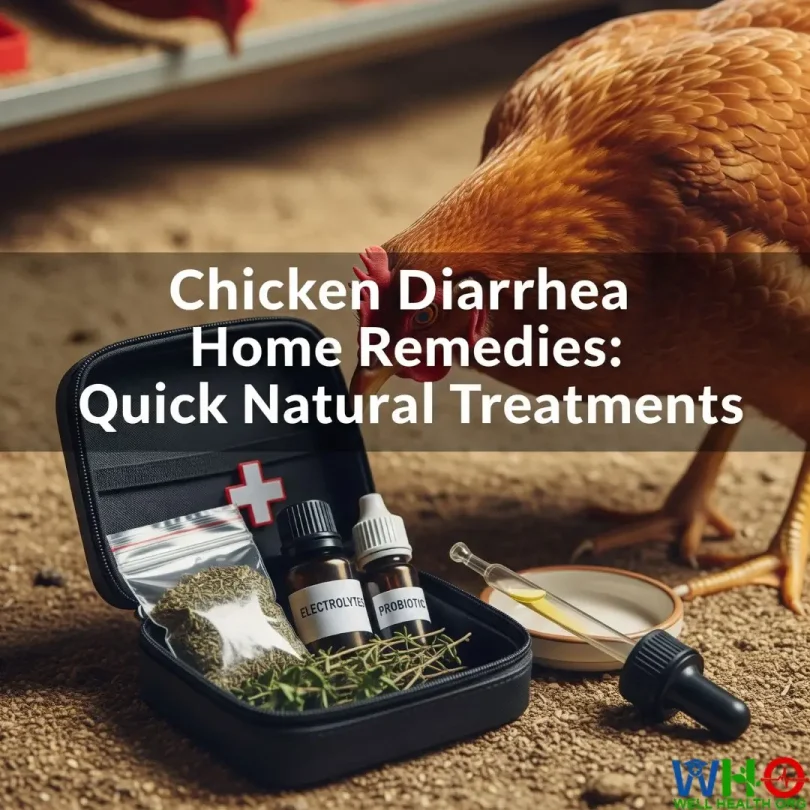
Introduction: Understanding Chicken Diarrhea and Why It Matters
Few things concern chicken owners more than discovering watery, loose droppings in the coop. It’s not just an unpleasant sight — it’s often a warning sign that something isn’t right with your flock’s health.
- Introduction: Understanding Chicken Diarrhea and Why It Matters
- Recognizing Chicken Diarrhea: Normal vs. Abnormal Droppings
- Normal Chicken Droppings
- Abnormal or Diarrheic Droppings
- Common Causes of Chicken Diarrhea
- 1. Parasitic Infections
- 2. Dietary Imbalances
- 3. Bacterial or Viral Infections
- 4. Environmental Stress
- 5. Serious Poultry Diseases
- Effective Chicken Diarrhea Home Remedies (Proven Natural Solutions)
- 1. Homemade Electrolyte Solution: Restoring Hydration Fast
- 2. Probiotic Support: Rebuilding Gut Balance Naturally
- 3. Apple Cider Vinegar: The Natural Gut Stabilizer
- 4. Herbal Remedies: Nature’s Medicine Cabinet
- 5. Activated Charcoal: Absorbing Toxins Naturally
- 6. Pumpkin and Diatomaceous Earth: Natural Deworming Support
- Pumpkin Seeds for Parasite Control
- Diatomaceous Earth (DE) for Internal and External Parasites
- 7. Hydration and Comfort: Helping Chickens Recover Faster
- Preventing Chicken Diarrhea Naturally
- 1. Keep the Coop Clean and Dry
- 2. Practice Quarantine and Biosecurity
- 3. Feed a Balanced, High-Quality Diet
- 4. Manage Stress and Environmental Conditions
- 5. Natural Supplements for Ongoing Digestive Health
- When to Call a Veterinarian
- Post-Recovery Care: Helping Your Chickens Bounce Back
- Protecting Your Flock’s Digestive Health
- FAQs About Chicken Diarrhea and Natural Treatment
Healthy chicken droppings are typically solid brown with a white urate cap, indicating a balanced digestive system. But when droppings turn watery, discolored, or foul-smelling, your chickens may be facing digestive distress, infection, or dietary imbalance.
While diarrhea might seem minor at first, it can lead to rapid dehydration, nutrient loss, and weakness, putting your birds at serious risk if ignored. The good news? Many cases of chicken diarrhea respond well to natural, at-home remedies that restore balance and strengthen immunity.
This guide explores effective chicken diarrhea home remedies, how to spot early symptoms, when to seek veterinary help, and proven prevention strategies to keep your flock in top condition — all using safe, natural methods trusted by experienced poultry keepers.
Recognizing Chicken Diarrhea: Normal vs. Abnormal Droppings
Before treating diarrhea, it’s essential to distinguish normal droppings from abnormal ones. Chickens naturally produce different types of droppings throughout the day, depending on diet, time, and hydration levels.
Normal Chicken Droppings
- Solid brown feces with a white cap of urates (the bird’s version of urine).
- Firm but moist consistency.
- No foul odor beyond mild, earthy smell.
Abnormal or Diarrheic Droppings
- Watery or completely unformed texture.
- Unusual colors — yellow, green, black, or bloody.
- Foul, sour, or decaying odor.
- Missing or minimal white urate cap.
Diarrhea isn’t always caused by disease — sometimes, it’s triggered by stress, sudden diet change, or spoiled feed. However, persistent diarrhea accompanied by lethargy, fluffed feathers, loss of appetite, or reduced egg production indicates an underlying issue that needs immediate attention.
Common Causes of Chicken Diarrhea
Understanding what’s behind your chicken’s digestive upset helps you choose the most effective natural treatment. Chicken diarrhea has many possible causes — from harmless to serious.
1. Parasitic Infections
Intestinal worms are a leading cause of chicken diarrhea. Parasites damage the gut lining, leading to nutrient loss and watery stools. Worms like roundworms, tapeworms, and cecal worms are especially common in outdoor flocks.
Symptoms often include:
- Weight loss despite normal feeding
- Pale combs or wattles
- Lethargy and drooping wings
- Watery or foamy droppings
Routine deworming with natural herbal blends (like garlic, pumpkin seeds, or diatomaceous earth) can help prevent re-infestation.
2. Dietary Imbalances
Chickens thrive on a stable, balanced diet. Feeding too much protein, fatty scraps, or spoiled food can upset the digestive system. Even well-meaning changes — like switching feed brands too quickly — can cause temporary diarrhea.
Avoid giving too many treats, especially sugary fruits, dairy, or moldy grains. Aim for treats to make up no more than 10% of your flock’s total diet.
3. Bacterial or Viral Infections
Pathogens such as E. coli, Salmonella, rotavirus, and adenovirus can cause severe diarrhea, spreading quickly through shared feeders and waterers. These infections are more likely in warm, humid conditions or poorly sanitized coops.
4. Environmental Stress
Chickens are sensitive to environmental changes. Sudden shifts in temperature, overcrowding, predator stress, or introducing new birds can disrupt gut balance and trigger temporary diarrhea.
5. Serious Poultry Diseases
Sometimes, diarrhea is an early warning sign of serious diseases such as:
- Coccidiosis – bloody droppings, droopy posture, and weakness.
- Newcastle Disease – watery green droppings and respiratory distress.
- Fowl Cholera or Marek’s Disease – chronic diarrhea and rapid weight loss.
If you suspect one of these, natural remedies alone won’t suffice — immediate veterinary diagnosis and treatment are necessary.
Effective Chicken Diarrhea Home Remedies (Proven Natural Solutions)
When diarrhea is mild and not linked to a major infection, these natural home remedies can restore digestive balance quickly and safely.
1. Homemade Electrolyte Solution: Restoring Hydration Fast
Dehydration is the biggest danger when chickens have diarrhea. A simple homemade electrolyte solution replenishes fluids, salts, and sugars lost through watery droppings.
DIY Chicken Electrolyte Recipe:
- 8 teaspoons granulated sugar
- ½ teaspoon sea salt
- ½ teaspoon baking soda
- 1 gallon clean, room-temperature water
Mix thoroughly and offer as the sole water source for 2–3 days. This helps replace electrolytes and prevent dehydration. Avoid continuous use beyond a few days — overuse can upset the mineral balance and worsen diarrhea.
Pro Tip: During hot weather or after a stressful event (like transport or predator attack), offering electrolytes proactively can prevent diarrhea before it starts.
2. Probiotic Support: Rebuilding Gut Balance Naturally
Chickens rely heavily on beneficial gut bacteria to digest feed and fight infection. When diarrhea strikes, these bacteria are often disrupted — especially after antibiotic use or stress.
Plain, unsweetened yogurt with live cultures is one of the easiest probiotic remedies. Mix one tablespoon into their feed or offer it separately in a shallow dish.
Other probiotic options include:
- Fermented feed: Soak their regular feed in water for 24 hours until it bubbles slightly — this increases beneficial microbes.
- Commercial poultry probiotics: Available as powders or water additives to restore gut flora balance.
Tip: Avoid flavored or sweetened yogurt, as sugars can worsen diarrhea.
3. Apple Cider Vinegar: The Natural Gut Stabilizer
Raw, unfiltered apple cider vinegar (ACV) is a time-tested poultry remedy that supports digestive health and acts as a natural antibacterial. It helps maintain an optimal gut pH, discouraging harmful bacteria growth.
Usage:
- Add 1–2 tablespoons of ACV per gallon of drinking water.
- Offer for 3–5 consecutive days, then switch back to plain water.
ACV not only helps stop diarrhea but also boosts the bird’s overall immune response and prevents future digestive upsets.
Note: Always use plastic or glass waterers, not metal ones — vinegar reacts with metal, releasing toxins.
4. Herbal Remedies: Nature’s Medicine Cabinet
Certain herbs have natural antibacterial and anti-inflammatory properties that soothe the digestive system and help fight infection.
- Oregano: Contains powerful compounds (carvacrol and thymol) that combat intestinal pathogens. Add dried oregano to feed or steep fresh leaves in warm water.
- Thyme: Helps calm inflammation and supports respiratory health. Mix crushed leaves into feed or tea water.
- Garlic: Acts as a natural antibiotic and immune booster. Crush a few cloves and add them to the waterer or feed.
- Chamomile tea: Offers gentle digestive support and helps calm stressed birds. Serve cooled tea instead of plain water.
These herbs can be used regularly in small amounts to strengthen immunity and prevent recurring issues.
5. Activated Charcoal: Absorbing Toxins Naturally
If you suspect your chickens ate spoiled feed, mold, or contaminated scraps, activated charcoal can help. It works by absorbing toxins and preventing them from irritating the digestive tract.
Dosage: Mix one teaspoon of activated charcoal powder into a small mash for each adult bird. Offer once daily for 1–2 days, then stop.
This simple treatment often clears up mild cases of diarrhea caused by food-related issues within 24–48 hours.
6. Pumpkin and Diatomaceous Earth: Natural Deworming Support
Internal parasites are one of the most common hidden causes of chronic diarrhea in chickens. While severe infestations require veterinary dewormers, mild to moderate cases can often be managed using natural, food-based remedies.
Pumpkin Seeds for Parasite Control
Pumpkin seeds contain cucurbitacin, a natural compound known to paralyze and expel intestinal worms. To use:
- Finely crush or grind raw, unsalted pumpkin seeds (about one teaspoon per bird).
- Mix into feed or a wet mash once daily for 5–7 days.
- Follow up with a probiotic supplement to restore gut flora balance.
Many chicken keepers feed pumpkin seeds monthly as a preventative treatment, especially during warm months when parasites are most active.
Diatomaceous Earth (DE) for Internal and External Parasites
Food-grade diatomaceous earth is another excellent natural dewormer and gut cleanser. It works by drying out parasites and absorbing toxins.
How to Use DE:
- Mix 2% food-grade DE into the chicken’s feed.
- Sprinkle lightly in nesting boxes, dust baths, and coop corners to deter lice and mites.
- Avoid excessive inhalation — apply carefully and in well-ventilated areas.
Used correctly, DE promotes a cleaner gut and environment, reducing both internal and external parasite risks that often lead to diarrhea.
7. Hydration and Comfort: Helping Chickens Recover Faster
Even the best remedies won’t work if your birds are weak and dehydrated. Chickens with diarrhea lose fluids rapidly, so ensuring constant access to clean, fresh water is crucial.
Here’s how to support hydration and comfort:
- Keep waterers shaded and refill them multiple times daily.
- Add electrolytes or herbal teas (like chamomile or mint) to support recovery.
- Provide easily digestible foods — such as soaked pellets, scrambled eggs, or plain oatmeal.
- Remove any soiled feed or wet bedding immediately to prevent reinfection.
Weak chickens may isolate themselves. Move sick birds to a quiet, dry area with minimal stressors and ensure warmth — a cold chicken can deteriorate rapidly.
Preventing Chicken Diarrhea Naturally
The old saying “prevention is better than cure” applies perfectly to chicken care. Implementing strong, natural preventive measures keeps your flock’s digestive health in check year-round.
1. Keep the Coop Clean and Dry
A clean coop isn’t just about aesthetics — it’s vital for preventing disease.
- Remove wet bedding daily and replace it with dry, absorbent materials.
- Wash feeders and waterers with warm soapy water weekly.
- Use apple cider vinegar or natural disinfectants to sanitize surfaces.
- Avoid overcrowding — each chicken needs at least 4 square feet of indoor space.
Moist, dirty coops are breeding grounds for bacteria and parasites that cause diarrhea, respiratory infections, and other issues.
2. Practice Quarantine and Biosecurity
Never introduce new birds directly into your flock without a minimum 30-day quarantine.
This observation period allows you to:
- Watch for signs of illness (diarrhea, coughing, parasites).
- Prevent silent disease carriers from infecting your existing flock.
- Reduce the stress of sudden social changes.
Also, avoid visiting other poultry farms or handling multiple flocks without disinfecting your footwear and clothing — cross-contamination is a silent spreader of disease.
3. Feed a Balanced, High-Quality Diet
Good nutrition equals strong immunity.
- Choose feed that matches the bird’s age and purpose (layer, broiler, chick).
- Avoid moldy, expired, or improperly stored feed.
- Limit treats to 10% of the diet — fresh greens, vegetables, and small fruit portions are best.
- Provide grit and calcium supplements for proper digestion and shell strength.
A stable, well-balanced diet prevents most digestive disorders before they start.
4. Manage Stress and Environmental Conditions
Stress can single-handedly trigger diarrhea in chickens.
- Keep temperature stable and protect your flock from extreme weather.
- Offer shaded areas in summer and insulation during winter.
- Avoid frequent relocations or sudden coop changes.
- Handle birds gently — rough handling can easily upset their digestion.
A calm, consistent environment helps maintain a stable gut microbiome — the secret weapon behind healthy droppings.
5. Natural Supplements for Ongoing Digestive Health
To maintain long-term gut balance and immunity, consider adding natural supplements to your chickens’ routine care:
| Supplement | Benefit | How to Use |
|---|---|---|
| Apple Cider Vinegar | Balances gut pH, prevents harmful bacteria | 1–2 tbsp per gallon of water, 3–5 days/month |
| Garlic | Natural antibiotic and parasite deterrent | Crush 1–2 cloves into water or feed weekly |
| Oregano Oil | Boosts immunity and fights bacteria | 5–10 drops per gallon of water |
| Kelp Meal | Provides trace minerals and vitamins | 1 tsp per bird in feed weekly |
| Probiotics | Restores beneficial gut bacteria | Add powder to feed or fermented mash |
These small, consistent habits help strengthen immunity and reduce the risk of diarrhea, parasites, and infections naturally.
When to Call a Veterinarian
While natural remedies work wonders for mild diarrhea, certain symptoms should never be ignored. Contact a poultry veterinarian if:
- Diarrhea lasts longer than 3 days despite treatment.
- You see blood or black stools (possible coccidiosis or internal bleeding).
- Multiple chickens are affected at once — this could indicate a contagious outbreak.
- Birds show severe lethargy, difficulty breathing, or loss of balance.
- There’s rapid weight loss or drop in egg production.
A vet can perform a fecal exam or lab test to pinpoint the cause and recommend safe, effective medications when necessary.
Timely intervention often prevents an isolated case from turning into a full-blown flock crisis.
Post-Recovery Care: Helping Your Chickens Bounce Back
Once your chickens recover from diarrhea, focus on rebuilding their strength and gut health. The digestive system needs time to regain balance, and supportive care ensures they recover fully.
Steps to Follow After Recovery:
- Feed a high-protein diet (like scrambled eggs, mealworms, or black soldier fly larvae) for a few days.
- Offer fermented feed or probiotics to restore gut flora.
- Gradually reintroduce regular feed.
- Maintain clean, dry living conditions to prevent relapse.
Adding natural immune boosters — garlic, oregano, or ACV — to their weekly care routine helps maintain long-term resilience.
Protecting Your Flock’s Digestive Health
Caring for chickens means paying close attention to small details — from droppings to diet and overall demeanor. When you act quickly at the first sign of diarrhea, you can prevent dehydration, infection, and spread throughout the flock.
Natural remedies such as electrolytes, probiotics, apple cider vinegar, herbs, and pumpkin seeds provide safe, effective relief for most mild cases. Combined with clean coops, balanced nutrition, and consistent observation, these approaches form the foundation of a healthy, thriving flock.
Your chickens depend on you for their wellbeing — and with the right natural care and vigilance, you can keep them clucking happily and healthily for years to come.
FAQs About Chicken Diarrhea and Natural Treatment
1. Can stress alone cause chicken diarrhea?
Yes. Environmental or emotional stress — from temperature changes, new flock members, or overcrowding — can disrupt gut function and trigger temporary diarrhea.
2. Is yogurt safe for chickens every day?
Yogurt is beneficial in moderation. Use plain, unsweetened yogurt 2–3 times a week during illness recovery but avoid daily long-term use to prevent excess calcium buildup.
3. How often should I use apple cider vinegar in chicken water?
Add 1–2 tablespoons per gallon of water for 3–5 consecutive days monthly. Overuse can lead to overly acidic conditions.
4. What color droppings indicate serious illness?
Bloody, black, or greenish droppings often point to diseases like coccidiosis or fowl cholera — these require immediate veterinary attention.
5. What’s the fastest way to stop diarrhea in chickens?
Provide electrolyte water, remove spoiled food, give probiotics, and add a small dose of activated charcoal. Most mild cases improve within 24–48 hours.
Medically Reviewed by Prof. Dr. Akram
Orthopedic Surgeon | Professor | Senior Medical Specialist
Prof. Dr. Akram is a distinguished surgeon with over 15 years of clinical expertise. Having served as a lead Emergency Specialist at Complex International Government Hospital, he currently leads a specialized team of 13 medical professionals at his private hospital. As a Professor at top medical universities, he ensures that every article on WellHealthOrg.com meets rigorous clinical standards.
Medical Disclaimer:
The information provided is for educational purposes only and is not a substitute for professional medical advice, diagnosis, or treatment. Always consult your physician for any medical concerns.
Our content is rigorously fact-checked by our 13-member Editorial Team under the clinical supervision of Prof. Dr. Akram.