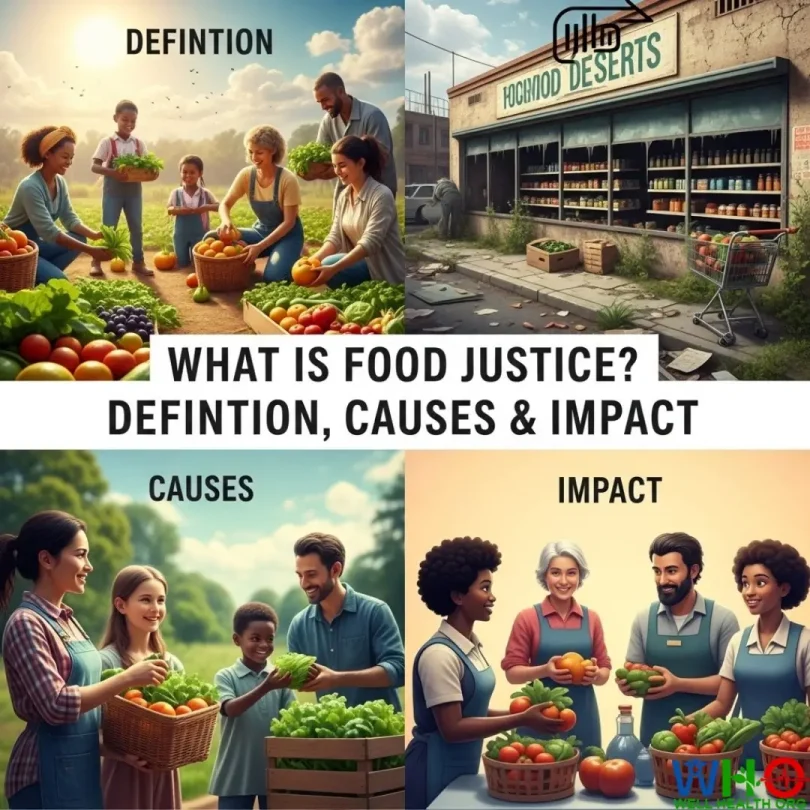
Access to fresh, nutritious, and affordable food is often taken for granted by many people. Yet, for millions worldwide, securing a healthy meal each day remains a constant struggle. This reality highlights why the concept of food justice has gained momentum as both a social movement and a framework for change. At its heart, food justice acknowledges that food is not just about sustenance—it is tied to health, equity, culture, and environmental sustainability.
- What is Food Justice?
- Four Key Components of Food Justice
- The Core Principles of the Food Justice Movement
- The Root Causes of Food Injustice
- 1. Poverty and Economic Inequality
- 2. Racial Discrimination and Systemic Inequities
- 3. Lack of Access to Resources
- 4. Exploitation of Workers and Communities
- The Far-Reaching Impact of Food Injustice
- Health Disparities
- Environmental Consequences
- Social and Economic Impacts
- Solutions and Actions for Food Justice
- Community-Based Initiatives
- Policy and Advocacy
- Education and Awareness
- Charting a Path Toward Food Justice
- Individual Actions That Make a Difference
- Community Engagement
- Systemic Transformation
- Why Food Justice Matters for the Future
- Conclusion
- FAQs About Food Justice
This in-depth guide will explore the meaning of food justice, its underlying principles, and the systemic challenges it seeks to address. We’ll examine the causes of food injustice, its wide-reaching impact, and the innovative solutions communities are building to create a fairer, more resilient food system for all.
What is Food Justice?
Food justice can be defined as the belief that every individual has the right to access affordable, healthy, and culturally appropriate food. But it’s much more than a simple issue of food supply. Food justice pushes us to rethink the very foundations of how food is grown, processed, distributed, and consumed.
The term has been in use for over 20 years, evolving alongside our understanding of global food systems. While “food security” often emphasizes the availability of food, food justice goes deeper—it addresses power, equity, and sustainability. It’s about dismantling oppressive systems and creating structures where communities themselves have a say in their food future.
Four Key Components of Food Justice
A 2023 review of food justice research highlights four essential components:
- Food Security – Ensuring consistent, reliable access to sufficient and nutritious food.
- Food Systems Transformation – Restructuring how food is produced and distributed, prioritizing fairness and sustainability.
- Community Agency – Empowering local communities to participate in decision-making and reclaim control over their food systems.
- Environmental Sustainability – Promoting ecological practices that regenerate, rather than deplete, natural resources.
In contrast, food injustice describes systems that deny people access to healthy food, expose workers to exploitation, or harm the planet through unsustainable practices.
The Core Principles of the Food Justice Movement
The food justice movement rests on a set of principles designed to challenge inequality and foster collective well-being. It views the food system not in isolation but as interconnected with poverty, racism, environmental degradation, and labor exploitation.
Here are the core principles:
- Ending Hunger and Malnutrition
Everyone deserves enough nutritious food to live a healthy life. Food justice advocates reject the notion that hunger is inevitable in wealthy nations. - Challenging Inequality
Systemic inequities disproportionately affect marginalized groups—especially women, people of color, and low-income families. Food justice demands structural change to uproot these disparities. - Protecting Workers’ Rights
Millions of people—from farm laborers to warehouse staff to supermarket employees—keep our food system running. The movement emphasizes fair wages, safe working conditions, and dignity for these essential workers. - Promoting Environmental Stewardship
Industrial farming often comes at the cost of soil, water, biodiversity, and climate health. Food justice promotes sustainable and regenerative agricultural practices that support long-term ecological balance. - Empowering Communities
Local control over food production and distribution reduces dependency on exploitative systems and builds resilience. Community-led initiatives, such as cooperatives and urban farms, are central to this principle.
By working through these principles, food justice envisions a future where the food system nourishes people and the planet equally.
The Root Causes of Food Injustice
Food injustice does not happen by accident. It stems from complex, interwoven systems of inequality, discrimination, and exploitation. Understanding these root causes is critical for addressing them effectively.
1. Poverty and Economic Inequality
Poverty remains one of the most significant drivers of food insecurity. When families are forced to make tough financial choices, food is often the first expense reduced.
For example:
- Processed foods high in calories but low in nutrients are often cheaper and more accessible.
- A 2019 analysis found that while processed food prices dropped over two decades, the cost of fresh fruits and vegetables rose by 17% in just six years.
This means that low-income households are effectively priced out of healthy diets, pushing them toward cheaper, less nutritious options that increase long-term health risks.
2. Racial Discrimination and Systemic Inequities
Food injustice is closely tied to systemic racism. Historical practices such as redlining—where minority neighborhoods were denied investment—have left lasting consequences. Many communities of color today lack supermarkets or fresh food options, leaving residents dependent on fast food and convenience stores.
Additionally:
- Studies show lower-income and racially diverse neighborhoods in the U.S. often have fewer grocery stores and poorer food access.
- Indigenous communities worldwide face the compounded impact of colonialism, which disrupted traditional food systems and left generations dependent on imported, less nutritious foods.
3. Lack of Access to Resources
Geographic and physical barriers also play a major role in food injustice.
- Food Deserts: Areas where affordable, nutritious food is difficult to find.
- Transportation Barriers: Without reliable public transit, many people cannot reach grocery stores.
- Safety Concerns: Dangerous streets or lack of walkable areas further limit food access.
For rural and disabled populations, these barriers are even more pronounced.
4. Exploitation of Workers and Communities
Behind every meal is a vast labor force—farmworkers, packers, truck drivers, and retail employees. Yet, many of these workers are underpaid, underprotected, and overworked.
Migrant workers, in particular, are vulnerable to exploitation, lacking legal protections and often working in harsh, unsafe conditions. Meanwhile, large corporations consolidate land and resources, displacing small farmers and disrupting traditional, community-based food systems.
The Far-Reaching Impact of Food Injustice
The effects of food injustice ripple through health, the environment, and society at large.
Health Disparities
Food insecurity is directly linked to health outcomes. Communities without reliable access to healthy food often experience:
- Higher rates of obesity, diabetes, and heart disease.
- Increased food-related stress and mental health challenges.
- Poor nutrition in childhood, leading to developmental issues.
In the U.S., one in five children lives in food-insecure households. During the COVID-19 pandemic, this figure skyrocketed as food insecurity tripled among families with children.
Environmental Consequences
Our industrial food system is a major contributor to climate change, responsible for around 15% of global greenhouse gas emissions. Harmful practices include:
- Heavy pesticide and fertilizer use, which degrade soil and water.
- Mass livestock farming, releasing methane and other pollutants.
- Monocropping, which strips biodiversity and increases vulnerability to pests.
Climate change, in turn, creates a vicious cycle—threatening crop yields, displacing farmers, and increasing global hunger.
Social and Economic Impacts
Food injustice reinforces cycles of inequality:
- Communities without control over food supply also lack control over local economies.
- Women, who make up 50–80% of the global food workforce yet own less than 10% of farmland, face unique vulnerabilities.
- Generational poverty deepens as poor health and lack of resources prevent upward mobility.
Solutions and Actions for Food Justice
Tackling food injustice requires more than charitable food donations—it calls for systemic change combined with grassroots action. The solutions must address both immediate needs and long-term transformation.
Community-Based Initiatives
At the heart of food justice is community empowerment. When people have control over their food systems, they build resilience and strengthen local economies.
Examples of grassroots solutions include:
- Community Gardens
- Vacant lots and neglected urban spaces can be turned into thriving gardens.
- These projects not only provide fresh produce but also create community gathering spaces, promote education, and reconnect people to the land.
- In many U.S. cities, community gardens have reduced crime rates and improved neighborhood cohesion.
- Mobile Markets and Food Trucks
- In areas without supermarkets, mobile markets deliver fresh fruits and vegetables directly to residents.
- Some operate on buses or trucks, visiting schools, churches, and senior centers.
- This reduces reliance on corner stores with limited and overpriced options.
- Farm-to-School Programs
- Connecting local farmers with schools helps children access nutritious meals.
- These programs also teach students about agriculture, sustainability, and healthy eating habits.
- Studies show kids are more likely to eat fruits and vegetables when they are involved in gardening or farm-to-school initiatives.
- Food Cooperatives
- Co-ops are member-owned grocery stores that prioritize affordable, local, and sustainable products.
- They keep profits within the community and give members decision-making power.
Policy and Advocacy
While grassroots efforts are essential, large-scale change requires policy reform at local, national, and global levels.
Key policy strategies include:
- Food Policy Councils
- These councils bring together farmers, activists, health workers, and policymakers to push for systemic change.
- They advocate for zoning laws that allow urban farms, incentives for stores selling fresh produce, and subsidies for sustainable agriculture.
- Fair Labor Practices
- Campaigns such as the Food Justice Certification by the Agricultural Justice Project promote safe working conditions and fair wages for food workers.
- Strengthening labor laws for migrant and seasonal workers is critical.
- Nutrition Assistance Programs
- Expanding programs like SNAP (Supplemental Nutrition Assistance Program) and WIC (Women, Infants, and Children) ensures vulnerable families can afford healthy food.
- Advocates also push for incentives that allow benefits to be used at farmers’ markets.
- Climate-Smart Agriculture Policies
- Supporting regenerative practices—such as crop rotation, agroforestry, and organic farming—helps reduce emissions while protecting ecosystems.
Education and Awareness
Knowledge is a powerful tool for building a more equitable food system.
- Workshops and Trainings: Organizations like Soul Fire Farm offer training in farming, food sovereignty, and racial justice.
- Storytelling and Media Campaigns: Sharing personal stories of food insecurity helps humanize the issue and mobilize public support.
- School Curriculums: Including food justice in education equips the next generation with awareness and practical skills.
When people understand the history of food systems and their inequities, they are more likely to support and demand change.
Charting a Path Toward Food Justice
The path toward food justice is not short or simple. It requires both individual action and collective systemic reform. Yet, the movement is growing stronger, fueled by communities that refuse to accept hunger and inequity as inevitable.
Individual Actions That Make a Difference
While large-scale transformation is essential, individual choices can contribute to a healthier and more just food system:
- Support Local Farmers: Buying from farmers’ markets and CSAs (Community Supported Agriculture) strengthens regional food economies.
- Participate in Community Gardens: Even small contributions—like volunteering a few hours—help sustain local food projects.
- Reduce Food Waste: Nearly one-third of all food produced globally is wasted. Being mindful of food use helps conserve resources.
- Choose Sustainable Options: Supporting organic, fair-trade, and ethically sourced products helps shift demand.
Community Engagement
Change happens fastest when communities work together:
- Start or join a food cooperative.
- Advocate for healthier food options in schools and workplaces.
- Partner with local organizations fighting hunger and inequality.
Systemic Transformation
Ultimately, food justice cannot be achieved without transforming the structural forces of inequality. This means:
- Advocating for policies that address racial and economic disparities.
- Supporting workers’ rights movements.
- Reimagining agriculture and distribution systems to be environmentally sustainable.
Why Food Justice Matters for the Future
Food justice is not just about meals—it’s about building healthier, fairer societies. When people have control over their food systems, they gain dignity, security, and power.
The movement envisions a world where:
- No child goes hungry.
- Farmers are paid fairly.
- Communities thrive with local food systems.
- The planet is protected through regenerative agriculture.
This vision requires courage, persistence, and collaboration. But every community garden planted, every cooperative formed, and every policy reformed is a step closer.
Conclusion
Food justice reminds us that food is not merely a commodity—it is a human right. Yet today’s food system often prioritizes profit over people and the planet. By addressing the root causes of inequality, supporting community-driven initiatives, and pushing for systemic reform, we can build a food system that truly nourishes all.
Every person has a role to play. Whether through everyday choices, community involvement, or policy advocacy, we can each contribute to a future where healthy, affordable, and sustainable food is accessible to everyone.
FAQs About Food Justice
1. How is food justice different from food security?
Food security ensures people have enough to eat, while food justice emphasizes equity, sustainability, and community control of food systems.
2. What are some examples of food injustice?
Examples include food deserts in low-income neighborhoods, exploitation of migrant farmworkers, and the high cost of fresh produce compared to processed foods.
3. Who is most affected by food injustice?
Low-income families, communities of color, women, Indigenous groups, and migrant workers are disproportionately impacted by inequities in the food system.
4. Can individuals really make a difference in food justice?
Yes. Supporting local farmers, reducing waste, joining cooperatives, and advocating for policy changes all contribute to building fairer food systems.
5. What role does climate change play in food justice?
Climate change disrupts food production, threatens crop yields, and disproportionately affects vulnerable communities—making sustainable practices a core part of food justice.
Medically Reviewed by Prof. Dr. Akram
Orthopedic Surgeon | Professor | Senior Medical Specialist
Prof. Dr. Akram is a distinguished surgeon with over 15 years of clinical expertise. Having served as a lead Emergency Specialist at Complex International Government Hospital, he currently leads a specialized team of 13 medical professionals at his private hospital. As a Professor at top medical universities, he ensures that every article on WellHealthOrg.com meets rigorous clinical standards.
Medical Disclaimer:
The information provided is for educational purposes only and is not a substitute for professional medical advice, diagnosis, or treatment. Always consult your physician for any medical concerns.
Our content is rigorously fact-checked by our 13-member Editorial Team under the clinical supervision of Prof. Dr. Akram.