The Hidden Link Between Low Blood Sugar and Hypothermia: A Life-Saving Guide
Low blood sugar (hypoglycemia) and dangerously low body temperature (hypothermia) are often seen as unrelated problems—one tied to nutrition and metabolism, the other to environmental cold. Yet medical research and real-life emergencies show a much deeper connection between these two conditions. When they occur together, they can create a dangerous cycle that worsens rapidly if not addressed.
- Understanding Hypoglycemia: When Blood Sugar Drops Below Safe Levels
- Early Warning Signs
- When Hypoglycemia Becomes Severe
- Understanding Hypothermia: More Than Just “Being Cold”
- Early Symptoms of Hypothermia
- Danger Signs as It Progresses
- The Dangerous Connection: How Low Blood Sugar Can Trigger Hypothermia
- The Reverse Effect: How Hypothermia Impacts Blood Sugar Levels
- Special Considerations: Newborns at Highest Risk
- Real-World Risk Factors for This Dangerous Duo
- Practical Prevention Strategies
- Recognizing and Responding to an Emergency
- Risk Factors and Why Some People Are More Vulnerable
- 1. People with Diabetes
- 2. Infants and Young Children
- 3. Elderly Adults
- 4. Outdoor Workers and Adventurers
- 5. Homeless and Housing-Insecure Populations
- Prevention Strategies That Can Save Lives
- 1. Nutrition and Blood Sugar Stability
- 2. Clothing and Environmental Preparedness
- 3. Planning Ahead
- Recognizing the Emergency: A Combined Symptom Checklist
- First Aid: Step-by-Step Response
- Why This Knowledge Matters
- Special Considerations for Newborns and Infants
- Why Babies Lose Heat Faster
- Warning Signs in Infants
- Immediate Care for At-Risk Infants
- Home Remedies and Supportive Measures
- For Hypoglycemia
- For Hypothermia (Mild Cases Only)
- Combined Prevention
- Real-Life Scenarios That Show the Risk
- Case 1: The Winter Jogger
- Case 2: The Unheated Apartment
- Expanded Conclusion
- 5 Unique FAQs
This isn’t just a theoretical link. In real-world emergencies—from hikers caught in cold weather to people with diabetes experiencing a nighttime blood sugar crash—hypoglycemia and hypothermia often appear hand-in-hand. Recognizing how they interact could mean the difference between a quick recovery and a life-threatening crisis.
In this guide, you’ll learn exactly how low blood sugar can cause body temperature to drop, why hypothermia can worsen blood sugar imbalances, and what to do to protect yourself or someone else in an emergency.
Understanding Hypoglycemia: When Blood Sugar Drops Below Safe Levels
Hypoglycemia occurs when the amount of glucose in your blood falls below what your body and brain need to function normally—usually under 70 mg/dL for most people. While the body can draw on stored energy in the liver and muscles for a short time, the brain relies almost exclusively on glucose from the bloodstream. When that supply drops too low, things can go wrong quickly.
Early Warning Signs
Mild to moderate hypoglycemia often triggers the body’s emergency alert system:
- Shakiness or trembling
- Rapid heartbeat
- Sweating
- Anxiety or nervousness
- Irritability
- Hunger
- Lightheadedness or dizziness
These signs are essentially your body’s way of saying: “Fuel supply is running low—act now!”
When Hypoglycemia Becomes Severe
If blood sugar continues to fall, symptoms can escalate to:
- Weakness and clumsiness
- Difficulty speaking or slurred speech
- Blurred vision
- Confusion or strange behavior
- Seizures
- Loss of consciousness
At this stage, the brain is essentially running out of energy. Without intervention, critical functions—like temperature regulation—begin to fail.
Understanding Hypothermia: More Than Just “Being Cold”
Hypothermia occurs when your core body temperature drops below 95°F (35°C). While it’s most common in cold-weather environments, it can also develop indoors—especially in elderly individuals, infants, or people with certain medical conditions.
Early Symptoms of Hypothermia
- Persistent shivering
- Slowed reaction times
- Fatigue and drowsiness
- Confusion or forgetfulness
- Clumsiness or poor coordination
- Slurred speech
Danger Signs as It Progresses
One of the most misleading signs is when shivering stops—this is a sign that the body’s heating mechanisms are shutting down, and the person is in severe hypothermia.
The Dangerous Connection: How Low Blood Sugar Can Trigger Hypothermia
Your body’s thermostat—the hypothalamus—sits deep inside your brain. It regulates core temperature, adjusting heat production and conservation depending on conditions. But it runs almost entirely on glucose.
When blood sugar drops too low:
- The hypothalamus loses fuel, impairing its ability to regulate heat.
- Heat-generating mechanisms, like shivering, slow down.
- Blood vessels may remain dilated, allowing heat to escape faster.
- Body temperature begins to fall—sometimes quickly.
In essence, hypoglycemia starves your body’s temperature control system. Some experts believe this cooling might be a protective response—slowing metabolism to conserve what little energy remains—but it can be deadly if not corrected.
The Reverse Effect: How Hypothermia Impacts Blood Sugar Levels
Interestingly, the connection goes both ways. When your body temperature drops significantly:
- Insulin secretion decreases (less hormone to help move sugar into cells).
- Insulin resistance increases (cells don’t respond as well to the insulin that is present).
- Glucose stays in the blood longer—causing stress hyperglycemia in many cases.
But here’s the catch: when the person is rewarmed, glucose can suddenly drop, leading to post-rewarming hypoglycemia—especially dangerous in people with diabetes or limited energy reserves.
Special Considerations: Newborns at Highest Risk
Newborn infants are particularly vulnerable for two reasons:
- Tiny glucose reserves – Babies have small glycogen stores and can’t produce glucose as efficiently as adults.
- High surface area-to-body ratio – They lose heat faster than adults, especially if wet or poorly wrapped.
In newborns, hypoglycemia can cause hypothermia—and hypothermia can cause hypoglycemia—in a dangerous loop that can escalate in minutes.
Signs to watch for in infants include:
- Cold skin
- Poor feeding
- Weak cry
- Unusual sleepiness
- Tremors or jitteriness
- Seizures (in severe cases)
Immediate medical care is critical.
Real-World Risk Factors for This Dangerous Duo
You’re more likely to experience both hypoglycemia and hypothermia if you fall into one or more of these categories:
- People with diabetes using insulin or glucose-lowering medications
- Outdoor workers in cold environments
- Hikers or mountaineers without adequate food supplies
- Elderly individuals with poor nutrition or low mobility
- Infants and young children
- Homeless populations exposed to cold weather
Practical Prevention Strategies
1. Maintain Stable Blood Sugar
- Eat regular, balanced meals.
- Carry quick-acting carbs (glucose tablets, juice) if you’re at risk.
- Follow your doctor’s medication schedule.
2. Dress and Prepare for Conditions
- Use layered clothing in cold weather.
- Protect your head, hands, and feet (areas where heat is lost fastest).
- Keep dry—wet clothing accelerates heat loss.
3. Plan for Emergencies
- Always carry a source of heat and carbs if hiking or camping.
- Check weather forecasts and avoid prolonged exposure without shelter.
- For infants, use skin-to-skin warming in emergencies.
Recognizing and Responding to an Emergency
If you suspect someone is experiencing both low blood sugar and hypothermia:
- Call emergency services immediately.
- If conscious and able to swallow safely, give a quick sugar source (juice, regular soda, glucose gel).
- Move the person to a warm, dry place.
- Remove wet clothing and insulate with blankets.
- Avoid direct high heat (like heating pads) on cold skin.
- Monitor breathing and responsiveness until help arrives.
Important: Never give food or drink to someone unconscious or unable to swallow—it could cause choking.
Risk Factors and Why Some People Are More Vulnerable
Understanding who is most at risk can help you take targeted precautions. While anyone can experience either hypoglycemia or hypothermia under extreme circumstances, certain groups face a much higher likelihood of both conditions occurring together.
1. People with Diabetes
Those who take insulin or certain oral medications to lower blood sugar are especially vulnerable. A skipped meal, unexpected exercise, or miscalculated insulin dose can trigger a rapid drop in glucose. If this occurs outdoors in cold weather—or even indoors in a cool environment—it can quickly spiral into a dual emergency.
Example:
A person with Type 1 diabetes might inject insulin before a winter walk but forget to carry a snack. As the insulin works to lower blood sugar, their body also burns extra energy to stay warm, leading to a faster glucose drop and impaired temperature regulation.
2. Infants and Young Children
Young children have less developed temperature regulation systems and limited glycogen reserves. Even a brief period of cold exposure or missed feeding can set off the hypoglycemia–hypothermia loop.
3. Elderly Adults
Older adults often have slower metabolic responses, reduced muscle mass (which produces heat), and sometimes poor nutrition. Add mobility issues, and they may be unable to respond quickly to symptoms.
4. Outdoor Workers and Adventurers
Fishermen, construction crews, hikers, hunters, and mountaineers face cold temperatures, unpredictable weather, and variable food access—all potential triggers.
5. Homeless and Housing-Insecure Populations
Lack of consistent shelter and meals significantly increases risk, especially during winter months.
Prevention Strategies That Can Save Lives
Preventing the dangerous combination of hypoglycemia and hypothermia requires a two-pronged approach: maintaining stable blood glucose and protecting the body from excessive heat loss.
1. Nutrition and Blood Sugar Stability
- Eat regular meals with a balance of complex carbs, protein, and healthy fats.
- Keep quick-acting carbs on hand—glucose tablets, fruit juice, honey packets, or regular soda.
- Avoid excessive alcohol, which can lower blood sugar and impair heat regulation.
- For people with diabetes, test blood glucose before and after outdoor activities.
2. Clothing and Environmental Preparedness
- Dress in layers: moisture-wicking base layer, insulating middle layer, and waterproof/windproof outer layer.
- Protect extremities—wear insulated gloves, hats, and warm socks.
- Change out of wet clothing immediately.
3. Planning Ahead
- Always check the weather forecast before extended outdoor activities.
- Tell someone where you’re going and when you’ll return.
- Carry emergency supplies: blankets, high-calorie snacks, and a heat source if possible.
Recognizing the Emergency: A Combined Symptom Checklist
Here’s where awareness can be life-saving. The overlapping symptoms of hypoglycemia and hypothermia can make diagnosis tricky. Look for:
- Mental confusion
- Unsteady walking or clumsiness
- Slurred speech
- Shivering or sudden stop in shivering
- Extreme fatigue
- Seizures or unconsciousness
If more than one of these is present—especially in a cold environment—assume both conditions may be occurring.
First Aid: Step-by-Step Response
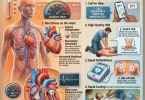
Step 1 – Call Emergency Services
If the person is confused, unresponsive, or showing severe symptoms, professional help is essential.
Step 2 – Address Blood Sugar (if possible)
If the person is awake and can swallow safely:
- Give 15–20 grams of fast-acting carbohydrate.
- Recheck symptoms after 15 minutes and repeat if necessary.
Step 3 – Address Temperature
- Move the person indoors or to shelter.
- Remove wet clothing.
- Wrap them in dry blankets, covering the head but leaving the face visible.
- Use gentle heat sources like warm (not hot) water bottles near the torso.
Step 4 – Monitor Closely
Stay with the person until help arrives. Watch for changes in breathing, heart rate, and consciousness.
Why This Knowledge Matters
The connection between low blood sugar and hypothermia is rarely discussed outside of medical circles, yet it’s a critical survival topic for:
- People with diabetes
- Caregivers for infants or elderly relatives
- Outdoor workers and athletes
- Emergency responders
This isn’t just medical trivia—it’s about recognizing subtle danger signs before they escalate into an irreversible situation.
Special Considerations for Newborns and Infants
Newborns are especially at risk from the hypoglycemia–hypothermia cycle because their bodies have a limited energy reserve and immature temperature regulation systems. Even a short period without feeding or a brief exposure to cold can cause rapid changes in both glucose and body temperature.
Why Babies Lose Heat Faster
- Larger surface area-to-body weight ratio
- Thinner skin and less insulating fat
- Inability to shiver effectively to generate heat
- Dependence on external heat sources
Warning Signs in Infants
- Cold hands and feet
- Lethargy or unusual sleepiness
- Poor feeding or refusing to feed
- Weak or high-pitched cry
- Tremors or jitteriness
- Seizures (in severe cases)
Important: In newborns, hypothermia may not present with obvious shivering. Instead, a baby may just appear unusually quiet or limp — which can easily be mistaken for normal sleepiness.
Immediate Care for At-Risk Infants
- Maintain a warm environment (ideally 72–78°F / 22–26°C indoors)
- Practice skin-to-skin contact (kangaroo care)
- Ensure regular feedings, especially in the first days after birth
- Monitor for subtle signs of distress
Home Remedies and Supportive Measures
(Your Path to Complete Recovery)
While medical emergencies require professional care, there are safe home strategies to support recovery and prevent recurrence — especially for mild cases or after stabilization.
For Hypoglycemia
- Keep natural glucose boosters on hand: honey, ripe bananas, raisins, orange juice
- Eat small, frequent meals rich in complex carbs (oats, whole grains) to stabilize glucose
- Pair carbs with protein (nuts, yogurt, eggs) to prevent rapid sugar crashes
For Hypothermia (Mild Cases Only)
- Gradually warm the body with blankets and warm liquids
- Use warm (not hot) water immersion for hands and feet
- Sip warm drinks like ginger tea or lemon-honey water to boost circulation
- Avoid alcohol and caffeine, which impair heat retention
Combined Prevention
- Carry a compact “cold-weather kit” with snacks, a thermal blanket, and hand warmers
- Avoid skipping meals before outdoor exposure
- Use insulated water bottles to keep drinks warm during cold weather activities
Real-Life Scenarios That Show the Risk
Case 1: The Winter Jogger
A man with Type 2 diabetes decided to run outdoors on a chilly morning without eating breakfast. Halfway through his run, he began feeling dizzy and disoriented. His blood sugar had dropped, and the cold weather worsened his symptoms. He was found sitting on a park bench, shivering uncontrollably — showing early hypothermia.
Lesson: Always fuel your body before outdoor exercise in cold conditions, especially with a condition like diabetes.
Case 2: The Unheated Apartment
An elderly woman living alone during a power outage tried to conserve food by skipping meals. With no heating and minimal calorie intake, she developed both hypoglycemia and hypothermia overnight.
Lesson: Adequate nutrition and warmth are equally important — never compromise one for the other.
Expanded Conclusion
The connection between low blood sugar and hypothermia is more than a coincidence — it’s a dangerous physiological loop where each condition makes the other worse.
The key takeaway is that energy equals heat. Without sufficient glucose, your body cannot generate and maintain warmth. Likewise, prolonged cold can disrupt glucose control, creating serious health risks.
For people with diabetes, caregivers of newborns or elderly relatives, and those exposed to cold environments, prevention is the best defense:
- Maintain stable glucose levels
- Avoid prolonged cold exposure without proper clothing
- Recognize early symptoms before they escalate
In an emergency, act immediately to address both conditions — and always seek professional help when symptoms are severe.
5 Unique FAQs
1. Can low blood sugar cause hypothermia even in warm weather?
Yes. If glucose levels drop severely enough, your brain’s temperature regulation center can malfunction, leading to internal hypothermia even without cold exposure.
2. Why do people with diabetes need to be extra cautious in winter?
Cold weather increases energy demands while also making blood sugar management harder, raising the risk for both hypoglycemia and hypothermia.
3. Can drinking alcohol make both conditions worse?
Absolutely. Alcohol lowers blood sugar and impairs the body’s ability to regulate temperature, doubling the danger.
4. How quickly can newborns develop hypothermia from low blood sugar?
Very quickly — sometimes within an hour — because they have small energy reserves and limited ability to generate heat.
5. What’s the safest snack to prevent hypoglycemia in cold conditions?
A mix of quick sugars (dried fruit, honey) and longer-lasting energy sources (nuts, cheese) provides both immediate and sustained fuel.
Medically Reviewed by Prof. Dr. Akram
Orthopedic Surgeon | Professor | Senior Medical Specialist
Prof. Dr. Akram is a distinguished surgeon with over 15 years of clinical expertise. Having served as a lead Emergency Specialist at Complex International Government Hospital, he currently leads a specialized team of 13 medical professionals at his private hospital. As a Professor at top medical universities, he ensures that every article on WellHealthOrg.com meets rigorous clinical standards.
Medical Disclaimer:
The information provided is for educational purposes only and is not a substitute for professional medical advice, diagnosis, or treatment. Always consult your physician for any medical concerns.
Our content is rigorously fact-checked by our 13-member Editorial Team under the clinical supervision of Prof. Dr. Akram.